
Why Buying and Shipping from the US to Nepal Is Booming
Buying directly from US stores is no longer just a “relative in America” privilege; it’s becoming normal for Nepali shoppers, students, and small businesses. E‑commerce platforms, freight consolidators, and global couriers now connect US websites to doorsteps in Kathmandu, Pokhara, and beyond, often in under two weeks. Growing trade between the United States and Nepal, over 120 million US dollars in US exports to Nepal and more than 120 million in US imports from Nepal in 2024 shows just how active this lane has become.
What Nepali Buyers Typically Order from the US
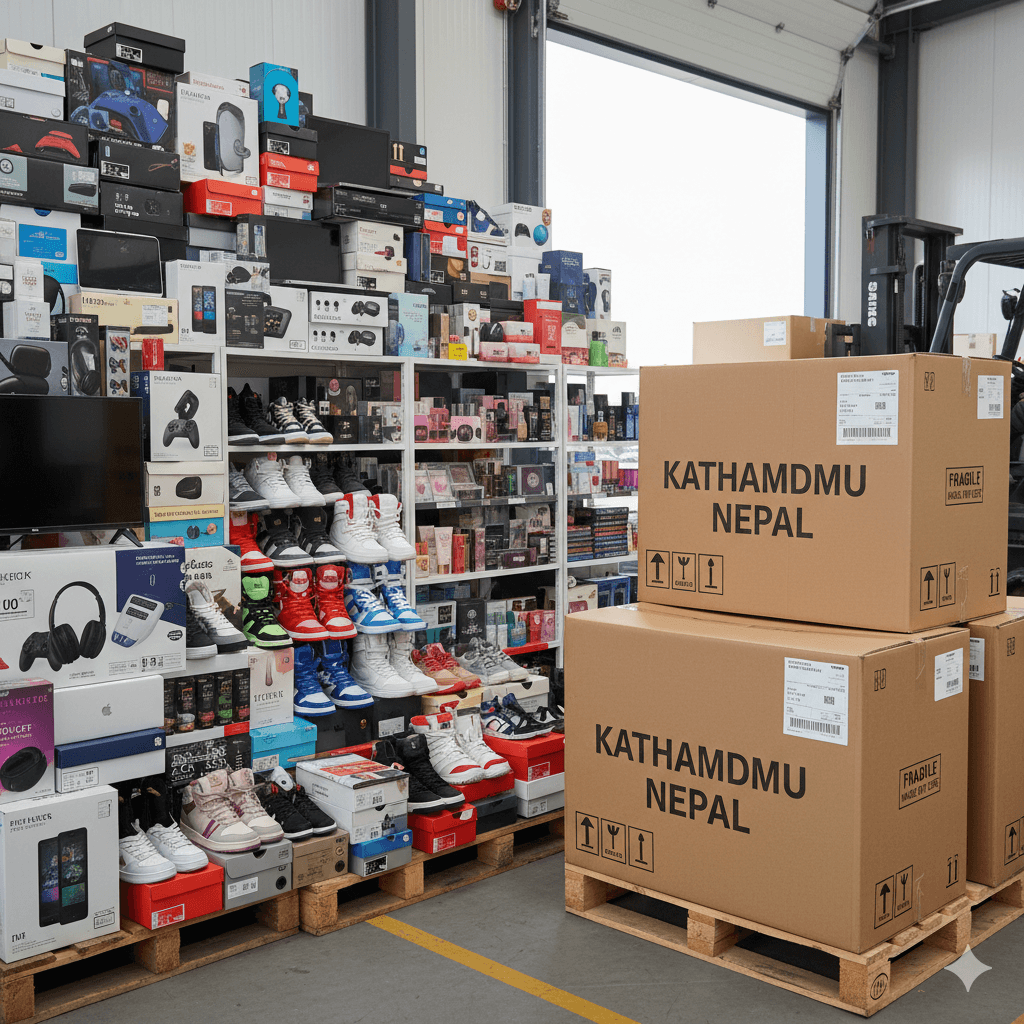
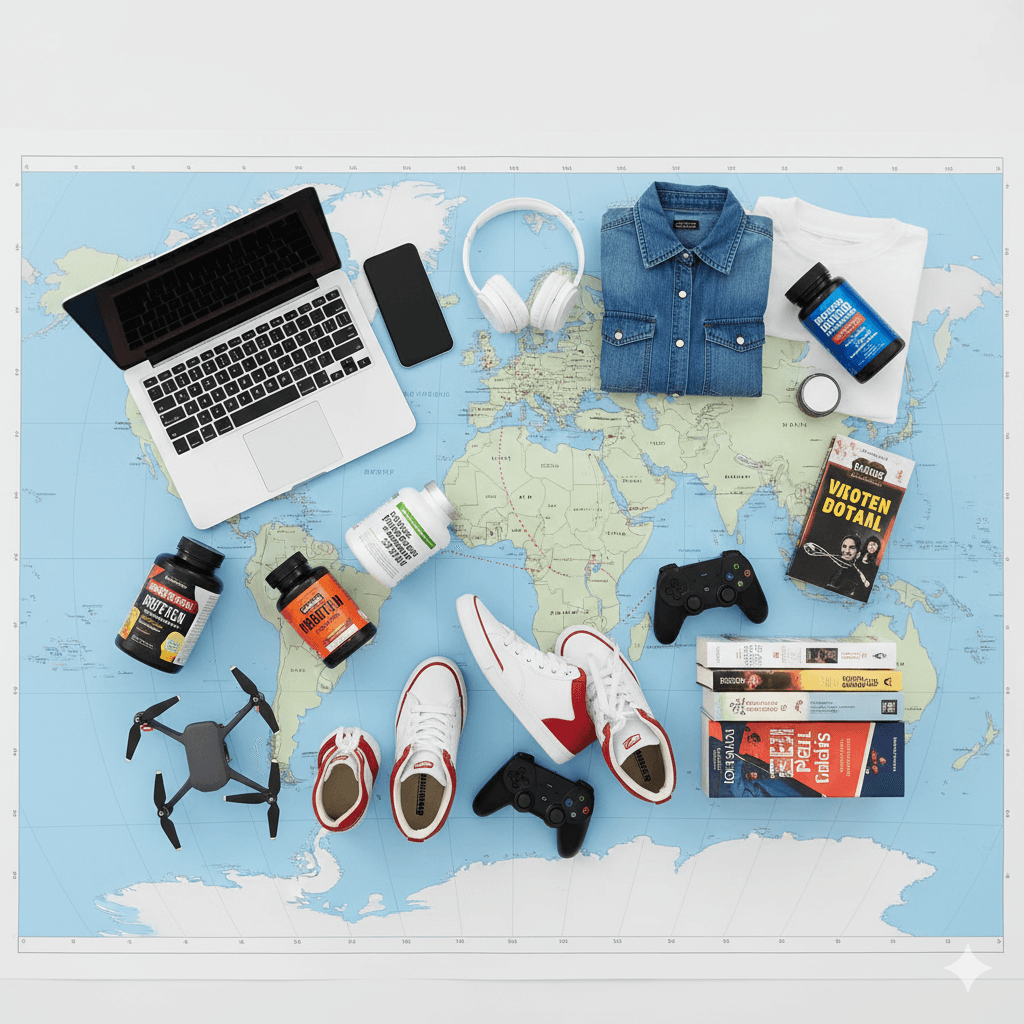
The shopping list from the US tends to follow a pattern: electronics and computer parts, branded fashion, sneakers, nutritional supplements, books, and niche hobby gear. Freight and courier companies note consistent demand for laptops, gaming consoles, premium headphones, and sportswear that are either unavailable or significantly more expensive locally. Small retailers and resellers also use US buying and shipping to test new product lines in Nepal, effectively turning personal shipping channels into micro‑import businesses without the overhead of full container loads.
The Rise of Consolidators and “Buy & Ship” Services
A major reason buying from the US has become easier is the growth of “buy and ship” services that give you a personal US address. Companies and others provide a US warehouse where customers can receive orders from multiple American stores, then consolidate them into a single international shipment to Nepal. Some of these firms claim savings of up to 80% compared with published international courier tariffs by negotiating bulk rates and optimizing box sizes before export. For Nepali shoppers who order from several retailers at once say, electronics from one store and clothing from another consolidation can substantially lower the per‑item shipping cost.

When Freight Makes More Sense Than Courier
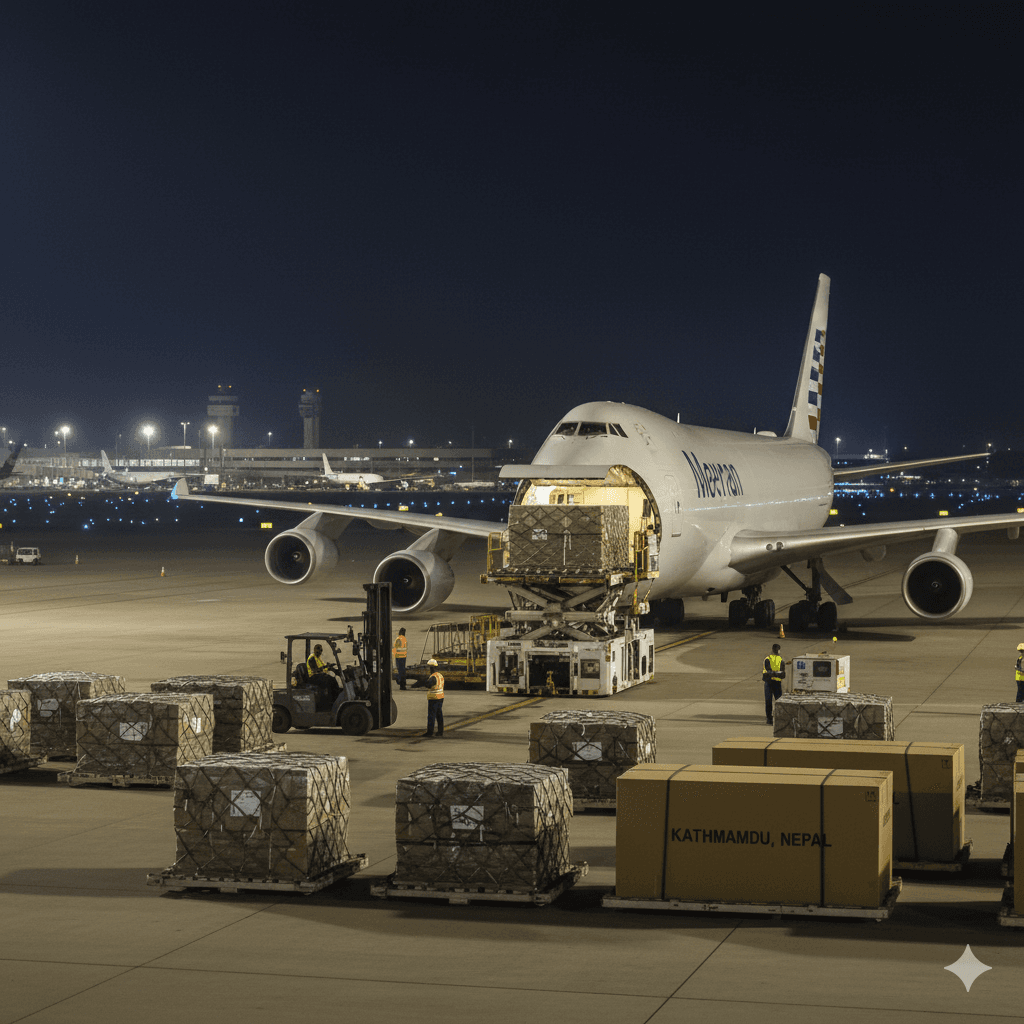
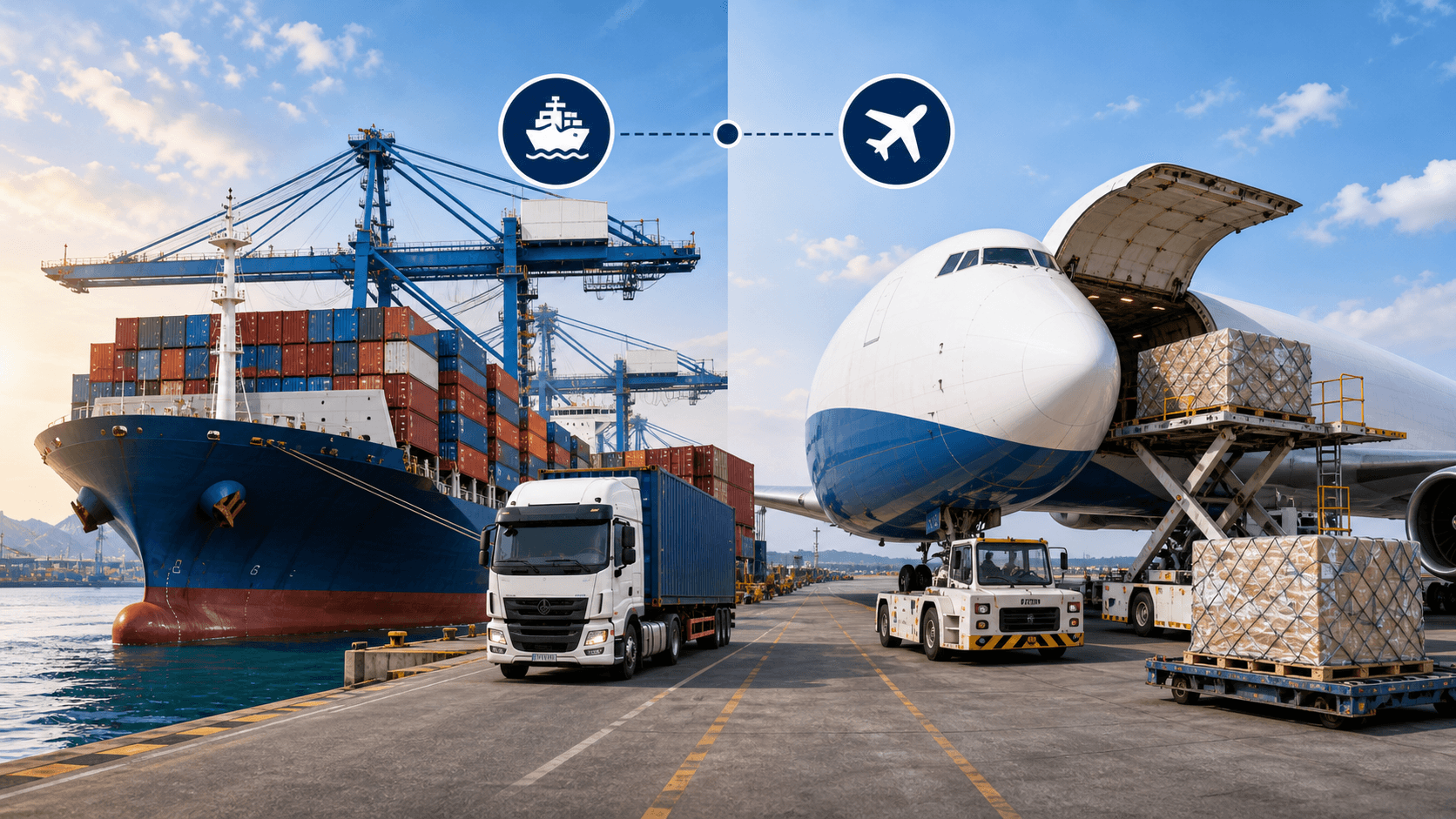
For heavier or bulkier shipments, air or sea freight can beat courier options on a per‑kilo basis. US–Nepal freight specialists cite cases where large consolidated boxes or palletized loads shipped as air cargo end up cheaper than sending the same weight by standard express courier. Sea freight is less common for individual shoppers but relevant for small businesses importing inventory; forwarders route cargo to ports like Kolkata and then overland into Nepal, with door‑to‑door transit times measured in weeks rather than days but with cost per kilogram dropping sharply as volume rises. This blend of courier and freight gives importers flexibility to match method with margin and urgency.
Balancing Cost, Speed, and Reliability for US–Nepal Shipping
Every shipment sits on a triangle of cost, speed, and reliability. Cheapest options usually mean slower transit and fewer service features, while premium products deliver rapid, time‑definite delivery at a higher price. Tools like shipping calculators and carrier rate engines highlight this trade‑off, letting senders compare multiple services side by side before choosing. The good news is that, thanks to growing trade flows and competition among logistics providers, shoppers and importers now have more room to optimize this balance than ever before—whether that means paying for three‑day express on a single laptop or consolidating several weeks’ worth of online orders into one budget‑friendly box
Conclusion
Buying and shipping from the US to Nepal has shifted from being a rare workaround to a normal part of how Nepali consumers and businesses shop. E‑commerce growth, competitive courier rates, and smarter consolidation services now give you access to everything from niche electronics to everyday lifestyle brands with delivery times that make sense for real life. Instead of relying on favors or risky third‑party arrangements, you can choose tracked, insured options that match your budget and urgency, whether that’s a single premium gadget or a bulk box of inventory for your store.
Related posts
1970-01-01
Sea + Air Freight: How SeaSky Helps Businesses Ship Smarter
2026-10-05
Landed Cost in Nepal: A Step-by-Step Import Cost Worksheet
2026-10-04
Demurrage vs Detention for Nepal Imports: Free Time, Indian Port Charges and How to Avoid Them
2026-10-01