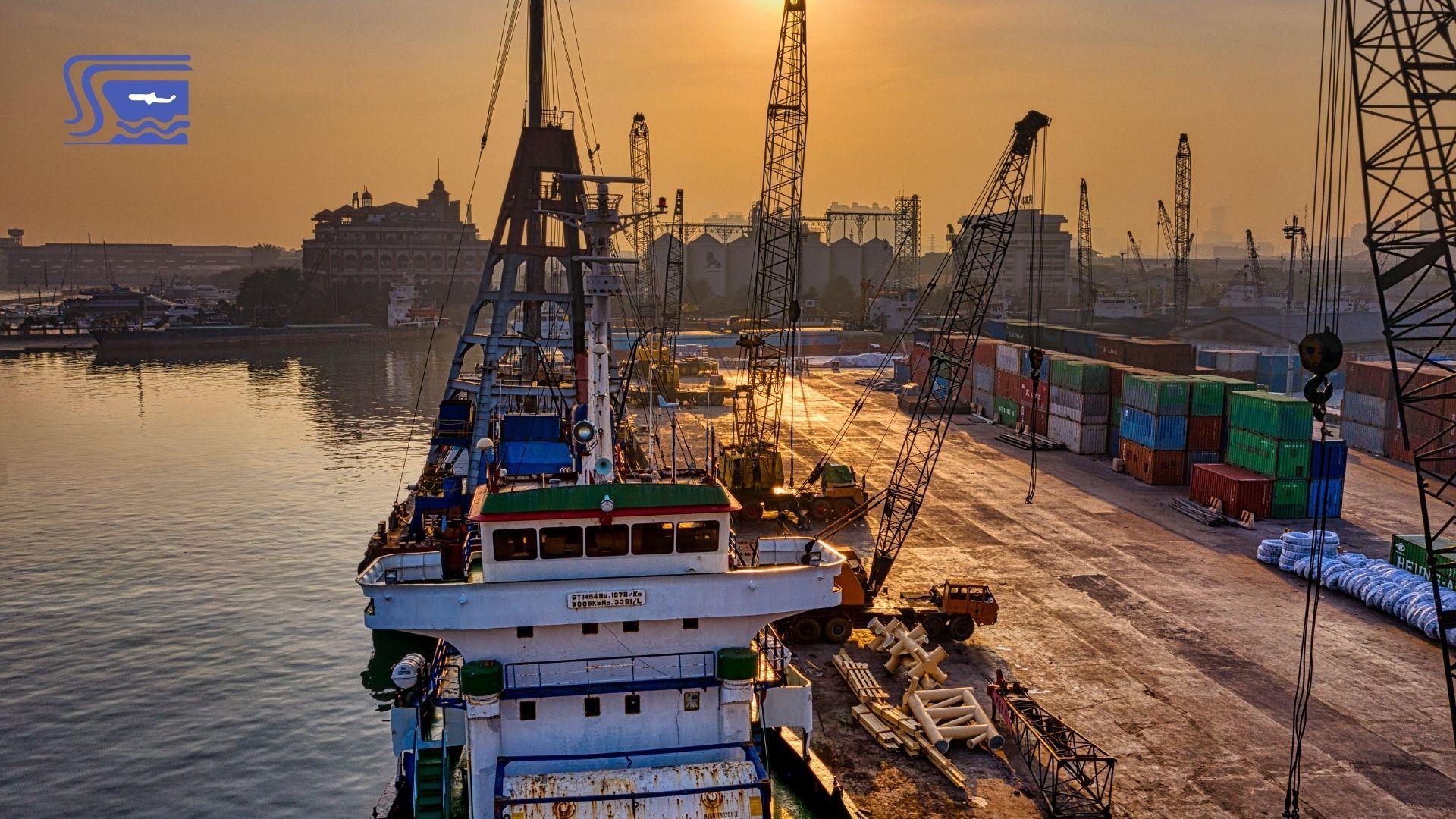
1. Customs and Compliance: The Paper Wall
The first major challenge in cross-border shipping is not the truck, plane, or ship—it is the paperwork. Every border crossing means new rules, new forms, and sometimes a new interpretation of the same regulation.
Key issues:
- Wrong or vague HS codes leading to extra inspections, fines, or re‑classification.
- Inconsistent valuation, missing certificates, or improper origin documents.
- Different standards for packaging, labelling, and product safety in each country.
What this causes:
- Unpredictable clearance times.
- Storage and demurrage charges while customs “clarifies” the shipment.
- Damaged buyer relationships when orders miss contractual deadlines.
A capable freight forwarder builds compliance into the shipping plan from day one, not as a last checkpoint the day cargo reaches the border.
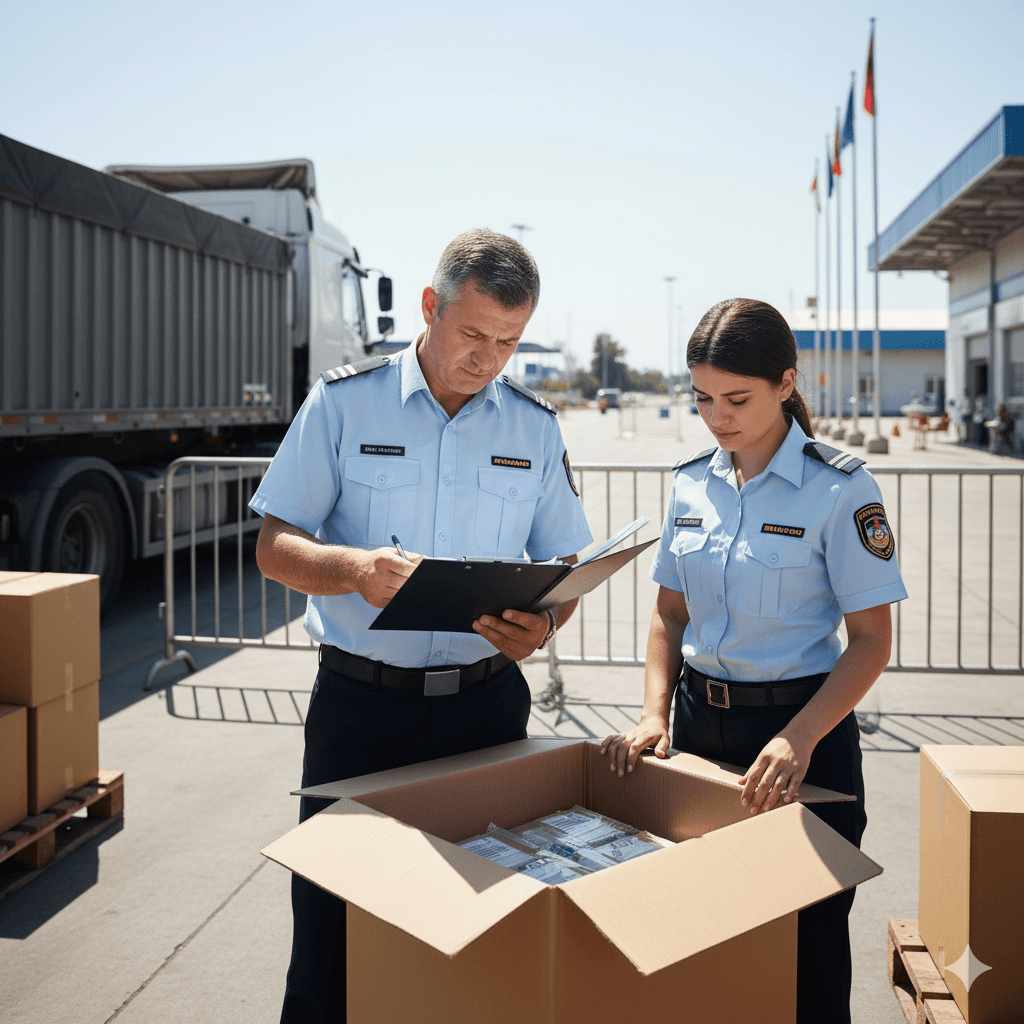
2. Infrastructure Gaps and Difficult Geography
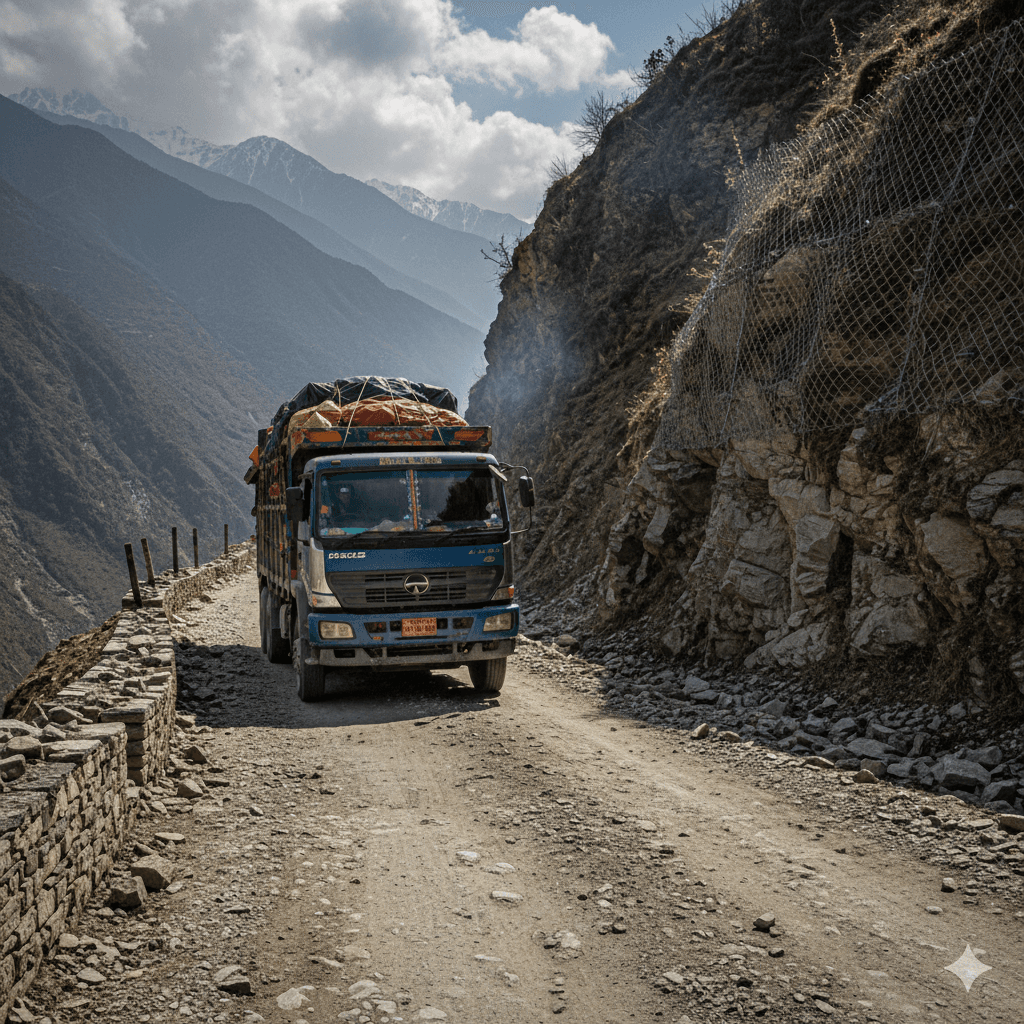
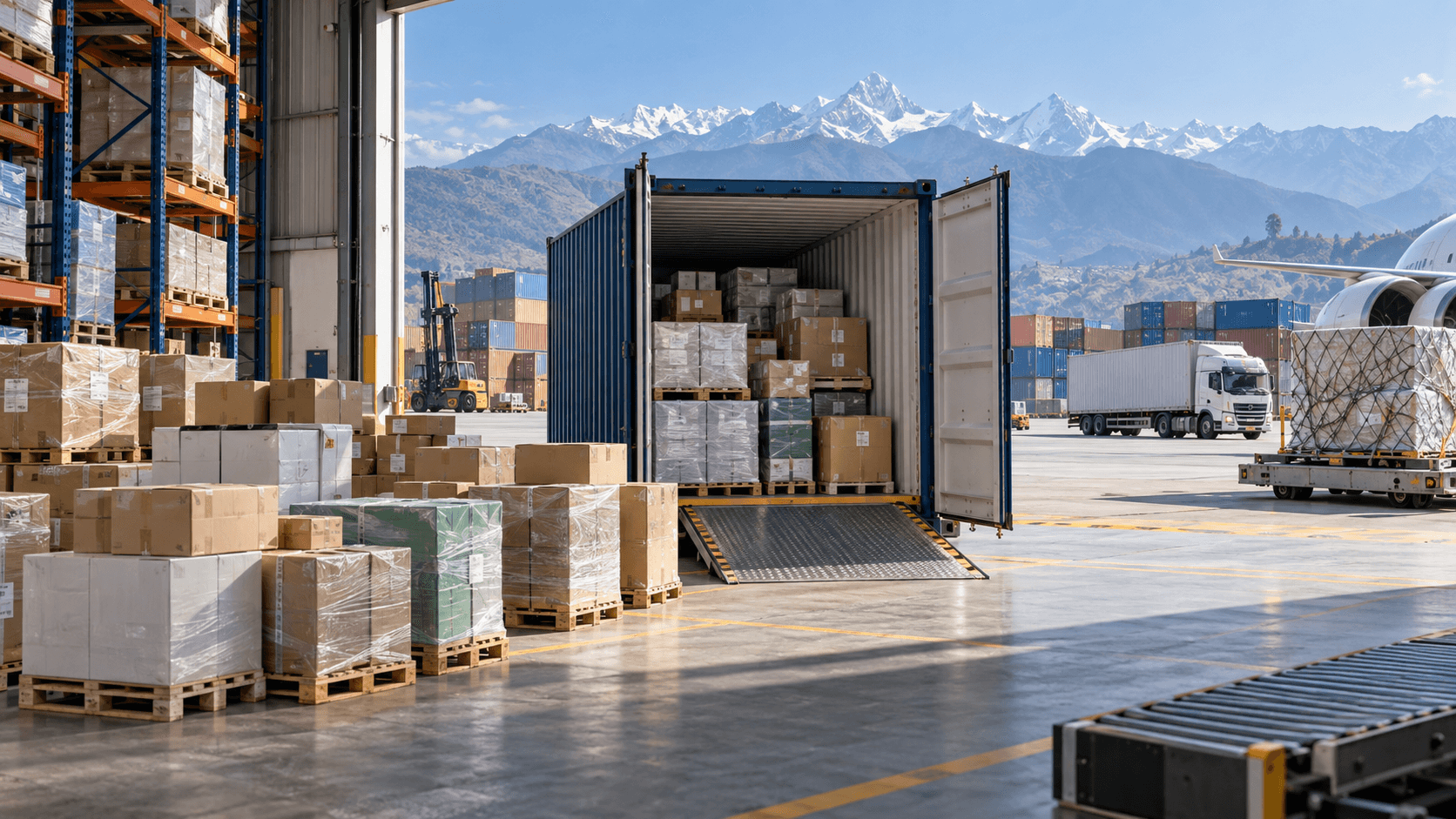
On a flat, well‑paved highway, shipping plans behave. Across mountains, narrow bridges, and congested port roads, they don’t. Cross‑border moves in regions like South Asia face:
- Poor road quality that slows trucks and increases breakdowns.
- Limited dry ports, cold storage, and warehouses, especially near remote borders.
- Seasonal disruptions monsoon floods, landslides, snow closures that shut routes entirely.
This turns a “one‑day” leg on paper into a multi‑day gamble in reality. For time‑sensitive or perishable cargo, those extra days are not just inconvenient they destroy product value.
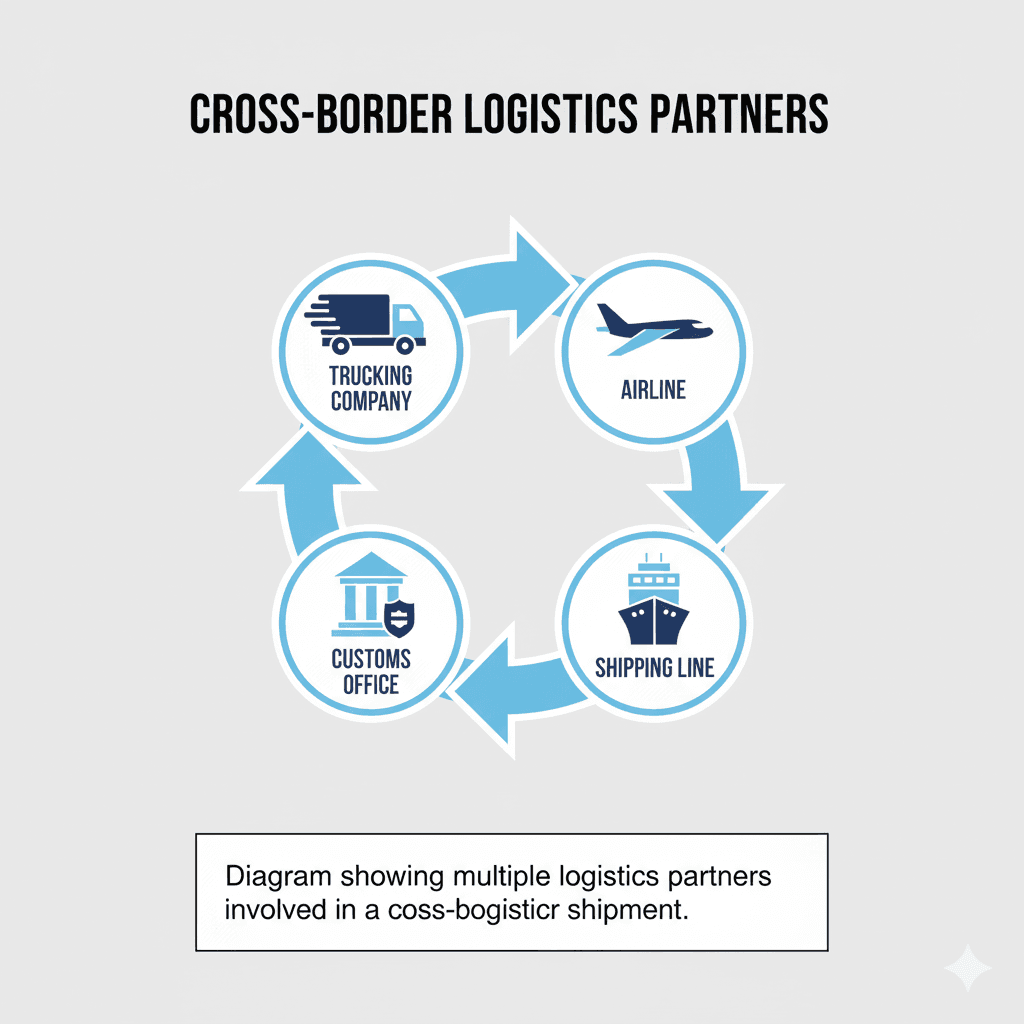
3. Multi‑Country, Multi‑Agency Coordination
Cross‑border logistics rarely involve just two parties. Typical routes include:
- Local transporter at origin.
- Export customs broker.
- Long‑haul carrier (road, rail, sea, or air).
- Import broker.
- Last‑mile transporter at destination.
Each organisation has its own priorities and working style. When no single party takes true end‑to‑end responsibility, gaps appear:
- Information gets lost between agents.
- Issues discovered in one country are not communicated to the next.
- Everyone “owns” a small segment; no one owns the outcome.
A strong freight forwarder acts as the conductor of this orchestra, setting expectations, sharing information, and owning the full journey from pickup to delivery.
4. Hidden Costs That Don’t Show Up in the Quote
The rate sheet you receive usually lists freight costs, fuel surcharges, maybe basic handling. Real cross‑border shipping, however, hides cost in the details:
- Storage and detention when customs or port processes are slow.
- Extra handling fees at inland depots or transit points.
- Informal costs triggered by unclear or incomplete documents.
- Emergency re‑routing or last‑minute airfreight because initial planning was too optimistic.
These don’t just hit your logistics budget they also distort your pricing to customers, making long‑term planning almost impossible. The “cheapest” quote at the start often becomes the most expensive by the end.

5. Fragmented Tracking and Poor Visibility
Shippers now expect to see where cargo is at every stage. But cross‑border shipping often stitches together multiple systems that don’t talk to each other:
- One tracker for domestic road.
- Another for ocean or air.
- A third for destination country last‑mile.
When something goes wrong, you receive updates late or not at all. This lack of visibility:
- Prevents you from warning your customer before a delay hits.
- Makes it hard to reschedule production or downstream deliveries.
- Creates anxiety and extra communication for every shipment.
The best forwarders unify these updates into a single, human narrative: what happened, what it means, and what they are doing about it.
6. Currency, Contracts, and Risk Allocation
Every border can introduce a new currency, legal system, and risk profile. Common pain points:
- Confusion over Incoterms (who actually pays for what, and where responsibility ends).
- Insurance gaps where cargo is technically “between” owners according to the contract.
- Fluctuating exchange rates affecting duties, freight invoices, and local handling charges.
Without clear agreements and professional guidance, these financial and legal seams become friction points or worse, disputes.

7. How a Good Forwarder Turns Challenges into a System
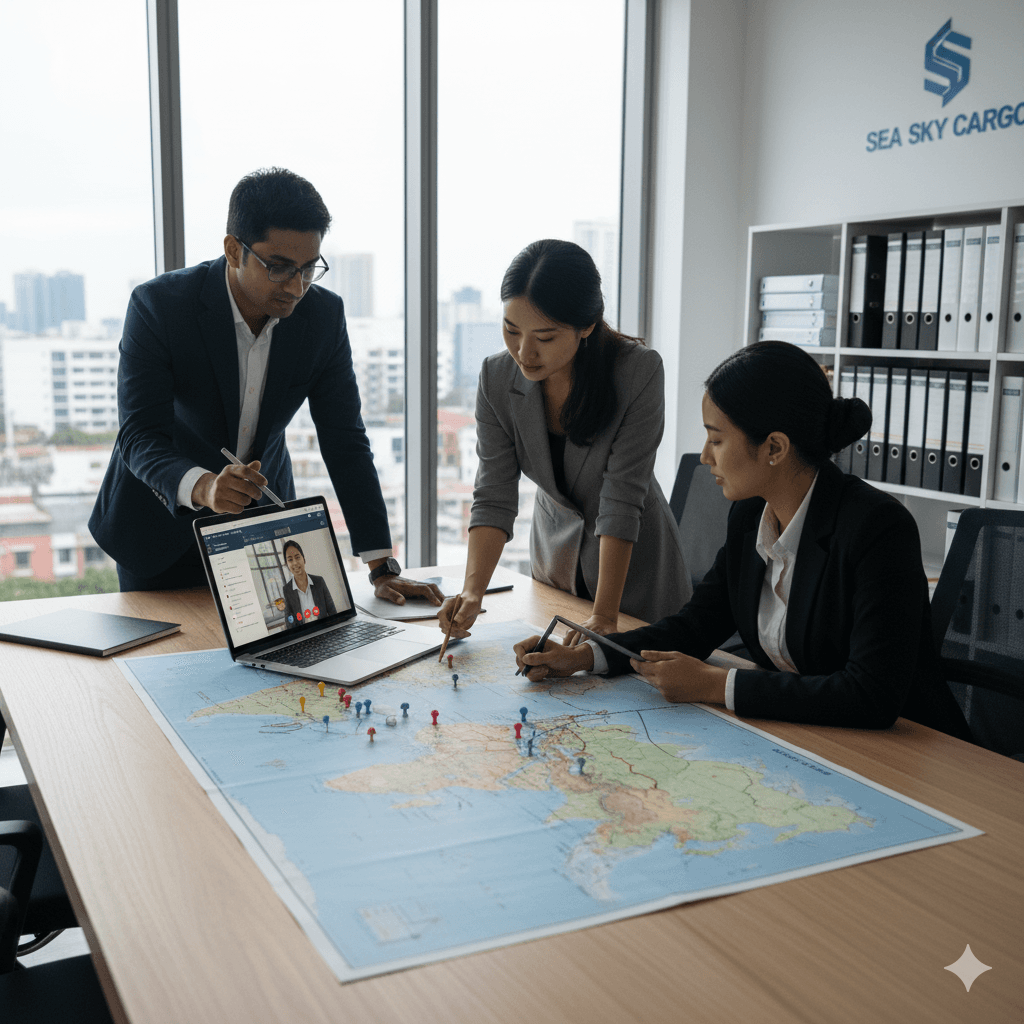
While these problems are real, they are not random. The same issues repeat on route after route, which means they can be anticipated and managed. A strong cross‑border logistics partner will typically:
- Map the full route, including every handover and authority.
- Build compliance checklists specific to your product and destination.
- Choose carriers and transit points based on reliability data, not just price.
- Set realistic transit times with buffers for known choke points.
- Offer a single point of contact who stays accountable for the shipment end‑to‑end.
When you see cross‑border shipping through this lens, the question becomes less “Will something go wrong?” and more “Who will stand with me when it does and how prepared are they?”
Conclusion: Don’t Fight These Challenges Alone
Borders exist to slow things down, question details, and check compliance. That will never change. What can change is whether you walk into that environment alone or with a partner who has seen the same movie many times before.
Sea Sky Cargo Service is built for that role. If your business depends on moving goods across borders, treat your forwarder as a strategic ally: ask how they handle customs, difficult routes, multi‑party coordination, hidden costs, tracking, and contract risk. When you ask Sea Sky those questions, you won’t get vague reassurances; you’ll get specific processes and real examples because cross‑border challenges are not a surprise to them, they are exactly what they are trained to manage for you.
Related posts
1970-01-01
Sea + Air Freight: How SeaSky Helps Businesses Ship Smarter
2026-10-12
France to Nepal Shipping Guide: Air Freight, Sea Freight, Customs and Documents
2026-10-08
Italy to Nepal Shipping Guide 2026: Freight, Customs and Documents
2026-10-07