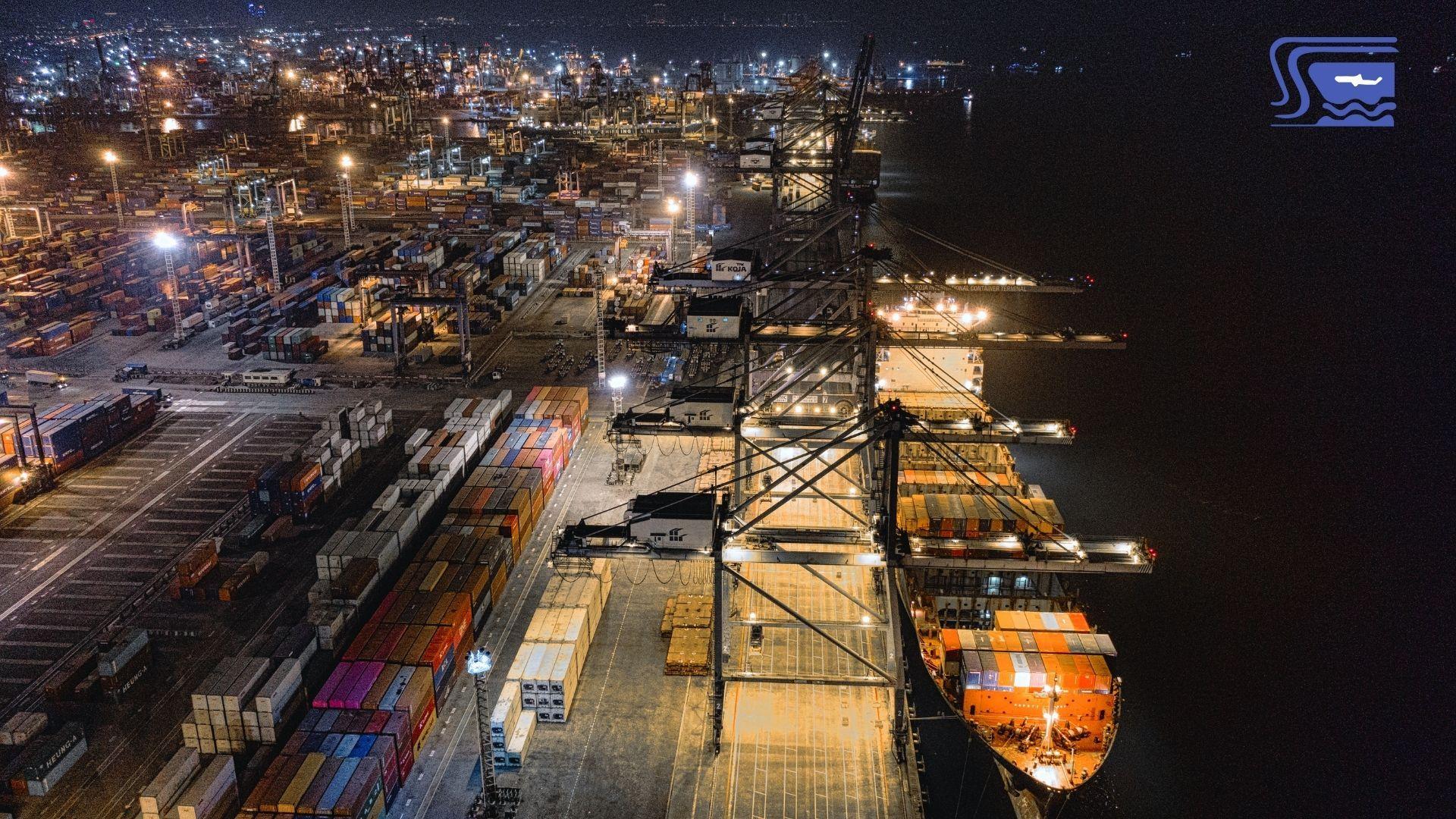
Nepal Is Landlocked but Not Trade‑Locked
Nepal has no coastline, yet it imports fuel, machinery, cars, electronics, and exports carpets, garments, herbs, tea, handicrafts, and more across the world. Being landlocked means Nepal cannot send containers directly from its own seaport, but it does not stop trade. Instead, Nepal “borrows” access to the sea and global routes through neighboring countries and combines that with its own dry ports, airports, and border infrastructure.
In practice, almost every international shipment from or to Nepal is a combination move: road or rail to a foreign seaport or airport, then ocean or air to the final country, and then inland distribution at the other end.
Using Neighboring Seaports (Mostly in India)
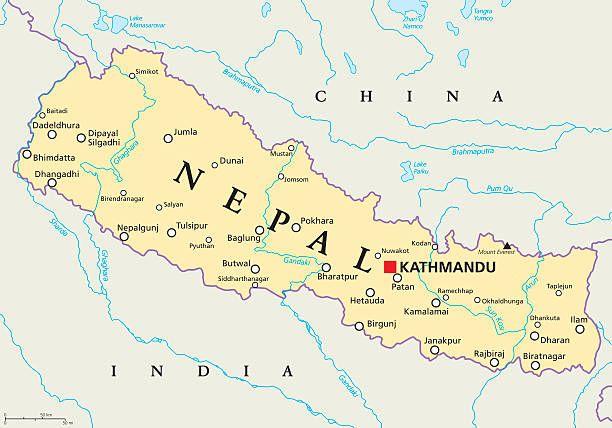
The backbone of Nepal’s global shipping is access to Indian ports under long‑term transit agreements.
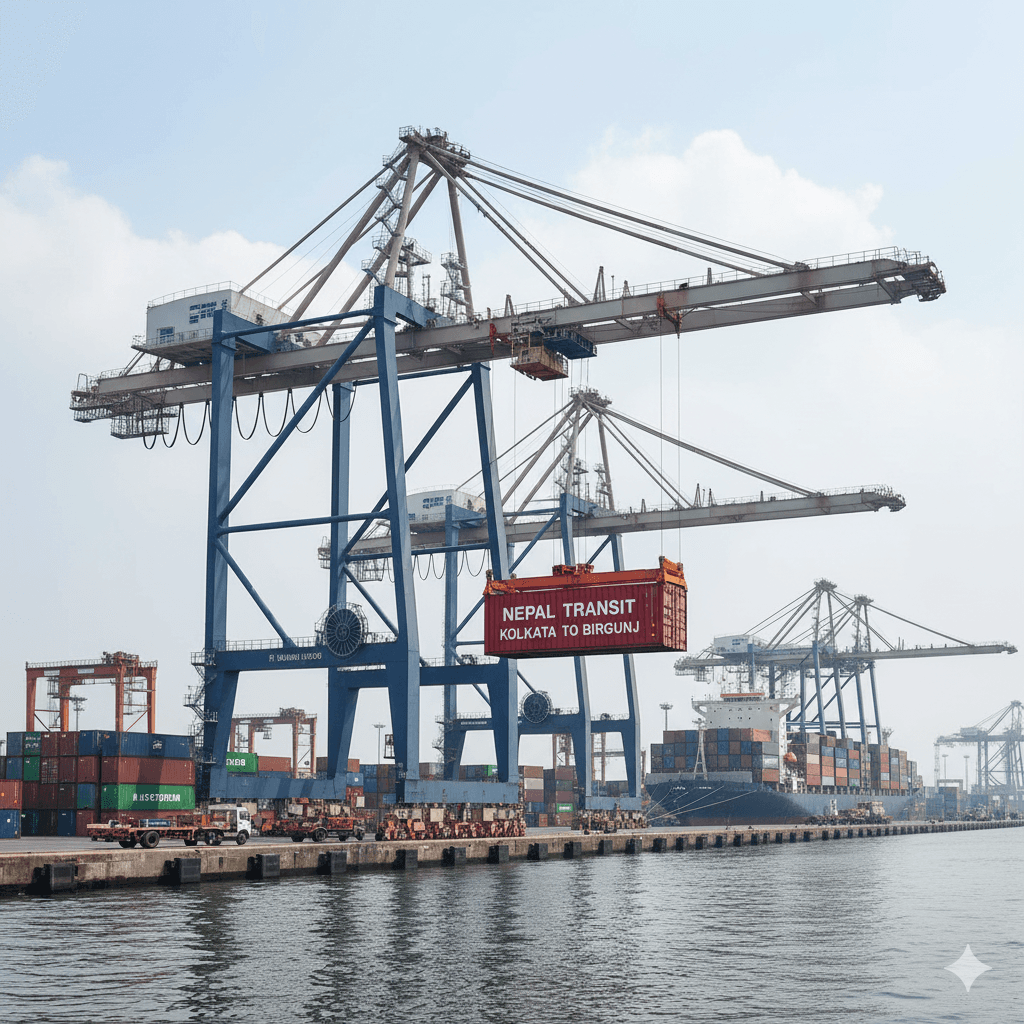
- Most containerized sea cargo moves via Kolkata and Haldia on India’s east coast.
- Another important option is Visakhapatnam (Vizag), which helps decongest Kolkata and offers different sailing schedules.
- In some cases, other Indian or Bangladeshi ports are used depending on the trade lane and carrier network.
For exporters, shipping “by sea from Nepal” usually means:
- Cargo is stuffed into containers in or near Nepal.
- Containers move by rail or truck down to the chosen Indian port.
- At the port, containers are loaded onto international vessels just like cargo from any coastal country.
So while the ship never touches Nepalese soil, the goods are still considered “Nepal exports” or “Nepal imports” because of customs status and documentation.
Dry Ports and Inland Container Depots Inside Nepal
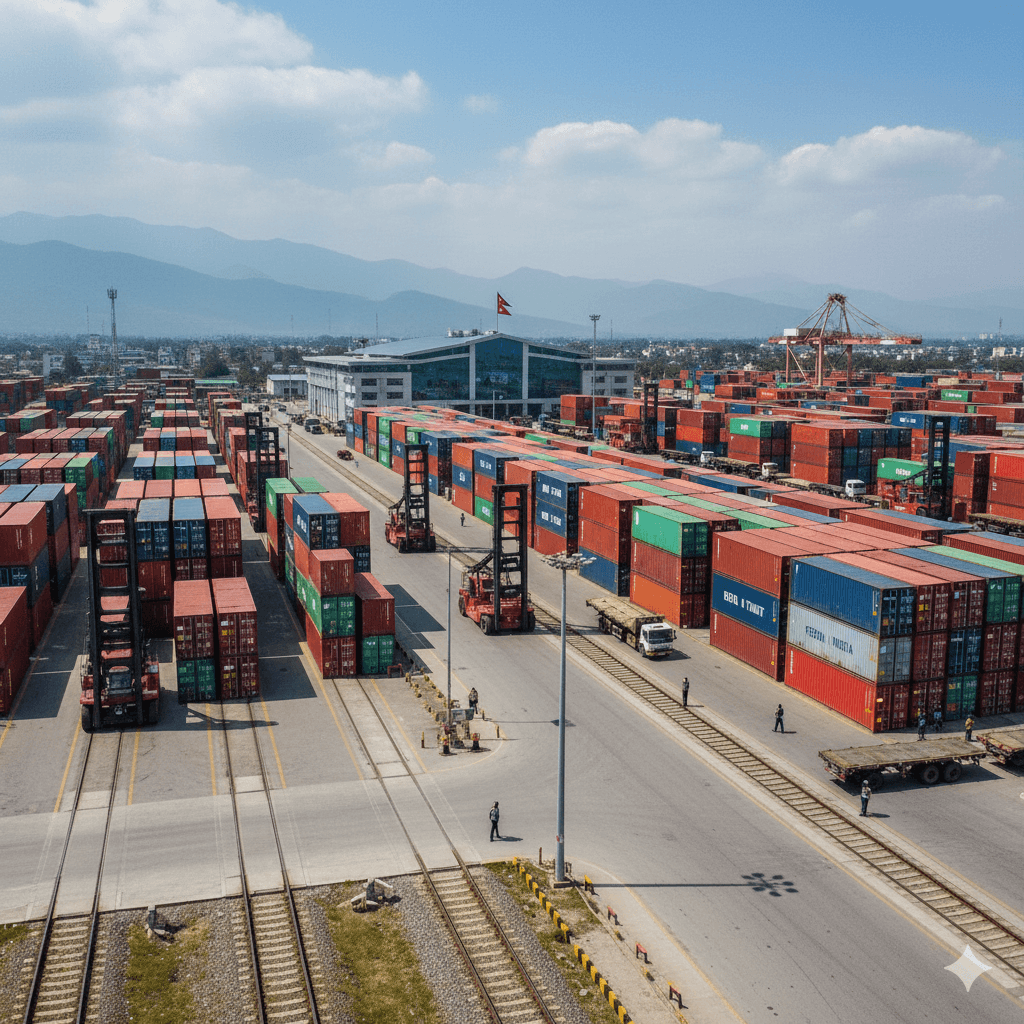
To make this cross‑border sea shipping smoother, Nepal has developed dry ports/Inland Container Depots (ICDs). These facilities act as “inland seaports” where containers are handled and customs are cleared.
Key features of dry ports and ICDs:
- They handle loading/unloading of containers, storage, and basic cargo services.
- Customs officers work on‑site, so exporters and importers can clear their goods near their factories or warehouses instead of at distant ocean ports.
- Some ICDs, such as Birgunj, connect directly to Indian rail networks, allowing container trains to run between the Nepalese border and Indian ports.
This system means an exporter in Kathmandu or Biratnagar can complete most paperwork and container handling without travelling to Kolkata. The container is sealed in Nepal, moved under transit procedures, and opened again only at the foreign destination or after clearance as required.
Road and Rail The Land Bridges to the Sea
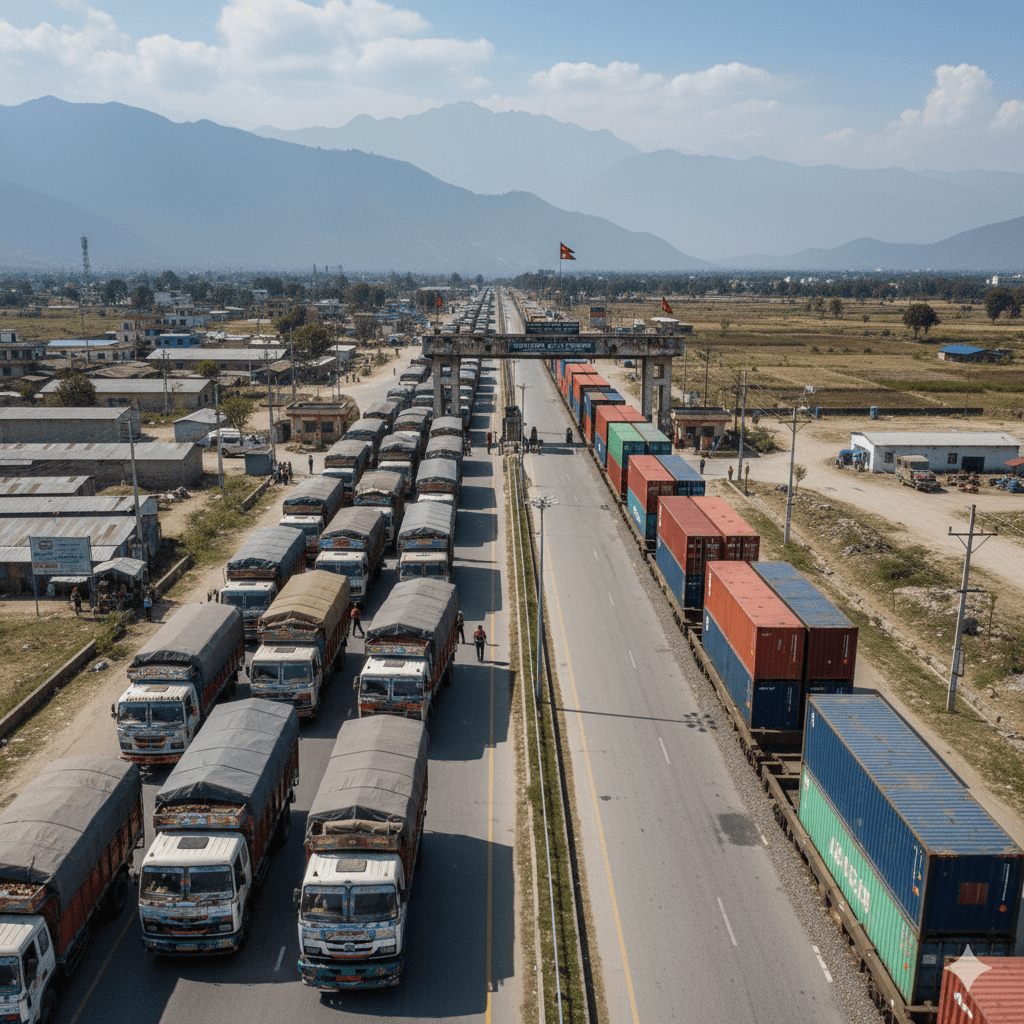
Because there is no sea access, road and rail transport carry almost all the weight of Nepal’s international shipping.
- Road transport is the most common method: trucks move between Nepal’s industrial areas and border points like Birgunj, Bhairahawa, Biratnagar, Nepalgunj, and Kakarbhitta. These trucks then continue into India, or cargo is trans‑shipped onto Indian vehicles.
- Rail transport plays a crucial role for containers and bulk goods. Trains run between Indian railheads and dry ports like Birgunj ICD. Rail is cheaper per ton and can handle heavier loads than trucks, which matters for big projects, raw materials, or large‑volume exports.
Many shipments use a mix: for example, truck from factory to ICD → train from ICD to Indian seaport → ship to overseas port. This multimodal chain is what makes shipping from a landlocked country possible at scale.
Air Freight From Kathmandu and Other Airports
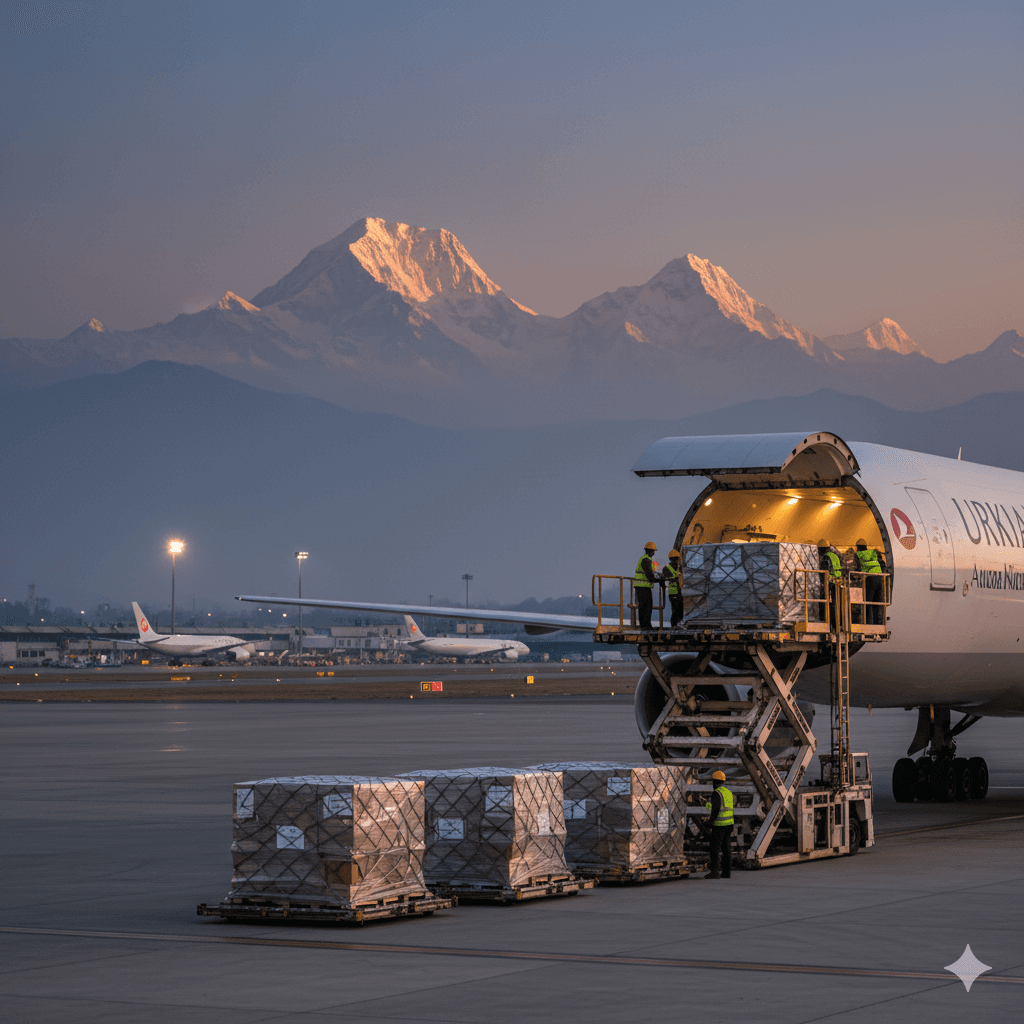
For high‑value, time‑sensitive, or smaller shipments, Nepal uses air freight directly.
- Tribhuvan International Airport (Kathmandu) is the main cargo gateway for both exports and imports.
- New and upgraded airports in places like Bhairahawa (Gautam Buddha International Airport) and Pokhara are beginning to support more international operations, though cargo volumes there are still smaller.
Air freight is best for:
- Urgent orders and samples.
- Electronics, fashion, pharmaceuticals, and documents.
- High‑value goods where speed matters more than cost.
A typical export might fly from Kathmandu to hubs such as Delhi, Dubai, Doha, or Istanbul, then connect to final destinations in Europe, North America, the Middle East, or Asia.
Transit Treaties and Regional Agreements
All this movement only works because Nepal has formal transit rights with neighboring countries.
Important points:
- Transit agreements ensure that Nepal can legally use specific ports, rail routes, roads, and in newer arrangements even parts of inland waterways in partner countries.
- These agreements define how containers are sealed, tracked, and cleared so that India (or other transit countries) know the goods are “in transit” and not meant for their domestic market.
- Regional initiatives in South Asia aim to improve cross‑border corridors, cut paperwork, and upgrade border infrastructure, which should gradually reduce delays and costs.
Without these agreements, Nepal would face huge barriers or even be cut off from certain sea lanes. With them, it is “land‑linked” rather than simply landlocked.

What This Means for Businesses Shipping To or From Nepal
If you are exporting from or importing to Nepal, being landlocked affects how you plan logistics, but it doesn’t stop you. Practical implications include:
- Longer, more complex routes: You must account for an extra land leg to a foreign port, plus one or more border crossings.
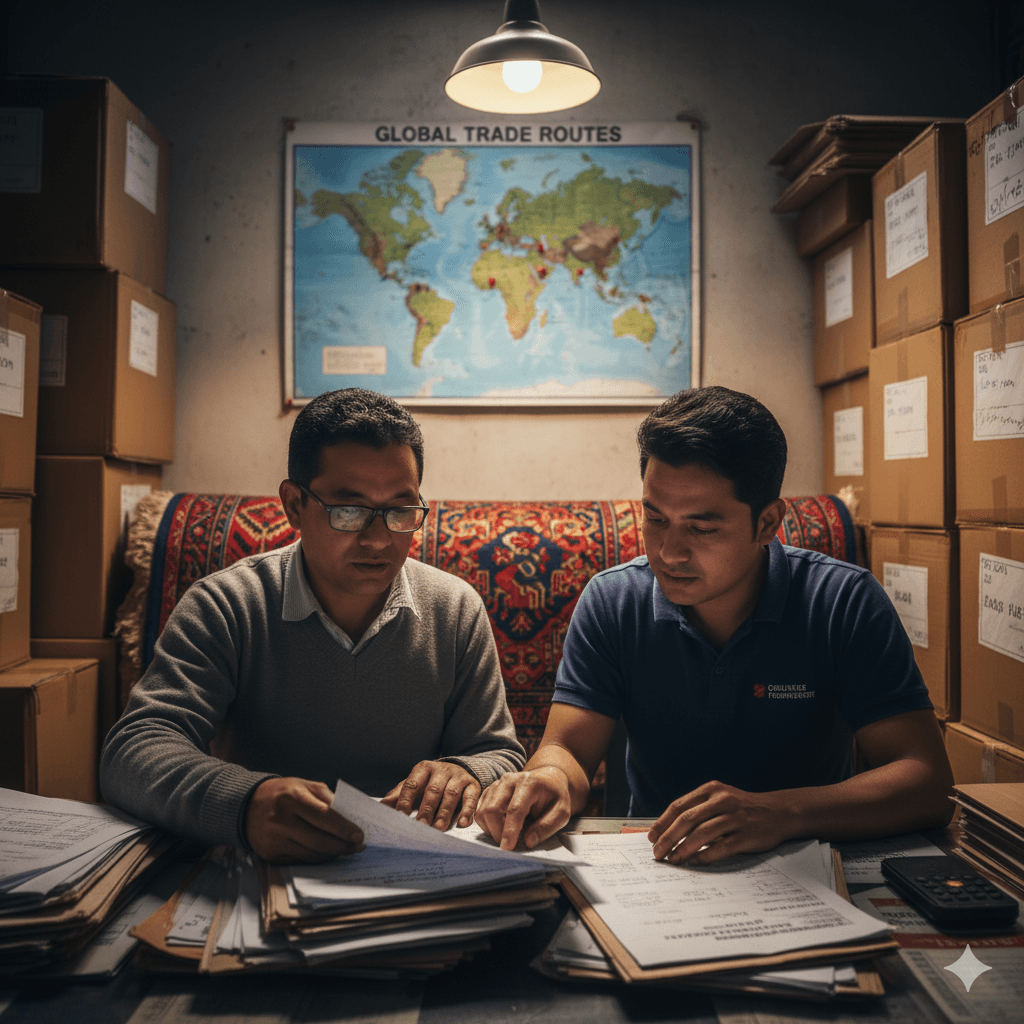
- More paperwork and coordination: There are at least two customs systems and multiple carriers/handlers involved.
- Strong need for a reliable freight forwarder: The more borders, modes, and agencies involved, the more valuable it is to have one partner coordinating everything for you.
Good forwarders in Nepal know which border to use, which port is best for a given destination, how to combine road, rail, sea, and air, and how to keep documentation clean so shipments don’t get stuck.
Conclusion
Nepal ships internationally by knitting together foreign seaports, domestic dry ports, roads, railways, and air routes, all underpinned by transit treaties and regional cooperation. The country may not touch the ocean, but its products and imports travel on the same ships and planes as those from coastal nations.
For shippers, the key is not to worry about the lack of coastline, but to work with routes and partners that understand this inland‑to‑sea chain and can make it feel as simple as shipping from any port city in the world.
Related posts
1970-01-01
Sea + Air Freight: How SeaSky Helps Businesses Ship Smarter
2026-10-12
France to Nepal Shipping Guide: Air Freight, Sea Freight, Customs and Documents
2026-10-08
Italy to Nepal Shipping Guide 2026: Freight, Customs and Documents
2026-10-07