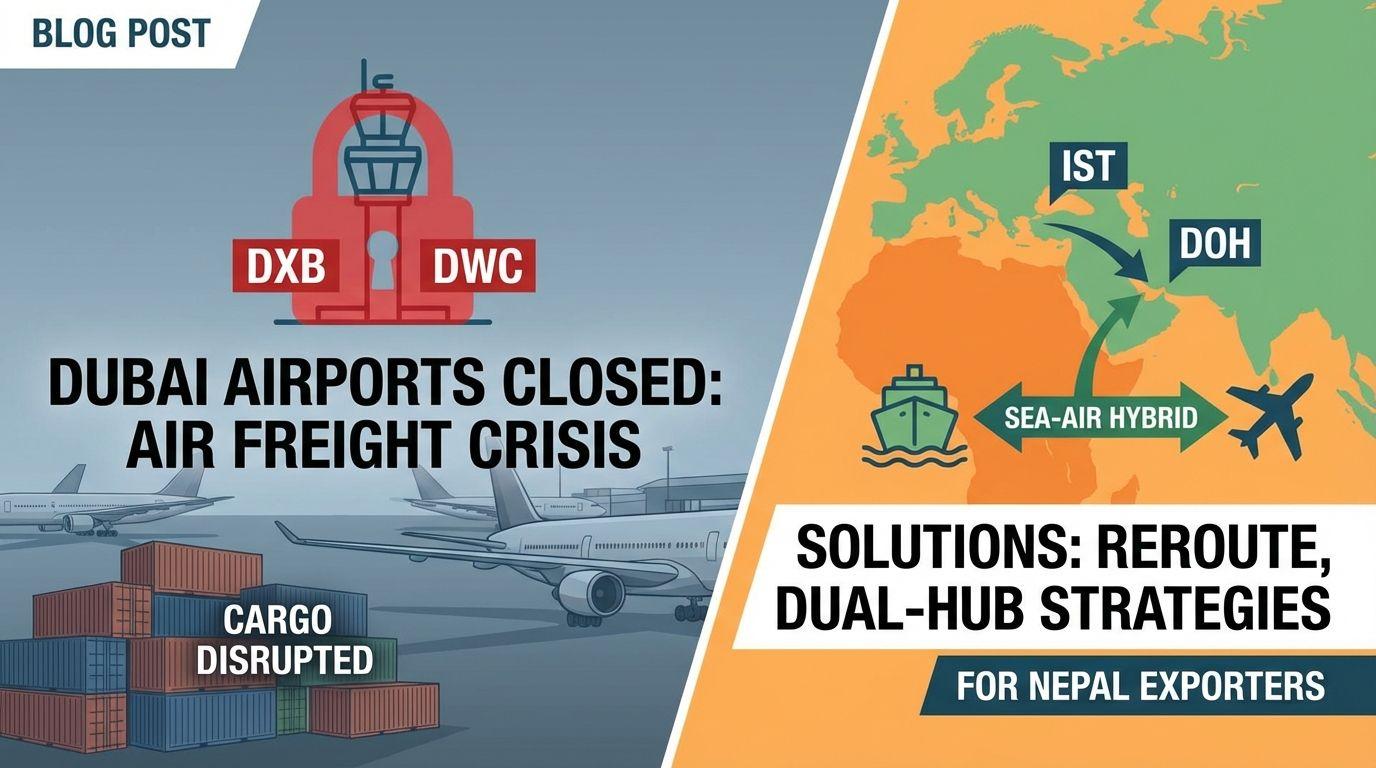
As Dubai’s skies go quiet, air cargo worldwide feels the turbulence.
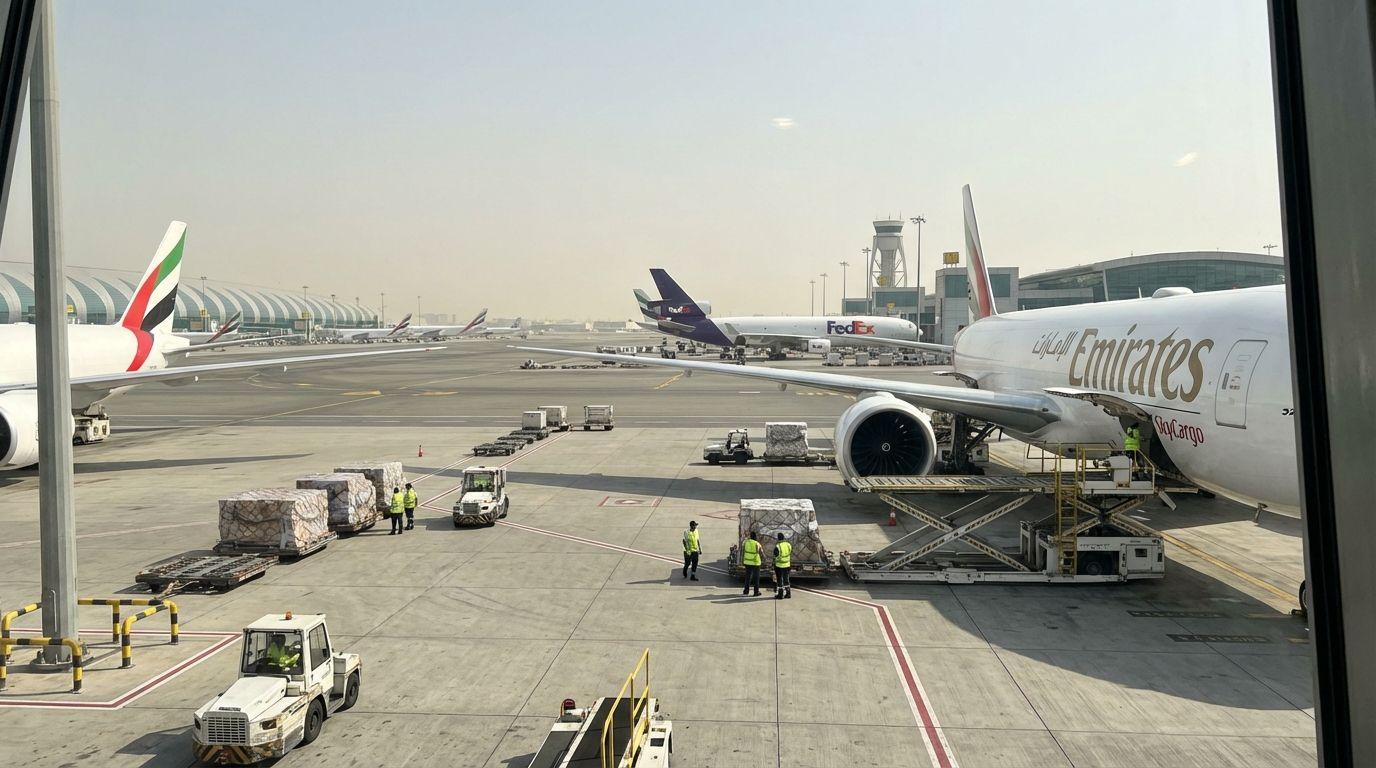
Both Dubai International (DXB) and Al Maktoum (DWC) have suspended all flights “until further notice” after regional tensions and airspace closures across the Gulf. These two hubs normally handle over 2.5 million tonnes of cargo a year and connect more than 200 destinations, acting as a major artery for high‑value freight from e‑commerce to pharmaceuticals. If you routinely route shipments through Dubai, this matters.
Below is a clear look at what this means for your air freight, and the best practical options to keep goods moving.
How a Dubai Shutdown Disrupts Global Air Freight
1. Loss of a key transit hub
- DXB is one of the world’s busiest international hubs, with Emirates and flydubai feeding long‑haul flows between Europe, Africa, and Asia.
- When both DXB and DWC stop, all passenger belly cargo and dedicated freighters via Dubai halt no uplift, no trans‑shipments, no through‑connections.
Impact on you:
- Shipments already booked via Dubai will be cancelled, held, or diverted, often back to origin.
- Routes that rely on Emirates’ network (for example, Europe–Dubai–Asia, or US–Dubai–South Asia) will see immediate gaps in capacity.
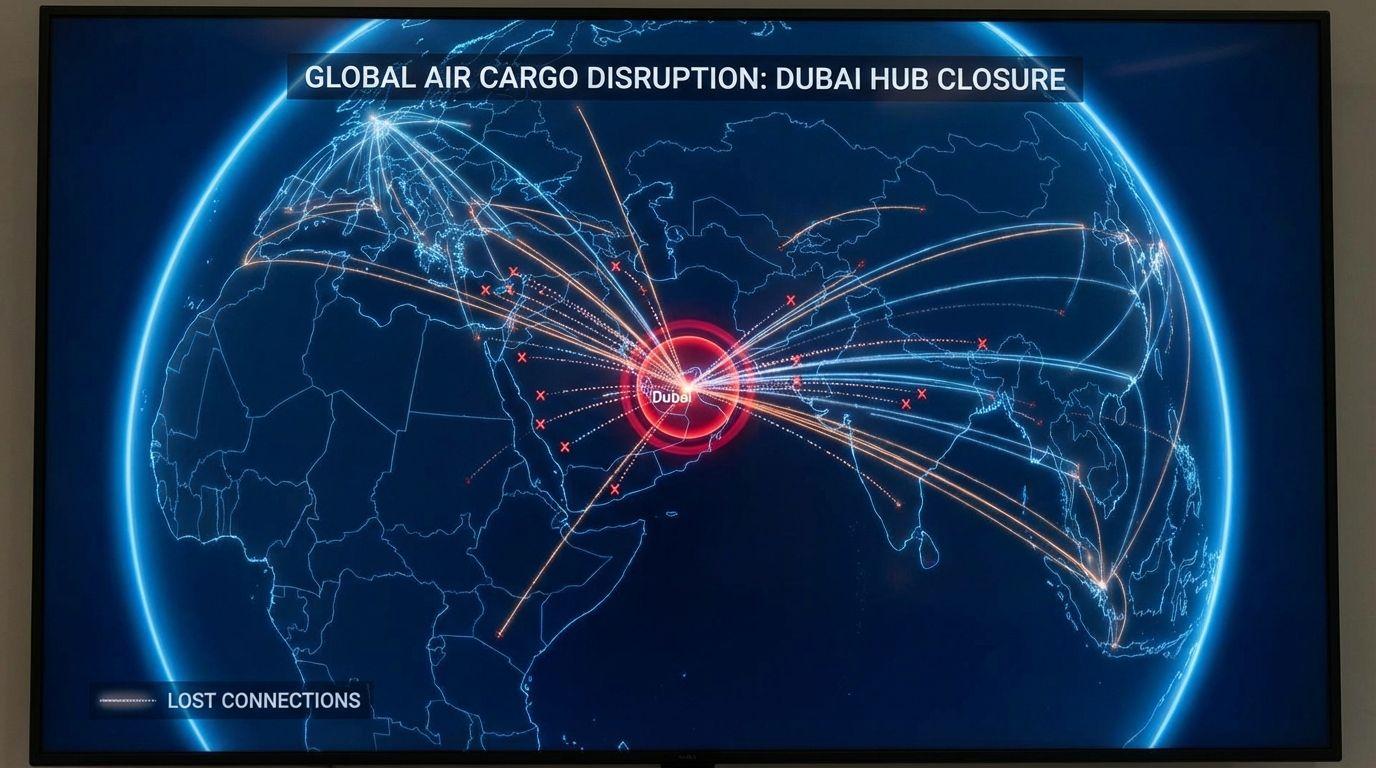
Ripple Effects: Longer Routes, Higher Costs, Slower Transit
Regional airspace closures affect more than just Dubai:
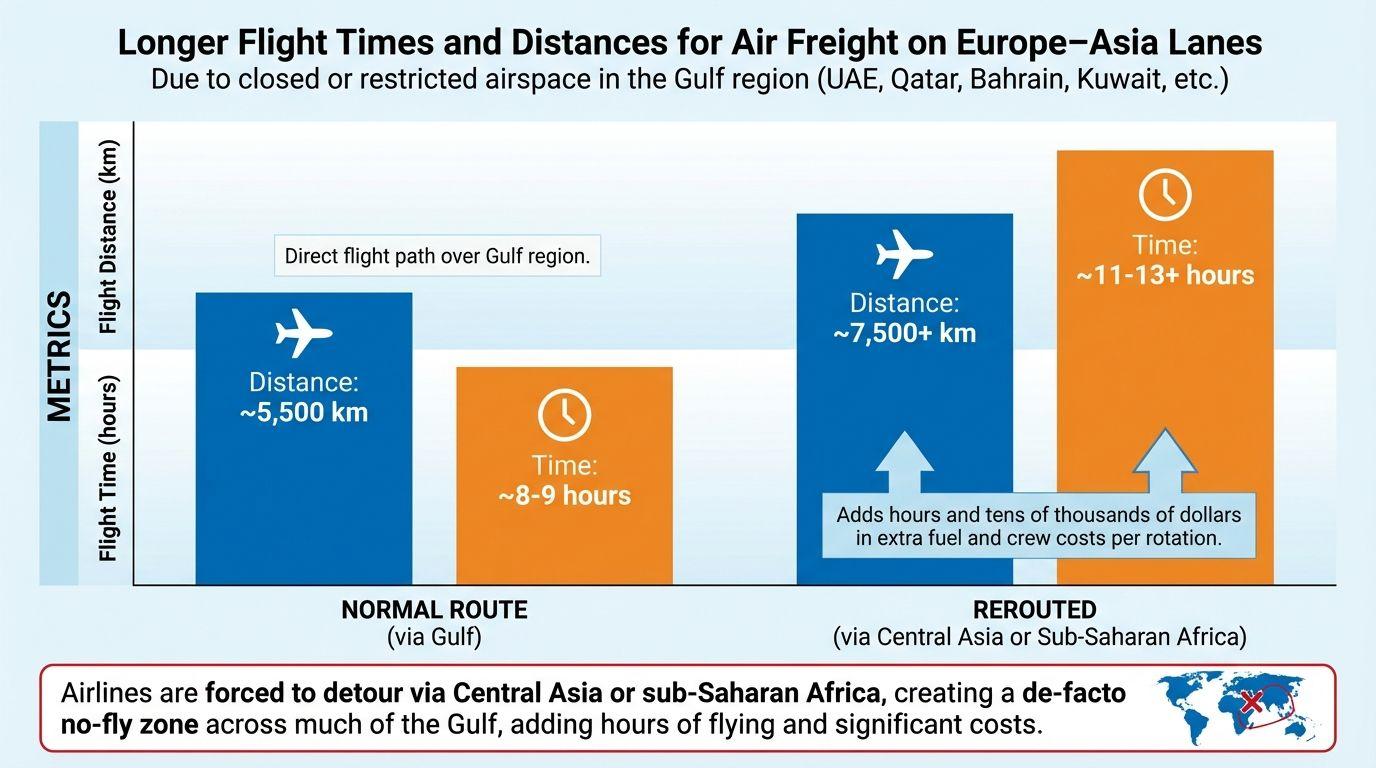
- UAE, Qatar, Bahrain, Kuwait and others have closed or restricted their airspace, creating a de‑facto no‑fly zone across much of the Gulf.
- Airlines are forced to detour via Central Asia or sub‑Saharan Africa, adding hours of flying and tens of thousands of dollars in extra fuel and crew costs per rotation.
What this means for shippers:
- Longer transit times: Europe–Asia sectors that used to cross the Gulf may add 4–8 hours, even when rerouted via alternate hubs.
- Rate spikes: With Dubai offline and detours in place, expect higher air freight rates as demand chases reduced capacity; high‑value and urgent cargo will bid up available space.
- Schedule instability: “Firm” ETDs/ETAs will be less reliable as airlines continuously re‑plan networks and crew.
Sectors at Highest Risk
Dubai’s cargo profile makes some sectors particularly vulnerable:
- Pharmaceuticals & medical supplies: Much of the Middle East and Africa’s pharma flows cross DXB’s temperature‑controlled facilities. Delays can jeopardise product integrity and patient supply.
- E‑commerce & express: DXB is a major consolidation point for parcels; shutdowns create backlogs and missed delivery promises.
- Just‑in‑time manufacturing: Automotive, electronics, and high‑tech components that rely on overnight or 48‑hour transits will see line‑stop risk if alternatives aren’t found.
If you’re shipping perishables or time‑sensitive goods through Dubai, you should assume serious disruption until traffic patterns stabilize.
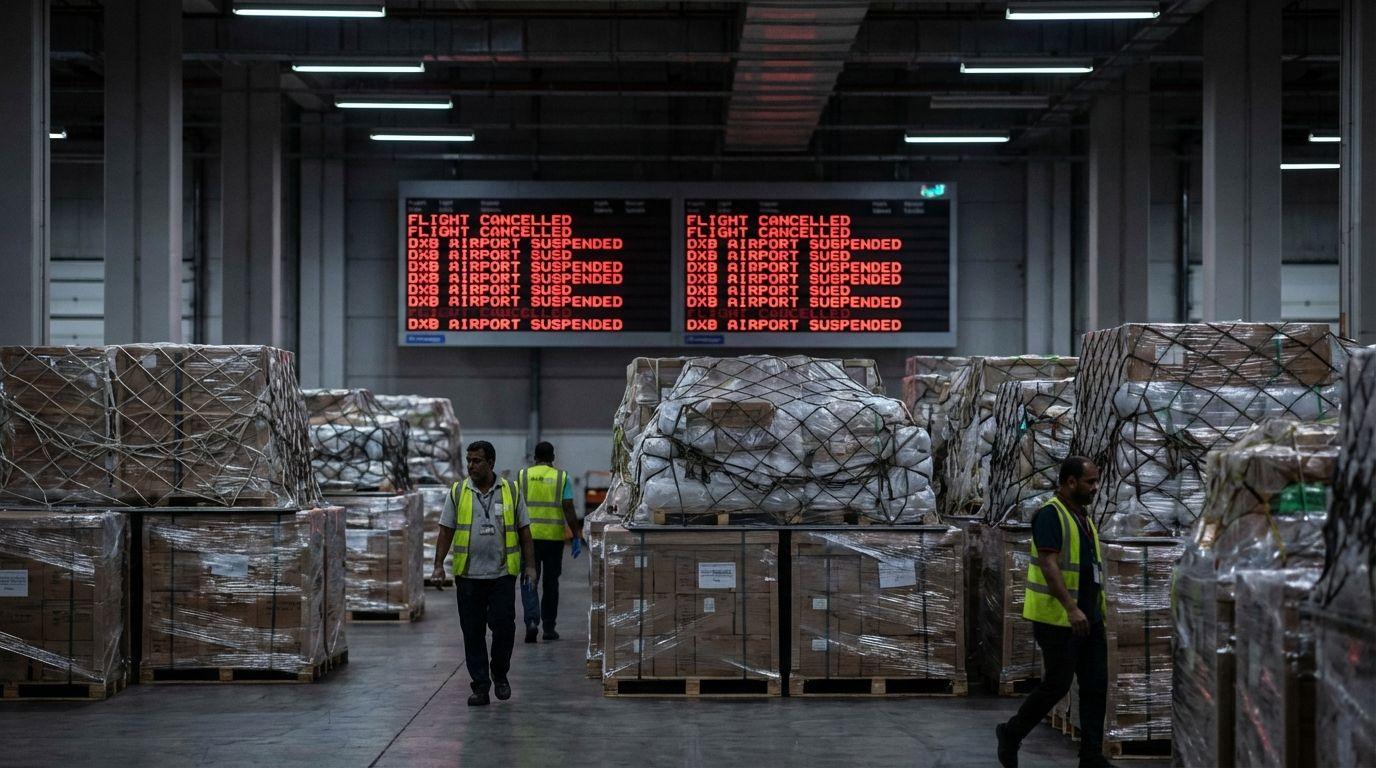
Immediate Steps: What To Do If Your Cargo Was Booked via Dubai
If you already have freight in transit or booked via DXB/DWC:
Check status now
- Confirm with your forwarder or airline whether the flight is cancelled, diverted, or held. Official advisories say all operations at DXB and DWC are suspended until further notice.
Request re‑routing options
- Many carriers are issuing waivers allowing rebooking onto alternative routings without penalties.
- Ask for specific alternate hubs and new ETAs, not just “we’ll keep you updated.”
Prioritise shipments
- Separate urgent / high‑value / temperature‑sensitive cargo from routine loads. You may choose to pay a premium to move only your most critical freight via alternate hubs.
Clarify storage & handling
- For freight already at Dubai or nearby, confirm where it will be stored, for how long, and under what conditions (especially cold chain).

Best Route Alternatives While Dubai Is Closed
Even with Dubai offline, you have options. The best solution depends on your origin, destination, and cargo type.
A. Shift To Other Regional Hubs
With Gulf airspace constrained, airlines and forwarders are redistributing flows to nearby or secondary hubs:
- Doha (DOH), Muscat (MCT), Abu Dhabi (AUH) – traditionally strong alternatives, but note that Qatar and others have also imposed partial closures at times; check current status.
- Istanbul (IST), Jeddah/Riyadh, Cairo – important connectors between Europe, Africa and Asia that may pick up extra freighter and belly capacity.
Pros:
- Short learning curve for airlines; existing infrastructure for transfers.
Cons:
- These hubs can quickly become congested as traffic is funneled away from Dubai. Space and slots will be tight.
B. Route Over Non‑Gulf Corridors
Carriers are also considering completely different corridors to bypass Gulf and Russian airspace constraints simultaneously:
- Europe–Central Asia–South Asia/China: Routing via hubs in Central Asia or India.
- Europe–Africa–Indian Ocean–Asia: Longer but avoids restricted zones.
For shippers, this may mean:
- Using direct services from origin to final region (e.g., Europe–India directly), then regional distribution by air or sea/air.
- Accepting a 1–2 day longer transit in exchange for predictable scheduling.
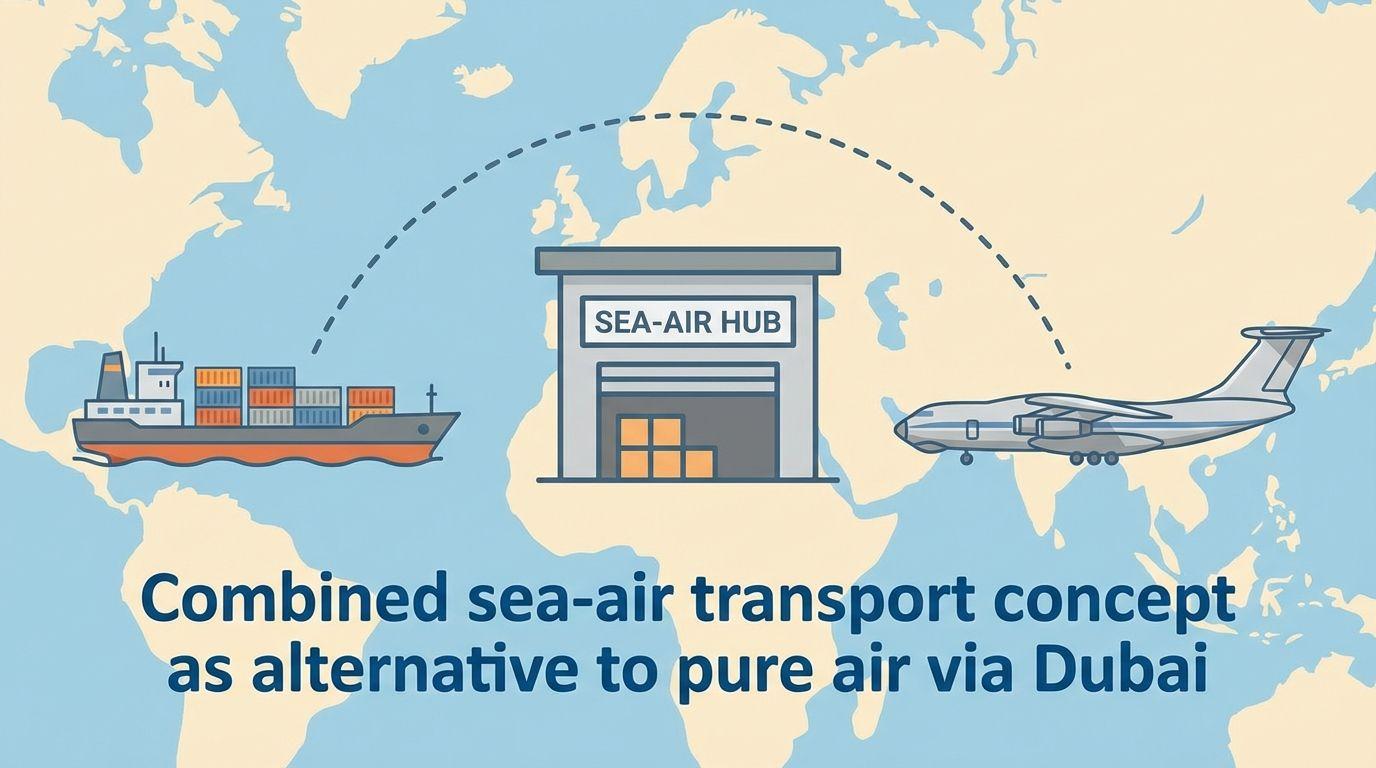
C. Combine Sea + Air for Non‑Urgent Freight
For cargo that doesn’t absolutely need pure air speed:
- Sea to a nearby port (e.g., Jebel Ali/East Africa/India) + regional air or road can be a cost‑effective fallback.
- This “sea‑air” option adds time but smooths out rate spikes on long‑haul air lanes.
This is particularly relevant if you normally used Dubai as an in‑transit distribution hub rather than final destination.
How to Make Your Air Freight More Resilient
Independent of this specific crisis, Dubai’s closure is a reminder: don’t build a single‑hub dependency into your logistics.
Concrete resilience steps:
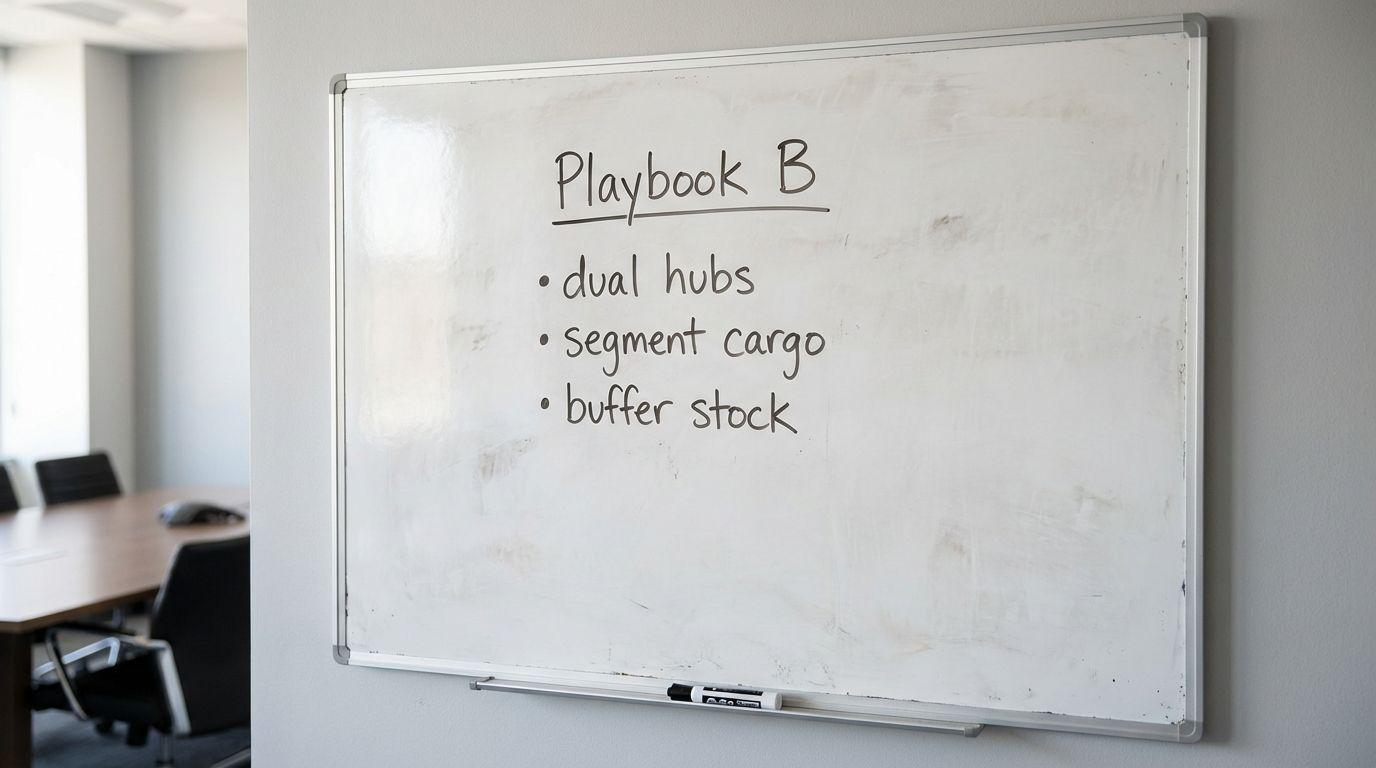
Dual‑hub planning
- For your main trade lanes, build routing options through at least two different hubs (e.g., Dubai and Istanbul, Doha and Delhi).
- Ensure contracts and rate sheets cover these alternates before a crisis hits.
Segment your cargo
- Categorise SKUs into critical / important / deferrable.
- Assign each category a playbook: pure air, reroutable air, or sea/air alternative.
Use forwarders with global carrier access
- A good forwarder can quickly move bookings between airlines and hubs under disruption.
- Ask about their contingency plans and prior experience with regional airspace closures (for example, during earlier Gulf or Russia restrictions).
Increase buffer inventory for critical inputs
- Where feasible, hold extra stock near destination so a one‑week shock doesn’t stop production.
- Particularly important for pharmaceuticals, components, and spare parts.
Contractual flexibility
- Include clauses that allow routing changes and carrier substitutions without lengthy renegotiation when force majeure events (like airspace closure) occur.
Communicating With Your Customers
Delays are rarely the real problem surprises are. To keep trust:
- Share honest ETAs reflecting new routings; don’t promise old Dubai‑based timings.
- Offer tiered options (slower but cheaper vs. faster but more expensive).
- For sensitive industries, document temperature control and handling during detours, especially if cold‑chain was expected via Dubai.
Referencing reputable news that all operators are affected (not just you) can help set realistic expectations.
When Dubai Reopens: Don’t Rush Back Blindly
Once UAE airspace reopens, there will be a surge of delayed flights, backlogged freight, and repositioning aircraft.
For a period you can expect:
- Overbooked flights and rolling spillover cargo.
- Higher temporary rates until capacity and demand re‑balance.
- Operational hiccups as airlines rebuild rotations.
Best practice:
- Use Dubai again where it truly makes sense, but keep your new alternative routings alive instead of treating this as a one‑off anomaly.
- Gradually phase shipments back rather than flipping everything overnight.
Bottom Line: Disruption, Not Disaster
The closure of Dubai’s airports is a genuine shock: a 2.5‑million‑tonne‑per‑year cargo artery suddenly offline. For shippers who relied heavily on DXB as a universal hub, there will be pain delays, higher rates, and some lost opportunities.
But with fast rerouting via alternate hubs, smarter mode choices, and clearer prioritization of shipments, you can keep your air freight moving and protect customer trust until Gulf skies are fully open again.
Related posts
1970-01-01
Sea + Air Freight: How SeaSky Helps Businesses Ship Smarter

2026-10-15
Last-Mile Delivery in Nepal: How Businesses Can Reduce Delays and Delivery Costs
2026-10-13
Last-Mile Logistics in Nepal: Challenges, Costs and Solutions
2026-10-12