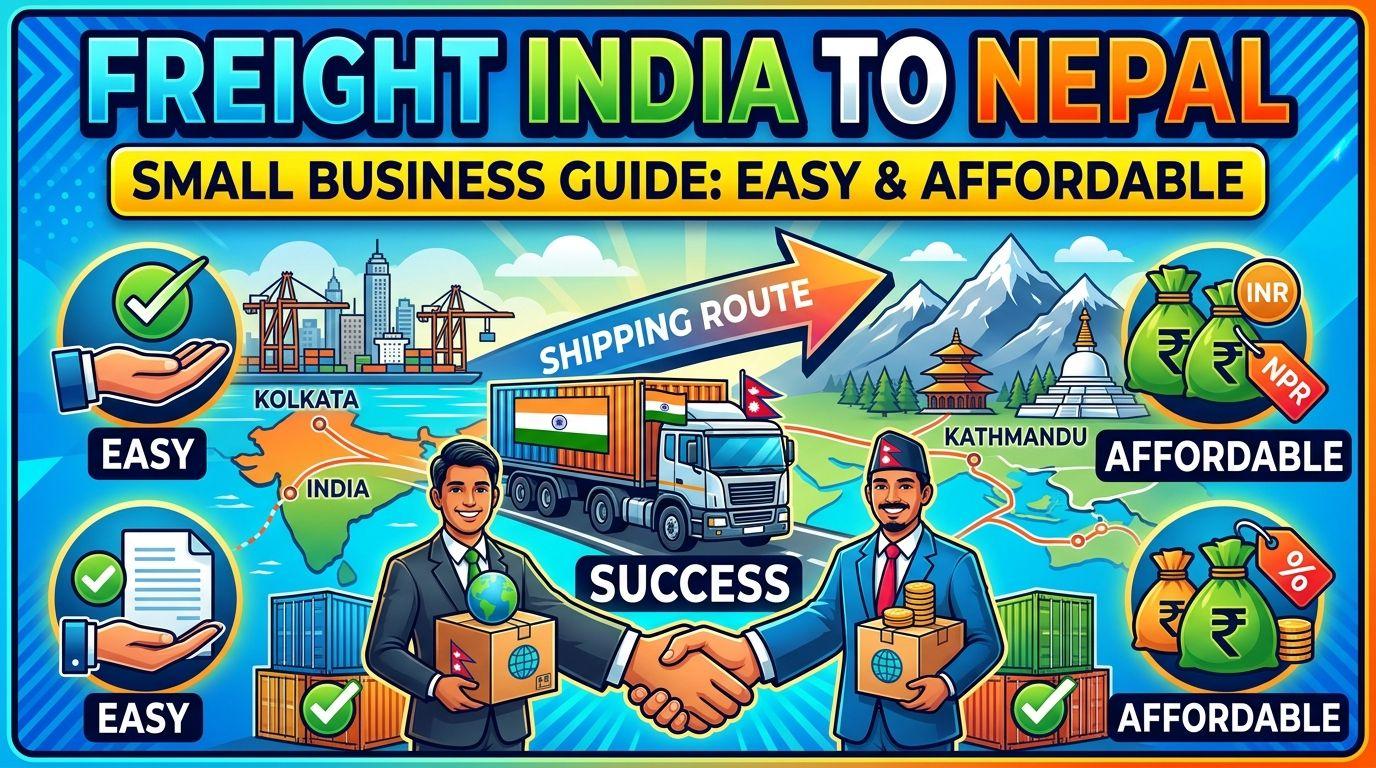
Freight From India to Nepal: The Small Business Guide to Easy, Affordable Shipping
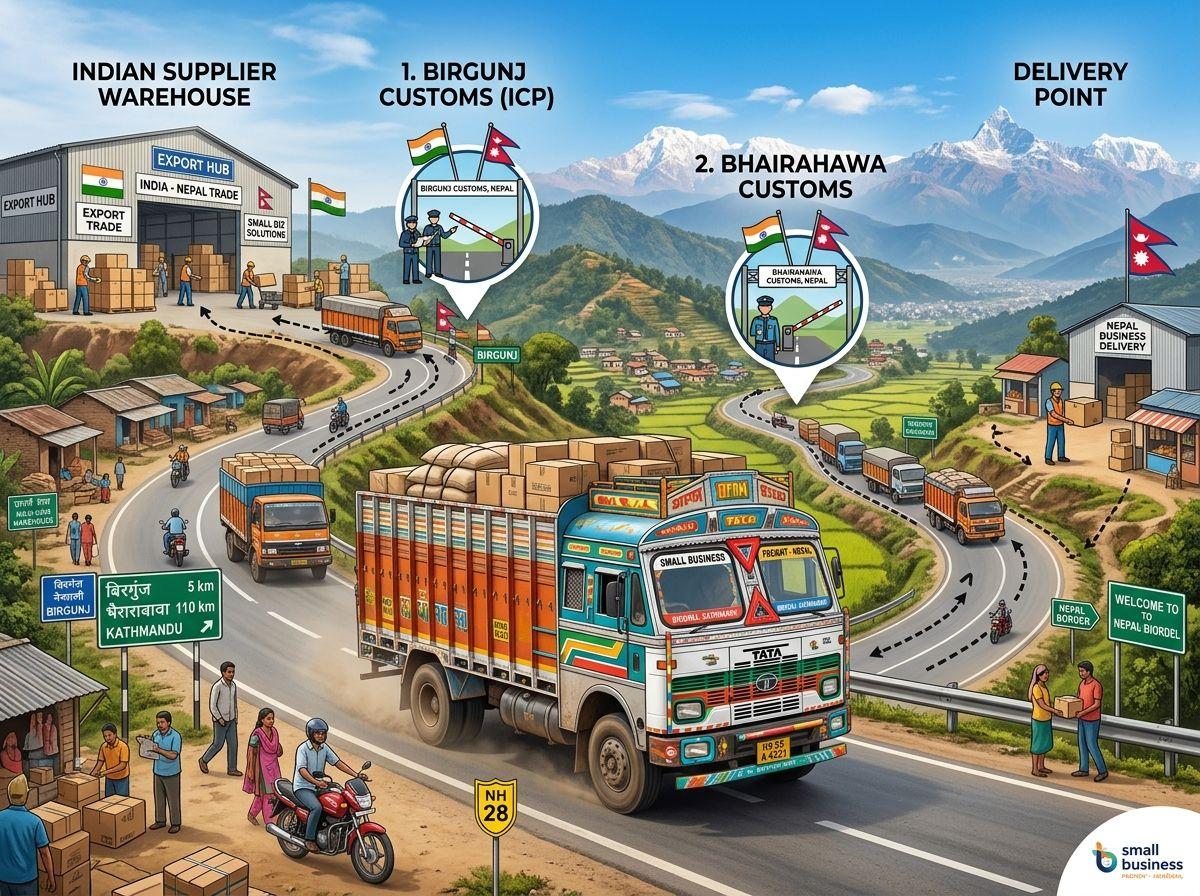
For Nepali small businesses, freight from India is often the most practical way to source inventory, raw materials, and finished goods. The India–Nepal corridor is central to trade because cargo can move through designated land customs stations such as Raxaul–Birgunj and Sunauli–Bhairahawa, with customs documentation handled on both sides.
For a small importer, the real challenge is not just moving the goods; it is keeping the shipment affordable, compliant, and on schedule. A clear process, the right documents, and a forwarder that understands Nepal’s customs rules can prevent delays and unnecessary cost overruns.
Why This Corridor Matters
India is the most important sourcing market for many Nepali businesses because of proximity, frequent truck movements, and flexible shipment sizes. Small consignments can often move faster and more economically by road than through longer sea-based routes that involve multiple transshipments.tax
This matters especially for retailers, wholesalers, pharmacies, hardware shops, garment sellers, and e-commerce businesses that need regular replenishment. When your supply chain is built on small, repeat shipments, even a short customs delay can affect stock availability and cash flow.
Step-by-Step Shipping Process
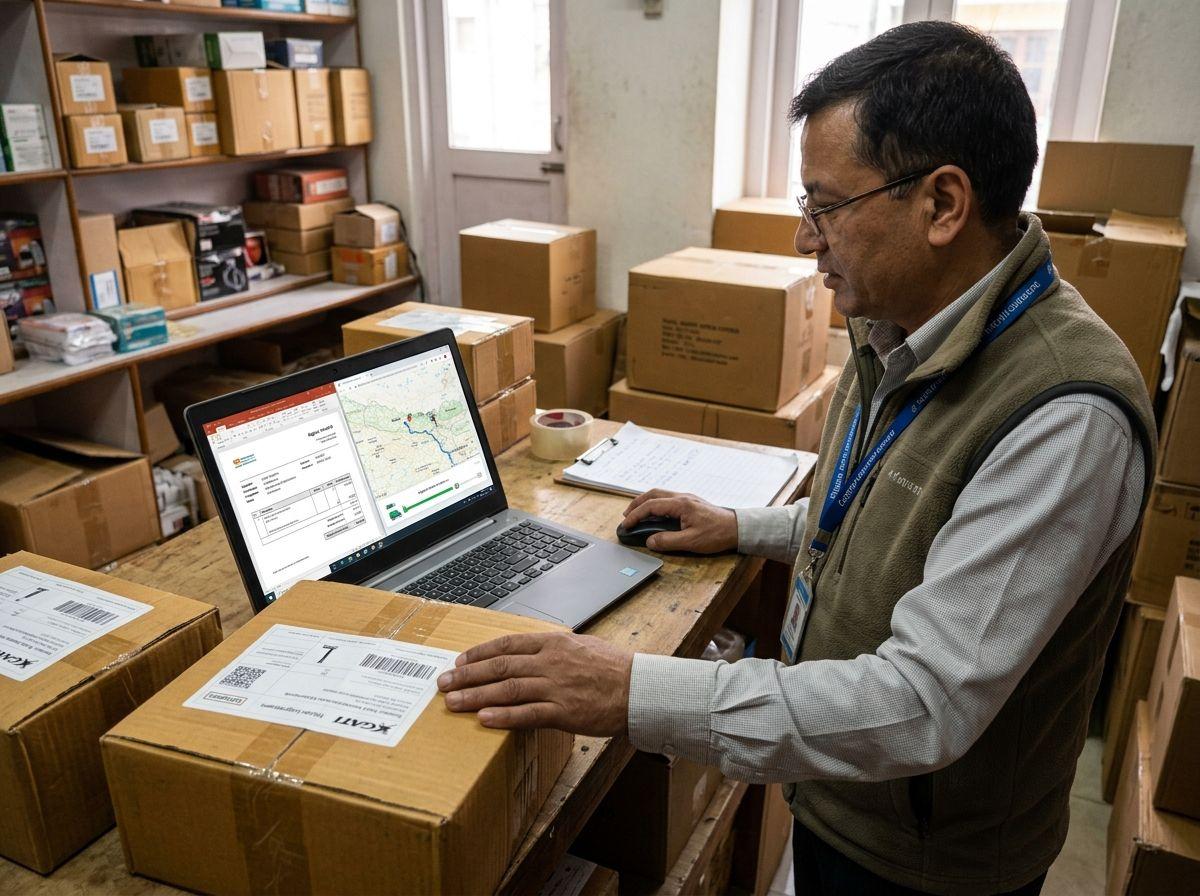
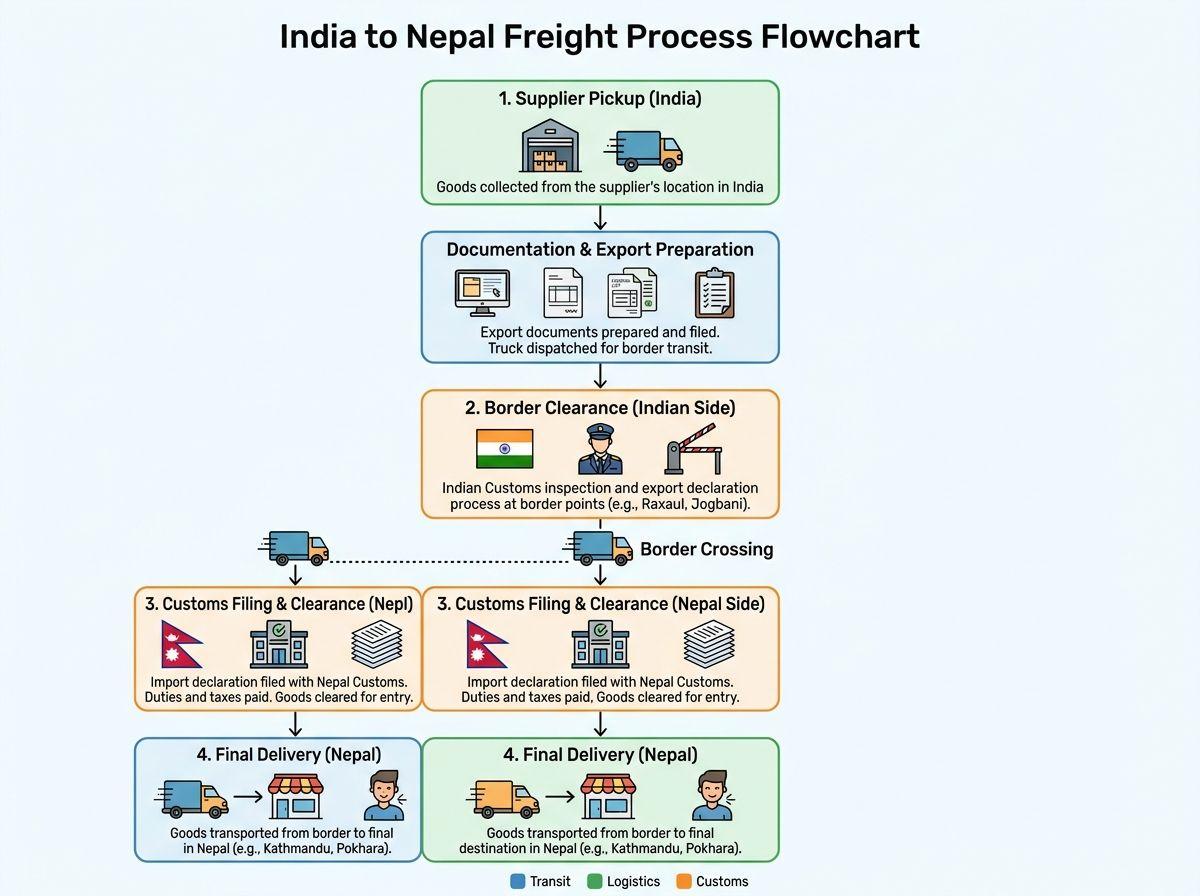
The process starts with your Indian supplier preparing the goods, invoice, and packing list. For export from India, customs filing is typically handled through the Indian customs system, and the shipment then moves through a designated land customs station toward Nepal.taxtmi+1
Once the cargo reaches the border, the Nepal-side importer or customs agent submits the required import documents for clearance. After customs review and tax payment, the shipment is released for onward delivery to your warehouse or shop.
A simple workflow looks like this:
- Confirm product details, quantity, and shipment mode.
- Get supplier invoice and packing list.
- Arrange transport to the border.
- File export and import customs documents.
- Pay duties, VAT, and local charges.
- Deliver cargo to your final location.
Required Documents
For most small business imports, the core documents include the commercial invoice, packing list, transport document, and customs declaration materials. Depending on the product, you may also need product-specific approvals such as food, pharmaceutical, or agricultural clearances.
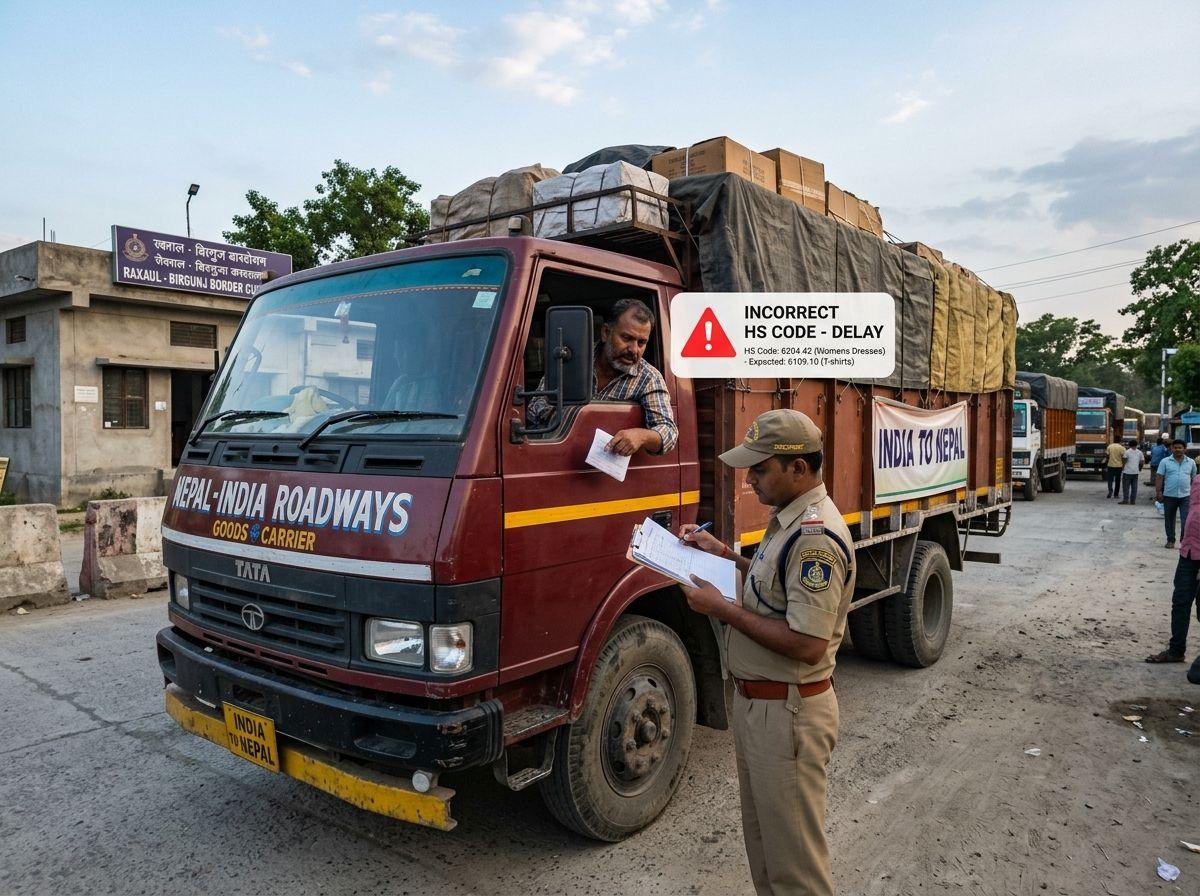
It is also important that the invoice description, HS code, quantity, and value match across all documents. Mismatched paperwork is one of the main reasons shipments get held for inspection or revaluation at customs.
Common Delays and How to Avoid Them
The most common causes of delay are missing documents, wrong HS codes, incomplete product descriptions, and unpaid duties. If the cargo is in a sensitive category like food, medicine, or agricultural goods, extra licensing or inspection may slow the release process further.
Another frequent issue is poor route planning. Nepal importers often rely on designated border points, so choosing the wrong route or failing to coordinate with the customs agent can create avoidable bottlenecks.
To reduce delays:
- Confirm the HS code before booking.
- Match invoice and packing list exactly.
- Use a customs-clearing partner familiar with Nepal rules.
- Avoid last-minute changes in product quantity or value.
- Ask for delivery timing before shipment leaves the supplier.
Typical Freight Costs
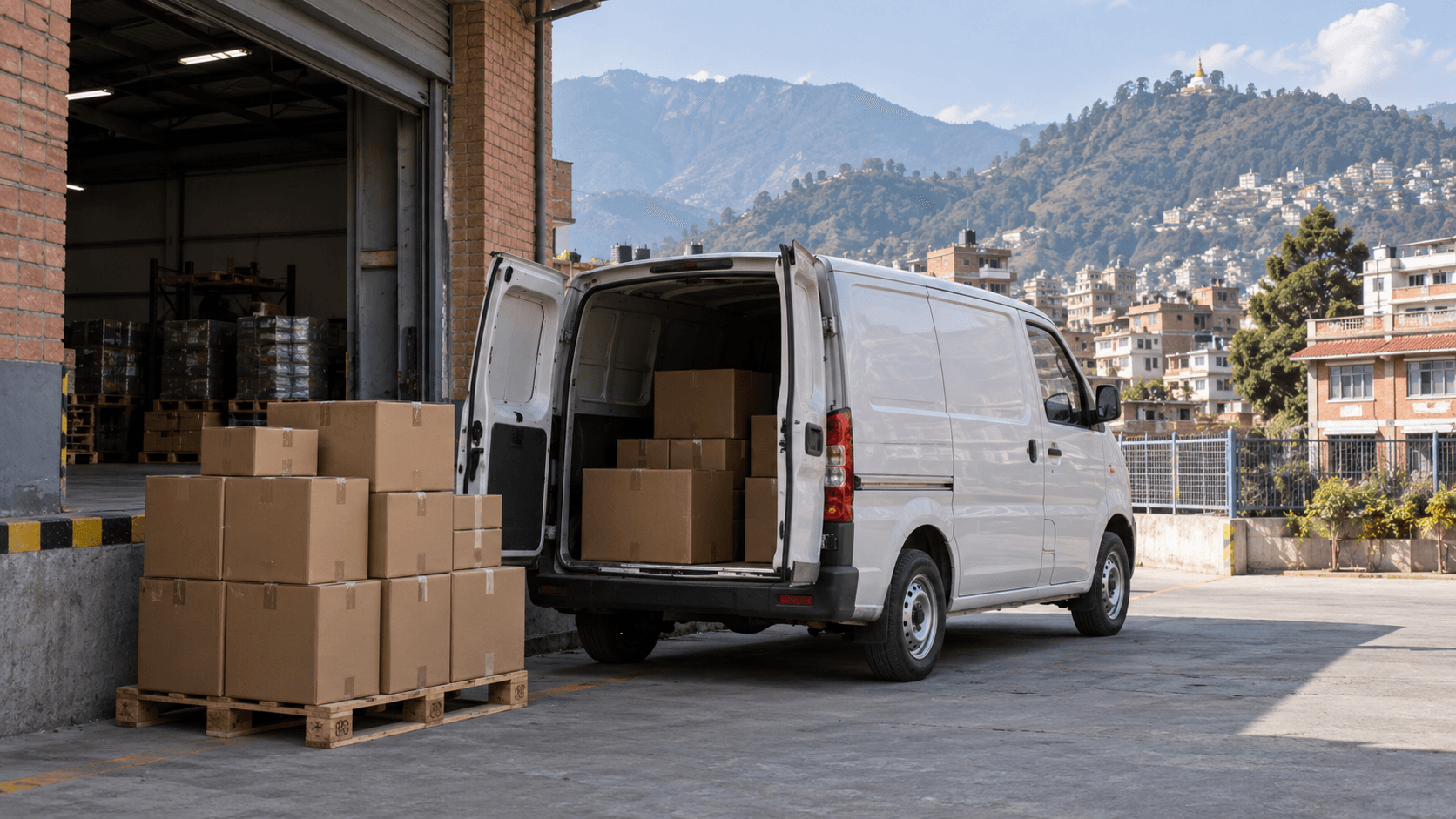
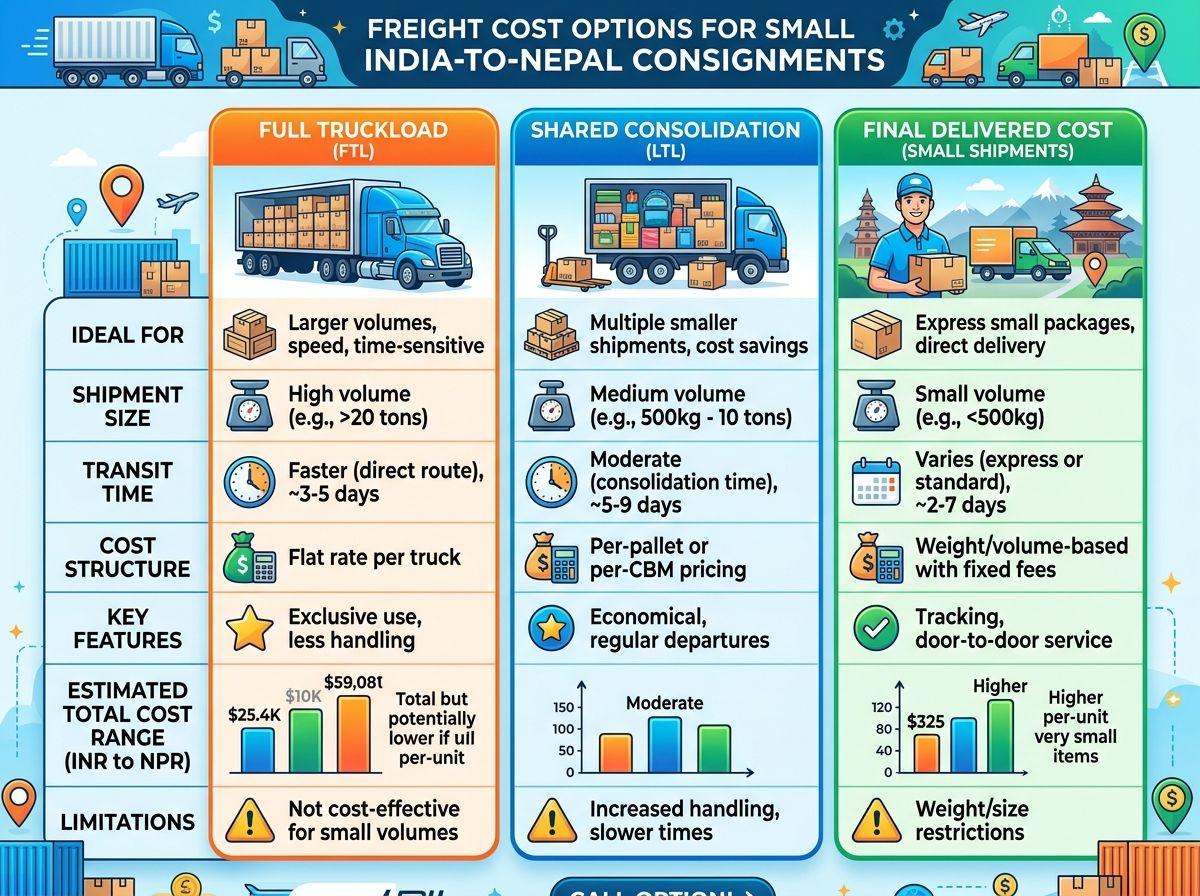
For small consignments, cost depends on weight, volume, route, and whether you choose direct truckload or consolidation. Consolidated shipments are usually cheaper for small businesses because you only pay for the space and weight you use, not an entire vehicle.
However, the cheapest base freight rate is not always the lowest final cost. Border handling, customs brokerage, unloading, local delivery, and storage can increase the total bill if they are not included upfront.
The best ways to save money are:
- Consolidate with other shipments.
- Use the nearest practical border route.
- Book earlier to avoid rush pricing.
- Keep packaging compact.
- Request an all-in quote before shipping.
Sea Sky Support
Sea Sky helps small businesses simplify India-to-Nepal shipping by managing the details that usually cause stress. That includes consolidation, customs coordination, border handling, and planning the most practical route for the cargo type and delivery deadline.
Sea Sky also has a long track record in Nepal cross-border logistics and customs brokerage, with experience moving cargo through Kolkata and regional land routes into Nepal. For small businesses, that kind of support can make the difference between a shipment that arrives smoothly and one that gets stuck in paperwork.
Border Routes and Payment
The most commonly used border routes for India-to-Nepal freight include Birgunj and Bhairahawa, with other designated land customs stations also used depending on the origin and cargo type. Choosing the right route depends on supplier location, destination in Nepal, and congestion at the border on the day of movement.
For payment, small businesses often use a supplier arrangement such as advance transfer, partial payment, or a letter of credit depending on the transaction size and relationship with the seller. A freight forwarder can help separate supplier payment from logistics charges so the shipping cost stays clear and manageable.
Conclusion
Freight from India to Nepal can be simple and affordable when the process is planned well. The key is to prepare the right documents, choose the correct route, and work with a logistics partner that understands small business needs and Nepal customs requirements.
Sea Sky can help with consolidation, customs support, and practical route planning so small consignments move without unnecessary delay or hidden cost. If you want to import smarter and ship with less stress, get a quote for your India-to-Nepal shipment or talk to our small business logistics expert today
Request a Quote
Built for freight forwarders handling FCL, OOG, heavy or project cargo into Nepal and South Asia. Use it to check routes, documents, handoffs and risk points before quoting your client.