Introduction
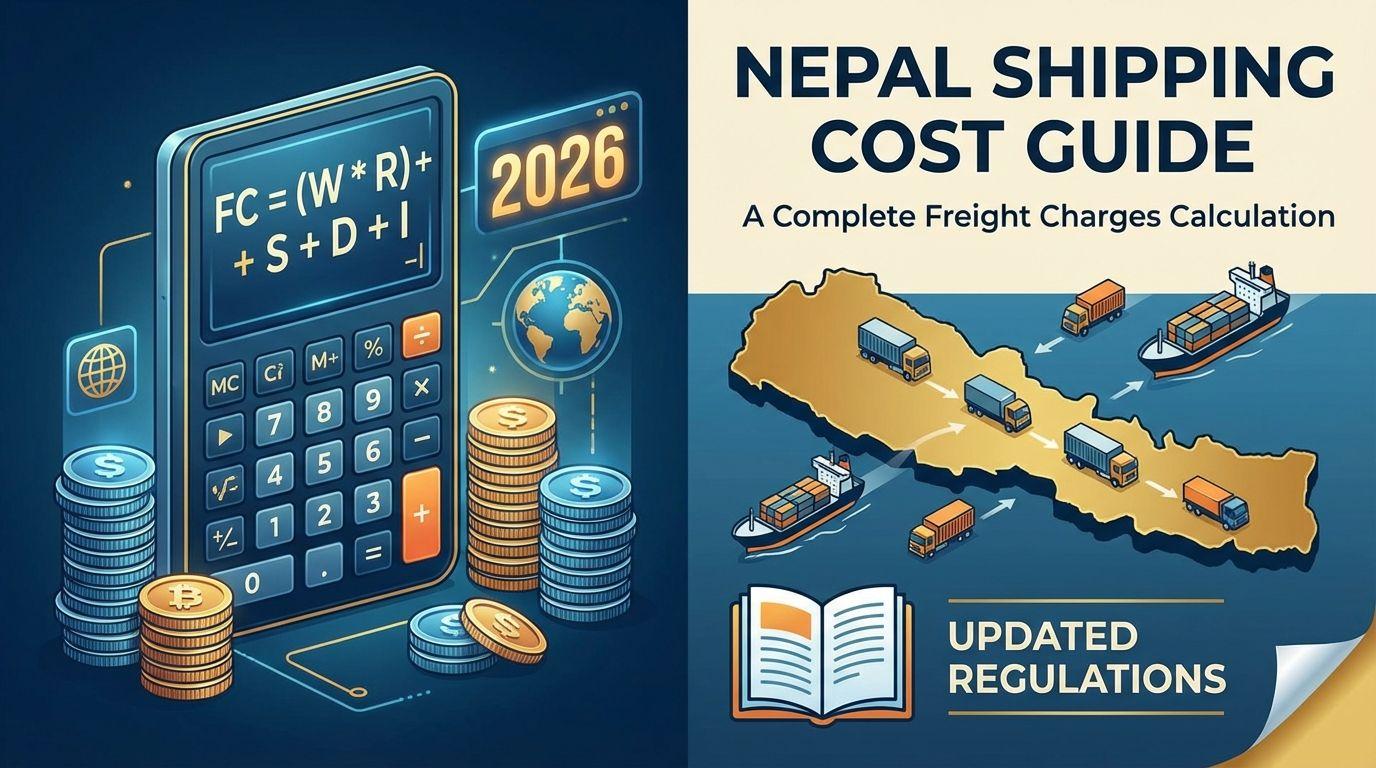
Freight pricing in 2026 is not just about weight and distance anymore. For Nepali importers and exporters, the final bill often depends on chargeable weight, route, fuel surcharges, customs, and local handling charges
If you have ever received a freight quote that looked low at first but grew after pickup, this guide will help you understand why. It explains the main cost drivers in simple terms and shows how Sea Sky Cargo can help you compare options before you book.
Why Freight Rates Change
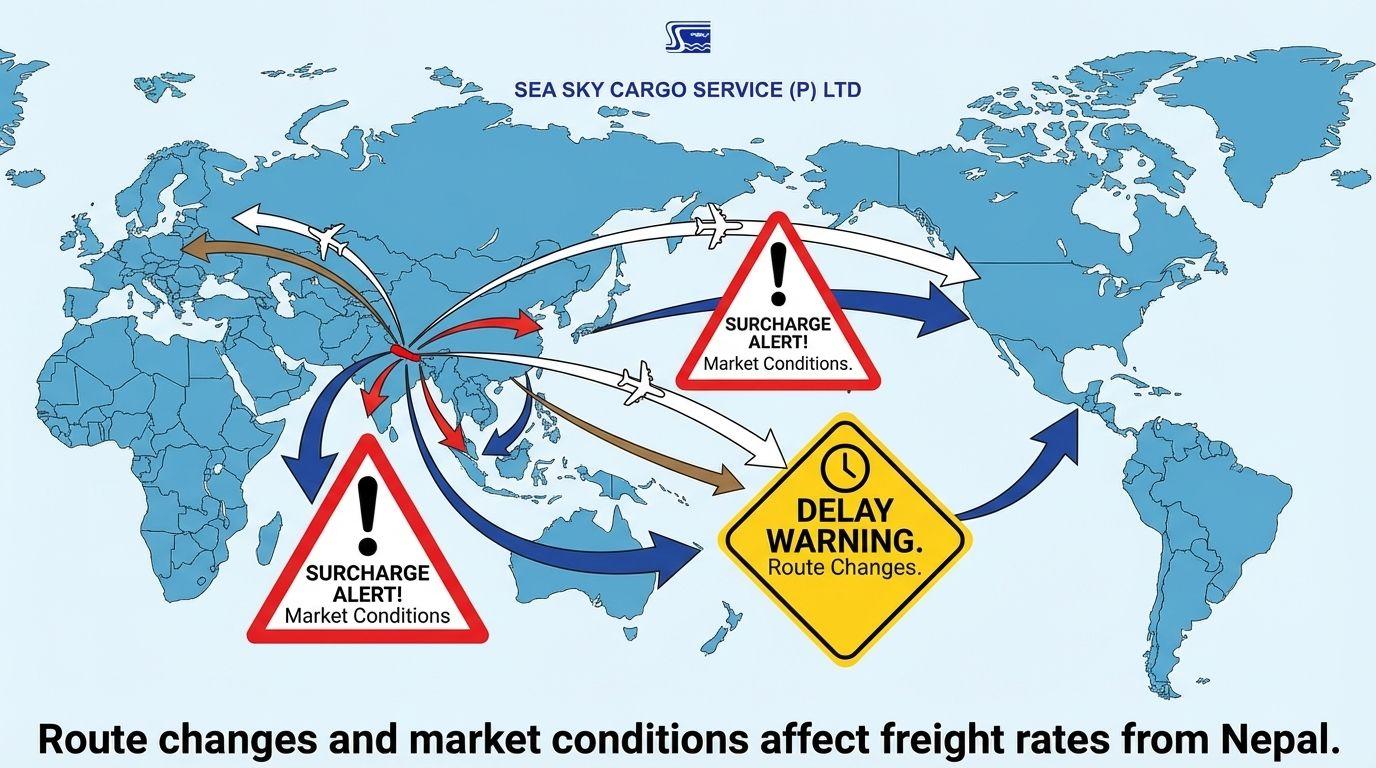
Freight rates move because carriers, airlines, and trucking partners adjust pricing based on demand, space availability, fuel cost, route risk, and transit speed. In 2026, route disruptions, seasonal demand, and capacity swings can change rates quickly, especially on international lanes that rely on transshipment or cross-border trucking.
For Nepal, the cost picture is more specific because cargo may move by air through Kathmandu, by road through Indian borders, or by sea via Indian ports before final inland delivery. That means a “cheap” freight quote may still become expensive once inland transport, customs, and destination charges are added.
Main Cost Factors
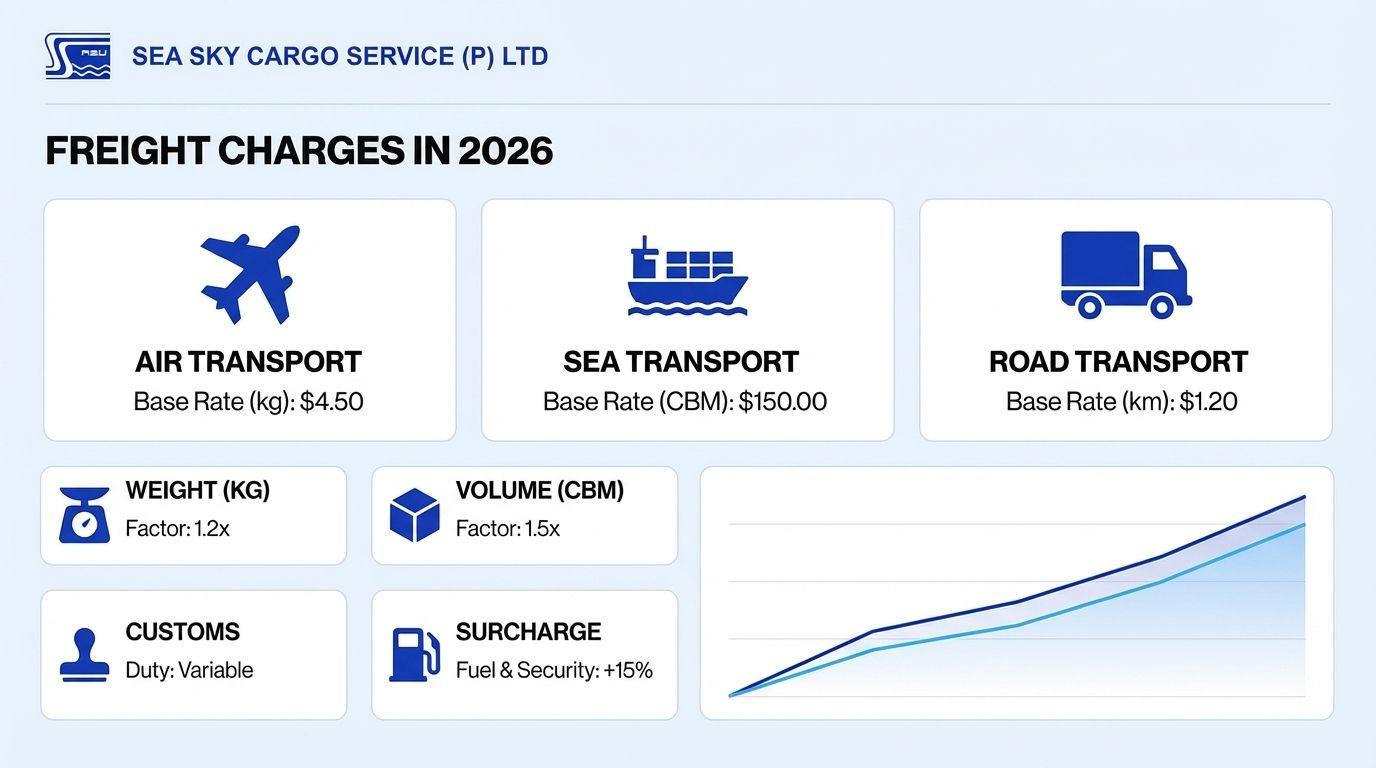
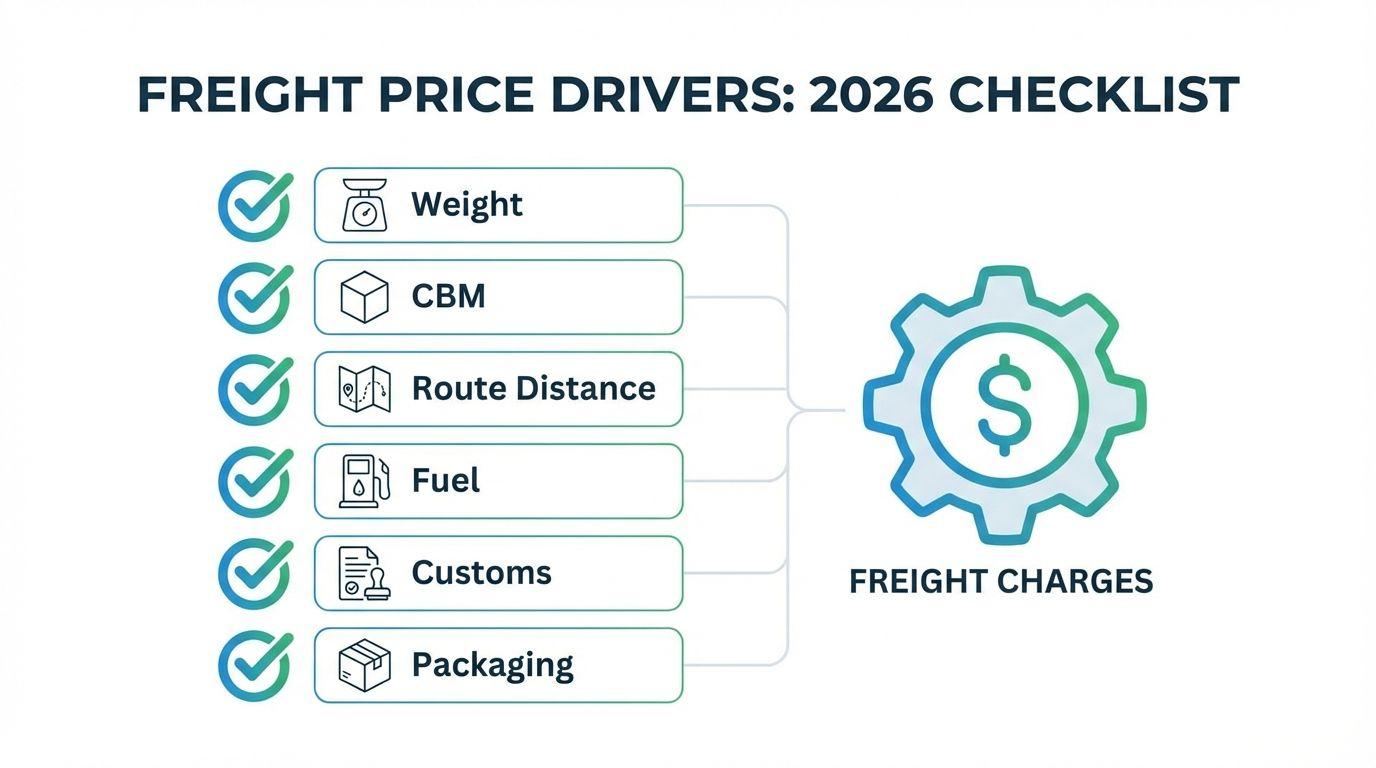
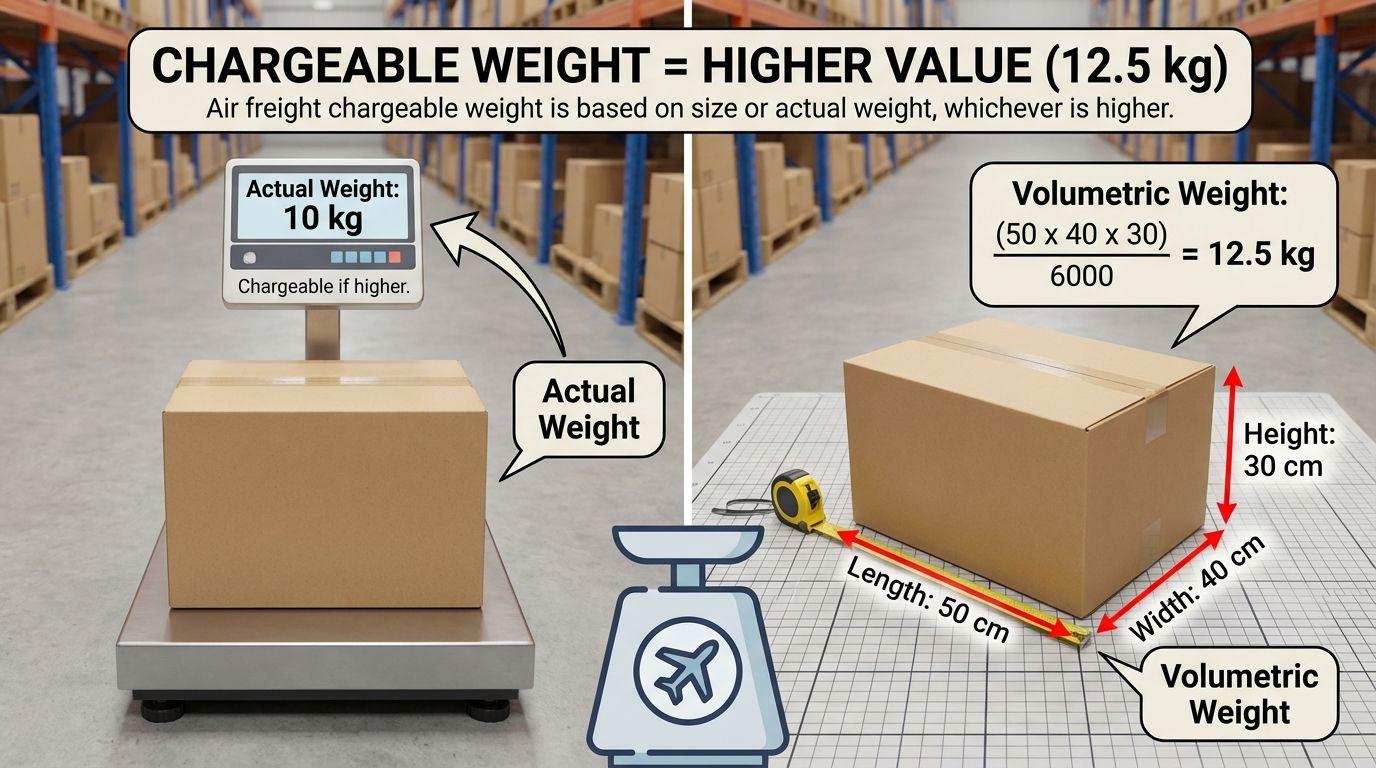
The biggest factor in freight pricing is the chargeable weight. For air freight, that is usually the higher of actual weight and volumetric weight, which is based on the package’s size rather than just its scale weight.
For sea freight, volume matters more, especially in LCL shipments where cargo is priced by CBM. For road freight, carriers often consider weight, volume, distance, and border handling together.
Other common cost drivers include:
- Fuel surcharge.
- Security surcharge.
- Customs clearance fees.
- Terminal handling.
- Storage or demurrage.
- Remote delivery charges.
- Packaging quality and dimensional size
Chargeable Weight
For air freight, chargeable weight is usually calculated as either the actual weight or the volumetric weight, whichever is higher. A common formula is L×W×H÷6000L×W×H÷6000 when dimensions are in centimeters.
For example, a light but bulky carton may weigh only 20 kg on a scale but be charged as 35 kg if it occupies more space than expected. That is why smart packing can lower your freight cost even when your product weight stays the same.
Hidden Charges to Watch
The freight quote you receive is often only part of the story. Many shippers discover extra costs later, including destination handling, document fees, customs brokerage, storage, and delivery charges.
Related: Freight Forwarding cost
For Nepal businesses, this is where landed cost matters. A transparent forwarder should explain what is included, what is not, and where costs may change if cargo is delayed or reclassified by customs.
How to Lower Freight Cost
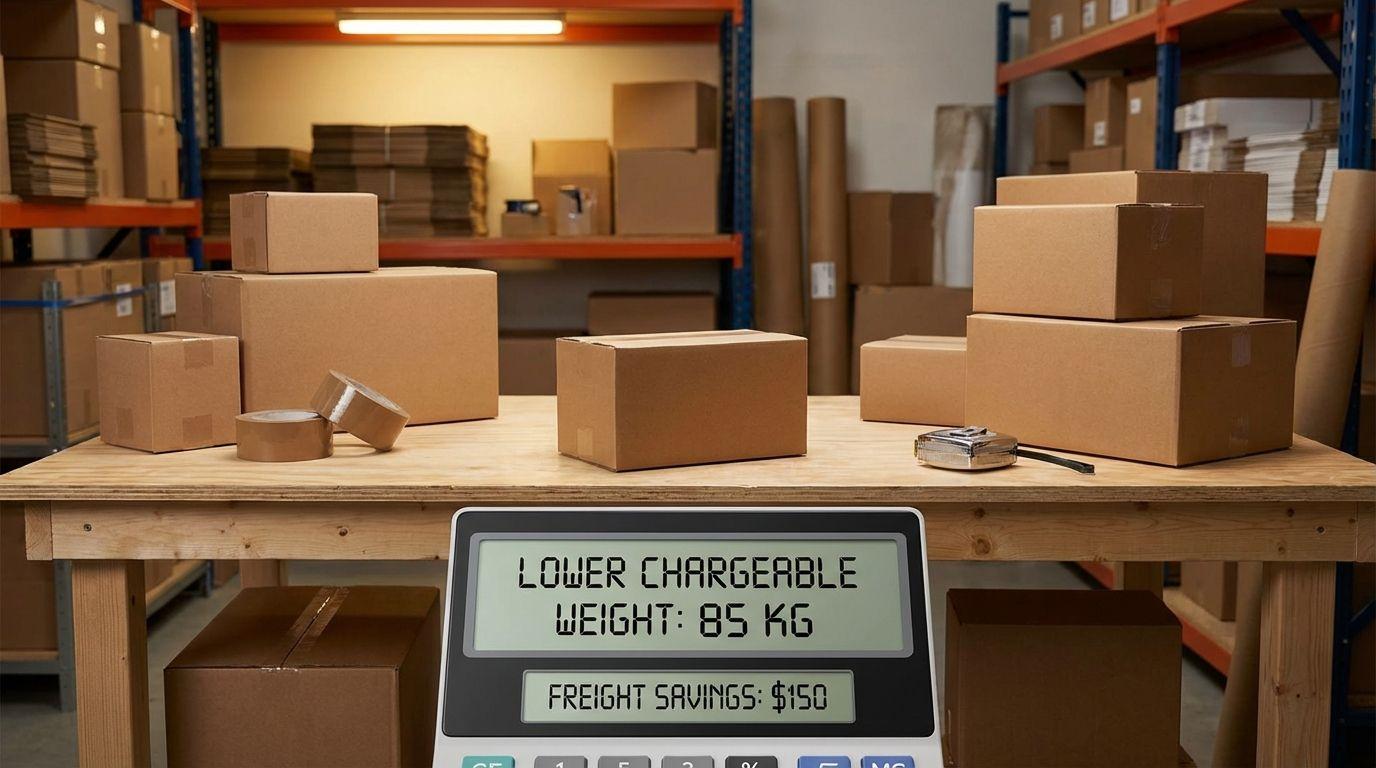
One of the easiest ways to reduce freight cost is to package cargo efficiently. Smaller cartons, better stacking, and less wasted space can lower volumetric weight and improve CBM usage.
You should also compare air, sea, and road options before booking. In some cases, a slower route with better consolidation may save more money than a fast direct option. Finally, always ask for an all-in quote so you can compare the real landed cost, not just the base freight rate.
Sea Sky Advantage
Sea Sky Cargo helps shippers understand the difference between freight rate, local charges, and total landed cost. That matters because many businesses do not lose money from the freight rate itself they lose money from surprise charges, poor planning, or choosing the wrong mode.
With the right quote breakdown, Sea Sky can help you compare options and choose the most efficient route for your cargo type, volume, and delivery deadline. That is especially important in 2026, when route conditions and surcharges can change faster than ever.
Conclusion
Freight charges in 2026 are shaped by more than distance and scale weight. Air freight, sea freight, and road freight each use different pricing logic, and the final bill can shift because of surcharges, customs, packaging, and route conditions.
The best way to control shipping cost is to understand chargeable weight, compare transport modes, and request a transparent quote before booking. If you want a clearer freight estimate for Nepal, Sea Sky Cargo can help you build a smarter shipping plan and avoid unnecessary costs.
Get Quotes
Built for freight forwarders handling FCL, OOG, heavy or project cargo into Nepal and South Asia. Use it to check routes, documents, handoffs and risk points before quoting your client.
Related posts
1970-01-01
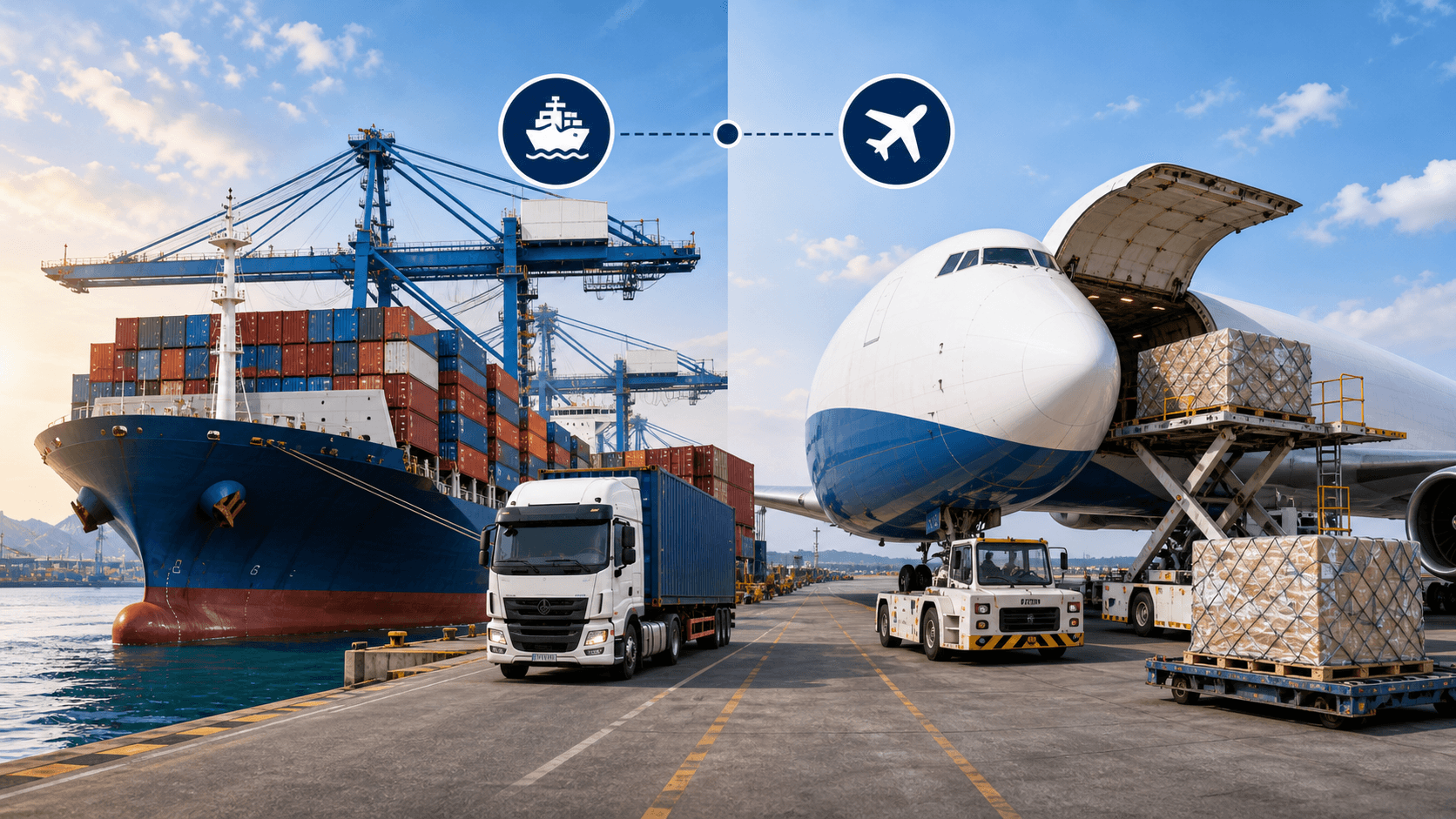
Sea + Air Freight: How SeaSky Helps Businesses Ship Smarter
2026-10-12
B2B Logistics in Nepal: Cross-Border Delivery for Businesses
2026-10-12
France to Nepal Shipping Guide: Air Freight, Sea Freight, Customs and Documents
2026-10-08