Nepal Customs Clearance Guide 2026: Documents, HS Codes & Duties
Customs clearance is one of the most important steps in importing goods into Nepal. If your documents, HS code, or declared value are wrong, your shipment can face delays, extra charges, or even inspection holds. In 2026, this matters even more because Nepal’s trade activity continues to grow, which means more cargo is moving through customs and more businesses are competing for faster release.
This guide explains how Nepal customs clearance works in 2026, what documents you need, how HS codes affect duties, and how to avoid common mistakes that slow down cargo.
Why Customs Clearance Matters
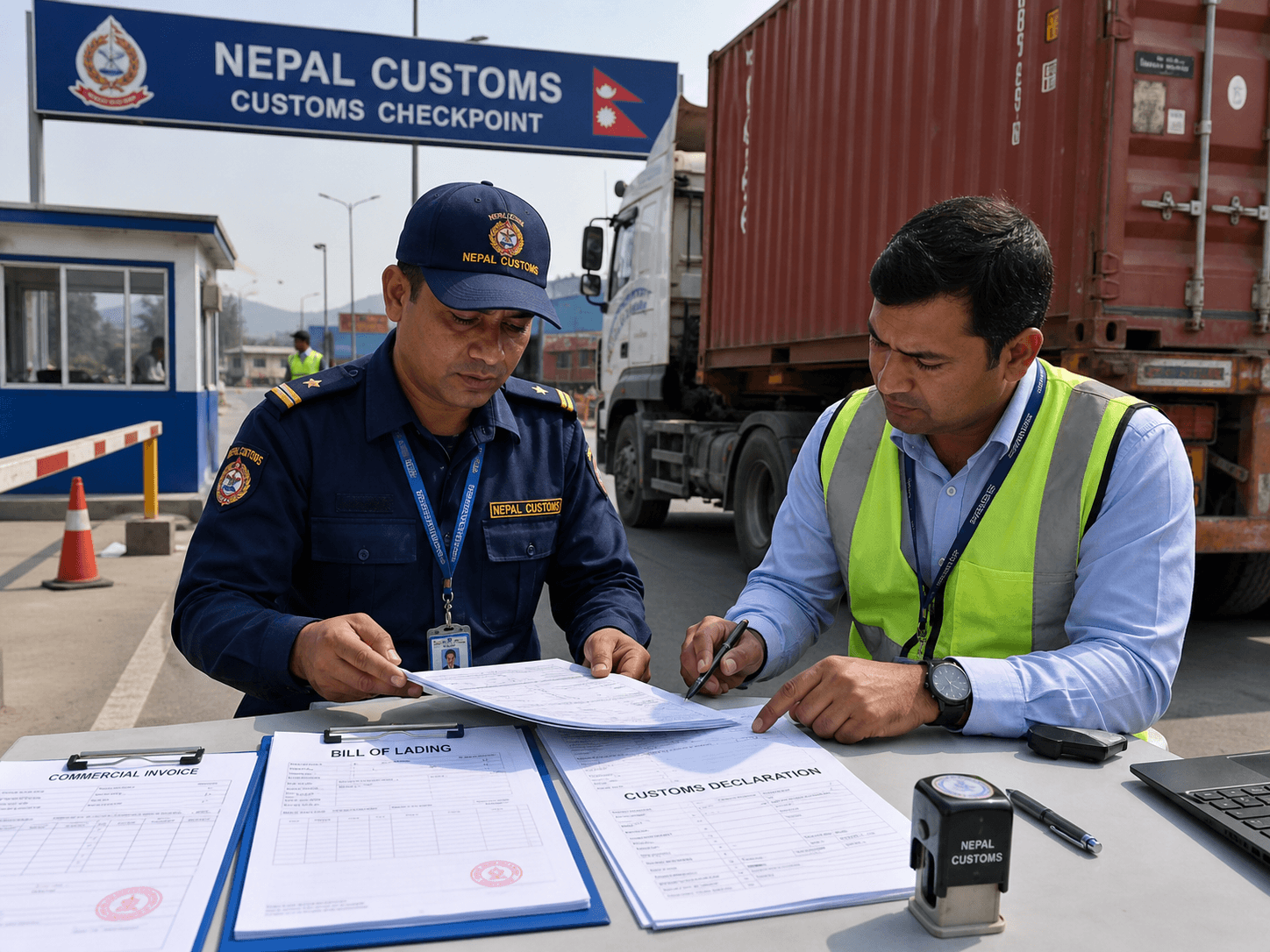
Customs clearance is the legal process that allows imported goods to enter Nepal after tax assessment and document verification. It is also where customs checks the cargo description, value, and classification before assessing duty and VAT.
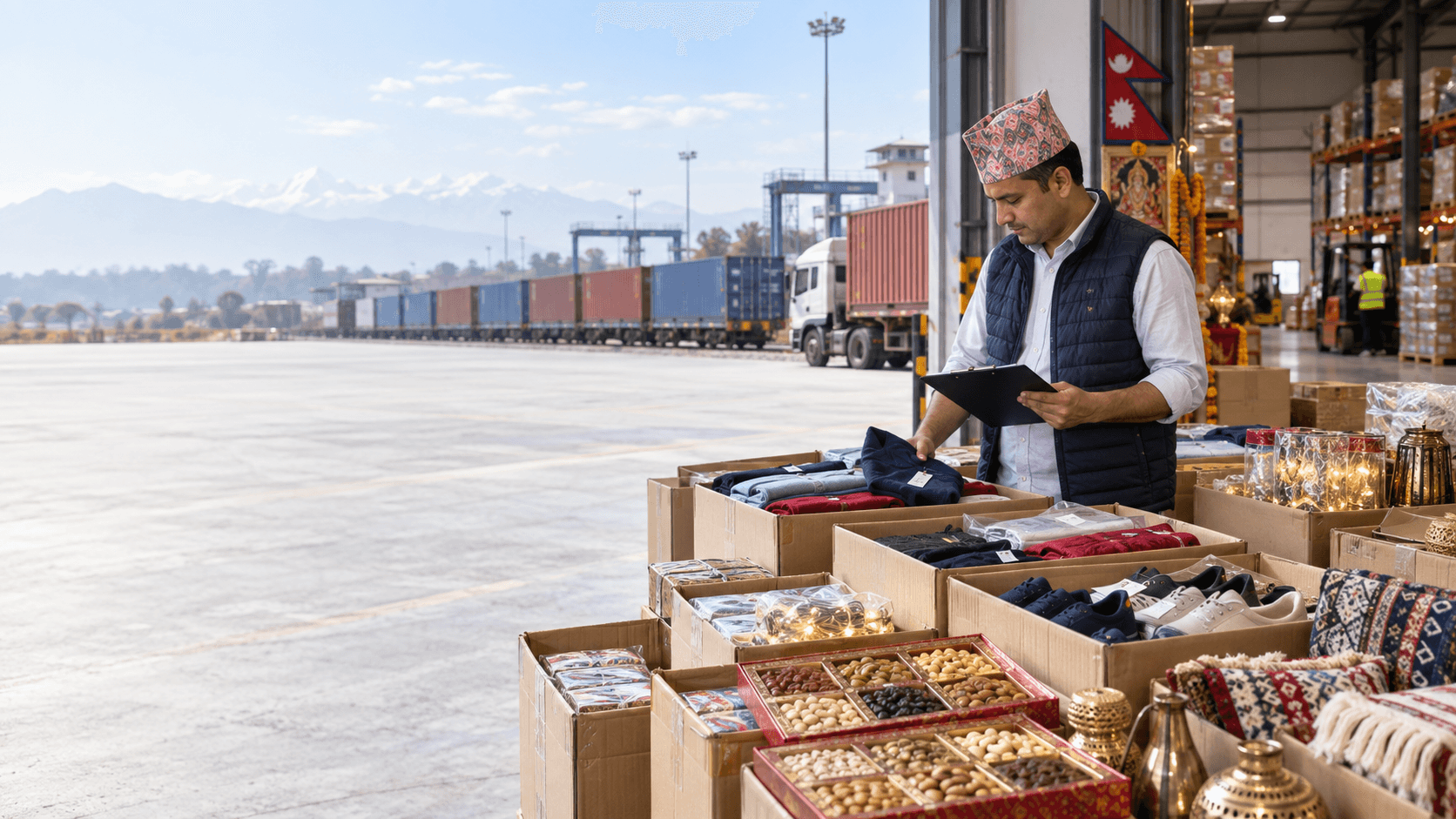
For businesses, this step affects cash flow and delivery time. A shipment that clears in two or three days can move quickly to the customer, while a shipment with missing paperwork may sit in storage and create avoidable cost.
Current Customs Conditions in 2026
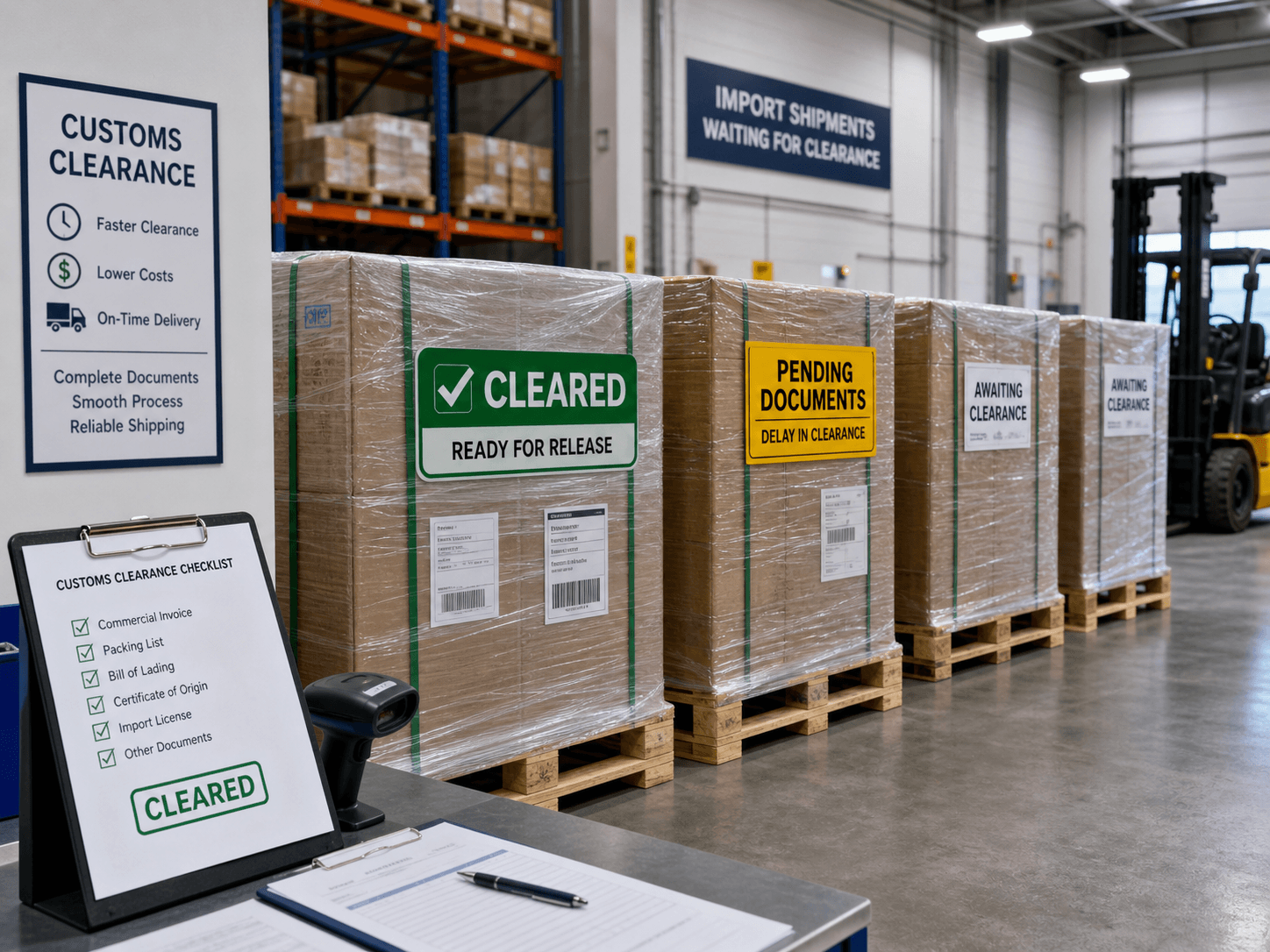
Nepal’s trade environment in 2026 is active, with foreign trade continuing to grow and import/export movements remaining strong. That means customs offices are handling high cargo volumes, so paperwork accuracy matters even more than before.
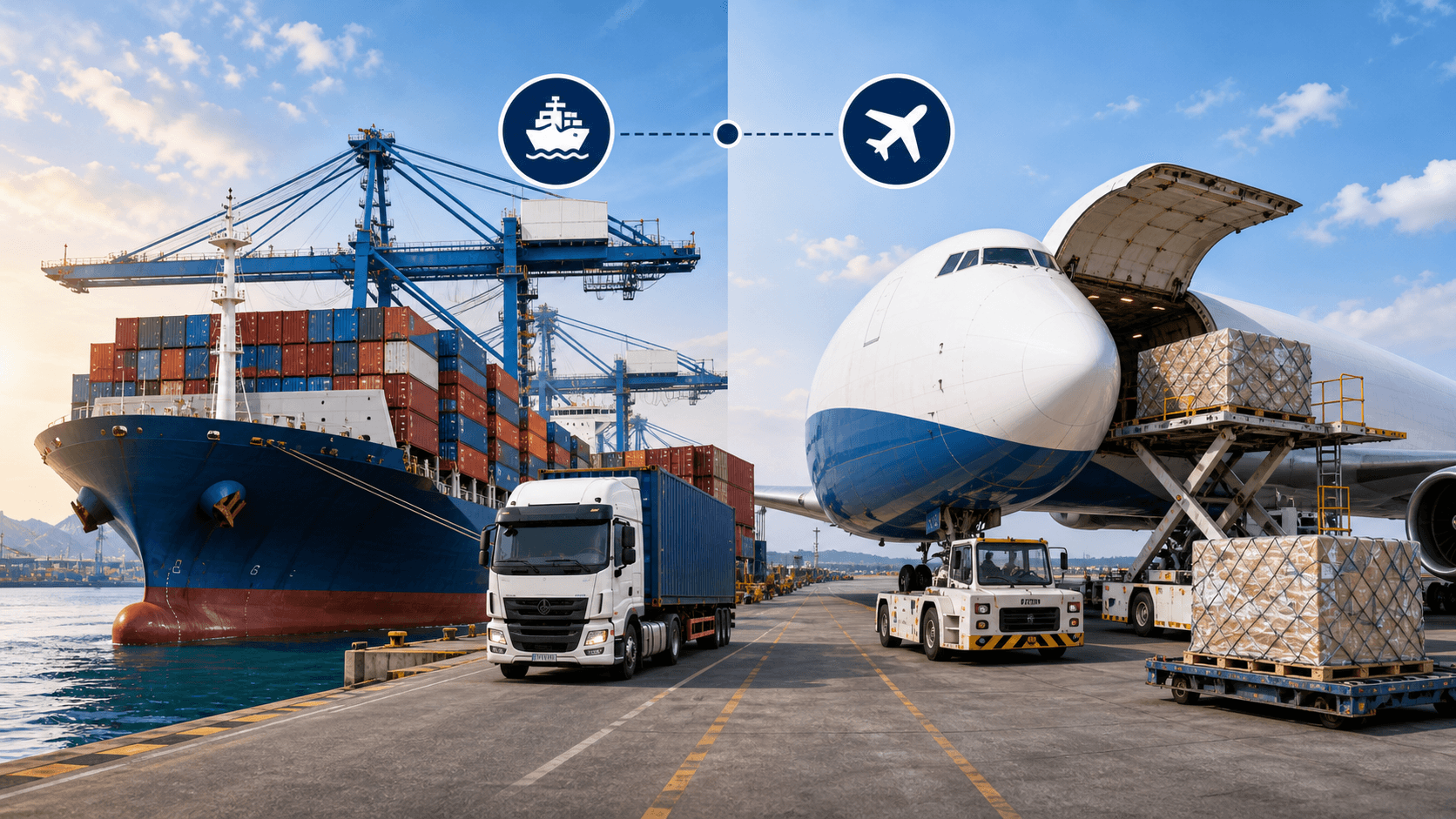
The country also continues to rely heavily on transit corridors and land-linked logistics, which makes smooth customs processing essential for importers using air, road, or sea routes via neighboring countries. If a shipment is delayed at customs, it can interrupt inland trucking, inventory planning, and customer deliveries.
Documents You Need
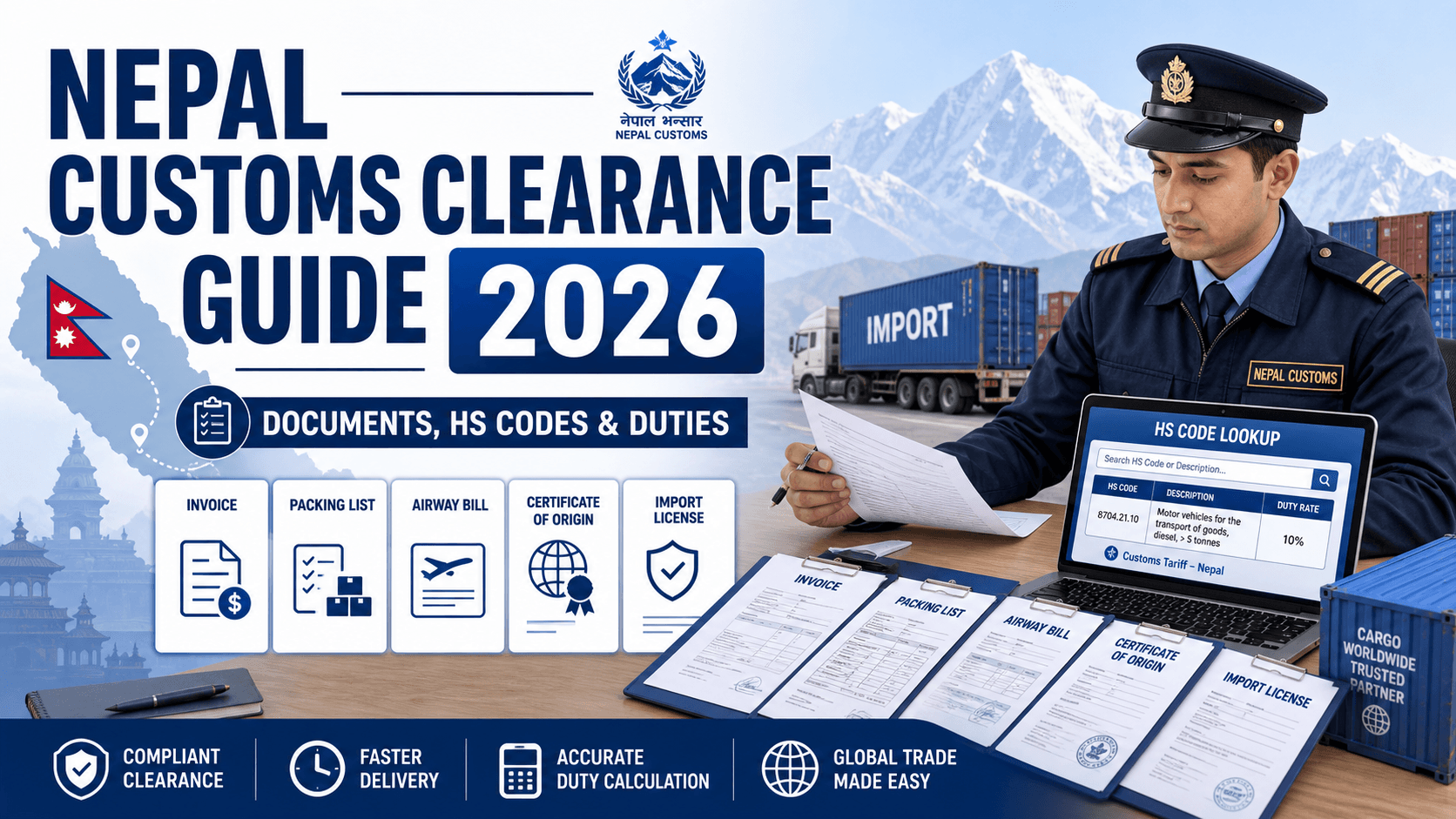
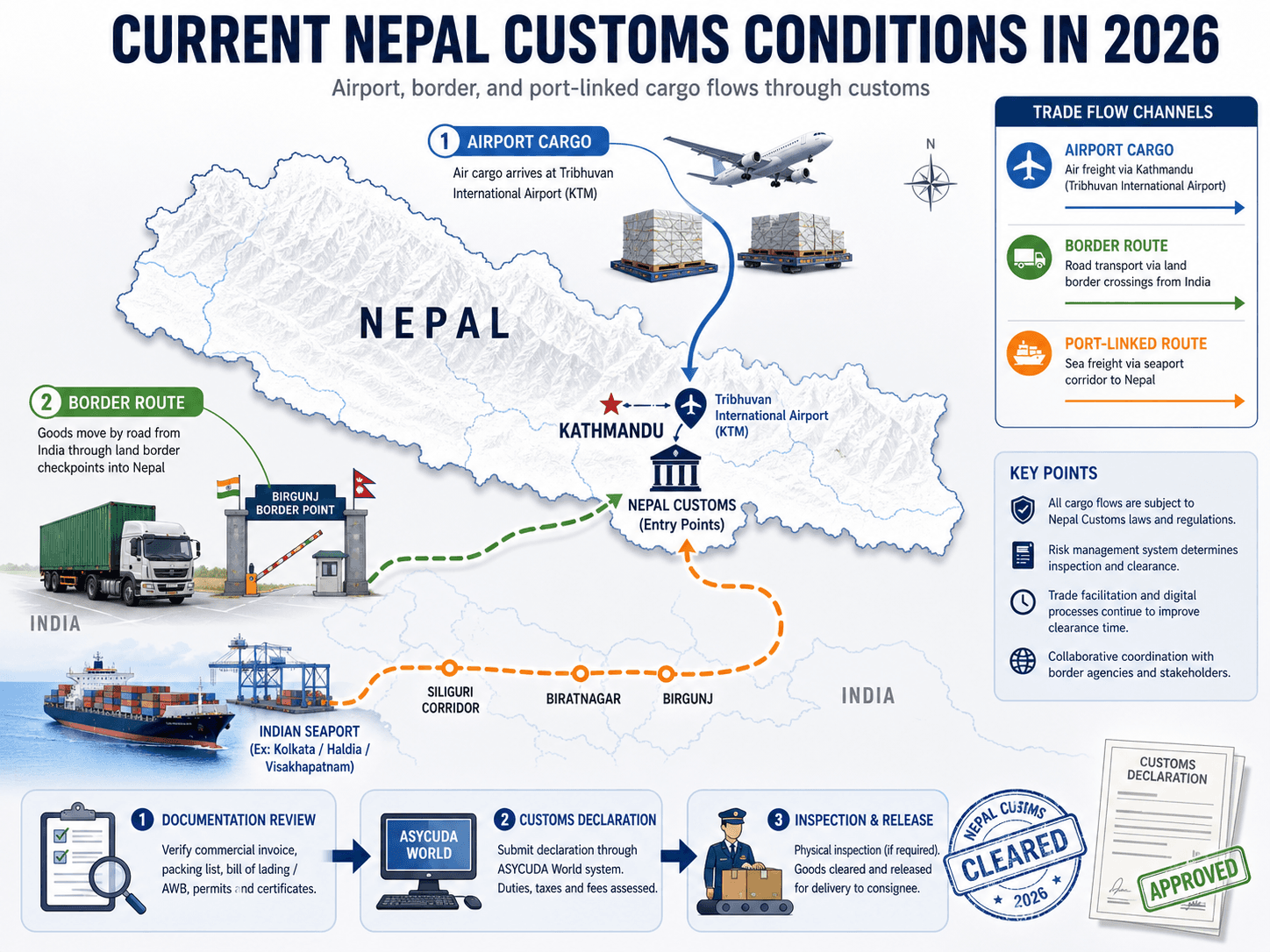
The most common documents for Nepal customs clearance include:
- Commercial invoice.
- Packing list.
- Bill of Lading or Airway Bill.
- Customs declaration form.
- Certificate of Origin, when required.
- Import license for restricted goods.
- PAN/VAT or company registration documents.
- Insurance certificate, if applicable.
For special cargo, additional documents may be needed, such as quarantine certificates, quality certificates, or banking documents for foreign trade settlement. For transit cargo through Kolkata or other routes, customs and clearing procedures can also require a delivery order and supporting transport documents.
How HS Codes Work
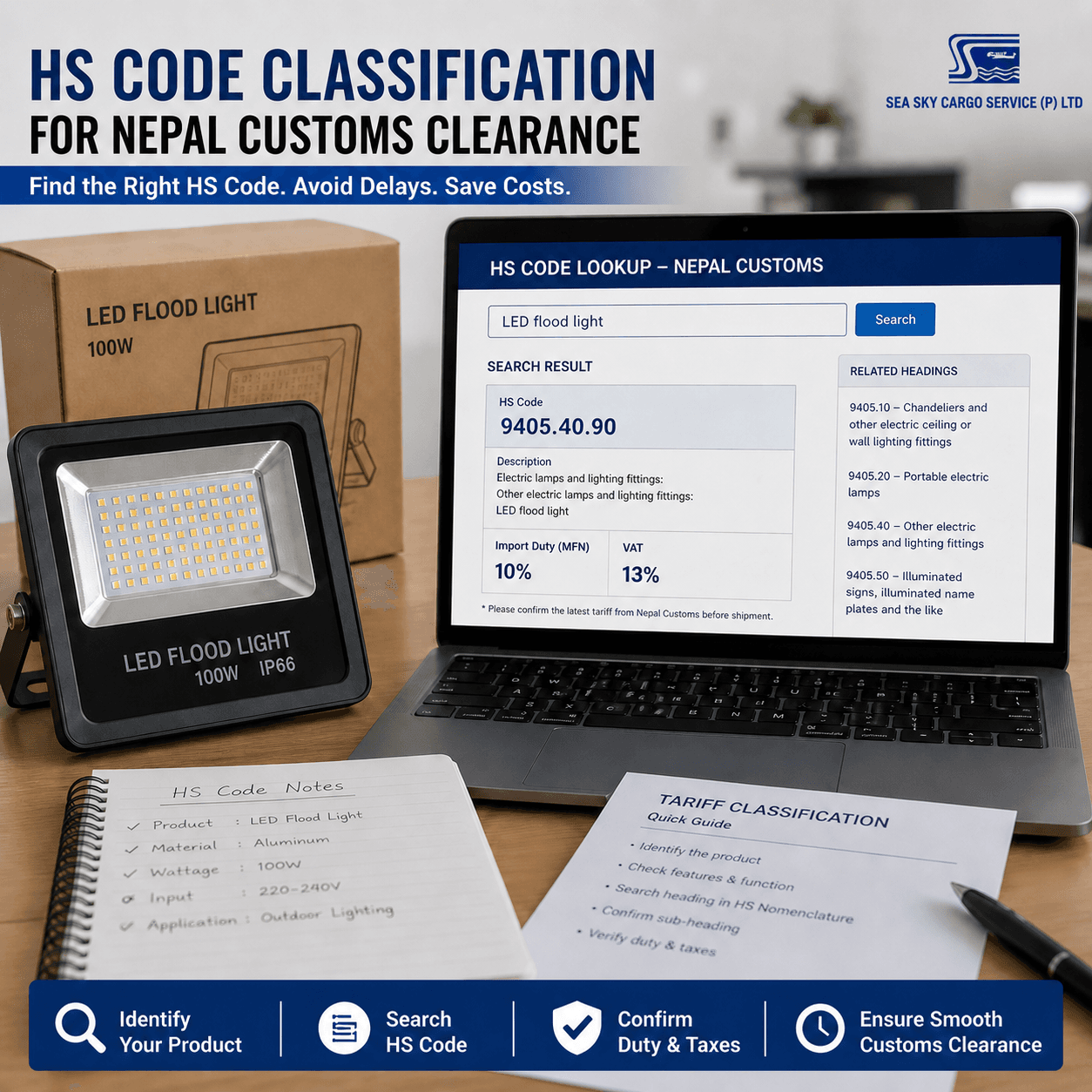
The HS code, or Harmonized System code, is the classification used to identify the product being imported. Nepal customs uses the HS code to determine the correct duty rate and any special controls or concessions that may apply.
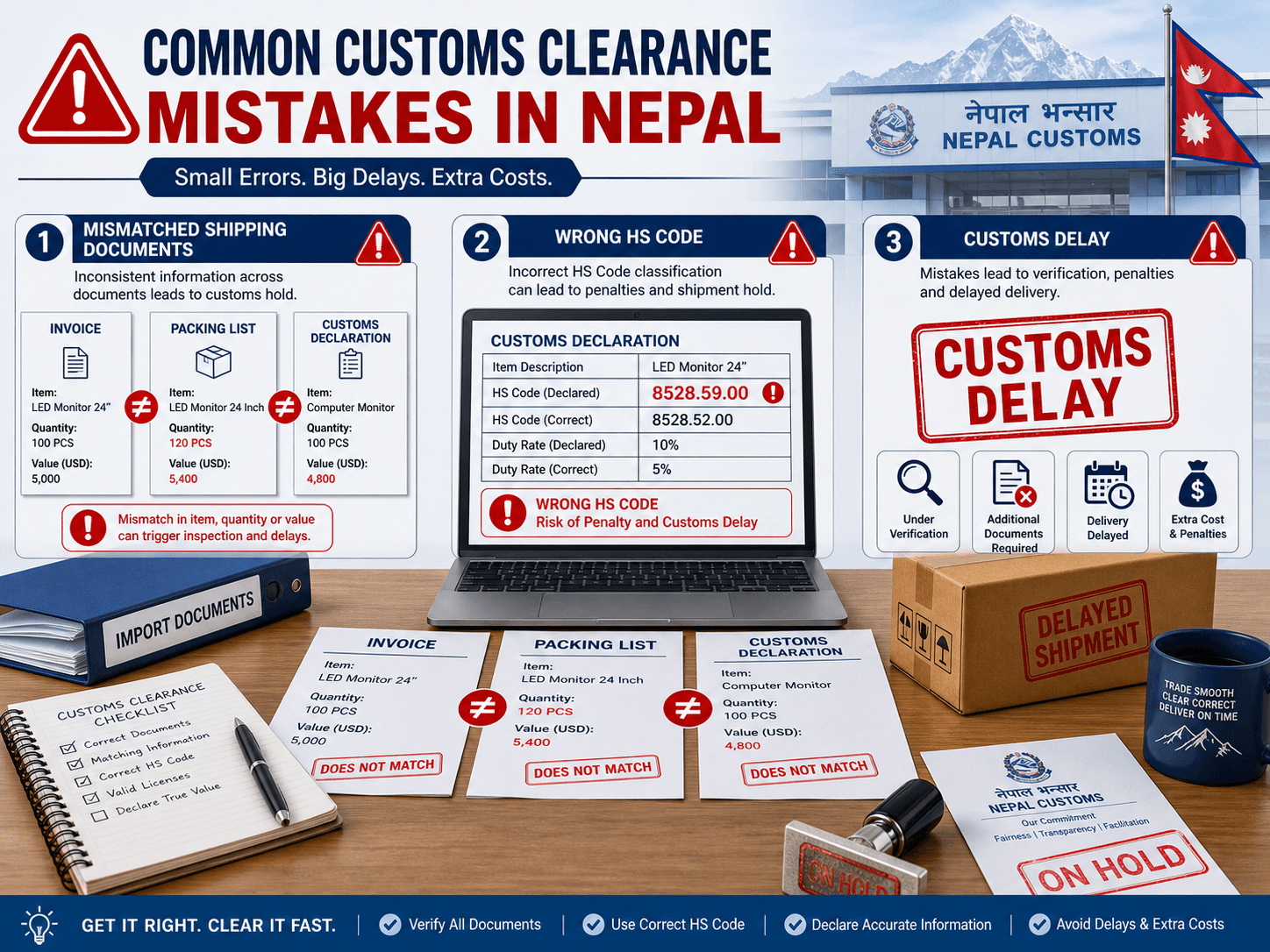
Getting the HS code right is one of the most important parts of customs clearance. If the code is wrong, the duty can be miscalculated and the cargo may be flagged for review or reassessment. Nepal’s National Single Window tariff search and Department of Customs resources are useful references when checking current classification.
Get Quotes
Share the route, cargo type, timing and open questions. Sea Sky can check the destination path before you promise a rate.
Duties and Taxes
In Nepal, import taxes typically include customs duty and VAT, and some products may also face excise duty or other additional charges. The customs duty rate depends on the HS code and the fiscal year’s tariff schedule, while VAT is commonly applied at 13%.
Customs value is usually calculated using the transaction value plus freight, insurance, and related costs, which means your declared CIF value matters. Some goods may also benefit from preferential rates under trade agreements, depending on origin and product category.
Common Mistakes
The most common mistakes are incorrect HS codes, inconsistent invoice values, missing licenses, and incomplete packing lists. Another frequent problem is not checking whether the product needs a special permit or quarantine certificate before shipment.
Importers also sometimes underestimate the value of advance planning. If the cargo arrives before the documents are ready, it can sit in storage and create extra costs that are completely avoidable.
How Sea Sky Helps
Sea Sky can help importers avoid customs problems by coordinating documents, checking HS code details, and supporting the clearance process from the start. That matters because many delays happen before customs even sees the shipment usually due to missing or inconsistent paperwork.
For businesses moving cargo through Nepal’s busy trade lanes, Sea Sky’s customs and logistics support can reduce uncertainty and improve delivery speed. A good forwarder does not just move cargo; it helps make sure the cargo is ready for release when it reaches customs.
Conclusion
Nepal customs clearance in 2026 is straightforward when documents are complete, HS codes are correct, and duties are calculated properly. The biggest delays usually come from avoidable mistakes, not from customs itself.
If you are importing into Nepal, a logistics partner like Sea Sky can help you reduce risk, speed up release, and avoid costly surprises. Talk to Sea Sky’s customs and logistics team or request a quote for your next import shipment today.