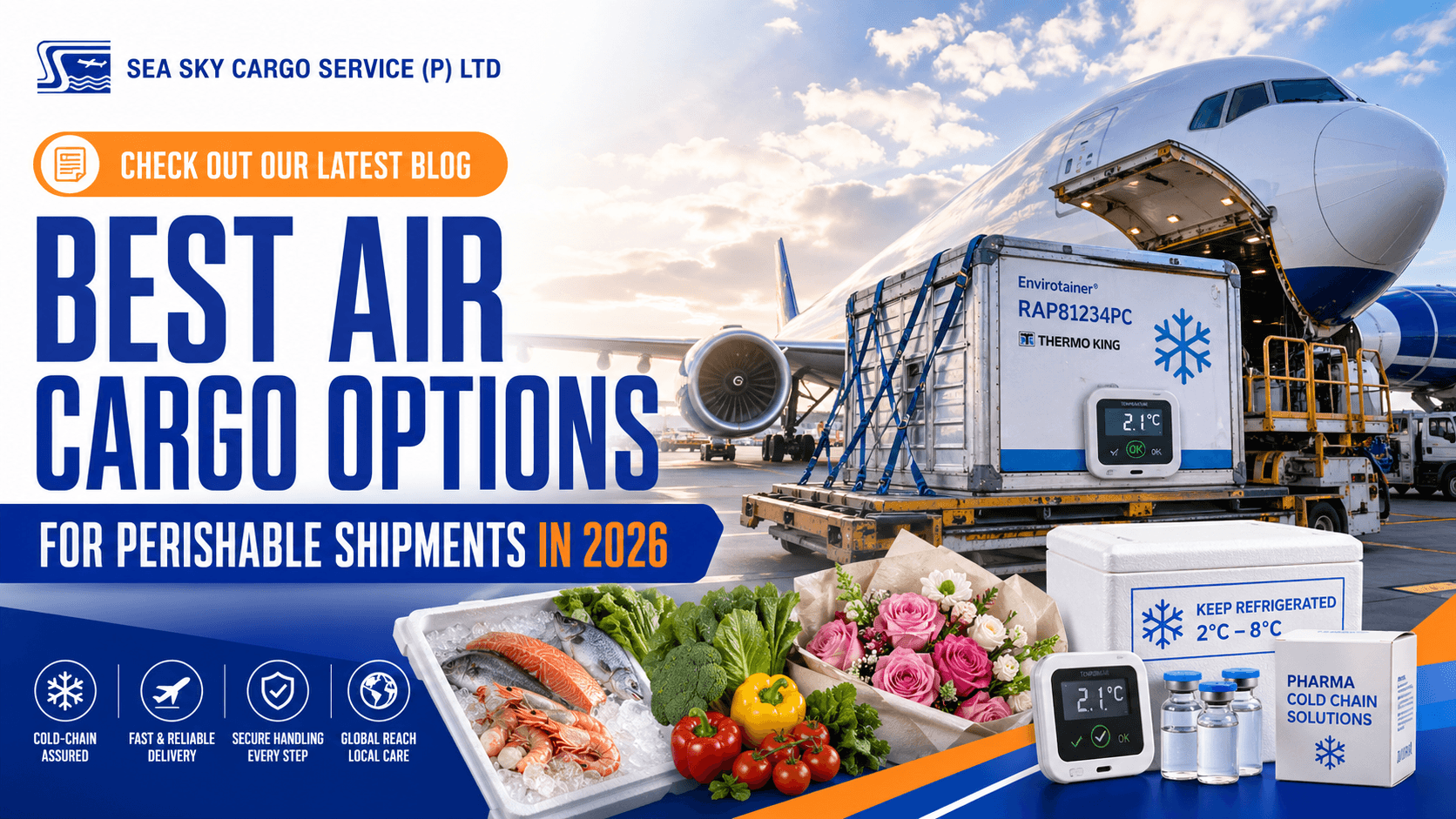
Best Air Cargo Options for Perishable Shipments in 2026
For perishable shipments, speed alone is not enough. The best air cargo option is the one that protects temperature, reduces handling, and keeps the product fresh from pickup to delivery.
In 2026, shippers are increasingly using temperature-controlled air cargo, airport cold storage, and real-time monitoring to reduce spoilage risk. For Nepal-based exporters and importers, that makes the right logistics partner especially important because delays and exposure during ground handling can quickly damage sensitive goods.

Why Air Cargo Works
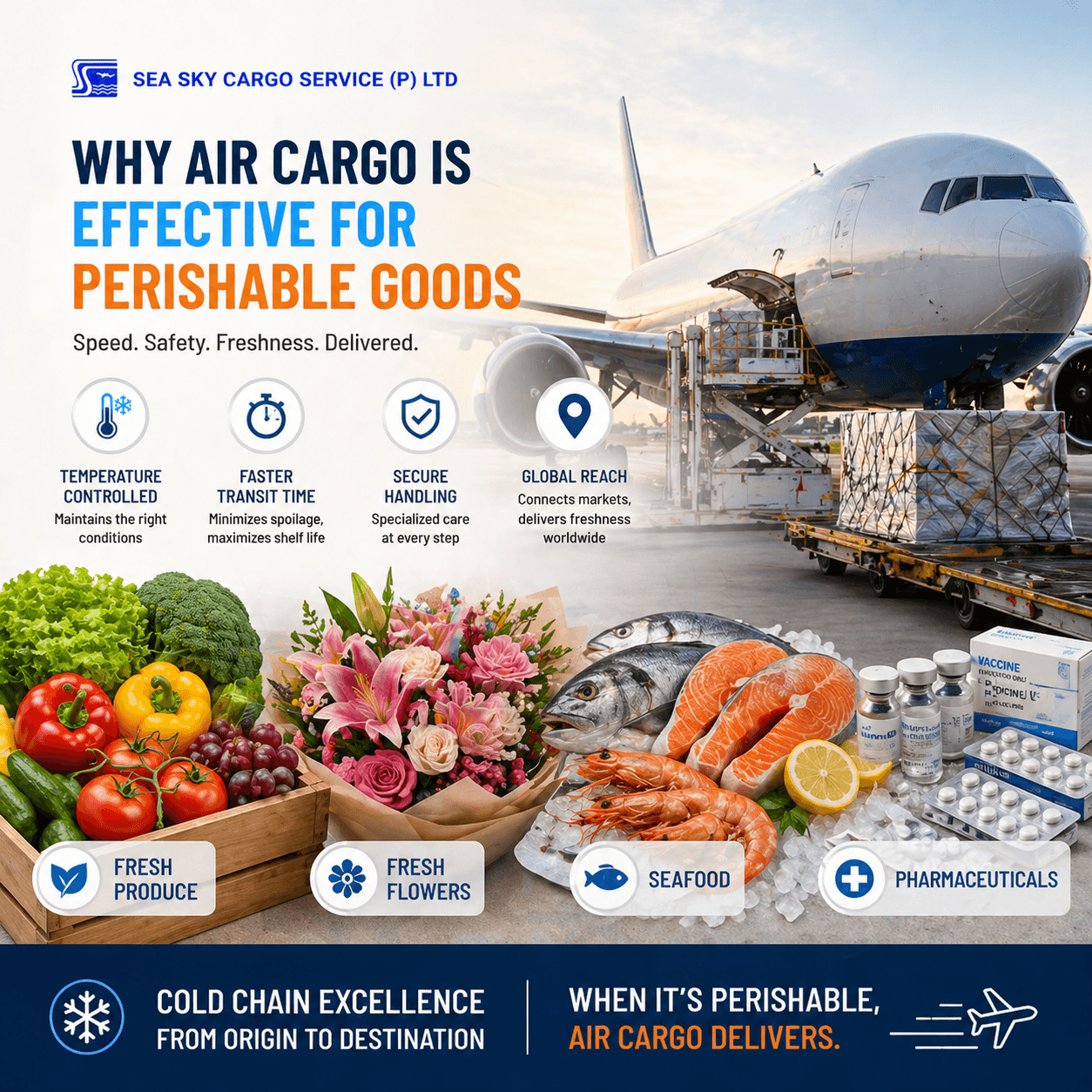
Air cargo is the preferred mode for many perishables because it minimizes transit time and reduces the chance that goods will warm up or spoil before arrival. The faster the shipment moves, the less time it spends in risky transfer points like warehouses, tarmacs, and customs holding areas.
Air freight also gives shippers better control over timing, which is critical for fresh produce, flowers, seafood, dairy, and pharmaceuticals. When the shipment is both valuable and time-sensitive, air is often the most practical choice even if the per-kilo price is higher.
Best Cargo Types
The best air cargo candidates are products with short shelf life or strict temperature requirements. These usually include fruits and vegetables, flowers, seafood, meat, dairy, vaccines, and temperature-sensitive medical products.
Air cargo is also strong for premium or urgent shipments where product value is high enough to justify the logistics cost. If a delay could ruin the shipment or destroy market value, air freight is usually the safer route.

Best Air Cargo Options
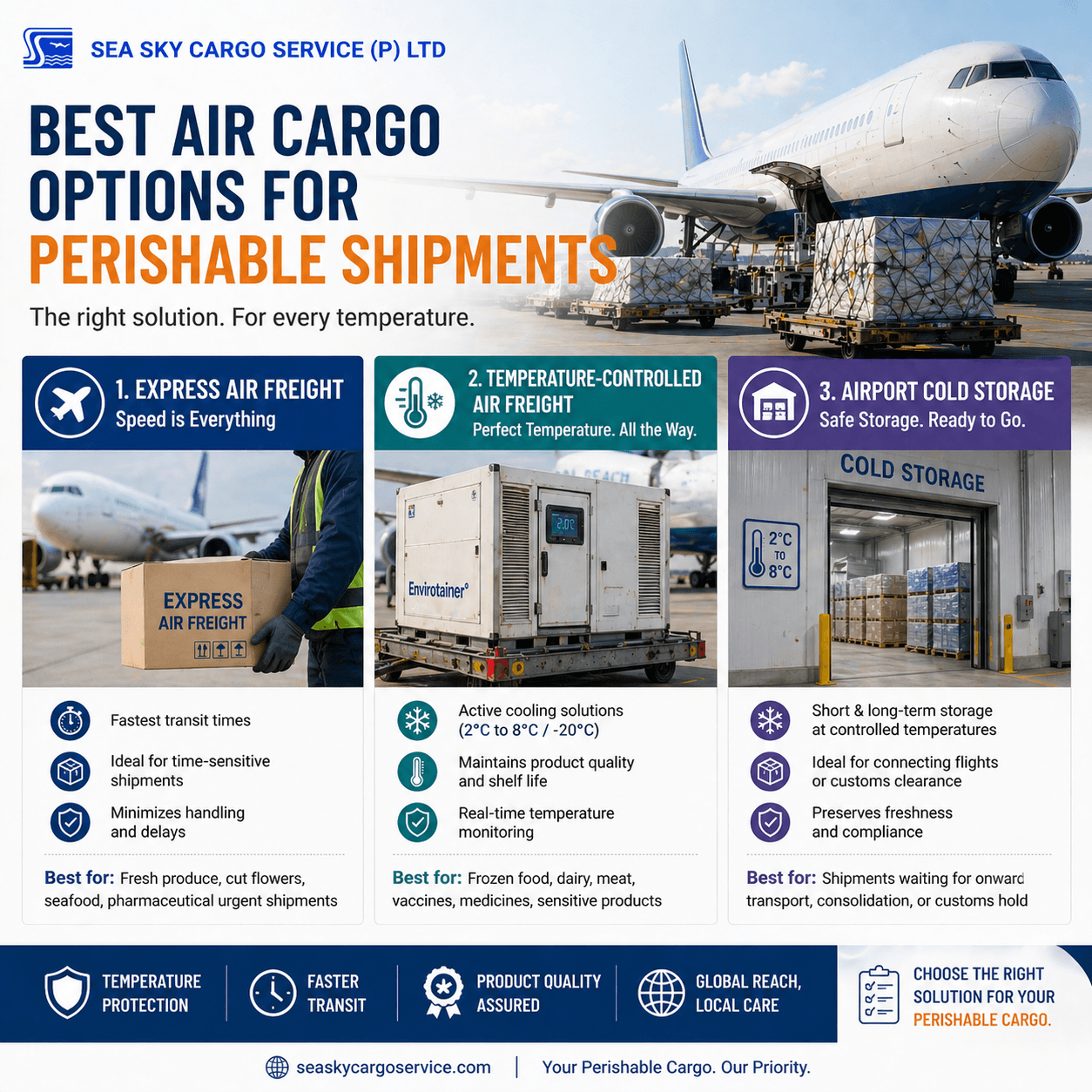
The best option depends on how sensitive the product is and how much time it can safely spend in transit. Sea Sky’s cold-chain material highlights several strong options: express air freight, airport cold rooms, insulated packaging, temperature loggers, and rapid transfer to reduce exposure. Seasky Cargo service
Here is a simple guide:
- Express air freight for urgent, high-value perishables.
- Temperature-controlled air freight for sensitive items that need stable conditions.
- Airport cold storage for short waiting periods before and after flights.
- Hybrid cold-chain handling when pre-cooling, transit control, and final delivery all matter.
For Nepal shipments, the strongest setup is usually the one that keeps cargo in a controlled environment through pickup, airport handling, and final delivery.
Cold Chain Essentials
A good cold chain starts before the cargo reaches the airport. Sea Sky’s guidance emphasizes pre-trip calibration, pre-cooling, insulated packaging, and quick transfer to prevent temperature abuse.
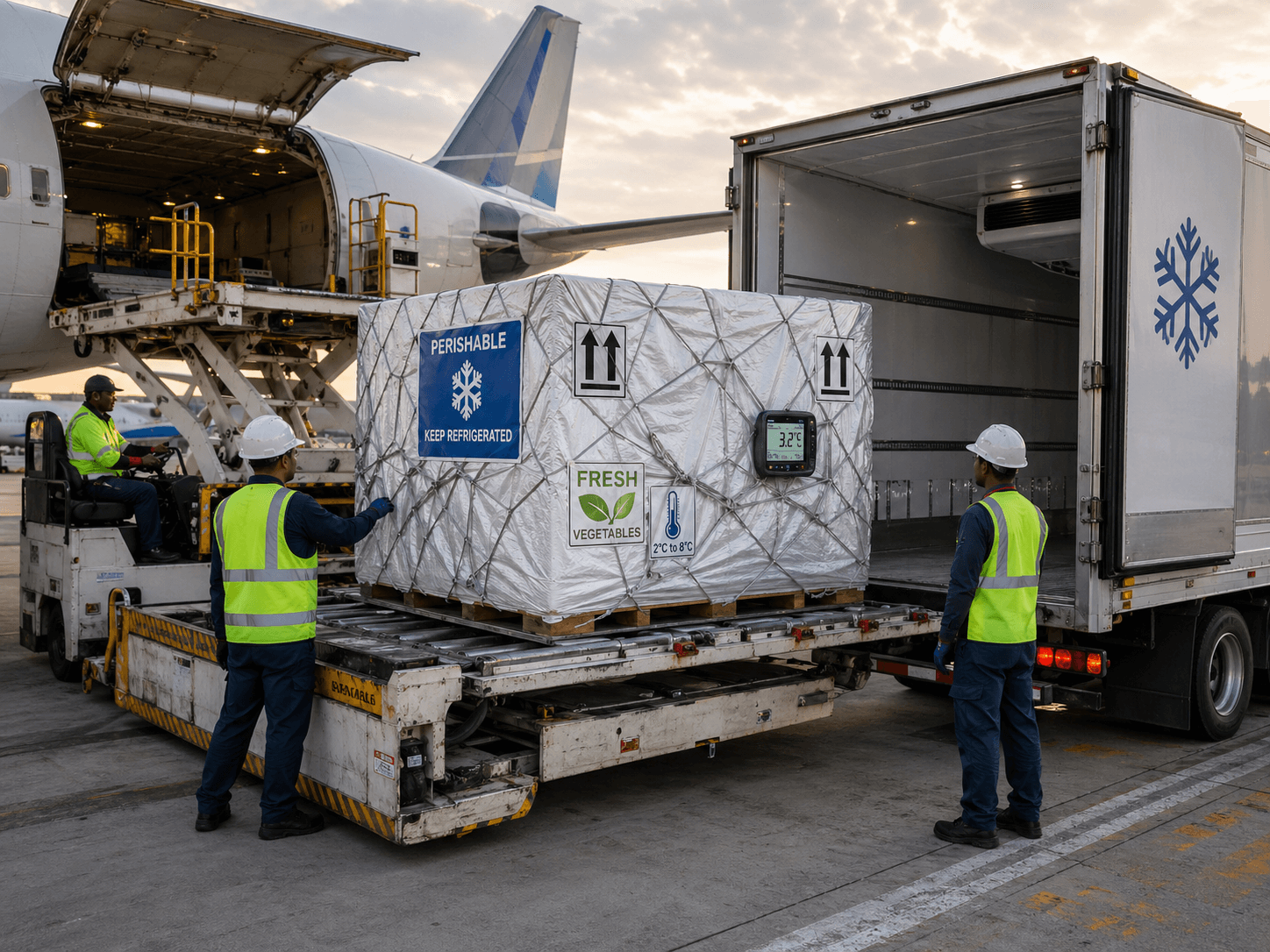
Monitoring is also important. Real-time loggers and digital alerts help shippers confirm that the shipment stayed within the right range throughout the journey. For many perishables, the cold chain fails not because of the flight itself, but because of the time on the ground before and after the flight.
Packaging and Handling
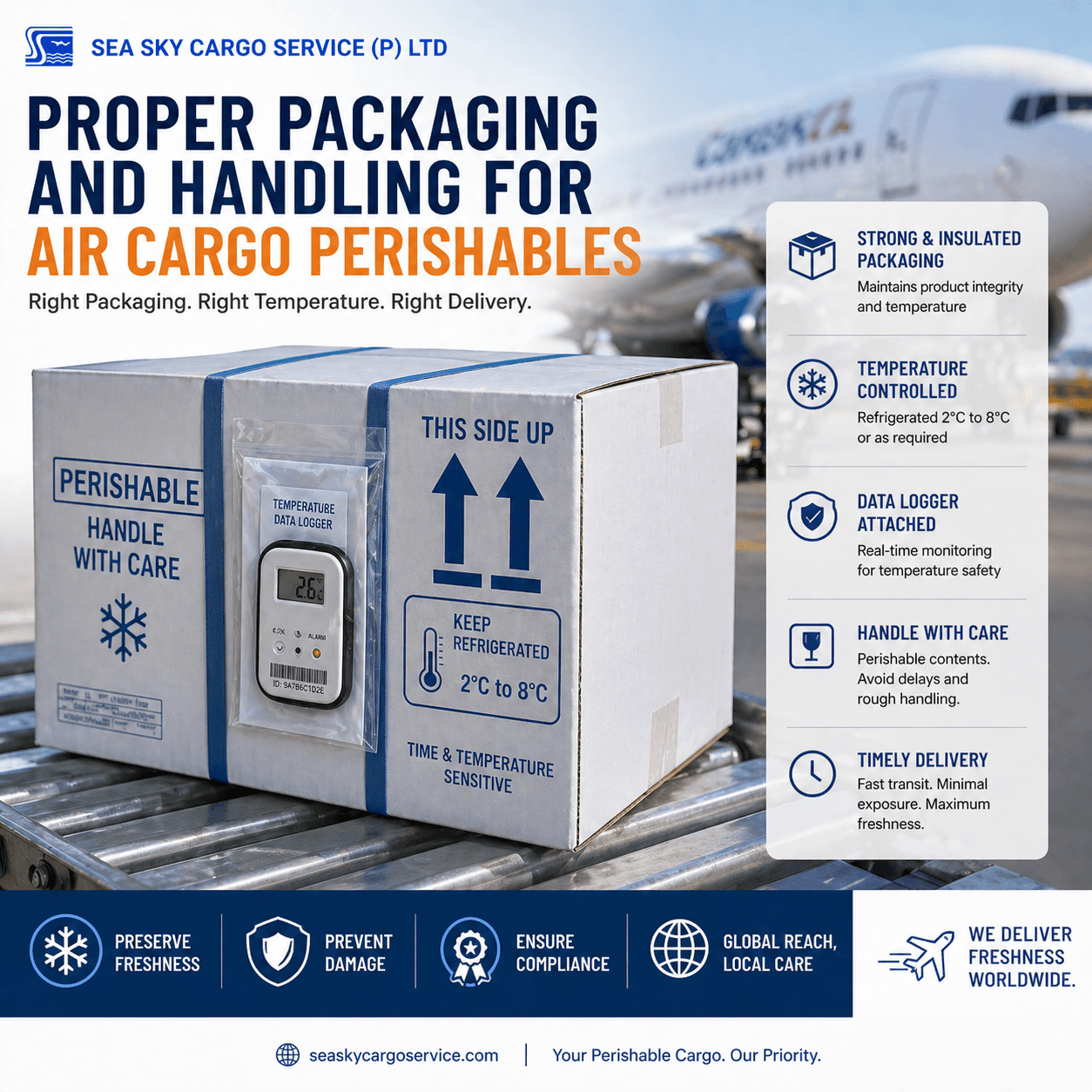
Packaging can determine whether a perishable shipment arrives fresh or compromised. Goods should be insulated, labeled clearly, and protected against moisture, crushing, and temperature swings.
Handling matters just as much. The cargo should move quickly from cold storage to the aircraft and back into cold storage or refrigerated delivery after landing. If the shipment sits too long in the open, even a fast flight may not save it.
Choosing the Right Option
If the shipment is urgent and valuable, express air freight is often the best fit. If the cargo is highly temperature-sensitive, a dedicated cold-chain solution with airport storage and monitored handling is usually safer.
For larger or recurring perishables, a hybrid plan may work best. That might include pre-cooling at origin, refrigerated ground transport, cold-room storage, and fast delivery at destination. The best option is always the one that balances speed, temperature stability, and total product value.
Conclusion
The best air cargo option for perishable shipments is the one that keeps the product at the right temperature with the least exposure time. For many businesses, that means using express air freight, temperature-controlled handling, or a hybrid cold-chain setup instead of standard cargo services.
If you need reliable perishable shipping, Sea Sky can help design a temperature-safe plan from pickup to delivery. Talk to Sea Sky’s logistics team for a perishable cargo quote or request a cold-chain shipping plan today.
Ready to ship smarter?
Built for freight forwarders handling FCL, OOG, heavy or project cargo into Nepal and South Asia. Use it to check routes, documents, handoffs and risk points before quoting your client.
Related posts

1970-01-01
Sea + Air Freight: How SeaSky Helps Businesses Ship Smarter

2026-10-15
Last-Mile Delivery in Nepal: How Businesses Can Reduce Delays and Delivery Costs

2026-10-13
Last-Mile Logistics in Nepal: Challenges, Costs and Solutions

2026-10-12