What is SeaSky?
SeaSky, or Sea Sky Cargo Service, is an international freight forwarding and logistics provider based in Lalitpur, Nepal. Its public company information says it pioneered landside operations from Nepal to the world and has spent more than 38 years serving importers, exporters, project owners, and regional trade customers across South Asia and beyond.
Unlike a courier company that focuses mainly on small parcels, SeaSky is positioned as a broader logistics partner. Its website and profiles describe services ranging from LCL and FCL shipping to breakbulk, RoRo, road freight, hazardous cargo, heavy lift, project management, packing, cargo insurance, and importer-of-record support.
For many customers, that difference is important. SeaSky is meant for shipments that need planning, documentation, customs handling, and cross-border coordination, not just pickup and drop-off.
Who is SeaSky for?
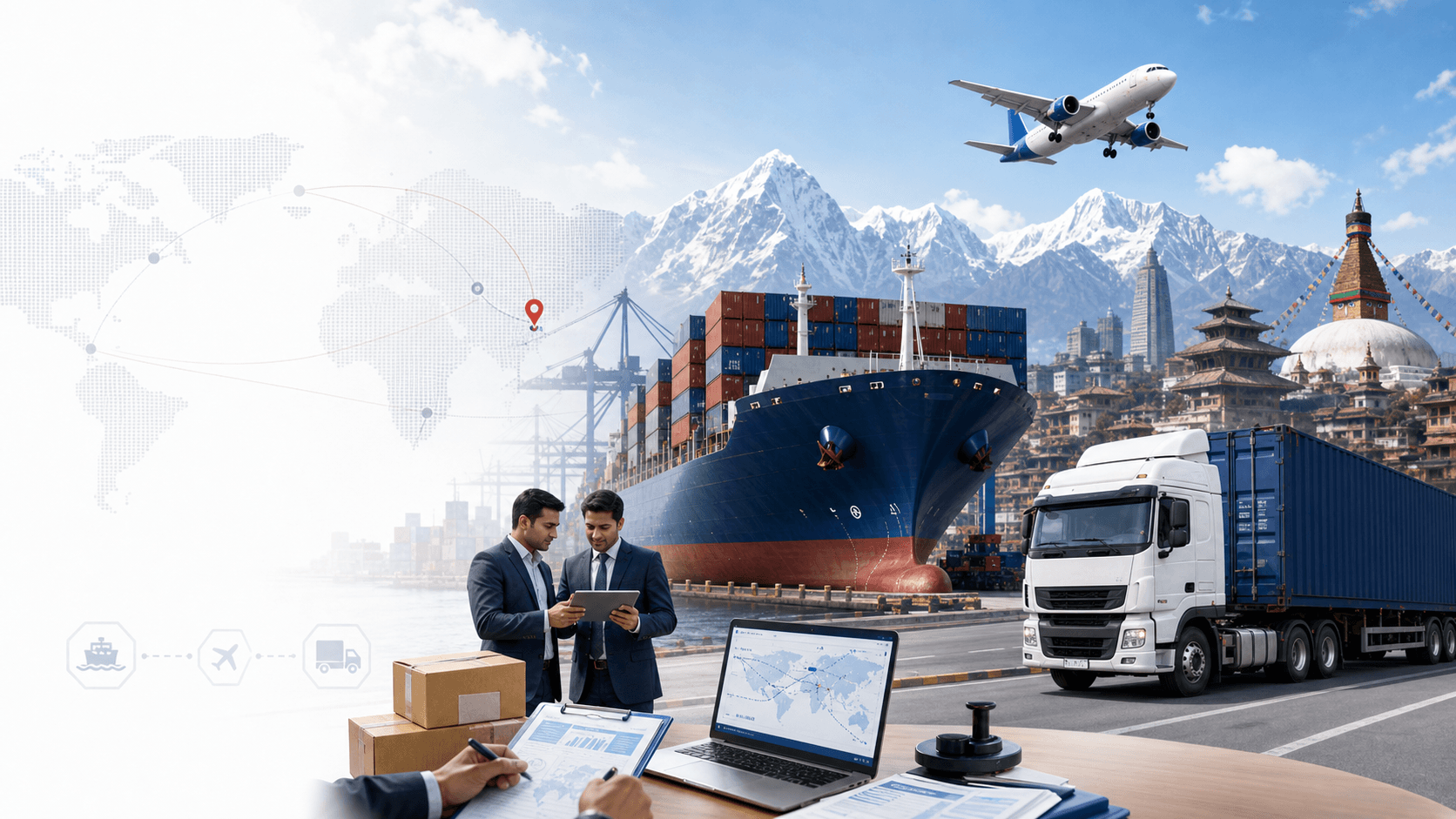
SeaSky is suitable for a wide range of users, but its strongest fit is for businesses and organizations with more complex shipping needs. That includes manufacturers, exporters, importers, infrastructure companies, construction contractors, humanitarian organizations, and businesses moving cargo through Nepal, India, Bhutan, and other South Asian routes.
It is also a good option for companies that need full shipment coordination rather than a single transport leg. If a shipment requires customs clearance, inland trucking, container booking, documentation review, and final delivery support, SeaSky is positioned to manage the whole chain.
Smaller shippers can also use SeaSky, especially when they need LCL freight, consolidation, or help understanding export and import procedures. But the company’s clearest strength is in B2B shipping, project cargo, and freight that needs hands-on operational management.

Main services offered
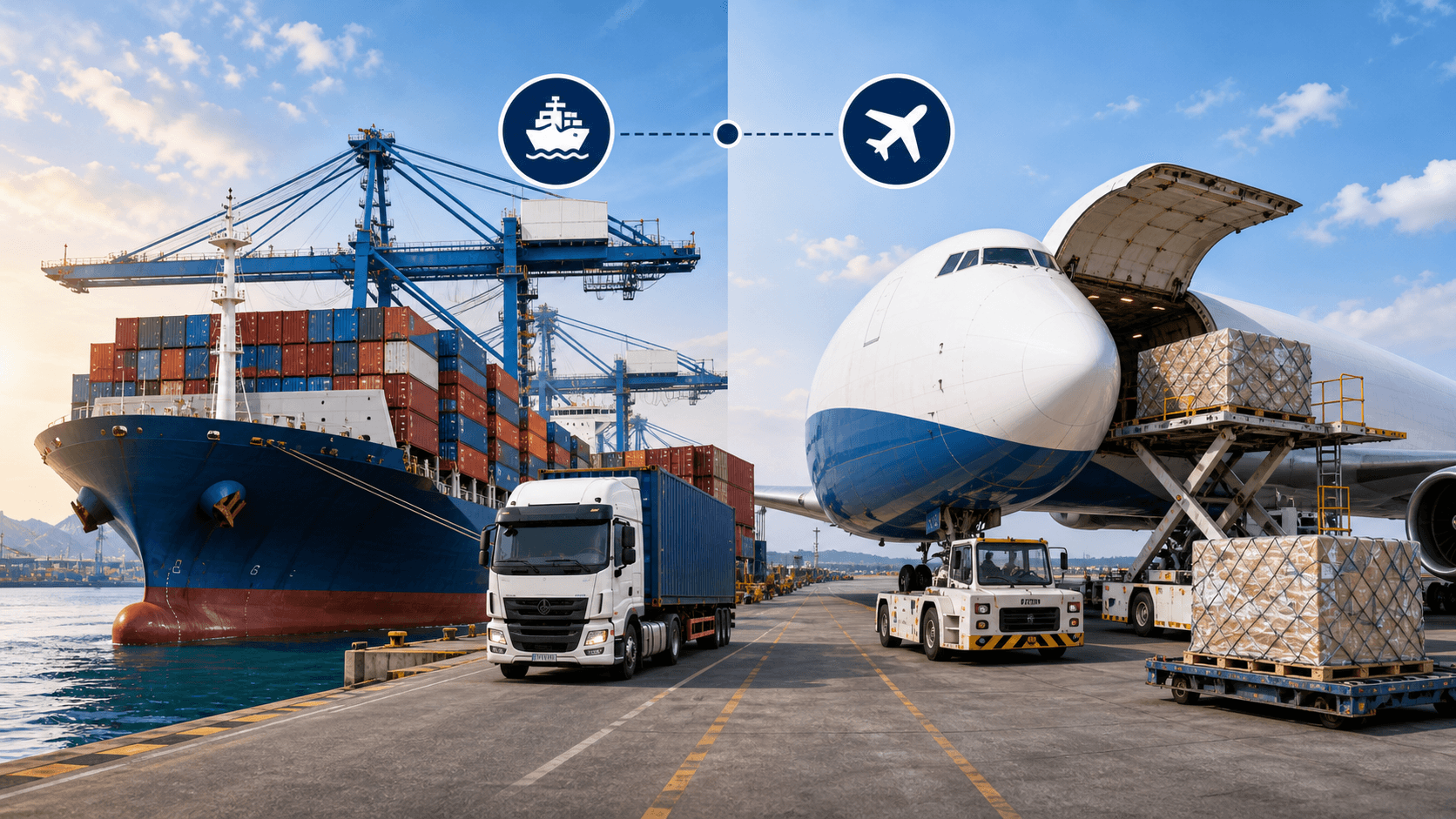
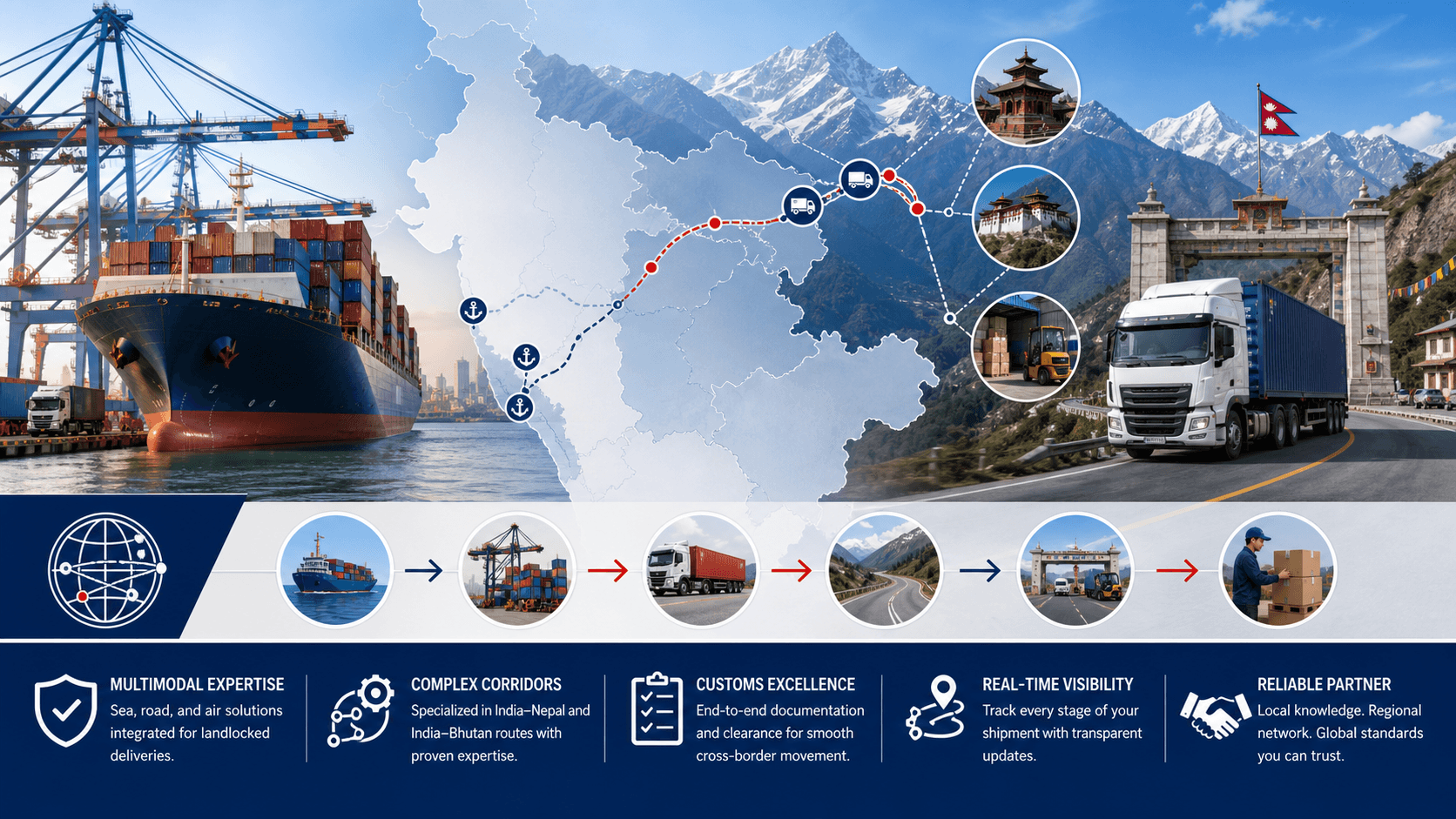
SeaSky offers a broad service portfolio that covers international freight forwarding by air, ocean, road, and rail-linked routes. Its public service descriptions include door-to-door and door-to-port services, FCL and LCL shipping, RoRo, flat racks, breakbulk, oversize cargo, warehousing, distribution, inland transport, and customs brokerage support.
Here are the main SeaSky services in simple terms:
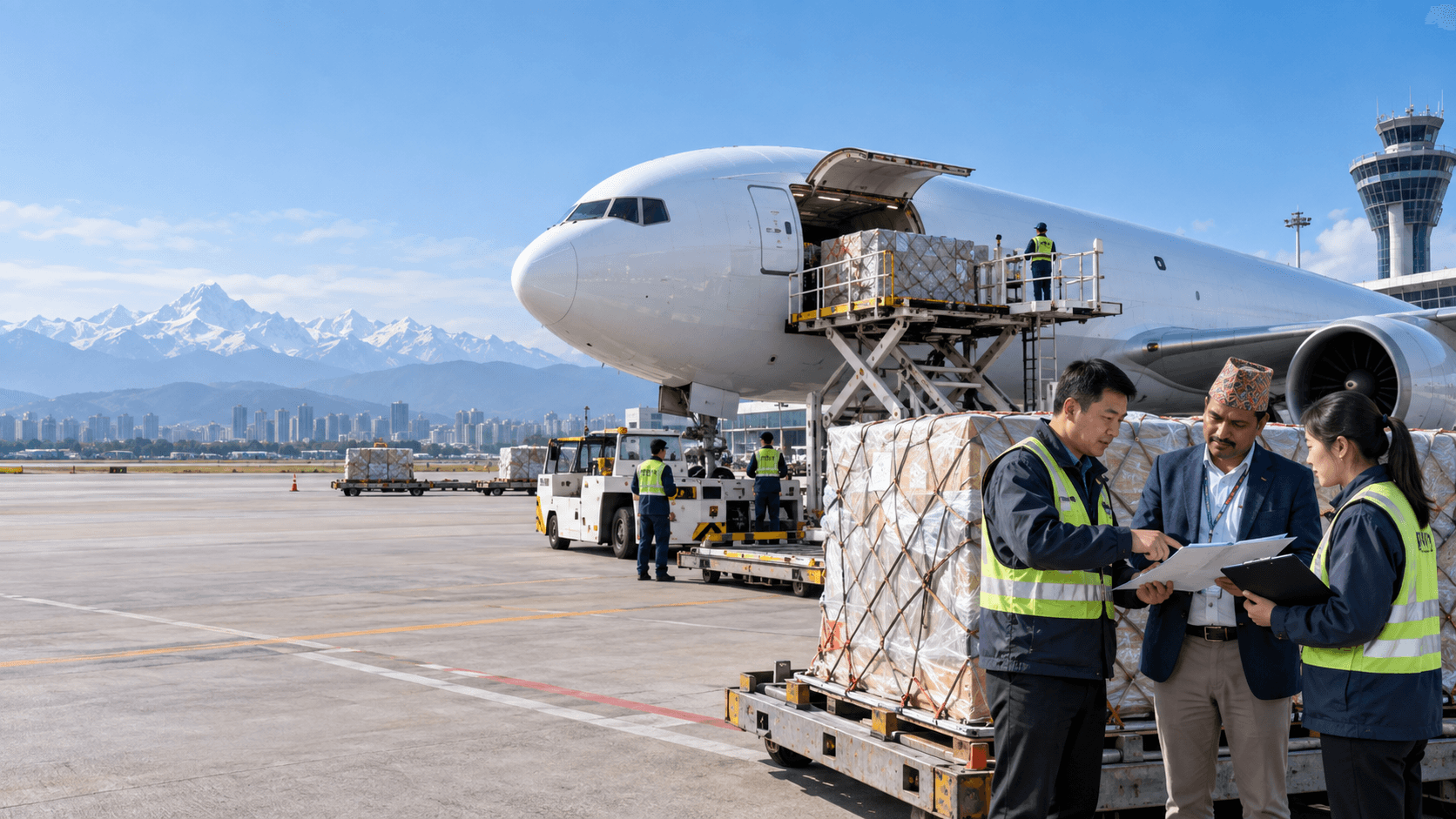
Air freight for urgent, high-value, or time-sensitive cargo.
Ocean freight for FCL, LCL, bulk cargo, and cost-sensitive international trade.
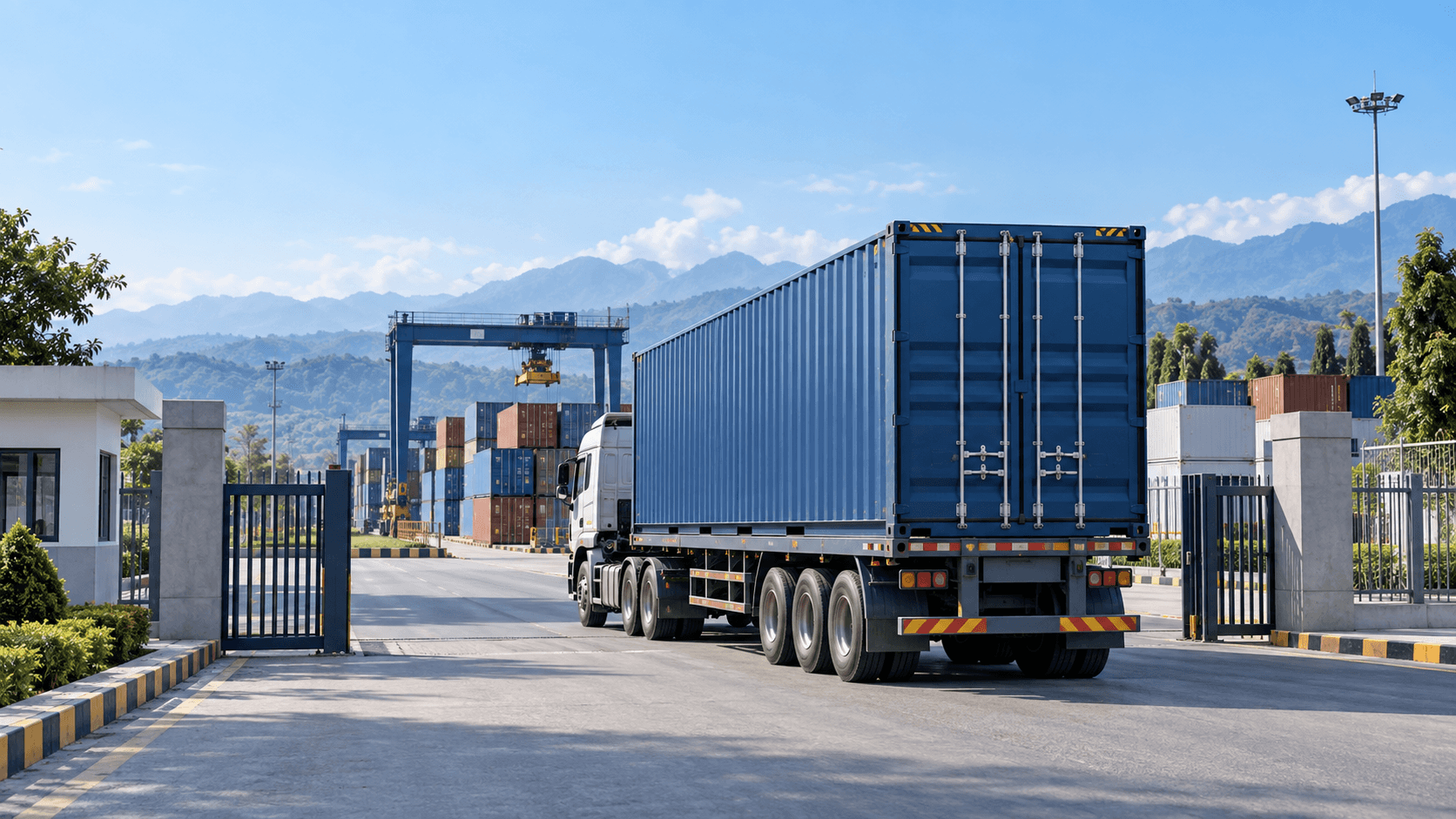
Road freight from Kolkata or Haldia to Nepal and domestic inland transport inside Nepal and Bhutan.
Project cargo for heavy machinery, turbines, transformers, infrastructure materials, and abnormal loads.
Customs clearance support for import and export documents, HS code planning, valuation awareness, and border coordination.
Warehousing, consolidation, packing, and deconsolidation support for cargo that needs preparation before dispatch or delivery after arrival.
Insurance, inspection, certification, IOR/EOR, and other special logistics support for complex shipments.
This variety matters because customers do not always need the same kind of service. One shipment may need only air freight, while another may need ocean freight plus road haulage plus customs plus unloading supervision at site.
Benefits of choosing SeaSky
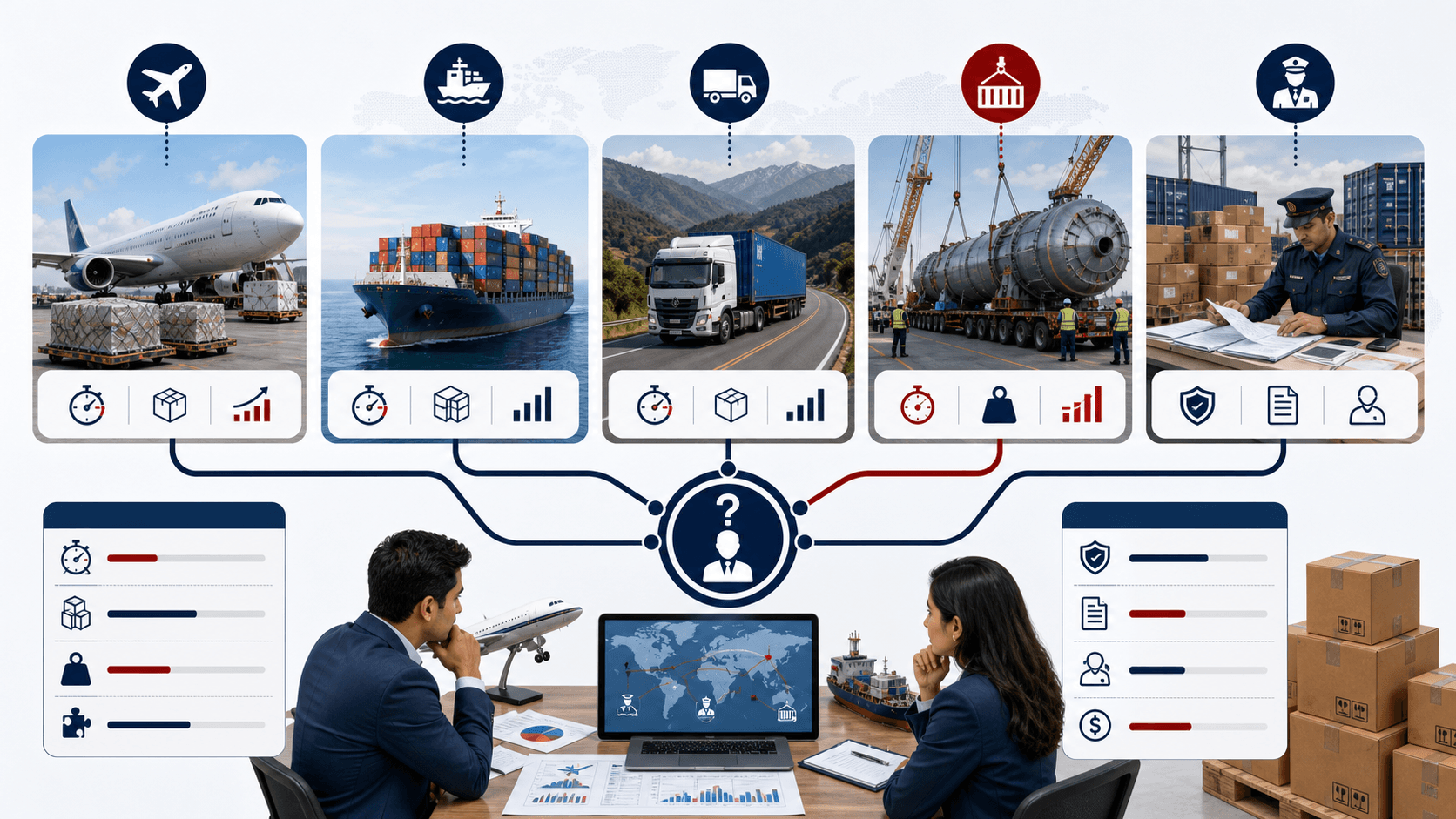
One of the main benefits of choosing SeaSky is experience. The company states that it has been operating since 1988, which gives it a long working history in Nepal’s freight, customs, and cross-border trade environment. For customers, that can mean stronger route knowledge, better practical judgment, and fewer avoidable mistakes during documentation and transit.
A second benefit is service range. SeaSky does not focus only on one shipping mode; it combines sea freight, air freight, road freight, project cargo, and customs support into one offering. This is especially valuable in Nepal, where a shipment often depends on several linked legs rather than a single direct movement.
A third benefit is specialization in complex cargo. Public company descriptions emphasize heavy lift, oversize loads, project shipments, breakbulk, hazardous goods, and technical cargo that need more planning than ordinary freight. That can be a major advantage for businesses moving equipment, industrial goods, or time-sensitive commercial cargo.
Customers may also value SeaSky’s regional network and route familiarity. The company says it supports services across Nepal, Bhutan, India, Bangladesh, Pakistan, Maldives, Sri Lanka, and Afghanistan, while also coordinating global movements beyond South Asia. For companies trading in or through the region, that regional depth can be more useful than a provider that only understands one port or one country.
What affects SeaSky pricing?
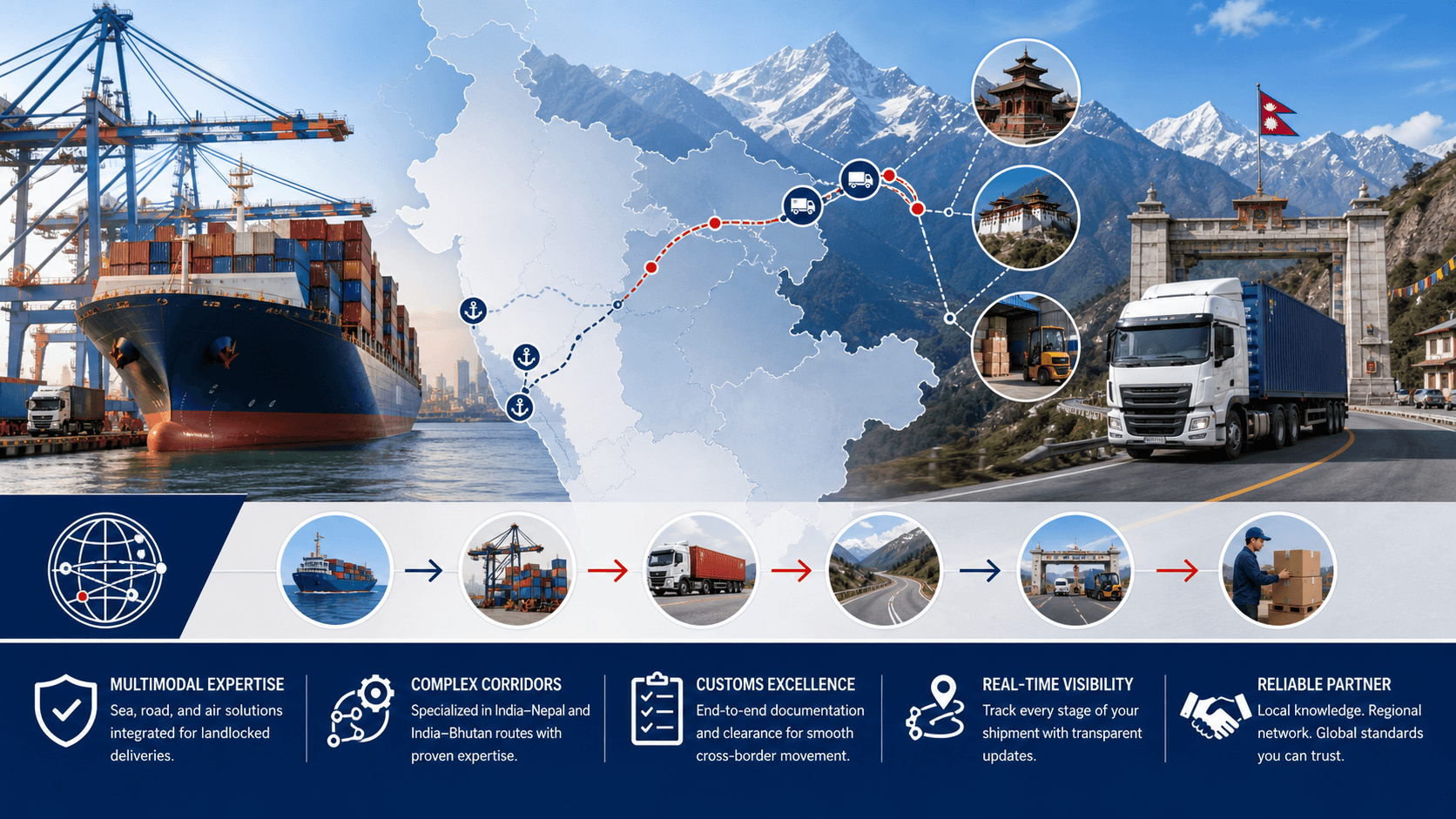
SeaSky pricing depends on the shipment, not just on distance. Freight rates usually vary based on cargo size, cargo weight, volume, destination, urgency, shipping mode, and whether the shipment needs special handling. For example, air freight is usually faster but more expensive per kilogram, while sea freight is often more economical for larger loads.
Pricing can also change depending on whether the cargo moves as FCL or LCL. One SeaSky shipping guide notes broad planning figures such as about $1,500 to $2,500 for a 20-foot FCL on some routes and about $100 to $150 per CBM for LCL, though exact costs depend on route, season, and service scope.
Documentation and compliance can affect pricing too. If the shipment needs customs brokerage, HS code review, insurance, packing, fumigation, origin documents, or special licenses, those services add value but may also increase the final quote. Inland transport from seaport to Nepal, or from border to final destination, is another major factor, especially for containerized or heavy cargo.
Seasonality matters as well. SeaSky’s booking guidance mentions peak surcharges and monsoon-related cost factors, which means a quote is often shaped by timing as much as by route and volume. The most reliable way to estimate cost is to share accurate cargo details at the start rather than request a rate without weight, dimensions, or commodity information.
Need Help Choosing the Right SeaSky Service?
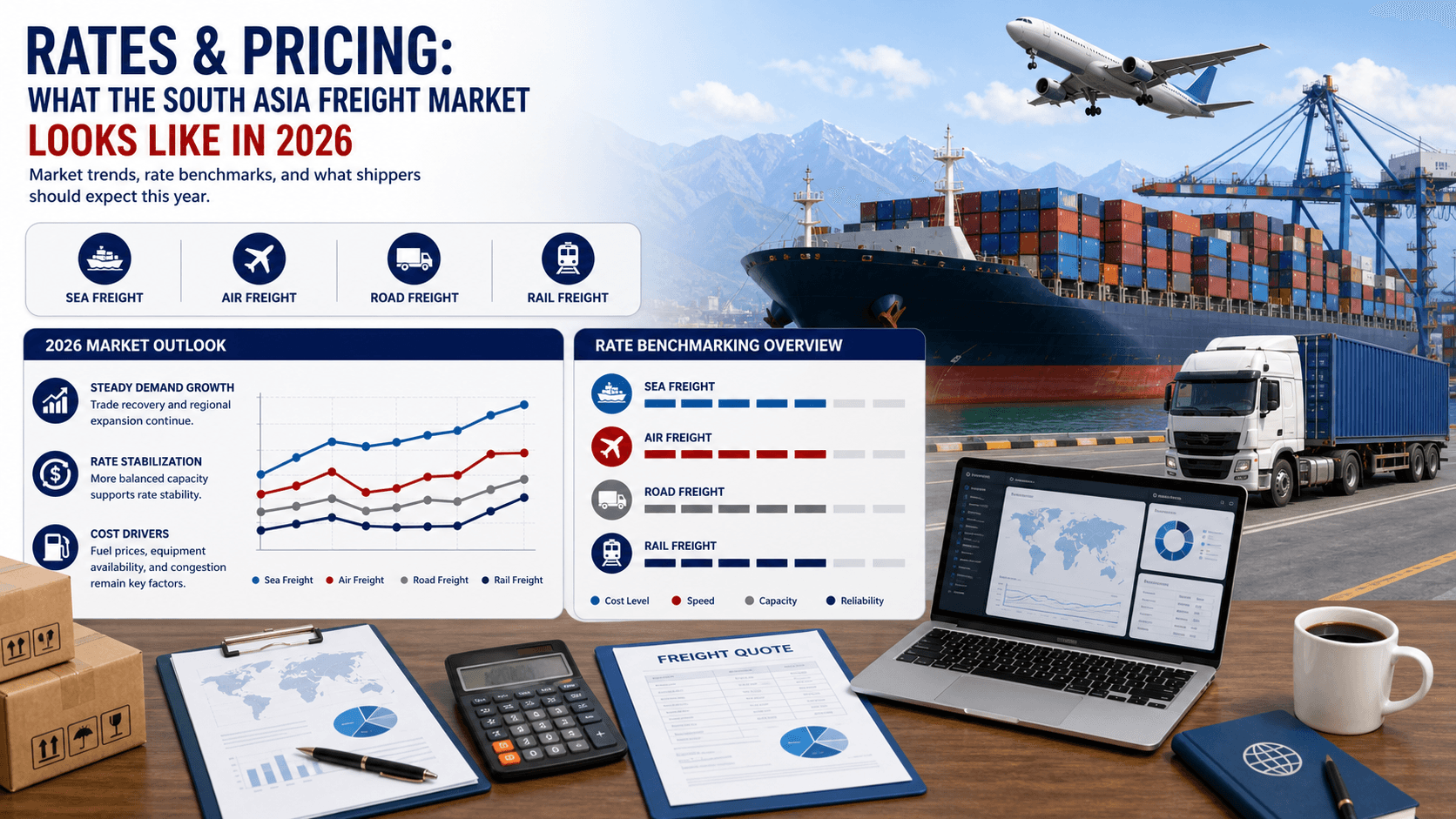
Share your cargo details, route, timing, and handling needs so SeaSky can recommend the right freight, customs, or project cargo solution.
How SeaSky works
SeaSky explains its shipping process as a step-by-step service rather than a one-click booking. The customer begins by sharing cargo information such as product type, quantity, weight, dimensions, pickup point, destination, urgency, and any special handling needs. Based on that, SeaSky prepares a quote that may include freight rates, customs estimates, inland delivery costs, insurance options, surcharges, and payment terms.
After the quote is approved, the next step is documentation. SeaSky says it provides templates and checks documents such as invoices, packing lists, bills of lading or airway bills, origin certificates, and licenses for regulated goods. This is followed by pickup, packing, consolidation, export or import filing, customs coordination, and final delivery.
What this means in simple terms is that SeaSky is not only selling space on a plane or a ship. It is managing the process around the shipment so that the cargo can move with fewer interruptions and less paperwork stress for the customer.
How to choose the right SeaSky service
The best SeaSky service depends on what you are shipping, how urgently it must move, and how much coordination the cargo needs. A simple way to choose is to start with the cargo profile.
If the cargo is urgent, high-value, or time-sensitive, air freight may be the best option. If the cargo is bulky, non-urgent, or moving in larger commercial volumes, sea freight is usually more suitable. If the shipment does not fill a full container, LCL may be more cost-effective, while FCL is better when volume is high or control matters more.
For cargo moving from Indian ports into Nepal, road freight and inland delivery support become important. If the shipment is oversized, heavy, or linked to an industrial project, then a project cargo or breakbulk solution is more appropriate than standard freight.
Customers should also think about customs and compliance. If the shipment involves regulated goods, special certificates, or complex border procedures, it makes sense to choose the SeaSky option that includes document review and customs support, not just transport.
A practical approach is to ask four simple questions:
- How urgent is the shipment?
- How big and heavy is it?
- Does it need customs or permit support?
- Does it need final delivery or project-site coordination?
The answers usually point to the right mix of SeaSky services.

SeaSky reviews and reputation
People searching for “SeaSky reviews” are usually trying to understand whether the company is suitable for real business shipments. Public descriptions of SeaSky consistently emphasize long operating history, project cargo expertise, South Asia coverage, and end-to-end freight support rather than just low-price courier service.
SeaSky also presents itself as a company trusted by businesses that need cross-border logistics, cargo supervision, and multimodal planning. While every shipper should still compare options based on their own cargo needs, SeaSky’s published profile strongly positions it as a specialist in freight forwarding, Nepal-linked trade, and technically demanding shipments.
In practical terms, the strongest reasons customers consider SeaSky are experience, service depth, and the ability to manage complex cargo chains. That is different from choosing a provider only for a simple parcel move.
FAQs
What is SeaSky?
SeaSky is Sea Sky Cargo Service, a Nepal-based freight forwarding and logistics provider offering air, ocean, road, rail-linked, customs, and project cargo services.
Does SeaSky handle both imports and exports?
Yes. SeaSky’s public materials describe support for import and export shipments, including customs, inland delivery, and multimodal freight coordination.
Does SeaSky offer LCL and FCL shipping?
Yes. SeaSky lists both LCL and FCL among its ocean-freight services.
Can SeaSky help with customs clearance?
Yes. SeaSky’s customs guidance and booking process both emphasize document review, customs coordination, HS code support, and border clearance assistance.
What kinds of cargo does SeaSky handle?
SeaSky says it handles standard commercial freight, project cargo, heavy lift, breakbulk, hazardous goods, refrigerated shipments, household goods, and oversize cargo.
How do I get a SeaSky quote?
SeaSky’s booking page says customers can request a quote by sharing cargo details such as description, dimensions, weight, route, urgency, and any special handling requirements.
Contact and quote
SeaSky is best suited for customers who want a logistics partner, not just a transporter. If the shipment involves customs, cross-border movement, consolidation, project cargo, or multiple delivery stages, its service model is designed to manage the process from planning to final handover.
For businesses, importers, exporters, and project owners, that can save time and reduce uncertainty. Contact Seasky for a quote or consultation and share your cargo details so the team can recommend the right route, service level, and pricing structure for your shipment.
Get a SeaSky Freight Quote
Contact SeaSky with your shipment details and get practical support for freight forwarding, customs clearance, project cargo, and final delivery.