Introduction
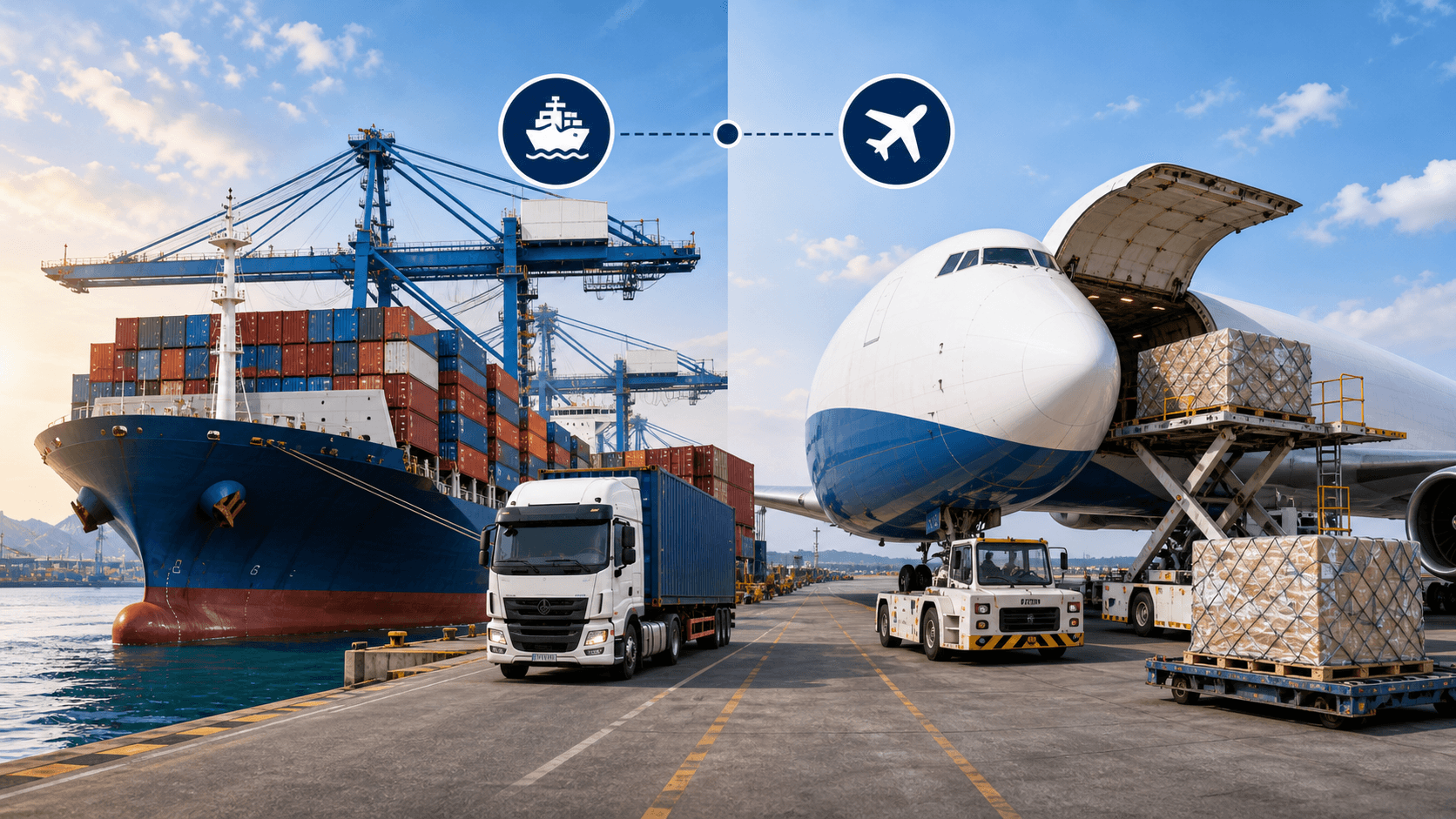
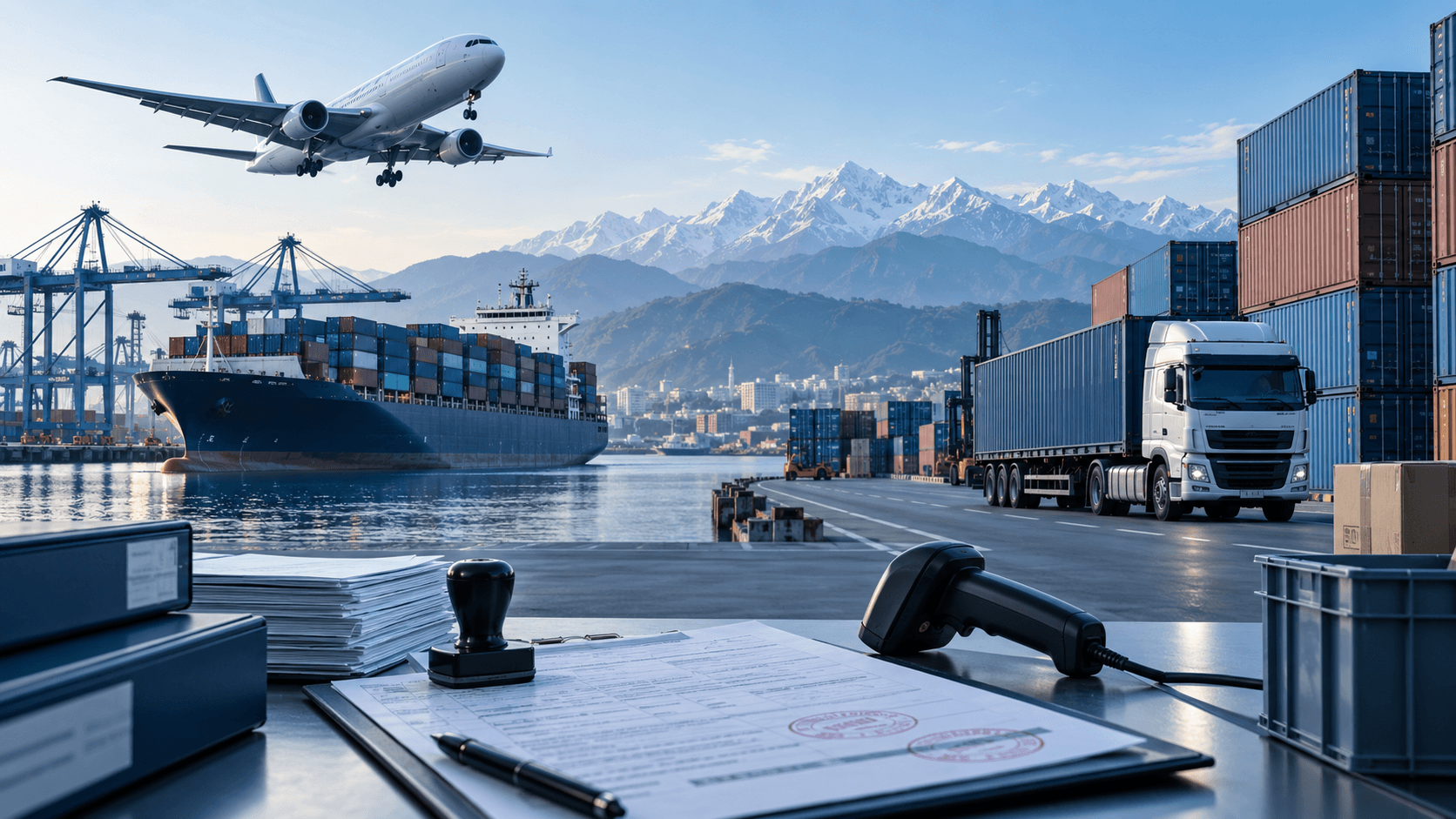
Sea and air freight together give businesses a practical way to balance speed, cost, and cargo type. Sea freight is usually best for larger or less urgent shipments, while air cargo makes sense when the goods are urgent, high-value, or tied to a tight deadline. SeaSky Cargo positions itself as a company that can combine both modes into one logistics plan, which is especially useful when shipments need more than a single transport option.
For importers, exporters, ecommerce sellers, and manufacturers, this combined model can reduce stress because one logistics partner handles planning, documentation, routing, and delivery coordination. That matters in international shipping, where the real risk is often not the transport itself but the delays and confusion that happen around it.
Why companies use both
Companies choose combined sea and air logistics because no single mode is perfect for every shipment. Sea freight is cost-efficient for bulky or heavy cargo, but it takes longer; air freight is faster, but it is usually more expensive and better suited to smaller or urgent loads.
A business that uses both can choose sea freight for routine stock and air cargo for urgent replenishment or time-sensitive orders. That flexibility helps companies avoid stockouts, missed deadlines, and costly last-minute shipping decisions.
When sea freight works best
Sea freight is usually the right choice for large, heavy, or less time-sensitive shipments. It is also useful for FCL, LCL, oversized cargo, project shipments, and goods where shipping cost matters more than speed.
SeaSky’s ocean freight services show that it handles LCL, FCL, special equipment, oversized cargo, and documentation support from booking through delivery. That makes sea freight the best fit when businesses want a dependable and economical route for commercial cargo.
When air cargo makes sense
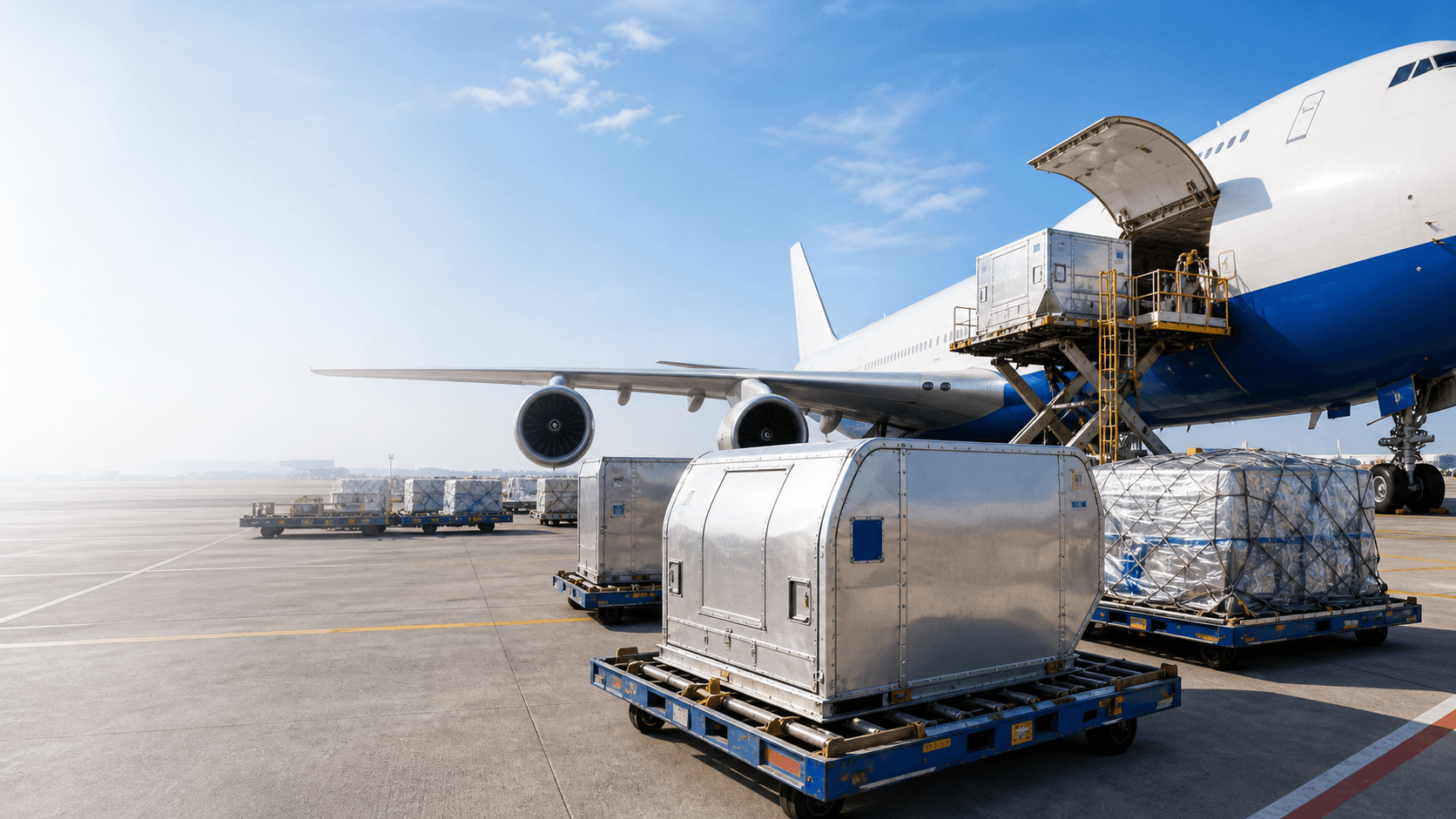
Air cargo makes sense when time is the main priority. It is commonly used for urgent shipments, higher-value items, replacement parts, perishable goods, or commercial cargo that must reach the destination quickly.
SeaSky’s company information highlights air freight as part of its core service range, along with time-critical shipments and door-to-door logistics. That is useful for businesses that cannot afford long transit windows or unpredictable delivery timing.
How SeaSky reduces delays
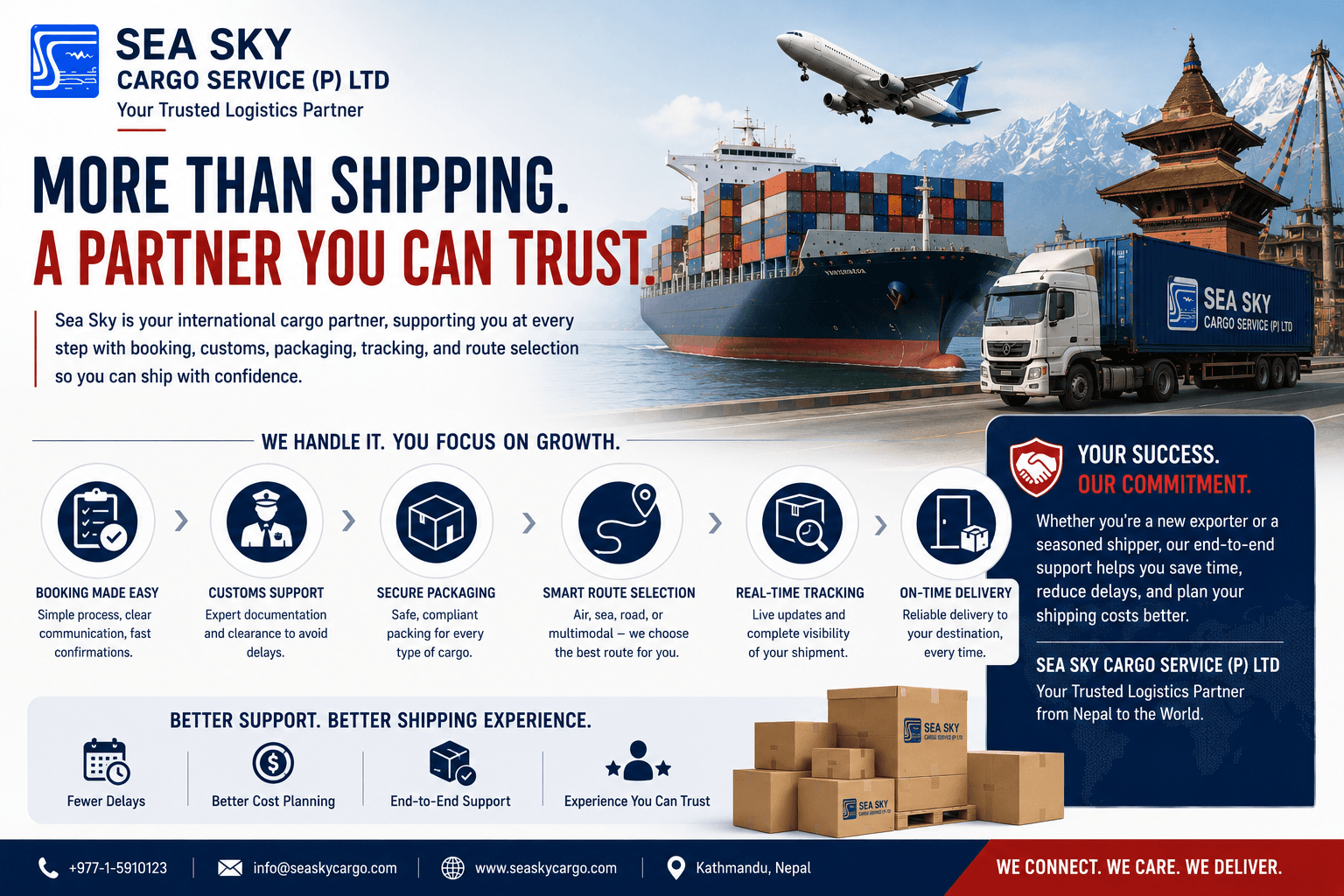
A major advantage of working with SeaSky is that it combines transport with logistics coordination. Its public materials describe support for booking, documentation, routing, customs, and multimodal transport, which helps prevent the small mistakes that often create delays.
SeaSky also emphasizes project cargo, cross-border transport, customs clearance, warehousing, and supply-chain management. That matters because shipping stress usually comes from paperwork gaps, route confusion, and last-minute changes rather than the freight movement alone.
Why paperwork matters
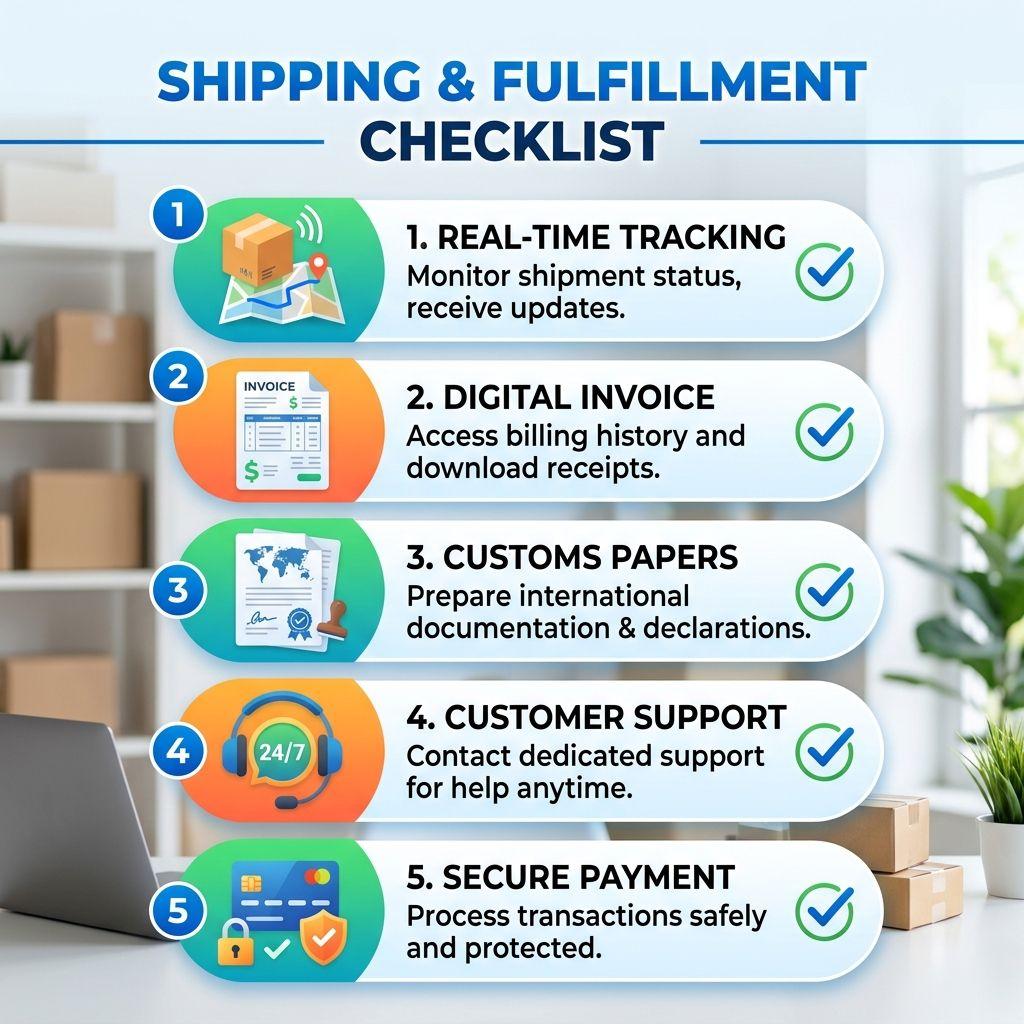
International shipping runs on documents. The commercial invoice, packing list, transport document, origin papers, and any special permits must all match or customs can stop the shipment for review.
SeaSky’s guides focus on documentation and customs support because this is where many delays begin. When the paperwork is checked early, businesses can ship with less risk of rework, storage charges, and clearance problems.
Benefits for importers
Importers benefit from combined sea and air freight because it gives them flexibility across cost and timing. They can use sea freight for larger replenishment orders and air freight for urgent stock or spare parts that cannot wait.
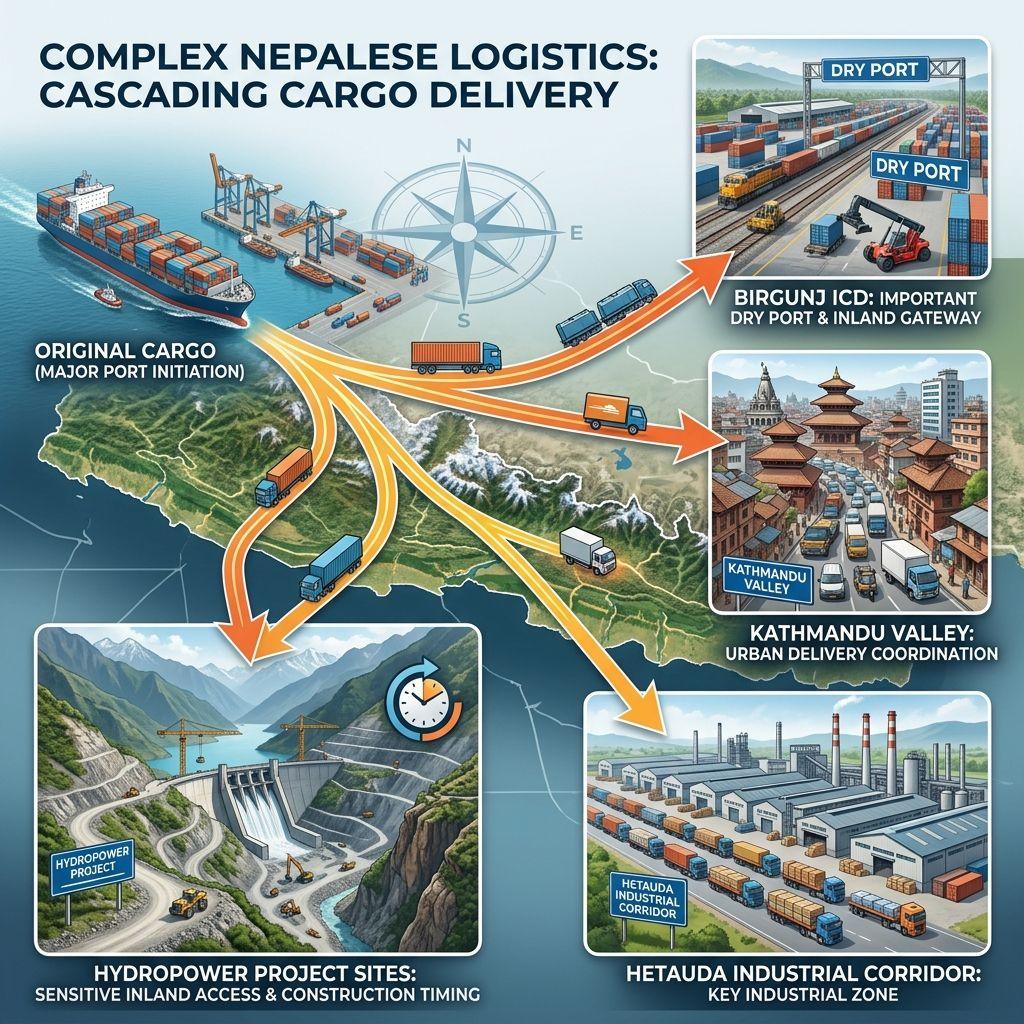
SeaSky’s customs and freight support also helps importers manage release timing and cargo coordination, which is important when goods arrive into a market with strict clearance steps. The result is a smoother import export shipping process and fewer surprises at destination.
Benefits for exporters
Exporters need shipping options that match buyer expectations. Sea freight works well for bulk export orders, while air cargo can help meet faster delivery commitments or support premium product categories.
SeaSky’s position as a South Asia freight forwarder with global reach makes it useful for exporters who need flexible routing, customs help, and cross-border execution. That is especially relevant when an exporter has different products, buyer deadlines, or destination markets.
Benefits for ecommerce
Ecommerce businesses often need a blend of speed and reliability. Sea freight can lower costs for inventory restocking, while air cargo can help manage sudden demand, promotions, or urgent replenishment.
SeaSky’s combined logistics approach is useful here because ecommerce sellers often need shipping, customs, and delivery in one workflow rather than separate vendors. This reduces delays and makes order planning easier as the business scales.
Benefits for manufacturers
Manufacturers often ship raw materials, replacement parts, and finished goods on different timelines. Sea freight can move larger production orders cost-effectively, while air cargo can rush in critical components that keep production running.
SeaSky’s experience with project shipments, oversized cargo, and industrial logistics is especially valuable for manufacturers that need dependable routing and shipment control. That helps reduce production stoppages and keeps inventory flowing.
How the process works
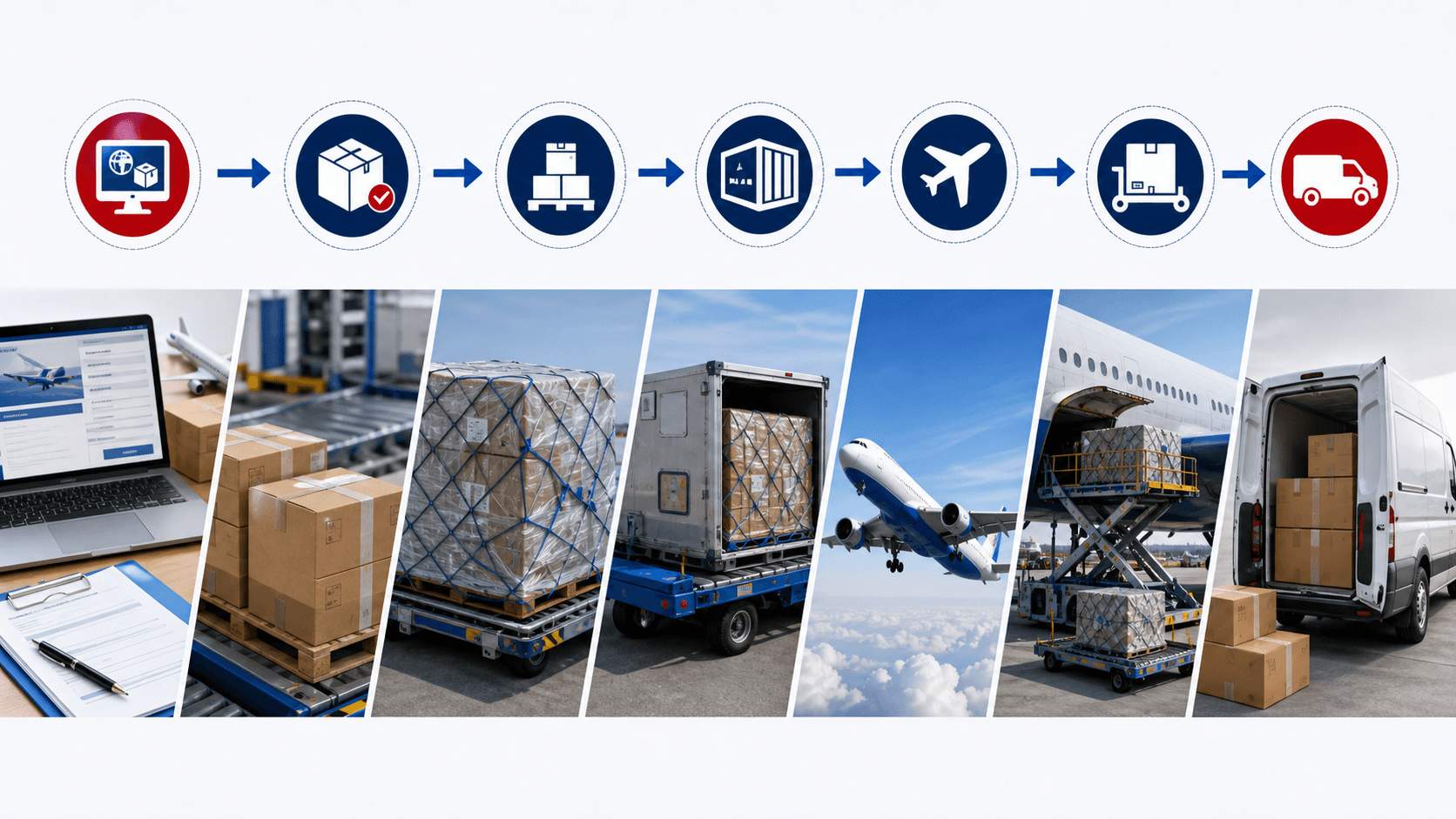
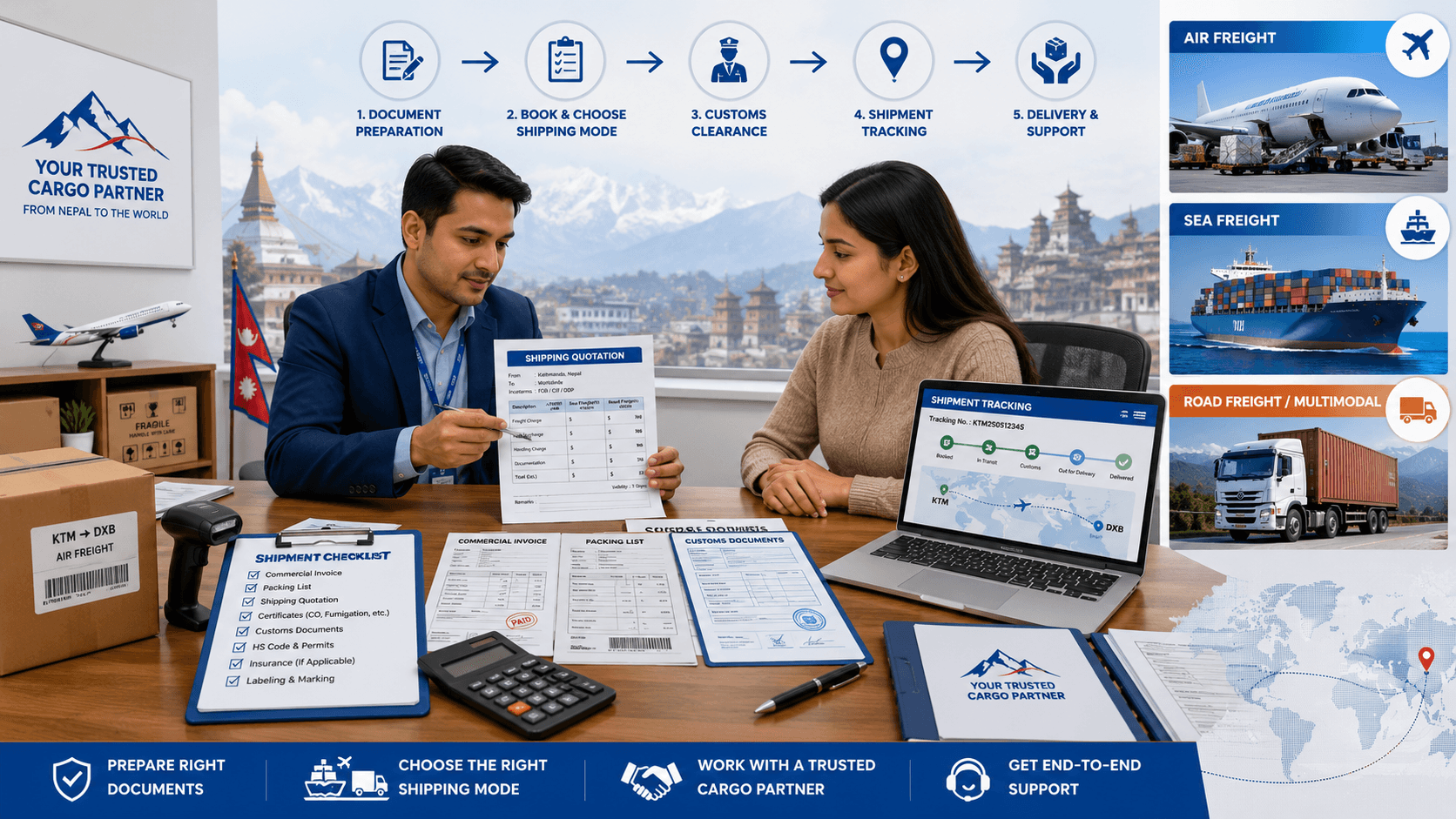
SeaSky’s cargo process is designed to be simple for the customer. First, the shipper shares cargo details such as origin, destination, size, weight, timing, and shipment type.
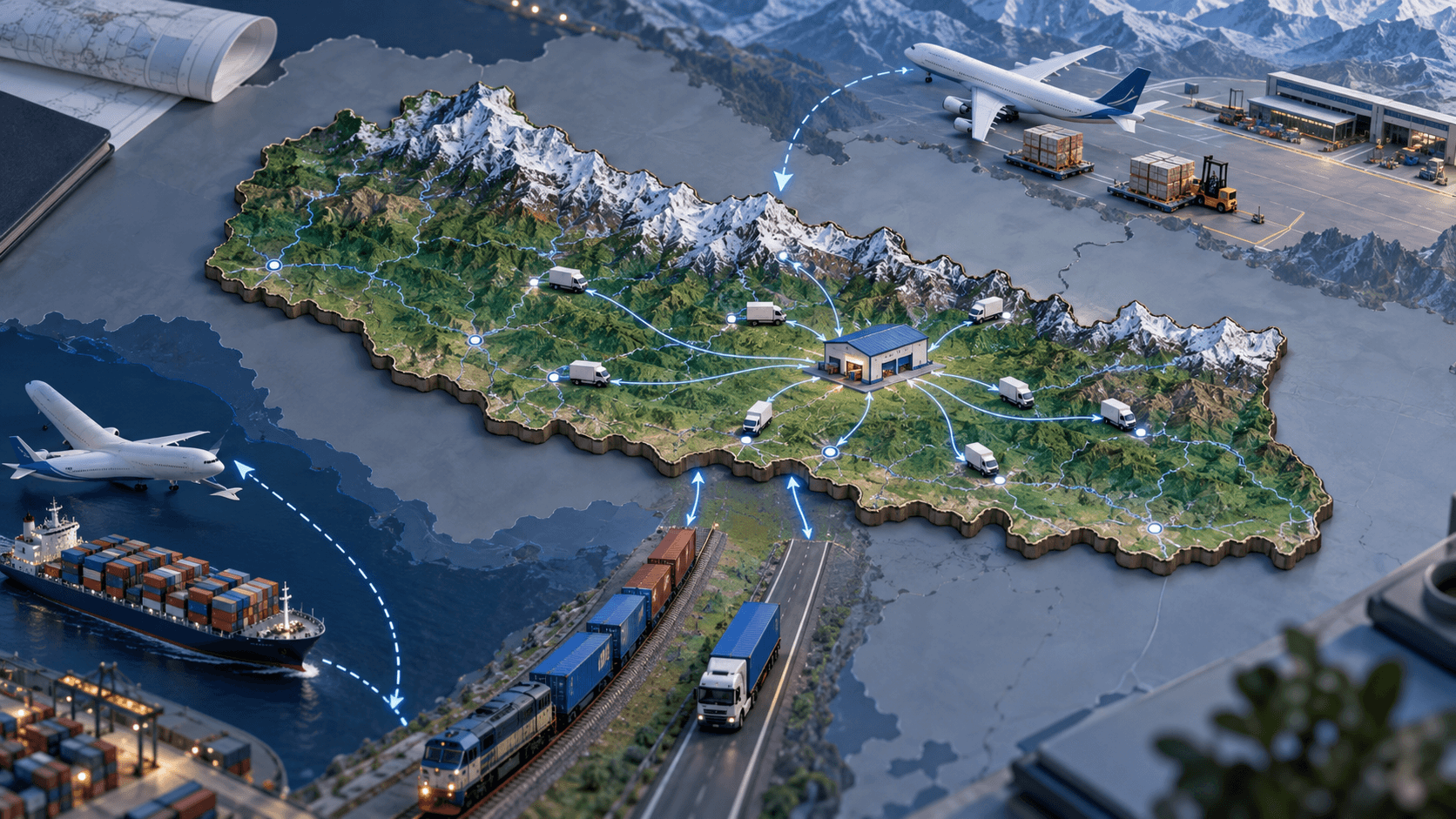
Next, SeaSky recommends the best routing and transport mode, prepares the booking, and checks the documents needed for customs and shipping. After that, the cargo is picked up, moved by sea, air, or a combination of both, tracked through transit, and delivered to the destination point.
Final thoughts
Sea and air freight work best when businesses choose the right mode for the right shipment instead of forcing every order into the same channel. SeaSky Cargo stands out because it combines sea freight services, air cargo company expertise, international shipping support, and freight forwarding capability into one practical system.
For importers, exporters, ecommerce sellers, and manufacturers, that means fewer delays, less paperwork stress, and better control over shipping outcomes. Contact SeaSky for a quote or consultation if you want a reliable cargo logistics partner for import export shipping by sea, air, or both.
Related posts
2026-10-04
Demurrage vs Detention for Nepal Imports: Free Time, Indian Port Charges and How to Avoid Them
2026-10-01
Freight Forwarder vs Customs Clearing Agent in Nepal: Which Do You Need?
2026-09-28
E-commerce Logistics Nepal: Cross-Border Shipping from China, India, and the Gulf

2026-09-27