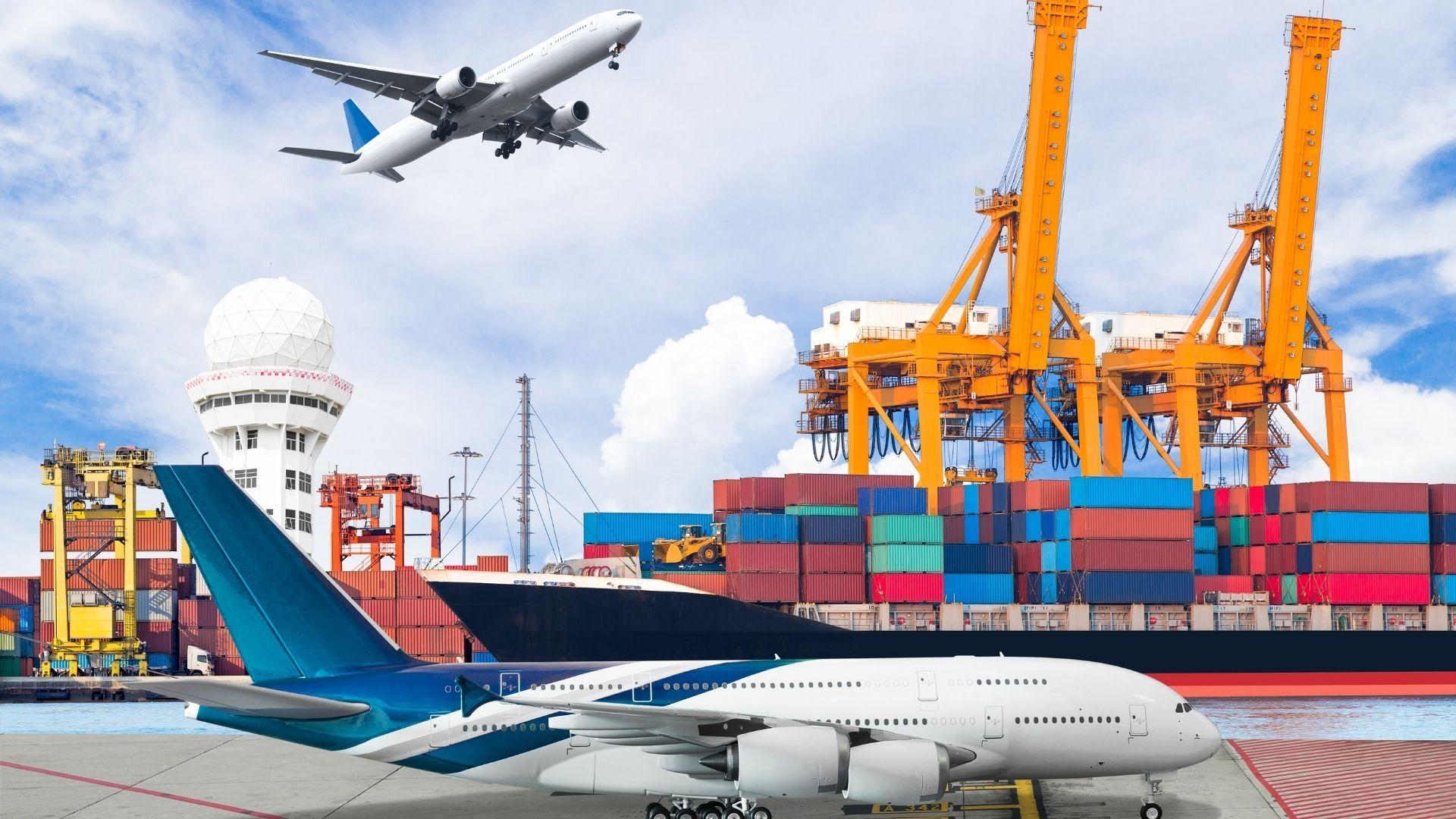
Why Air Freight from Nepal Still Matters
Air freight from Nepal is the logistics equivalent of the fast lane. When every day counts whether you’re shipping garments for a launch, critical machine parts, or high‑value samples waiting weeks for ocean freight simply isn’t an option. Air cargo connects landlocked Nepal to global hubs in a matter of days, not months, turning distance into a manageable detail instead of a deal‑breaker.
Sea Sky Cargo sees air freight as a strategic tool, not a luxury. Used smartly, it helps you protect revenue, keep customers happy, and rescue supply chains when timelines are tight or inventory is running dangerously low.
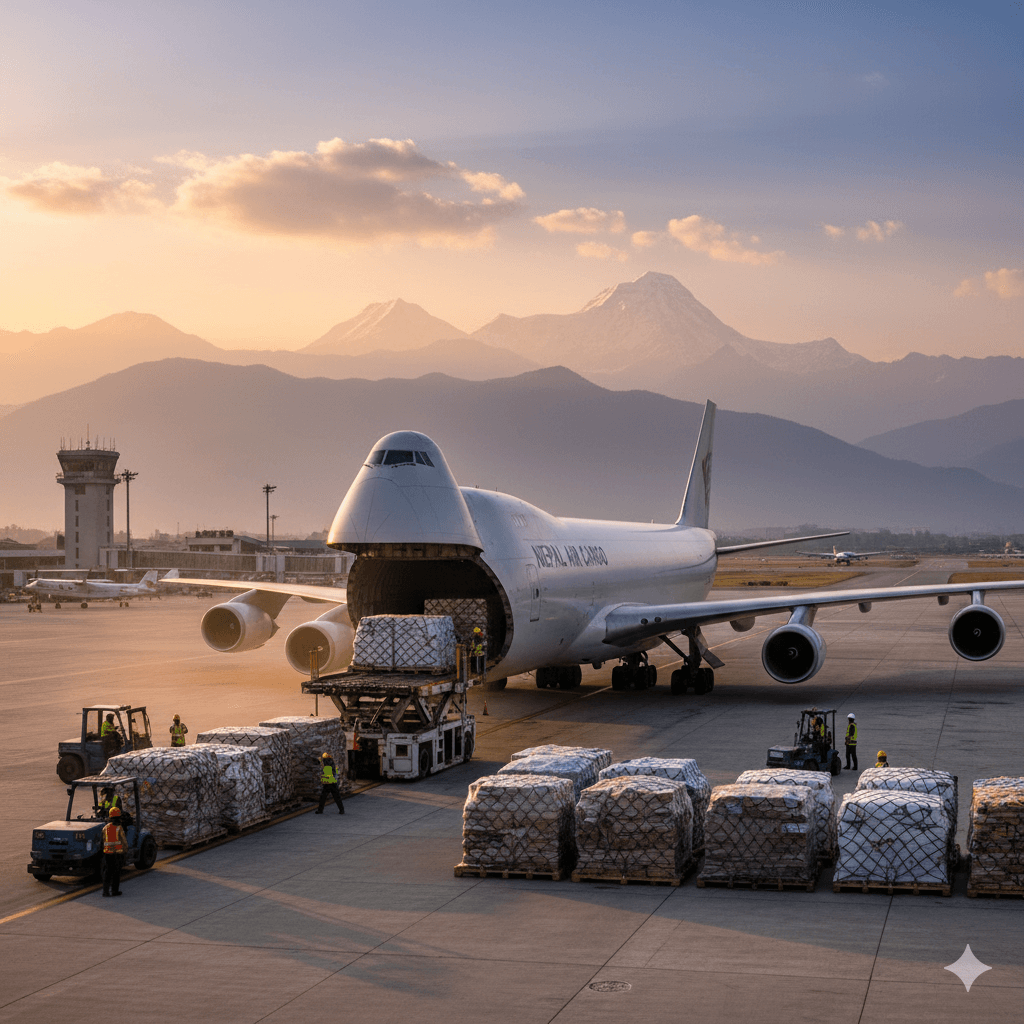
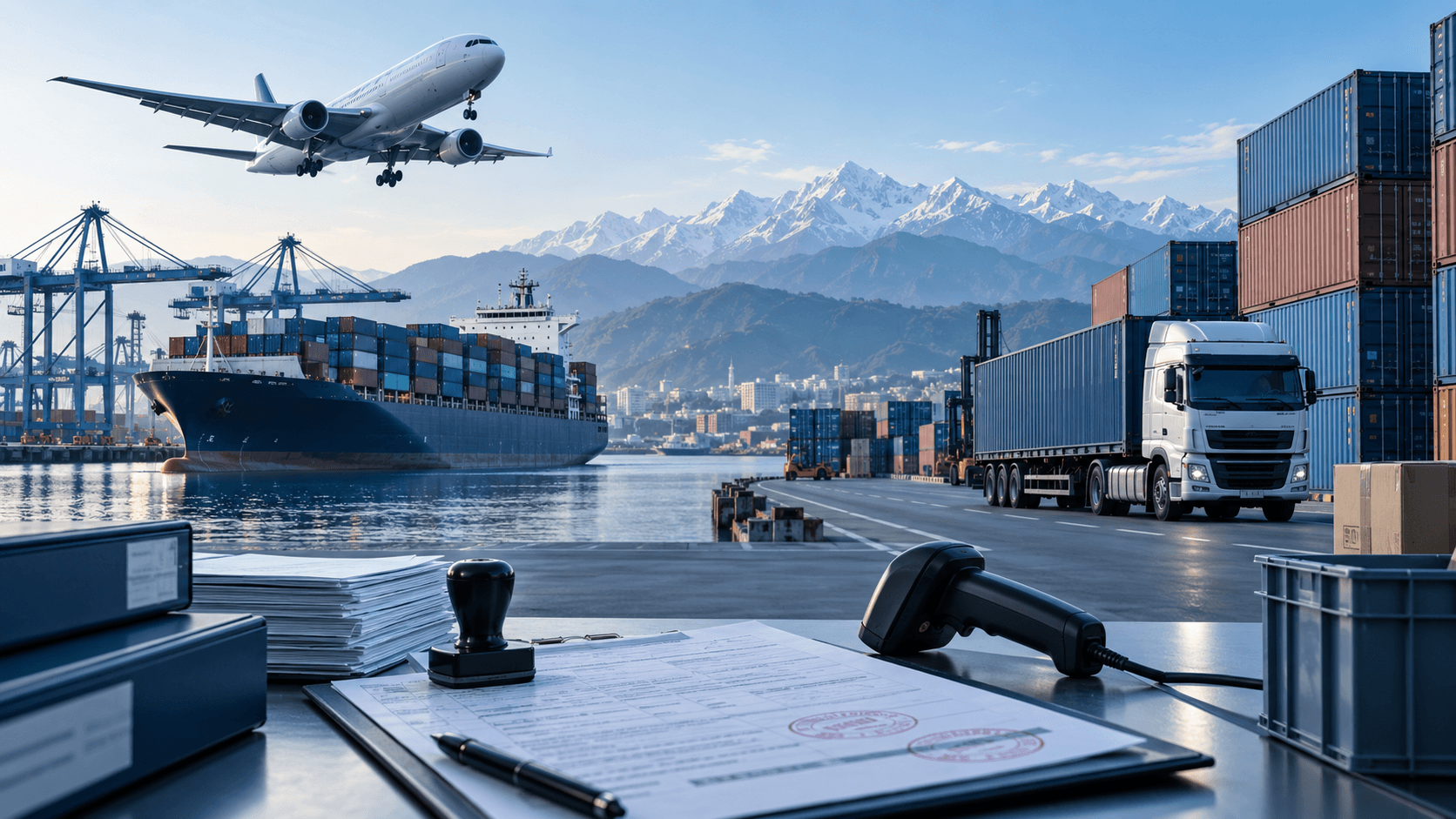
Air vs Sea Freight: Speed, Cost, and Cargo Type
The first decision is always air vs sea. Both have a place; the trick is knowing which one fits your shipment.
- Speed:
- Air freight: typically 3–7 days door‑to‑airport or door‑to‑door for major destinations.
- Sea freight: roughly 4–8 weeks when routing via Indian ports and inland connections.
- Cost:
- Air is usually several times more expensive per kilo but makes sense for smaller, high‑value, or urgent loads.
- Sea is dramatically cheaper for bulk cargo, full containers, or non‑urgent inventory building.
- Cargo Type:
- Air suits fragile, high‑value, and time‑sensitive goods—electronics, fashion, pharmaceuticals, express samples.
- Sea suits heavy machinery, furniture, construction materials, and large production runs where time is flexible.
Sea Sky’s role is to help you treat this as a calculation, not a guess balancing landed cost with delivery deadlines, product value, and customer expectations.
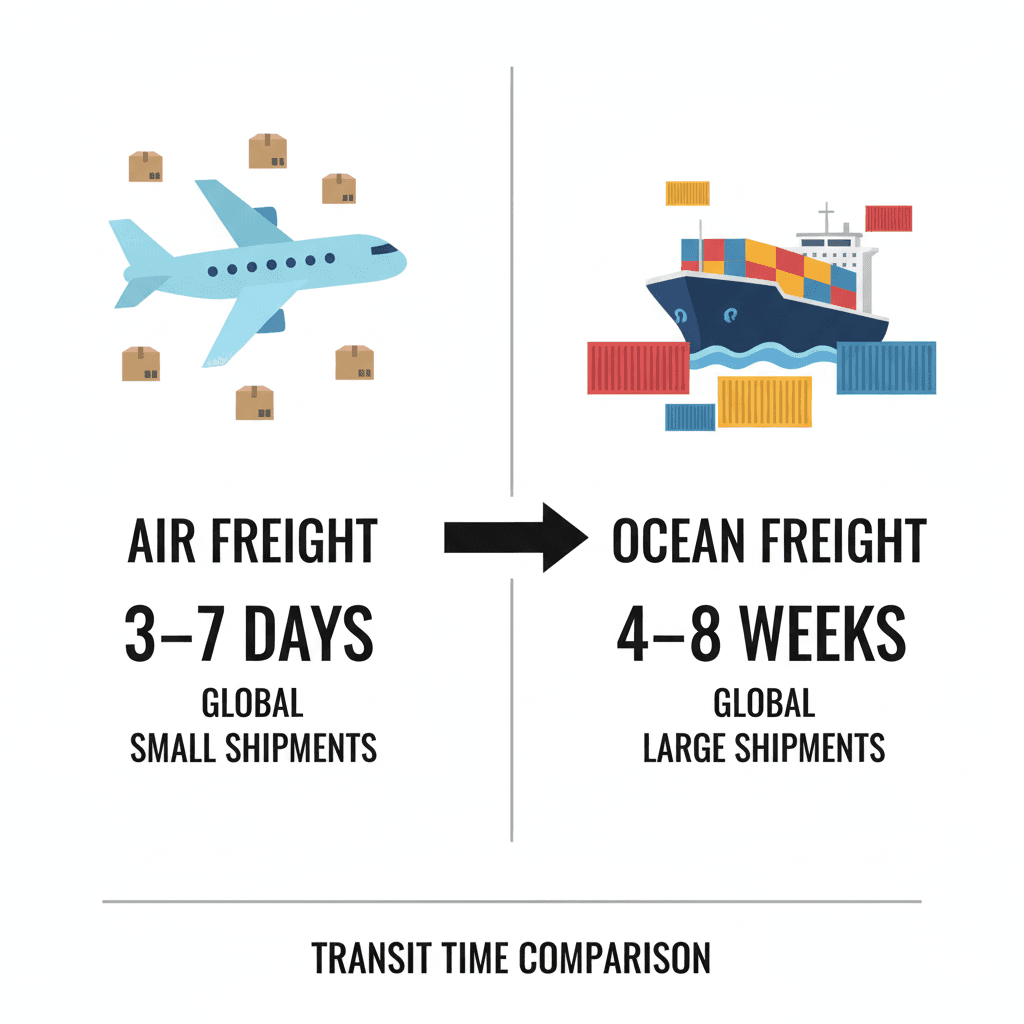
How Air Freight Pricing Works and Where Optimization Starts
Air freight prices are built around chargeable weight, which is the higher of:
- Actual (gross) weight
- Volumetric weight (based on dimensions)
For many products shipping from Nepal—like garments, carpets, or handicrafts—volume can matter more than kilos. This is where optimization becomes powerful: the way cartons are sized, packed, and grouped can significantly change your cost per kilo.
Sea Sky Cargo focuses on:
- Choosing carton sizes that reduce wasted air space.
- Consolidating multiple small shipments into smarter master cartons or pallets.
- Re‑packing where necessary to bring volumetric weight closer to actual weight instead of paying for “air in the box.”
The result: you still get the speed of air, but with costs that make sense for your margins.
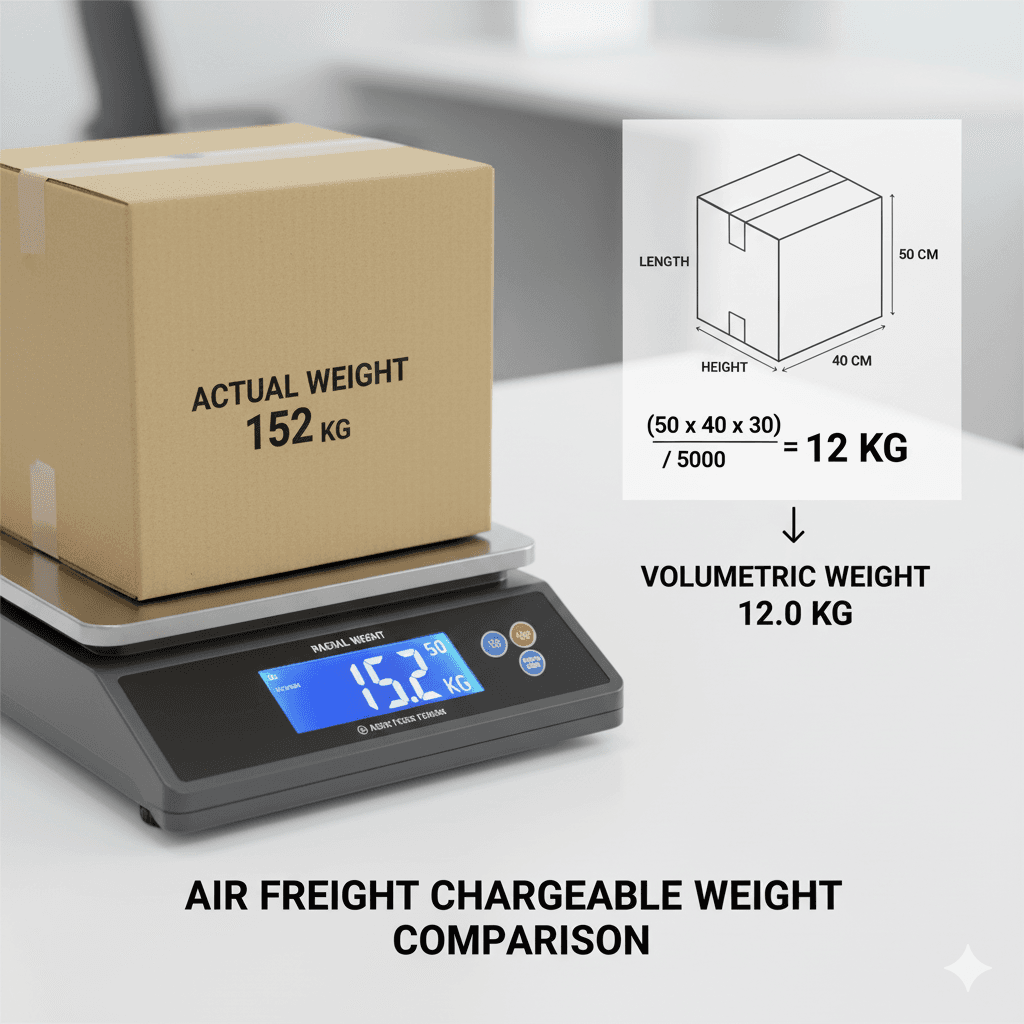
ULDs: The Invisible Hardware That Protects Your Cargo
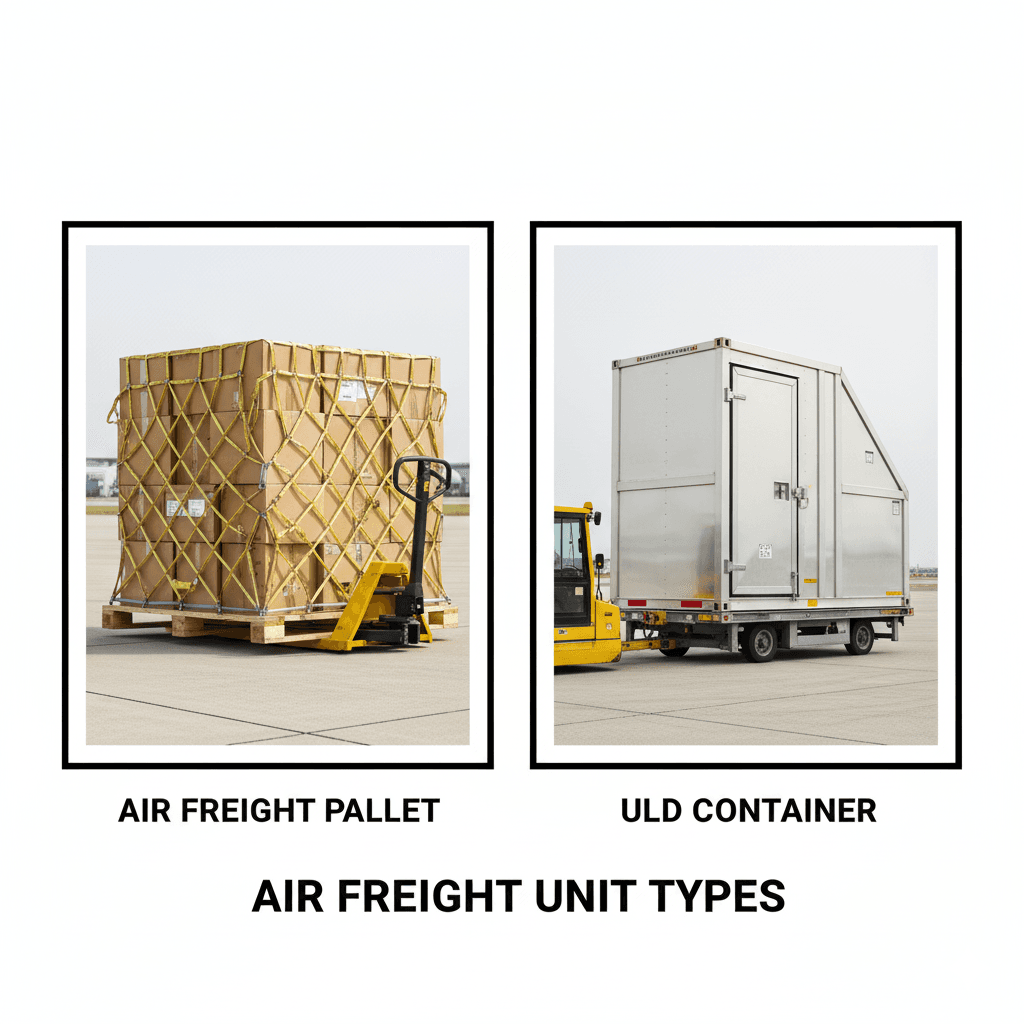
Behind every air shipment is a Unit Load Device (ULD)—either a pallet or a container—that keeps cargo secure inside the aircraft. Getting this right matters for safety, space, and cost.
- Pallet ULDs:
Flat aluminium bases with cargo stacked and netted over the top. Ideal for large, uniform loads or heavy freight. - Container ULDs (“cans”):
Enclosed metal or composite units shaped to fit the aircraft’s curved belly. Perfect for mixed, fragile, or high‑value cargo needing extra protection.
Sea Sky’s loaders and planners select the most suitable ULD for each shipment based on cargo type, dimensions, and airline requirements. By matching your cargo to the right unit, they:
- Reduce damage risk from shifting in flight.
- Improve loading efficiency and minimize handling.
- Help ensure your goods fit within airline limits without last‑minute repacking.
When Air Freight from Nepal Makes the Most Sense
Air freight is at its best when:
- Time is critical: product launches, missing components, urgent replacements, or seasonal orders that can’t miss the window.
- Value per kilo is high: electronics, fashion, specialized tools, or medical supplies where the margin justifies the speed.
- Inventory risk is high: waiting weeks could mean stock‑outs, penalties, or lost customers.
- Perishability or sensitivity matters: temperature‑controlled or fragile items that don’t handle long transit well.
Sea Sky helps you identify those “air moments” so you’re not over‑paying for speed you don’t need
Related posts
1970-01-01
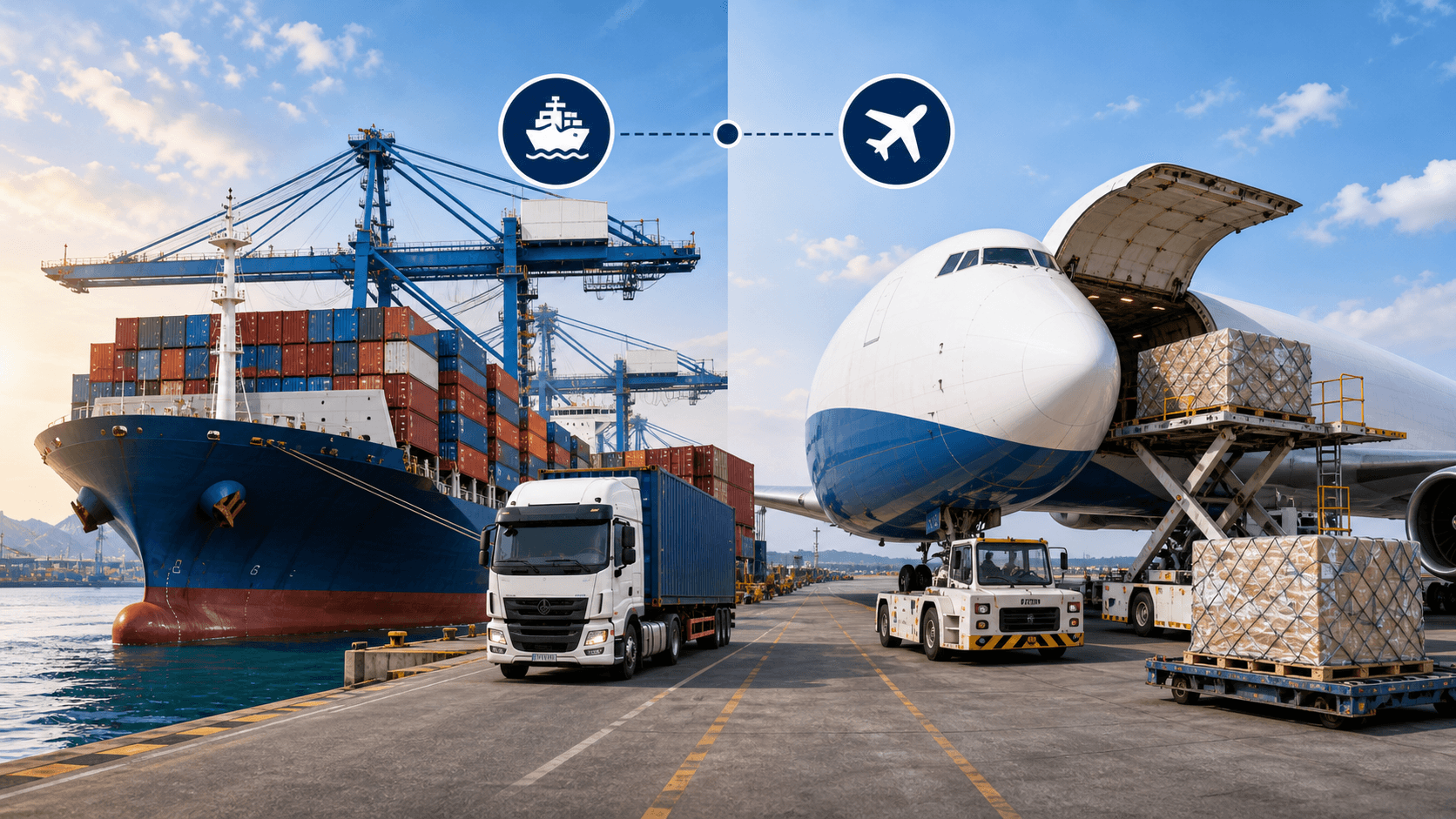
Sea + Air Freight: How SeaSky Helps Businesses Ship Smarter
2026-10-05
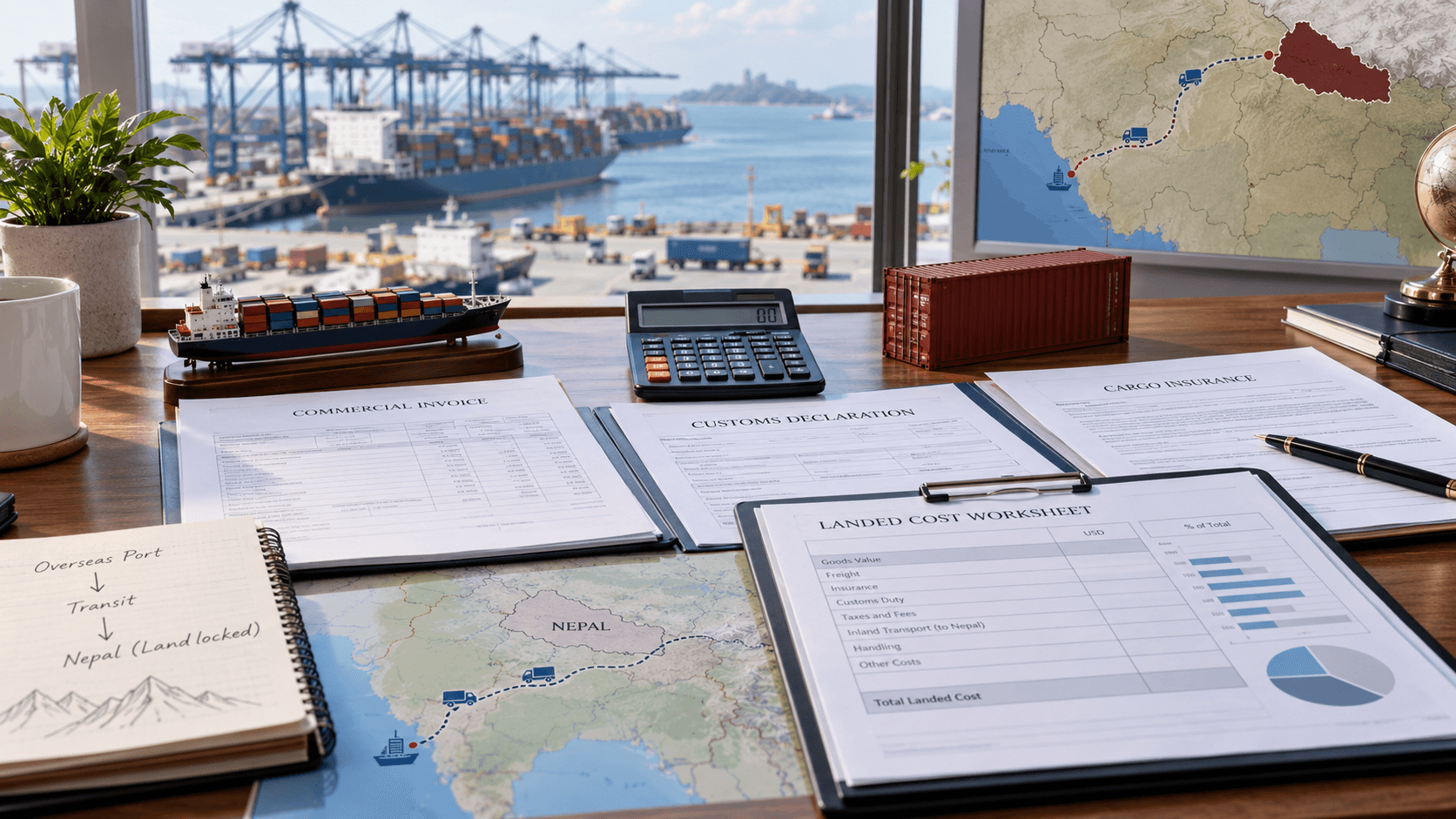
Landed Cost in Nepal: A Step-by-Step Import Cost Worksheet
2026-10-04
Demurrage vs Detention for Nepal Imports: Free Time, Indian Port Charges and How to Avoid Them
2026-10-01