1. What Changed in 2026
The key rail agreement predates 2026. India and Bhutan signed their intergovernmental MoU on 29 September 2025 for Kokrajhar–Gelephu and Banarhat–Samtse. The Indian consulate describes approximately 89 km of links at an estimated INR 4,033 crore. Implementation planning should be distinguished from an operating freight service. Official bilateral overview.
An August 2026 Ministry of Railways release lists Kokrajhar–Gelephu at 69 km and INR 3,456 crore, and Banarhat–Samtse at 20 km and INR 577 crore. These are project figures, not freight tariffs. 2026 railway project information.
Darranga’s immigration checkpoint for third-country travellers opened on 7 November 2024. Passenger immigration authorization does not establish permission for every commercial commodity or customs procedure. Bhutan foreign ministry announcement.
LPAI lists Darranga as an operational land port and records taking over the Border Trading Centre in August 2024. For a shipment, confirm the permitted goods, clearance procedure, handling facilities and onward delivery with the relevant representatives. Darranga Land Port.
2. Why Rail Links Matter for Cargo
The following benefits are potential outcomes after commissioning, operating approvals and service arrangements. Do not quote a through-rail departure or delivery date on the strength of a project announcement.
Rail connectivity can transform how cargo moves between India and Bhutan.
Reduced Reliance on Road-Only Corridors
Currently, most India–Bhutan cargo moves by road through corridors like Jaigaon–Phuentsholing.
Rail links can reduce pressure on these road corridors, especially during peak trade periods or monsoon disruptions.
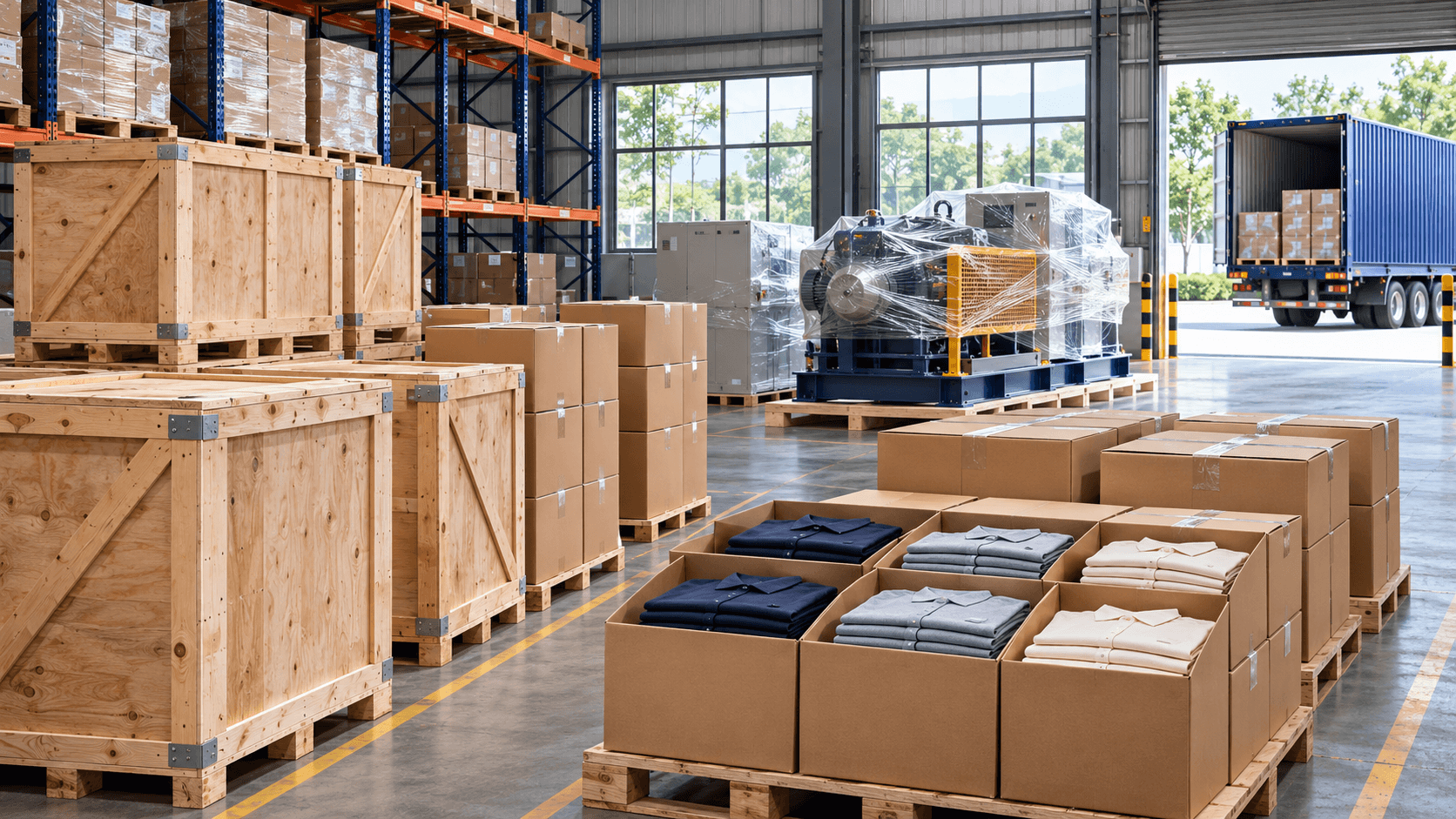
Rail offers an alternative for bulk cargo, machinery, and project cargo that may be difficult to move by road.
Improved Capacity for Bulk and Project Cargo
Rail may suit regular bulk volumes, but oversized cargo requires a loading-gauge, wagon and terminal-handling review.
The Kokrajhar–Gelephu line includes two goodsheds, indicating capacity for freight handling.
Rail can handle larger volumes per trip compared to road trucks, improving efficiency for large shipments.
New Entry and Exit Points
The proposed Gelephu and Samtse rail links could create additional rail gateways beyond the traditional Phuentsholing gateway.
This diversifies Bhutan’s trade corridors, reducing single-point dependency.
Gelephu, in particular, is positioned as a future economic hub, and rail access could accelerate its development.
Reduced Transit Time and Congestion
Rail can offer more predictable transit times compared to road, which is subject to weather, landslides, and border congestion.
The Darranga ICP and planned Integrated Check Post aim to streamline border procedures, reducing delays.
Digitized customs and pre-arrival data exchange can further speed up clearance.

3. Impact on Freight Forwarders and Importers
These developments have direct implications for how cargo is planned and moved.
New Routing Options
Future commissioned rail services could expand routing options. Rail links could offer alternatives for certain cargo types.
Importers and exporters should evaluate whether Gelephu or Samtse could become viable entry points for their cargo.
Multimodal options (road + rail + air) may become more practical as infrastructure develops.
Faster Clearance with Better Infrastructure
The Darranga ICP and planned Integrated Check Post aim to modernize border procedures.
Digitized customs and pre-arrival data exchange can reduce clearance times.
Freight forwarders should stay updated on these changes to advise clients on the fastest routes.
Need to Update Route Planning and Carrier Selection
Current road-only carriers may need to adapt or partner with rail operators.
Importers should review their supply chain to see if rail could reduce costs or improve reliability.
Freight forwarders should build relationships with rail and multimodal providers.
Opportunity to Diversify Away from Single-Corridor Risk
Bhutan’s reliance on the Phuentsholing corridor creates vulnerability to disruptions (floods, congestion, etc.).
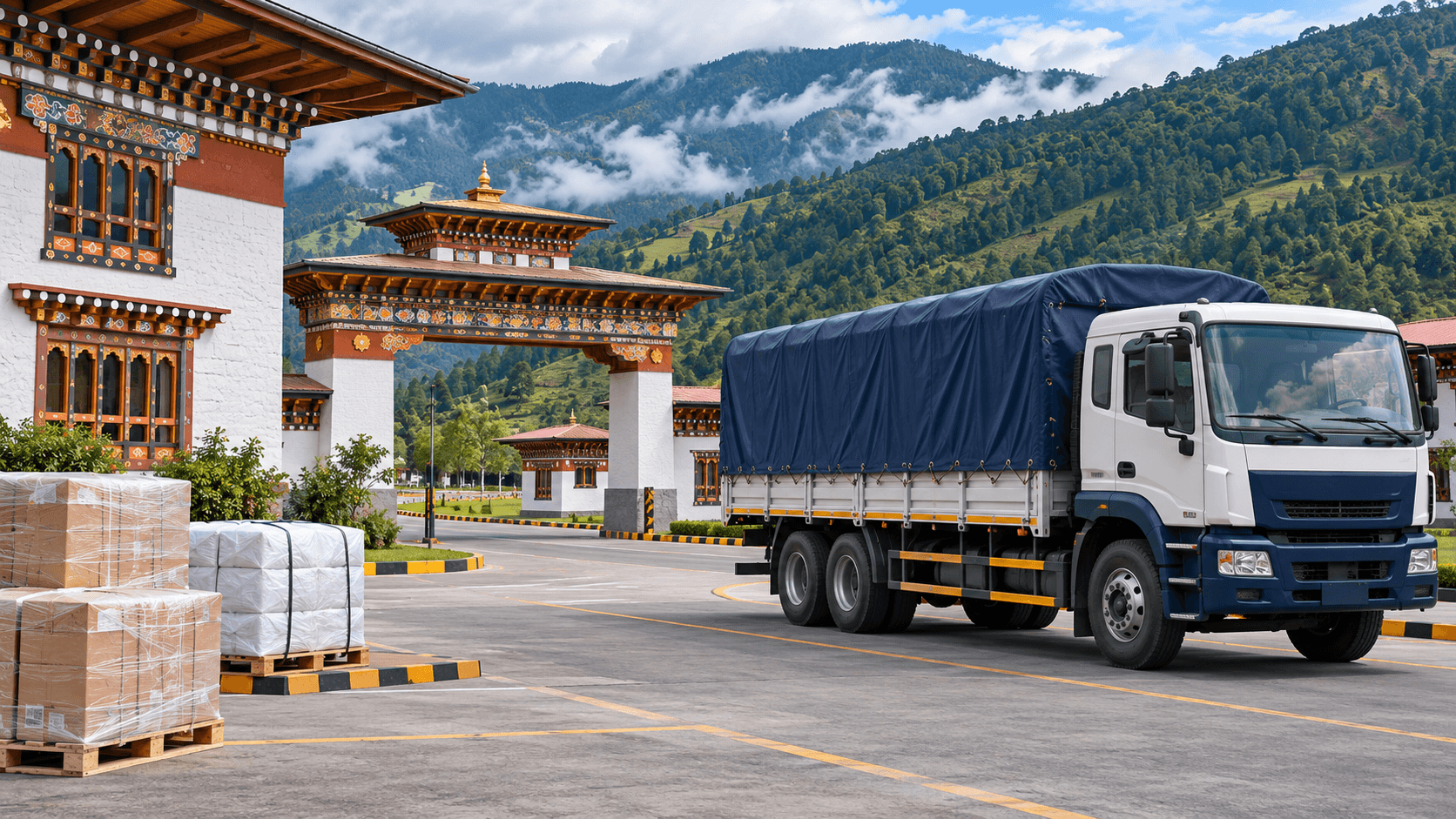
Rail links and new border points (Gelephu, Samtse, Darranga) offer diversification.
Importers and forwarders should assess these alternatives for risk mitigation.
Review Your Bhutan Cargo Route
Share your origin, cargo measurements and delivery city for a review of available services.
4. What Shippers Should Do Now
To prepare for these changes, shippers and freight forwarders should take proactive steps.
Stay updated on project milestones, funding, and any changes to scope.
Follow official announcements from India’s Ministry of Railways and Bhutan’s Ministry of Foreign Affairs.
Evaluate Gelephu and Samtse as Potential Entry Points
Assess whether these new rail-linked points could serve your cargo needs.
Consider factors like distance to your warehouse, cargo type, and cost.
Gelephu, in particular, is positioned as a future economic hub and may offer strategic advantages.
Review Current Road-Only Routing
Assess whether your current routing is optimal or if rail could offer benefits.
Consider multimodal options (road + rail + air) for different cargo types.
Evaluate cost, time, and reliability trade-offs.
Work with a Forwarder Who Tracks Bhutan Infrastructure Developments
Choose a freight forwarder with local knowledge and a network in Bhutan and India.
Ensure they stay updated on infrastructure changes and can advise on route adjustments.
Look for partners who can coordinate multimodal options and customs clearance.
5. How Sea Sky Cargo Helps
Sea Sky can review current road routing and document coordination with relevant partners. Any future rail option must first be operational, available for the commodity and supported by a confirmed service quotation.
Sea Sky Cargo specializes in coordinating complex cross-border shipments like India–Bhutan cargo, leveraging decades of experience in regional logistics.
Our India–Bhutan Services Include:
Infrastructure tracking: Monitoring rail link progress, border infrastructure, and trade route changes.
Route planning: Advising on road, rail, and multimodal options based on your cargo profile.
Carrier booking: Securing reliable transport providers for India–Bhutan routes.
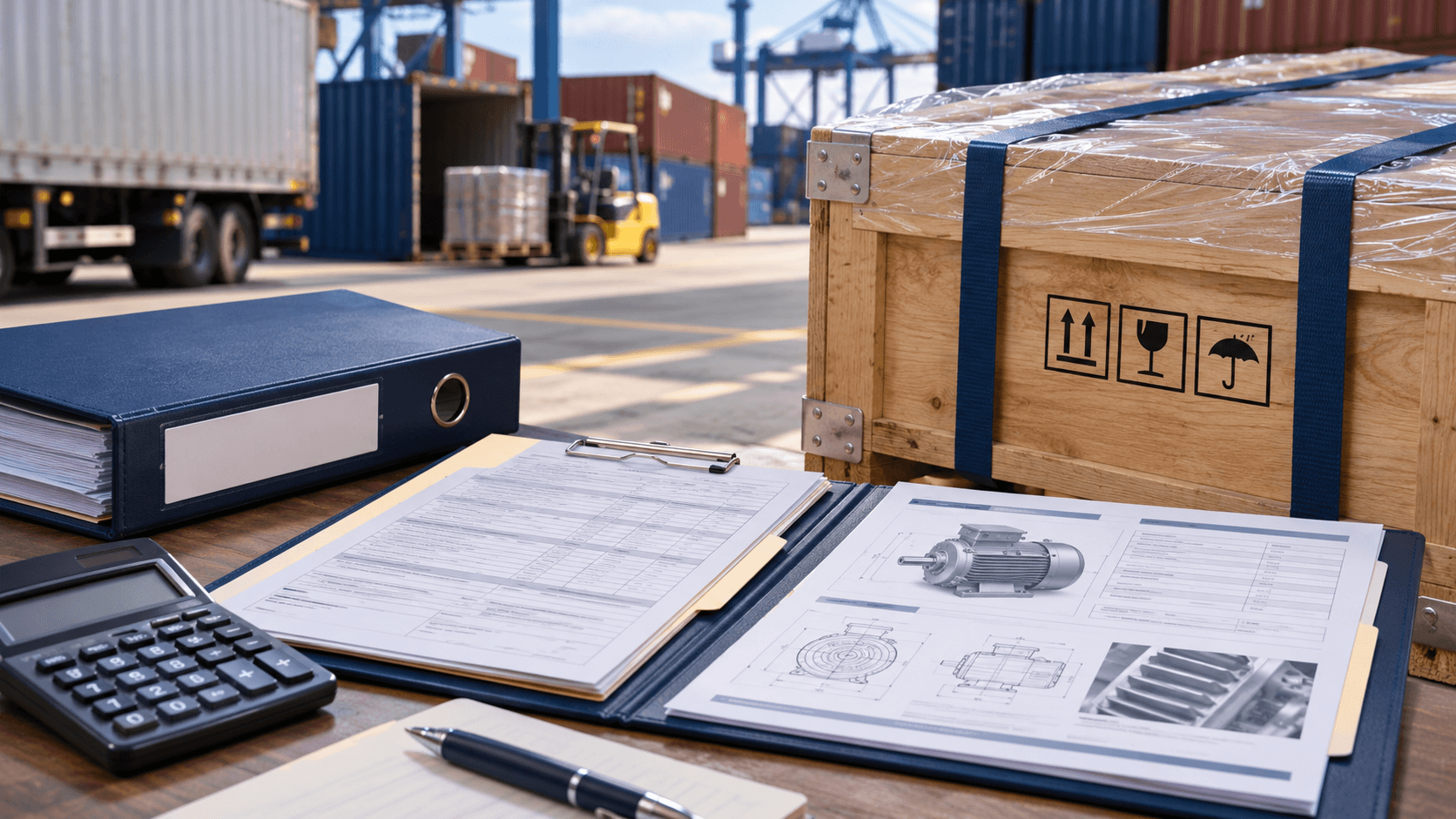
Customs documentation: Preparing and reviewing all required import/export documents.
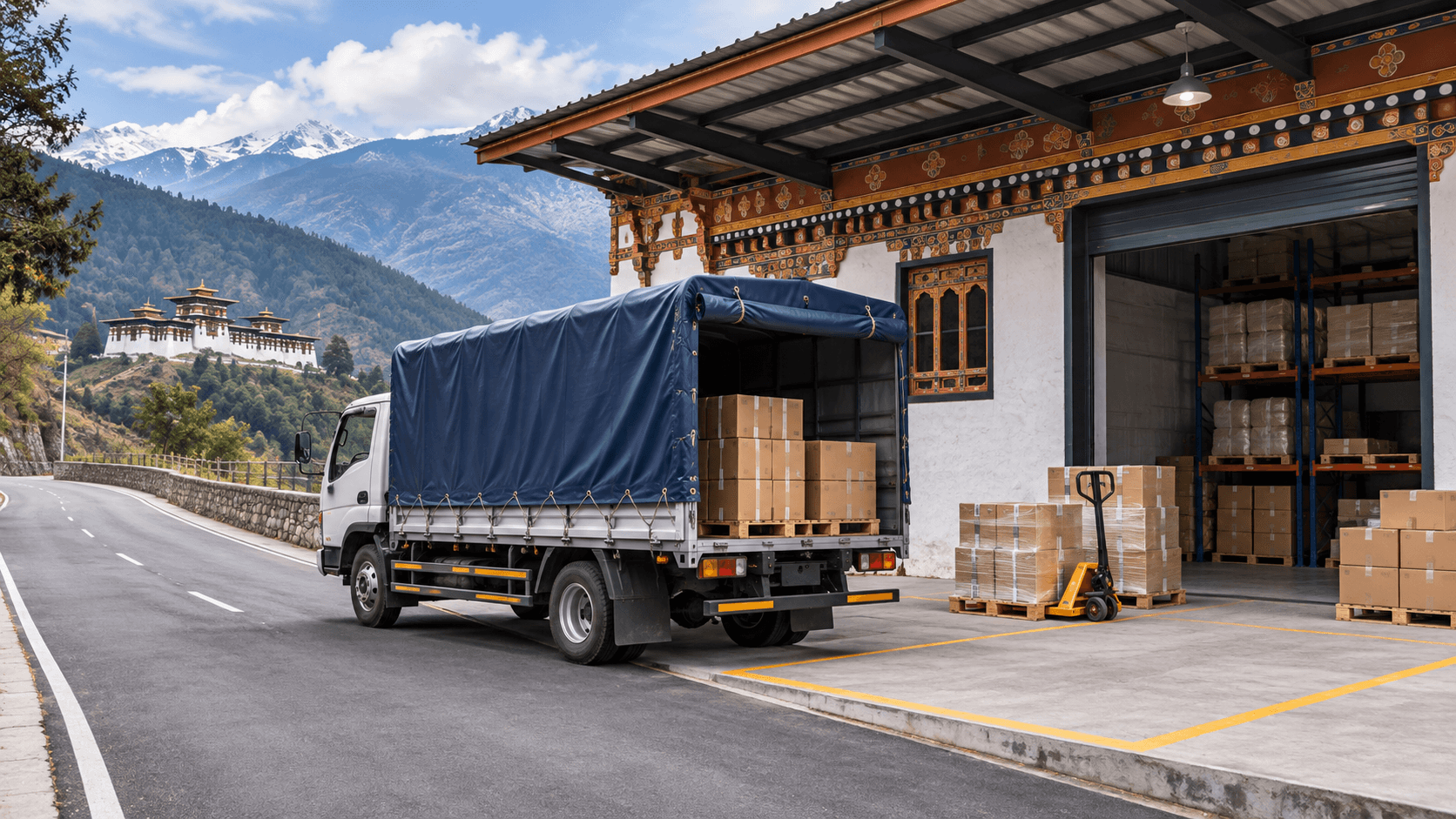
Last-mile delivery: Trucking from border or rail terminal to your warehouse in Thimphu, Phuentsholing, Paro, or other cities.
Why Choose Sea Sky for India–Bhutan Shipping?
38+ years of experience in international freight forwarding.
Established regional network with partners in India and Bhutan.
Expertise in Indian and Bhutanese customs and border procedures.
Transparent pricing with full landed cost breakdowns.
6. Planning Cargo to Bhutan in 2026?
Whether you are importing machinery, garments, food products, electronics, or commercial goods from India to Bhutan, staying ahead of infrastructure changes is key to cost-effective and timely delivery.
Planning cargo to Bhutan in 2026? Sea Sky Cargo can help you evaluate new rail and road options, review documents, and coordinate delivery as Bhutan’s trade corridors evolve.
Review Your Bhutan Cargo Route
Share your origin, cargo measurements and delivery city for a review of available services.
Related posts
1970-01-01
Sea + Air Freight: How SeaSky Helps Businesses Ship Smarter
2026-11-17
Bhutan Customs Clearance Guide 2026: Documents, GST, HS Codes and Import Permits
2026-11-15
Freight Forwarding Company for Bhutan Cargo: How to Choose the Right Partner
2026-11-14