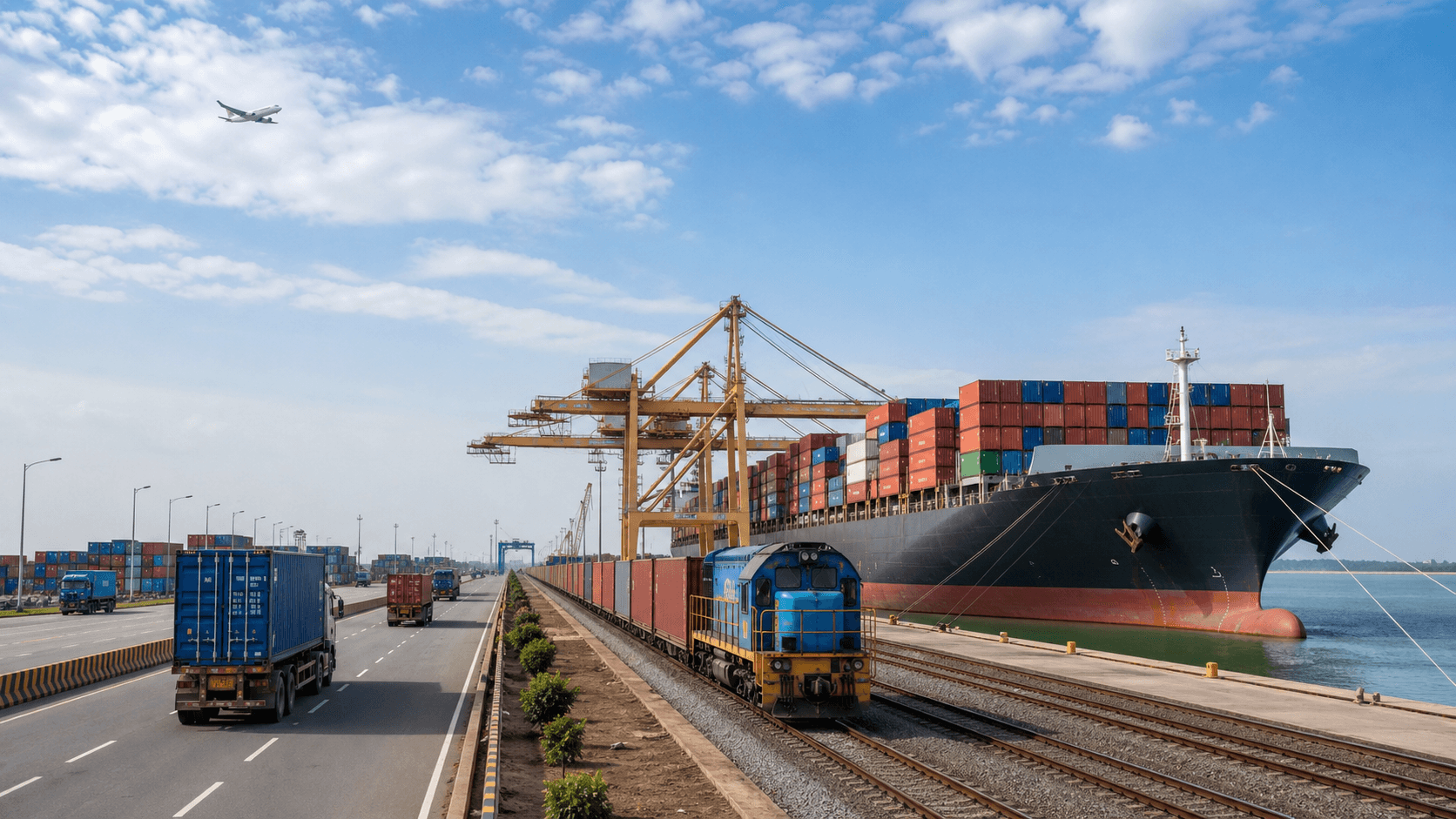
What are cross-border trade lanes?
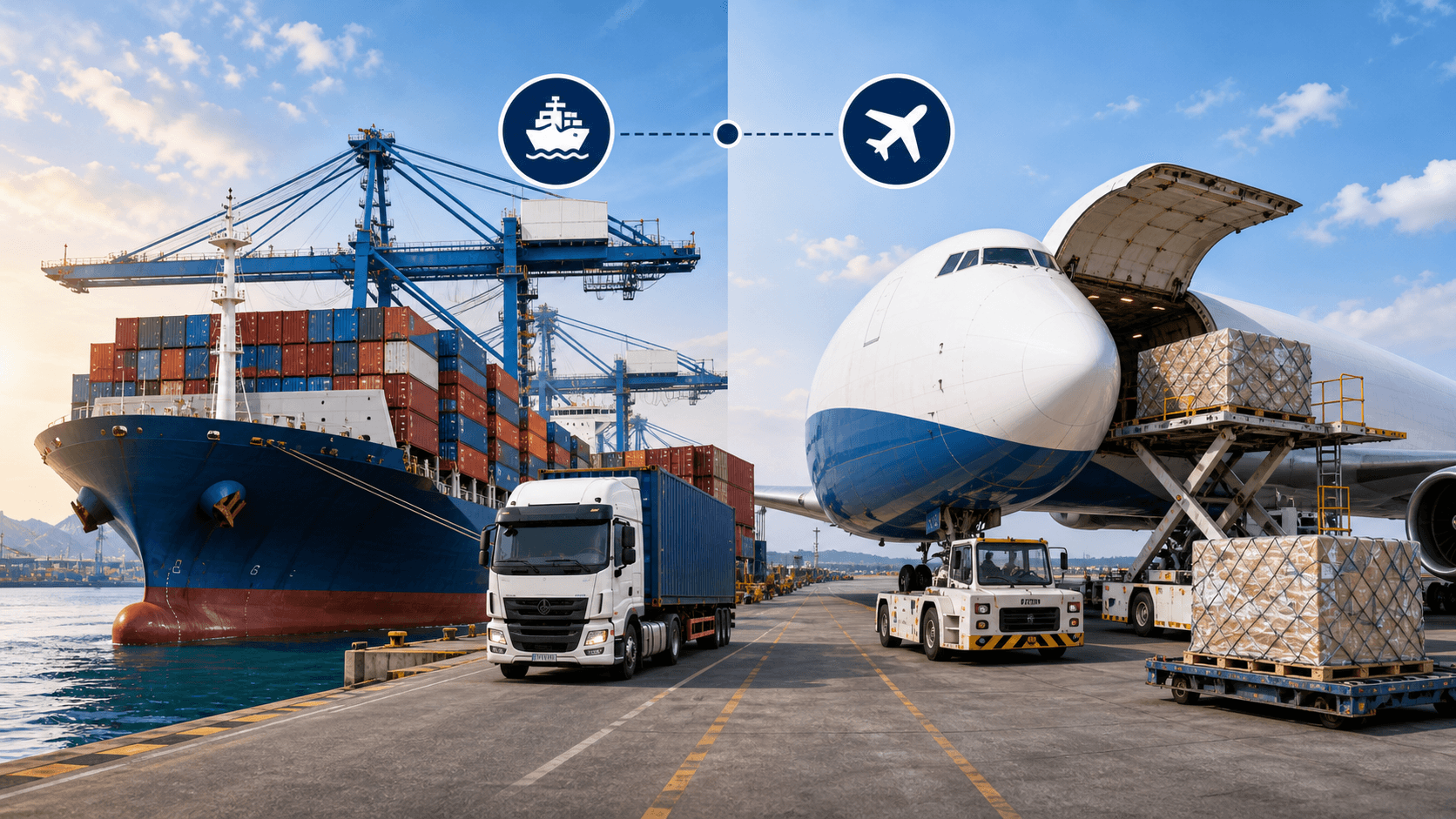
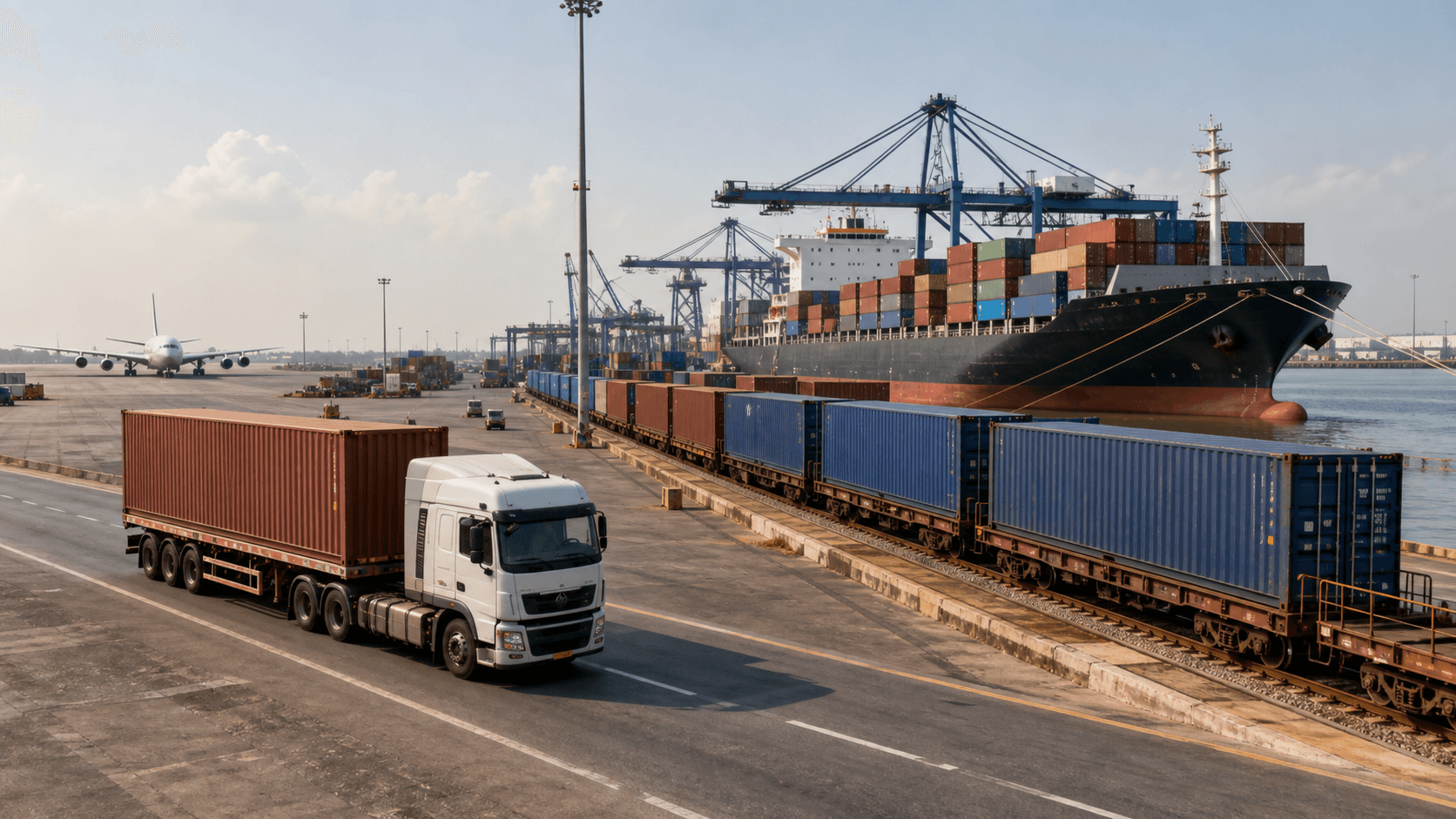
A cross-border trade lane is the complete route used to move cargo between countries or regions. It includes more than the international flight, vessel, train or truck. The lane also includes pickup, export procedures, terminals, customs, borders, inland transfers and final delivery.
For Nepal-linked cargo, common lanes include:
- India to Nepal and Nepal to India by road
- China to Nepal through regional road corridors
- Europe or the USA to Nepal by air
- Europe or the USA to an Indian port by sea, then inland to Nepal
- Indian-port transit using rail-linked and road transport
- Air cargo arriving at an international airport, followed by customs and local delivery
The same origin and destination can have several viable routes. A cheaper ocean rate may add port and inland time. A faster flight may use chargeable weight that makes bulky cargo expensive. A direct-looking road route can still depend on border status, permits and document readiness.
A useful comparison therefore begins with the whole door-to-door movement. Sea Sky's cargo services in Nepal guide explains how the main freight and customs handoffs connect.
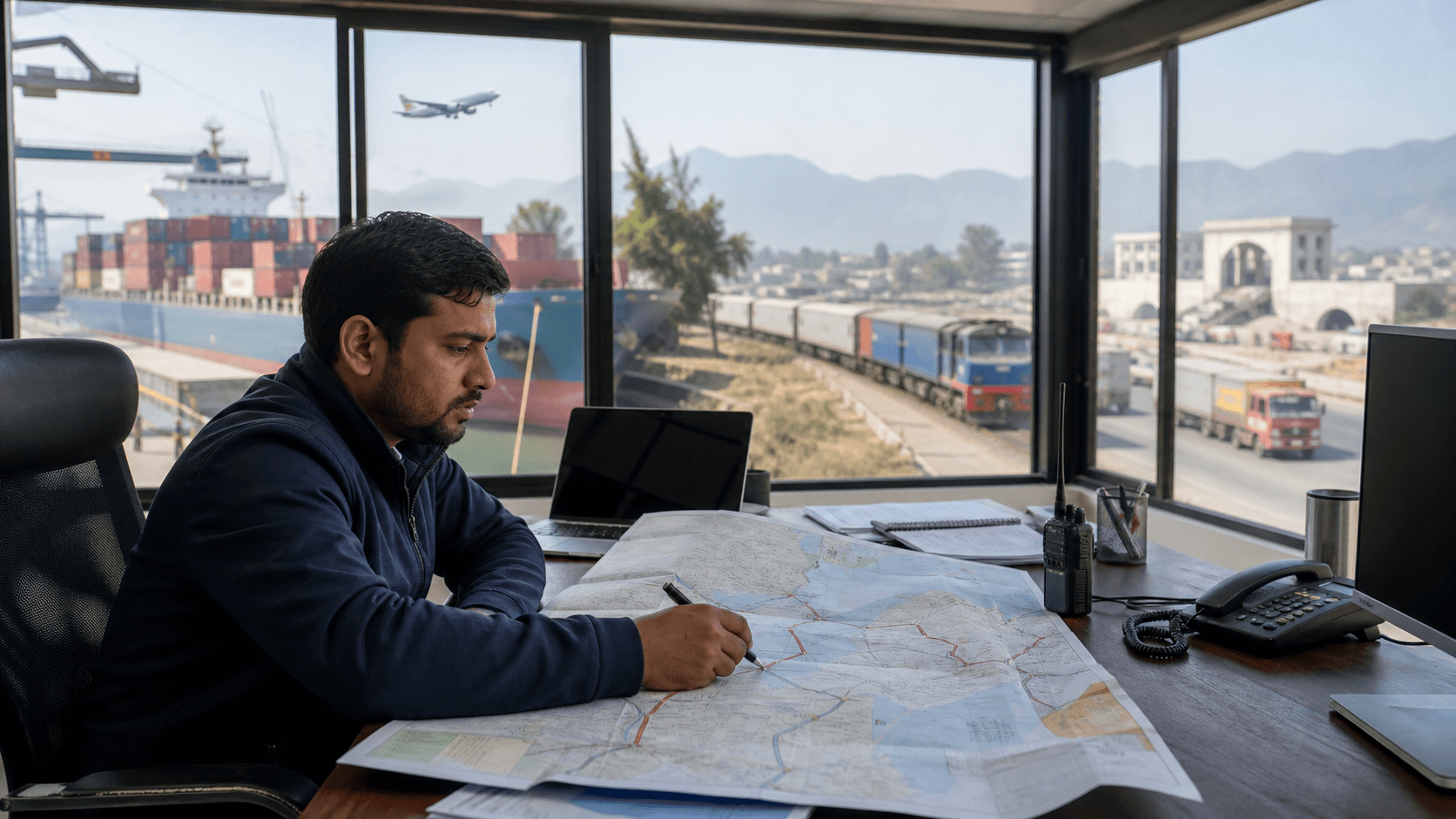
Air and road freight: speed versus regional flexibility
Air freight is the strongest starting point when urgency, product value or downtime matters more than the lowest transport cost. It commonly suits samples, electronics, medical supplies, documents, urgent spare parts and lighter commercial shipments.
Air rates are influenced by chargeable weight, which is the greater of actual and volumetric weight. A light but bulky package can therefore cost more than its scale weight suggests. Airline restrictions, airport handling and destination customs also remain part of the route.
Road freight is central to India-Nepal and China-Nepal trade and to the final delivery of cargo arriving by air, sea or rail. It can support full truckloads, partial loads, machinery, retail goods and door-to-door regional movements.
Road freight is flexible, but transit can be affected by border queues, weather, road condition, inspections, vehicle availability and document mismatches. For heavy or oversized pieces, the vehicle and route must be checked against the actual dimensions and axle loads.
Choose air when the cost of delay is high. Compare road first when the movement is regional, the cargo is heavier, or flexible pickup and delivery matter more than flight speed.
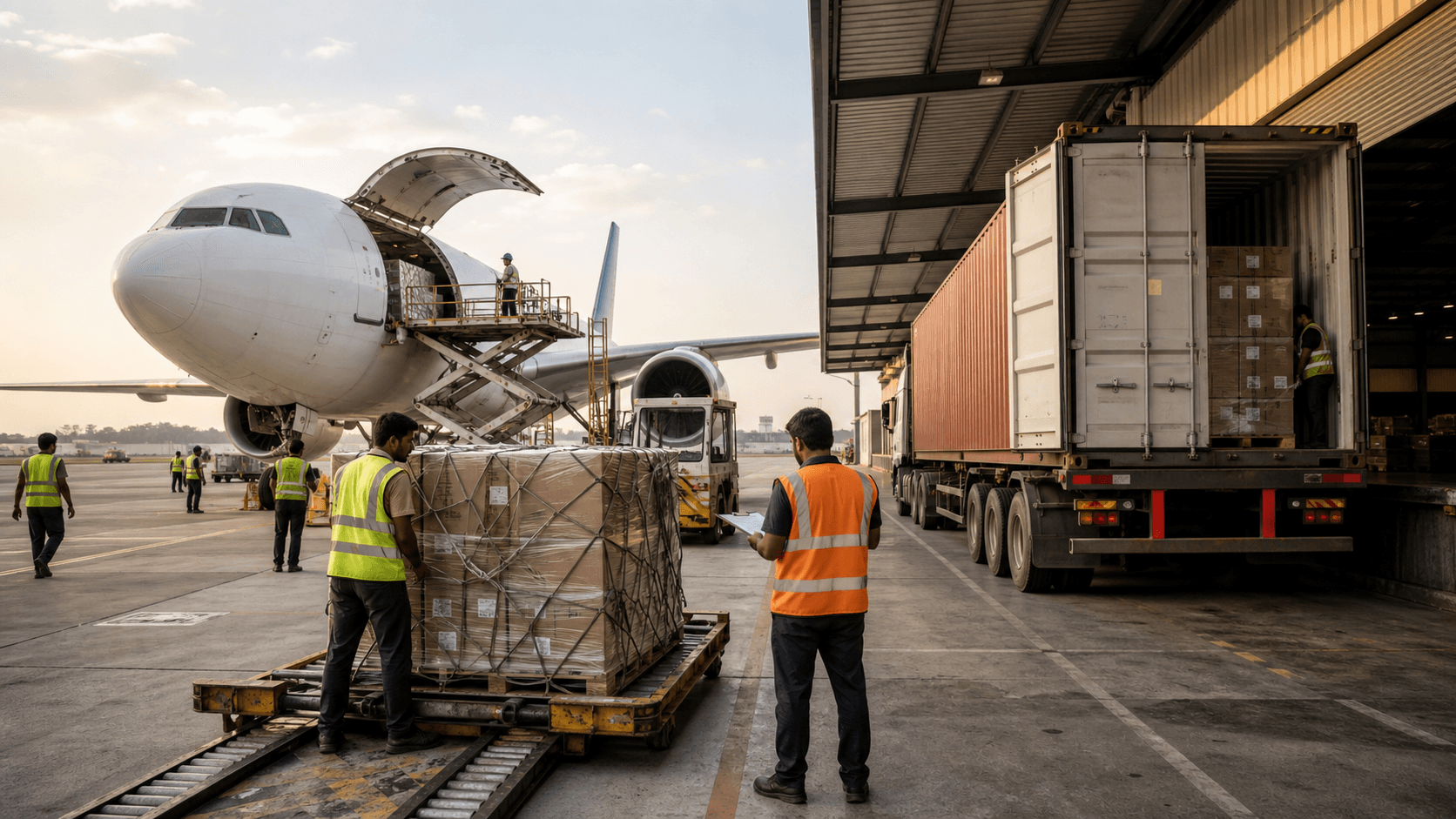
Sea, rail-linked and multimodal shipping
Sea freight is usually the first option to compare for heavy, large or non-urgent overseas cargo. Full-container loads, less-than-container loads, machinery, raw materials and industrial goods can gain a lower unit transport cost than air cargo, especially at larger volumes.
Because Nepal is landlocked, the ocean leg does not reach the final destination. Cargo normally arrives at an Indian gateway and continues inland. Port handling, free time, customs or transit procedures, rail or road capacity, border coordination and final delivery must all be included in the quote.
Rail-linked freight can support containers, bulk cargo and higher-volume port-to-inland movements where the corridor, schedule and terminal connections fit the shipment. Road transport is still commonly needed before or after the rail leg.
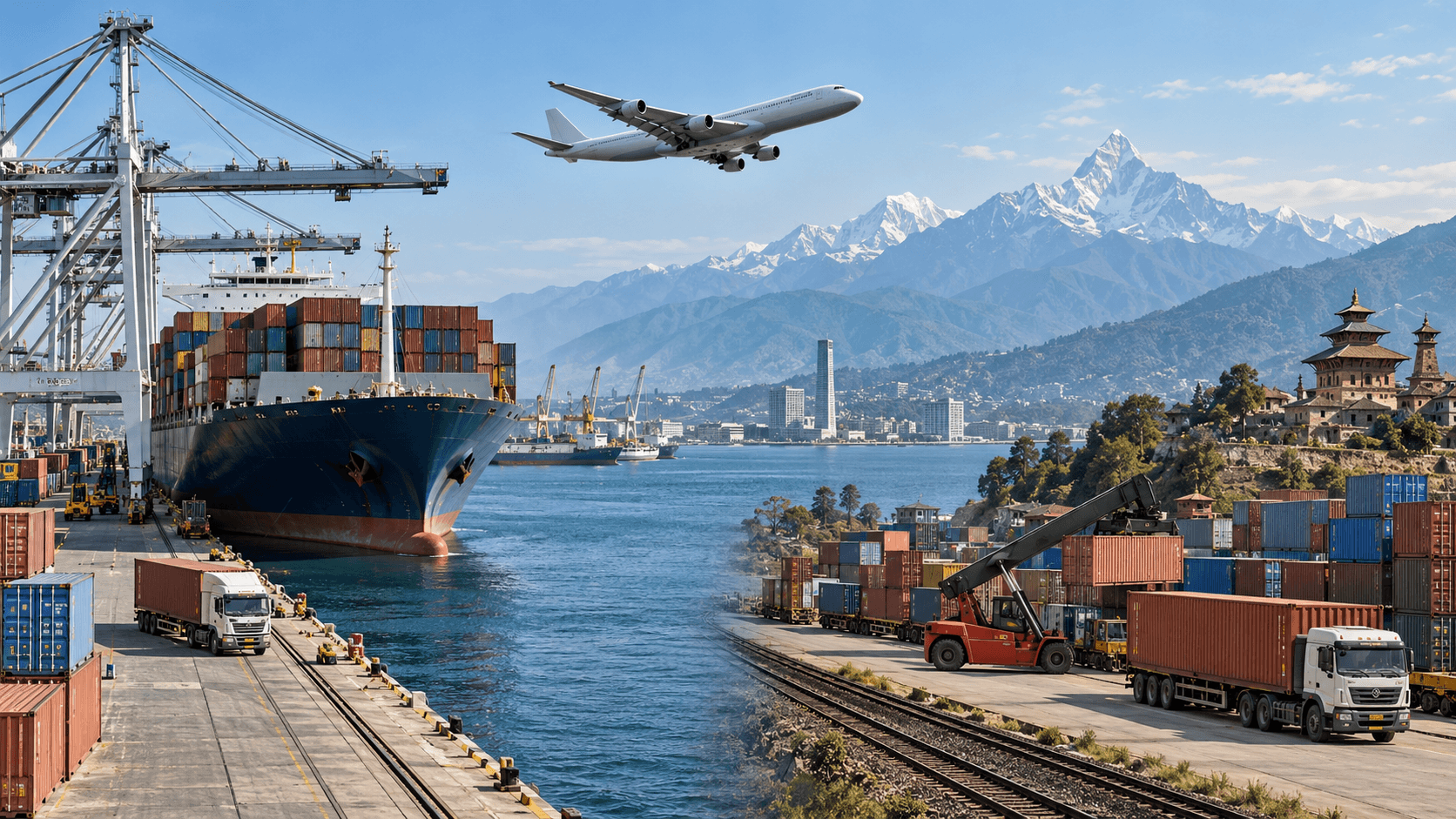
Multimodal shipping combines two or more transport modes under one route plan. Typical Nepal-linked examples include:
- Sea to an Indian port, then rail-linked or road movement to Nepal
- Air to an international airport, followed by customs and truck delivery
- Rail from a port terminal, then road to a border or final site
- Cross-border road freight, customs clearance and domestic distribution
Multimodal does not automatically mean complicated. It becomes manageable when the booking names each handoff, responsible party, document trigger and expected cost before the cargo departs.
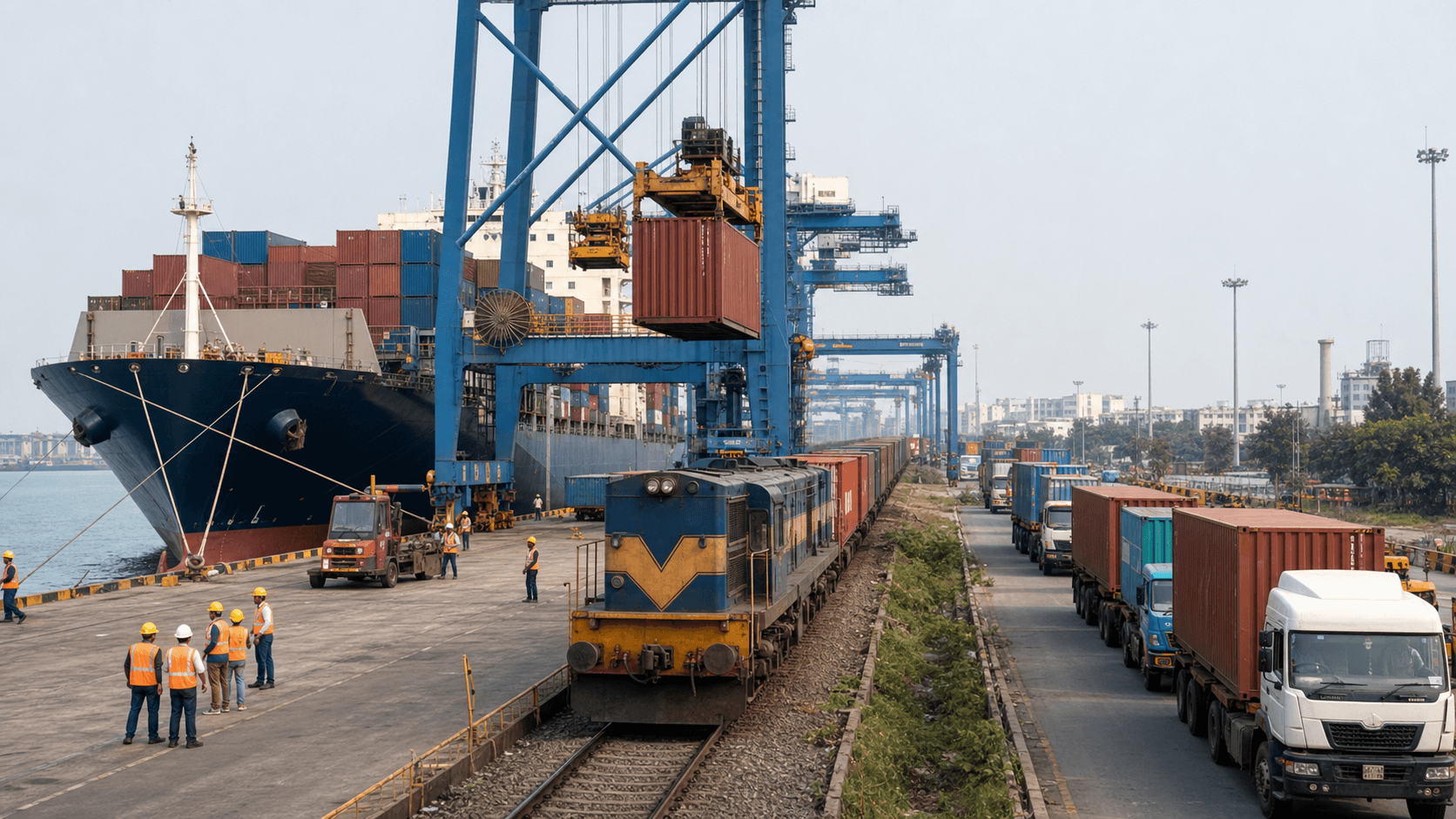
Shipping mode comparison table
Use this table to identify the first mode worth pricing. It is a planning comparison rather than a fixed transit-time or cost promise; carrier space, border conditions, customs readiness and the exact origin and destination can change the result. Compare total landed movement cost, not only the headline freight rate. Include pickup, terminal handling, customs, duties and taxes, port or border charges, storage risk, inland transport, special equipment and delivery access.
| Mode | Best suited to | Main advantage | Main cost or delay risk |
|---|---|---|---|
| Air freight | Urgent, lighter, high-value or time-sensitive cargo | Fastest international movement | Chargeable weight, airline restrictions and airport handling |
| Road freight | India-Nepal, China-Nepal and final delivery | Flexible door-to-door regional routing | Border, road, permit and inspection delays |
| Sea freight | Large, heavy or non-urgent overseas shipments | Lower unit cost at larger volume | Longer transit, port charges, storage and inland connection |
| Rail-linked freight | Containers, bulk and higher-volume inland movements | Efficient movement on suitable corridors | Schedule, terminal availability and last-mile transfer |
| Multimodal | Nepal-linked cargo requiring several route stages | Uses the best mode for each leg | Handoff, document and responsibility gaps |
Choose a freight mode to compare first
Select the broad route, delivery priority and approximate shipment weight. The result gives you a sensible first comparison, not a final booking decision. Dimensions, commodity restrictions, customs documents and current corridor conditions still need to be checked.
Quick planning tool
Which freight mode should you compare first?
Starting recommendation
Compare air with sea plus inland transit
This shipment sits in the middle: air may protect the timeline, while sea can lower freight cost. Compare chargeable weight, port timing, inland transit and customs risk.
Ask Sea Sky to compare the routesPlanning guide only. Product restrictions, dimensions, border status and customs documents can change the route.

Need help comparing routes for a live shipment?
Share the origin, destination, cargo type, weight, dimensions and timing. Sea Sky can compare the practical freight modes, customs steps and inland handoffs before you book.
India-Nepal shipping options
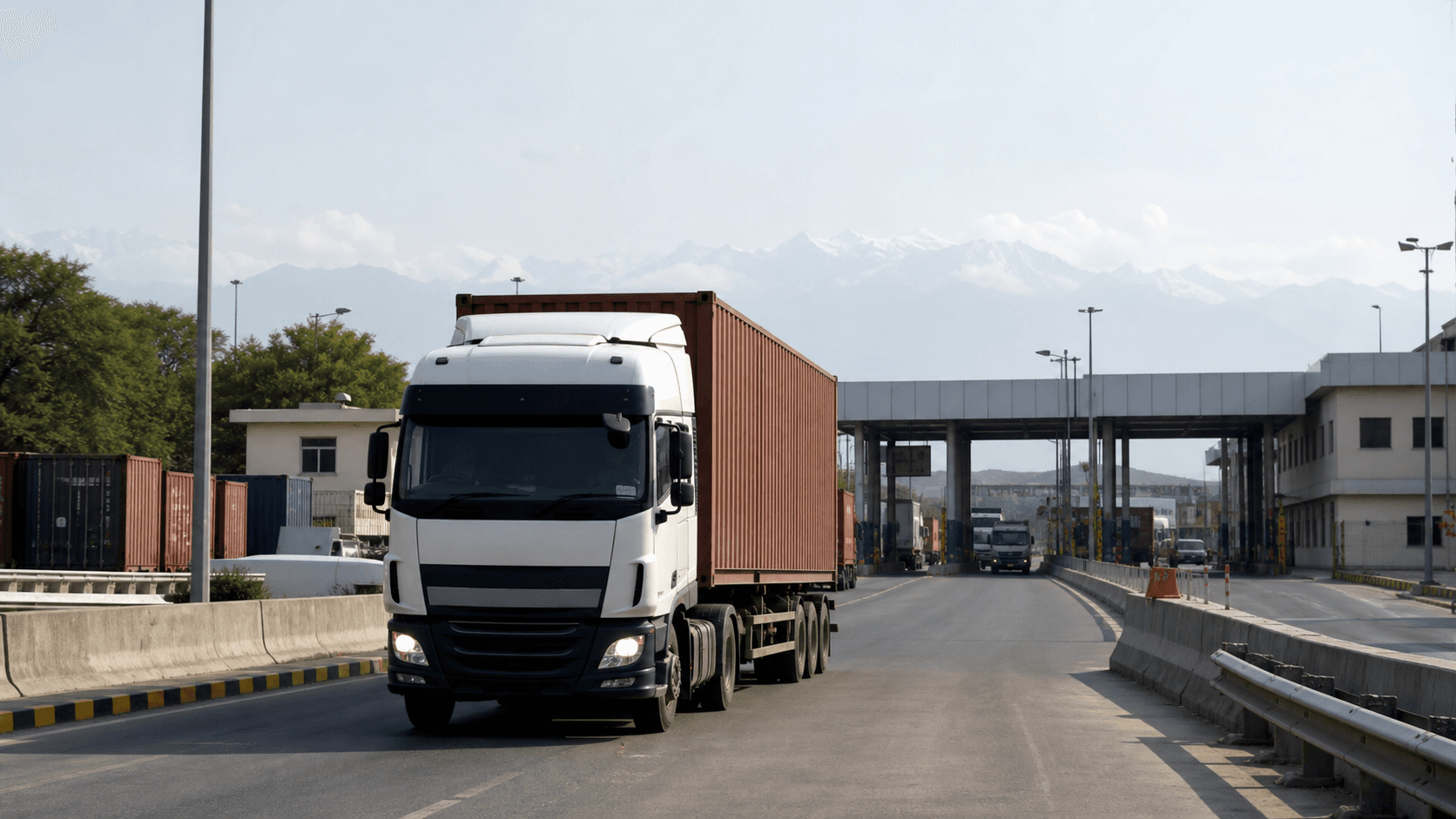
Road freight is usually the practical starting point for India-Nepal cargo because it connects factories, warehouses, customs points and delivery sites without an ocean or airport transfer. Full truckload suits larger shipments, while partial-load or consolidation options may suit smaller commercial cargo when schedules align.
Compare the vehicle type, pickup and delivery access, border customs point, likely inspections and whether the cargo needs temperature control, dangerous-goods handling or an oversized trailer. A low road rate is not useful if the truck cannot enter the delivery site or the paperwork is not accepted at the planned border.
Before movement, check:
- Commercial invoice and matching packing list
- Accurate product description and likely HS classification
- Importer and exporter details
- Licenses, permits or certificates for controlled products
- Package count, gross weight and dimensions
- Nepal delivery address and unloading arrangements
For oversized machinery or project cargo, confirm suitable trailer capacity, permits and route clearances before the vehicle is dispatched.
China-Nepal shipping options
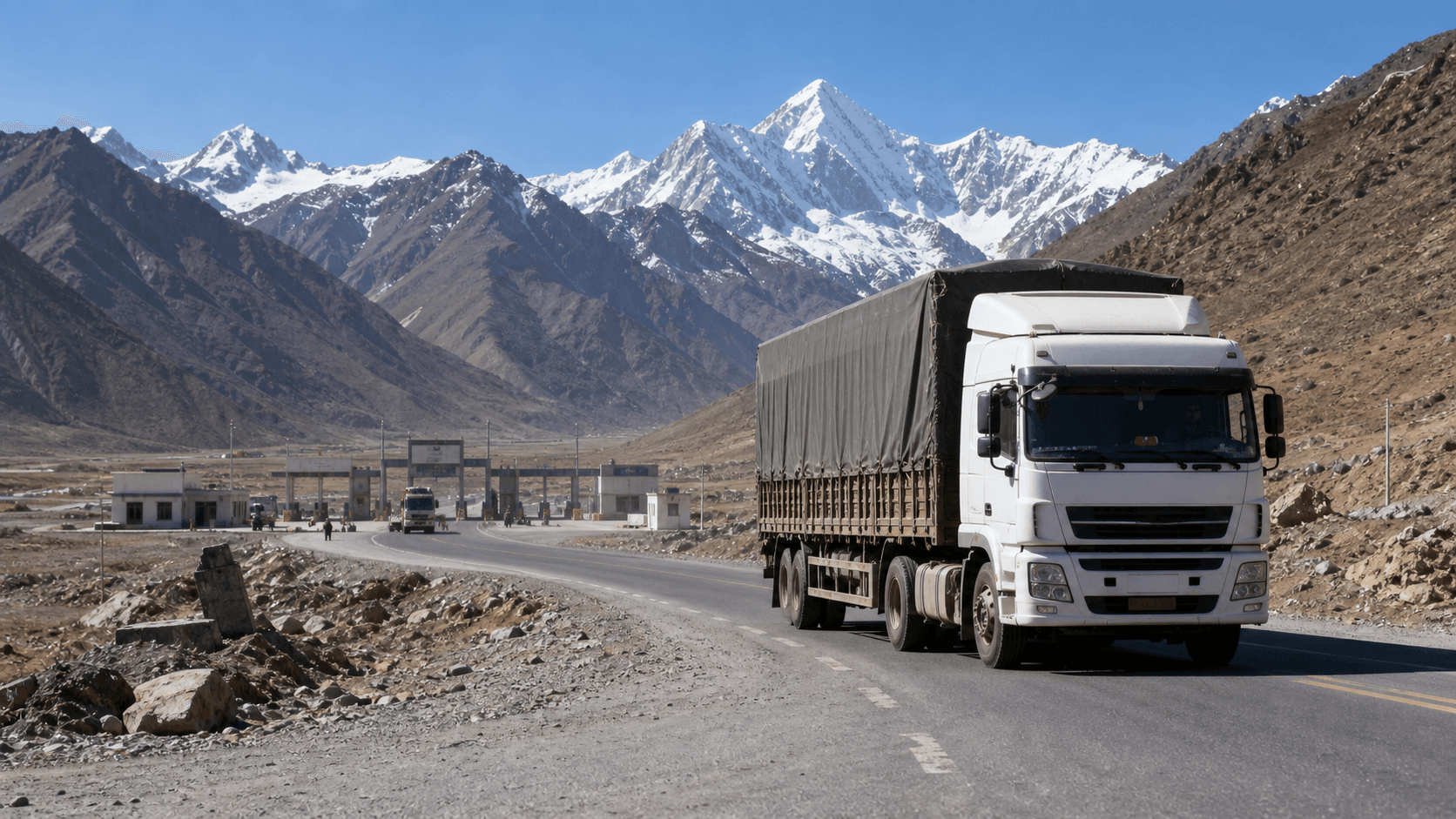
China-Nepal cargo may use regional road freight, air freight or a sea-linked route, depending on the Chinese origin, product, urgency, shipment size and current corridor practicality. There is no single best route for every supplier or destination.
China-Nepal road freight is worth comparing for regional cargo when the border route and onward road conditions suit the shipment. Air is stronger for lighter urgent goods. Sea plus Indian-port transit can be considered for larger, flexible shipments when the total route remains competitive.
Ask the supplier for final packed dimensions and weights before choosing the mode. Confirm product restrictions, export documents, Nepal import requirements, border status and whether the packaging can tolerate transfers and weather exposure.
Seasonal weather and corridor conditions can change road planning. Treat a transit estimate as conditional until the route, border and documents have been checked close to movement.
Europe and USA to Nepal shipping options
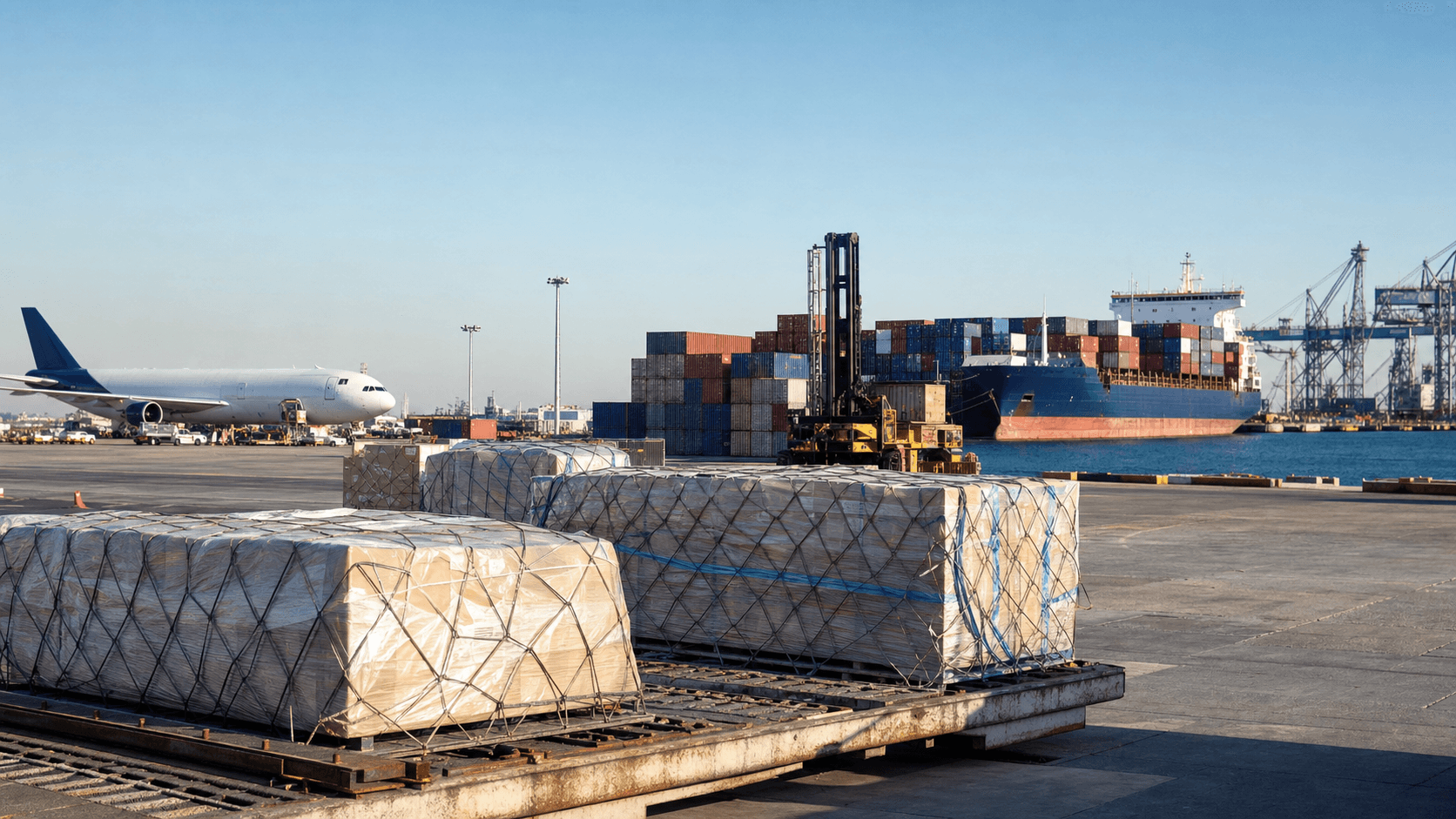
Cargo from Europe or the USA usually begins with an air-versus-sea decision. Air freight protects urgent timelines and works well for lighter, high-value or time-sensitive shipments. Sea freight is generally more economical for heavier commercial cargo with a flexible delivery date.
For sea cargo, compare full-container, less-than-container and special-cargo options. Consolidation may help smaller shipments, while a dedicated container gives the shipper greater control over loading and can reduce handling of compatible cargo. Oversized pieces may need flat-rack, open-top or breakbulk planning.
Review these variables together:
- Actual weight, volumetric weight and package dimensions
- Required delivery date and cost of delay
- Origin pickup and export arrangements
- Airline or vessel service and transfer points
- Indian port or destination-airport handling
- Customs documents, import restrictions and permits
- Inland movement and final delivery in Nepal
A fair comparison uses door-to-door time and cost. Airport-to-airport or port-to-port figures omit the work that often decides whether the shipment arrives when the buyer actually needs it.
Sea freight to Nepal through Indian ports
Overseas sea cargo for Nepal can arrive at an Indian gateway such as Kolkata, Haldia, Visakhapatnam or another suitable port, then continue inland. The port choice depends on the vessel service, cargo type, transit arrangement, terminal capability and final destination.
Compare:
- Full-container, less-than-container or special-cargo handling
- Sailing schedule and transshipment plan
- Port handling, storage and free-time terms
- Demurrage and detention exposure
- Customs and Nepal transit documents
- Rail-linked or road connection from the port
- Border coordination and final delivery access
Common shipment documents include the commercial invoice, packing list, bill of lading or airway bill, certificate of origin, insurance information, authorization letter and product-specific licenses or certificates. The exact file depends on the commodity, origin, transaction and route. Review the customs-clearance guide before departure rather than waiting for the cargo to reach the port or border.
Common route-selection mistakes include comparing only the ocean rate, using provisional dimensions, forgetting port free time, booking before permits are confirmed and leaving inland transport until after arrival. Each can turn a seemingly cheap route into an expensive delay.
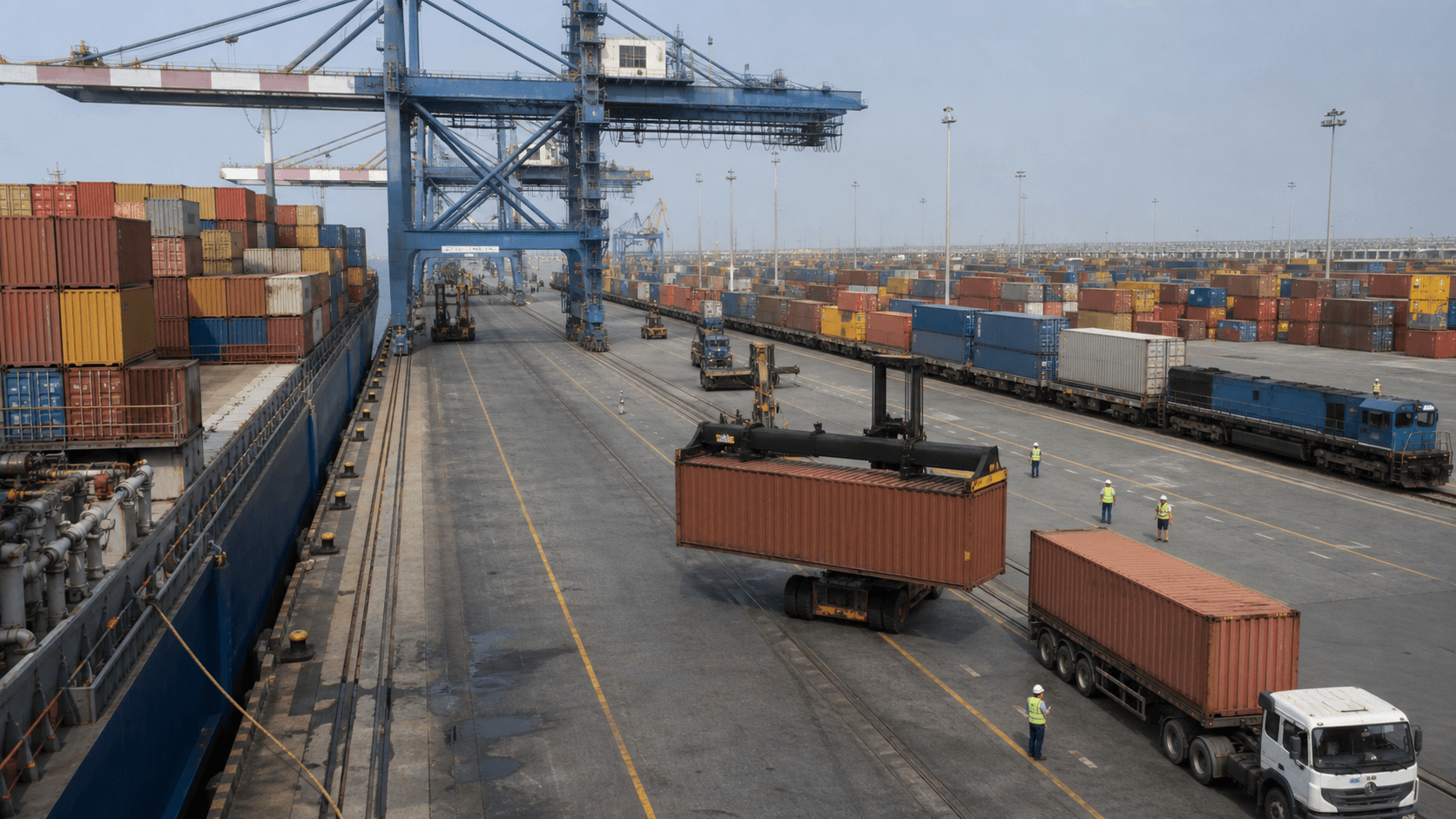
How Sea Sky Cargo helps, plus common questions
Sea Sky Cargo helps freight forwarders, importers and exporters compare Nepal-linked routes across air, road, sea, rail-linked and multimodal transport. Early review can identify missing cargo details, customs requirements, port or border handoffs and inland-delivery constraints before they become extra charges.
Share the origin, destination, cargo description, package count, weight, dimensions, preferred timing and available documents through the get a quote page. Sea Sky can suggest the routes worth pricing and explain what still needs confirmation.
What is the best shipping option for cross-border cargo?
The best option depends on the cargo, route, urgency, budget and customs process. Air is the fastest starting point for lighter urgent cargo, sea is usually more economical at larger volumes, and road is practical for regional trade and final delivery.
How do I compare air, road and sea freight?
Compare door-to-door transit time, total landed movement cost, actual and volumetric weight, dimensions, product restrictions, customs requirements, handling risk and final delivery access.
Is sea freight available for Nepal?
Yes. Sea cargo uses an external transit port, commonly an Indian gateway, and then continues toward Nepal by rail-linked or road transport. The inland connection is part of the freight plan.
Which shipping option is best for India-to-Nepal cargo?
Road freight is usually the first option to compare because it supports cross-border and door-to-door movement. Vehicle type, customs point, cargo restrictions and delivery access still need to be confirmed.
Can Sea Sky Cargo help choose the right route?
Yes. Sea Sky can compare practical route options, review the available shipment details, coordinate customs and plan Nepal-linked handoffs. The final recommendation depends on current carrier and corridor checks.
The right route is rarely decided by freight price alone. Compare the complete movement, prepare the documents early and make each handoff visible before booking.

Get the Nepal FCL partner kit before you quote
Use the free checklist to review Indian-port routing, documents, border handoffs and destination questions for containerized cargo moving into Nepal.