FCL vs LCL Shipping from Nepal: Costs, Transit Time, and How to Choose the Right Ocean Freight Option
When shipping by sea, two of the most important choices are FCL and LCL. FCL means Full Container Load, where one shipper books the whole container, while LCL means Less than Container Load, where your cargo shares container space with other shipments.
For Nepal-based importers and exporters, the right choice depends on cargo volume, shipment urgency, budget, and how much handling risk the freight can tolerate. In many cases, LCL is best for smaller loads, while FCL becomes more efficient when volume grows or when the shipment needs lower handling and faster delivery.
What is FCL?
FCL is the ocean freight option where one customer uses an entire container, even if the container is not completely full. The shipment usually travels under one main booking and is sealed at origin, which reduces the number of times the goods are handled.
This makes FCL a strong choice for larger, heavier, fragile, or higher-value cargo. It is also useful when the shipper wants more control over packing, loading, timing, and cargo security.
What is LCL?
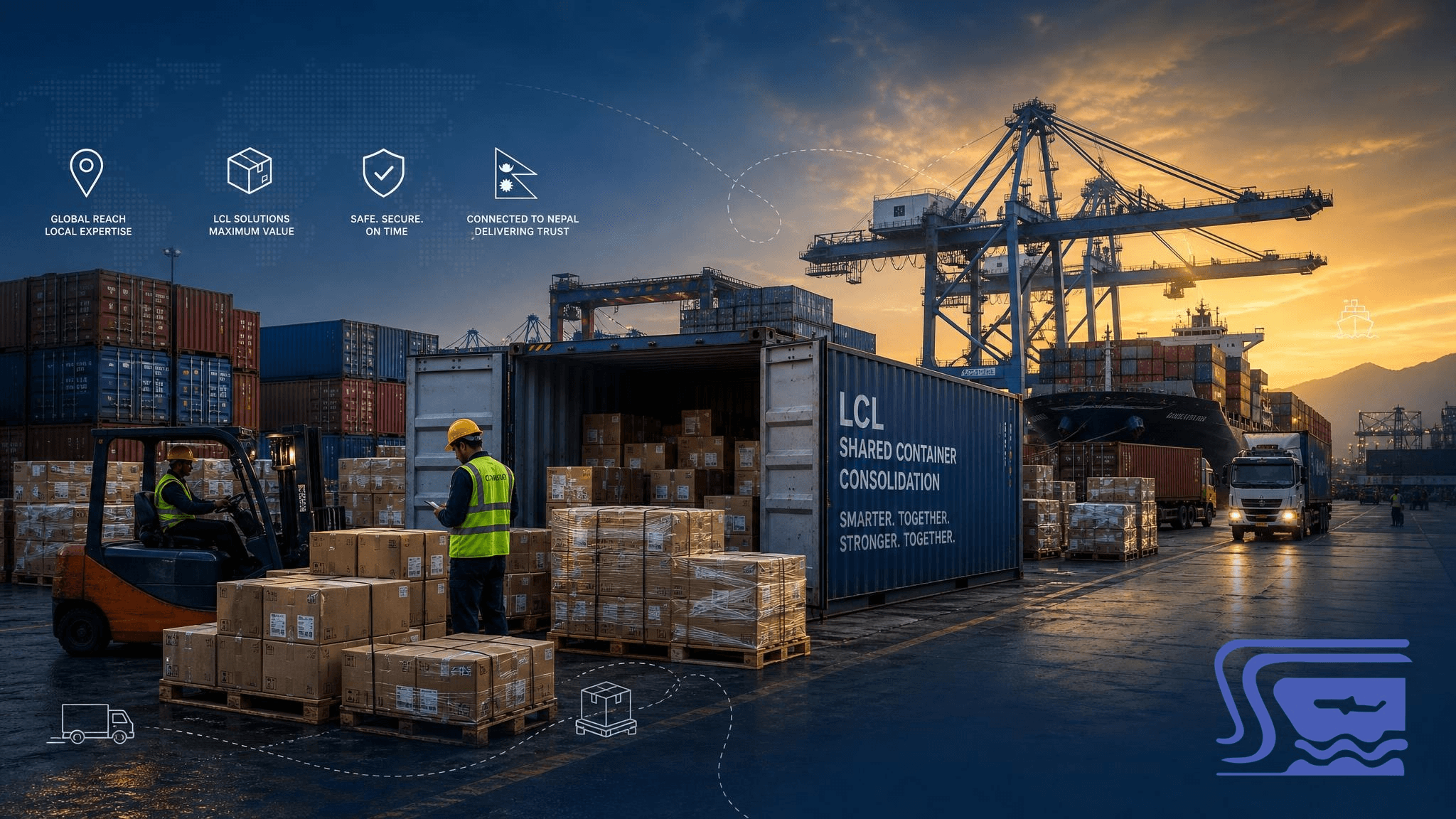
LCL is the shared-container option. Your cargo is consolidated with shipments from other shippers at origin and de-consolidated at destination, which makes it efficient for smaller loads that do not justify a full container.
Because the container is shared, LCL is typically charged by cubic meter or shipment weight, and it often takes longer than FCL because of consolidation and de-consolidation steps. For small and mid-size cargo, though, the cost savings can be significant compared with paying for an entire container.
FCL vs LCL
The simplest way to decide is to compare volume, speed, and risk. FCL usually wins for larger shipments, while LCL is usually better for lighter loads and budget-conscious shippers. A useful rule of thumb from recent freight guides is that LCL is often the better fit below about 10–15 CBM, while FCL becomes more economical as volume rises above that range. The final call still depends on route, cargo density, and how much the shipper values speed and protection over price.
| Factor | FCL | LCL |
|---|---|---|
| Container use | Entire container for one shipper. | Shared container with multiple shippers. |
| Cost structure | Flat rate per container. | Pay per CBM plus handling and consolidation fees. |
| Transit time | Usually faster because there is less handling. | Usually longer due to consolidation and de-consolidation. |
| Risk | Lower handling risk and more control. | More touchpoints and more handling exposure. |
| Best for | Large, bulky, fragile, or high-value cargo. | Small to medium shipments under roughly 10–15 CBM. |
Cost and timing
Recent 2026 freight guides indicate that LCL is usually charged by CBM and can be cost-effective for smaller loads, but the per-unit price often rises as the shipment gets more complex. FCL has a higher upfront cost because you pay for the container, but the cost per unit drops when the shipment is large enough to fill much of the space.
Transit time also matters. One 2026 LCL guide notes that consolidation and de-consolidation can add several days compared with direct FCL movement, and another says LCL may add about 7 to 14 extra days in some lanes. That means LCL is usually not the fastest option, even when the ocean voyage itself is the same.
When to choose FCL
Choose FCL when the shipment is large enough that paying for the full container makes sense. It is often the better choice for heavy machinery, industrial goods, fragile equipment, or cargo that should not be mixed with other shippers’ freight.
FCL is also useful when the consignee wants tighter control over handling and loading. Since the shipment has fewer transfer points, it can reduce the chance of damage, misplacement, or delays caused by consolidation at origin or destination.
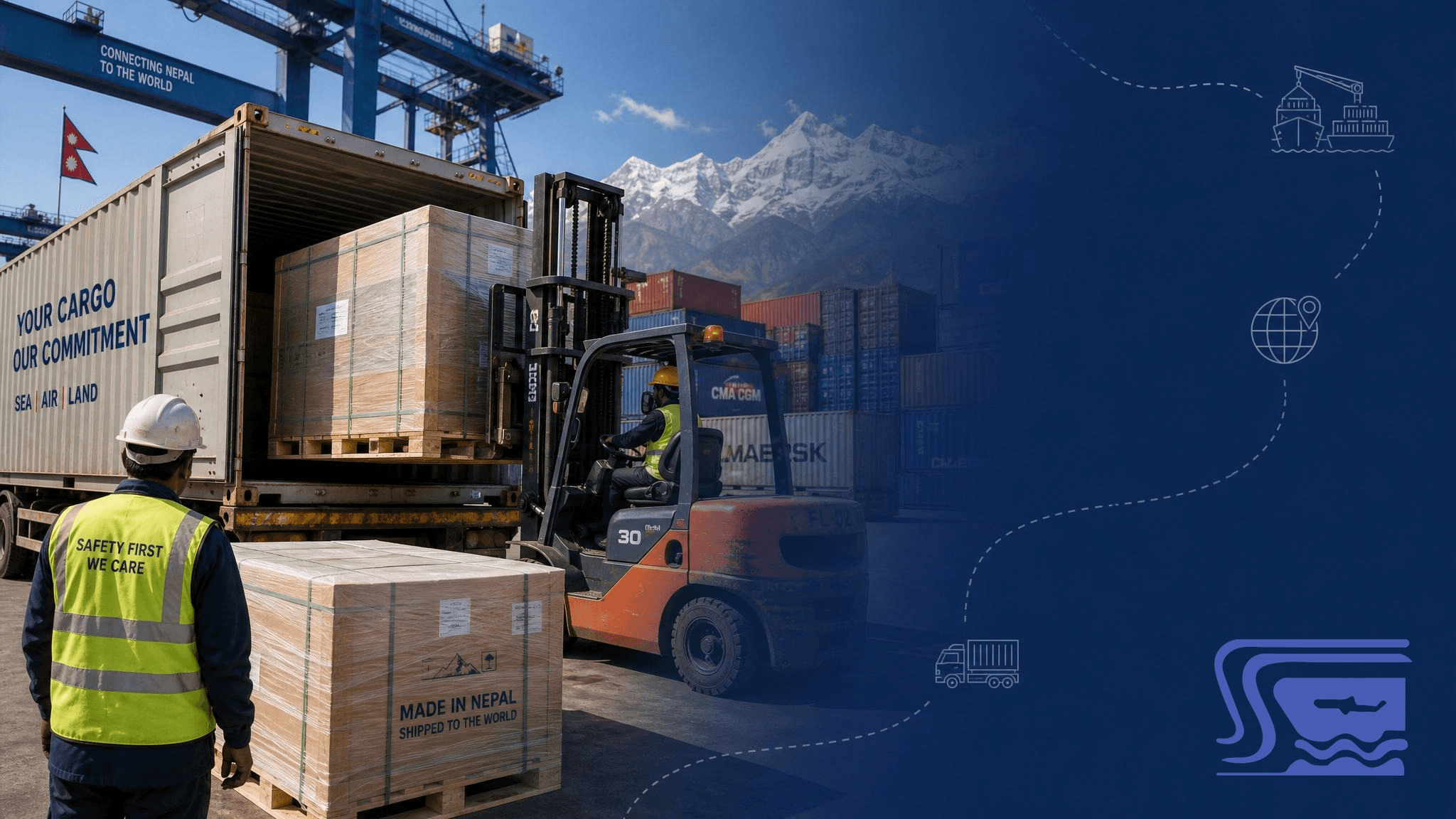
When to choose LCL
Choose LCL when the cargo volume is small and you do not need the full space of a container. It is ideal for samples, small commercial orders, starter inventory, and shipments where cost savings matter more than speed.
LCL can also be a smart choice for businesses testing a new product or market. Instead of paying for an entire container immediately, the shipper can move smaller quantities and scale later if demand grows.
Shipping from Nepal
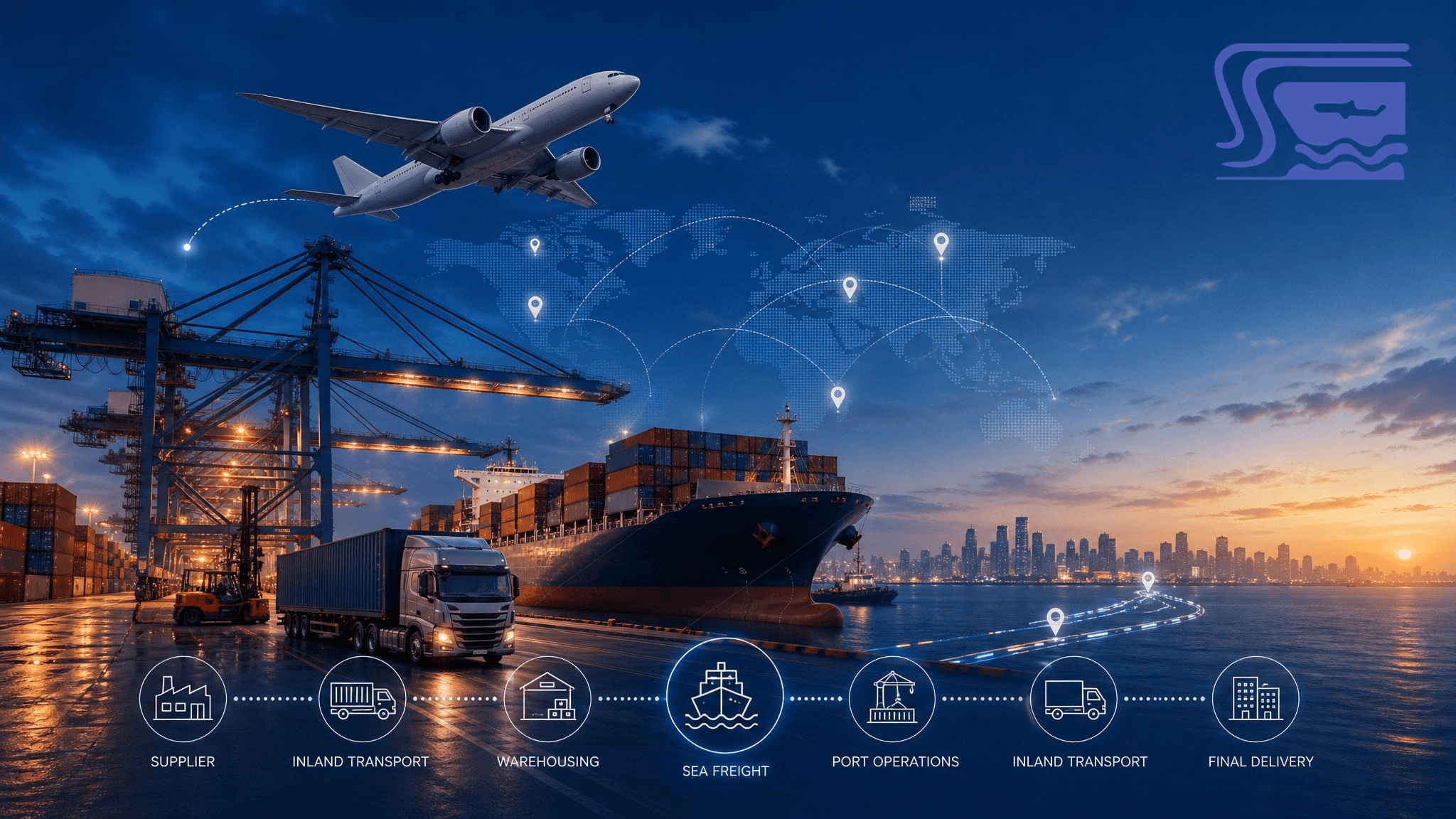
For Nepal-based shippers, FCL and LCL usually move through Indian gateways before reaching overseas ports. Sea Sky’s own logistics content references routes through Kolkata and Haldia, and other Nepal shipping guides also discuss multimodal movement via India as part of the sea-freight process.
That makes the right documentation even more important. The invoice, packing list, HS code, transport document, and customs file must all match, whether the shipment is moving as FCL or LCL. A clean file helps reduce border friction, while a mismatch can slow down both export and import clearance.
How Sea Sky helps
Sea Sky Cargo Service can help Nepal businesses decide whether FCL or LCL is the better fit for their cargo profile. The company’s logistics materials show support for air, sea, road, and rail movements, plus customs coordination and project cargo handling, which is useful when a shipment needs more than just a booking number.
For B2B shippers, that support matters because the right freight mode is only one part of the job. Booking, packing, documentation, transit planning, and customs execution all affect the final outcome.
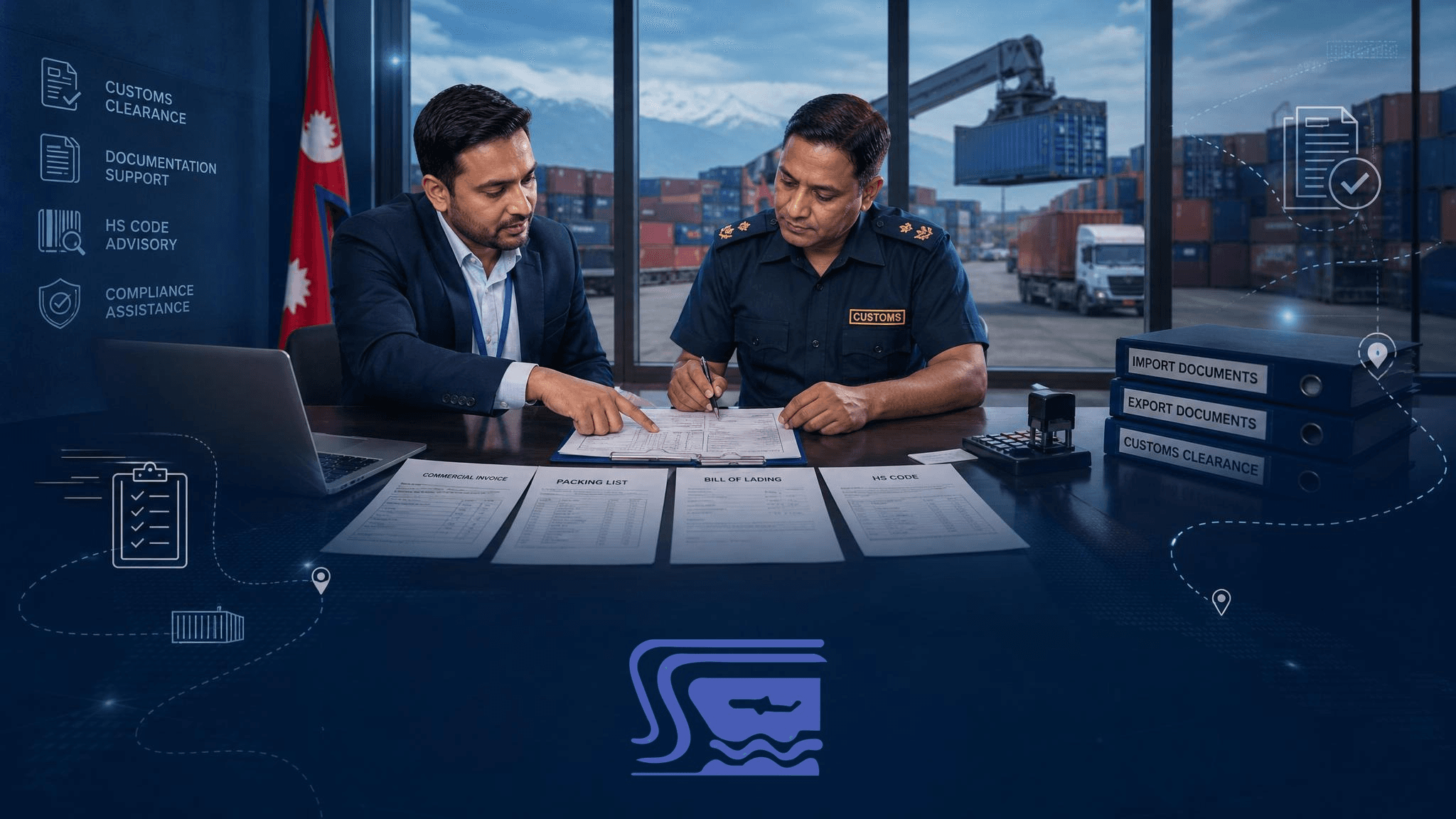
Practical decision guide
Use FCL if:
- Your cargo is large, heavy, fragile, or high-value.
- You want fewer handling points.
- You are shipping enough volume that the container cost makes sense.
Use LCL if:
- Your shipment is small to medium sized.
- You want to save money on smaller loads.
- You can accept a longer transit time for lower cost.
Conclusion
FCL and LCL are both essential ocean-freight solutions, but they solve different shipping problems. FCL is usually the better fit for larger, more sensitive, or more valuable shipments, while LCL works well for smaller volumes that need a lower-cost ocean option.
Contact SeaSky for hands-on customs clearance help and get advice on whether FCL, LCL, air, or multimodal shipping is the best option for your cargo.
Related posts
1970-01-01
Sea + Air Freight: How SeaSky Helps Businesses Ship Smarter

2026-10-27
How to Read a Freight Quote in Nepal: Line-by-Line Breakdown
2026-10-26
Cargo for Tihar: How to Import Festival Stock to Nepal on Time
2026-10-15