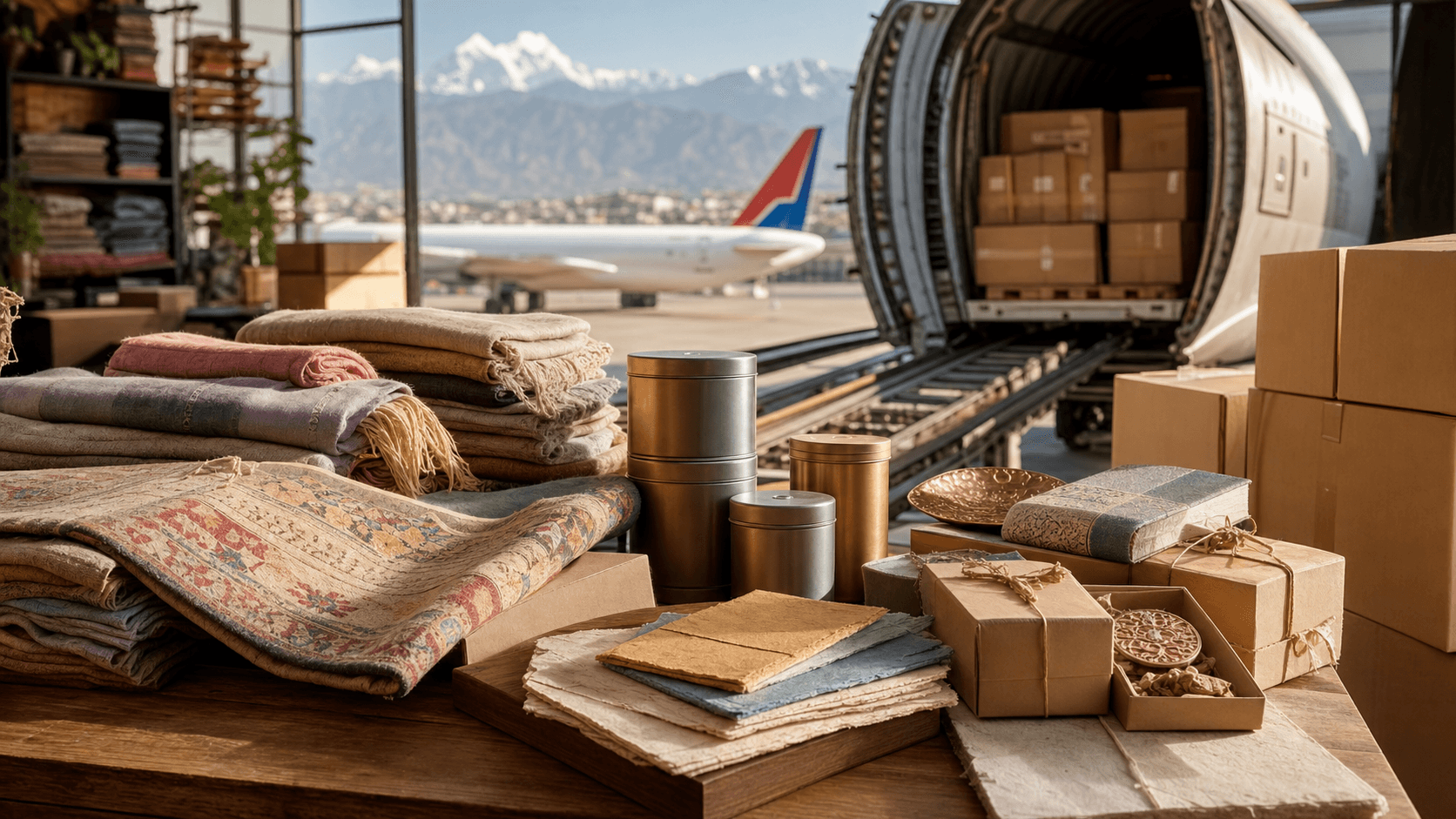
What Nepal-to-UK export services cover
Nepal-to-UK export services bring together the product file, export documentation, freight mode, origin evidence and UK-side import readiness. This matters for pashmina, carpets, garments, tea, coffee, herbs, handmade goods, natural products and other Nepal-made exports.
Under the UK's Developing Countries Trading Scheme, eligible Nepal-origin goods can receive preferential duty treatment when the conditions are met. That opportunity is valuable, but the exporter still needs the correct product classification, proof of origin and shipment documents.
Use the official UK DCTS collection for current scheme guidance, then build the freight plan around the actual product and buyer requirement.
Why the UK market matters for Nepali products
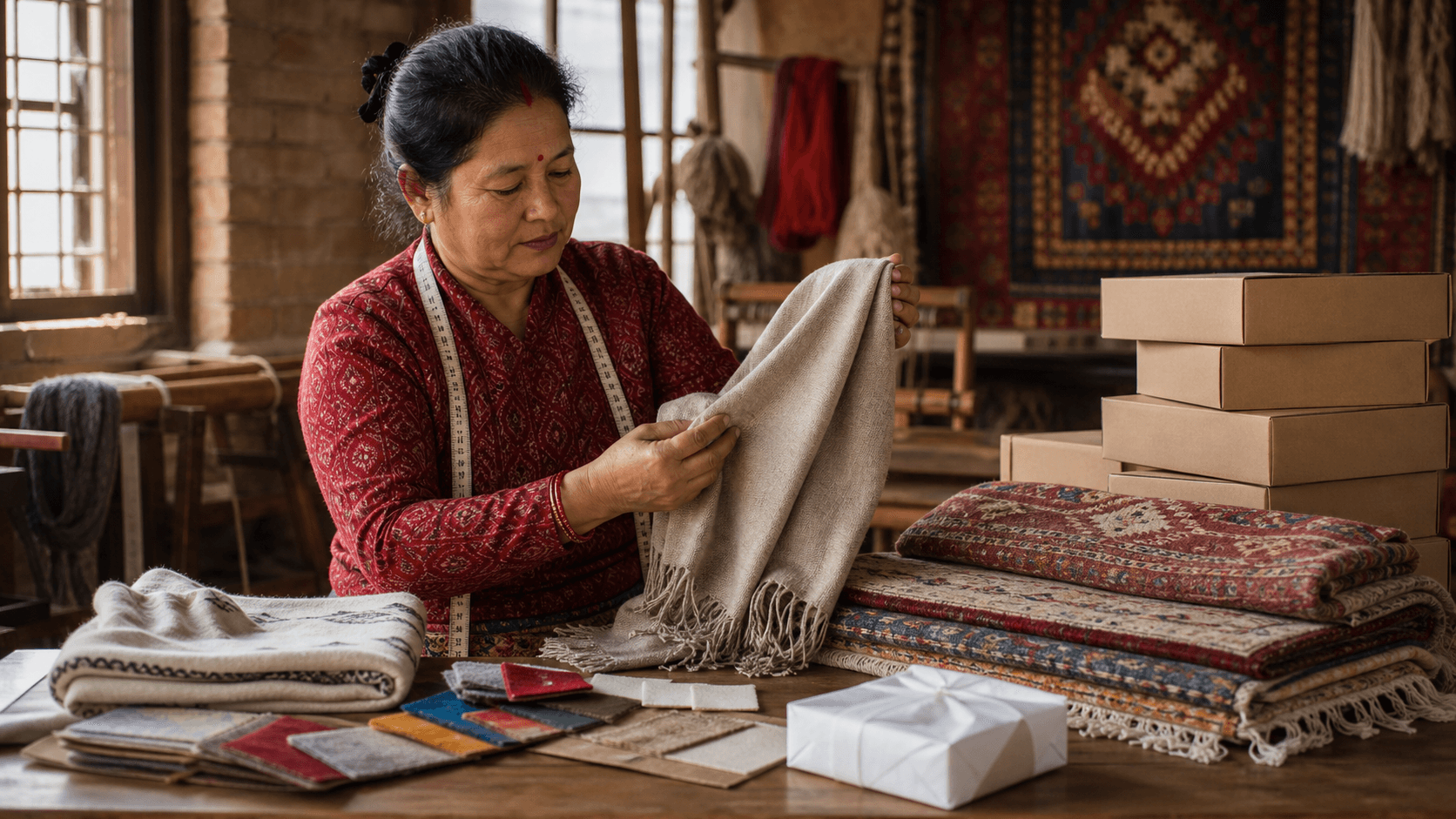
The UK has buyers for differentiated, handmade, sustainable and specialist products. Pashmina, carpets, felt products, tea, coffee, herbs, paper goods, jewelry, accessories, natural-fibre products and handicrafts can all have potential when quality, supply consistency and presentation are right.
The exporter's job is not only to find a buyer. It is to give that buyer a shipment that can be classified, documented, transported and received without avoidable surprises.
Preferential duty can improve the buyer's landed-cost position, but it is only one part of the commercial offer. Product quality, reliable packing and a realistic delivery plan still do the heavy lifting.

Duty-free access and product eligibility
Eligible goods from Nepal can receive duty-free, quota-free access under the UK DCTS, subject to the scheme's product and origin conditions. Do not assume every item is automatically eligible: the UK commodity code, product category and origin rule matter.
Before you quote a duty outcome, check the product's classification and current UK tariff treatment using the UK Trade Tariff. The UK importer or their customs agent will also need the information required to make a preference claim.
Tea grown and processed in Nepal may be straightforward to evidence. A garment made in Nepal from imported fabric can require a more careful product-specific origin review.

Rules of origin: the essential check
Rules of origin establish whether goods are genuinely Nepal-origin for the preferential tariff. A product may qualify because it is wholly obtained in Nepal, or because it has been sufficiently manufactured or processed there under the relevant rule.
Simple packing, labelling or minor handling does not automatically create origin. Record where the materials came from, what production took place in Nepal, and how the finished product relates to the applicable rule.
Keep the evidence while the product is being made, not only after the buyer asks for it. That makes it much easier to prepare an origin declaration or other accepted proof when the shipment is ready.
Documents needed to export from Nepal to the UK
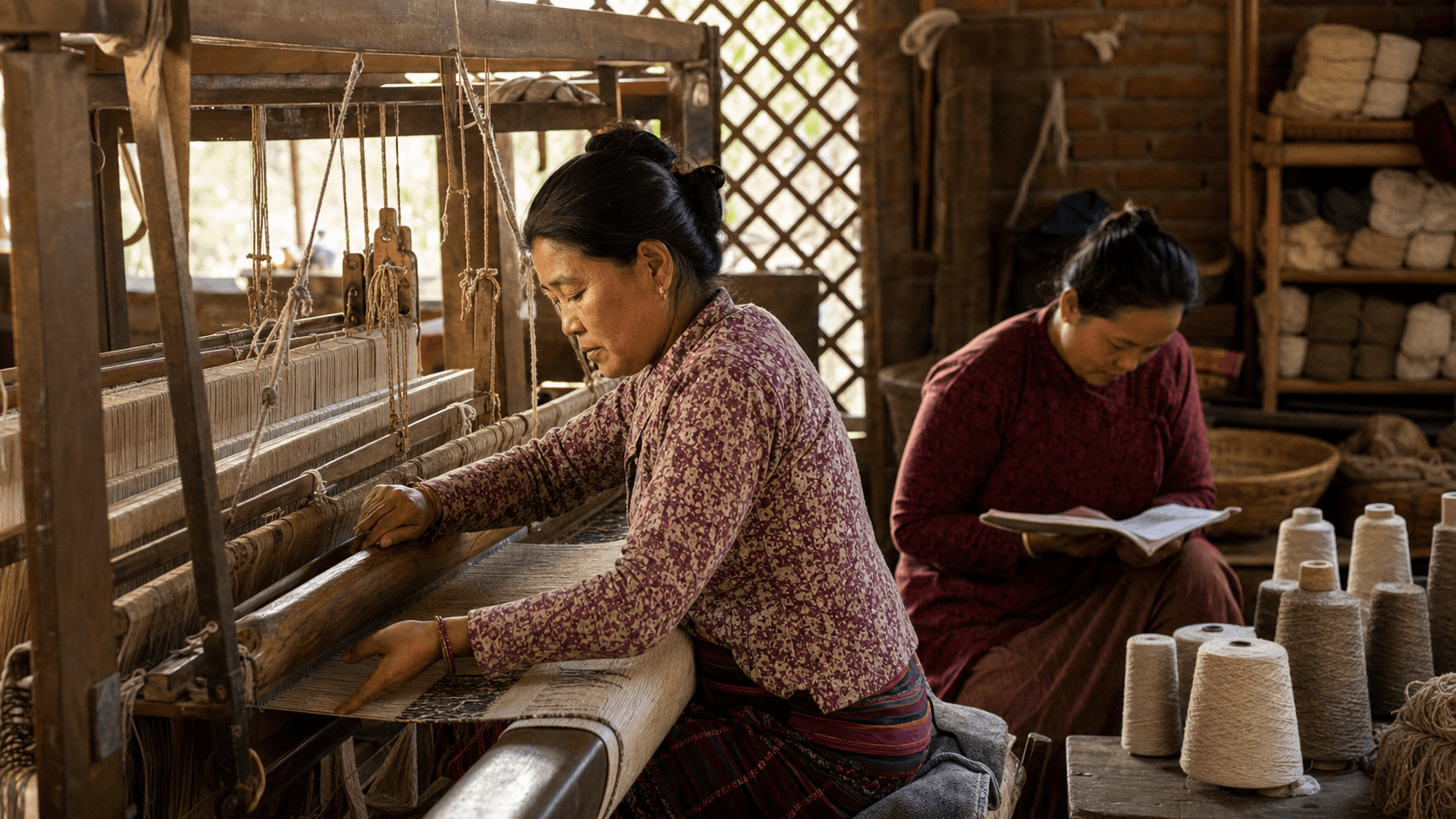
Commercial and export documents should tell one consistent story about the product, buyer, value, quantity and transport movement.
- Commercial invoice with a specific product description
- Detailed packing list
- Airway bill or bill of lading
- Correct HS-code or commodity-code information
- Origin declaration or other appropriate proof of origin
- Export customs declaration
- Buyer and seller details
- Insurance document where applicable
- Product catalogue or material information
- Product-specific certificates when required
For Nepal-side documentation and trade information, the Nepal Trade Portal is a useful official starting point. Make the final document set match the actual packed shipment.

Planning a Nepal-to-UK shipment?
Share the product, HS code, origin information, packed dimensions and buyer location. Sea Sky can help prepare the freight and document plan before dispatch.
Product-specific UK checks
A preferential tariff does not replace UK product requirements. Food, beverages, herbs, plant products, cosmetics, essential oils, textiles and wooden handicrafts can have extra labeling, safety, health or material requirements.
For example, food goods may need ingredients, allergen, expiry and packaging information. Textiles may need material composition and care labeling. Herbs and plant products may need botanical or phytosanitary evidence. Wooden items may need treatment information where relevant.
Confirm the buyer's product, packaging and delivery specifications before production is complete. That gives time to fix labels and certificates without turning a finished order into a warehouse ornament.

Air freight or sea freight from Nepal to the UK?
The right transport mode depends on the packed size, value, urgency and buyer deadline. Nepal is landlocked, so sea freight involves an international gateway and inland coordination as part of the full plan. Use Sea Sky's air freight from Nepal and sea freight from Nepal pages to start the route conversation with actual cargo details.
| Shipment profile | Usually compare first | Why |
|---|---|---|
| Samples, urgent orders and high-value goods | Air freight | Fast, suitable for smaller time-sensitive cargo |
| Tea, fashion replenishment and boutique orders | Air freight | Protects delivery time and buyer commitments |
| Carpets, bulky handicrafts and heavy commercial orders | Sea freight plus inland transit | Can reduce cost when volume and lead time allow |
| First order with a new buyer | Small pilot shipment | Validates packaging, documents and destination process |
Common export mistakes to avoid
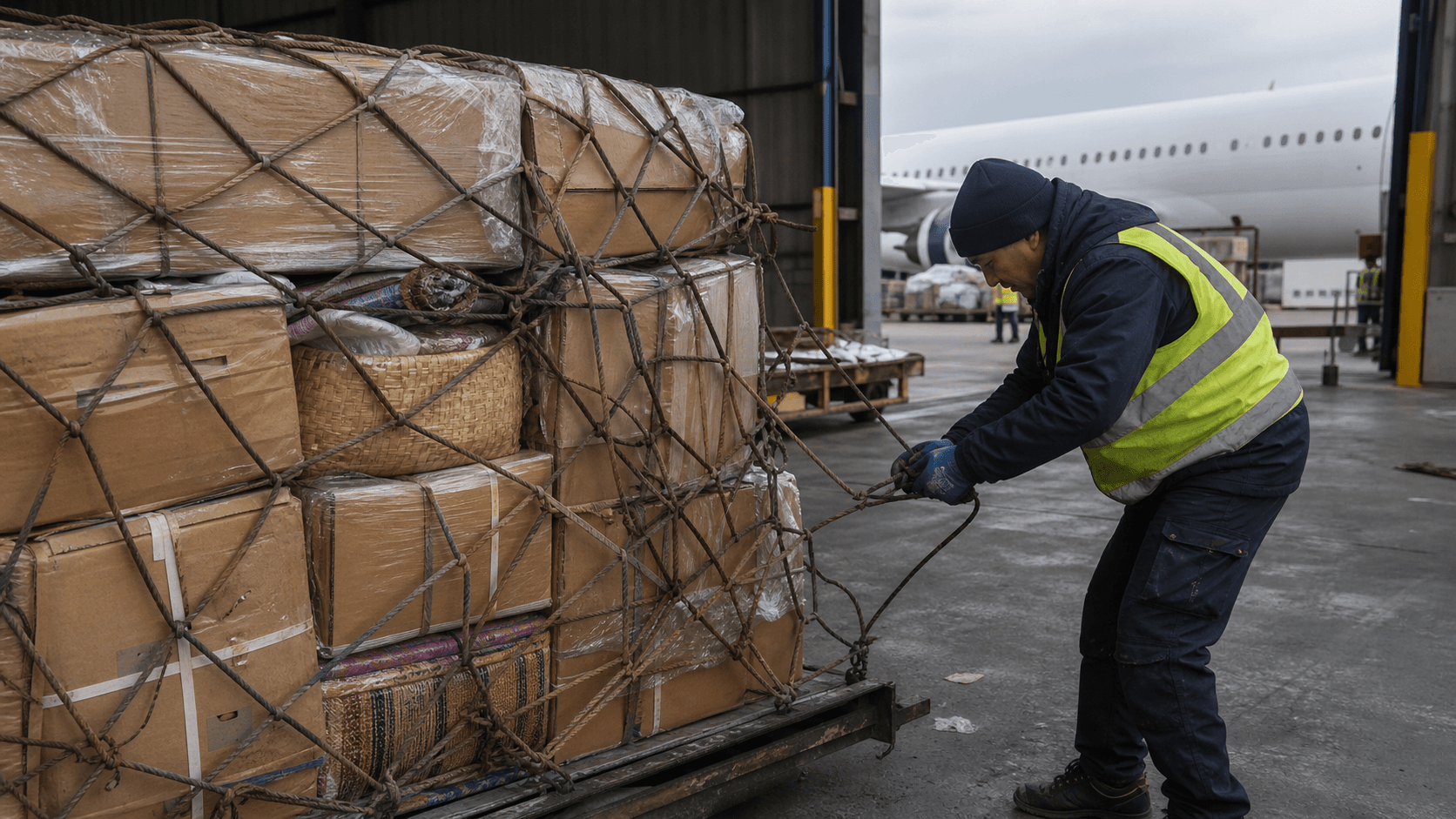
Export delays usually start before freight is booked. Common mistakes include assuming all Nepal-made products are duty-free, using a vague HS code, missing origin evidence, writing unclear product descriptions, ignoring UK product requirements, poor packing and arranging freight too late.
Do not treat the supplier invoice as the whole export file. Make sure the product description, value, quantity, origin information, packing list and transport booking are consistent.
For classification context, read Sea Sky's HS code Nepal customs guide before relying on an unverified code.
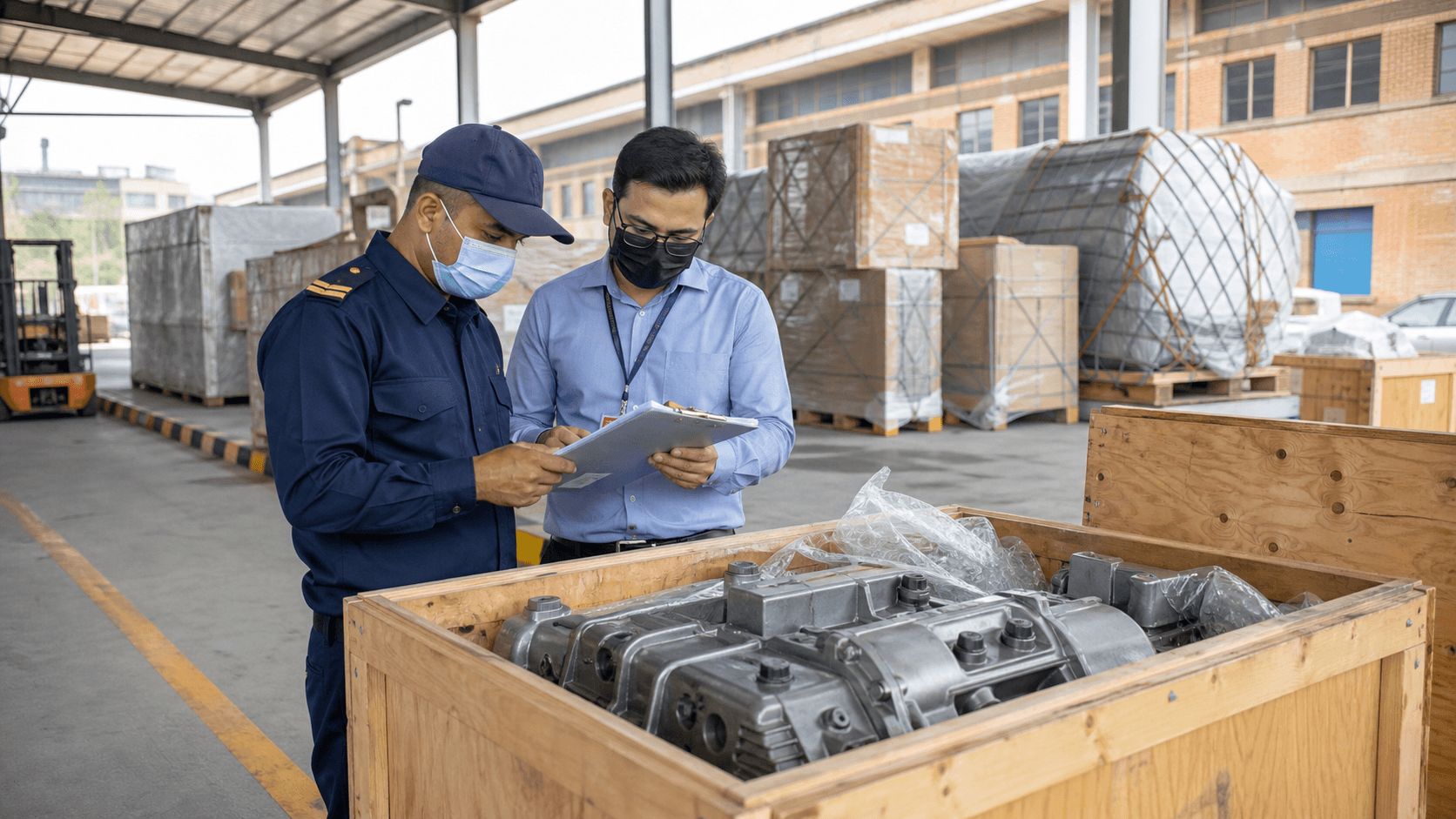
How Sea Sky Cargo helps exporters
Sea Sky Cargo helps Nepali exporters plan Nepal-to-UK movements around the product, buyer timing and documentary requirements. Support can include freight-mode comparison, export-file readiness, air and sea freight coordination, packaging planning and customs coordination.
Share the product description, HS code, origin information, invoice draft, packing details, collection address, buyer delivery point and required arrival date. That lets the shipment be planned as a real movement rather than a hopeful quote.
For Nepal-side customs planning, see Sea Sky's Importer of Record service and relevant clearance guidance. The aim is a clean handoff from Nepal production to the UK buyer.

Frequently asked questions
Can Nepali products be exported to the UK duty-free? Eligible Nepal-origin goods can receive preferential treatment under the UK DCTS when the product and origin conditions are met.
Do all products qualify automatically? No. Check the commodity code, applicable origin rule and UK import requirements before shipping.
Which documents are commonly needed? Invoice, packing list, transport document, export declaration, origin evidence and product-specific certificates are common examples.
Is air or sea freight better? Air is commonly best for urgent, small or high-value goods. Sea can be better for heavy, bulky and less time-sensitive cargo.
Can Sea Sky help? Yes. Sea Sky can help plan freight, organize documents and coordinate the Nepal-to-UK shipment.

Give your UK buyer a shipment they can receive confidently
Sea Sky can help you review export readiness, choose air or sea freight and coordinate the Nepal-to-UK movement.
Related posts
1970-01-01
Sea + Air Freight: How SeaSky Helps Businesses Ship Smarter
2026-10-15
Last-Mile Delivery in Nepal: How Businesses Can Reduce Delays and Delivery Costs
2026-10-13
Last-Mile Logistics in Nepal: Challenges, Costs and Solutions
2026-10-12