Introduction
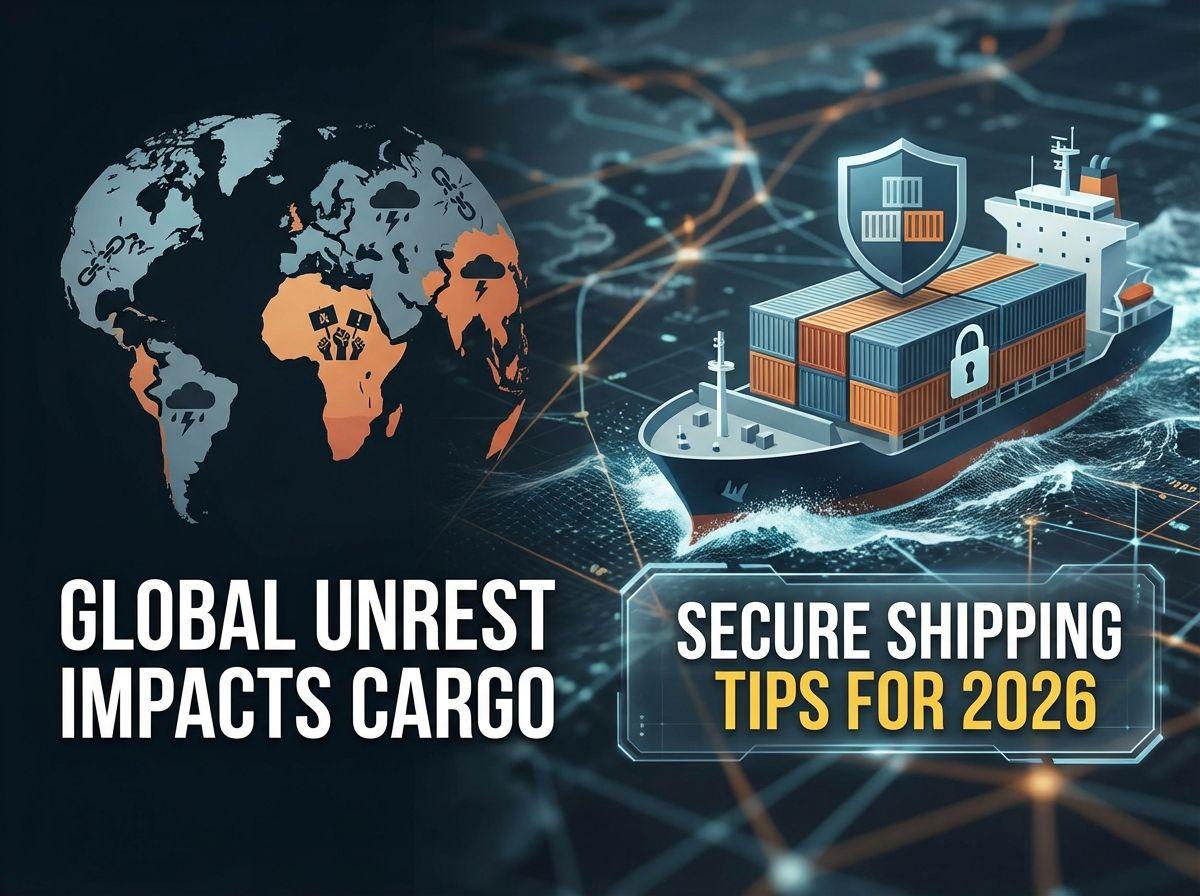
In today’s freight market, disruption is no longer a rare event it is part of the operating environment. Conflicts, port strikes, border closures, airspace restrictions, labor shortages, and sudden regulatory changes can all interrupt shipments with little warning. For businesses in Nepal and South Asia, the impact is often amplified because most cargo depends on a small number of ocean gateways, cross-border road corridors, and transshipment hubs.
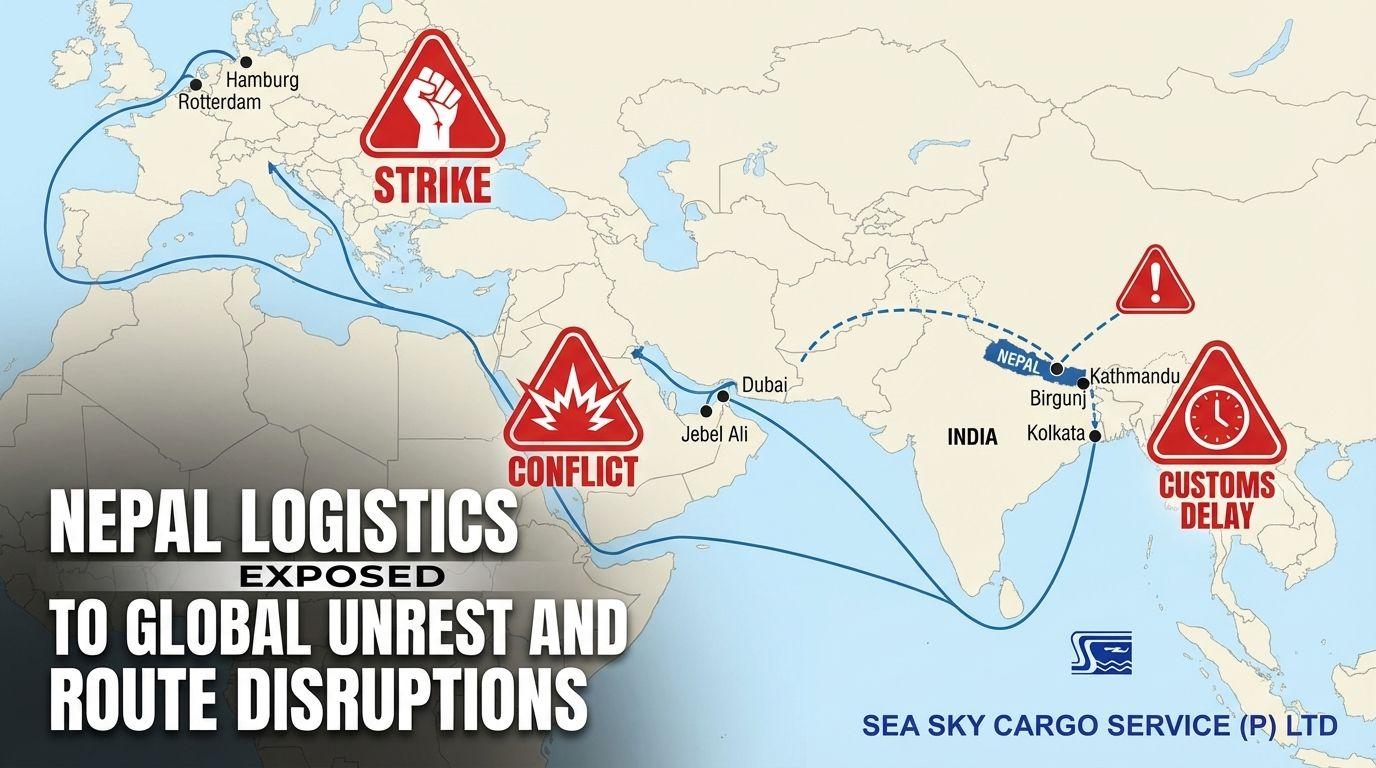
That means a crisis far from Nepal can still affect a shipment leaving Kathmandu, Birgunj, or Bhairahawa. A closure in the Middle East, a labor strike in Europe, or a port slowdown in India can quickly become a delay, a surcharge, or a customer complaint for Nepali importers and exporters.
Why Nepal Is Exposed
Nepal is landlocked, so almost every international shipment must pass through at least one foreign corridor before it reaches the ocean or a final destination. That makes the country especially sensitive to port congestion, route closures, and transit-country policy changes. Even a short disruption at a gateway can create longer delays inland because containers, trucks, and rail slots are limited.
For exporters, this can mean missed vessel cutoffs and slower delivery to overseas buyers. For importers, it can mean stockouts, higher landed cost, and unexpected demurrage or detention charges if cargo sits at a port or border too long.
Key Risks During Unrest
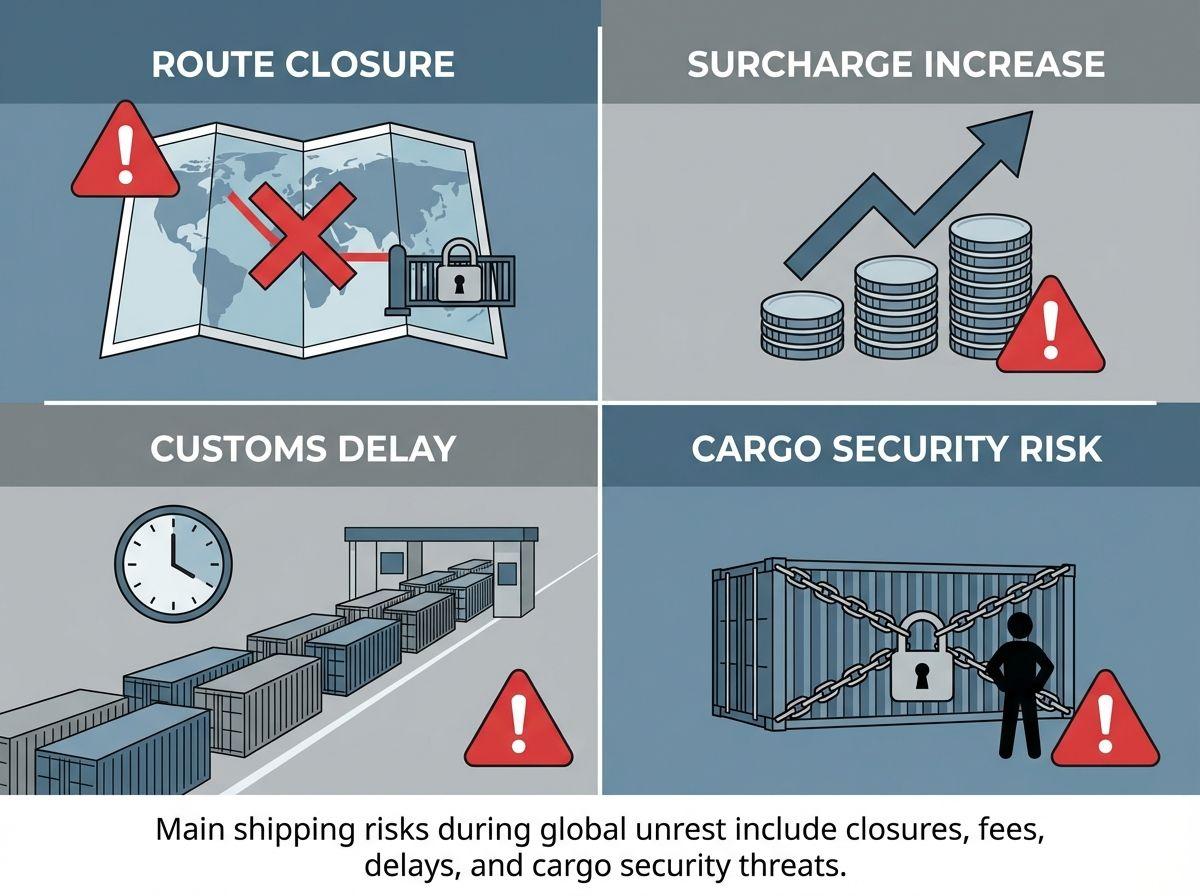
One of the biggest risks is route closure. When a port, border crossing, sea lane, or air corridor is disrupted, carriers may suspend service, reroute cargo, or stop accepting new bookings altogether. That can happen suddenly, and it usually affects both current shipments and new orders.
Another common issue is cost inflation. Shipping lines may add war-risk premiums, peak season surcharges, diversion fees, or bunker adjustments when they need to avoid risky corridors or travel longer distances. For shippers, that means the freight quote you saw last week may no longer be valid today.
There is also customs and regulatory slowdown. During unrest, authorities often increase inspections, tighten documentation checks, or slow release times for sensitive goods. Finally, security risks rise too: cargo can be misrouted, stolen, damaged, or delayed if a shipment is moved through a congested or unstable corridor.
Recent Examples
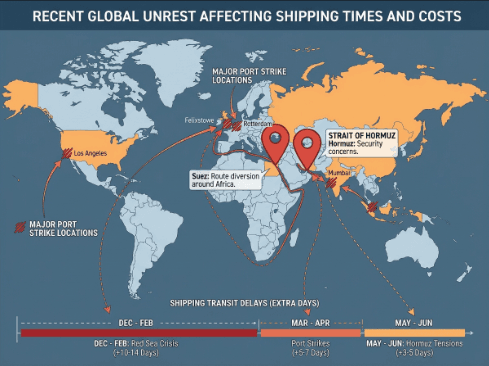
The Strait of Hormuz disruption in 2026 showed how quickly a regional crisis can ripple through global logistics. UNCTAD noted that the disruption affected shipping flows through this narrow passage and created wider consequences for trade and development. Carriers responded by diverting vessels and, in some cases, rerouting around the Cape of Good Hope, which added days or even weeks to transit times.
The Suez Canal and Red Sea disruptions have had a similar effect in other periods of conflict, forcing ships onto longer routes and increasing insurance and fuel costs. Labor strikes in Europe and port congestion in North America have also created bottlenecks that hold up cargo even when the origin and destination countries are not directly affected.
For Nepal-based businesses, these events matter because they influence the rates and schedules of the very carriers and transshipment hubs used for cargo to and from Nepal. A delay in a major hub can add several days to a shipment that is otherwise moving normally from Kathmandu or Birgunj.
How to Reduce Risk
The first step is real-time tracking. When you can see where your cargo, vessel, truck, or flight is at any moment, you can react faster if a route changes or a delay starts to build. Tracking also helps you update your buyers before they start asking questions.
The second step is flexible routing. Good logistics planning should include a primary route and at least one fallback route or mode. If sea freight becomes unstable, a move through a different transshipment hub or a temporary switch to air for urgent cargo can protect delivery commitments.
The third step is choosing partners with strong regional networks. A forwarder with contacts across ports, border posts, and inland transport can rebook faster and solve problems that smaller operators cannot. Finally, keep up with news and regulatory changes so you can spot disruption before it reaches your booking desk.
Sea Sky’s Commitment
Sea Sky Cargo Service focuses on proactive communication because in an unstable market, silence is expensive. The company’s regional experience across Nepal, India, Bhutan, and wider South Asia gives it visibility into inland movement, border operations, and port handling that matter when conditions change quickly. That helps the team reroute cargo, adjust timing, and keep customers updated without waiting for a crisis to grow worse.
Sea Sky also emphasizes secure handling and practical contingency planning. That means checking route options early, advising customers about timing risks, and using its network to reduce the chance of last-minute surprises. In a market where cost savings can disappear overnight, that kind of support becomes part of cargo protection.
Conclusion
Global unrest is unlikely to disappear from logistics anytime soon, so the best strategy is not to hope for perfect conditions it is to build resilience into your shipping plan. For Nepal and South Asia especially, the right logistics partner can protect your cargo from route closures, price shocks, and delays by acting early and communicating clearly.
If you want a shipment risk review or a custom shipping plan for uncertain times, talk to Sea Sky Cargo’s logistics team. A well-planned route today can prevent costly surprises tomorrow.
Get Quotes
Built for freight forwarders handling FCL, OOG, heavy or project cargo into Nepal and South Asia. Use it to check routes, documents, handoffs and risk points before quoting your client.
Related posts
1970-01-01
Sea + Air Freight: How SeaSky Helps Businesses Ship Smarter
2026-10-05
Landed Cost in Nepal: A Step-by-Step Import Cost Worksheet
2026-10-04
Demurrage vs Detention for Nepal Imports: Free Time, Indian Port Charges and How to Avoid Them
2026-10-01