
Confirm the supplier
The first step is to confirm that the supplier in China is real, reliable, and able to provide the exact product you need. Before placing a large order, importers should check the company profile, product photos, responsiveness, sample quality, and any certifications that may be relevant to the product.
A supplier check matters because many import problems begin before the cargo is even shipped. If the supplier is unclear about the product specification, quantity, packaging, or labeling, those mistakes often show up later during customs clearance in Nepal.

Check product documents
Before shipping, importers should ask the supplier for draft documents and review them carefully. The most important ones are the commercial invoice, packing list, transport document, and any product-specific certificates or test reports that may be required.
The details on these documents must match. Product name, quantity, weight, value, consignee name, and shipment description should all be consistent across the file. When those details do not match, customs may request clarification and the shipment can slow down.
Choose the right freight
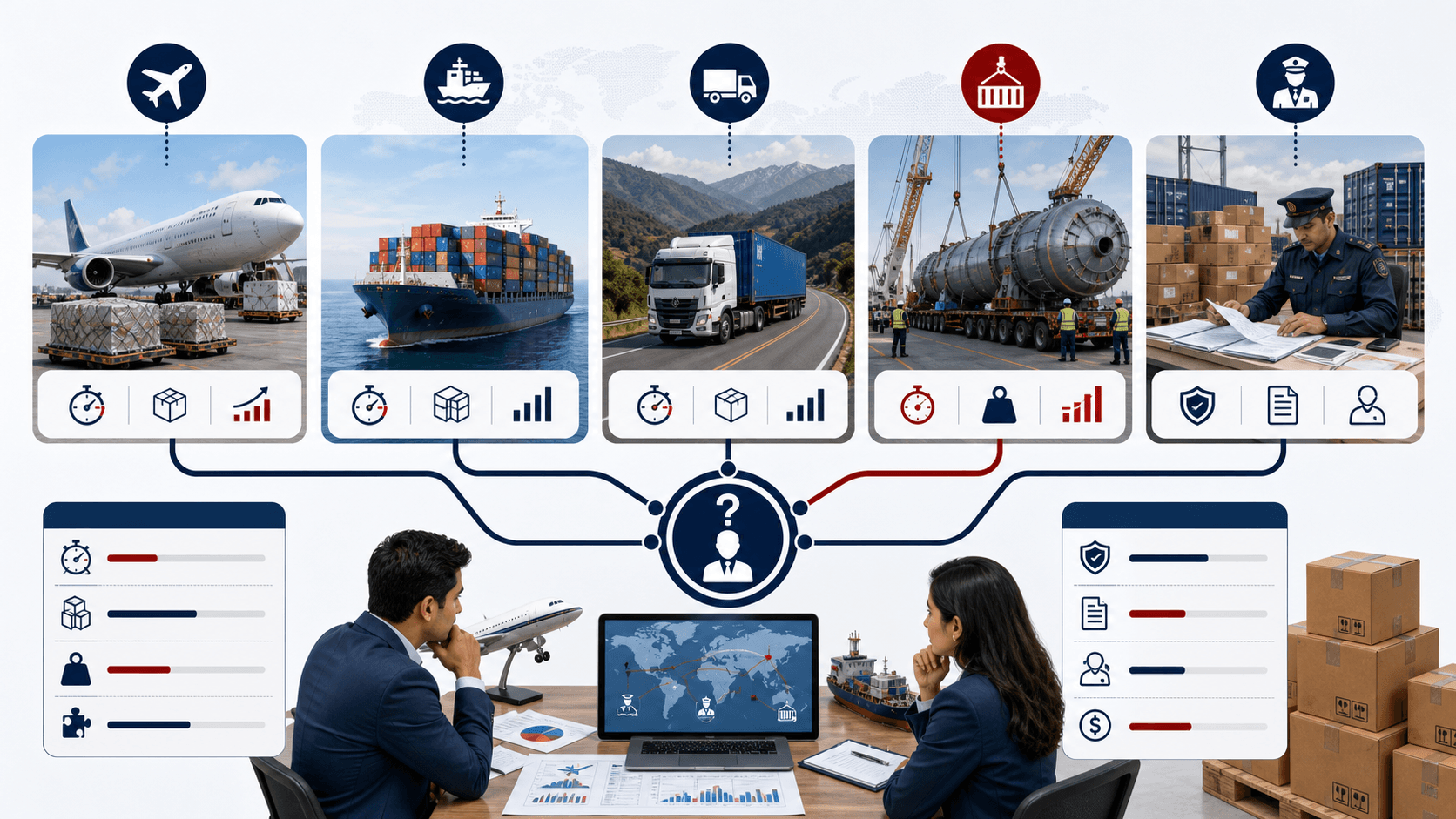
Once the documents are ready, the next step is choosing the best transport method. In general, air freight is used for urgent or higher-value goods, sea freight is used for larger and less urgent cargo, and road or multimodal routes may work depending on the origin point and cargo type.
For many Nepal-bound shipments, the route is not simply China to Nepal in one straight line. Depending on the cargo and origin, the freight may move by air to Kathmandu, by sea to a nearby port and then inland, or by road through border-linked routes when available. The right choice depends on timing, budget, product type, and customs readiness.
Prepare customs paperwork
Good importers prepare the customs file before the cargo leaves the supplier. In Nepal, the core file usually includes the invoice, packing list, bill of lading or airway bill, origin documents if needed, company registration or taxpayer details, and any special permits for the product.
Some goods need more than standard shipping papers. Regulated or restricted products may need import licenses, certificates, or approvals before the cargo can clear. If those documents are missing, the shipment may arrive on time but still get delayed at customs.
Understand Nepal customs
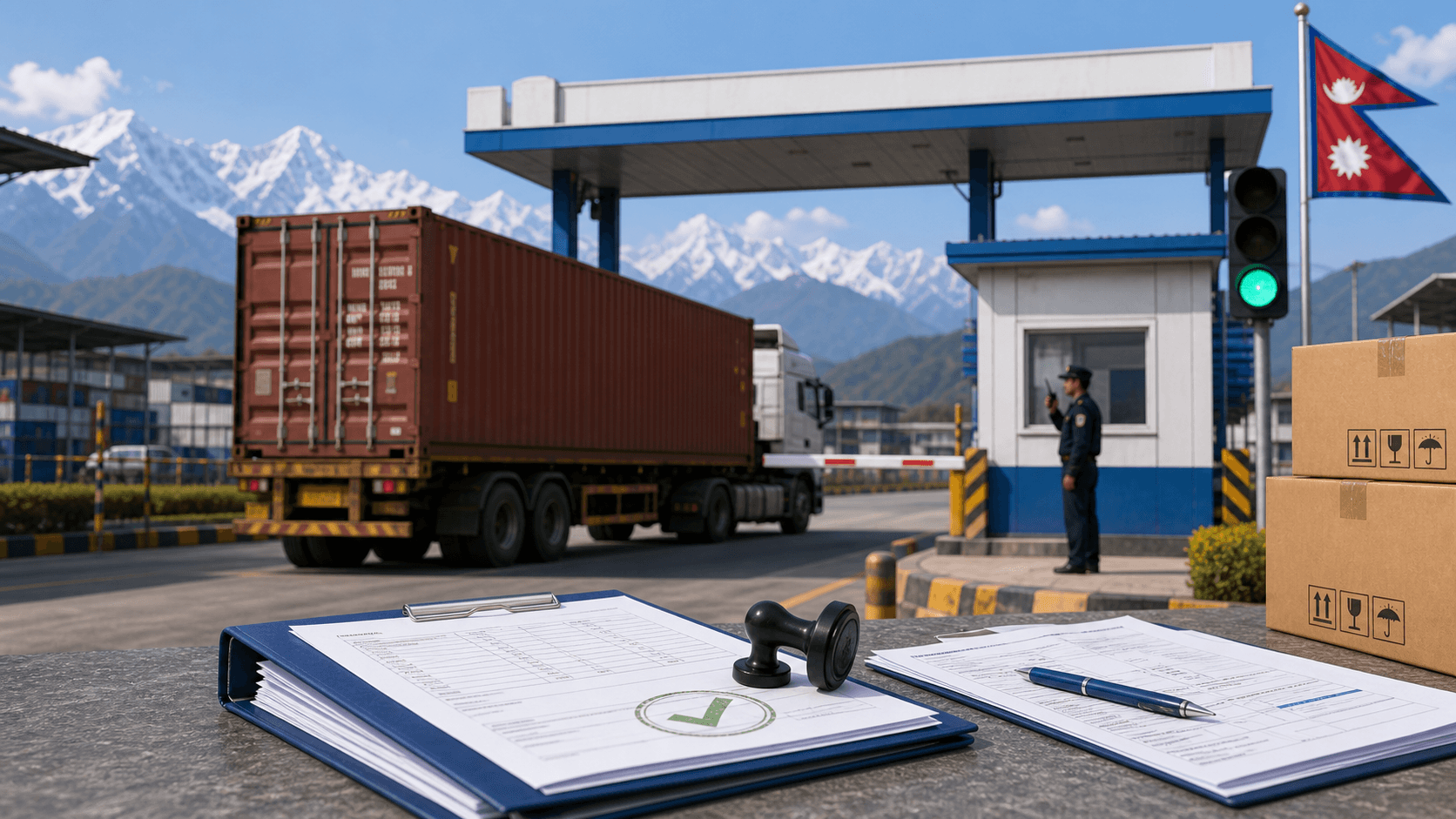
Nepal customs clearance is the step where the shipment is checked against its documents, HS code, declared value, and permit requirements. Customs may inspect the cargo or ask for additional support if anything looks unclear or inconsistent.
This is why accurate descriptions and classification matter so much. A vague product name or a wrong HS code can lead to questions, reassessment, or delay. The smoother the documents are before arrival, the faster the cargo can move through release.
Common delays to avoid
The most common delays are usually simple mistakes. Wrong HS codes, incomplete invoices, missing permits, unclear product descriptions, and mismatched quantities between documents can all hold a shipment back.
Another common issue is waiting too long to verify paperwork. Importers sometimes confirm the shipment only after it is already moving, which leaves no time to fix errors before arrival. The best practice is to review the documents before cargo departure, not after it is already on the way.
How Sea Sky Cargo helps
Sea Sky Cargo helps importers manage the process from freight booking to customs coordination. Its public guides show support for document preparation, route planning, customs clearance, and shipment tracking, which are the main pressure points in China-to-Nepal importing.
That support is useful because imports are not only about transport. They also require compliance, coordination, and fast response when customs asks for clarification. Sea Sky’s broader logistics profile also shows experience with Nepal-linked routes, customs support, and complex cargo movement through South Asia.

Simple import checklist
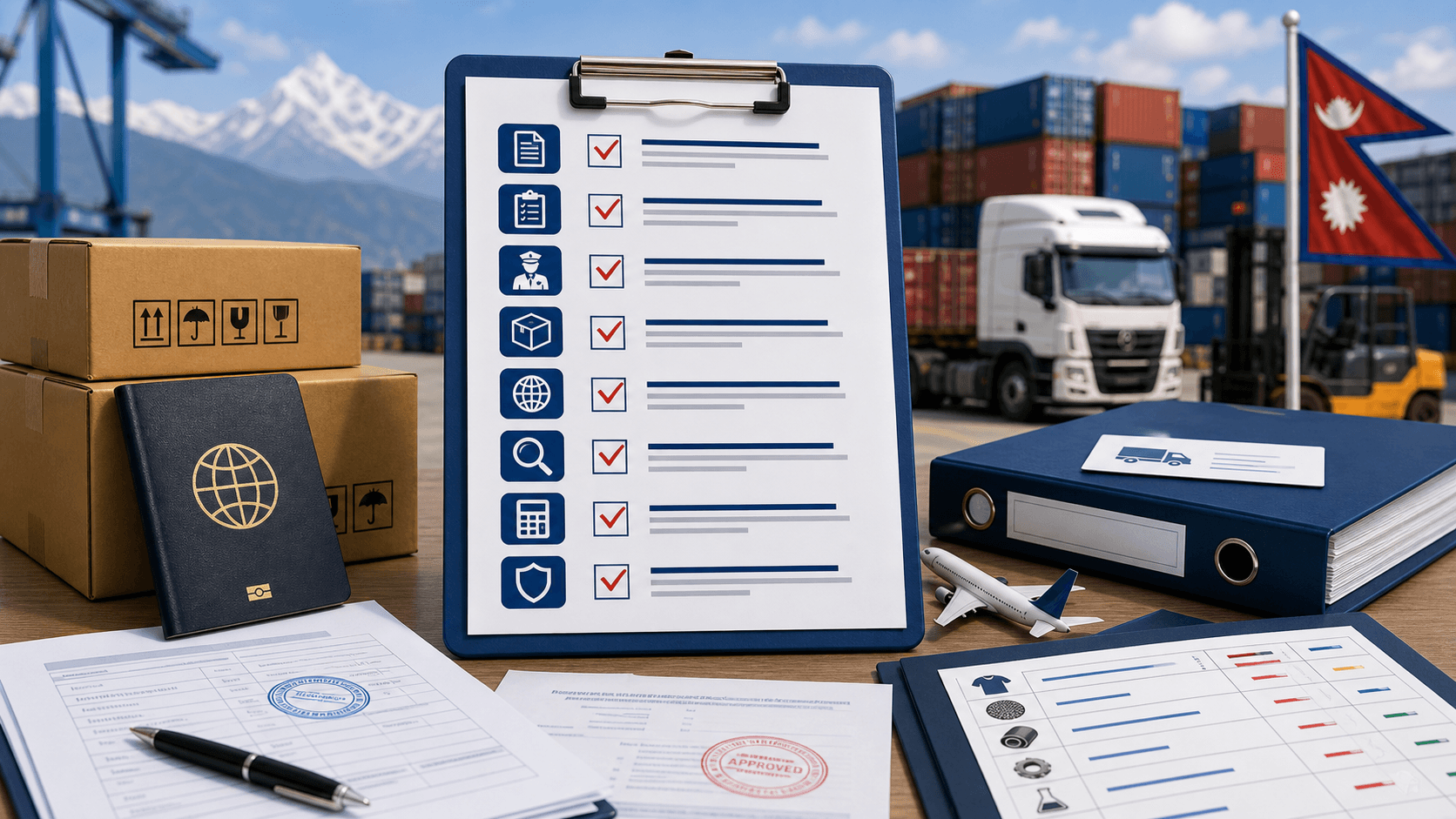
Use this basic checklist before the shipment moves:
Confirm the supplier and product specification.
Ask for draft invoice and packing list.
Check the HS code early.
Confirm whether permits or certificates are required.
Choose the right freight method.
Make sure all document details match.
Prepare for Nepal customs review before arrival.
This checklist looks basic, but it solves many of the problems that slow down imports from China to Nepal.
Conclusion
Importing goods from China to Nepal in 2026 is much easier when the process is handled step by step. The key is to confirm the supplier, check documents early, choose the right freight, and prepare for Nepal customs before the shipment moves.
When importers treat customs and freight as one connected process, they reduce delays and improve delivery reliability. Contact SeaSky for hands-on customs clearance help if you want support with supplier coordination, shipping documents, freight booking, and Nepal import clearance.
Related posts
1970-01-01
Sea + Air Freight: How SeaSky Helps Businesses Ship Smarter

2026-09-28
E-commerce Logistics Nepal: Cross-Border Shipping from China, India, and the Gulf
2026-09-27
Monsoon Logistics in Nepal: How to Plan Shipments Around Floods and Landslides
2026-09-25