Sea Sky Cargo Project Cargo: Built on Real Projects
Sea Sky Cargo’s project cargo story is not based on marketing claims it is built on real heavy-lift and over-dimensional jobs completed over decades. The reference list shows feasibility studies, road surveys, customs handling at Kolkata and Haldia, inland transport, escort supervision, border clearances, and delivery up to the final foundation site.
That is what makes project cargo different from standard freight. A normal container booking only needs a port-to-port move, but project cargo needs route engineering, bridge checks, customs coordination, special equipment, and careful unloading at the project site. Sea Sky has handled all of that for hydropower, transmission, road, and UN projects in Nepal and Bhutan.
What Sea Sky Actually Handles
The project reference document shows Sea Sky’s scope of work in detail: feasibility studies, road surveys, budget calculations, customs clearance at Kolkata/Haldia, transportation to site, supervision and escort, border clearance at Indo-Nepal or Indo-Bhutan crossings, and delivery all the way to the project foundation.
That scope matters because project cargo fails when one link in the chain breaks. A transformer may clear port customs, but if the road survey is wrong, a bridge may not hold the load. A machine may arrive at the border, but if escort timing is wrong, the cargo can be delayed for days. Sea Sky’s value is that it manages the entire chain instead of just one leg.

Case Study: 132 KV Khimti–Bhaktapur–Balaju
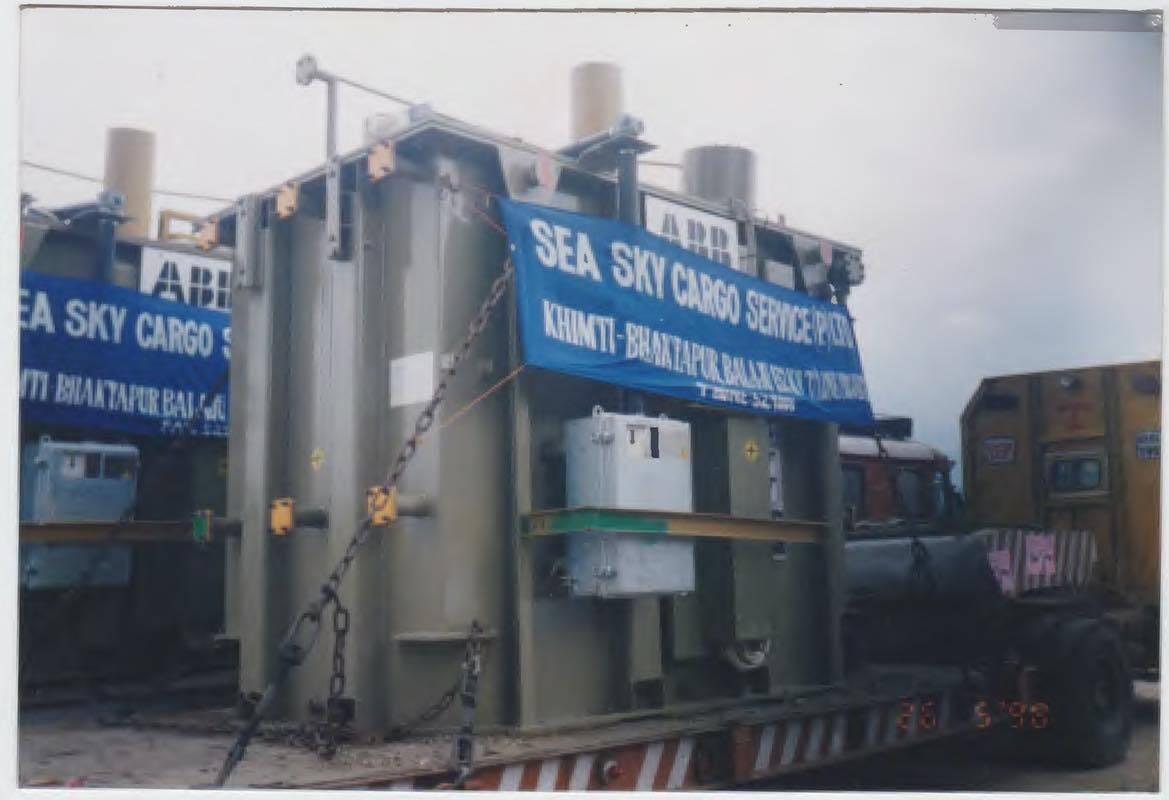
One of the earliest major references is the 132 KV Khimti–Bhaktapur–Balaju Transmission Line Project, shipped for ABB Transmit OY of Finland to Nepal Electricity Authority in 1998–1999. Sea Sky handled 5 power transformers, each 30 tons gross weight, along with 45 TEUs including 20', 40', 40' OT, 40' HQ, and 45' units.
This project is notable because 45-foot containers were transported for the first time in Nepal according to the reference document. That means Sea Sky wasn’t simply moving cargo it was helping introduce equipment and transport methods that required advanced planning and coordination with Indian ports, transit authorities, and inland transport operators.
For a project like this, Sea Sky had to think about more than freight rates. It had to manage transformer handling, route feasibility, customs transit, oversize load movement, and delivery timing so the power line could be built without interruption.
Case Study: 45 MW Bhote Koshi Power Project
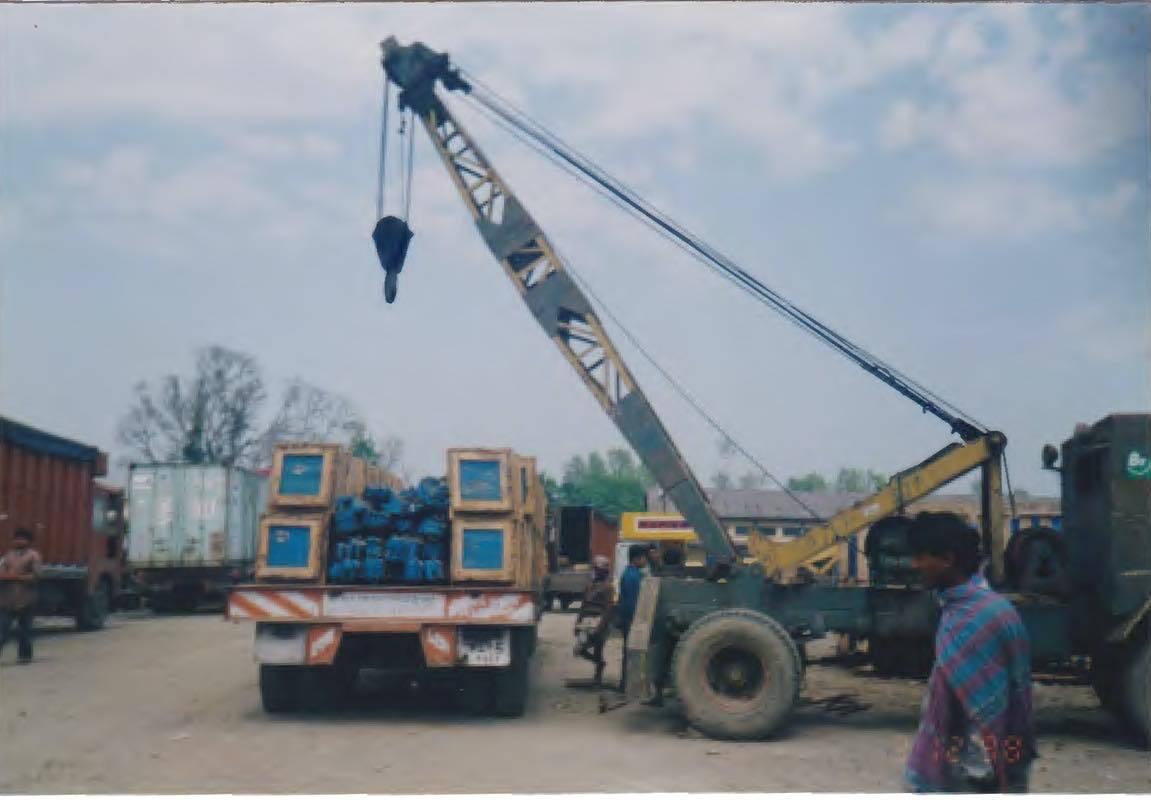
The Bhote Koshi Power Project is another strong example. Sea Sky handled cargo for Atlas Polar of Canada to Bhote Koshi Power Company during 2001–2002. The shipment included 25 TEUs, including 40' open-top containers.
Hydropower projects in Nepal are among the most difficult logistics jobs because they combine imported machinery, inland mountain roads, weather risk, and limited site access. Sea Sky’s work here would have required cargo planning from the port all the way to the construction zone, with careful attention to container type, lifting equipment, and road conditions.
A project like Bhote Koshi also shows why project cargo companies need strong local knowledge. Handling a 40' open-top container is not the same as moving a standard box. Sea Sky’s experience in Nepal’s terrain and transit environment is what makes this kind of delivery possible.
Bhutan Road Project and Cross-Border ODC
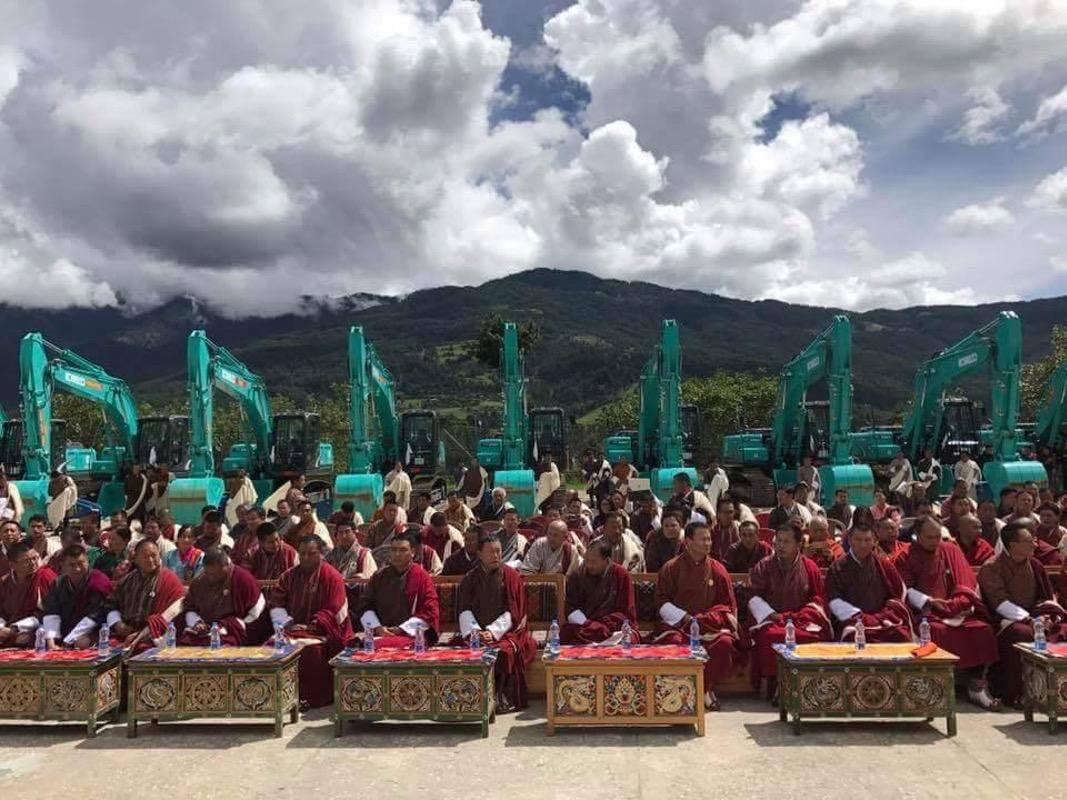
Sea Sky’s work was not limited to Nepal. The Bhutan Road Project shipped for Itochu Corporation of Japan to the Royal Government of Bhutan’s Ministry of Works and Human Settlement / Department of Roads. The cargo involved 2,500 feet of breakbulk and over-dimensional cargo, including a 47-ton mobile stone crushing and screening plant.
This kind of shipment is a classic example of ODC, breakbulk, and road-project logistics. The cargo is too large for a standard container, so the logistics company must coordinate special handling, route permits, border clearance, and final unloading at a project site that may be far from the port.
For Sea Sky, the Bhutan project demonstrates that it can manage cross-border project cargo across the Himalayas, not just within Nepal. That matters for customers who need a logistics partner that understands both Indian transit corridors and South Asian border procedures.
Why These Projects Matter for Clients
Sea Sky’s project references prove several things that matter to new customers:
- The company can manage heavy and oversized cargo, not just standard boxes.
- It understands route surveys, bridge limits, customs transit, escorts, and site delivery.
- It has worked on hydropower, transmission, road, and UN projects, which are among the most demanding categories in logistics.
- It has practical experience in Nepal, India, and Bhutan, which is essential for landlocked project cargo.
For a customer, that means less guesswork. If your shipment is a transformer, crusher, turbine, generator, or mission equipment, you want a forwarder that has already solved problems like yours before. Sea Sky’s project history is exactly that proof.

How Sea Sky Plans Project Cargo
Project cargo is never “book and forget.” Sea Sky’s process begins with feasibility studies and road surveys, then moves to customs handling at Kolkata or Haldia, transport to the project site, escort supervision, border clearance, and final unloading at the foundation or installation point.
That process reduces risk in ways clients can feel directly: fewer delays, fewer damaged goods, fewer permit surprises, and better control over time and cost. For large industrial shipments, this is the difference between a project staying on schedule and one that falls behind by weeks or months.
What This Means for Your Project
If your company is planning to import turbines, generators, crushers, steel structures, or other oversized equipment into Nepal or Bhutan, Sea Sky’s past projects show that it has already dealt with the same kind of challenge. That experience is especially valuable when the cargo must cross ports, borders, mountain roads, and project sites all in one journey.
Related posts
1970-01-01
Sea + Air Freight: How SeaSky Helps Businesses Ship Smarter
2026-10-01
Freight Forwarder vs Customs Clearing Agent in Nepal: Which Do You Need?
2026-09-28
E-commerce Logistics Nepal: Cross-Border Shipping from China, India, and the Gulf
2026-09-27