Shipping a Vehicle in 2026: Complete Guide to Costs, Customs, and Safe Delivery
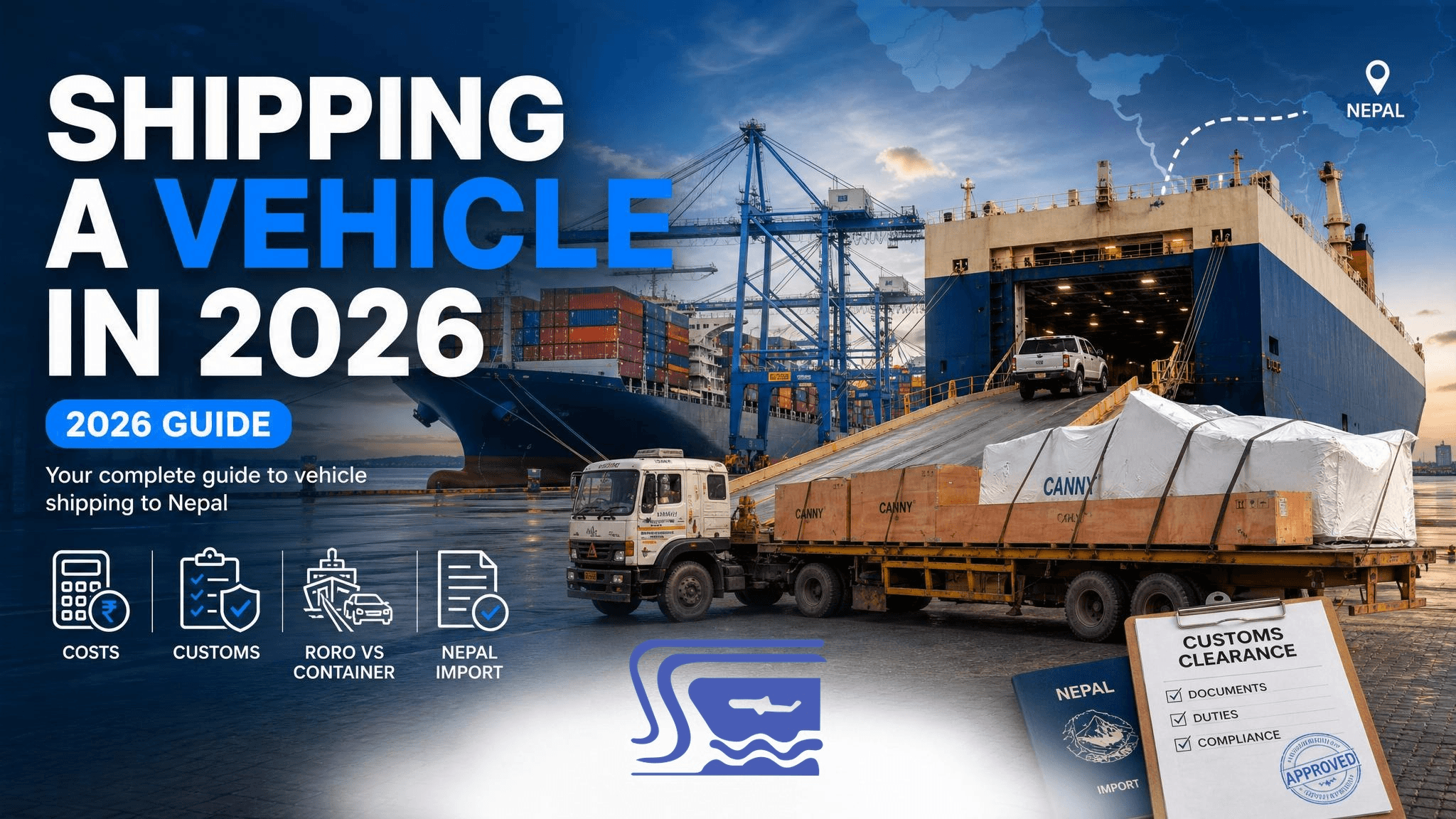
Shipping a vehicle in 2026 takes more than booking space on a vessel or truck. The best results come from choosing the right shipping method, preparing the customs documents early, and understanding how destination-country rules affect cost and timing.
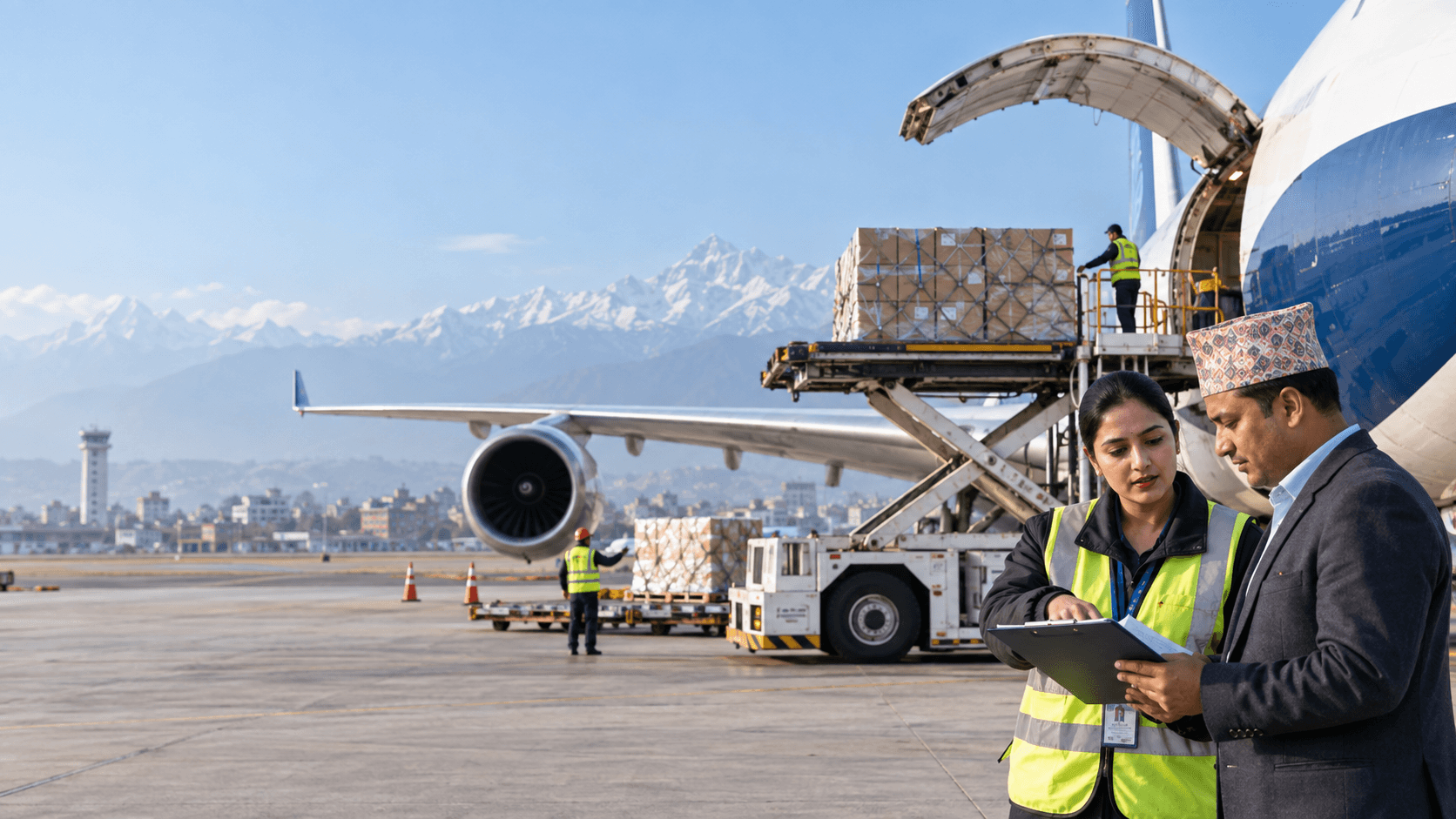
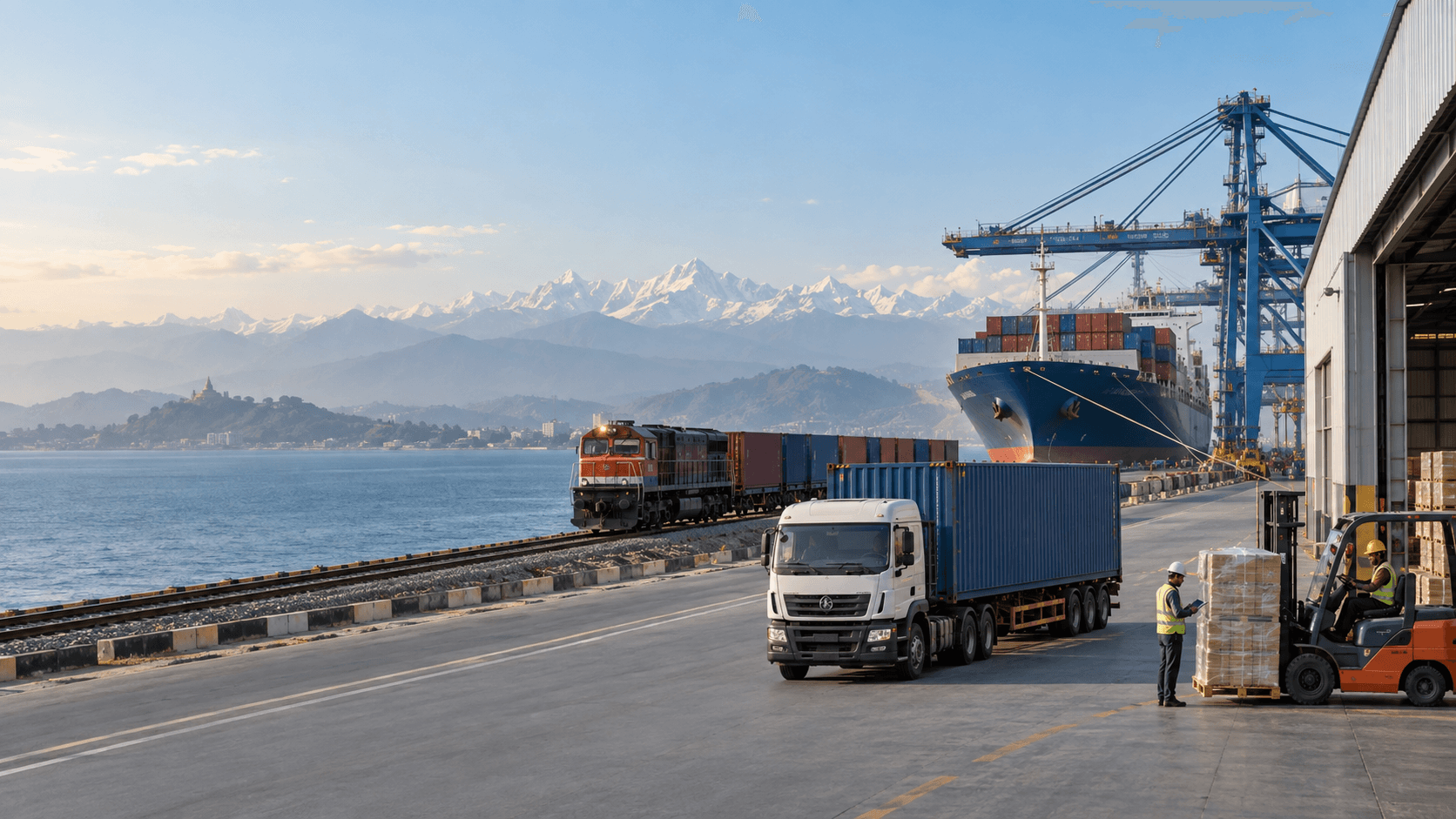
For Nepal-bound shipments, that planning matters even more because vehicles often move through India-linked gateways before final customs clearance in Nepal. That means the real process includes ocean freight or cross-border transport, customs compliance, and inland delivery together.
Vehicle shipping usually starts long before the car reaches the port. A strong plan at the beginning can reduce delays, lower handling risk, and make final delivery much smoother.
Shipping methods
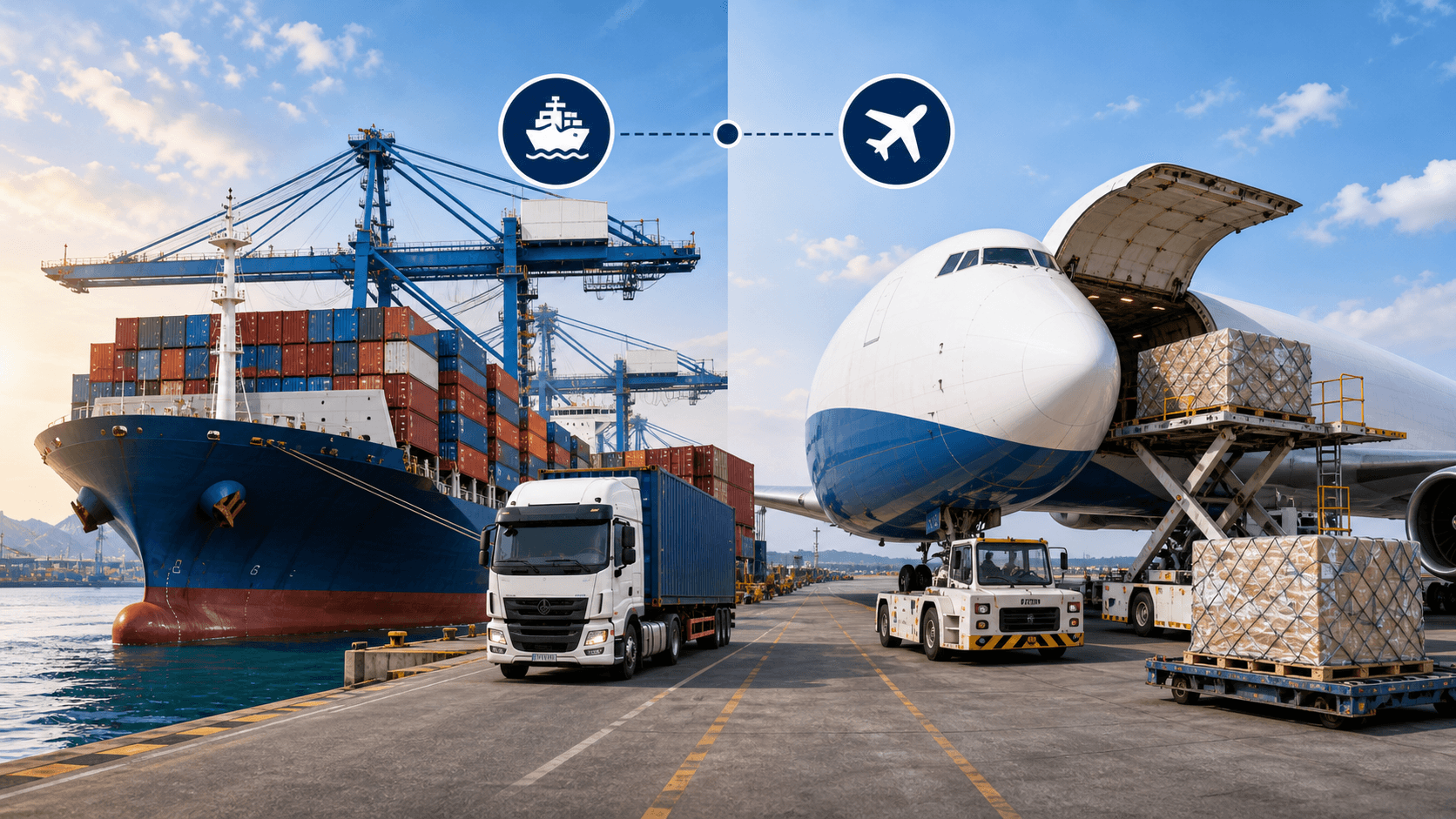
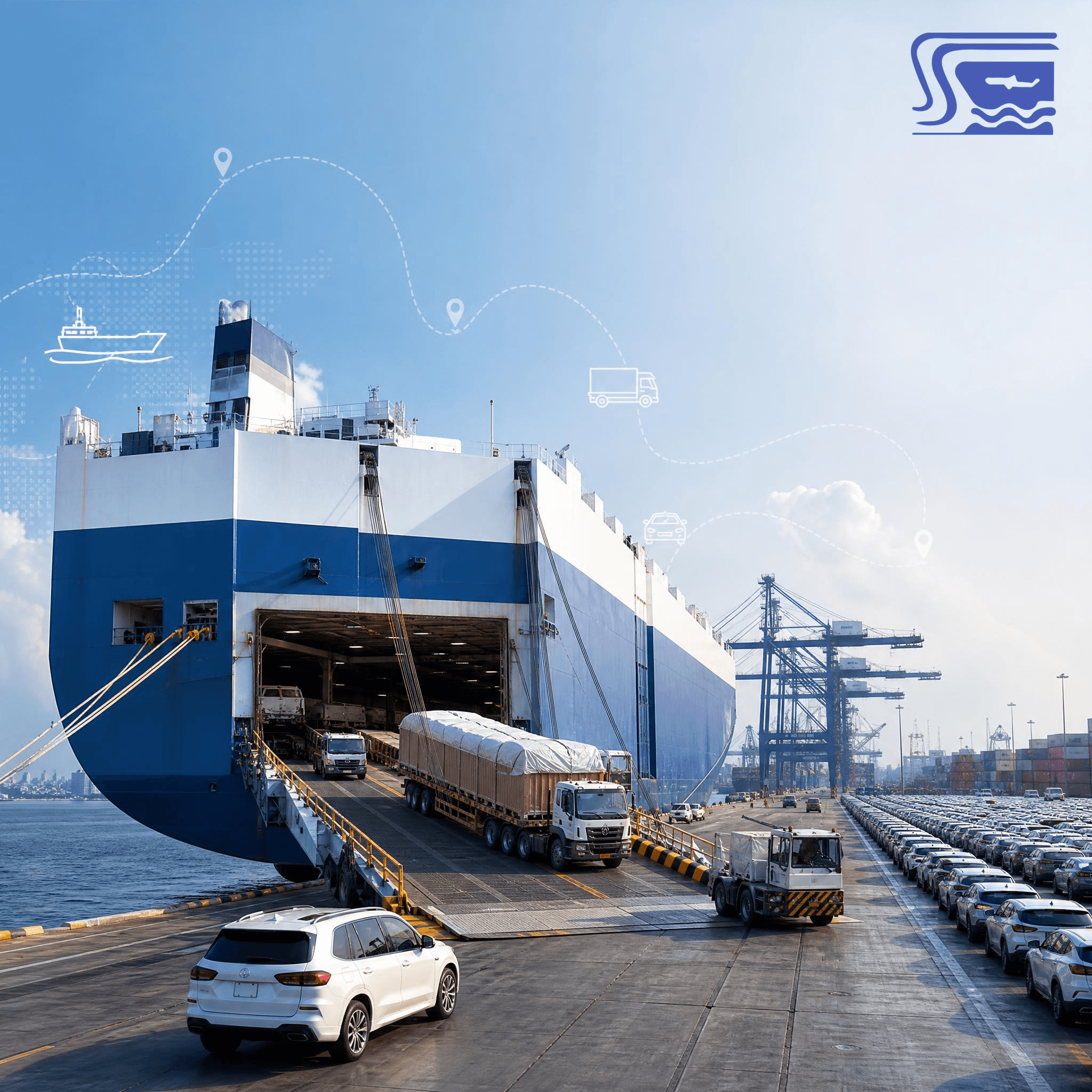
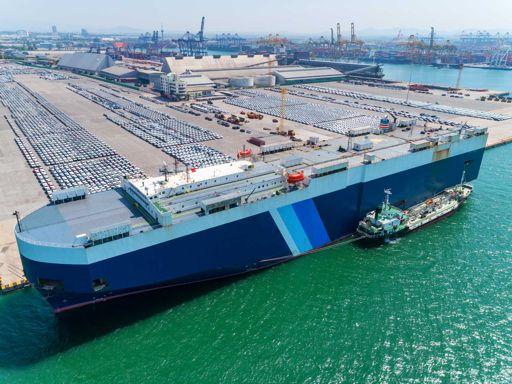
The two most common methods for international vehicle shipping are RoRo and container shipping. RoRo, or roll-on/roll-off, is used when the vehicle can be driven onto the vessel and secured for sea transit.
Container shipping is often chosen for high-value vehicles, classic cars, or shipments that need more protection from weather and handling. It can also be useful when accessories or related cargo must move with the vehicle under one booking.
RoRo is usually simpler for operable vehicles, while container shipping offers more security and flexibility. The best method depends on the vehicle type, destination, and how much protection the shipment needs.
Documents required
Vehicle shipping depends heavily on accurate paperwork. Common documents include the commercial invoice, vehicle registration or title, transport document such as a bill of lading, customs declaration, and any destination-specific license or import approval.
For Nepal imports, customs filing may also require proper HS code classification and additional approval steps depending on the vehicle type and import purpose. Missing or mismatched documents can delay the release even if the vehicle arrives on time.
It is also a good idea to keep copies of ownership records, insurance papers, and identification documents ready before the shipment departs. In international vehicle logistics, paperwork problems often create bigger delays than transport itself
Preparing the vehicle
Before shipping, the vehicle should be cleaned, photographed, and inspected for any pre-existing damage. This helps document its condition before handover and makes claims easier if there is a dispute later
The vehicle should also meet the carrier’s preparation rules, which may include checking the battery, limiting fuel, removing loose accessories, and confirming whether the car is operable. If the vehicle does not run, that must be declared in advance because not all methods handle non-running units the same way.
Good preparation reduces loading issues and protects the shipment from avoidable delays. It also helps the forwarder and carrier confirm the safest transport method before the vehicle reaches the terminal.
Cost and transit time
The final cost of vehicle shipping depends on the origin, destination, shipping method, inland transport, insurance, and customs charges. One 2025 guide for shipping cars to Nepal cites example prices from the U.S. ranging roughly from $2,500 to $5,400 depending on route and method, though actual 2026 quotes vary by vehicle type and port combination.
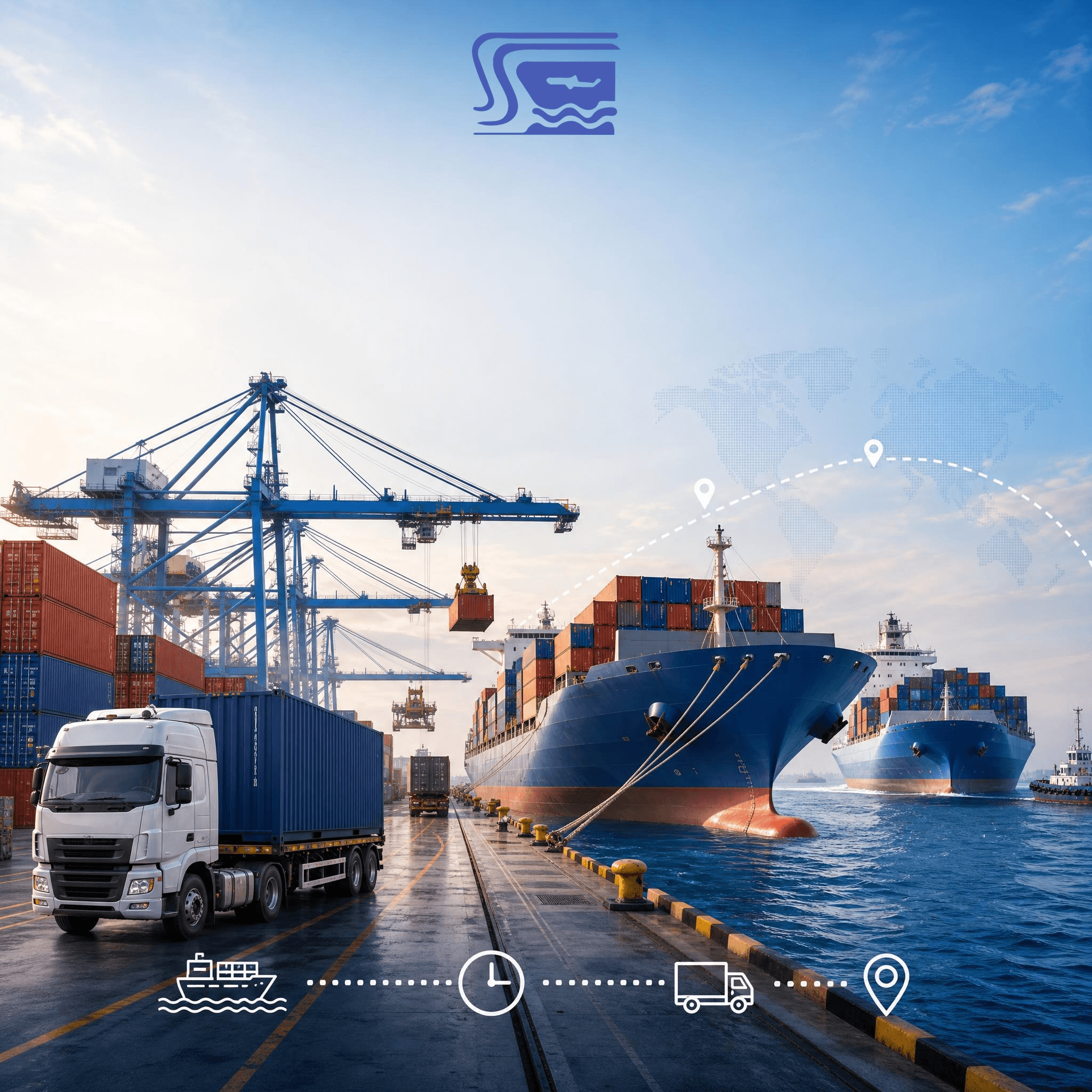
Transit time also varies widely by route. Some international vehicle shipments may take around 38 to 40 days on longer overseas lanes, and Nepal-bound moves can take longer because the journey often includes seaport handling plus inland movement from India into Nepal.
Freight cost is only one part of the budget. The total landed cost can increase significantly once customs duty, VAT, storage, terminal handling, and local delivery are added.
Nepal import rules
If the vehicle is being shipped to Nepal, customs and import rules should be confirmed before booking. Shipping guides and customs resources indicate that Nepal can apply substantial duties and taxes on vehicle imports, making pre-clearance planning essential.
There may also be additional requirements connected to import recommendation letters or vehicle category approvals. That means importers should not rely only on carrier advice; they should review Nepal-side customs and transport requirements in advance.
For Nepal, this is especially important because a shipment may arrive correctly at port but still face delay if import approval or classification is incomplete. The customs process should be treated as part of the shipping plan, not as a final step after arrival.
Common challenges
The most common vehicle-shipping problems are missing documents, incorrect customs classification, destination-side compliance issues, and underestimating the inland transport leg. These problems often create extra storage charges and release delays after the vehicle reaches the port.
Another frequent issue is choosing the wrong shipping method. A vehicle that should have gone by container may be exposed to more risk under a different setup, while a straightforward operable vehicle may not need the extra cost of a full container at all.
Working with a forwarder who understands both transport and customs can reduce these risks. The more complex the route, the more important that coordination becomes.
Sea Sky support
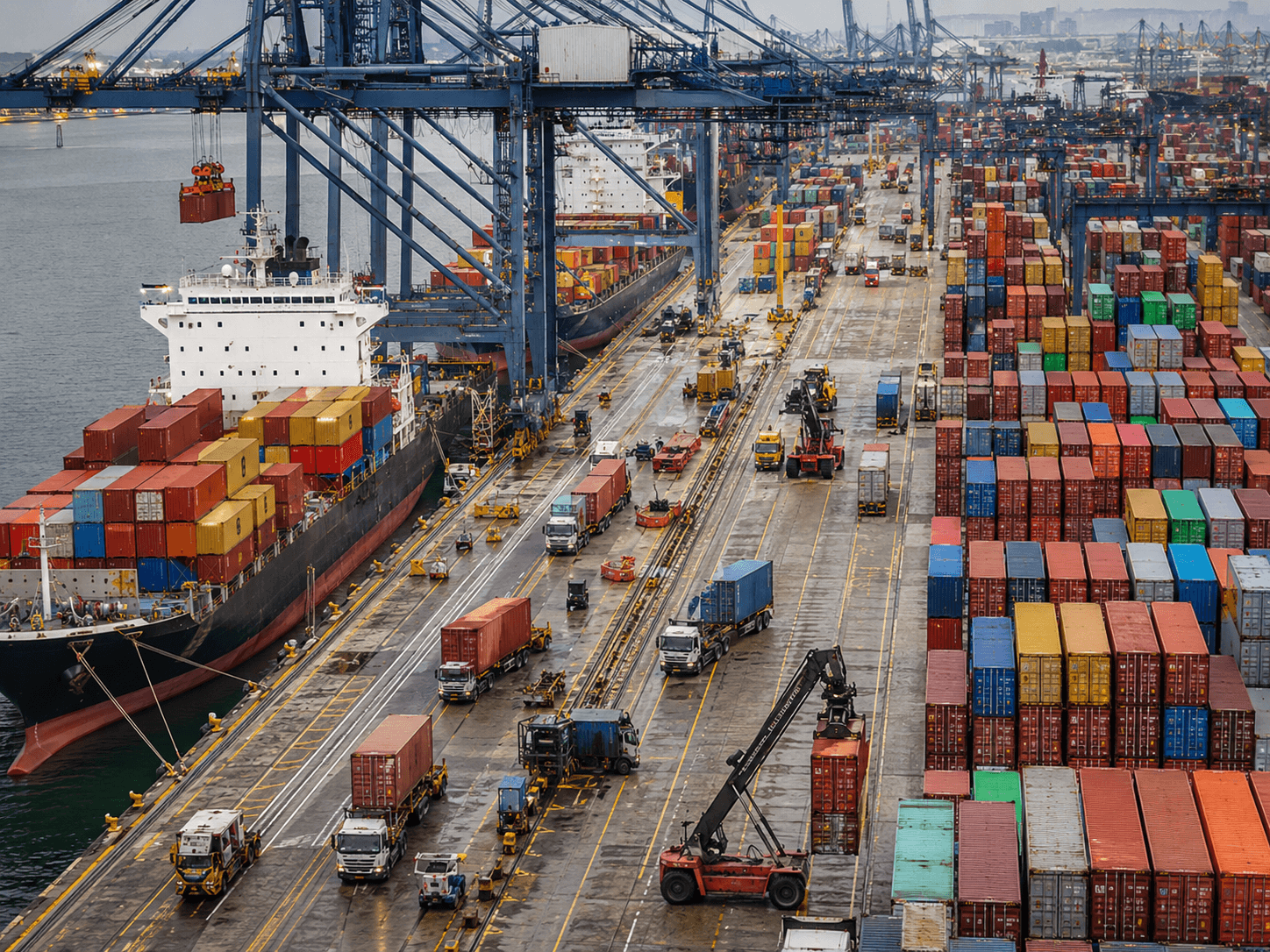
Sea Sky’s vehicle-shipping and RoRo guidance highlights support for cars, tractors, heavy machinery, and cross-border freight linked to Nepal through Kolkata and related gateways. Its broader customs and multimodal content also shows experience with route planning, documentation, and inland execution.
That makes Sea Sky useful for vehicle shipments that need more than a simple booking, especially when the move involves Nepal customs, inland delivery, or commercial handling requirements. The biggest advantage is having one logistics partner coordinate the route, customs file, and delivery chain together.
For shippers moving a car, commercial vehicle, or machinery unit in 2026, the safest approach is to plan early and match the shipping method to the real requirements of the route and destination. Contact SeaSky for hands-on customs clearance help and vehicle-shipping support from booking to final delivery.
Get Quotes
Built for freight forwarders handling FCL, OOG, heavy or project cargo into Nepal and South Asia. Use it to check routes, documents, handoffs and risk points before quoting your client.