Why the Netherlands is a major international shipping hub
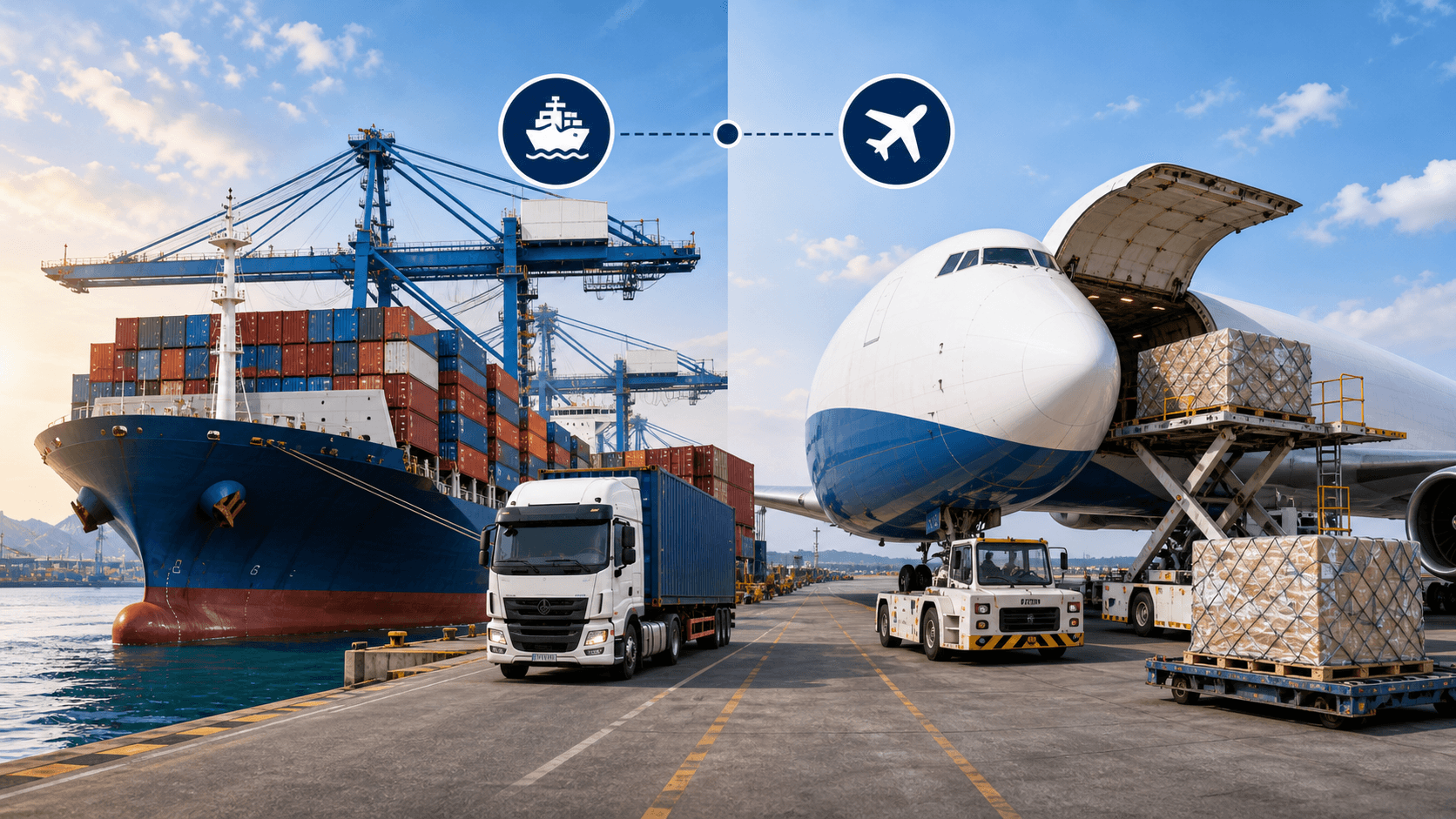
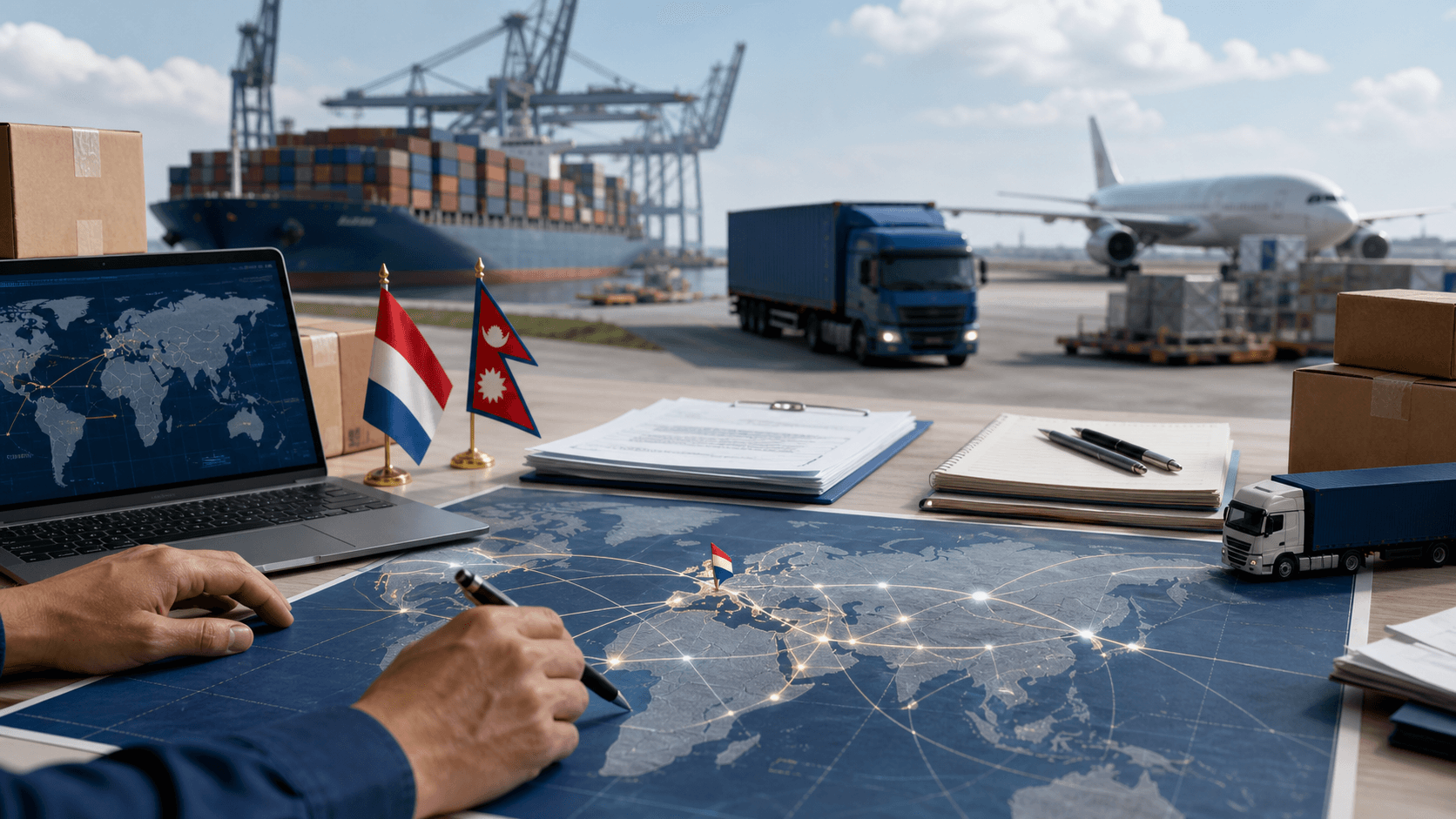
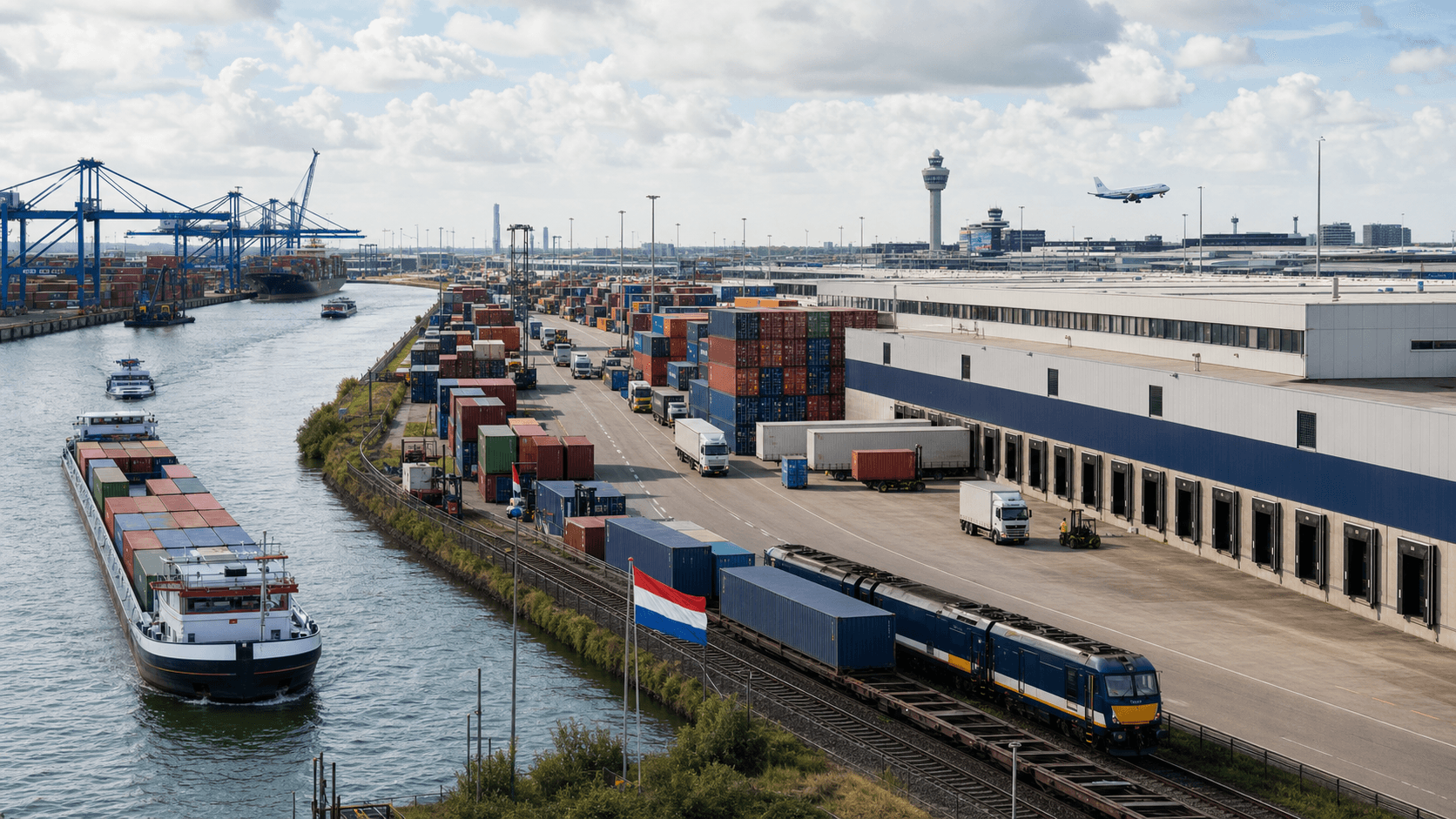
The Netherlands is one of Europe's strongest cargo gateways because it connects ocean freight, air freight, road freight, rail, warehousing and inland distribution in one dense logistics network. For businesses shipping to Europe, from Europe, or through Europe, the Netherlands can work as both a final destination and a redistribution point.
The Port of Rotterdam is a major European ocean freight gateway, while Amsterdam Airport Schiphol gives shippers access to fast air cargo connections. From there, cargo can move by truck, rail or barge across the Netherlands and into nearby European markets.
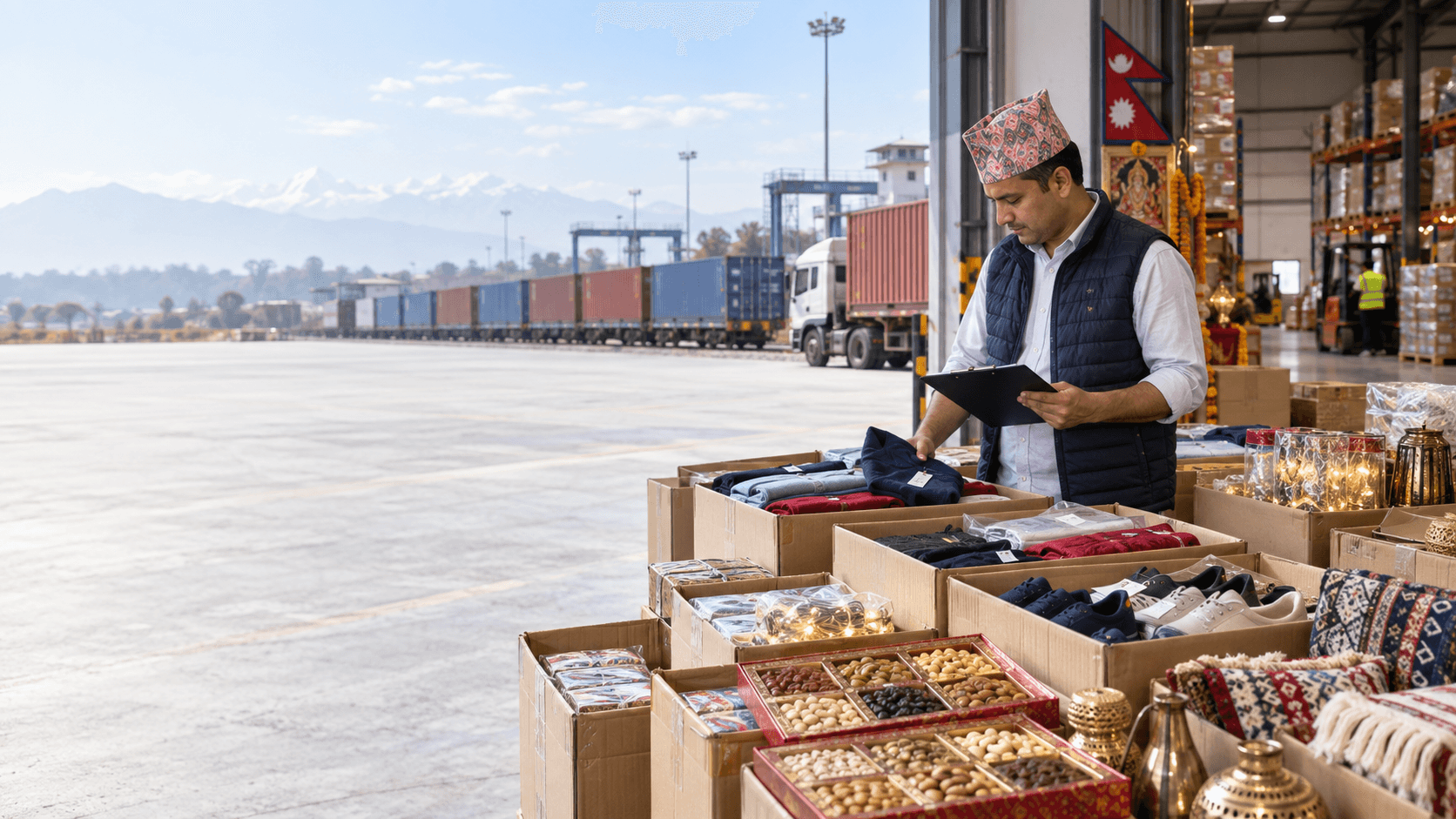
That is why the Netherlands is useful for shipments from Asia, Nepal, India, the USA, the Middle East and other global origins. The planning still needs to be specific: product type, cargo size, urgency, budget, delivery city and customs responsibilities should be clear before the shipment moves.
If this is part of a wider Europe plan, compare the route logic with Sea Sky's guide on shipping to Denmark.
Shipping to Netherlands by air freight
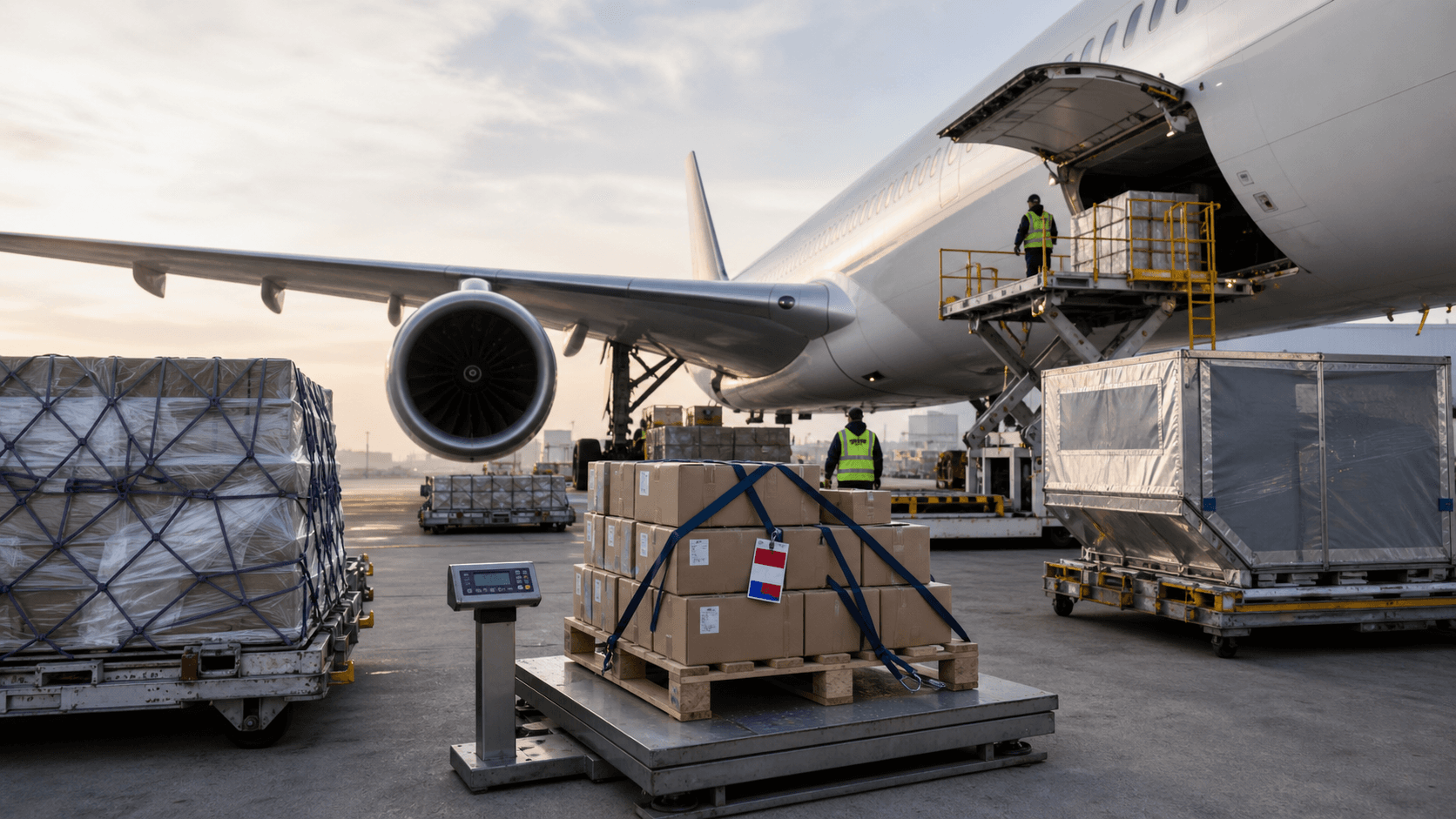
Air freight is usually the best option when cargo is urgent, lightweight, high-value or time-sensitive. It can suit product samples, trade documents, electronics, medical goods, fashion items, spare parts, ecommerce shipments and urgent commercial cargo.
Air cargo to the Netherlands often moves through Amsterdam Airport Schiphol and then continues by road to cities such as Amsterdam, Rotterdam, The Hague, Utrecht, Eindhoven and other European destinations. The faster timeline can protect deadlines, but cost needs to be checked carefully.
Air freight pricing is usually based on chargeable weight. This means the airline compares actual weight and volumetric weight, then charges whichever is higher. A large but lightweight carton can cost more than expected because it uses aircraft space.
Use Sea Sky's air freight service when you need help checking packed dimensions, airline restrictions, document readiness and practical routing before dispatch.
Shipping to Netherlands by sea freight
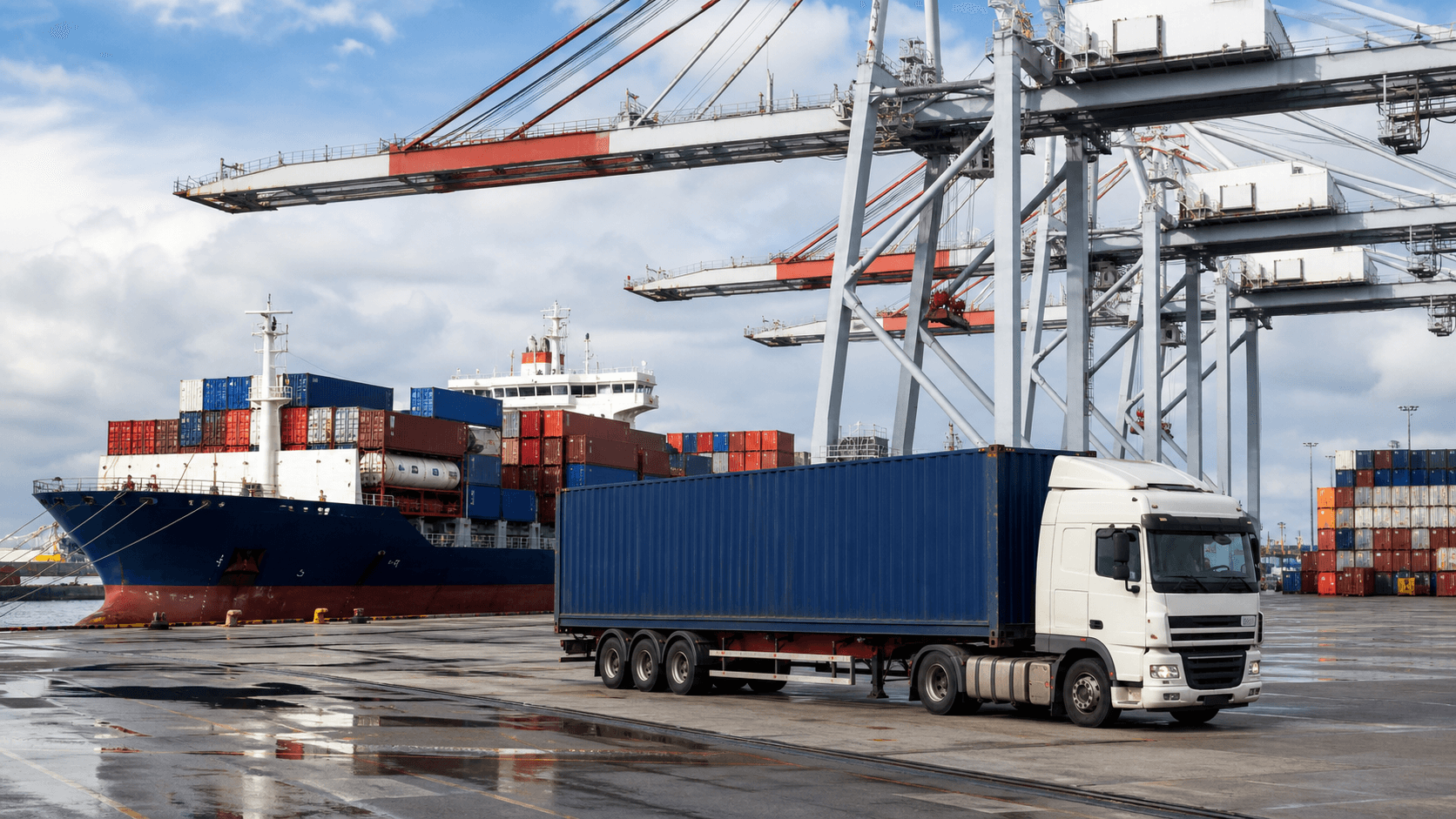
Sea freight is usually better for large, heavy or cost-sensitive shipments. It takes longer than air freight, but it can reduce freight cost for commercial cargo that can move in containers or consolidated ocean freight.
Sea freight to the Netherlands can suit full container load shipments, less than container load shipments, machinery, furniture, raw materials, industrial goods, bulk commercial cargo, construction materials and large export orders.
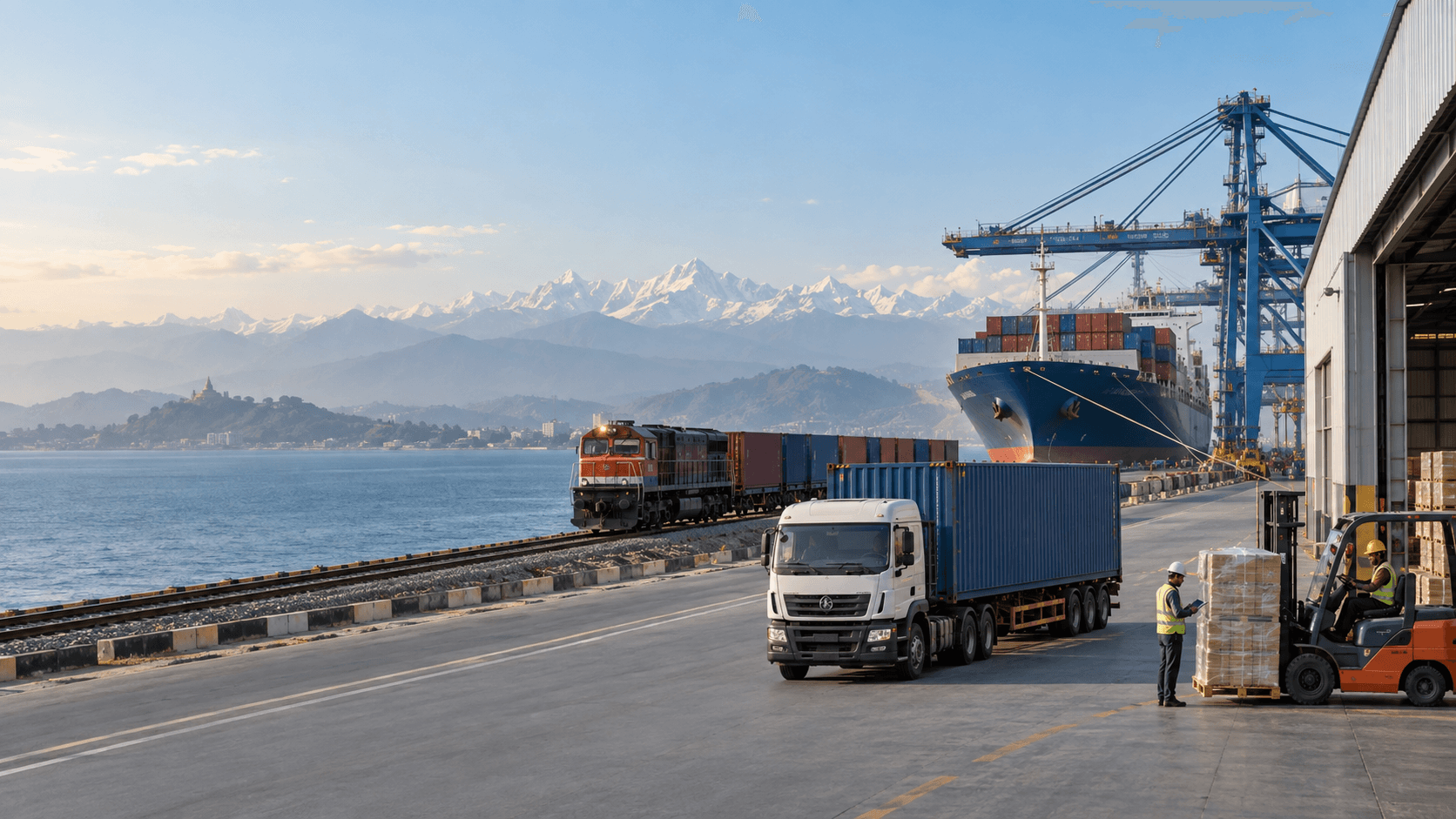
For Nepal-linked shipments, sea freight normally requires multimodal planning because cargo must first move to a suitable international port before sailing toward Europe. After arrival in the Netherlands, inland delivery may continue by truck, rail or barge.
Use Sea Sky's sea freight service to compare container, LCL, transit-port, documentation and final delivery considerations before choosing the route.
Shipping from Netherlands to other countries
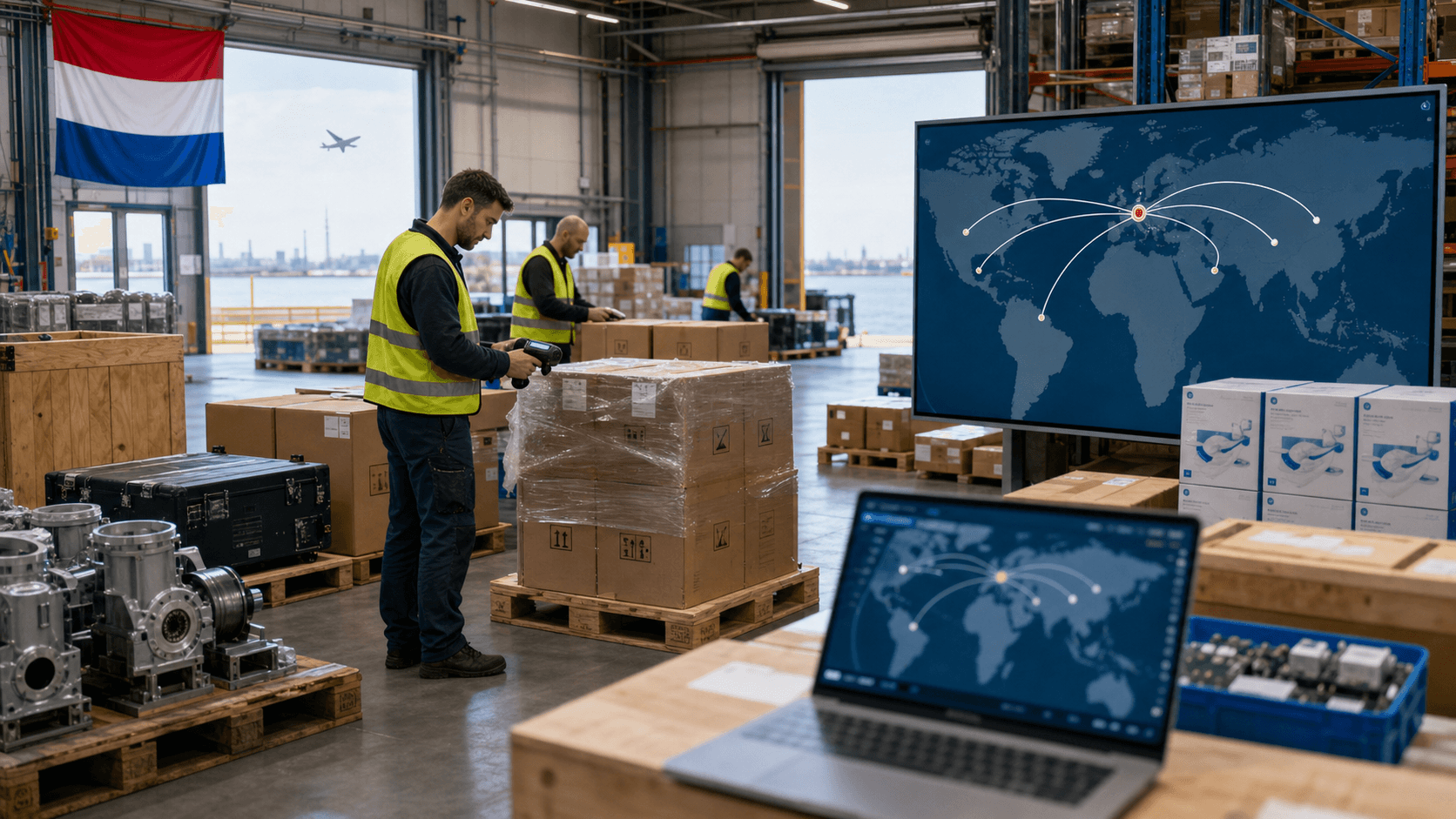
The Netherlands is also an important export and redistribution hub. Cargo can move from the Netherlands to Europe, Nepal, India, Asia, the USA, the Middle East and other global destinations by air, sea, road or multimodal freight.
Common Netherlands-origin shipments include machinery, electronics, medical goods, industrial products, food items, chemicals, spare parts, branded goods, personal effects and commercial inventory. The right route depends on cargo size, urgency, value and final destination.
For shipments from the Netherlands to Nepal, urgent cargo may move by air. Larger or less urgent cargo may move by sea through suitable port routes and then continue inland toward Nepal. The handoff between international freight, destination customs and final delivery should be planned before booking.
If your wider trade plan includes Europe-bound exports from Nepal, Sea Sky's guide on export from Nepal to Europe gives useful preparation context.
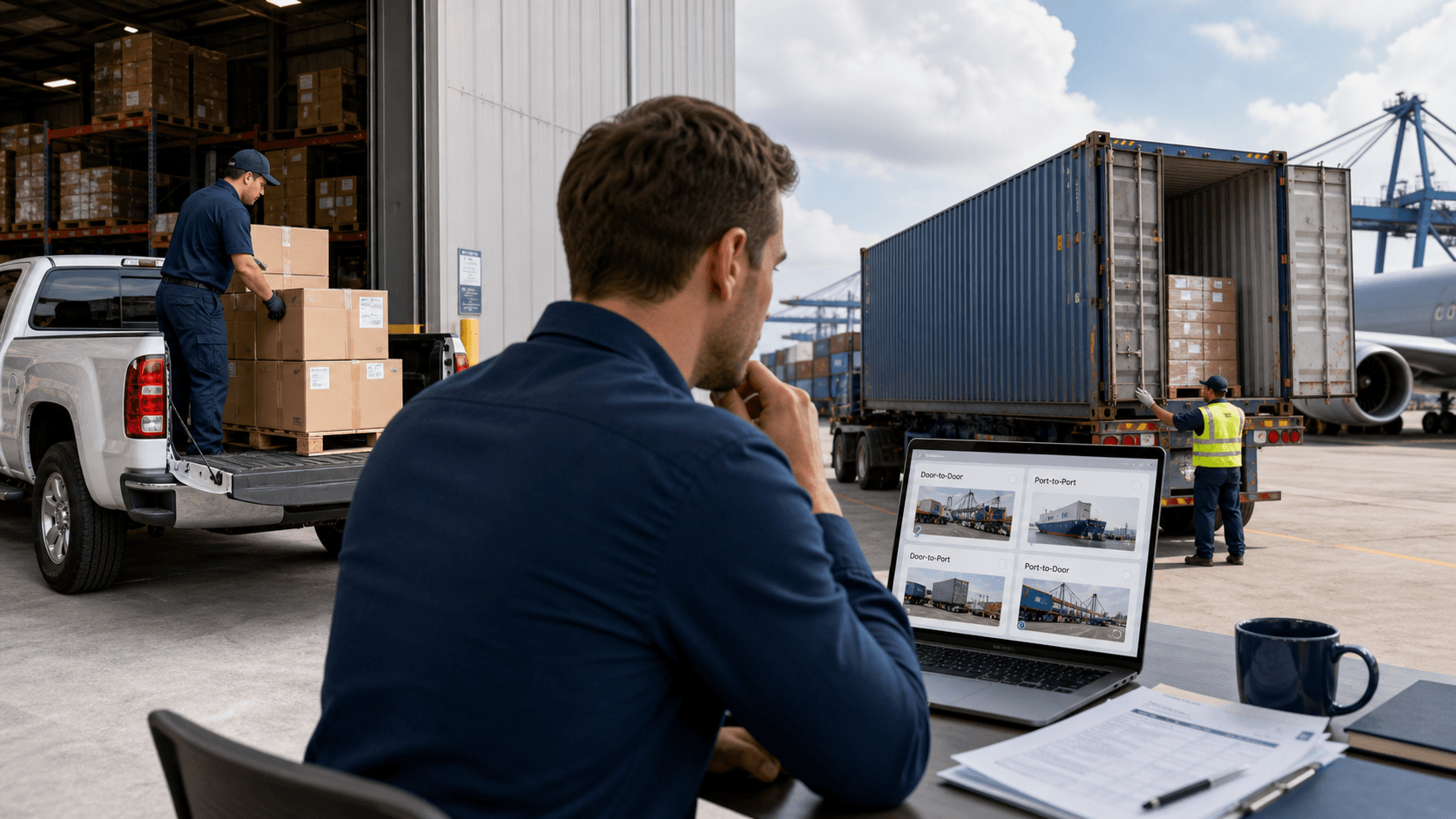
Door-to-door and port-to-port cargo options
International shipping can be arranged in different service formats. The best format depends on how much control the shipper wants, who will handle customs, where the cargo is picked up, and where the final delivery needs to happen. Door-to-door can simplify coordination, but it also needs more accurate information up front. Port-to-port may reduce service scope, but the shipper or consignee must manage customs, pickup, storage risk and final delivery responsibilities. For planning basics, start with Sea Sky's international shipment guide.
| Service format | What it covers | Best fit |
|---|---|---|
| Door-to-door | Pickup, freight movement, destination handoff and final delivery | Customers who want one coordinated movement |
| Port-to-port | Cargo moves between seaport or airport gateways | Experienced shippers with local agents at both ends |
| Door-to-port | Supplier pickup and delivery to destination gateway | Buyers who will manage destination customs and delivery |
| Port-to-door | Gateway pickup and final delivery to receiver | Importers who need destination delivery support |
Documents needed for Netherlands international shipping
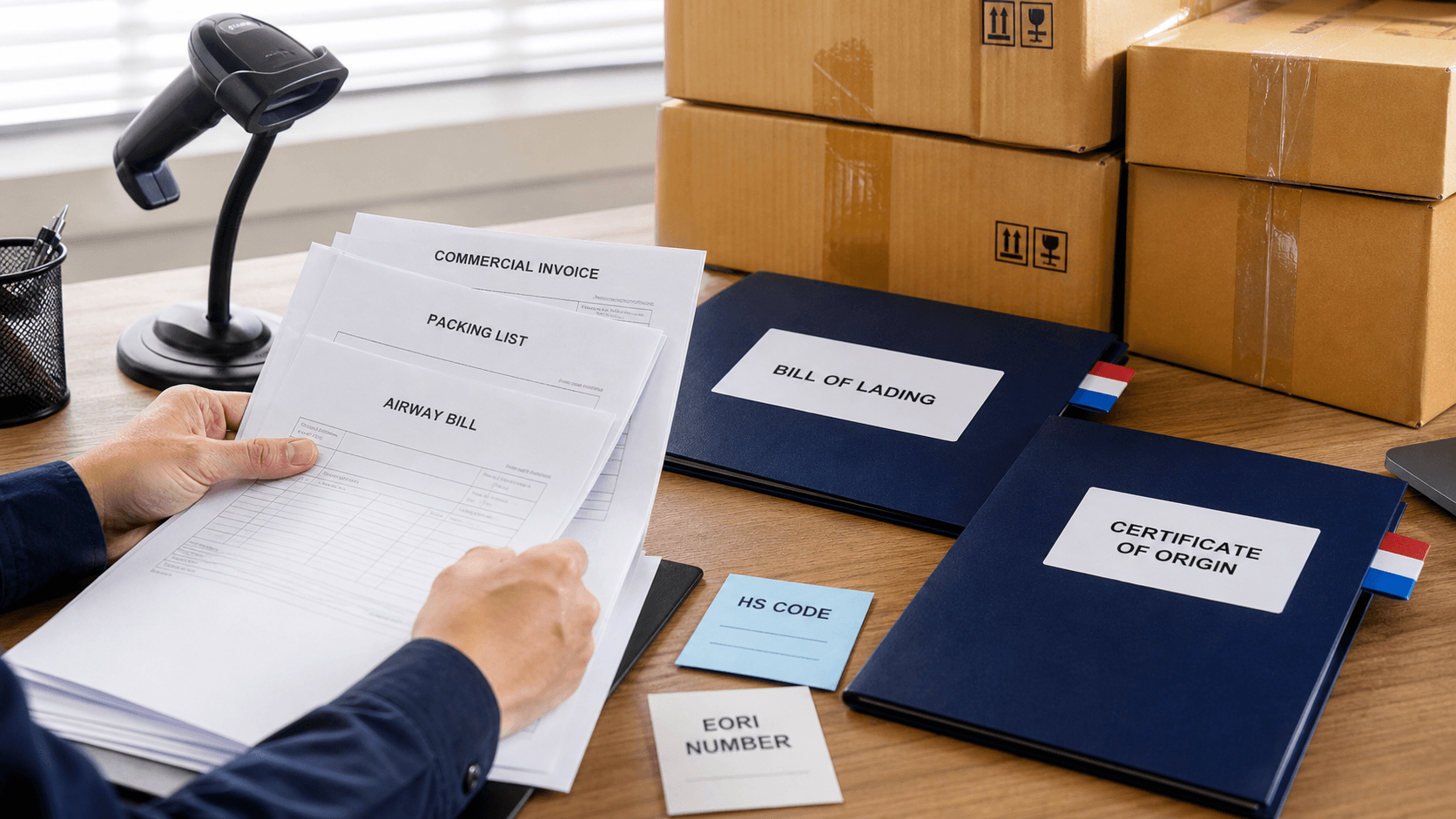
Correct documents are important for every Netherlands-linked international shipment. Missing or inconsistent paperwork can delay customs clearance, create extra questions for the importer or cause cargo to wait before release.
- Commercial invoice
- Packing list
- Airway bill or bill of lading
- Certificate of origin when required
- HS code or commodity code
- Export declaration where applicable
- Importer and exporter details
- Buyer, seller and consignee information
- Product description, quantity and value details
- Insurance document where applicable
- Product certificates, permits or approvals when required
- EORI number for EU importers where applicable
The commercial invoice and packing list should match. Product name, quantity, value, weight, package count, carton count and consignee details should be consistent across the shipment file.
For EU business shipments, the European Commission explains EORI registration as the customs identification system used by economic operators. For Nepal-side classification context, read Sea Sky's HS code Nepal guide.
Need to compare a Netherlands cargo route?
Share the origin, destination, cargo type, weight, dimensions and deadline. Sea Sky can compare air, sea and multimodal options before you book.
Customs clearance and EU import rules
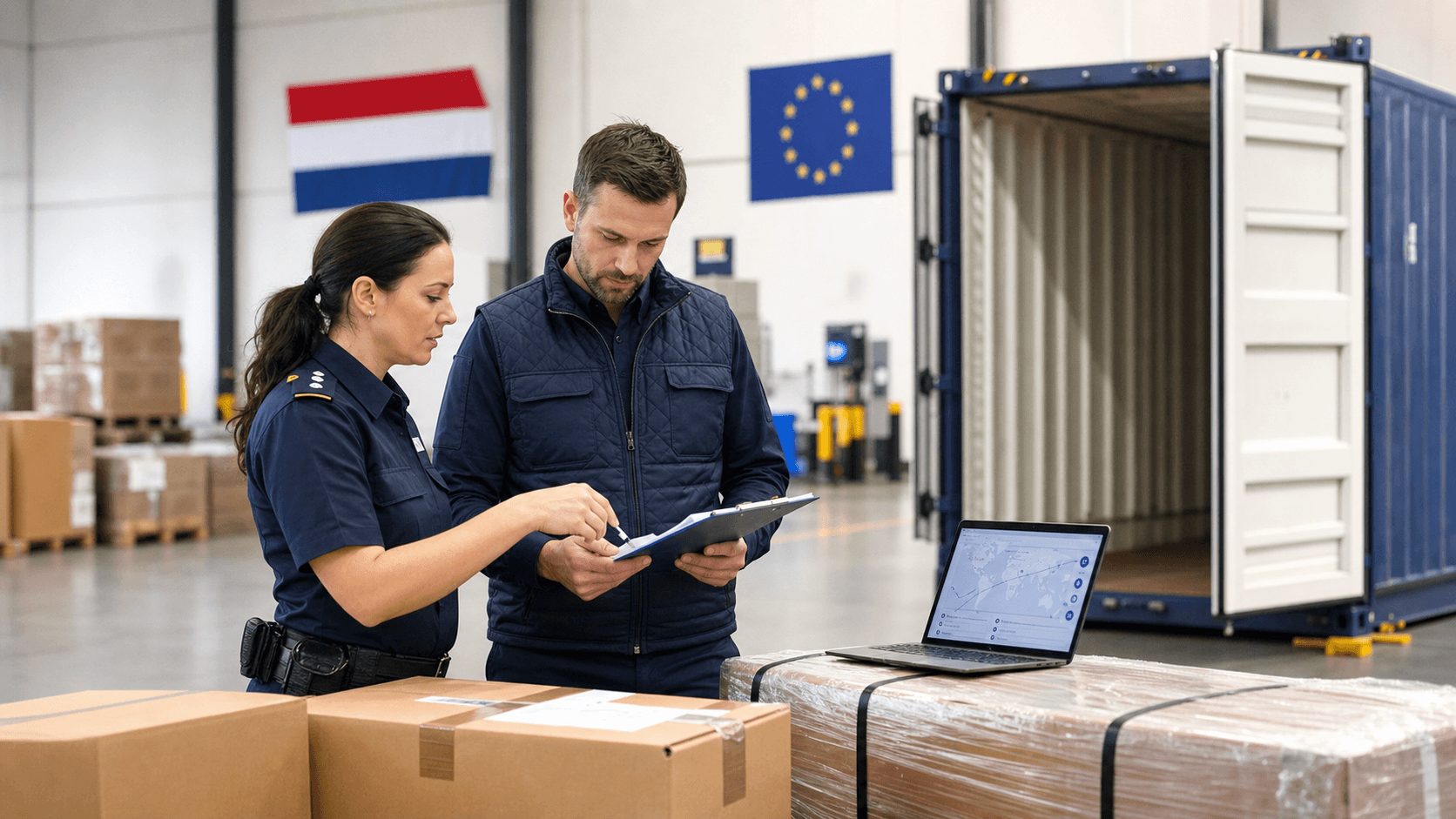
The Netherlands follows European Union customs rules. When goods arrive, customs may review the shipment's HS code, declared value, origin, product category, duty, VAT, importer details and required documents before release.
Customs clearance may involve document review, HS code verification, duty and VAT calculation, product compliance checks, inspection if required, importer information verification and shipment release after approval.
For official reference, use the Netherlands Customs information and the EU Taxation and Customs Union pages. Product-specific requirements can change, so regulated goods should be checked before dispatch instead of after arrival.
Goods that often need extra attention include food, beverages, supplements, cosmetics, medicines, medical goods, chemicals, electronics, batteries, plant or animal products, wooden items, textiles, garments, branded goods and high-value items. Sea Sky can support origin-side document planning and customs clearance, while the Netherlands importer or destination customs agent should confirm the final EU import position.
Best cargo types for air vs sea freight
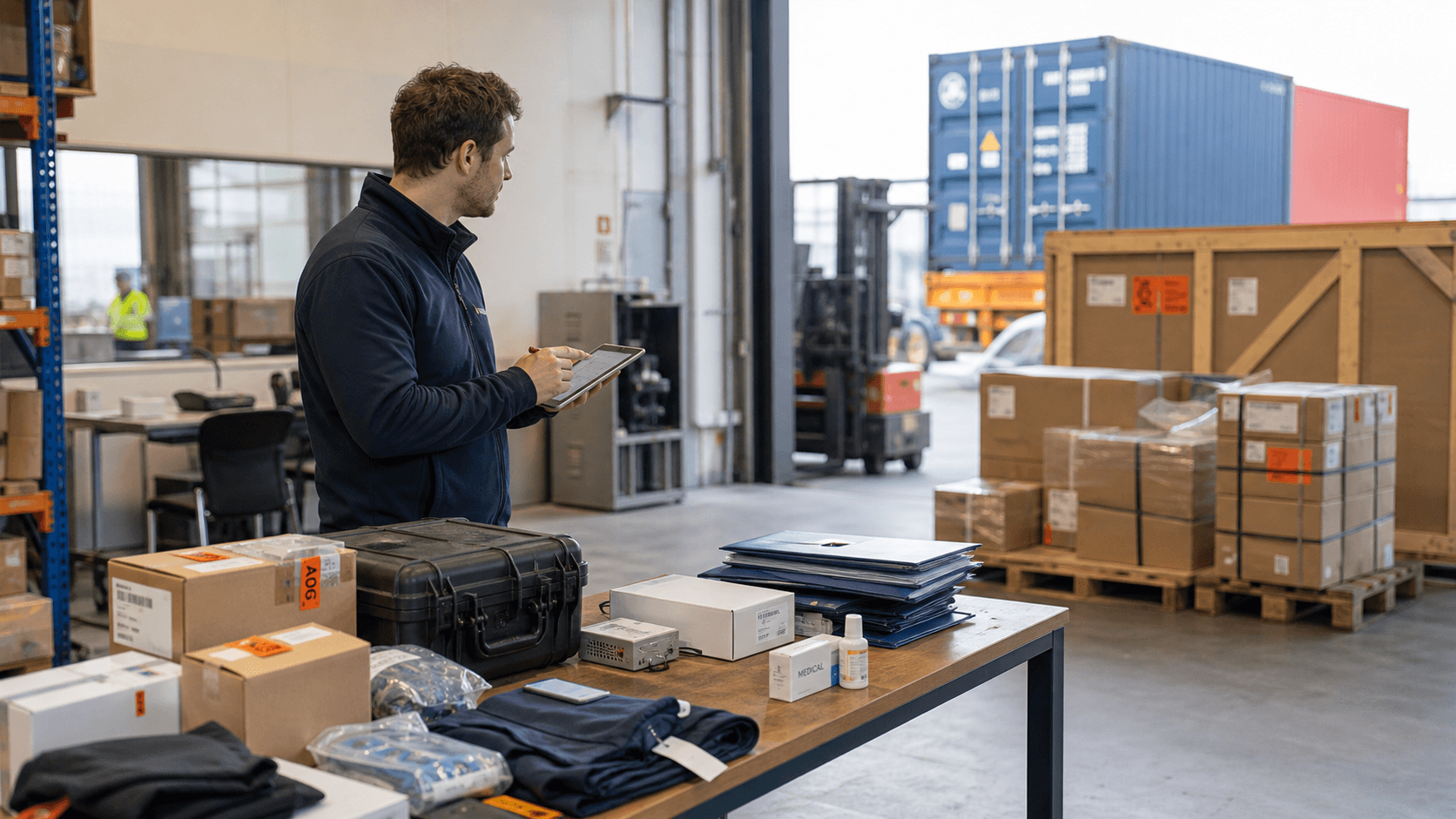
Choosing between air and sea freight depends on product type, shipment size, deadline, value, packaging and budget. Do not compare only the base freight price; compare the full shipment movement, including handling, customs readiness and final delivery. If the cargo is small but not urgent, a consolidated option may be considered. If the cargo is large but urgent, compare air freight cost carefully before booking because chargeable weight can change the final price.
| Cargo need | Usually compare first | Why |
|---|---|---|
| Samples, urgent orders and documents | Air freight | Fast transit protects deadlines |
| High-value electronics or medical goods | Air freight | Shorter transit and controlled handling may matter |
| Large commercial orders | Sea freight | Better cost structure for volume |
| Machinery, furniture and bulk cartons | Sea freight | Better suited to container movement |
| Small cargo with flexible timing | Consolidated air or LCL sea freight | Compare chargeable weight against ocean minimums |
| Nepal-linked cargo with multiple handoffs | Multimodal planning | Origin pickup, gateway freight, customs and inland delivery must connect |
Common mistakes when shipping to Netherlands
International shipment problems often happen because planning starts too late. A cargo file should be reviewed before dispatch, especially for commercial cargo, regulated goods or first-time shipments to the Netherlands.
- Choosing freight only by the lowest price
- Not checking the HS code or commodity code
- Using vague product descriptions
- Missing commercial invoice details
- Invoice and packing list mismatch
- Wrong declared value
- Poor packaging or weak labeling
- Not checking EU customs rules
- Missing certificates for regulated goods
- Not confirming importer or EORI details
- Ignoring duty, VAT, storage or delivery charges
- Waiting until cargo reaches customs to fix documents
These mistakes can cause delays, extra charges, inspection, storage, amendment work or shipment hold. A short pre-check is usually cheaper than solving paperwork problems after cargo arrives.
How to prepare before shipping
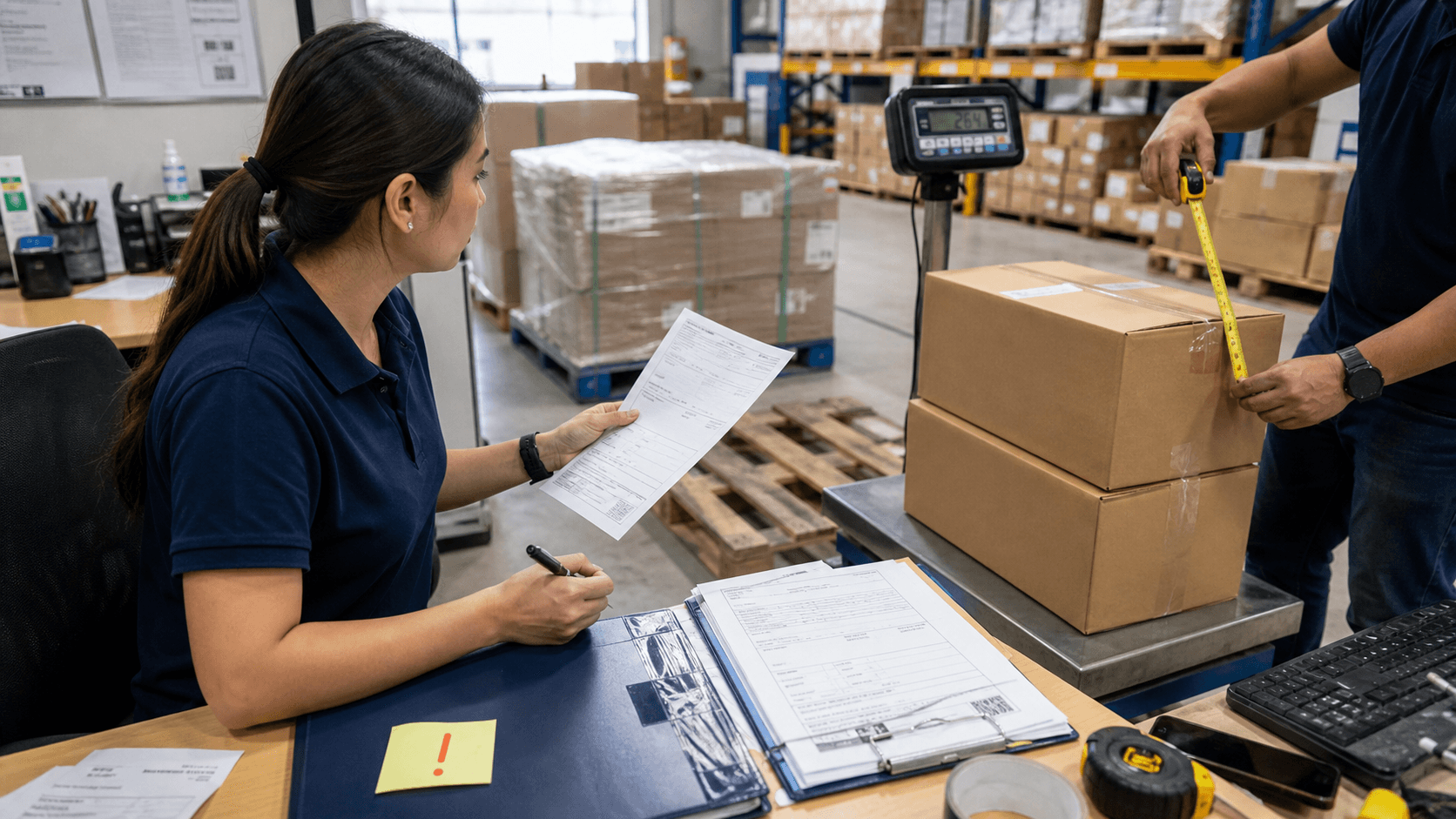
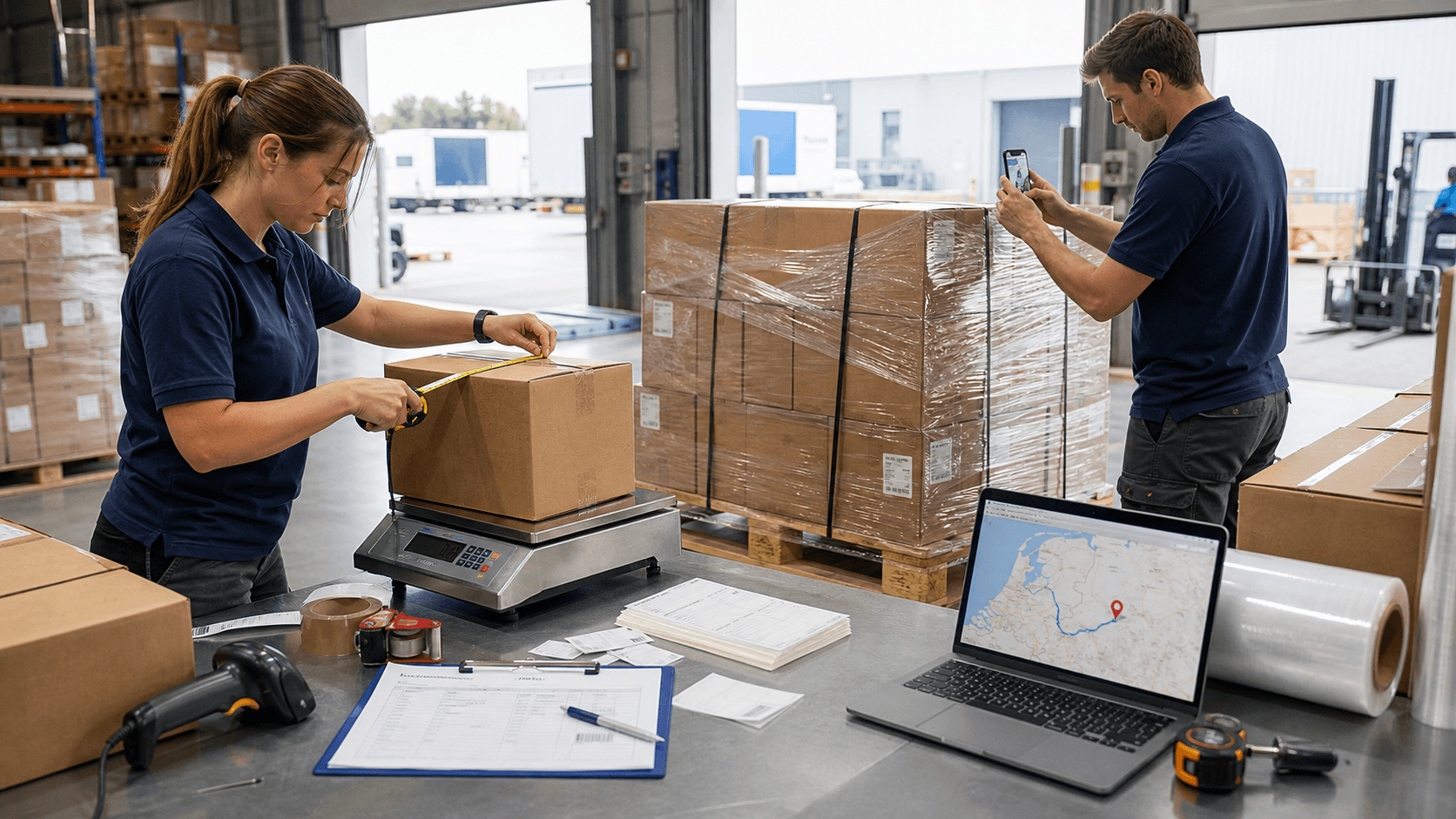
Before shipping to the Netherlands or from the Netherlands, prepare a clear shipment plan. The goal is to make the cargo, documents, route and receiver responsibilities match before booking.
- Confirm the exact product name and description
- Confirm packed weight and dimensions
- Prepare the commercial invoice
- Prepare the packing list
- Check the HS code or commodity code
- Confirm buyer, seller and consignee details
- Choose air, sea or multimodal freight
- Check customs and product requirements
- Confirm whether certificates or permits are needed
- Prepare packaging for international handling
- Review final delivery address and access
- Request a freight quote before dispatch
Planning early helps avoid delays and gives both shipper and receiver more confidence. If you are not sure which route to choose, share the shipment details through the get quote page before cargo is handed over.
How Sea Sky Cargo helps with Netherlands cargo
Sea Sky Cargo helps customers plan international shipments to the Netherlands, from the Netherlands and across connected trade routes. The work starts with practical shipment facts: product type, packed size, origin, destination, urgency, budget and document status.
- Shipping to Netherlands planning
- Shipping from Netherlands planning
- Air freight to Netherlands
- Sea freight to Netherlands
- Nepal to Netherlands cargo planning
- Netherlands to Nepal cargo planning
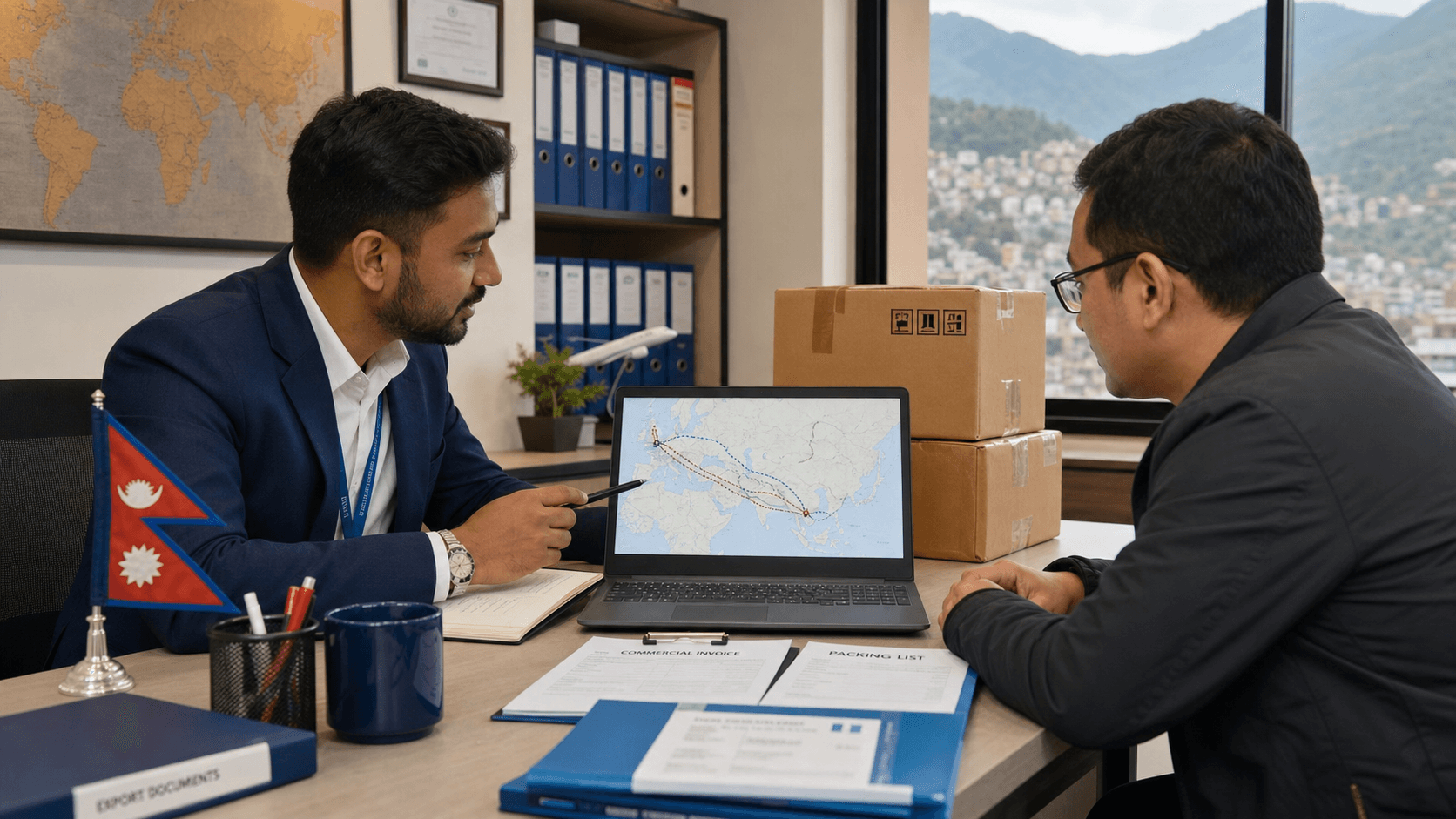
- Export document review
- HS code guidance
- Customs document preparation
- Cargo route comparison
- Port-to-door and door-to-door planning
- Worldwide freight coordination
Shipping to the Netherlands can be simple when the route, documents, customs process and delivery plan are prepared correctly. Air freight is stronger for urgent, small or high-value cargo. Sea freight is stronger for large, heavy or cost-sensitive cargo. Many shipments need multimodal planning to connect pickup, port or airport movement, customs and final delivery.
Sea Sky can review shipment details and suggest a practical option based on cost, urgency, cargo type and customs requirements.
Frequently asked questions
What is the best way to ship cargo to the Netherlands? Air freight is best for urgent or small shipments. Sea freight is better for large, heavy or cost-sensitive cargo.
Can I ship from the Netherlands to Nepal? Yes. Cargo from the Netherlands to Nepal can move by air freight or sea freight depending on shipment size, urgency, product type and budget.
What documents are needed for shipping to the Netherlands? Common documents include commercial invoice, packing list, airway bill or bill of lading, HS code, certificate of origin if required, and product-specific certificates if needed.
Does the Netherlands require customs clearance? Yes. International cargo entering the Netherlands must go through customs clearance under EU customs rules.
What is an EORI number? An EORI number is used by businesses and importers for customs identification in the European Union.
Can Sea Sky Cargo help with Netherlands international shipping? Yes. Sea Sky Cargo can help with air freight, sea freight, document review, customs planning and international cargo coordination.
Plan the route before cargo moves
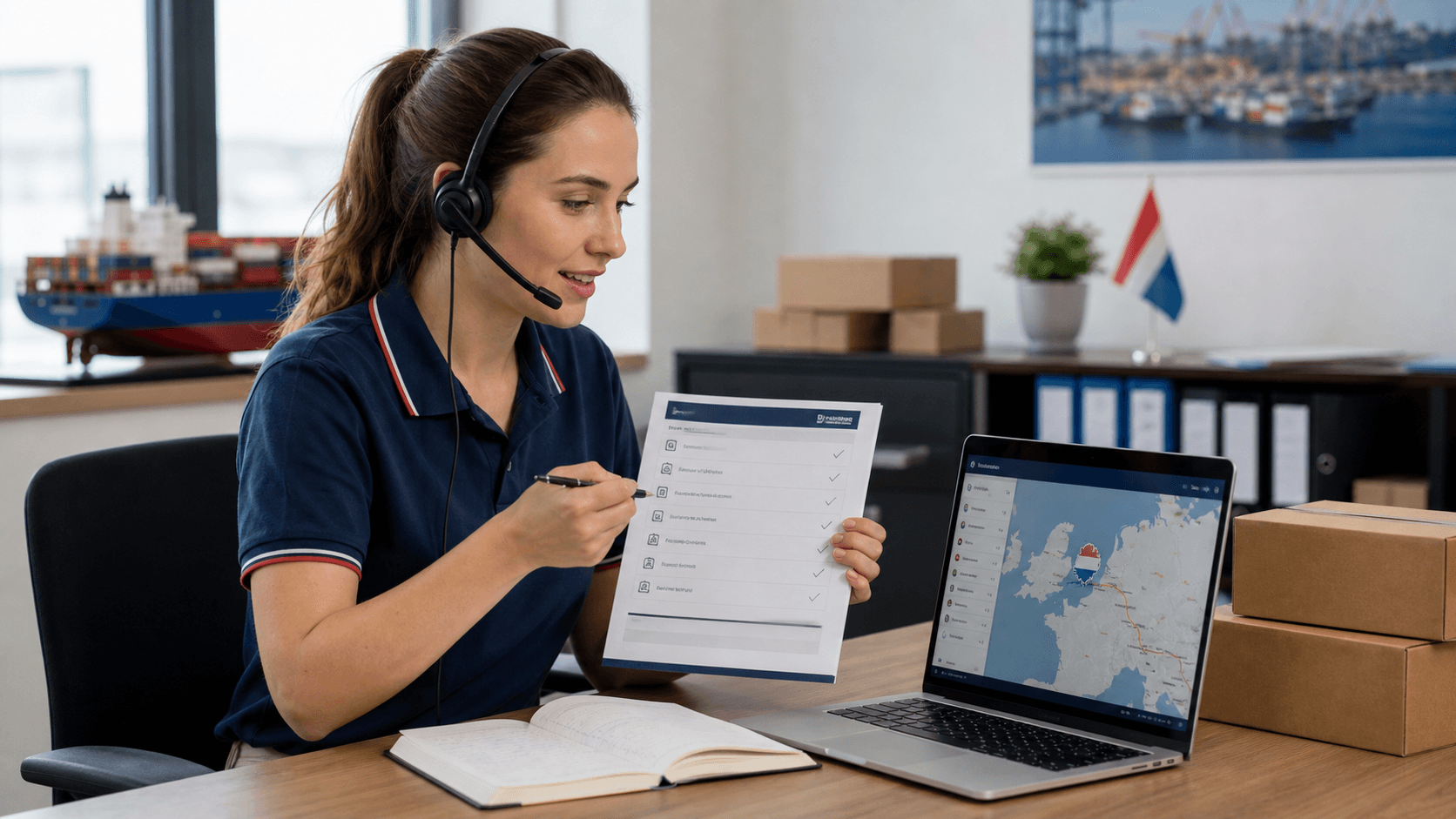
Sea Sky can help review the shipment file, compare freight modes, prepare documents and plan Netherlands-linked cargo with fewer surprises.