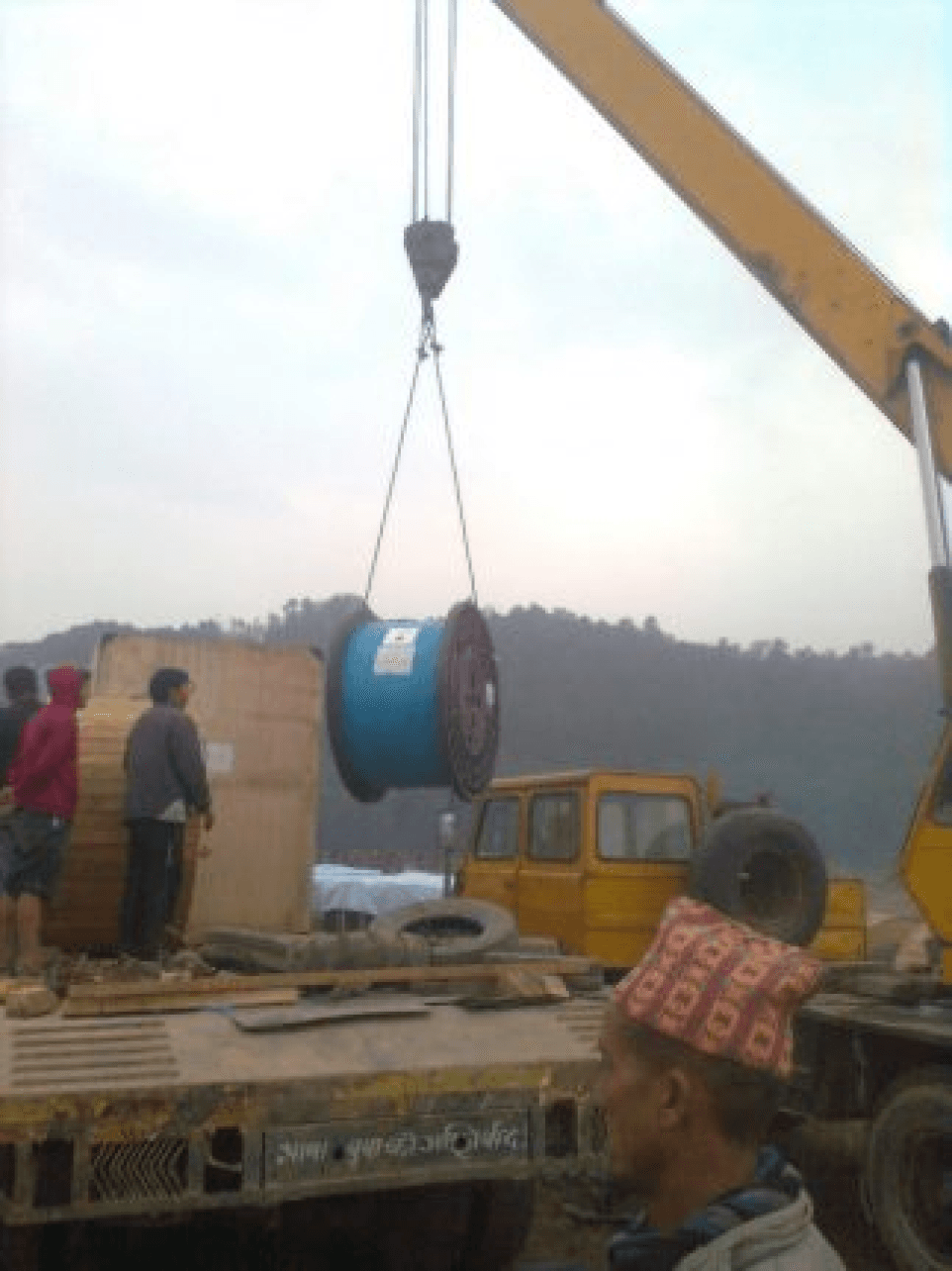
Introduction: Seasky Cargo's Journey to Sustainable Shipping
In today’s global logistics landscape, sustainability isn’t just a buzzword—it’s a business imperative. Seasky Cargo, in partnership with Marubeni of Japan, is leading by example. Their Solar Power Project stands as a testament to how innovative logistics can drive both progress and environmental responsibility.
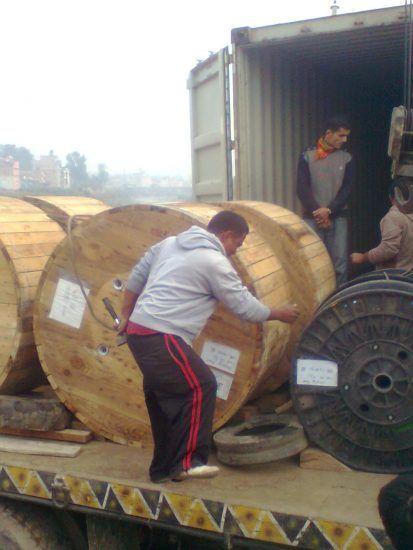
Project Overview
- Client: Marubeni, Japan
- Recipient: Nepal Khane Pani Upatyaka Limited, Kathmandu
- Project: Solar Power Infrastructure Delivery
Cargo Specifications
- 20 x 40’ Containers
- 18 x 40’ HQ Containers
- 10 x 20’ GP Containers
- Break Bulk Cargo
- RORO Cargo
- Abnormal and Heavy Loads
Seasky Cargo’s scope extended well beyond standard shipments, handling everything from delicate solar panels to oversized, abnormal loads with precision and professionalism.
Seasky Cargo’s Approach: Precision Meets Sustainability
1. Integrated Planning
From Japan’s ports to the heart of Kathmandu, Seasky Cargo orchestrated a seamless logistics chain. Every component—solar panels, inverters, mounting systems, was tracked, handled, and delivered with care.
2. Diverse Cargo Mastery
Not all shipments fit neatly in a box. Seasky Cargo managed break bulk cargo, RORO (roll-on/roll-off) shipments, and abnormal, heavy loads demonstrating unmatched versatility and technical know-how.
3. Sustainable Shipping Practices
By optimizing routes, consolidating shipments, and minimizing handling, Seasky Cargo reduced the project’s carbon footprint. Their commitment to green logistics set a new benchmark for environmental responsibility in the region.
4. Reliable Delivery
Despite the complexity, every container and component arrived on schedule enabling Nepal Khane Pani Upatyaka Limited to advance their renewable energy goals without delay.
Impact: Advancing Renewable Energy in Nepal
Seasky Cargo’s Solar Power Project did more than deliver equipment—it powered progress. By ensuring the safe, timely arrival of solar infrastructure, Seasky Cargo contributed directly to Nepal’s sustainable energy future.
Key Takeaways for Supply Chain Leaders:
- Versatility: Expertise in handling diverse and complex cargo types is essential for modern logistics.
- Sustainability: Proactive green practices are now a competitive advantage.
- Reliability: Timely, secure delivery underpins successful infrastructure projects.
Conclusion: Shipping That Shapes a Sustainable Future
Seasky Cargo’s Solar Power Project with Marubeni is a blueprint for responsible, forward-thinking logistics. By blending innovation, versatility, and environmental stewardship, Seasky Cargo not only delivered solar infrastructure they delivered on the promise of a greener tomorrow.
Ready to make your supply chain more sustainable?Partner with Seasky Cargo for logistics solutions that move your business—and the world—forward.
Frequently Asked Questions
Q: What types of cargo did Seasky Cargo handle for the Solar Power Project?
A: The project included 20 x 40’ containers, 18 x 40’ HQ containers, 10 x 20’ GP containers, break bulk cargo, RORO cargo, and abnormal/heavy loads.
Q: How does Seasky Cargo support sustainable shipping?
A: Through route optimization, shipment consolidation, and eco-friendly logistics practices, Seasky Cargo minimizes environmental impact.
Q: Which industries benefit from Seasky Cargo’s expertise?
A: Renewable energy, manufacturing, technology, e-commerce, automotive, and any sector requiring reliable, sustainable global logistics.
Related posts
1970-01-01
Sea + Air Freight: How SeaSky Helps Businesses Ship Smarter

2026-10-12
France to Nepal Shipping Guide: Air Freight, Sea Freight, Customs and Documents

2026-10-08
Italy to Nepal Shipping Guide 2026: Freight, Customs and Documents

2026-10-07