Introduction
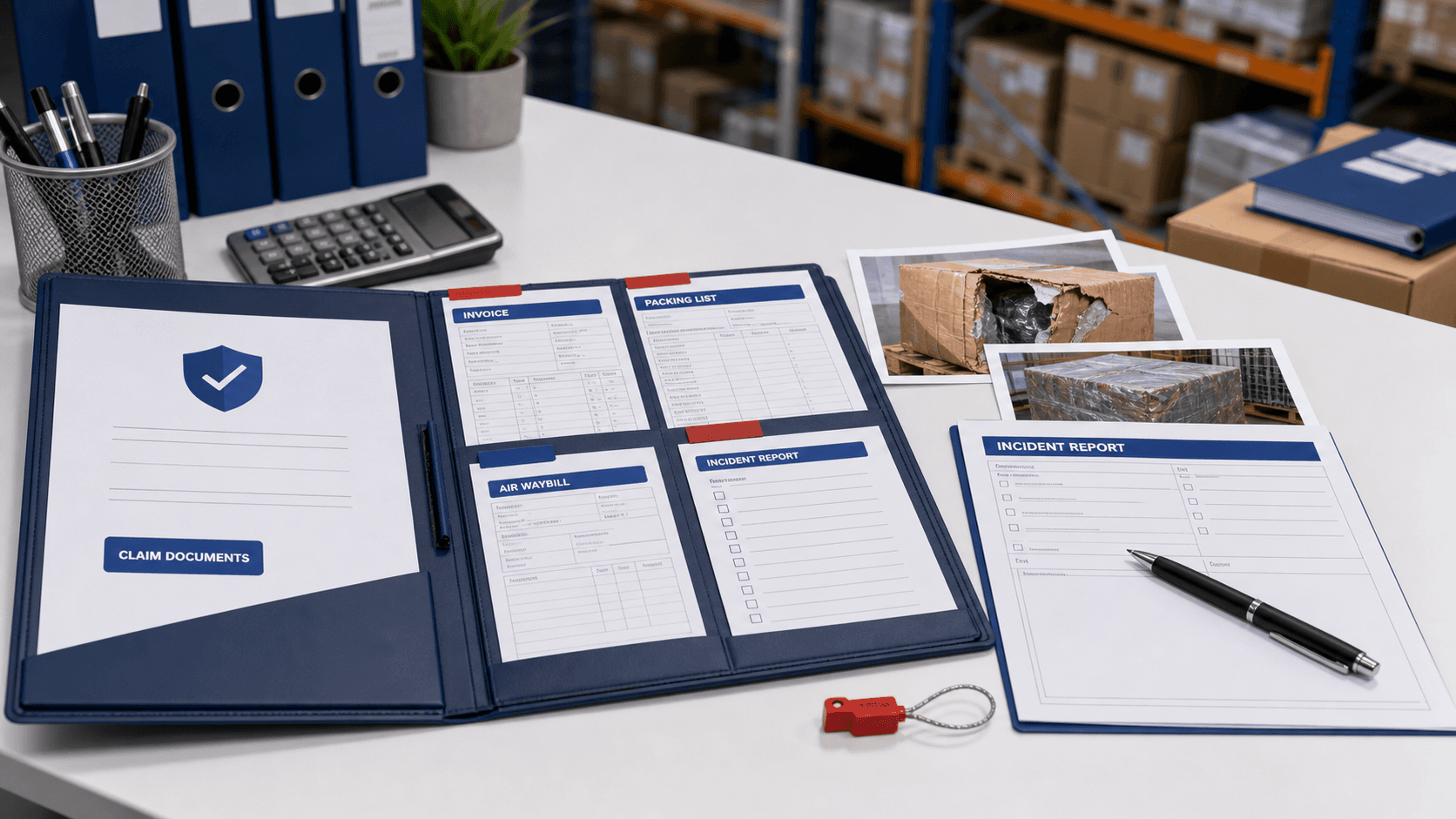
An agent authorization letter is a document that gives a customs agent, freight forwarder, or clearing representative permission to act on behalf of the importer or exporter during customs clearance. In Nepal, this document is often needed when the owner of the goods is not filing customs paperwork personally and wants a licensed representative to handle the process.
For importers and exporters, this letter is important because customs clearance usually involves document submission, communication with officials, and follow-up work that may be difficult to manage without a local agent. When the authorization is incomplete or unclear, customs clearance can slow down while the representative’s authority is verified.
What the letter does
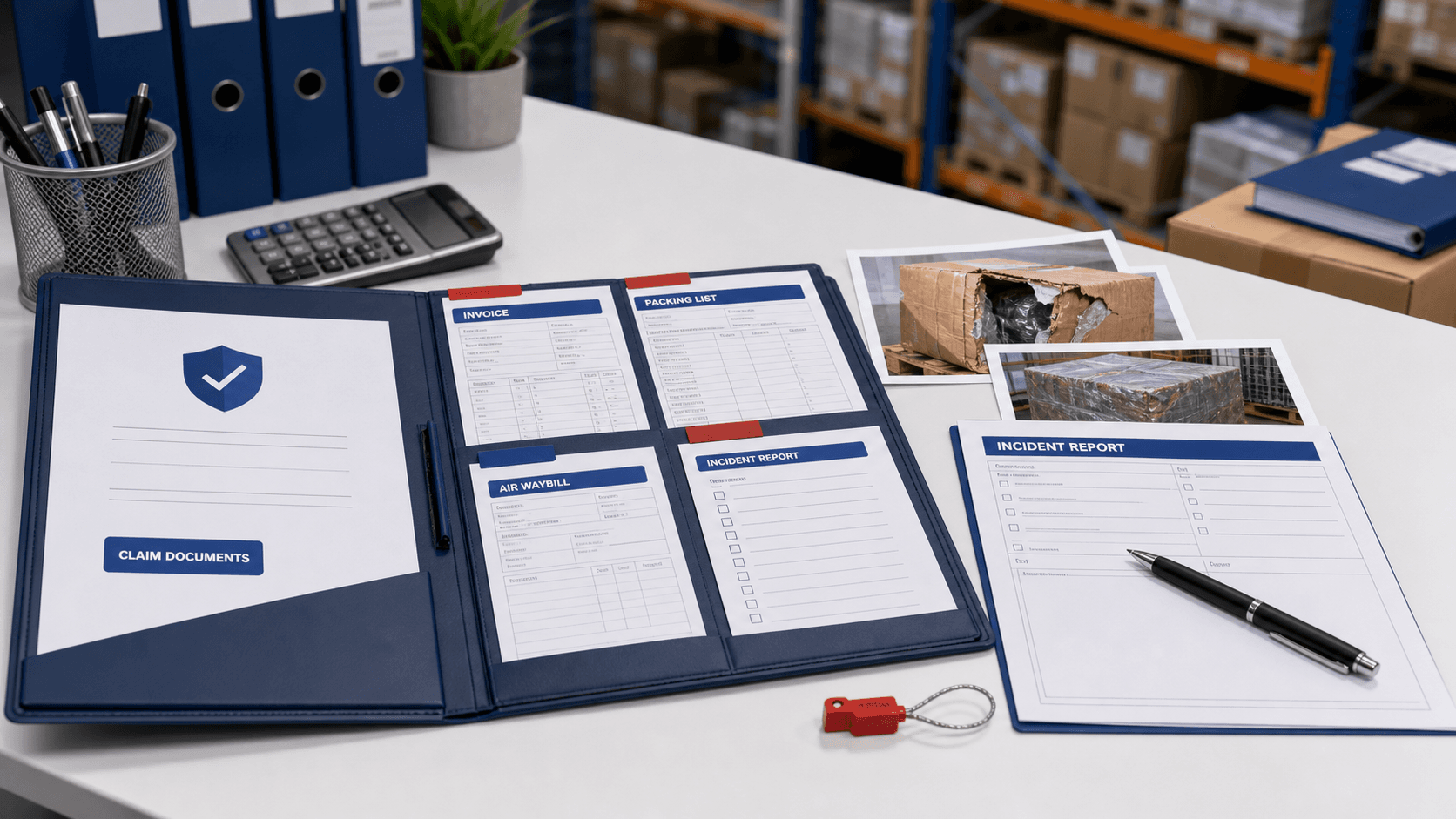
The main purpose of the agent authorization letter is to show that the importer or exporter has officially allowed another person or company to act on their behalf. That representative may submit documents, communicate with customs, follow up on inspection issues, and help complete the release process.
This does not replace the other required customs documents. It simply gives the clearing agent permission to work with the customs office and related authorities for that specific shipment or business relationship.
When you need it
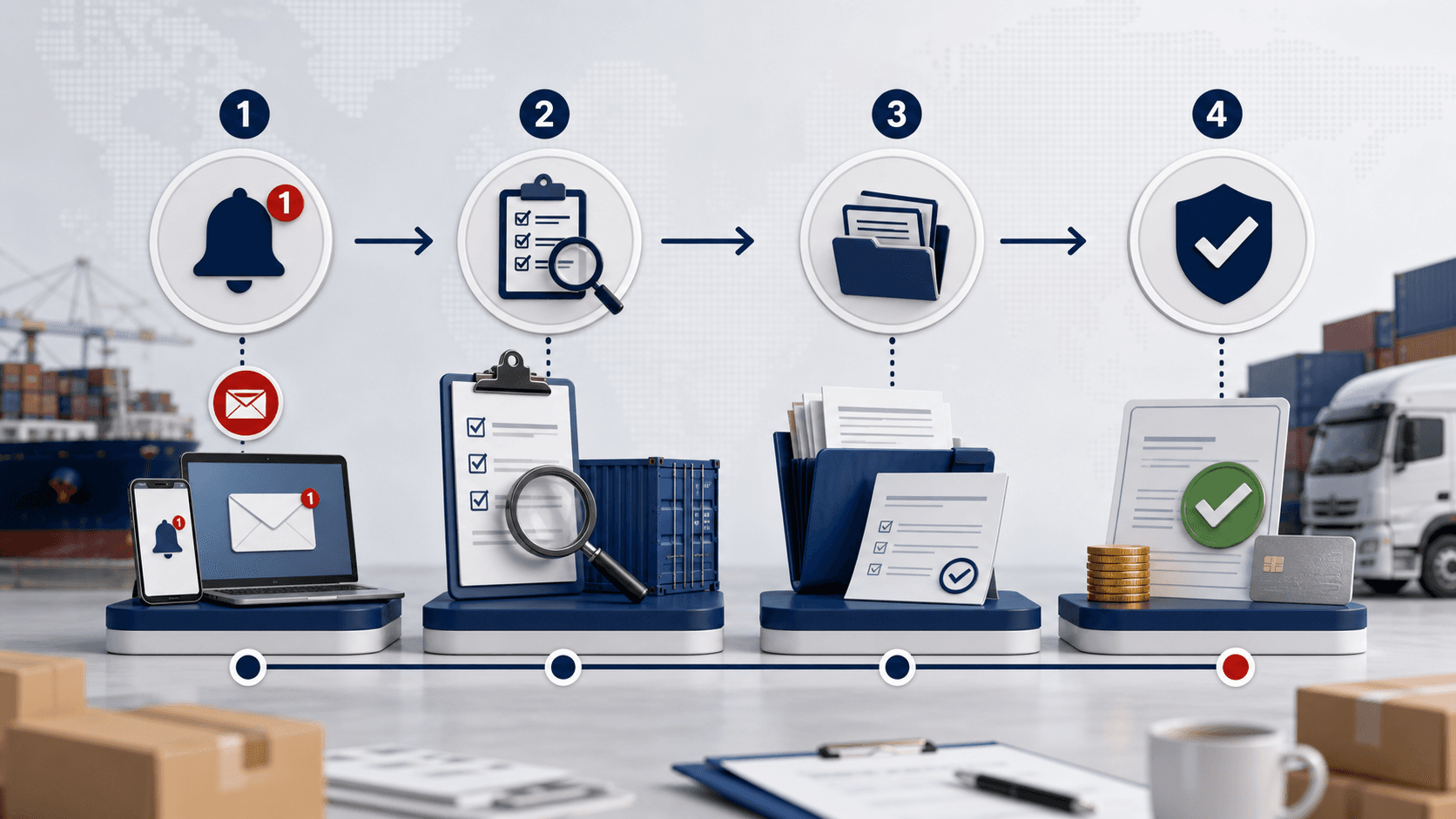
You usually need an agent authorization letter when someone else is handling the customs clearance for you. This is common for businesses that work with freight forwarders, customs agents, CHA firms, or logistics companies for import and export shipments.
It may also be needed when the importer is a company or institution and not an individual, because customs often expects proof that the person signing the agent letter is actually authorized to act for that business. In some cases, Nepal customs documents and related import paperwork specifically mention an authorization letter for the clearing agent as part of the inbound shipment file.

What to include
A good authorization letter should be clear, specific, and easy to verify. The basic contents usually include the company or importer name, the agent or firm name, the shipment reference, the purpose of authorization, and the signature of the authorized signatory.
You should also include:
- The importer or exporter’s full legal name and address.
- The agent’s full name and company name.
- Shipment or customs reference details, if available.
- A clear statement that the agent is allowed to act for customs clearance.
- Date of issue and validity period, if applicable.
- Signature, seal, PAN or registration details, if required by the file.
Common mistakes
One common mistake is using a letter that is too vague. If the document does not clearly state who is being authorized and for what purpose, customs or the agent may ask for a revised version.
Another issue is using different names or details across the letter and the rest of the customs file. If the importer name, company name, or shipment details do not match the invoice, packing list, or registration documents, clearance can be delayed.
Sample format
Here is a simple example format you can adapt for business use:
Agent Authorization Letter
Date: [Insert date]
To,
The Customs Department / Relevant Customs Office
Subject: Authorization of Agent for Customs Clearance
We, [Importer/Exporter Company Name], located at [Address], hereby authorize [Agent Name / Freight Forwarder Name], [Company Name], to act on our behalf for customs clearance of our shipment(s) related to [shipment reference / invoice number / description].
This authorization includes document submission, customs communication, and related clearance follow-up for the above shipment.
Authorized Signatory:
Name:
Designation:
Company:
Signature:
Seal:
Contact:
This is a practical format, but it should still be adjusted to the shipment and the customs office’s filing requirements. For regulated cargo or institutional imports, the agent may also need supporting corporate and taxpayer documents.
Checklist before submission
Before using the letter, check that the file is complete and consistent. The goal is to avoid customs questions caused by paperwork gaps rather than cargo issues.
Use this short checklist:
- The signer has legal authority to sign.
- The agent name is written correctly.
- Shipment details match the commercial invoice and packing list.
- Company registration or PAN/VAT records are ready if needed.
- Any required customs or transit supporting documents are attached.
How Sea Sky Cargo helps
Sea Sky Cargo helps importers and exporters prepare customs documents more confidently by reviewing shipment files, coordinating clearance steps, and supporting document accuracy before the cargo reaches customs. That kind of support is useful because the agent authorization letter works best when it matches the rest of the customs file and clearly shows who is allowed to act.
Sea Sky’s customs guidance also emphasizes document completeness, HS code awareness, and clearance planning, which helps reduce avoidable delays. For businesses that want smoother customs processing, having an experienced freight forwarder review the paperwork before filing can save time and stress.
Conclusion
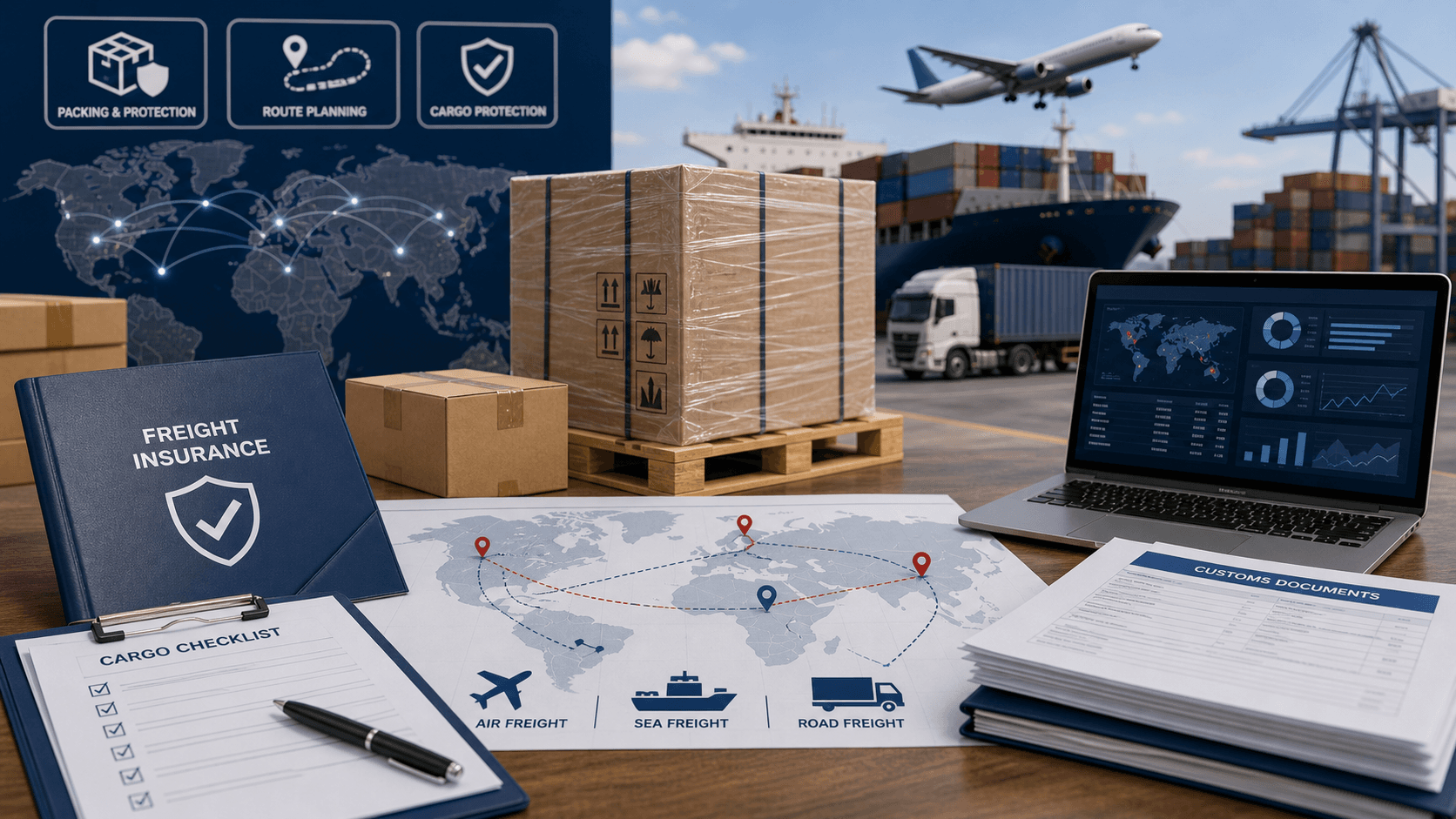
An agent authorization letter is a small document, but it plays a major role in customs clearance in Nepal. It confirms that your customs agent or freight forwarder is allowed to act on your behalf and helps the file move without unnecessary questions.
If the letter is clear, signed correctly, and consistent with the rest of the shipment documents, customs processing becomes much easier. Need help preparing customs documents? Sea Sky Cargo can review your paperwork before clearance and help you avoid delays caused by incomplete authorization.
Get Quotes
Built for freight forwarders handling FCL, OOG, heavy or project cargo into Nepal and South Asia. Use it to check routes, documents, handoffs and risk points before quoting your client.