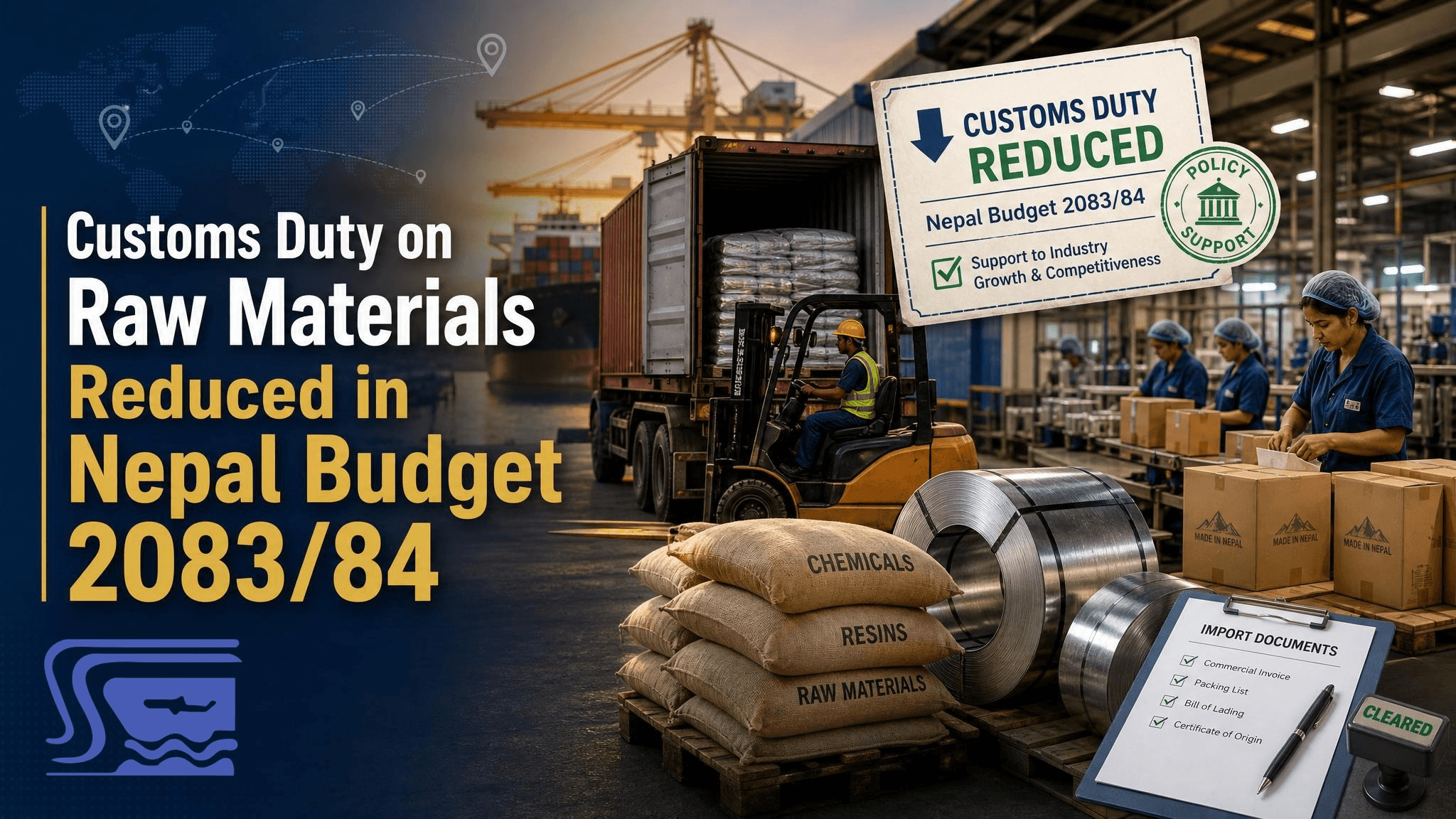
Customs Duty on Raw Materials Reduced in Nepal Budget 2083/84
Nepal’s new budget gives clear relief to businesses that import raw materials for production. The government has reduced customs duty on 273 industrial raw materials and made sure those inputs are taxed at least one level lower than the finished goods made from them.
This matters because raw materials are the foundation of manufacturing. When input costs go down, factories can produce more efficiently, lower their costs, and compete better in the local market.
What changed for raw materials
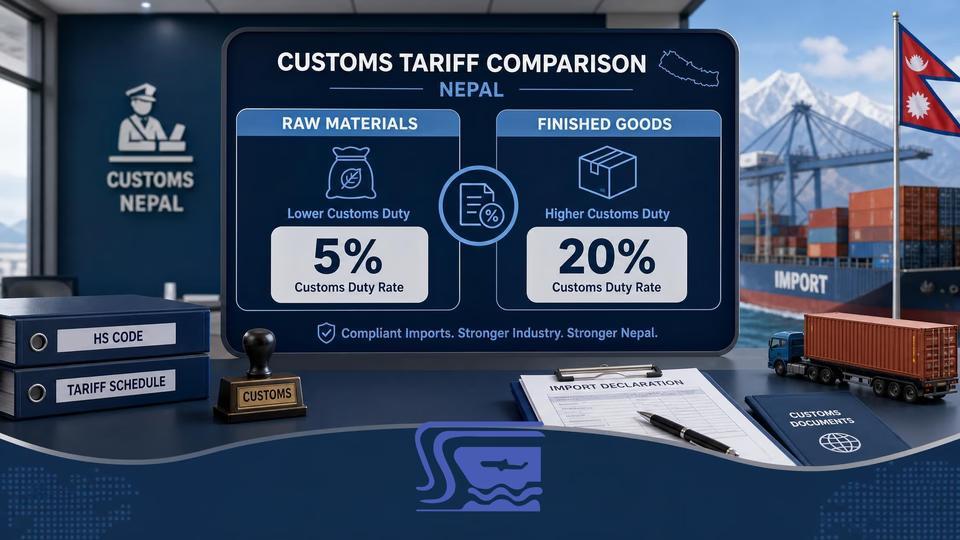
The budget lowers customs duty on industrial raw materials by one slab and reduces the overall customs structure from 11 tiers to 7. In simple terms, the government wants importing inputs to be cheaper than importing finished goods.
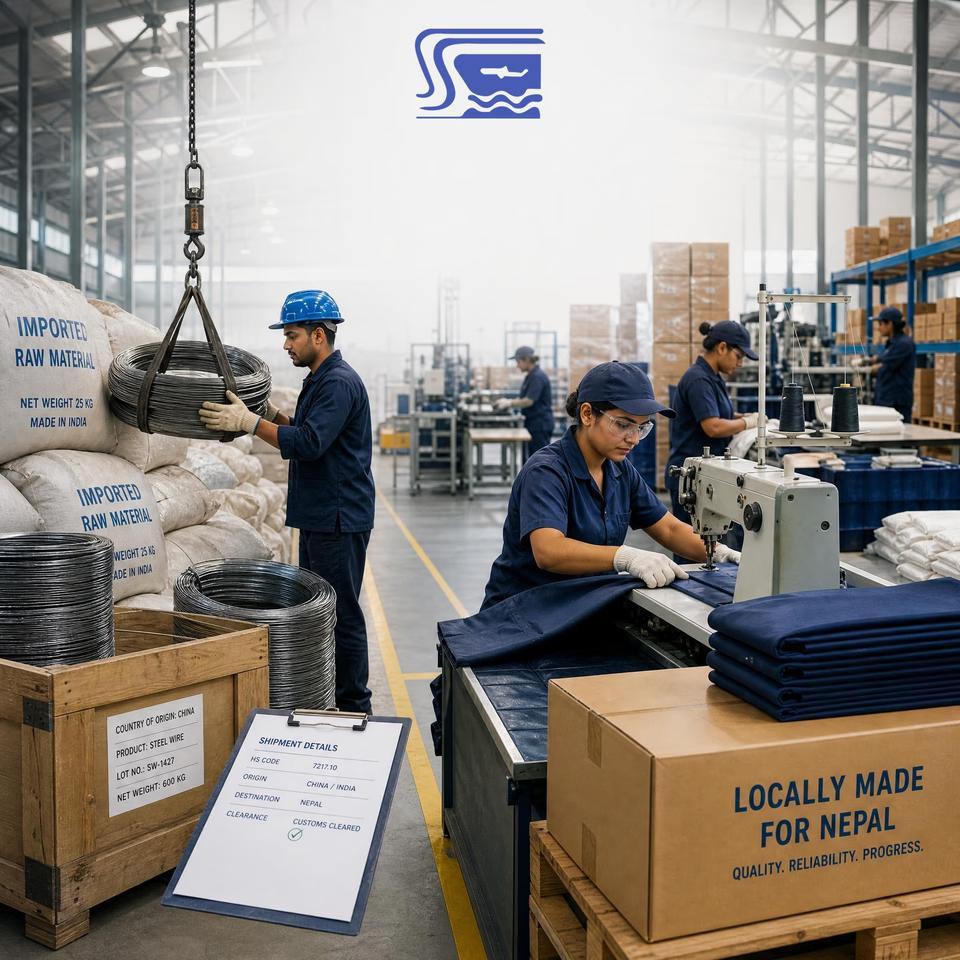
This is a big shift for industries that rely on imported items like packaging, metal parts, chemicals, components, and other production inputs. The new system should make their landed cost lower and their planning easier.
Why the government did this
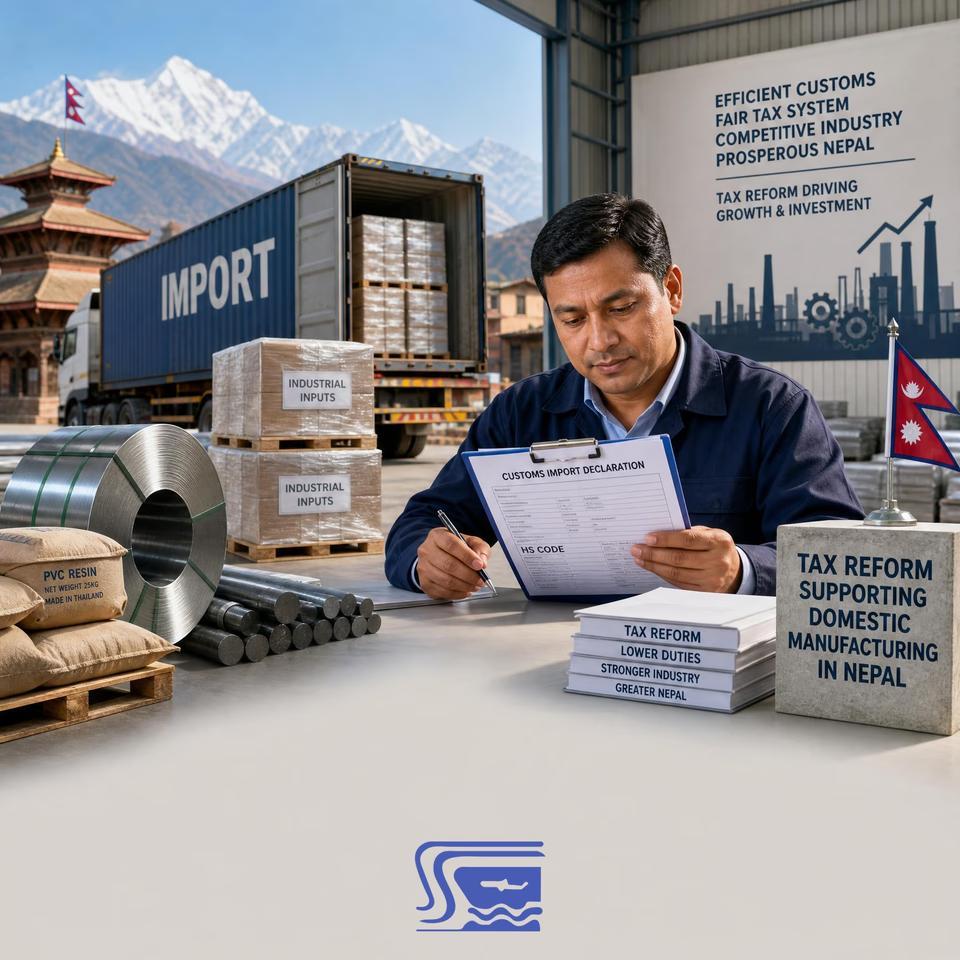
The main goal is to support domestic manufacturing. If raw materials are cheaper, businesses can make products locally instead of depending too much on imported finished items.
It is also meant to make the tax system simpler. Fewer customs slabs mean fewer classification problems at the border and less confusion for importers and customs officials.
Who benefits most
Manufacturers are the biggest beneficiaries because they use raw materials every day. Importers of industrial inputs may also benefit, especially if they supply sectors like food processing, textiles, construction materials, packaging, or assembly work.
If a business imports inputs, processes them in Nepal, and sells the finished product, this budget gives it a better cost structure. That can improve margins or help keep prices stable in a competitive market.
What it means in practice
For a business, the main effect is simple: imported raw materials should now cost less at the border. That can help companies plan purchases more confidently and reduce pressure on cash flow.
Over time, lower input costs may also help local products become more affordable. But the final price still depends on transport, labor, packaging, and other business expenses.
Important note
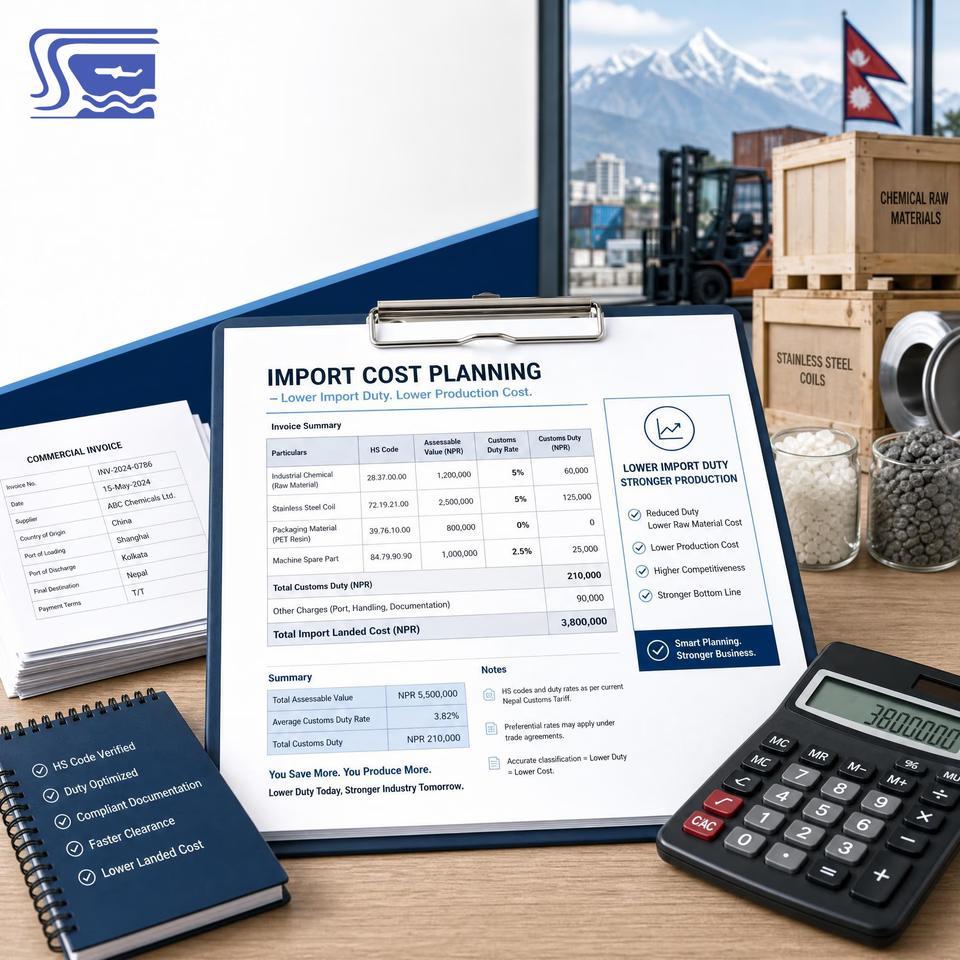
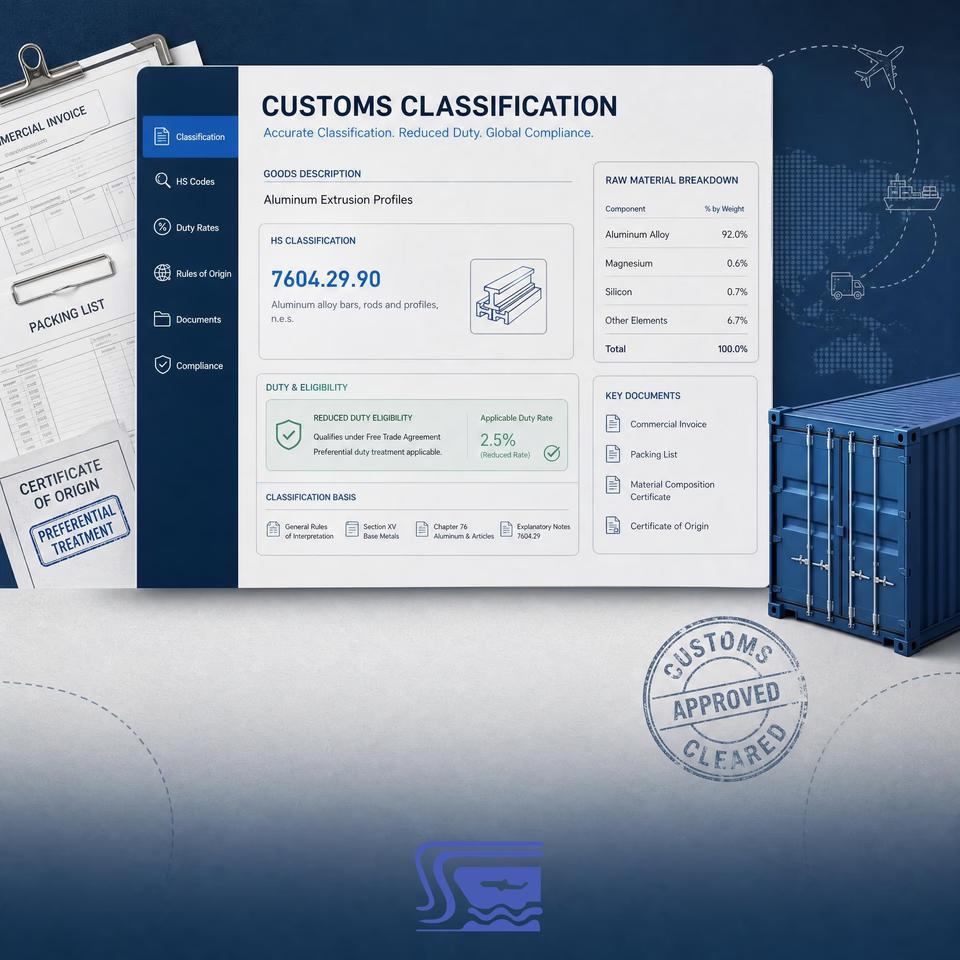
The exact benefit depends on the HS code of the material. Not every imported item gets the same treatment, so businesses should check whether their product is part of the 273 raw materials covered by the budget change.
That is why a product-level review is important before importing. The headline is good news, but the detailed list matters for the actual landed cost.
Conclusion
The raw material change in Nepal Budget 2083/84 is designed to make production cheaper and support local industries. By reducing customs duty on 273 industrial raw materials and keeping them below finished-goods levels, the government is encouraging more manufacturing inside Nepal.
In simple words, Nepal wants it to be cheaper to make things here than to only import finished products.