What is an HS code?
An HS code, or Harmonized System code, classifies a product for international trade. Customs authorities use classification to identify the goods and apply the relevant duty, VAT, excise, restrictions, permits and reporting requirements.
The code should describe the actual product, not merely a broad invoice label. Electronics, garments, machinery, vehicle parts, chemicals, food products and raw materials fall into different chapters and headings. Products that appear similar can classify differently because of their material, function, composition, power capacity, processing or intended use.
For example, describing a shipment only as 'parts' does not explain whether the goods are dedicated machine components, electrical assemblies, vehicle parts or general articles of a particular material. Those details can lead to different classification questions.
Nepal's National Single Window provides an official tariff search. Use it as a starting point, then confirm difficult classifications with the responsible customs professionals before declaring the shipment.

Why HS codes matter in Nepal customs
The HS code affects how Nepal customs reads the shipment. It connects the physical goods and commercial description to the tariff treatment and any product controls that may apply.
Classification can influence:
- Customs duty and other tariff treatment
- VAT and excise where applicable
- Import restrictions or product controls
- Licenses, permits, certificates or inspections
- The level of detail customs expects in supporting documents
- Whether the declaration agrees with the invoice and packing list
- The questions that may arise during clearance
A correct code does not guarantee instant release, but it makes the declaration easier to understand and support. An inconsistent code can create questions about the product description, declared value, duty rate or permit requirements.
For the wider process, review the Nepal customs clearance guide before the shipment leaves its origin. Classification is one part of a complete customs file.

What happens when the HS code is wrong?
If the declared HS code does not appear to match the goods, customs may pause release while the classification is reviewed. The importer or customs agent may need to clarify the product, submit supporting evidence or correct the declaration.
Possible outcomes include:
- A request for a clearer product description
- Physical inspection or additional document review
- Reclassification under a different tariff heading
- A revised duty, tax or excise calculation
- A newly identified permit or certificate requirement
- Correction of the customs declaration
- Delayed release while the importer gathers evidence
- Storage, demurrage, detention or delivery disruption
- Possible enforcement consequences depending on the facts and applicable rules
Not every mistake produces the same result. A typographical error corrected promptly is different from a code that understates duty, avoids a restriction or materially misdescribes the goods. The response depends on the product, declaration, evidence and customs assessment.
Do not assume that paying a higher duty automatically makes a code acceptable. Classification must still describe the goods correctly.
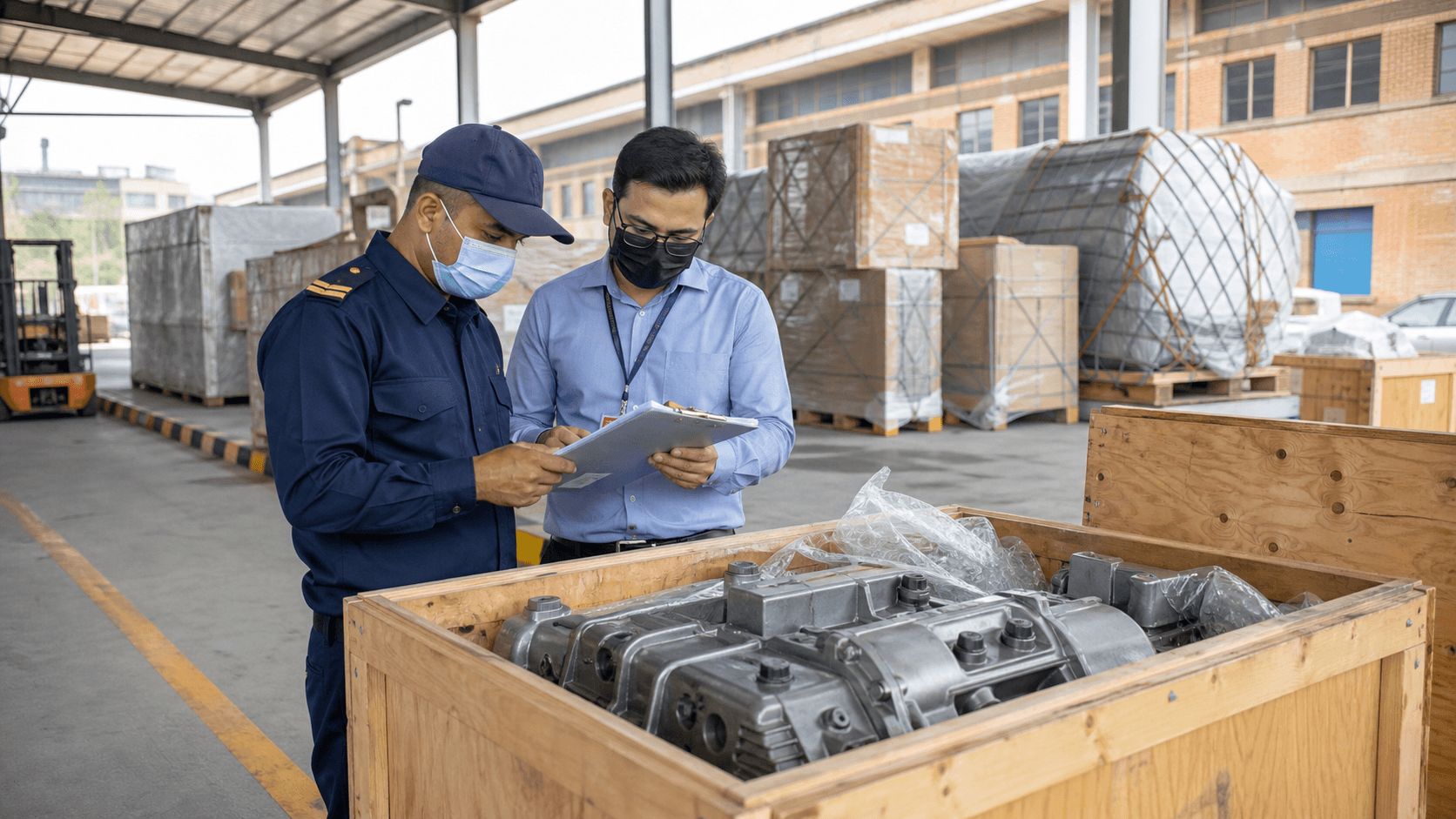
How the mistake can affect duty, permits and timing
The operational impact depends on why the code is wrong and what changes when the product is reclassified. This table shows common risk patterns without predicting the result of a particular customs case. Machinery, electronics, chemicals, cosmetics, food, textiles and vehicle-related goods often need enough technical detail to distinguish between similar headings. If the evidence is incomplete, the review can take longer because several parties may need to respond. Use the Nepal import duty guide and customs tariff overview for planning context, then verify the current official tariff and product requirements for the actual shipment.
| Mismatch | What customs may need to check | Possible shipment effect | Useful evidence |
|---|---|---|---|
| Code and product function do not agree | Actual use and technical characteristics | Reclassification and declaration correction | Catalogue, specification sheet and photographs |
| Declared code has different duty treatment | Correct tariff heading and customs value calculation | Duty or tax adjustment and delayed release | Invoice, tariff notes and classification basis |
| Correct classification may require a permit | Product controls and responsible agency requirements | Hold until the required approval is confirmed | License, certificate and product-compliance documents |
| Invoice description is vague | Identity, material, composition and end use | Clarification request or physical inspection | Detailed packing list, photos and supplier declaration |
| Old code reused for a changed product | Whether the model or specification still matches | Fresh review and possible reclassification | Current model sheet and previous declaration records |

Common HS code mistakes importers make
Many classification problems begin before the cargo reaches Nepal. A supplier may provide a code used in the export country, a previous invoice may be copied, or an online search may return a heading that sounds right but does not match the tariff rules for the actual product.
Common mistakes include:
- Using the supplier's HS code without checking the Nepal declaration
- Choosing a broad description instead of the most appropriate specific classification
- Matching by product name while ignoring material, function or composition
- Using one code for product variants with different specifications
- Reusing an old code after the product or tariff structure has changed
- Ignoring section notes, chapter notes or classification rules
- Copying an unverified code from a marketplace or search result
- Failing to check licenses, permits or certificates
- Writing vague invoice descriptions such as 'parts,' 'accessories' or 'goods'
A supplier code is useful evidence, but it is not a substitute for checking the importing country's requirements. Ask how the supplier selected it and whether the product being shipped is exactly the same model, material and specification.
Duty-rate summaries also age. Compare planning information with the current official tariff rather than relying only on an older shipment or the 2025 duty and tariff guide.

Unsure whether the HS code matches your product?
Share the product description, material, use, technical details and available documents before the shipment arrives. Sea Sky can identify classification questions that need review.
How to check an HS code before shipping
Classification should begin with the product, not the code. Gather the facts that distinguish the item, then compare those facts with the tariff wording and applicable classification rules.
Use this pre-shipment checklist:
- Confirm the precise commercial and technical product name
- Record the material, composition, function and intended use
- Review model numbers, capacity, power and other key specifications
- Check whether the item is complete, unfinished, assembled, disassembled or a part
- Compare the supplier's code with Nepal's current tariff search
- Read relevant section and chapter notes where classification is unclear
- Check duty, VAT, excise and product-control implications
- Confirm whether a permit, certificate or inspection is required
- Make the invoice and packing-list descriptions consistent
- Resolve uncertainty before freight booking or dispatch
For a mixed shipment, review each distinct product rather than applying one code to an assortment. Keep a record of the information and reasoning used, especially for technical or high-value goods.
An online tariff search can narrow the options, but complex classification may still need advice from the responsible customs agent or authority. Sea Sky can help organize the product and shipment information for that review.

Documents that support HS code classification
The useful evidence depends on the product. The aim is to show customs what the goods are, what they are made from, how they work and how the commercial documents relate to the physical shipment.
A classification file may include:
- Commercial invoice with a specific product description
- Packing list showing package-level contents
- Product catalogue or manufacturer literature
- Technical specification sheet and model number
- Clear product and nameplate photographs
- Material or composition details
- Certificate of origin where relevant
- Bill of lading, airway bill or road transport document
- License, permit, test report or conformity certificate when applicable
- Supplier declaration or explanation for complex goods
- Previous classification records for an identical product
Previous records help only when the product and rules remain comparable. Do not reuse an old declaration blindly. Confirm that the model, material, function, tariff version and import conditions have not changed.
Clear descriptions also help valuation and permit checks. Replace labels such as 'accessory' with the actual item, material, function and relationship to the main product.

How to reduce customs-clearance delays
When classification is questioned after arrival, the cargo may wait while the agent revises the declaration, the importer requests documents, customs examines the goods or another permit is arranged. That can affect delivery commitments, production schedules and storage cost.
Reduce the risk by treating classification as a pre-shipment task:
- Review the code before confirming freight
- Ask the supplier for complete technical information
- Use consistent quantities, weights and descriptions across documents
- Check product controls before dispatch
- Send the customs file to the Nepal-side agent early
- Keep final packed details and product photos available
- Allow time for clarification on technical or regulated goods
- Do not promise a duty figure until the classification and valuation basis are checked
If an error is found, notify the customs professional handling the declaration instead of quietly changing one document. Corrections should be coordinated so the invoice, packing list, transport records and declaration remain consistent.
For importers handling the customs and compliance role in Nepal, Sea Sky's Importer of Record service may also be relevant to the wider shipment setup.

How Sea Sky Cargo supports customs preparation
Sea Sky Cargo helps importers, exporters and freight forwarders prepare Nepal-linked shipments before customs clearance begins. The objective is to identify missing product details, inconsistent documents and route requirements while there is still time to correct them.
Support can include:
- Organizing product information for HS code review
- Checking invoice and packing-list consistency
- Flagging duty, tax, permit or certificate questions for confirmation
- Coordinating with the customs-clearance parties
- Planning air, road, sea-linked and inland freight
- Preparing the Nepal destination handoff before arrival
Sea Sky does not replace a binding decision by customs. It can help make the shipment file clear enough for the appropriate professionals to review and reduce avoidable back-and-forth during clearance.
Share the product description, material, function, model, supplier code, value, origin and available documents through the get a quote page. For containerized Nepal cargo, the free Nepal FCL partner kit adds a broader route and document checklist.
The best time to question an HS code is before dispatch. A careful review cannot remove every customs risk, but it is much easier than correcting a vague or unsupported declaration after the cargo is waiting at a port, airport or border.

Frequently asked questions
What happens if I use the wrong HS code in Nepal customs?
Customs may request clarification, inspect the goods, review the classification, adjust the duty calculation or require a corrected declaration. The shipment may wait until the relevant questions and documents are resolved.
Can the wrong HS code increase import duty in Nepal?
Yes. If customs determines that another classification applies, the duty, VAT, excise or other treatment may differ. The result depends on the product and current tariff rules.
Can customs hold a shipment for an incorrect HS code?
Customs can delay release while it verifies the goods, classification, supporting documents or permit requirements. The exact procedure depends on the case.
Should I use the HS code given by my supplier?
Use it as a reference, not automatic proof. Verify that it matches the actual product and Nepal's current import classification and requirements.
How can I check the correct HS code before importing to Nepal?
Gather the product description, material, function, composition, specifications and photographs. Compare them with the official Nepal tariff search and ask the responsible customs professional when the classification remains uncertain.
Does Sea Sky Cargo help with HS code checking?
Sea Sky can help organize and review the shipment details, identify document inconsistencies and coordinate customs preparation. Final classification remains subject to the applicable tariff rules and customs determination.
In short, an HS code is not decorative paperwork. It connects the product to duty, controls and clearance requirements, so accuracy and supporting evidence matter before the shipment moves.

Prepare the customs file before the cargo arrives
Sea Sky can review the shipment details, document consistency, route and customs-clearance requirements before avoidable questions become storage time and extra cost.