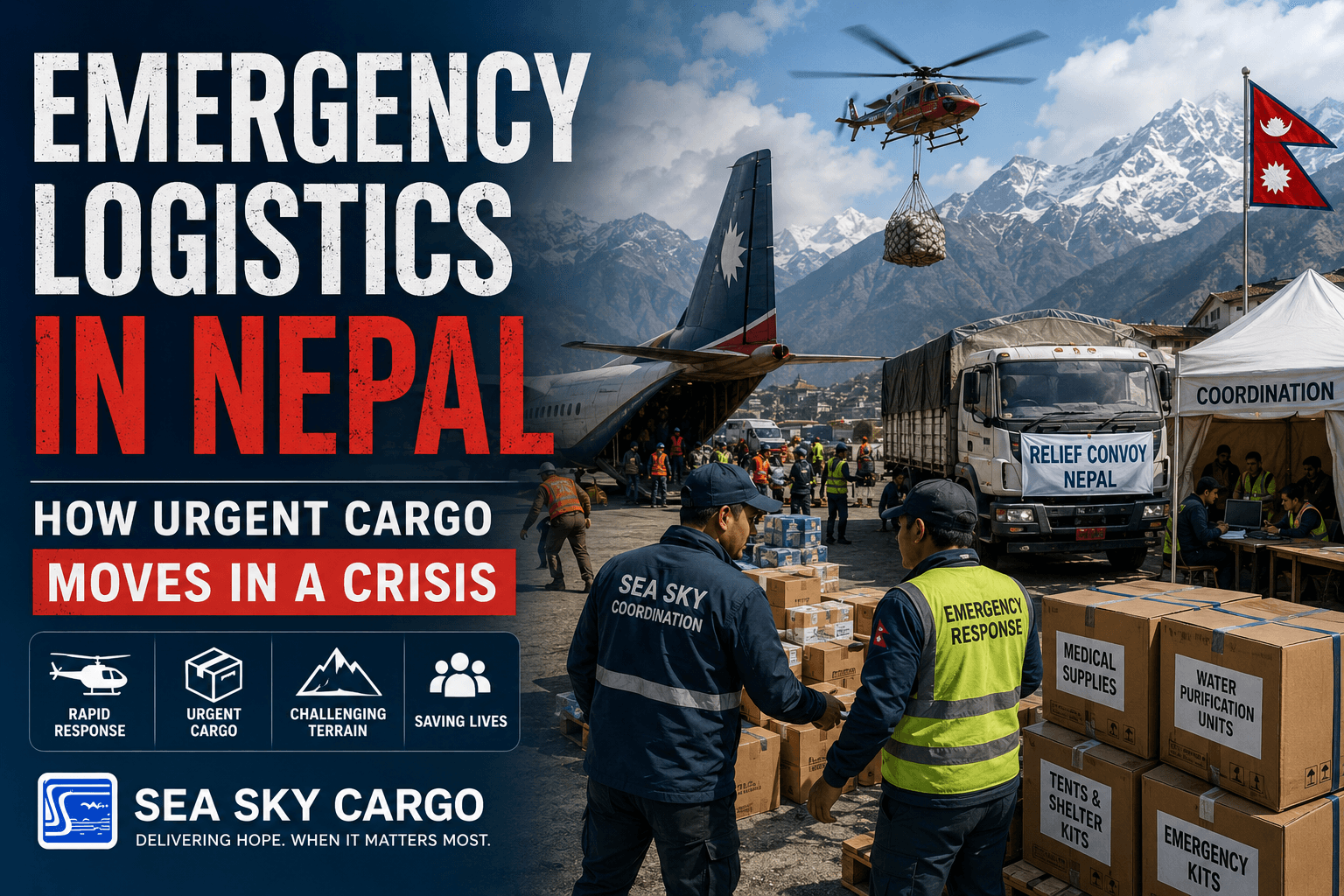
Emergency Logistics in Nepal: How Urgent Cargo Moves in a Crisis
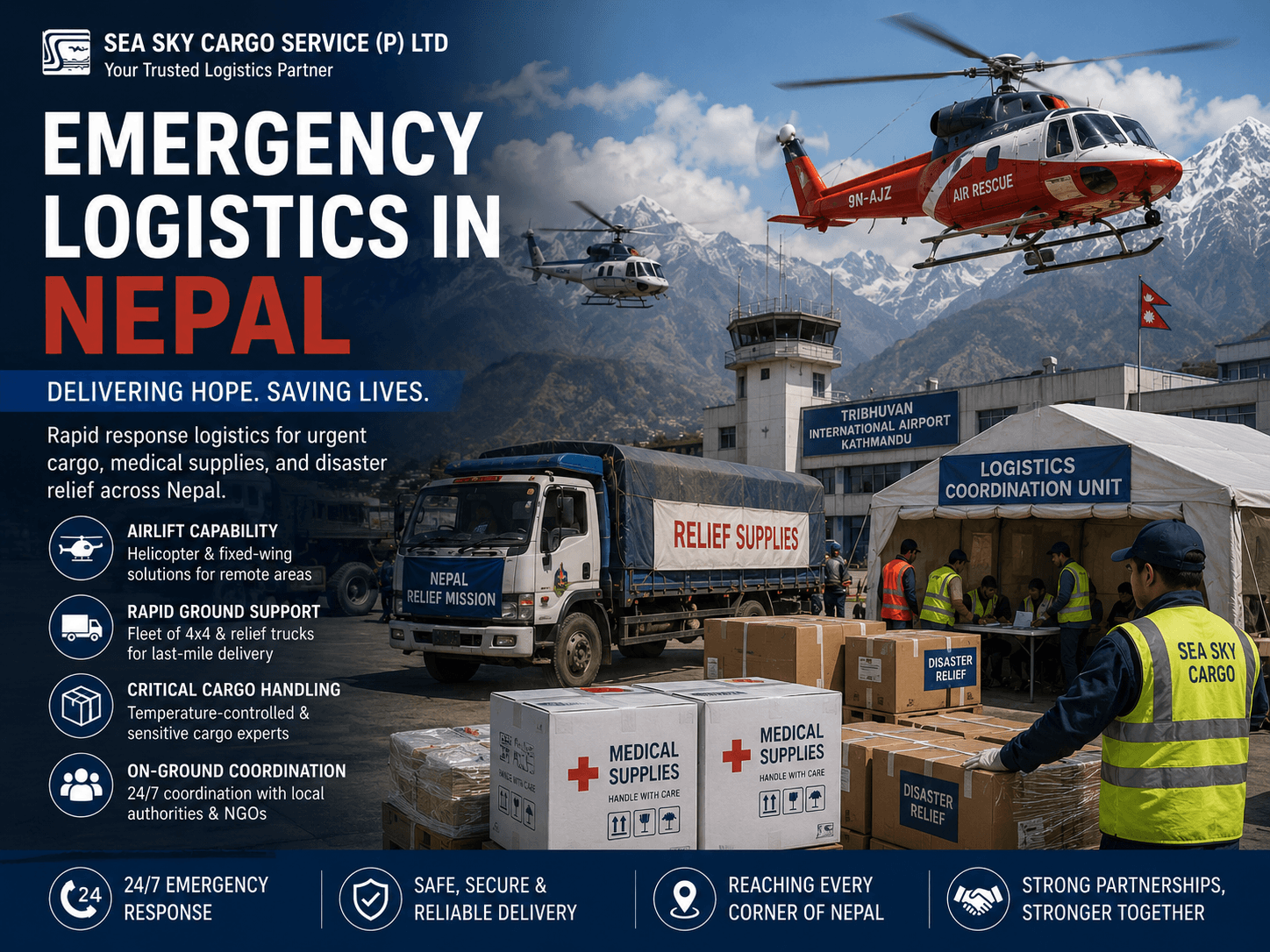
Emergency logistics is the system used to move relief goods, medical supplies, and life-saving equipment when time matters more than cost. In Nepal, this is especially important because disasters, remote terrain, road disruptions, and border delays can all make ordinary shipping too slow for crisis response.
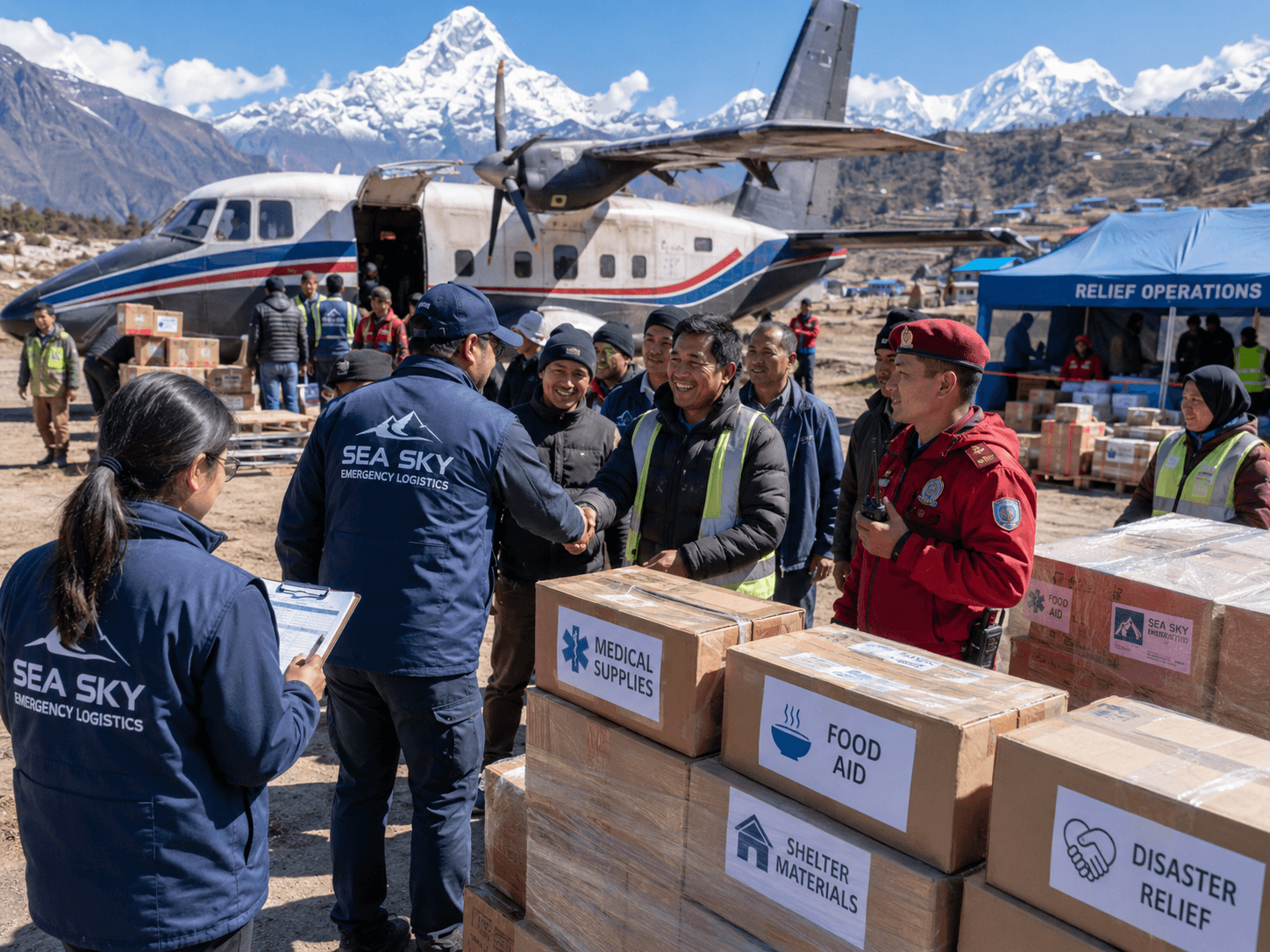
Unlike routine cargo, emergency shipments need faster decisions, tighter coordination, and flexible transport modes such as airlifts, helicopters, road convoys, and temporary staging hubs. For hospitals, NGOs, government agencies, and private donors, the goal is simple: get critical goods to the right place as quickly and safely as possible.
What Emergency Logistics Means
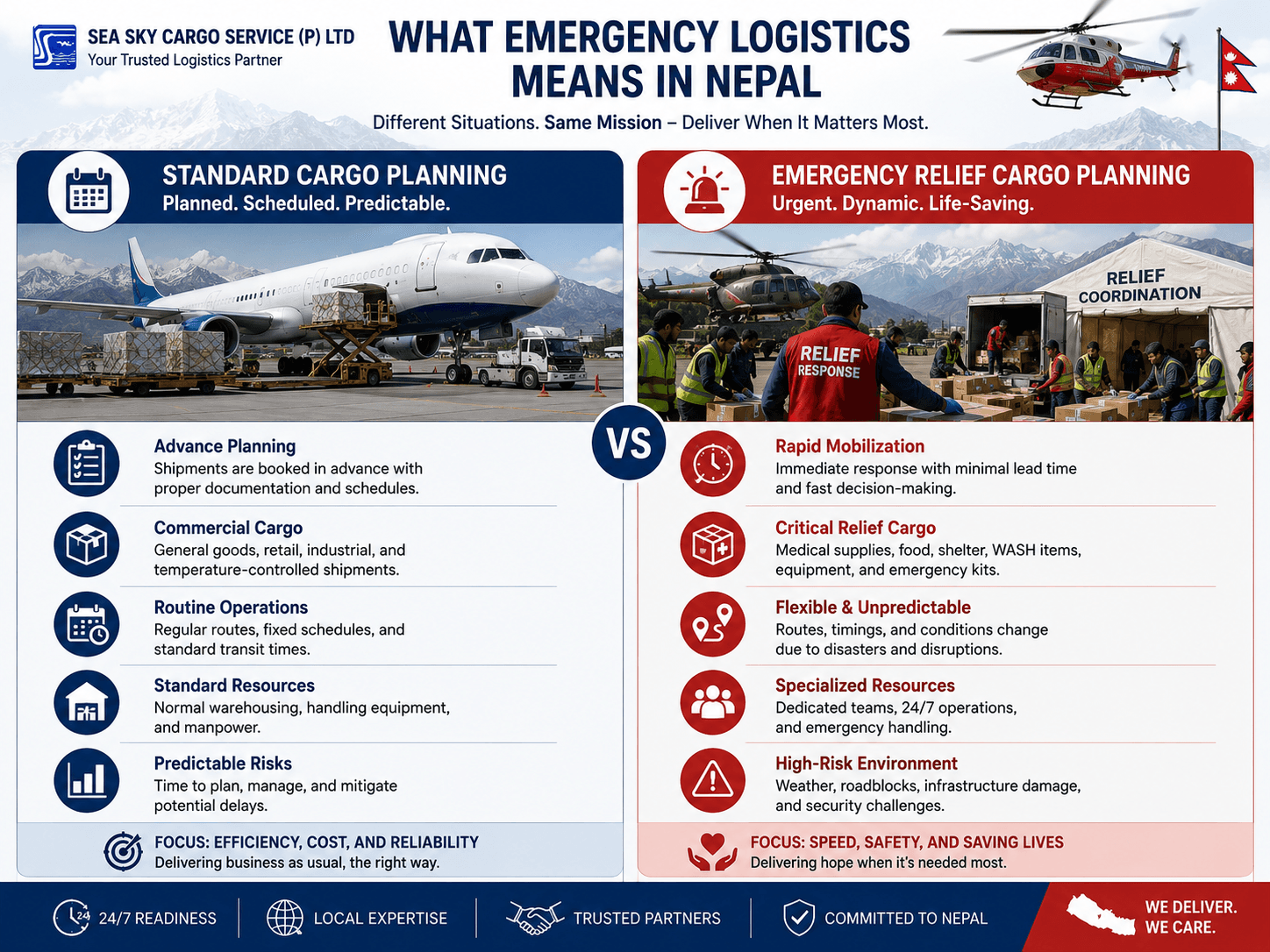
Emergency logistics is the planning and movement of goods during disasters, public health emergencies, or other crisis situations. It includes transporting food, water, shelter materials, oxygen, vaccines, PPE, medicines, and search-and-rescue equipment.
The big difference from regular cargo is speed and priority. Routine freight is scheduled around cost and efficiency, while emergency freight is scheduled around need, access, and survival. That is why emergency logistics often uses pre-arranged routes, priority handling, and rapid customs or clearance support.
Nepal’s Real Crisis Lessons
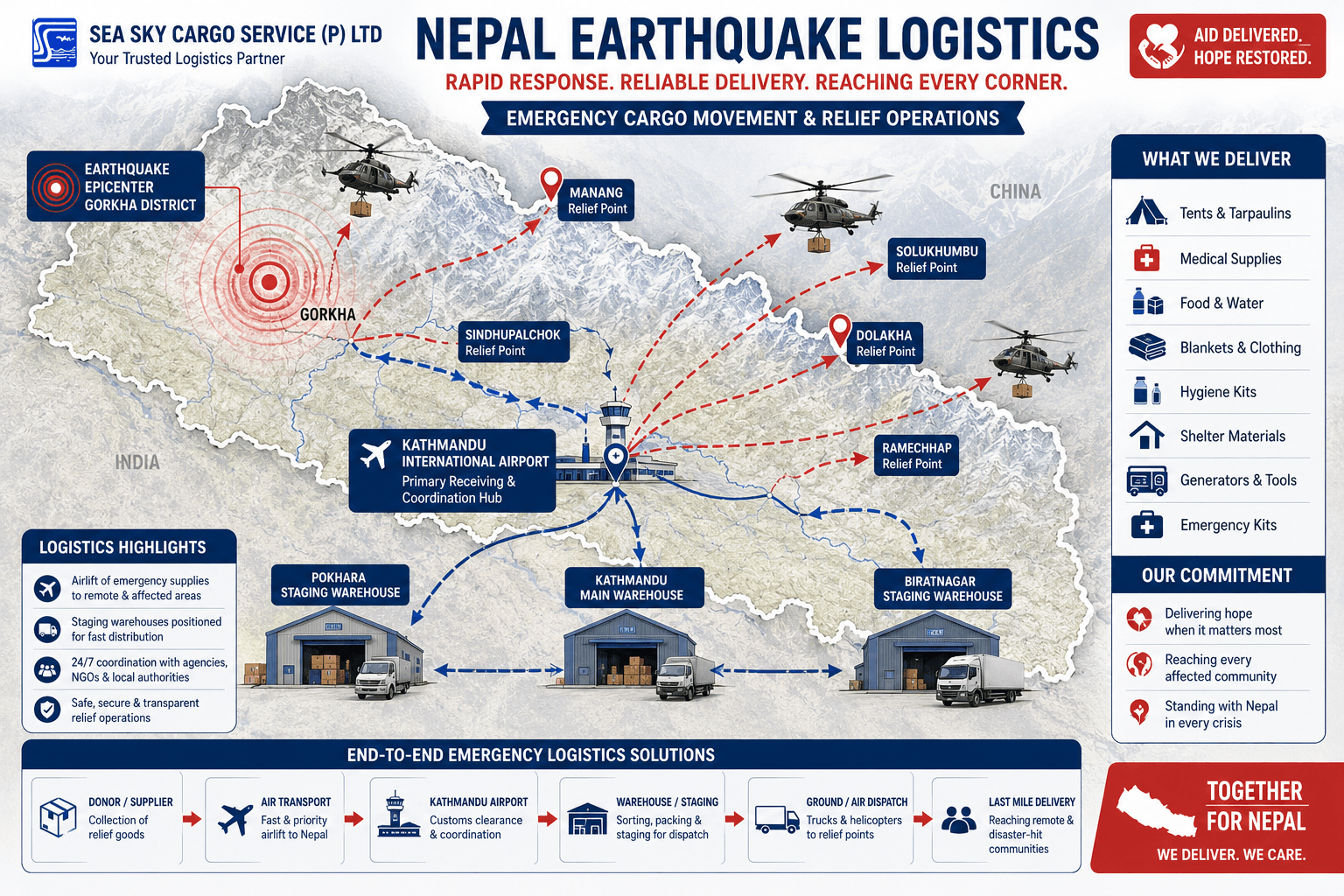
The 2015 Nepal earthquake showed how essential logistics becomes in a national emergency. According to the Logistics Cluster brief, more than 8,733 metric tons of humanitarian cargo were processed, over 9,320 square meters of storage were made available, and UNHAS carried out 1,423 sorties to 105 locations.
Those numbers show how quickly cargo systems can be stretched during disaster response. Relief operations depended on air transport, temporary staging areas, and coordinated delivery into remote districts where roads were narrow or blocked.
Covid-19 Supply Chains
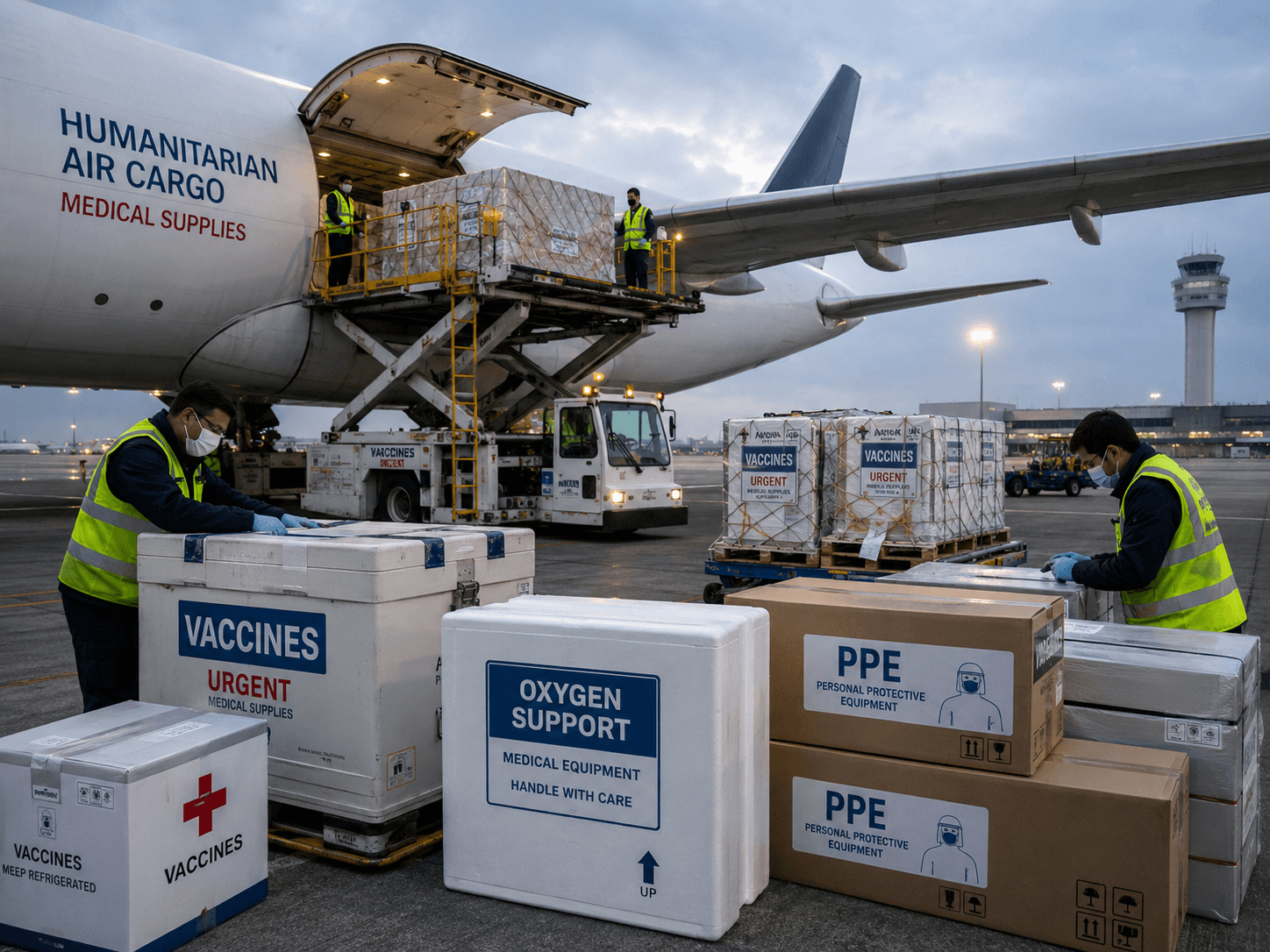
The Covid-19 pandemic created another kind of emergency logistics challenge: moving vaccines, oxygen, PPE, and medical supplies on short notice. Unlike earthquake relief, this was a prolonged supply chain problem that required temperature-sensitive handling and regular replenishment.
This kind of cargo cannot wait for normal schedules. Hospitals and health agencies need fast delivery, predictable handling, and reliable communication so they can keep critical care systems supplied.
Why Crisis Shipping Is Hard
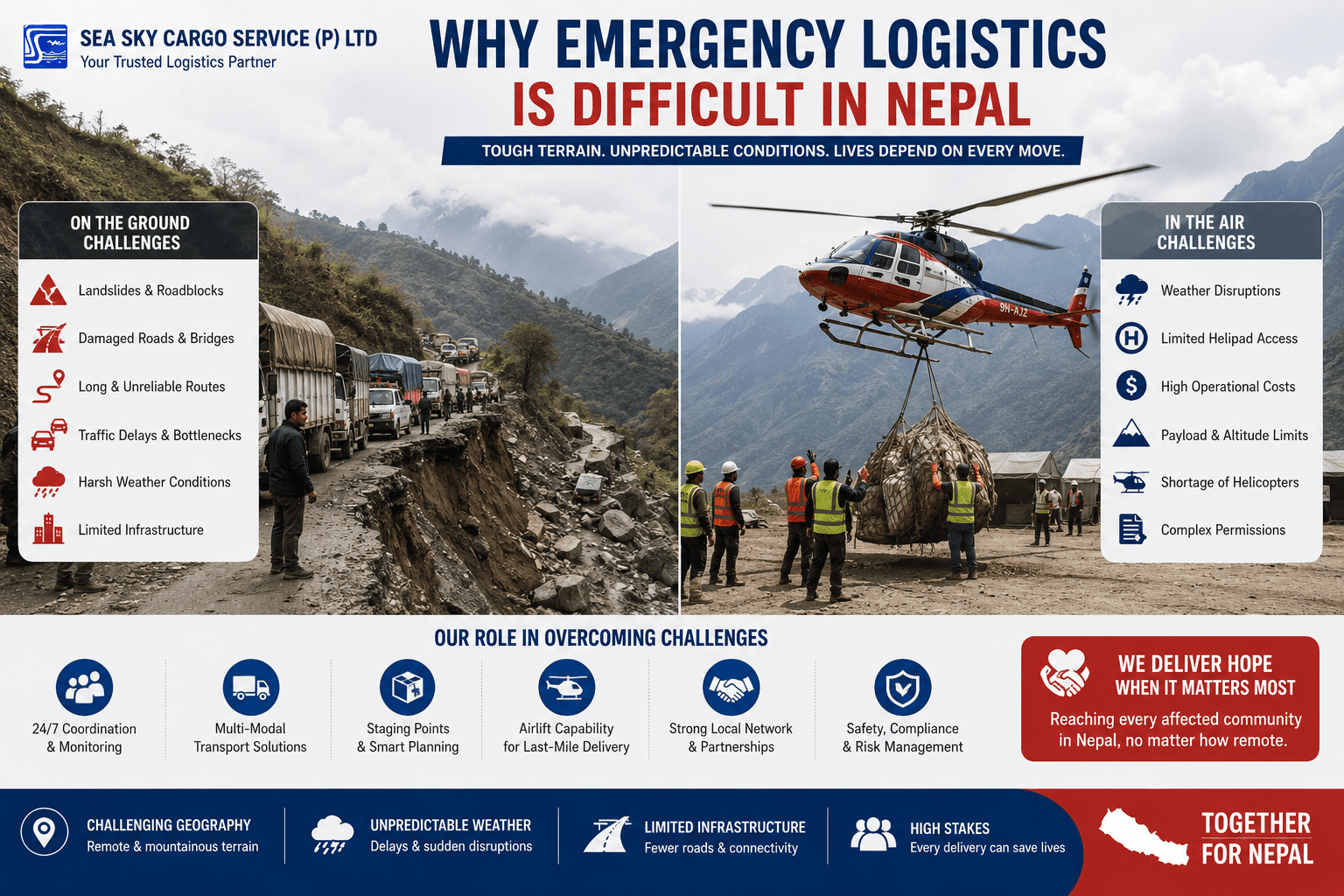
Nepal’s terrain creates major logistics problems in emergencies. Roads can be damaged, borders can slow down movement, weather can change quickly, and remote communities may be reachable only by helicopter or long overland detours.2017-2020.
Customs and regulatory steps can also slow shipments unless they are planned in advance. That is why emergency logistics teams often rely on pre-cleared procedures, priority lists, and coordination with government agencies and humanitarian clusters.
Tools and Solutions
Modern emergency logistics depends on a few key tools:
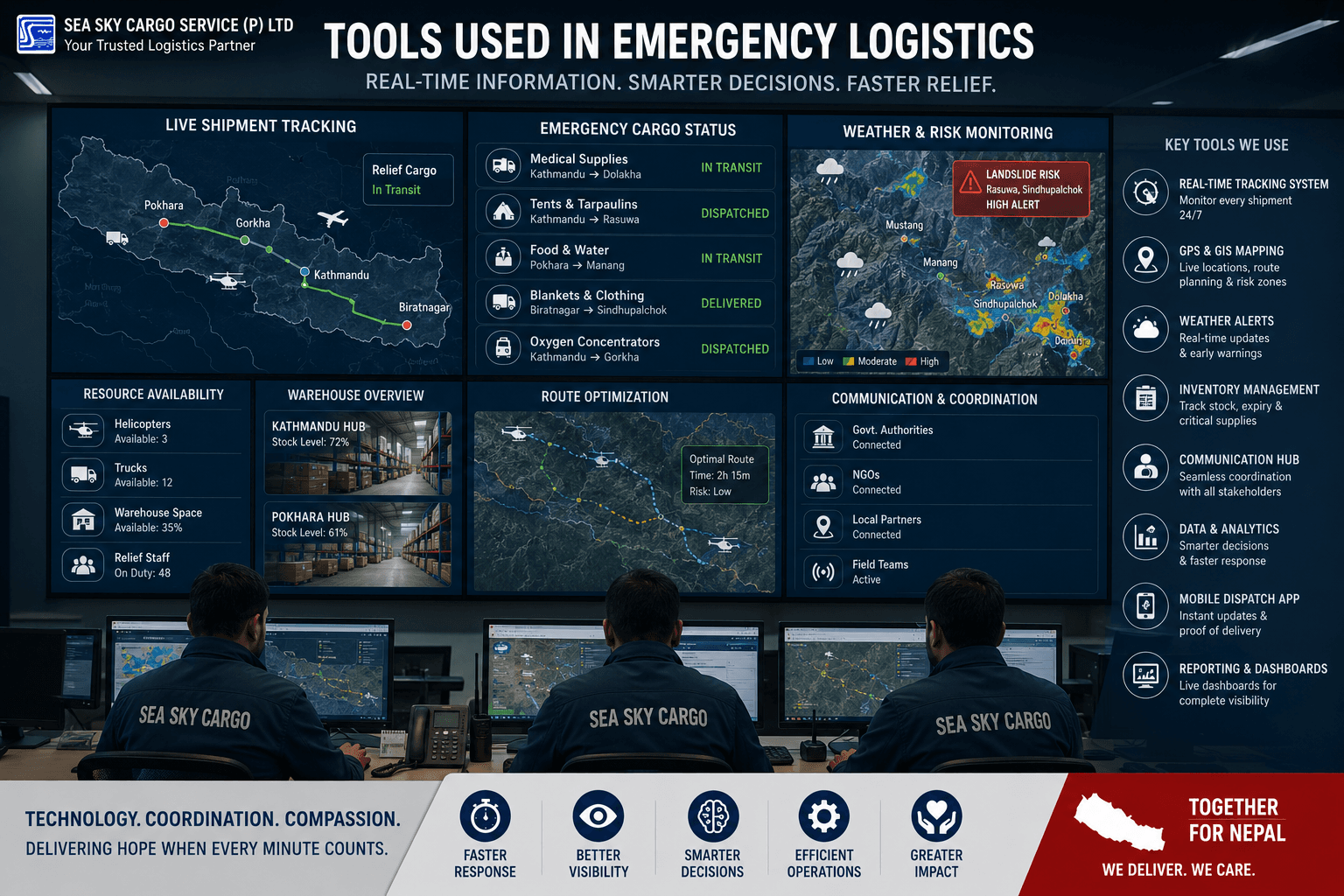
- Real-time tracking to monitor where cargo is and whether it is delayed.
- Temporary logistics hubs near airports or disaster zones.
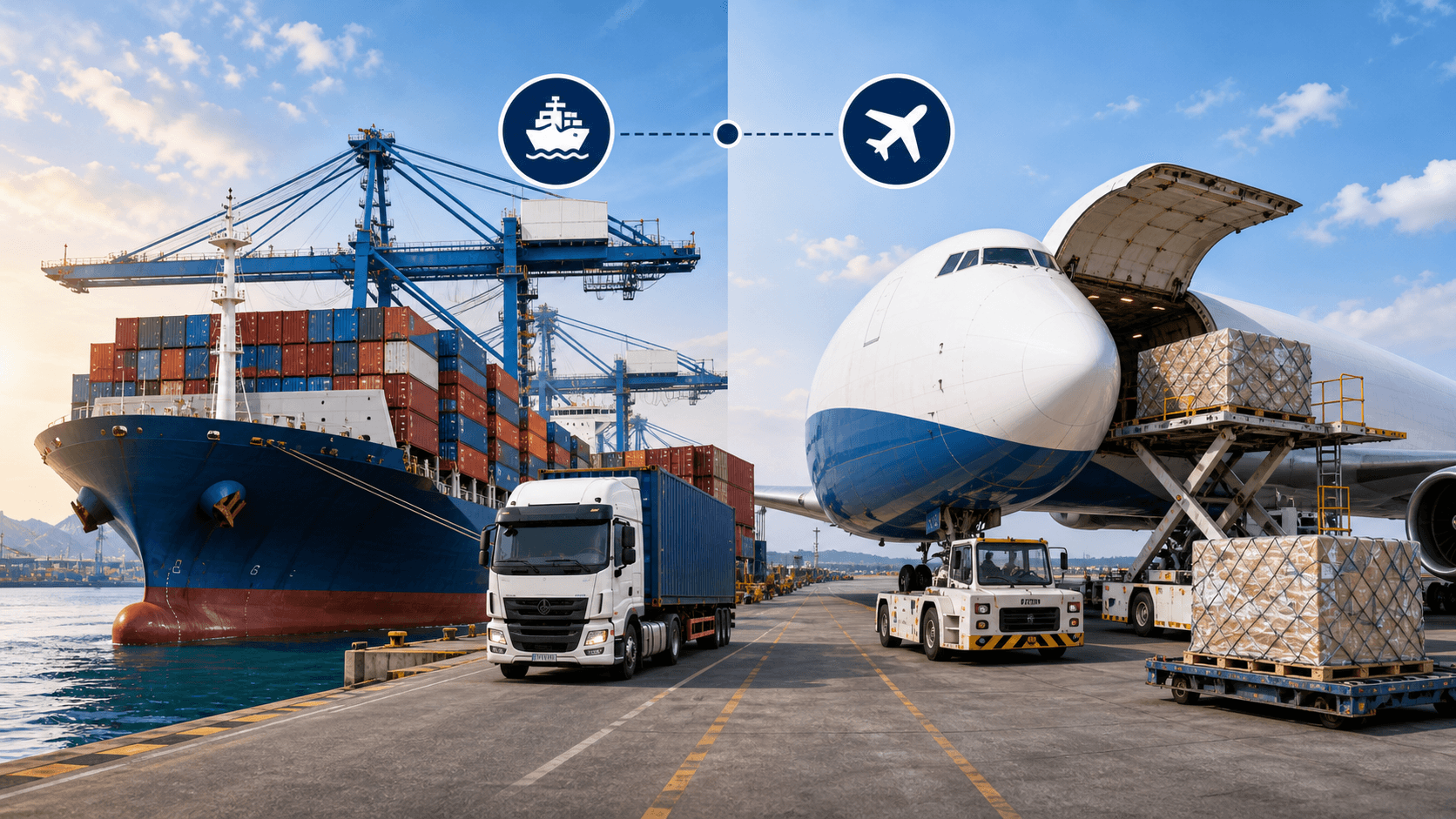
- Multimodal transport, including air, road, and helicopter links.
- Partnerships with local haulers, international NGOs, and government response agencies.
These tools allow the response team to shift cargo to the fastest available mode instead of waiting for a perfect route. In a disaster, “good enough and now” is often more valuable than “ideal and late.”
How Sea Sky Can Help
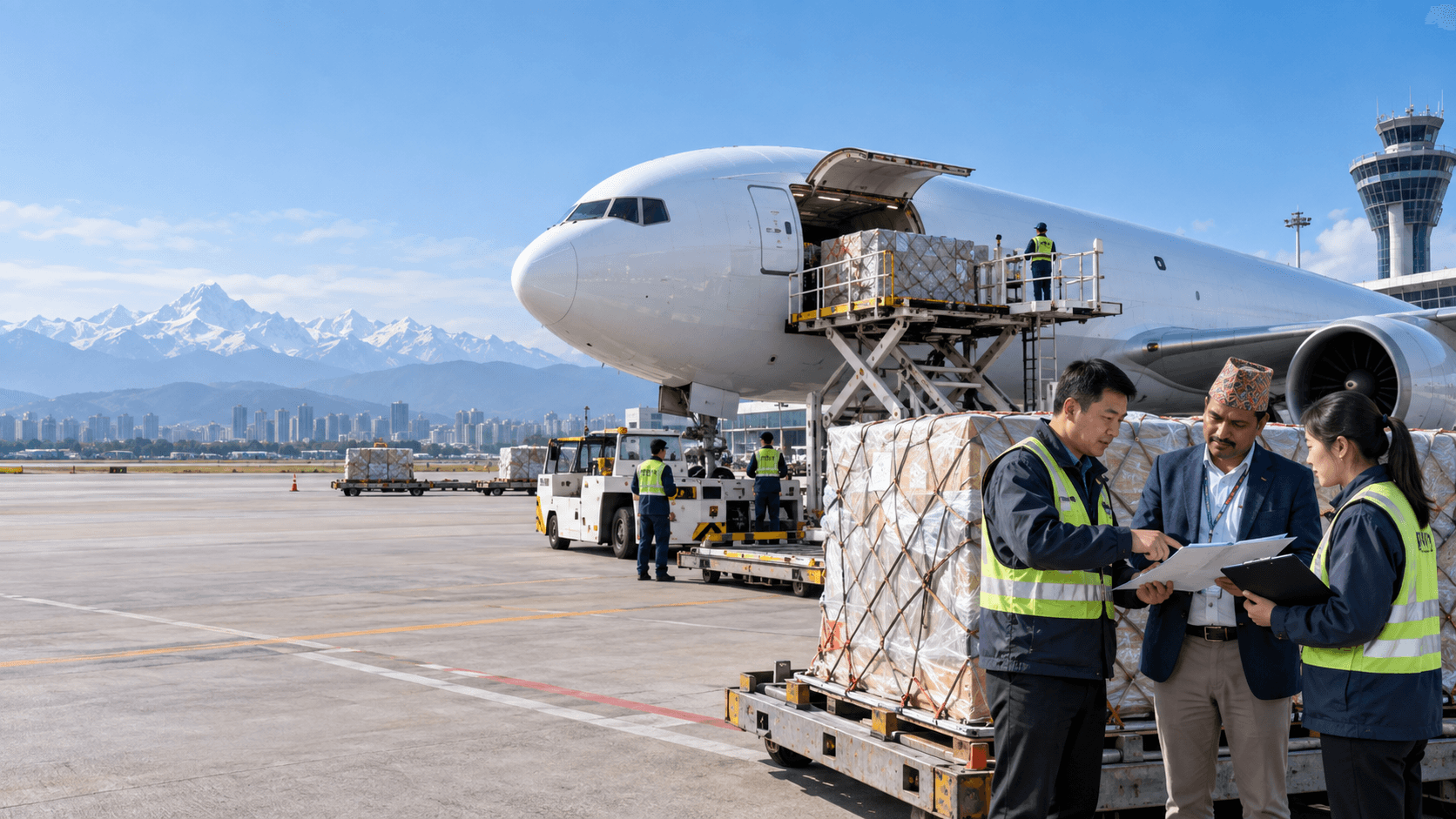
Sea Sky’s land-side and cross-border logistics experience is a strong fit for emergency planning because crisis shipments often need fast coordination across airports, borders, and inland delivery points. The company’s background in complex freight and project logistics makes it useful when shipments must move quickly and cannot afford delays.
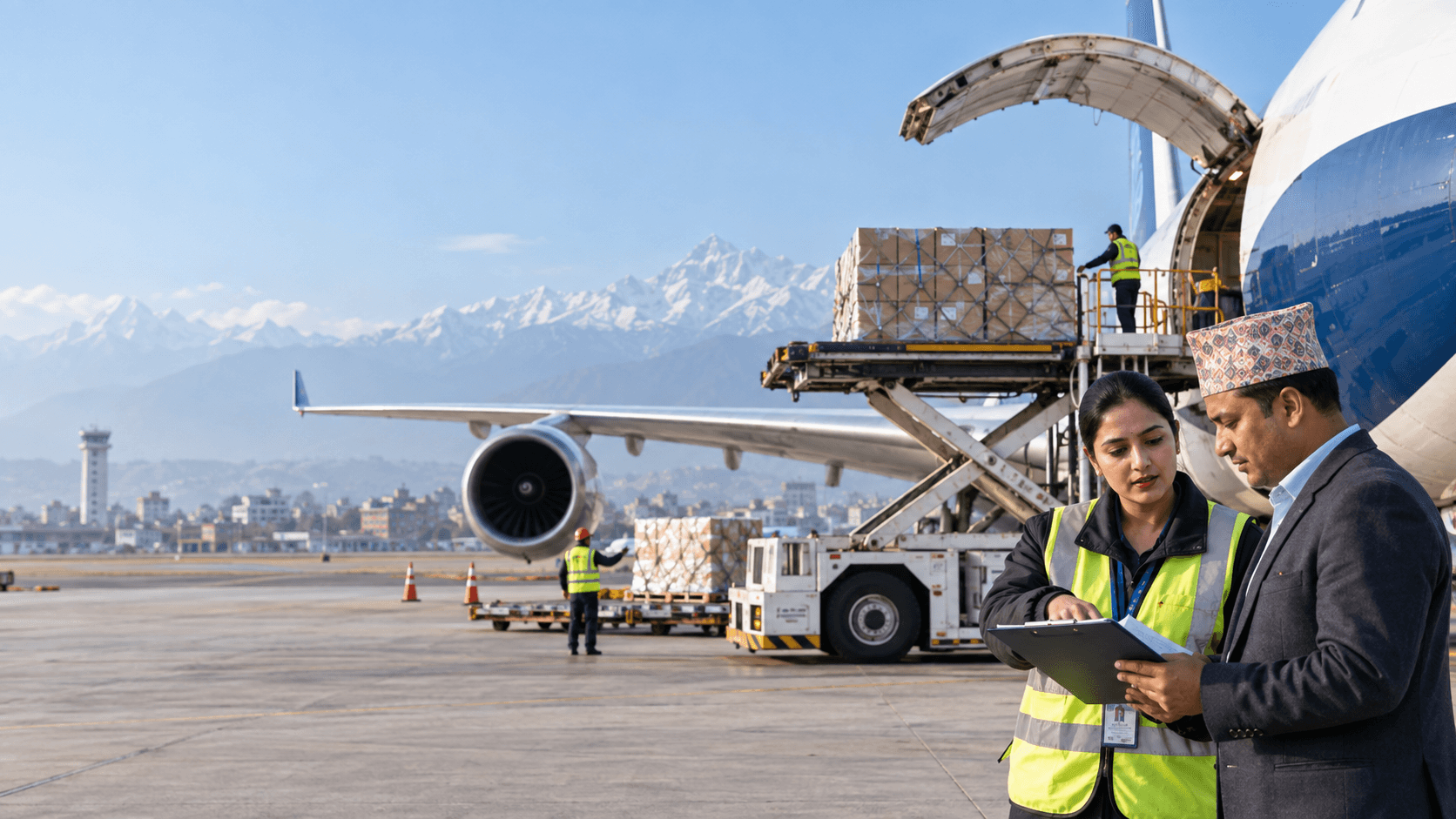
In an emergency, Sea Sky can help with priority routing, document coordination, customs support, and 24/7 shipment communication. That is especially valuable for NGOs, health agencies, and businesses that need a logistics partner ready to move at short notice.
How to Prepare
If your organization may need to ship emergency cargo, prepare before the crisis happens:
- Keep a list of approved contacts at customs, airports, and transport partners.
- Pre-build standard document templates for invoices, packing lists, and relief declarations.
- Identify the fastest transport mode for each emergency type.
- Use strong packaging for medical or fragile relief goods.
- Agree on a response process with your logistics partner in advance.
A pre-planned system saves hours when every hour matters.
Conclusion
Emergency logistics is not just another shipping service; it is a lifeline that helps protect lives and restore access during crises. In Nepal, where geography and disaster risk make rapid response difficult, the right logistics partner can make a major difference in how fast aid and urgent cargo arrive.
Sea Sky can help organizations build emergency shipping plans, coordinate urgent cargo, and stay ready when disaster strikes. Contact Sea Sky today to build an emergency logistics plan or request urgent shipment support for your organization.