Why Dubai is a major international cargo hub
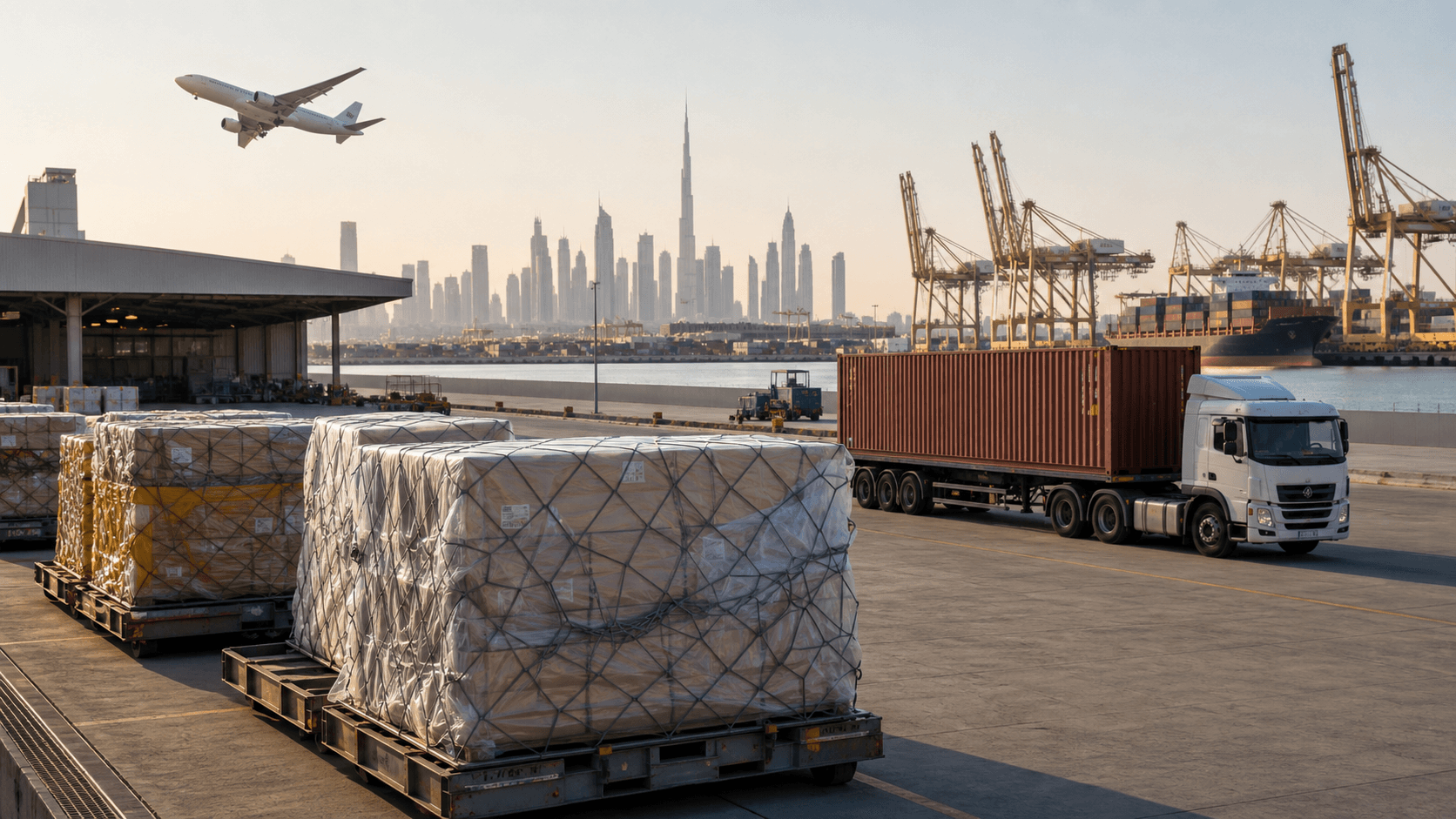
Dubai connects manufacturers, wholesalers, free-zone businesses, online sellers and buyers across Asia, Europe, Africa and the Middle East. Its airport cargo facilities, container terminals, warehouses and regional road network make it useful for imports, exports and re-exports rather than only local UAE deliveries.
Businesses commonly arrange shipping from Dubai for:
- Electronics, mobile accessories and ecommerce orders
- Fashion, garments, cosmetics and perfumes
- Machinery, tools, spare parts and industrial equipment
- Auto parts, building materials and household goods
- Packaged food, beverages and retail stock
- Personal effects, samples and consolidated commercial cargo
The best route still depends on the exact shipment. A small urgent carton can move by air, a heavy stock order may suit sea freight, and a Dubai warehouse or free-zone pickup usually needs a road leg before the international movement begins. The UAE Ministry of Economy and Dubai Customs are useful official starting points for current UAE trade and customs information.
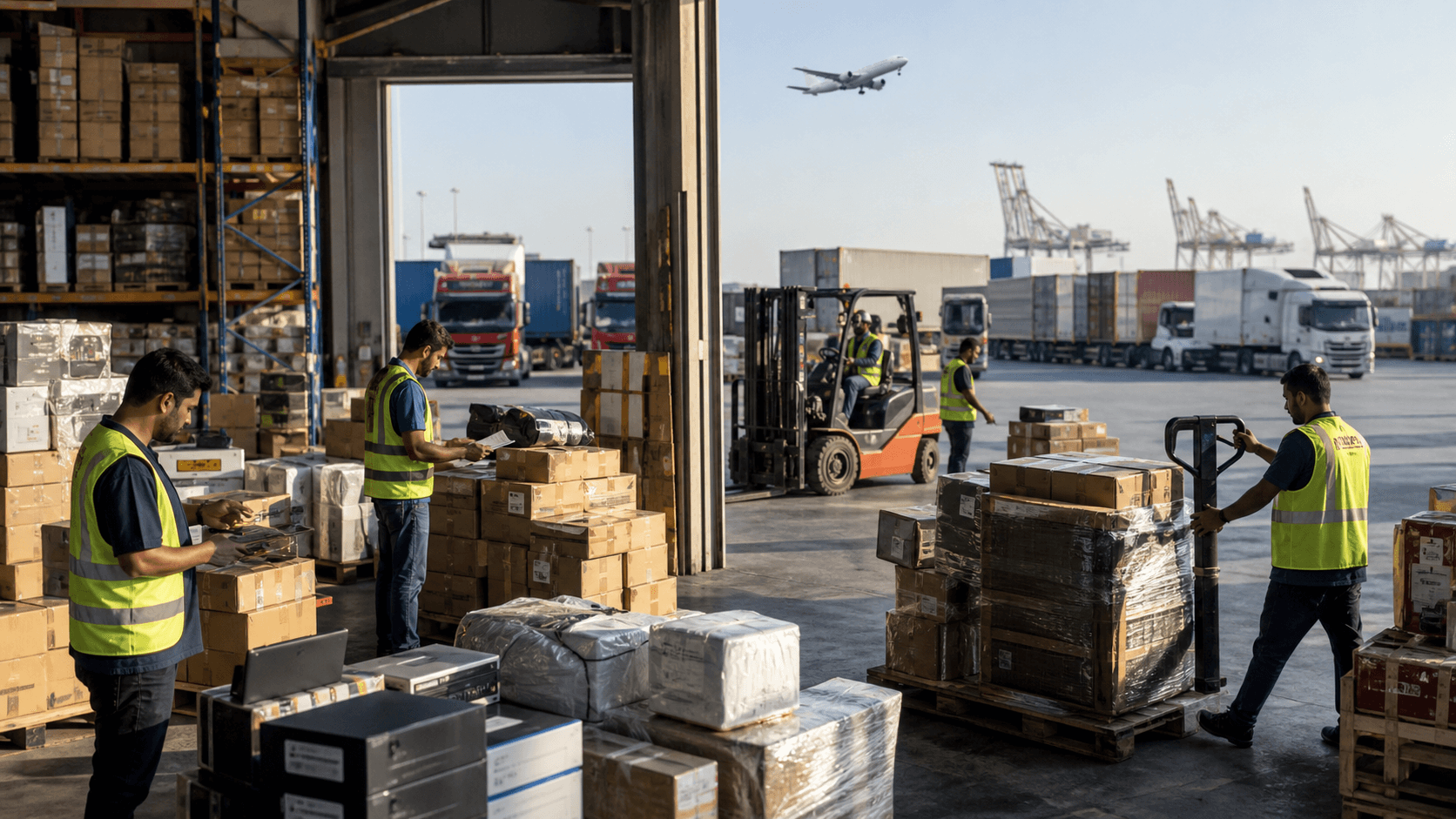
Shipping from Dubai by air freight
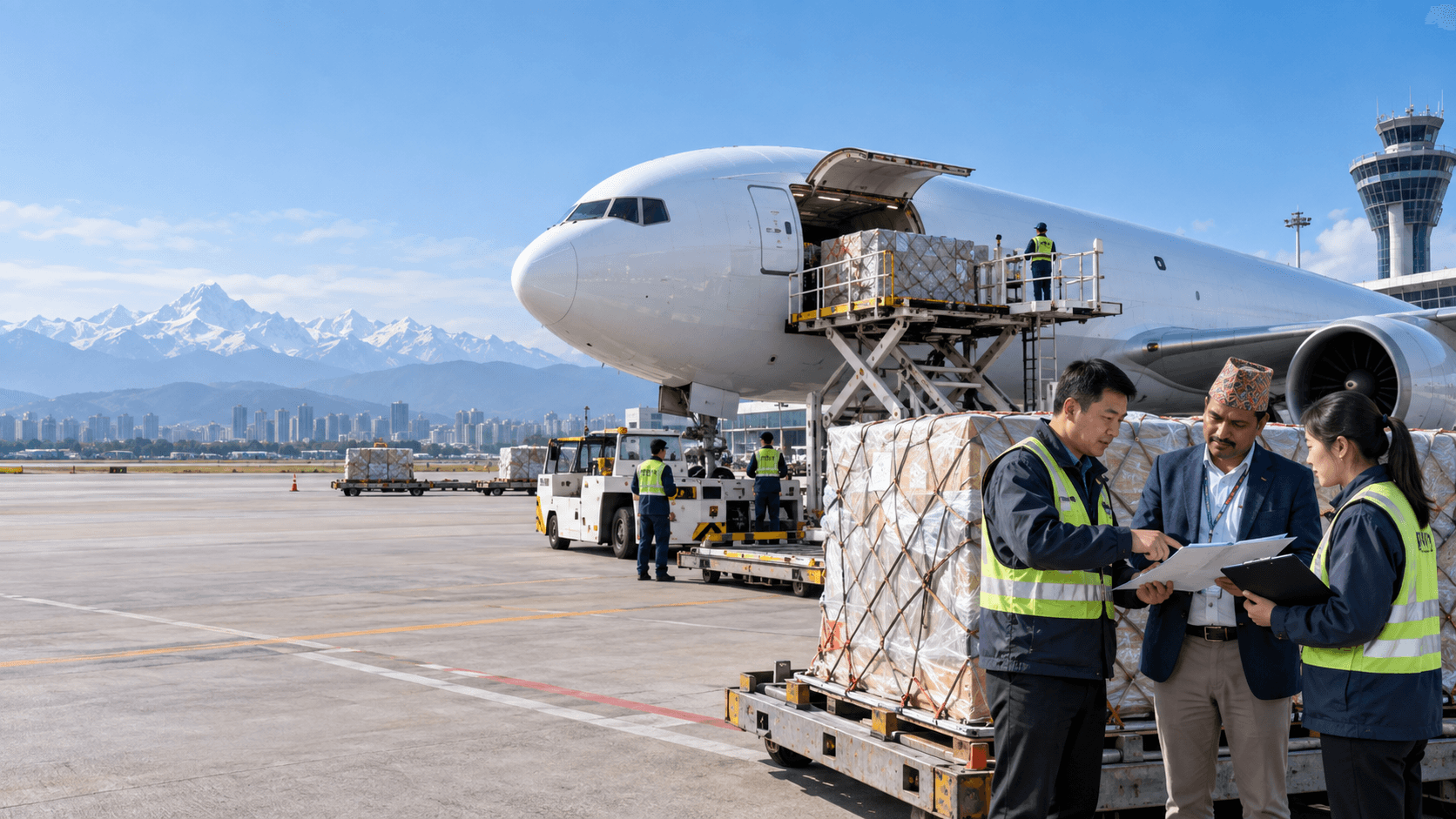
Air freight from Dubai is usually the first option for urgent, lightweight, high-value or time-sensitive cargo. It can suit electronics, documents, samples, spare parts, medical supplies, fashion goods and ecommerce orders when delivery speed matters more than the lowest possible freight cost.
Airlines charge according to chargeable weight. The carrier compares the shipment's actual weight with its volumetric weight and uses the higher figure. A lightweight but bulky carton can therefore cost more than its scale reading suggests. Accurate packed dimensions are essential before requesting a quotation.
The booking plan should confirm airport pickup or warehouse delivery, airline space, cargo acceptance time, dangerous-goods restrictions, packaging, security screening, export clearance, destination customs and final delivery. A fast flight does not help when the shipment is missing a permit or sits at destination waiting for corrected documents.
Sea Sky's air freight service page explains the wider service. For a useful quote, send the origin pickup point, destination, commodity, number of pieces, actual weight, carton dimensions, target date and any special handling requirement.
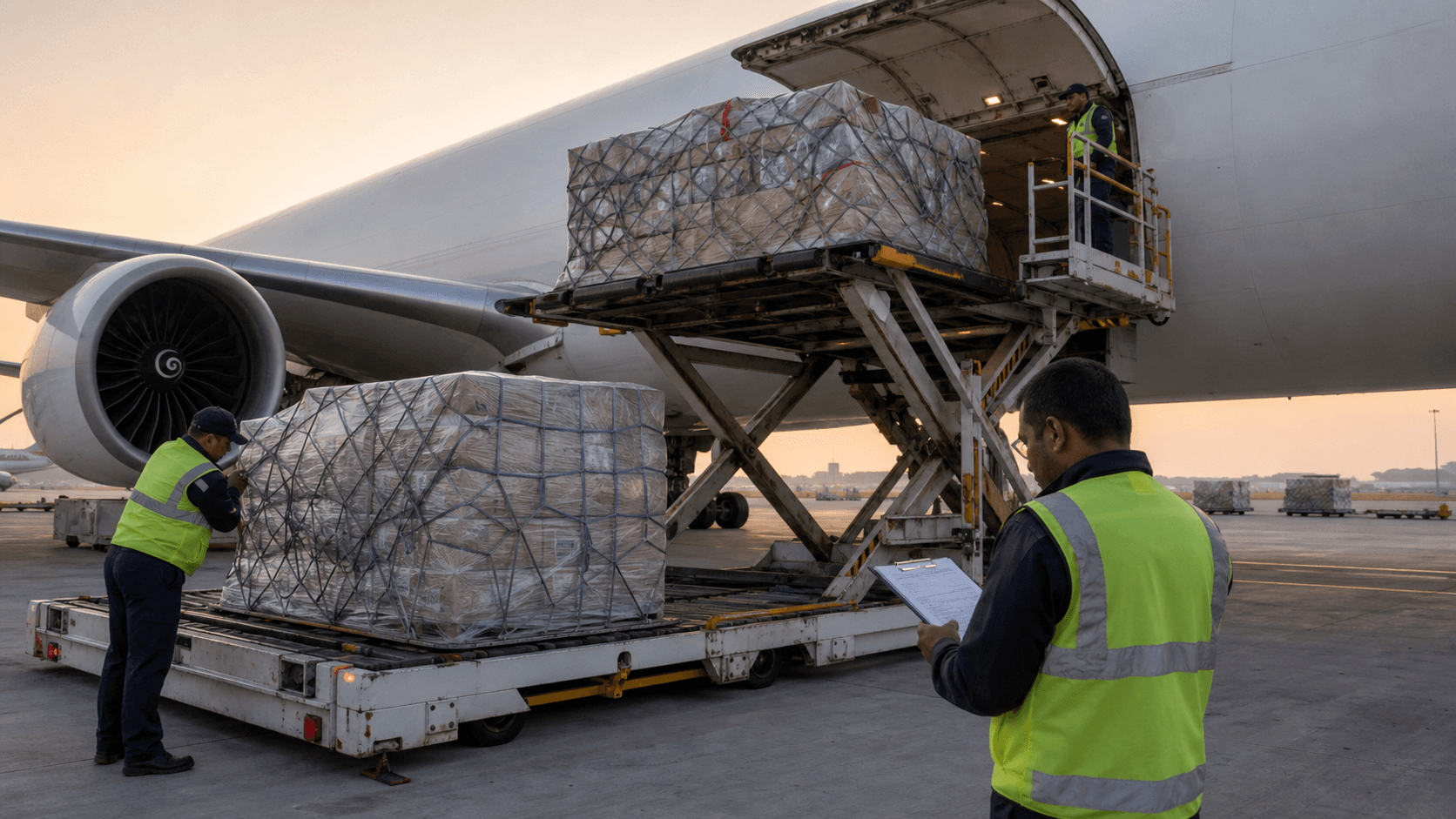
Shipping from Dubai by sea freight
Sea freight from Dubai is often more practical for large, heavy or cost-sensitive shipments. Typical cargo includes machinery, furniture, raw materials, building supplies, wholesale stock, household goods, oversized pieces and repeat commercial orders that do not need air delivery.
The two main container choices are:
- FCL, or full-container load, when one shipper uses the container and needs greater control over loading and sealing
- LCL, or less-than-container load, when smaller cargo shares container space and is charged according to volume and handling
Sea freight pricing can include pickup, export handling, origin terminal charges, ocean freight, destination charges, customs, inland transport and delivery. Compare complete door-to-door scope rather than a port-to-port headline rate. LCL may look economical for a small shipment but has extra consolidation and deconsolidation steps.
Nepal is landlocked, so sea freight bound for Nepal normally reaches an Indian transit port before continuing inland by rail or road. The final plan must coordinate the sea leg with port handling, transit documentation, border procedures and Nepal delivery. Review Sea Sky's sea freight service for the wider process.
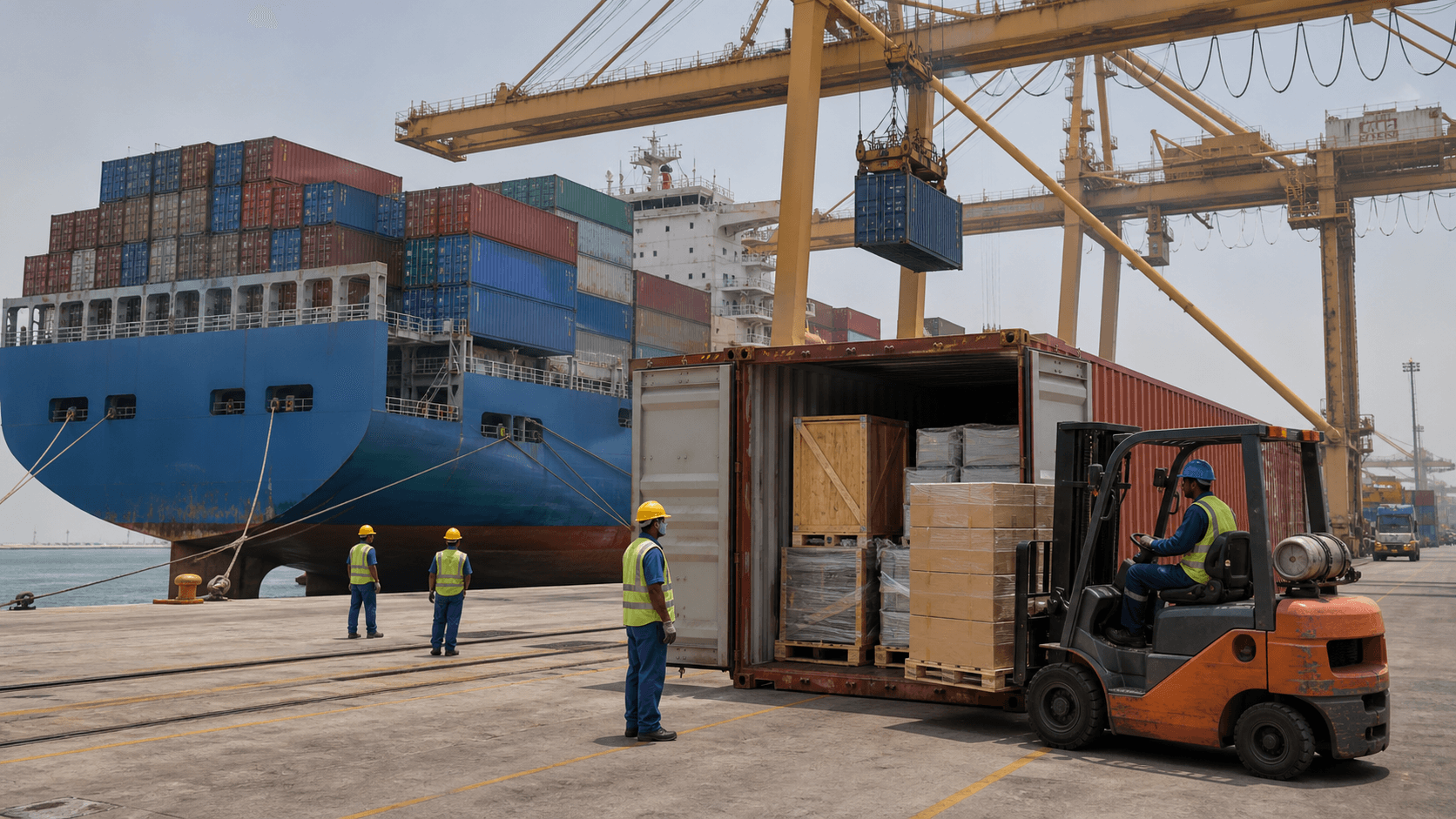
Road freight from Dubai and the UAE
Road freight is the working connection between Dubai suppliers, free zones, warehouses, airports and seaports. It is also used for UAE domestic delivery and regional GCC cargo where the route, border requirements and delivery schedule allow it.
A road movement may cover supplier pickup, warehouse consolidation, airport or port transfer, container drayage, regional delivery or the final UAE leg of a multimodal shipment. Vehicle choice should match the cargo: courier van, pickup, box truck, curtain-side truck, container chassis, refrigerated vehicle or specialized equipment for heavy cargo.
For shipping from Dubai to Nepal, road freight is not normally a single direct international solution. It is one part of the route, such as pickup in Dubai before air or sea freight, and road delivery in Nepal after customs release. Treating every handoff as one coordinated shipment reduces gaps between different carriers.
Before dispatch, confirm access restrictions, loading equipment, collection hours, vehicle capacity, securing method, border or gate documents and the person authorized to release the goods.
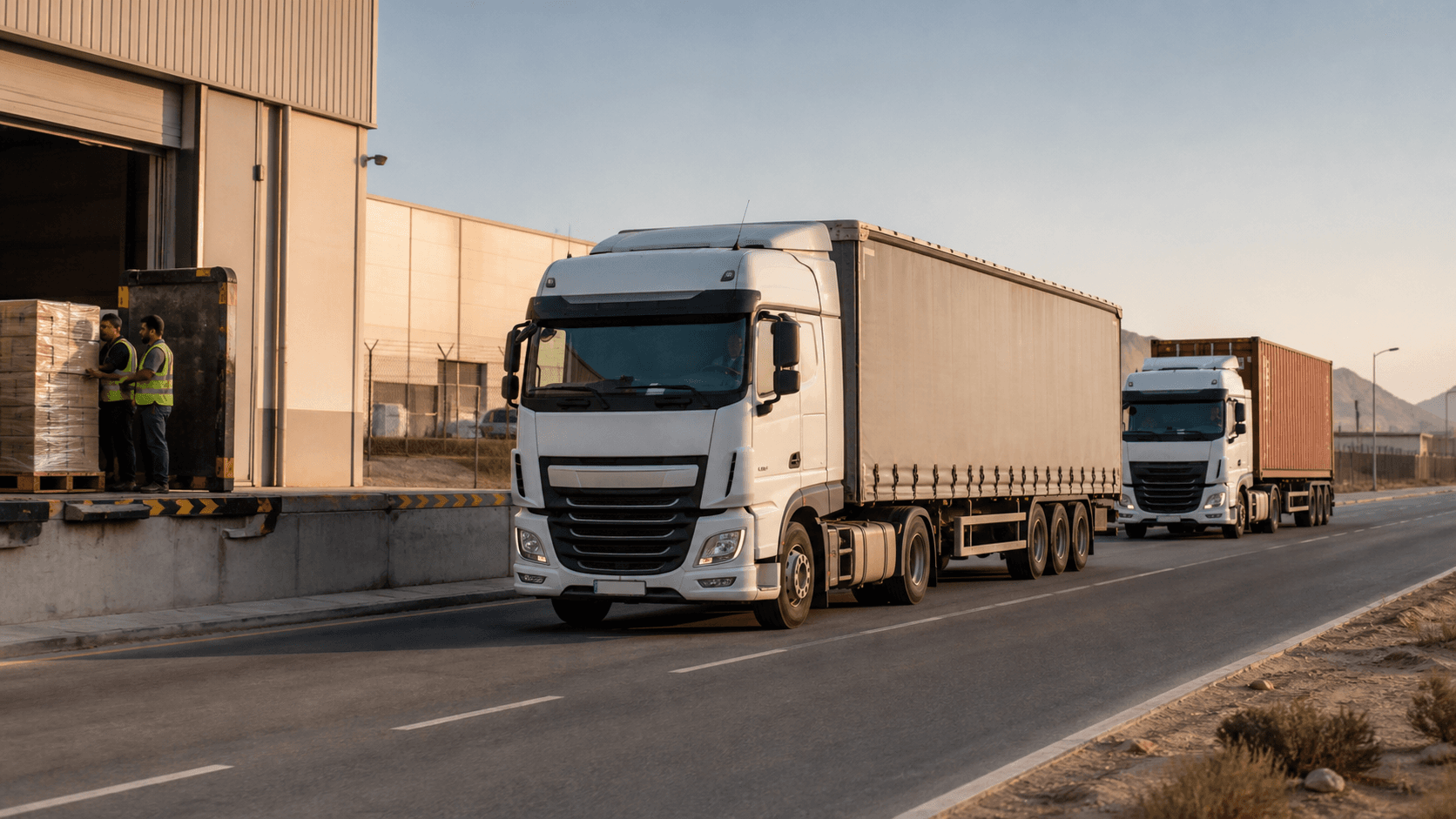
Shipping from Dubai to Nepal
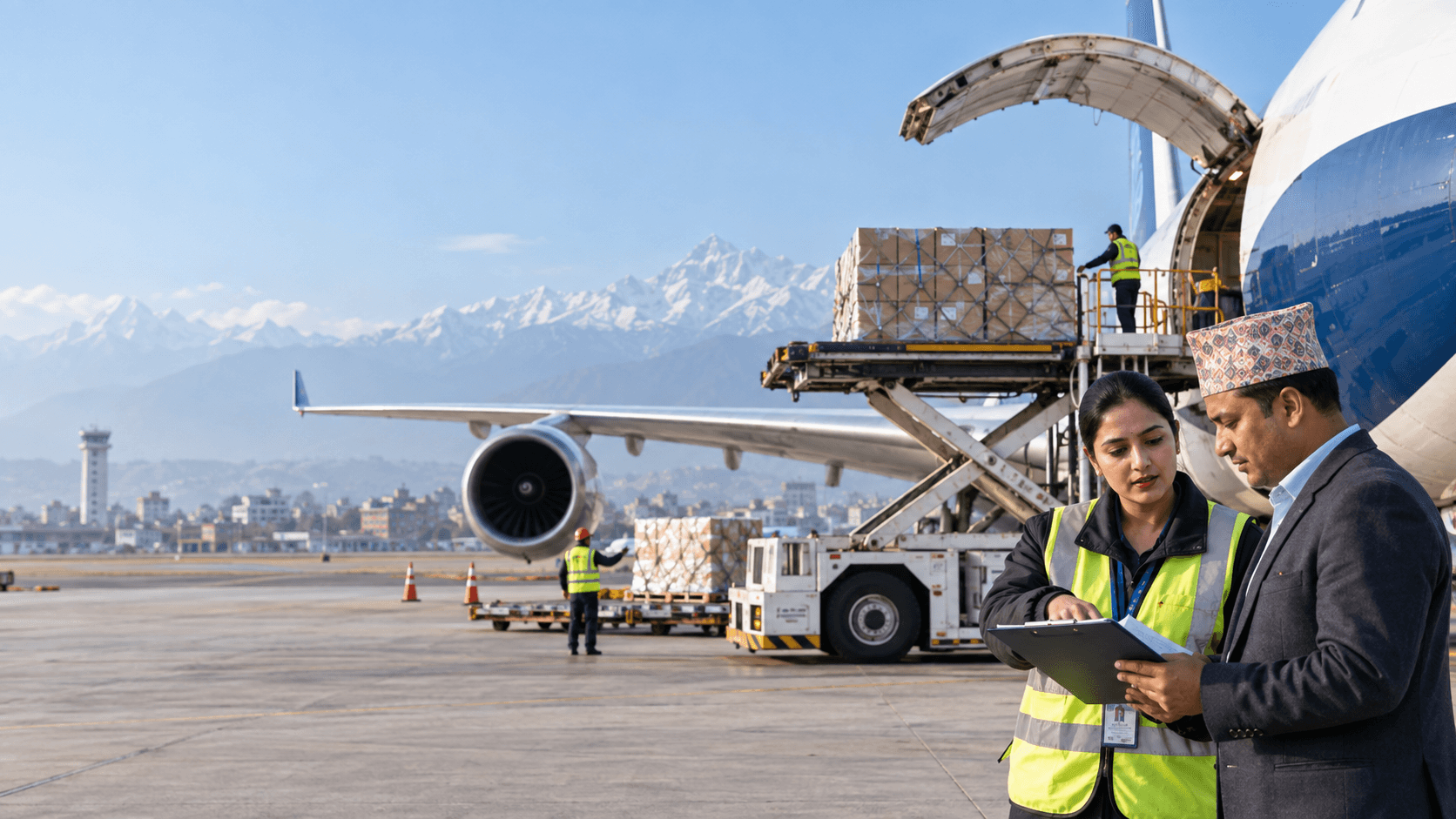
Dubai to Nepal cargo can move by direct or connecting air services, by sea through an Indian transit port, or through a multimodal plan that combines UAE road transport with air, sea, rail and Nepal road delivery. The choice depends on size, urgency, value, product rules and delivery city.
Before booking, the importer should confirm:
- A precise product description and correct HS classification
- Expected customs duty, VAT and other destination charges
- Whether an import permit, registration, certificate or inspection applies
- Consistent invoice, packing list, quantity, value, weight and dimensions
- The delivery point and unloading arrangement after customs release
Air is useful when the shipment is urgent or relatively compact. Sea plus inland transit is usually more suitable for heavier commercial cargo with a flexible schedule. A mixed shipment may need consolidation in Dubai before either route can be priced properly.
For the broader booking sequence, see Sea Sky's international shipment guide. Freight forwarders arranging imports into Nepal can also use the get a quote page to compare the complete route instead of only one transport leg.
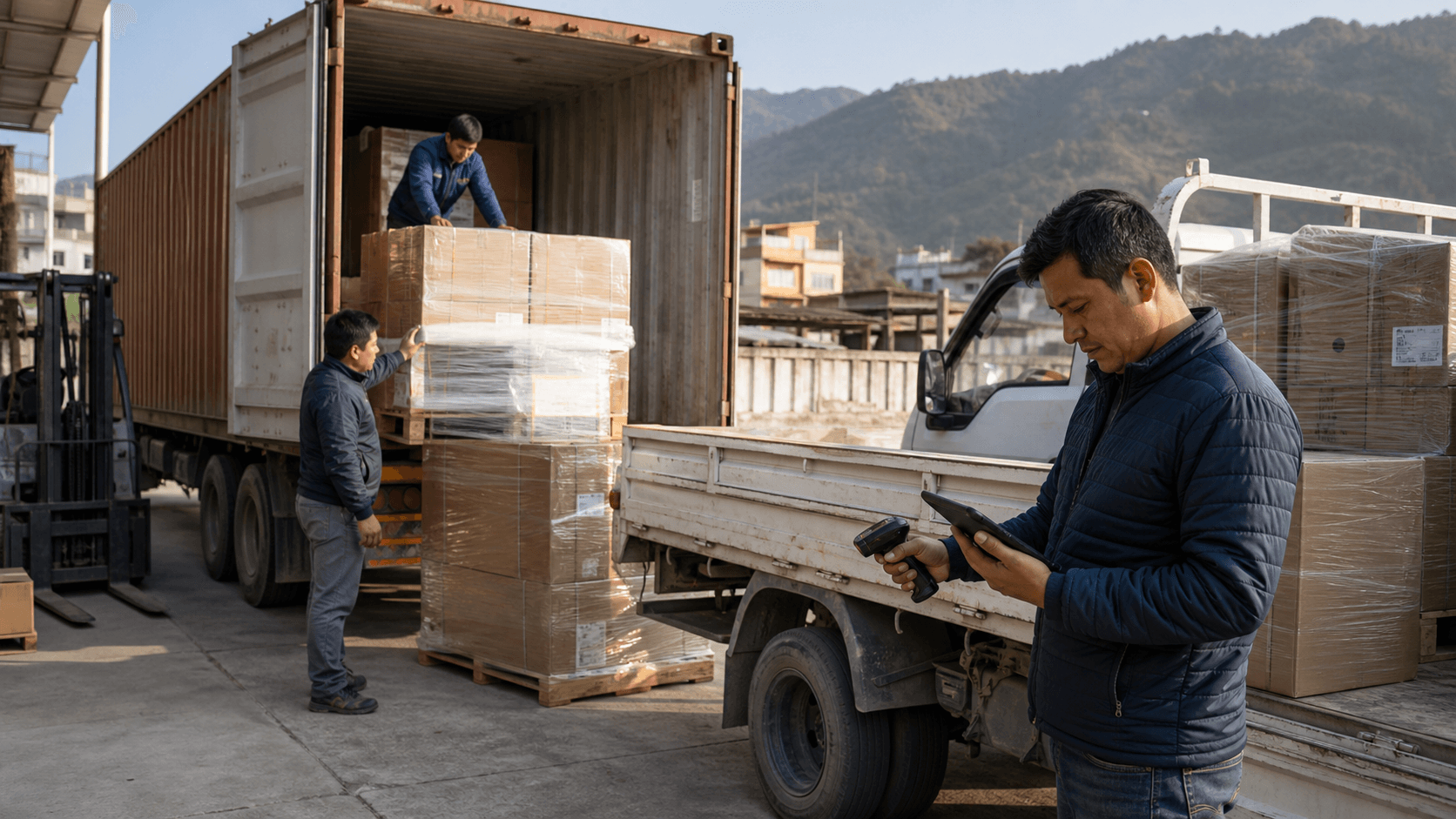
Documents needed for shipping from Dubai
The document set changes with the commodity, shipper, destination and freight mode. Prepare the file before cargo is collected, because errors discovered after airport or port handover are slower and more expensive to correct.
Common documents include:
- Commercial invoice with buyer, seller, currency, value and detailed goods description
- Packing list with piece count, packaging, net and gross weight, and dimensions
- Air waybill for air freight or bill of lading for sea freight
- Certificate of origin when required
- HS code and supporting catalogue or technical sheet
- UAE export or re-export declaration as applicable
- Permit, approval or certificate for restricted or regulated goods
- Insurance document when cover is arranged
- Authorization letter when an agent acts for the cargo owner
Dubai Customs' current declaration service identifies the invoice, packing list, certificate of origin and permits from restriction authorities among the supporting documents that may be required. The exact declaration type and supporting file depend on whether the movement is an export, re-export, transit, transfer or another customs regime.
Use one consistent description across the invoice, packing list, permit and transport document. Avoid vague wording such as 'general items,' 'accessories' or 'samples' when the products can be described accurately.
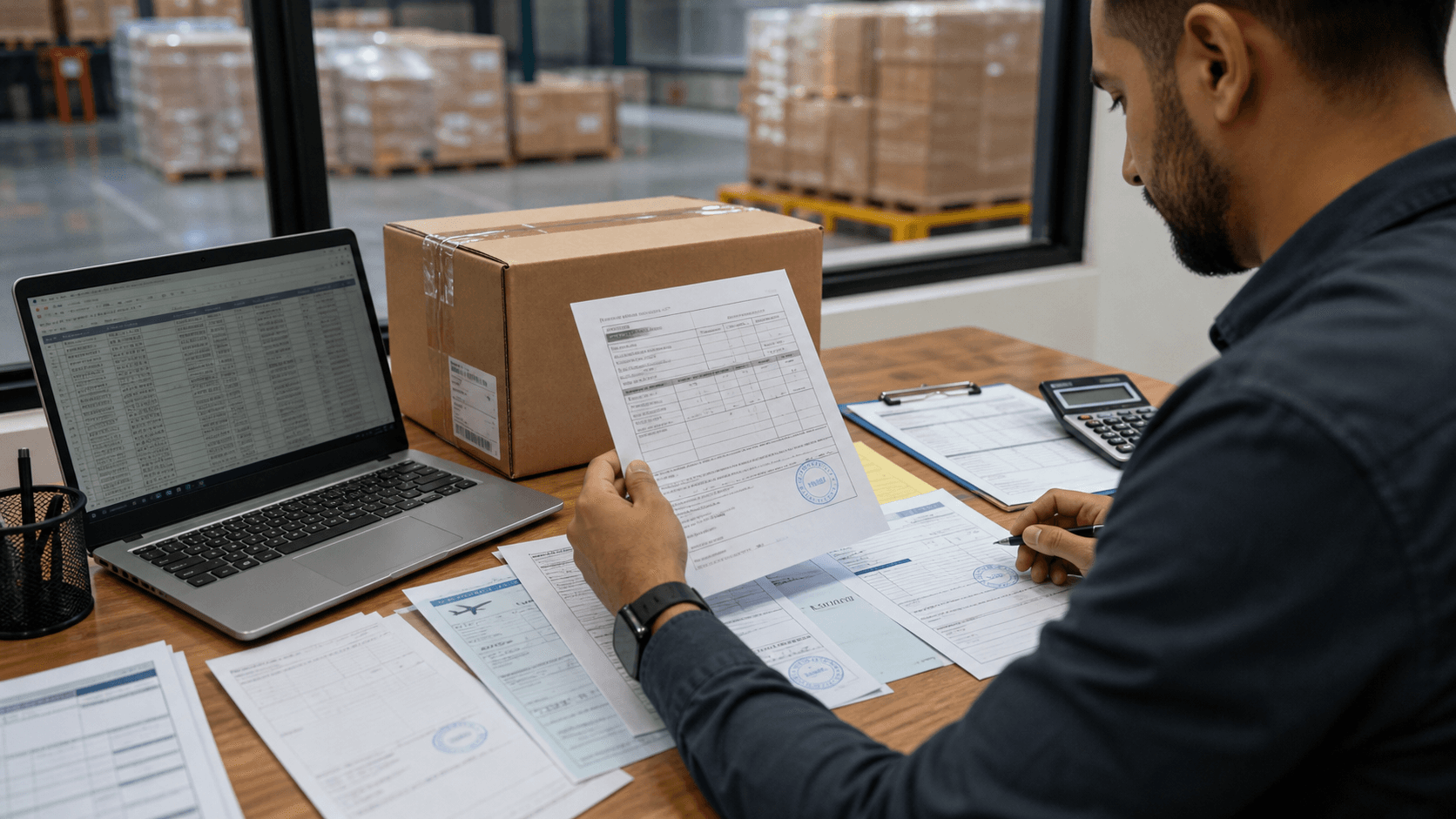
Planning cargo from Dubai to Nepal?
Share the cargo, packed weight, dimensions, pickup point and delivery city. Sea Sky Cargo can compare air, sea and multimodal routes before you book.
Customs clearance for Dubai shipments
International cargo normally needs an origin export process and a destination import process. Dubai Customs provides declaration services for import, export, transit, transfer and temporary-admission movements. The shipper or authorized agent should use the declaration type that matches the real transaction and cargo status.
For Nepal imports, the Department of Customs may review the product description, HS code, customs value, origin, quantity, duty, VAT, permits, certificates and inspection requirement. Electronics, cosmetics, food, medicine, chemicals, vehicle parts and branded goods can need extra product-specific attention.
A correct HS code connects the product to its tariff treatment and control requirements. Review Sea Sky's HS code Nepal and custom duty in Nepal guides, but confirm the final classification and current requirement for the actual product before dispatch.
Good clearance planning answers four questions early: who files the declaration, which documents must be original, whether an approval is needed, and where the cargo will wait if inspection or clarification is required. Sea Sky can review the invoice, packing list, HS information and route alongside its customs clearance in Nepal service.
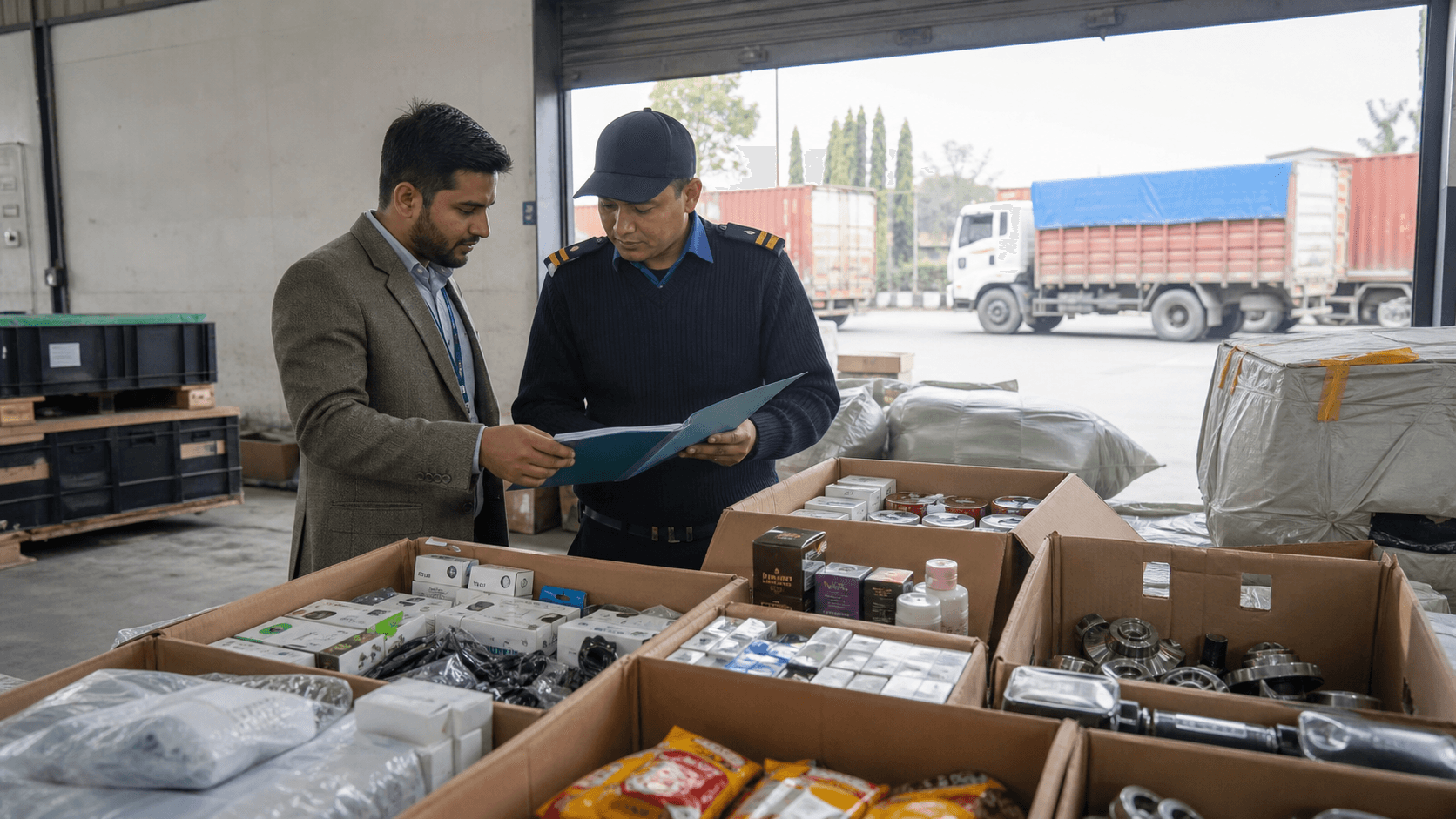
Air freight vs sea freight from Dubai
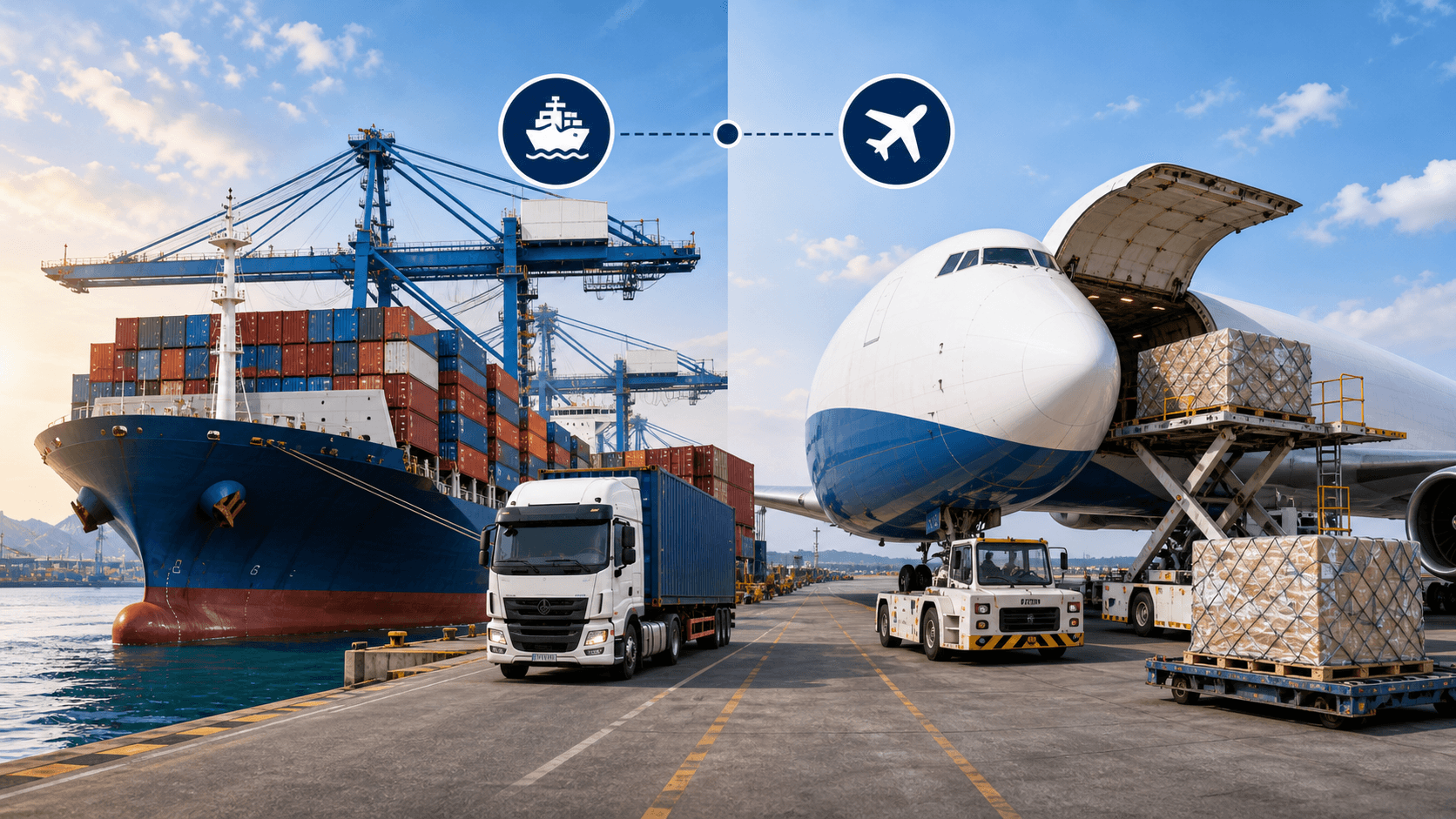
Neither mode is automatically best. Compare the complete shipment against the delivery deadline, cargo size, handling risk, cash-flow needs and destination process. Use the tool below as a first planning prompt, not as a quotation. The commodity, packed size, airline or sailing schedule, customs readiness and delivery point can change the final recommendation.
| Planning factor | Air freight | Sea freight |
|---|---|---|
| Best fit | Urgent, compact, valuable or time-sensitive cargo | Heavy, bulky, high-volume or flexible cargo |
| Pricing basis | Higher of actual and volumetric chargeable weight | Container use or shipment volume, plus port and handling charges |
| Typical handling | Airport acceptance, security, airline loading and destination clearance | Consolidation or container loading, port handling, ocean transit and inland delivery |
| Main risk | High cost for bulky cargo or missed flight acceptance | Longer schedule, port delays and more handoffs |
| Nepal route | Arrival by air followed by customs and road delivery | Indian transit port followed by rail or road into Nepal |
Quick planning tool
Which freight mode should you compare first?
Starting recommendation
Compare air with sea plus inland transit
This shipment sits in the middle: air may protect the timeline, while sea can lower freight cost. Compare chargeable weight, port timing, inland transit and customs risk.
Ask Sea Sky to compare the routesPlanning guide only. Product restrictions, dimensions, border status and customs documents can change the route.
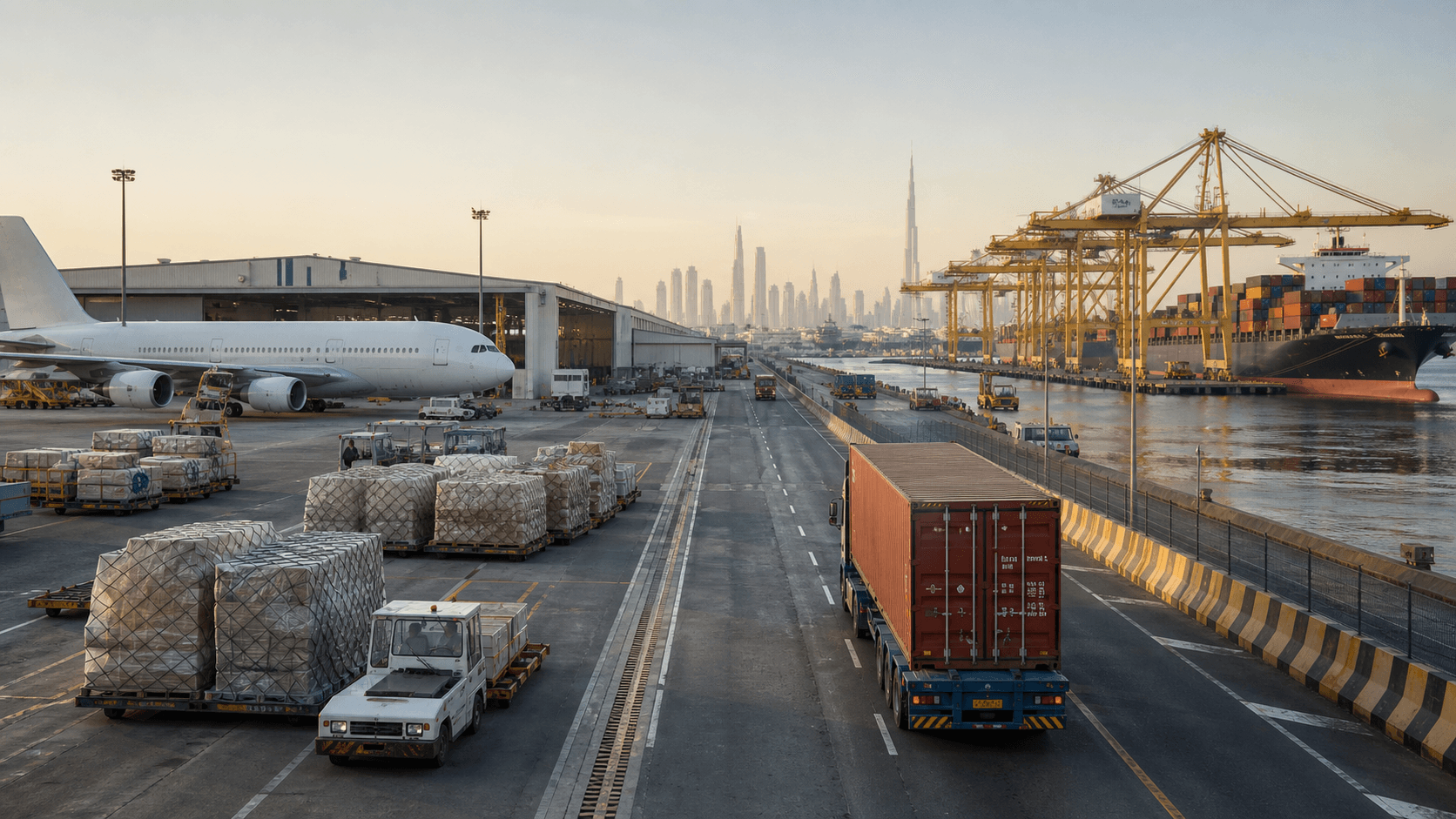
Common shipping mistakes to avoid
A low freight quote can become expensive when the cargo is poorly described, packed incorrectly or held for missing information. Most preventable delays begin before pickup.
- Choosing only the cheapest port-to-port rate without checking destination charges
- Booking before checking Nepal duty, VAT, permits or product restrictions
- Using vague invoice descriptions or the wrong HS code
- Allowing invoice, packing list, quantity, value or weight details to conflict
- Sending guessed dimensions instead of final packed measurements
- Using weak cartons, incomplete pallet wrap or unsuitable moisture protection
- Assuming branded, chemical, food, medicine or battery cargo is unrestricted
- Starting customs preparation only after the shipment arrives
- Leaving final delivery, unloading access or storage out of the plan
Ask for a scope that clearly states pickup, export handling, main freight, destination handling, customs support, inland transport and delivery. Where a cost is excluded or variable, it should be identified before approval.
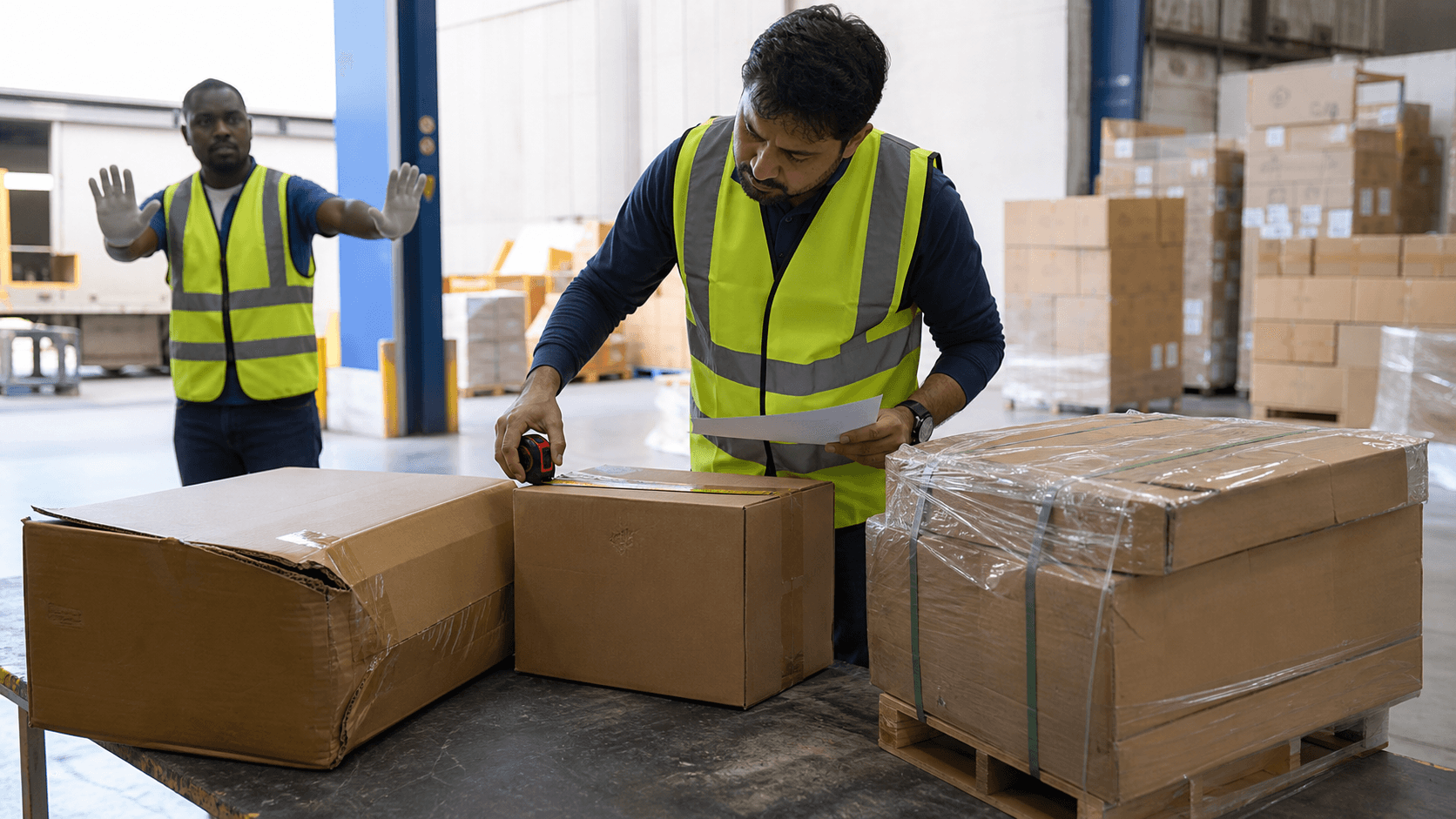
How to prepare cargo before shipping from Dubai
Complete this checklist before the carrier or pickup vehicle arrives:
- Confirm the exact product name, material, use and HS information
- Check destination duty, VAT, permits and restricted-goods rules
- Finish packing before recording weight and dimensions
- Use strong inner and outer packaging suited to the mode and handling points
- Label every piece consistently and remove obsolete labels
- Take clear photos of the goods, inner packing and sealed outer package
- Match the invoice, packing list, quantity, value and consignee details
- Confirm pickup access, loading equipment and cargo-ready time
- Select insurance according to the cargo value and risk
- Confirm customs contact, delivery address, unloading and receiving hours
For machinery, fragile goods, batteries, liquids, food, medicine, cosmetics, dangerous goods or high-value items, tell the freight provider before quotation. Special packaging, documentation, airline approval, temperature protection or inspection may affect the route.
Keep one final shipment record containing the approved quotation, commercial documents, packed measurements, photos, permit copies, transport reference and contact list. That file helps resolve questions at every handoff.
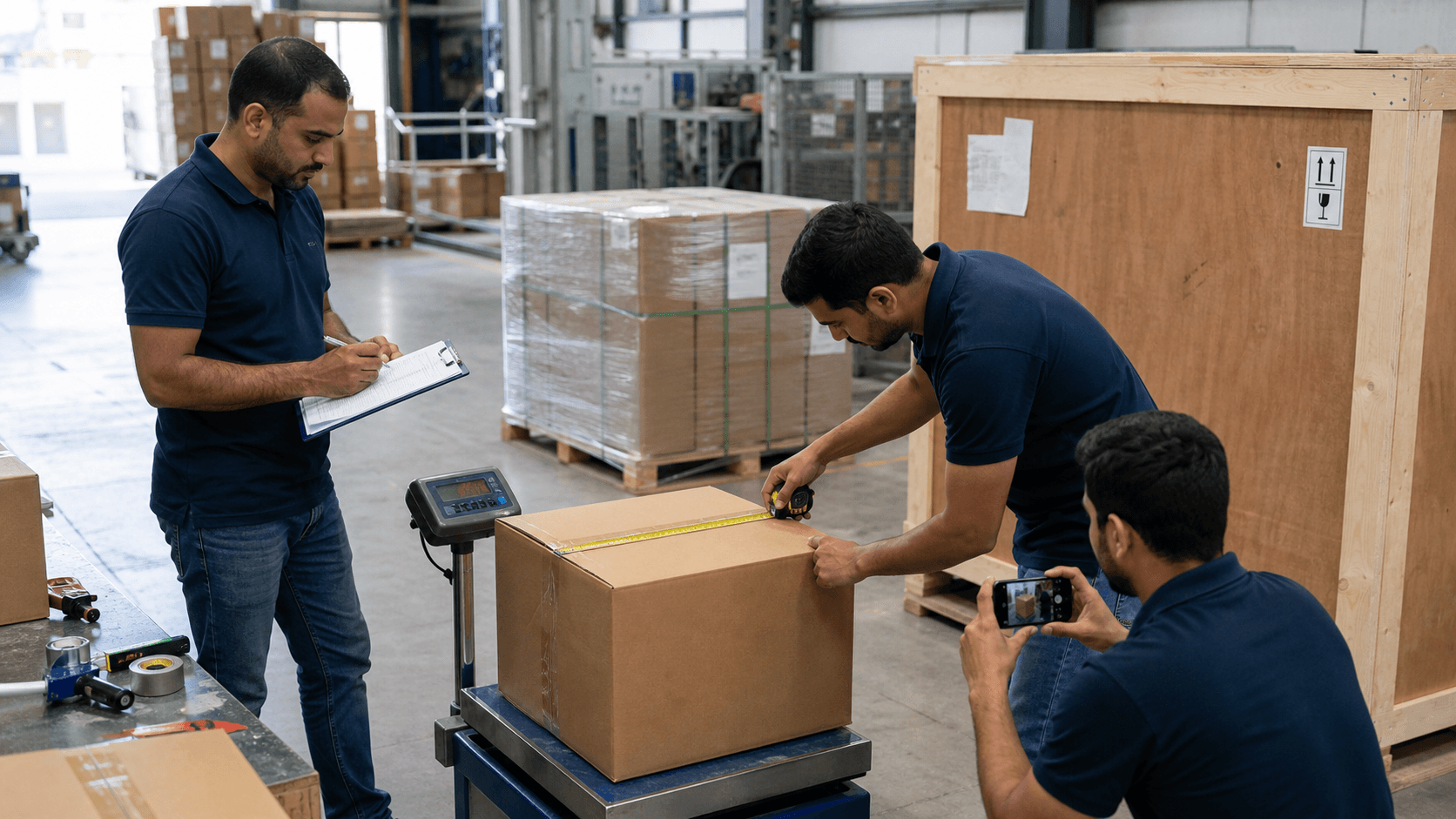
How Sea Sky Cargo helps
Sea Sky Cargo helps importers, exporters, freight forwarders and businesses plan international cargo from Dubai, especially when the shipment connects with Nepal. The review begins with the commodity, packed size, pickup location, destination, deadline, value and document status.
Support can include:
- Dubai pickup and international route coordination
- Air, sea and multimodal freight comparison
- Commercial cargo, consolidated shipments and personal-effects planning
- Invoice, packing list, HS code and document review
- Nepal customs-clearance coordination and duty-planning support
- Packaging, handling, tracking and final-delivery planning
- Communication with overseas agents and local consignees
A useful first message includes the supplier address, delivery city, product description, number of packages, packed weight, dimensions, value, readiness date and any permit or special handling requirement. That information allows the team to compare realistic routes rather than give a fragile estimate based on one number.
Use the get a quote form to send the shipment details and supporting documents. Sea Sky can then identify missing information, compare freight modes and build the origin-to-delivery plan.
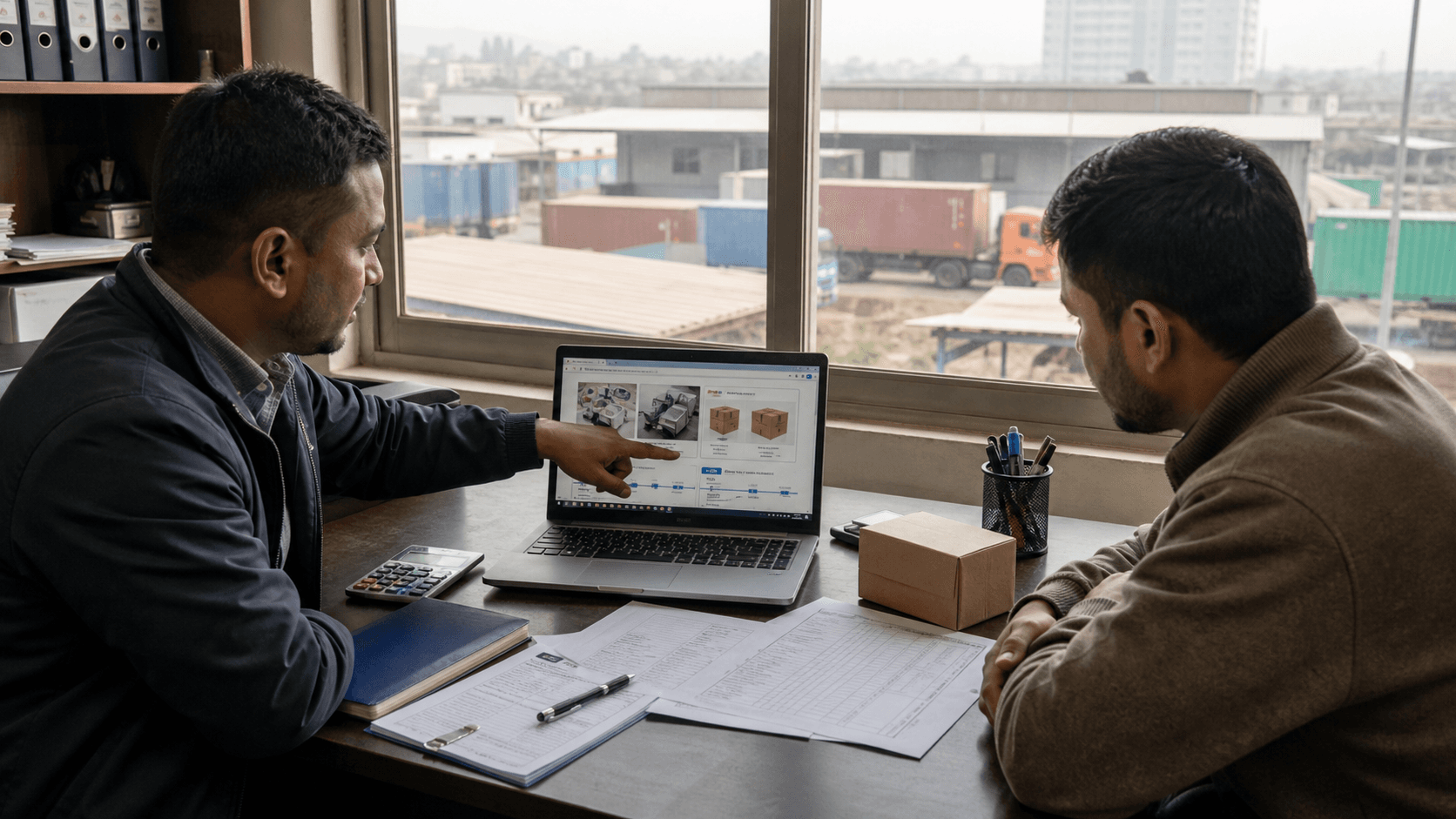
Frequently asked questions
What is the best way to ship cargo from Dubai? The best mode depends on urgency, packed weight, dimensions, cargo value, handling needs and destination. Air usually suits urgent compact cargo, while sea is stronger for large or heavy shipments with a flexible schedule.
Can I ship cargo from Dubai to Nepal? Yes. Cargo can move by air to Nepal or by sea through an Indian transit port followed by rail or road. UAE pickup and Nepal final delivery are road legs within the wider route.
Which documents are needed? Most commercial shipments need an invoice, packing list and air waybill or bill of lading. A certificate of origin, export or re-export declaration, permit, insurance record, technical sheet or authorization may also be needed depending on the goods and route.
Is sea freight always cheaper than air freight? Not always. Sea freight is commonly economical for heavy or high-volume cargo, but pickup, consolidation, port charges, destination handling and inland delivery must be included. For a small urgent shipment, air may provide better total value.
Can Sea Sky Cargo help with customs and final delivery in Nepal? Yes. Sea Sky can review shipment information, compare routes, coordinate customs preparation and plan delivery after release. Final requirements are confirmed against the actual commodity and documents.
International shipping works best when the freight mode, paperwork, customs and delivery plan are decided together. Share the real packed cargo details before booking, and leave enough time to resolve permits or document corrections before dispatch.
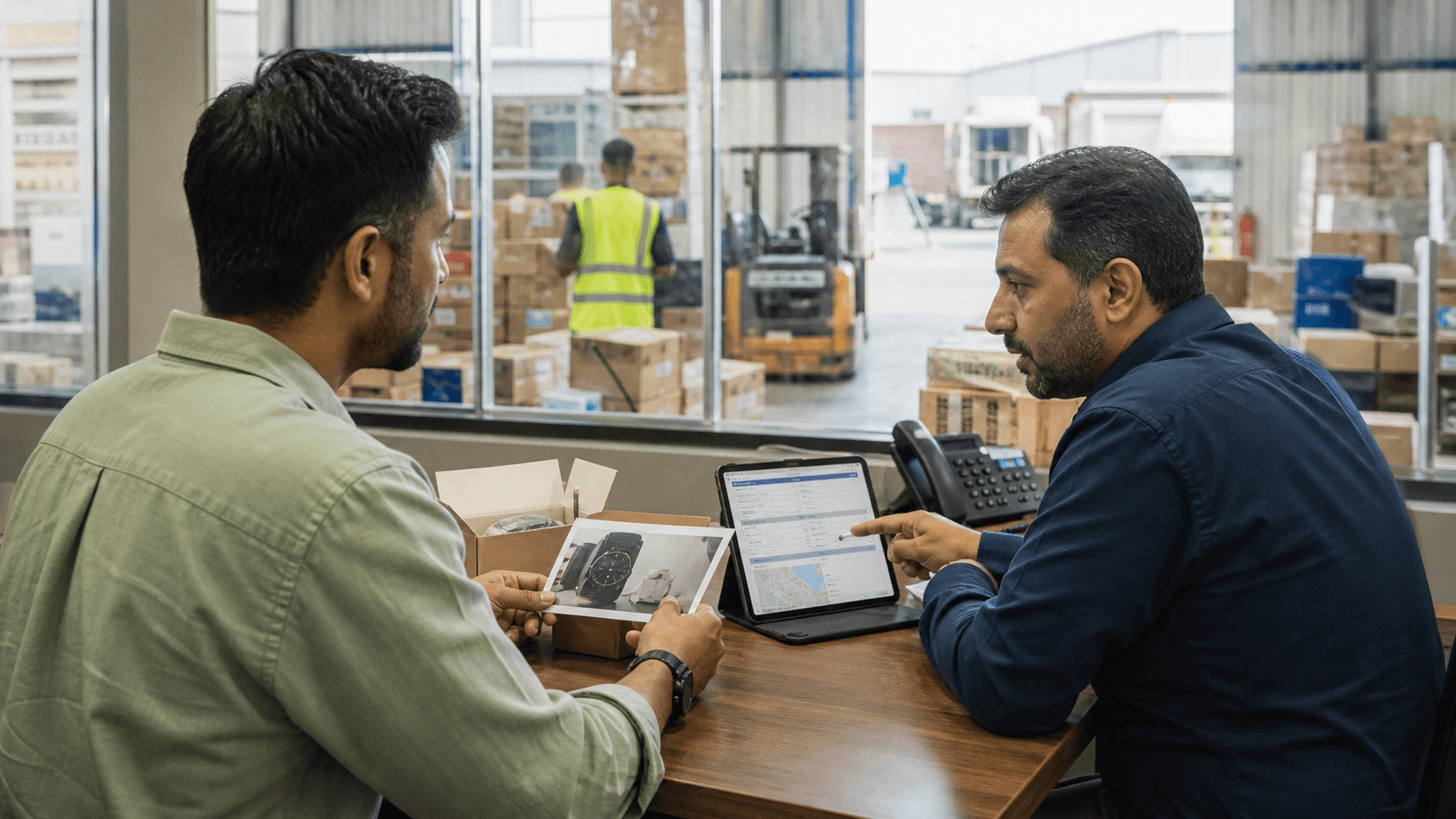
Ready to ship from Dubai?
Send Sea Sky Cargo your invoice, packing details and route. We can help review the freight mode, documents, customs plan and final delivery in Nepal.