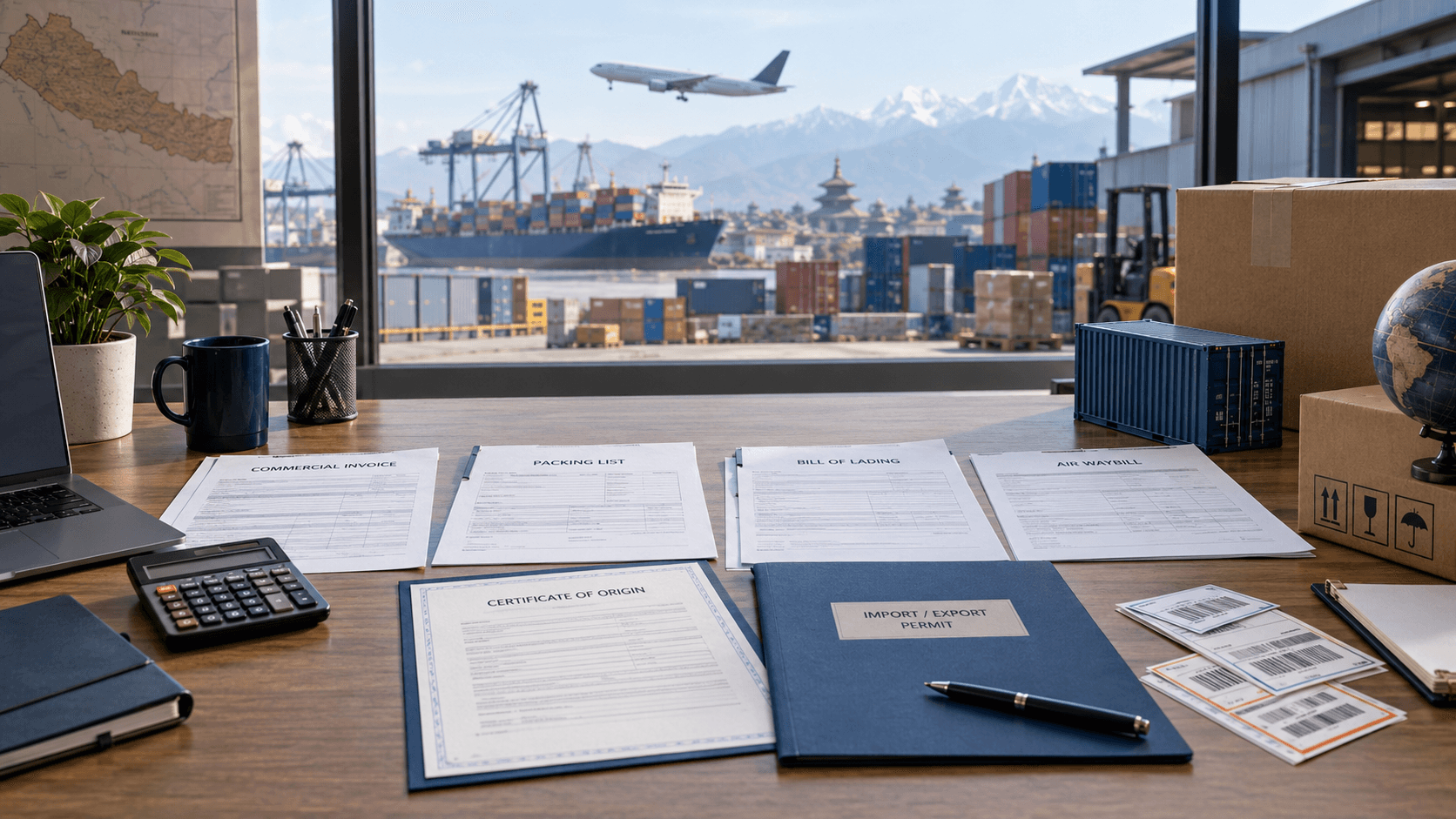
1. Why Freight Documents Matter
A missing permit can stop cargo before departure. An incorrect consignee name can delay document release, while a difference between the weight shown on the packing list and the transport document can create questions during customs clearance. That is why a freight forwarding documents Nepal checklist should be completed before cargo moves—not after it reaches an airport, border point or transit port. This guide gives importers, exporters, SMEs and logistics teams a practical starting point for commercial, customs, transport, banking and product-specific records. No single checklist applies to every shipment. Requirements change with the product, origin, destination, transport mode, Incoterm, customs procedure, payment method and rules in force. Confirm shipment-specific requirements with the Nepal Department of Customs, the Nepal National Single Window and the responsible regulatory authority before dispatch. Freight documents connect the commercial transaction, physical cargo, transport booking, payment arrangement and customs declaration. Authorities and service providers use them to identify the parties, goods, quantities, value, origin, route, classification, taxes, controls and release instructions. Each document can look correct on its own and still conflict with the rest of the file. An invoice may show 120 units while the packing list shows 118, or a packing list may show six pallets while the bill of lading shows five packages. Correct these differences before departure. Import Documents and Export Documents Serve Different Purposes A general commercial shipment may use a standard document pack. Food, medicines, plants, chemicals, batteries, telecom equipment and other regulated goods can need additional approvals. For broader shipment planning, read Sea Sky Cargo’s freight forwarding in Nepal guide.
| Shipment direction | The file normally needs to establish |
|---|---|
| Import into Nepal | Importer identity and registrations; purchase value and payment; exact goods and packing; origin and route; permits; classification and valuation support; authority for the customs representative |
| Export from Nepal | Exporter identity and registrations; buyer and sales terms; product, quantity, value and origin; consignee and transport instructions; export approvals; destination-country compliance; banking requirements |
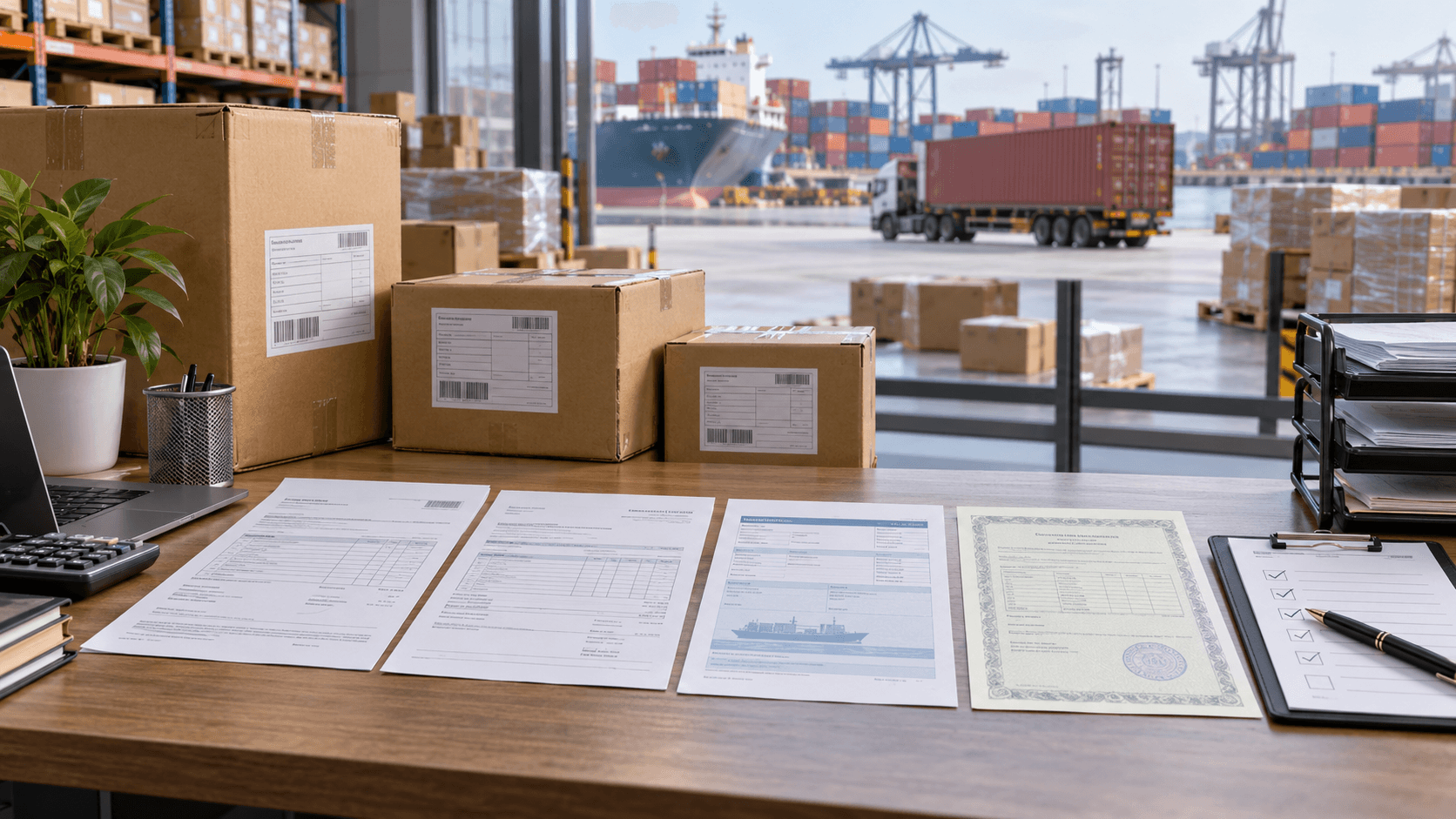
2. Commercial Invoice and Packing List
Commercial Invoice
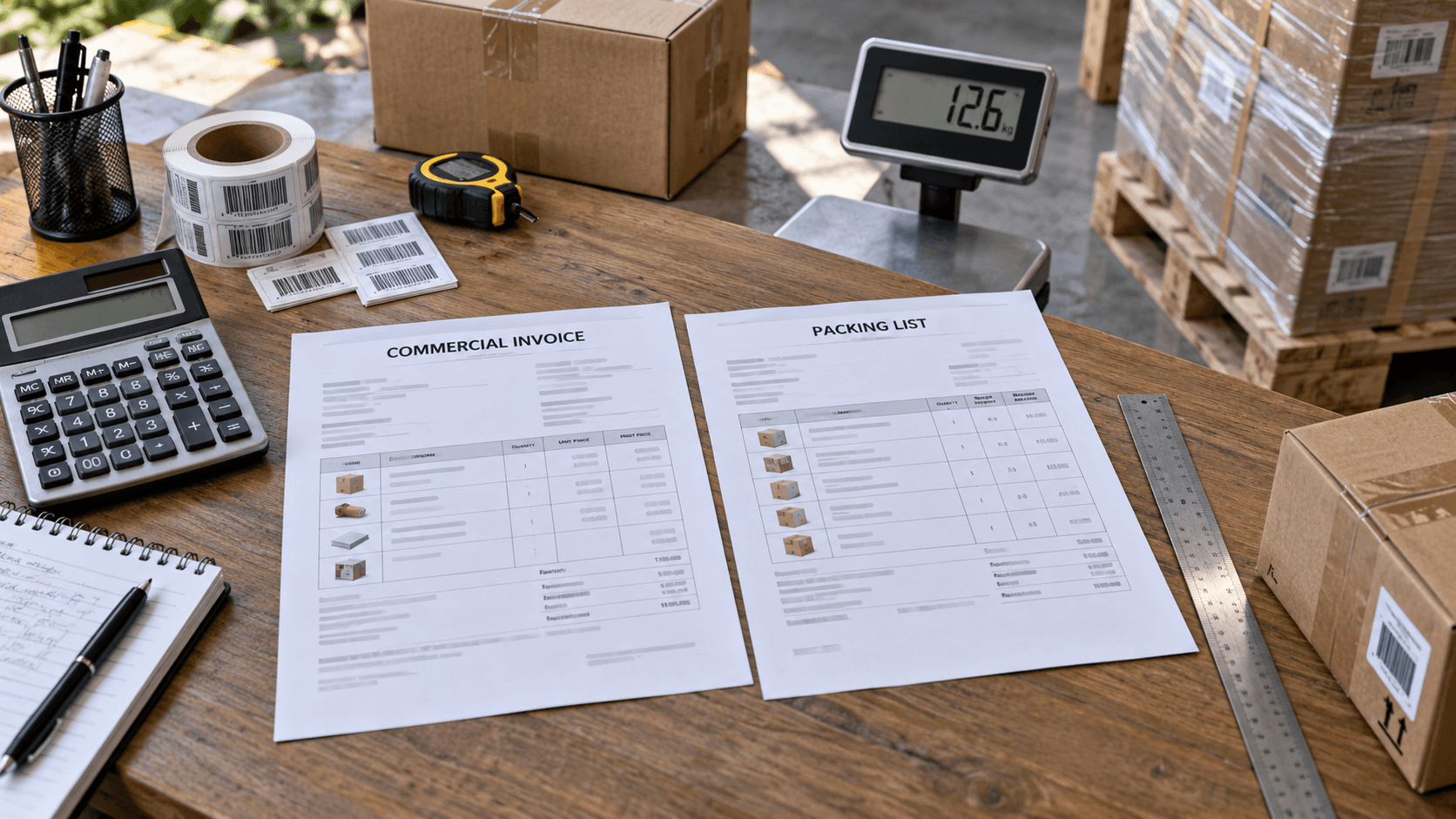
The commercial invoice is the principal record of the sale between the exporter and importer. It should normally show:
- Seller’s legal name and address
- Buyer’s legal name and address
- Consignee details when different from the buyer
- Invoice number and date
- Purchase-order or contract reference
- Specific product descriptions
- Quantity and unit of measurement
- Unit price, line totals and total value
- Currency
- Incoterm and named place
- Country of origin
- Payment terms
- Model or part numbers where relevant
Descriptions such as “parts,” “accessories,” “samples” or “general goods” are too vague for reliable planning. Describe what the product is, its material or composition, model and intended function. These facts support classification, permit checks and customs valuation.
A pro forma invoice can support quotations, approvals, permits or payment arrangements, but it should not automatically become the final commercial invoice. Update the final document whenever quantity, price, product details or shipping terms change.
Packing List
The packing list explains how the goods are physically packed. It should let the freight forwarder, warehouse, customs officer and receiver connect every package with the invoice.
- Number and type of packages
- Contents and quantity in each carton, crate, pallet, drum or bundle
- Net and gross weight
- Package dimensions and total CBM where relevant
- Package numbers, shipping marks and labels
- Container and seal details when available
If one pallet contains 20 cartons, show both the pallet count and carton count. The invoice, packing list and transport instructions must use the same definition of “package.” Final weights and dimensions should replace pre-packing estimates before transport documents are issued.
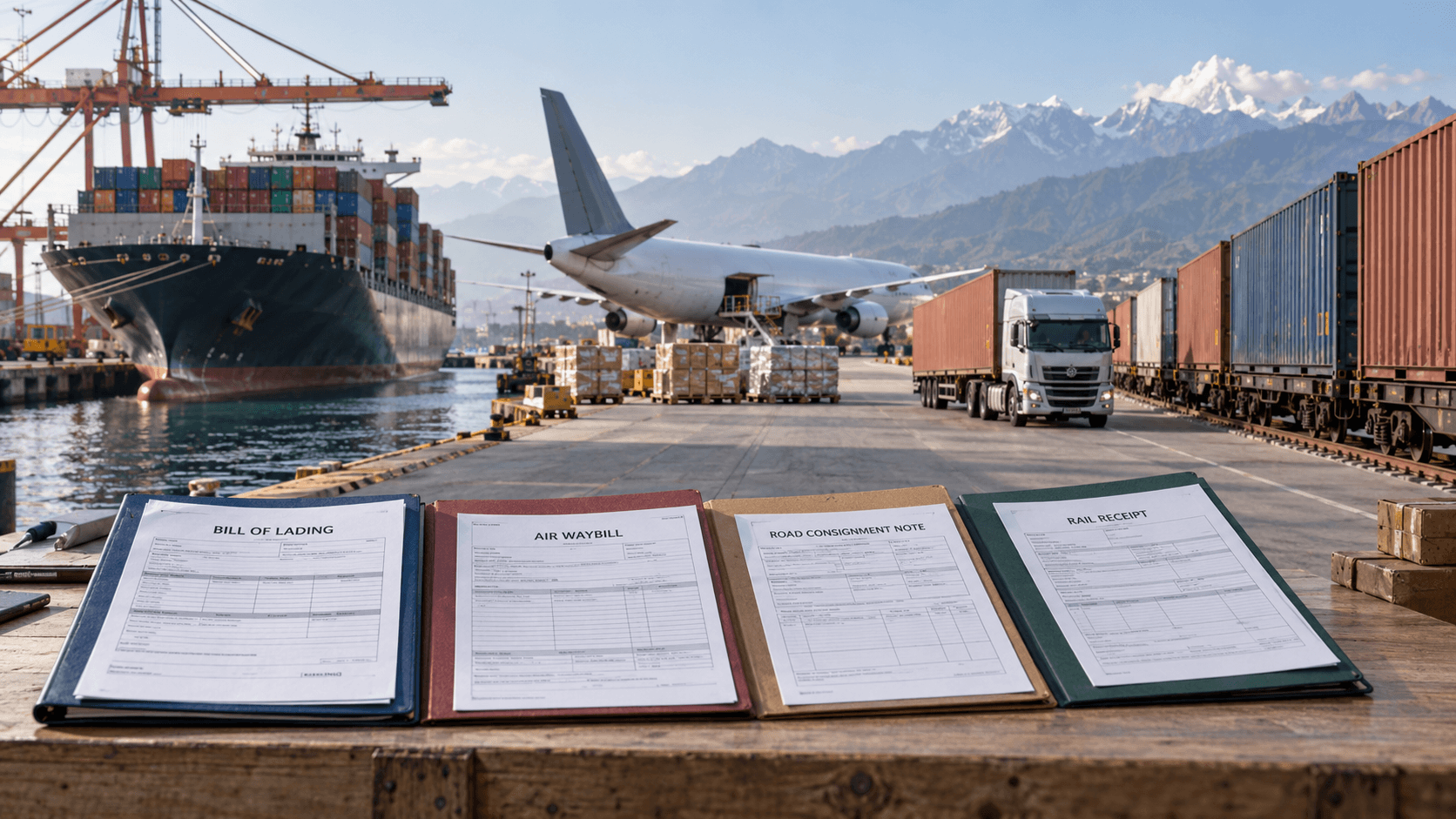
3. Bill of Lading, Air Waybill and Inland Transport Documents
Bill of Lading for Sea Freight
A bill of lading records the sea-freight movement. Check the shipper, consignee, notify party, ports, final destination, cargo description, package count, gross weight, container and seal numbers, freight terms and release method.
Confirm whether the shipment will use an original bill of lading, sea waybill or electronic release. Incorrect consignee information or unclear release instructions can prevent cargo from being released on time. House and master bills must also agree where both are issued.
Air Waybill for Air Cargo
An air waybill records the shipper, consignee, airport routing, piece count, weight and handling instructions. Unlike certain bills of lading, it is not a negotiable document of title.
- Confirm shipper and consignee names
- Check departure and destination airports
- Match pieces, gross weight and chargeable weight
- Use a specific cargo description
- Add handling, battery, temperature or dangerous-goods instructions when applicable
- Include reliable contact details
Air cargo moves quickly, so document errors can reach the destination almost as fast as the shipment.
Road and Rail Records
Road cargo may use a road consignment note, truck receipt, delivery challan, vehicle and driver details, border documents, customs-transit records and proof of delivery. Rail-linked cargo can also require a rail receipt, container or wagon details, seal information, inland-terminal records and transit documents.
Nepal-bound cargo routed through another country can require a separate document for every transport leg. A sea bill of lading does not replace the road, rail or transit records needed after the port.
4. Origin, HS Classification and Product Approvals
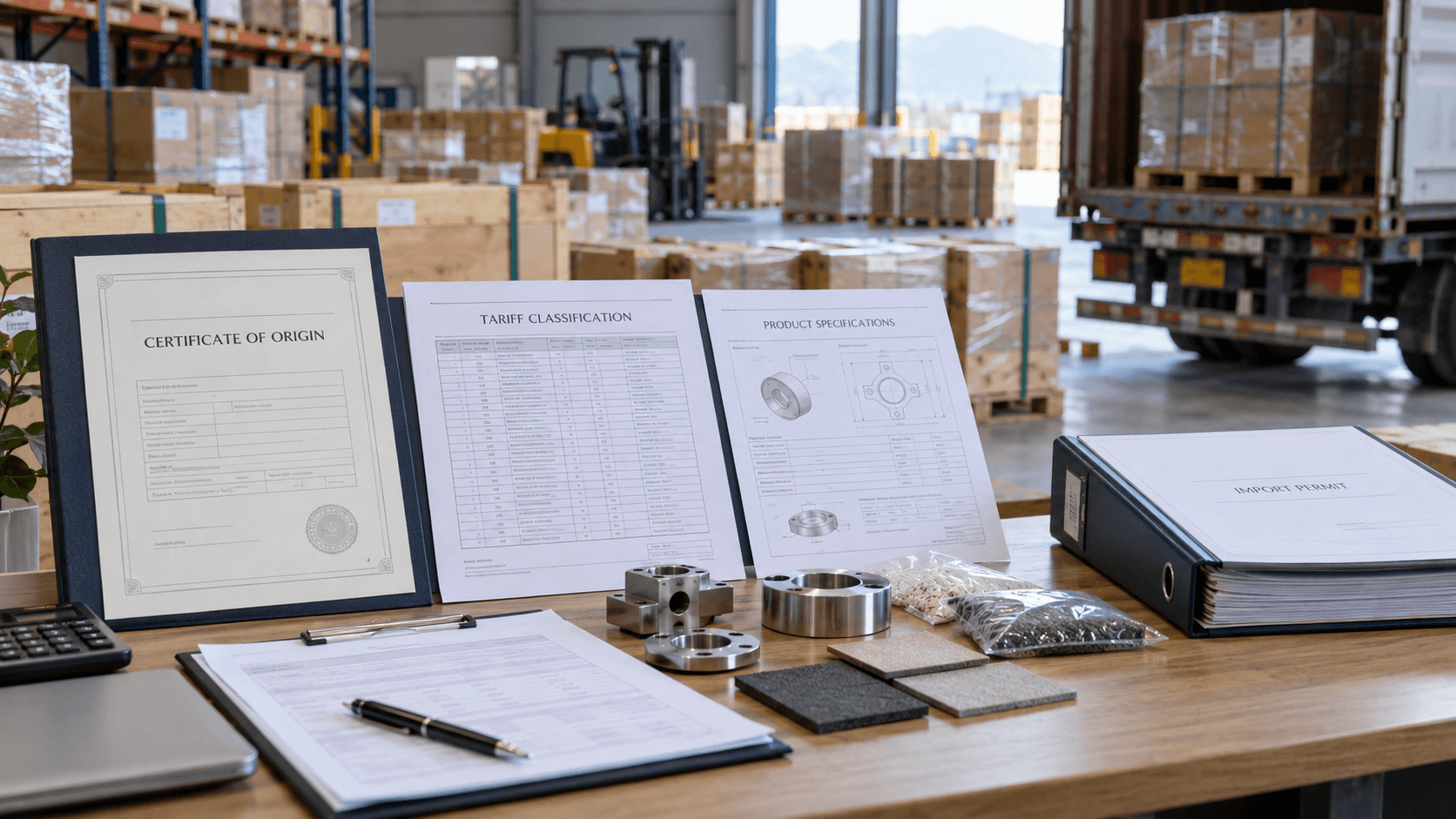
Certificate of Origin
A certificate of origin identifies where the goods originated. Customs, the buyer, a bank or another authority may request it. It may also support a preferential tariff claim when the goods satisfy the applicable origin rules.
Confirm whether a certificate is required, which origin arrangement applies, who may issue it and whether its product details match the invoice and packing list. The country of dispatch and country of origin are not always the same.
HS Code and Classification Support
The HS code can affect duty, VAT, excise, permits, restrictions and inspection requirements. Do not rely only on a code supplied by the seller. Prepare technical specifications, photographs, catalogues, material or ingredient details, model numbers, intended use, safety data sheets and manufacturer declarations.
Sea Sky Cargo or a customs representative can help organize the file, while the responsible customs authority makes the final classification decision. The HS code guide explains how the classification process works.
Import and Export Permits
Depending on the product, the shipment may need an import or export licence, phytosanitary certificate, health or sanitary certificate, veterinary certificate, fumigation certificate, certificate of analysis, test report, conformity record, inspection certificate, dangerous-goods declaration, safety data sheet or prior approval.
These are examples rather than a universal list. Nepal’s National Single Window describes LPCO as licences, permits, certificates and other approvals required from government agencies for imports or exports. Check the product through the NNSW trade portal before ordering or dispatching it. A permit that must be issued before shipment may not be obtainable after arrival.
5. Insurance, Banking, Authorization and Business Records
Cargo Insurance Documents
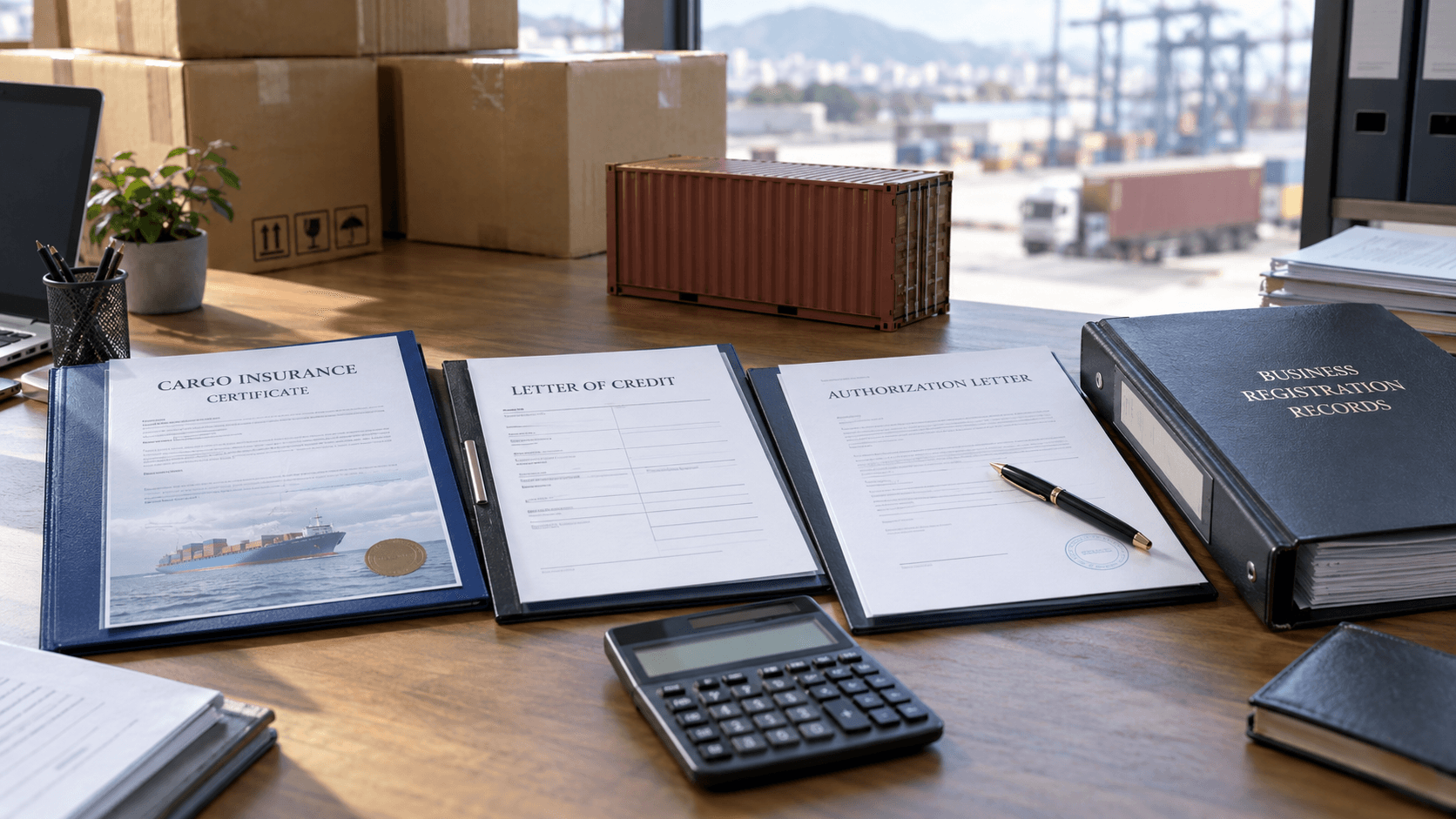
Retain the cargo policy or insurance certificate and verify the insured party, product, insured value, route, policy dates, coverage, exclusions, claims procedure and insurer contact details. The Incoterm allocates responsibilities but does not guarantee that the selected insurance is sufficient.
Banking and Payment Documents
The payment method can create a separate checklist: purchase contract, purchase order, pro forma invoice, letter of credit, bank payment evidence, collection instructions, remittance records or advance-payment documents.
A letter of credit can specify exact wording, permitted issuers, original-copy requirements and presentation deadlines. Banks examine documents against the credit terms, so review those terms before issuing the invoice or booking freight.
Authorization for the Representative
A customs agent, freight forwarder or another representative may need written authority such as a power of attorney, company authorization letter, customs-agent appointment, authorized-signatory record or cargo-release instruction. Use the required format and confirm that the signatory has authority. See the agent authorization letter guide for a practical format and checklist.
Business Registration, PAN, VAT and EXIM Records
Nepal-facing procedures can require current business registration, PAN, VAT registration where applicable, EXIM Code, supporting company records, authorized-user details and portal access. The NNSW FAQ says company registration and PAN identification are used for trader registration, while EXIM Code is issued by the Department of Customs for importers and exporters.
Check current requirements through the Department of Customs EXIM portal and NNSW. Do not assume that records used for a previous shipment remain active or unchanged.
6. Nepal Import-Document Checklist
Use this checklist to assemble the working import file. Remove non-applicable lines only after confirming why they do not apply.
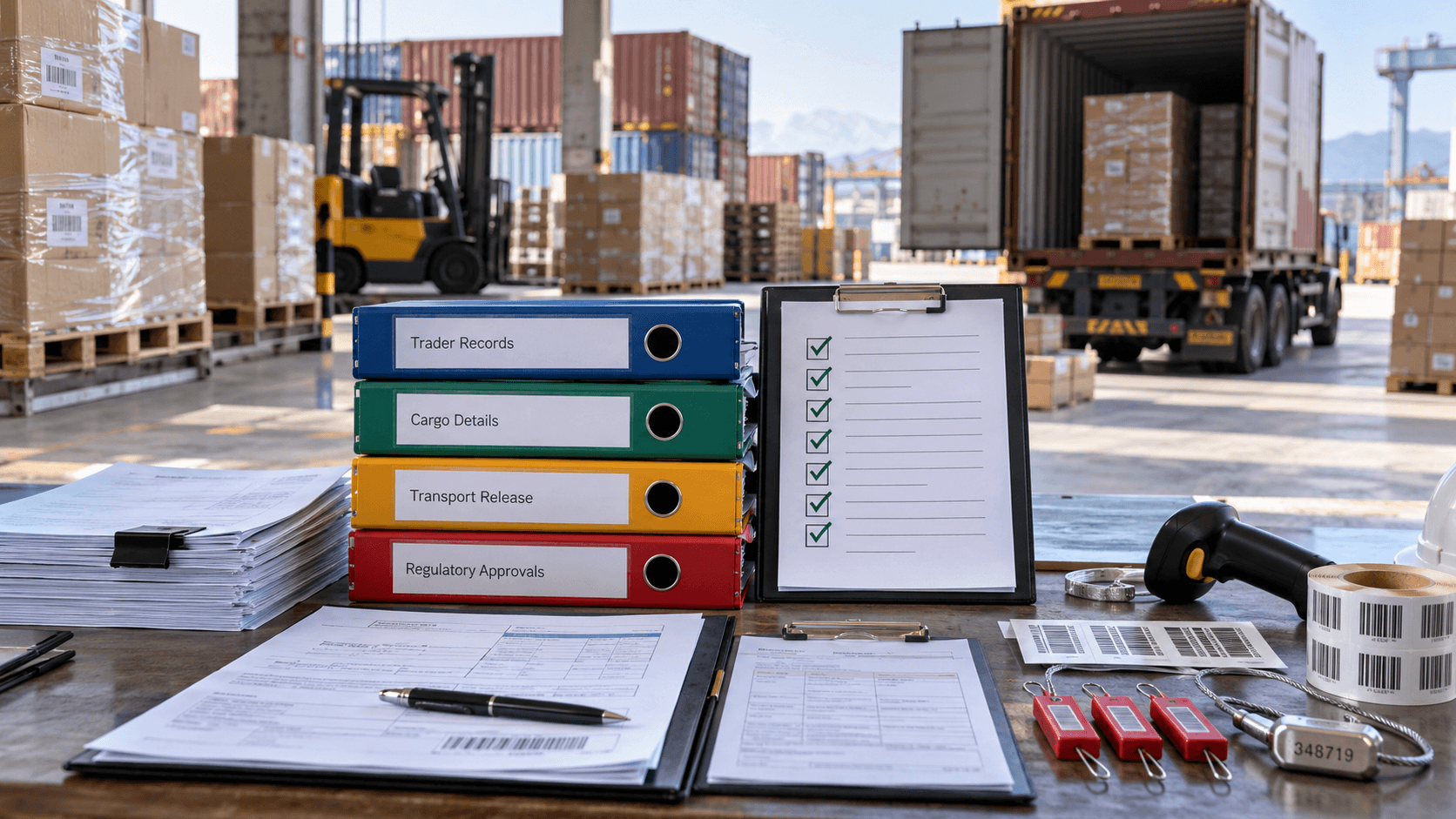
Trader and Transaction Records
- Current company or firm registration
- PAN and VAT records where applicable
- Active EXIM records where applicable
- Purchase order or contract
- Pro forma invoice when used
- Final commercial invoice
- Bank or payment documents
- Authorization for the appointed representative
Cargo and Classification Records
- Detailed packing list
- Proposed HS code
- Technical specifications
- Product catalogue or photographs
- Material or ingredient composition
- Certificate of origin when required
- Insurance document when applicable
- Freight and insurance cost details relevant to valuation
Transport and Release Records
- Bill of lading, air waybill or road/rail document
- House and master documents when both exist
- Arrival notice
- Delivery order or release instruction
- Container and seal details
- Vehicle or rail details
- Applicable transit documents
Regulatory and Customs Records
- Import licence or prior approval
- Health, quarantine or technical certificates
- Inspection or laboratory reports
- Dangerous-goods documentation
- Customs declaration
- Supporting valuation documents
- Corrected records requested during verification
Before dispatch, confirm that the importer is permitted to import the product and that all approvals required in advance are ready. The Department of Customs maintains a page of forms used in customs, but the actual shipment file must reflect the current procedure and product.
Check the document pack before booking
Share the product, route, Incoterm and draft shipment records. Sea Sky Cargo can flag visible gaps before the transport documents are finalized.
7. Nepal Export-Document Checklist
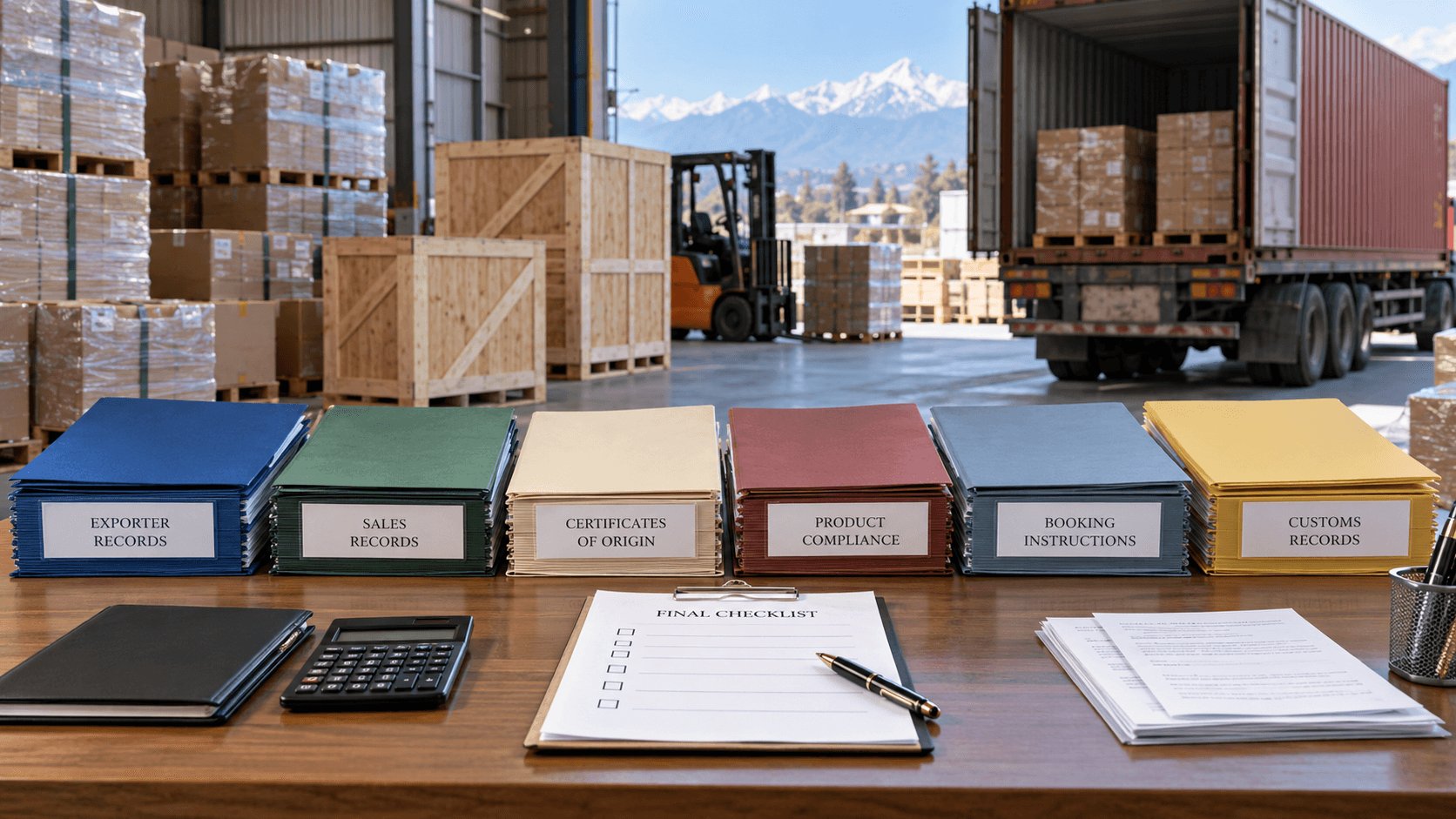
Exporter and Sale Records
- Current business registration
- PAN and VAT records where applicable
- EXIM records where applicable
- Buyer’s purchase order and sale contract
- Pro forma and final commercial invoices
- Packing list
- Payment instructions
- Letter-of-credit terms and amendments
Origin and Product Records
- Certificate of origin
- HS classification support
- Export licence when required
- Health, sanitary, phytosanitary or veterinary certificate
- Quality or analysis certificate
- Fumigation certificate
- Destination-country permit
- Dangerous-goods declaration and safety data sheet when applicable
Transport and Customs Records
- Booking confirmation
- Shipper’s transport instructions
- Bill of lading, air waybill or road/rail document
- Export customs declaration
- Container and seal information
- Verified-weight information when required
- Insurance document
- Authorization for the customs or logistics representative
- Final issued document set
The exporter must also check the buyer’s and destination country’s requirements. When appropriate, circulate draft documents to the buyer, bank and logistics parties for approval before originals or final electronic releases are issued.
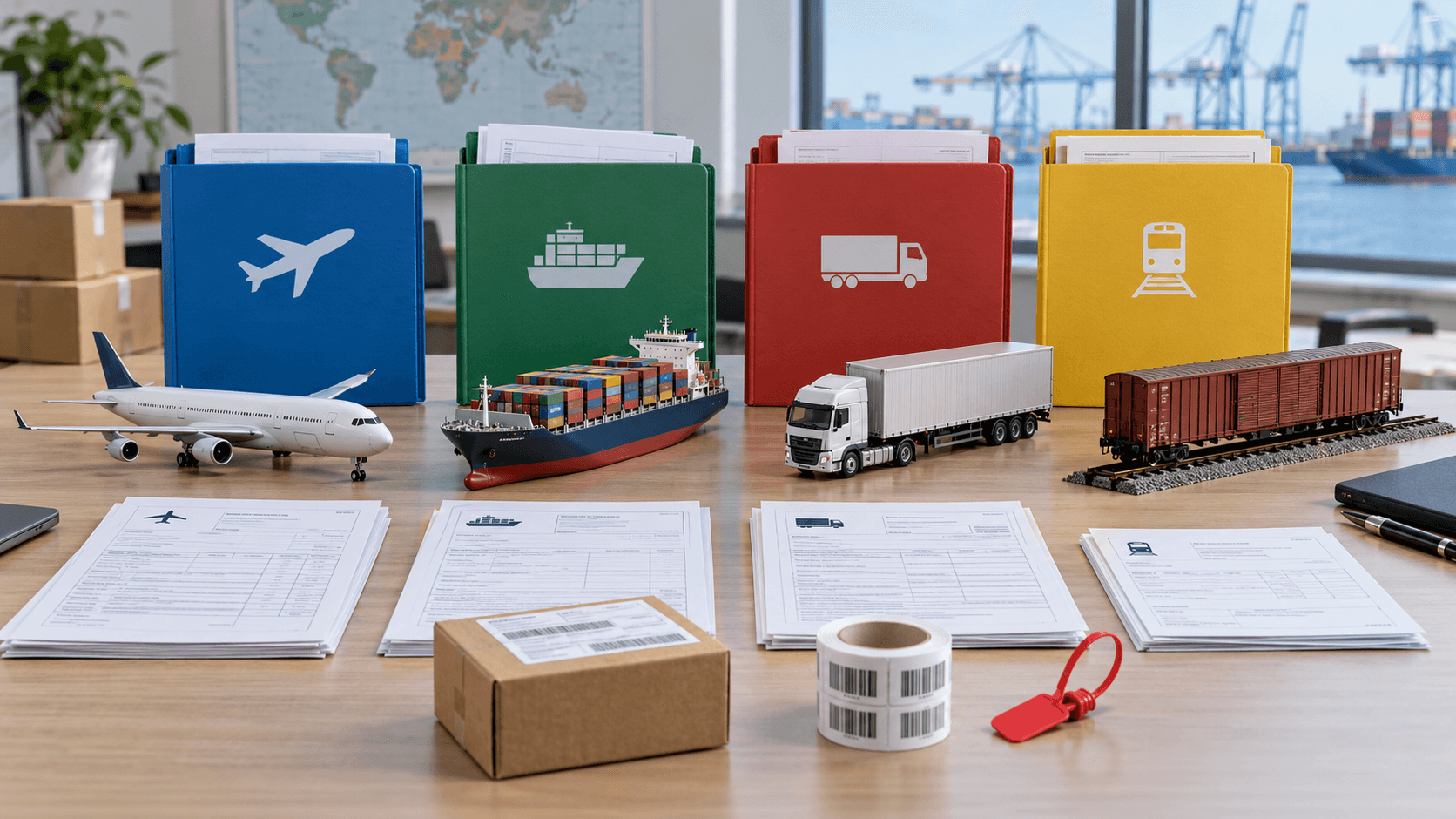
8. Documents by Freight Mode
Air Freight
For air freight services, prepare:
- Air waybill instructions
- Piece count, dimensions, gross and chargeable weight
- Commercial invoice and packing list
- Security information where requested
- Dangerous-goods and battery details where applicable
- Temperature-control instructions
- Destination pre-alert documents
Sea Freight
For ocean freight services, check:
- Bill-of-lading instructions
- Shipper, consignee and notify-party details
- Loading and discharge ports and final destination
- LCL consolidation details or FCL container and seal information
- Package count, gross weight and cargo description
- Verified gross mass where required
- Release arrangement and insurance
- Transit documents for the Nepal-bound movement
For LCL cargo, verify how individual cartons or crates are represented in the consolidation. For FCL cargo, make the packing list, container record and bill-of-lading instructions agree.
Road and Rail Freight
For road freight services and rail-linked movements, prepare:
- Road consignment note, truck receipt or rail receipt
- Vehicle, wagon, container and seal details
- Border point and customs-transit declaration
- Delivery instructions and proof-of-delivery procedure
- Invoice and packing list
- Product permits
- Supporting records for linked sea or air legs
9. Pre-Dispatch Document Consistency Check
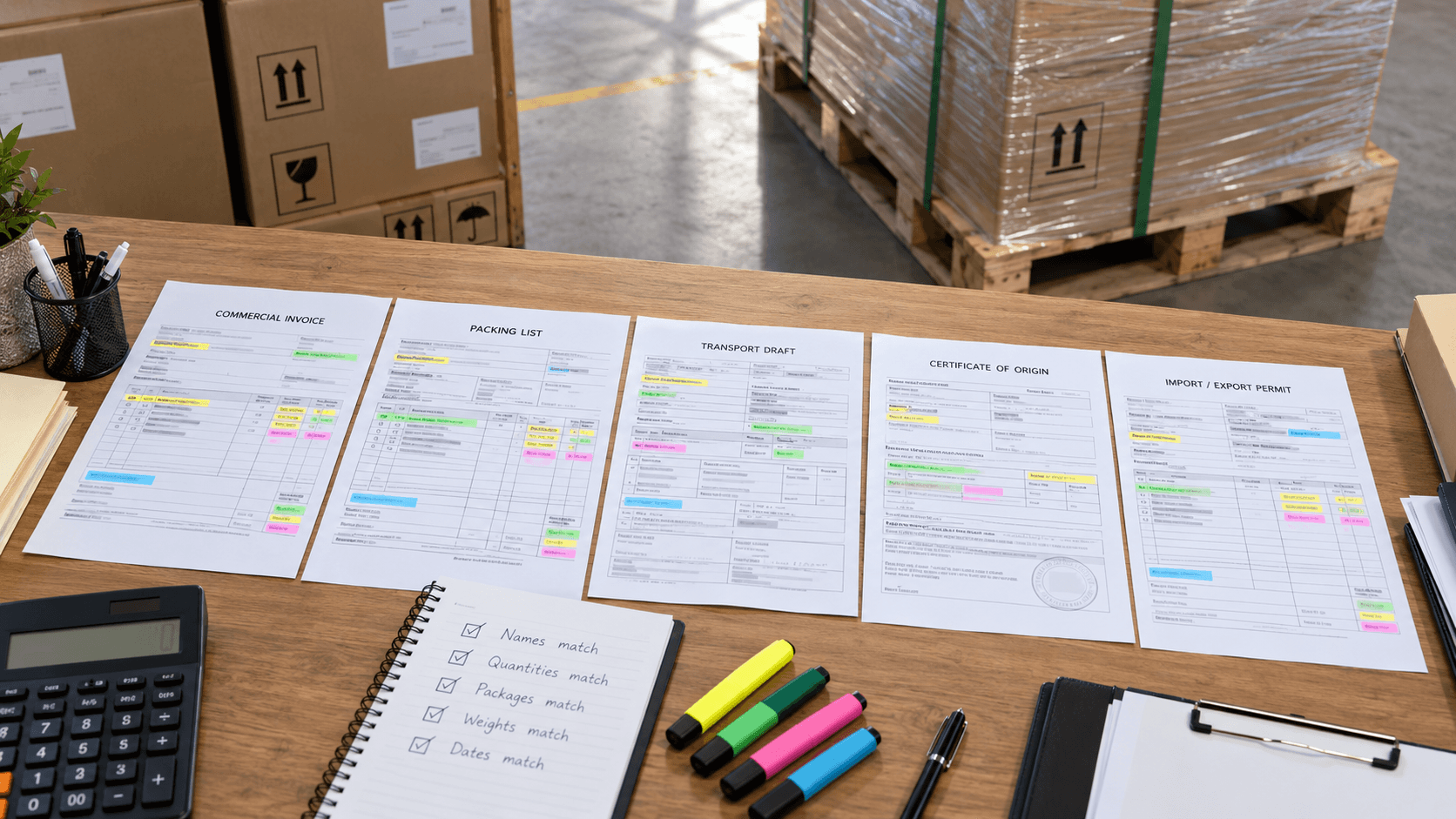
Place the commercial invoice, packing list, transport-document draft, origin certificate, permit and payment instructions side by side. Compare every critical field from the same controlled source of shipment data. Use a final approval point. Once the pack is approved, lock the working version, label later corrections clearly and distribute the same final set to the forwarder, carrier, bank, customs representative, buyer or supplier as applicable. Before handover, send Sea Sky Cargo one controlled document pack. The team can compare visible fields and flag inconsistencies before transport documents are finalized.
| Field | What to verify |
|---|---|
| Legal names | Seller, buyer, shipper, consignee and notify-party names are accurate and consistent |
| Quantities | Total units and units inside every package agree |
| Values | Unit prices, line totals, discounts, additions and invoice total calculate correctly |
| Currency | Commercial and banking records use the intended currency code |
| Incoterm | The correct rule and named place appear, such as FOB Shanghai or CIF Kolkata |
| Packages | Cartons, pallets, crates, drums or bundles are counted and described consistently |
| Weights and dimensions | Net, gross, chargeable and verified weights use final packing data |
| Cargo description | Specific descriptions, models, materials and intended use match |
| Origin | Country of origin is distinguished from country of dispatch |
| Dates | Invoice, certificate, permit, booking and shipment dates form a logical sequence |
| References | Purchase-order, invoice, booking and letter-of-credit references match |
10. Common Documentation Mistakes and a Practical Workflow
Mistakes That Commonly Cause Delays
- Using vague product descriptions
- Copying an old HS code without checking the product
- Showing different legal names across documents
- Confusing cartons, pallets and package count
- Omitting the named place from an Incoterm
- Using estimated weights after final packing
- Checking product permits only after dispatch
- Preparing transport documents from an outdated invoice
- Ignoring destination-country requirements for exports
- Sending originals before confirming the release method
- Letting the bank, buyer and carrier approve different versions
- Assuming a freight forwarder can guarantee customs clearance
Ten-Step Documentation Workflow
- Record the product, quantity, value, origin, destination, Incoterm, payment method and mode.
- Confirm the importer’s or exporter’s registration requirements.
- Check product permits and regulatory controls.
- Collect technical information supporting classification.
- Prepare the invoice and packing list from the same source data.
- Review payment and banking conditions.
- Send approved transport instructions to the carrier or forwarder.
- Compare critical fields across the entire document pack.
- Approve transport-document and certificate drafts.
- Distribute one final set to the correct parties and retain an archive.
Use clear filenames, mark drafts and keep one approved final folder for each shipment. Document control is wonderfully boring when done correctly—and much less boring than arguing about a container that cannot be released.

11. How Sea Sky Cargo Helps with Freight Documentation
Sea Sky Cargo can support importers and exporters before cargo moves by:
- Reviewing invoices and packing lists for visible inconsistencies
- Checking transport-document drafts
- Comparing quantities, package counts and weights
- Coordinating air, sea and road freight
- Identifying questions to raise with suppliers or buyers
- Organizing technical information for classification review
- Coordinating with customs-support providers
- Supporting pre-alert and document-release procedures
This support does not replace the trader’s legal responsibilities or decisions made by government authorities. Customs and other competent authorities make the final decisions on classification, valuation, permits, inspection and release.
For a useful review, share the product description, proposed HS code, invoice, packing list, Incoterm, origin, destination, package count, weight, dimensions, payment method, preferred mode and delivery location.
Preparing an international shipment? Sea Sky Cargo can review your invoice, packing list, transport documents and customs requirements before the cargo moves.
Frequently Asked Questions
Is there one mandatory document list for every Nepal shipment? No. Requirements depend on the product, origin, destination, transport mode, payment method, customs procedure and rules in force. Confirm the file for the actual shipment.
Can a pro forma invoice be used for customs clearance? It may support quotations, permits or payment arrangements. The final shipment normally needs the commercial and customs documents applicable to the completed transaction.
Who determines the final HS code? The trader must provide accurate product information and may seek professional guidance, while the relevant customs authority makes the final classification decision.
Do all Nepal traders need PAN, VAT and an EXIM Code? Requirements depend on the trader, transaction and procedure. Verify current registration requirements with the Department of Customs and Nepal National Single Window.
What is the difference between a bill of lading and an air waybill? A bill of lading is used for sea freight and can involve different release or negotiability arrangements. An air waybill is used for air cargo and is not a negotiable document of title.
Do shipping documents need to be original? Some banks, procedures and transactions require originals, while others accept electronic records or a carrier release. Confirm the requirement before documents are issued or couriered.
When should product permits be checked? Before the purchase is finalized and before dispatch. Some approvals must be issued in advance and may not be available after the cargo arrives.
What happens when the invoice and packing list do not match? A carrier, customs authority, bank or buyer may request clarification or corrected documents, which can delay customs clearance, payment or cargo release.
Correct freight documentation begins with accurate product information and one controlled source of shipment data. Compare every important field across the complete file before dispatch; correcting a mismatch early is normally easier and less expensive than resolving it at an airport, border point or transit port.

Prepare your shipment before cargo moves
Sea Sky Cargo can review your invoice, packing list, transport records and customs-document plan, then coordinate the freight and release process.
Related posts
1970-01-01
Sea + Air Freight: How SeaSky Helps Businesses Ship Smarter

2026-10-05
Landed Cost in Nepal: A Step-by-Step Import Cost Worksheet
2026-10-04
Demurrage vs Detention for Nepal Imports: Free Time, Indian Port Charges and How to Avoid Them

2026-10-01