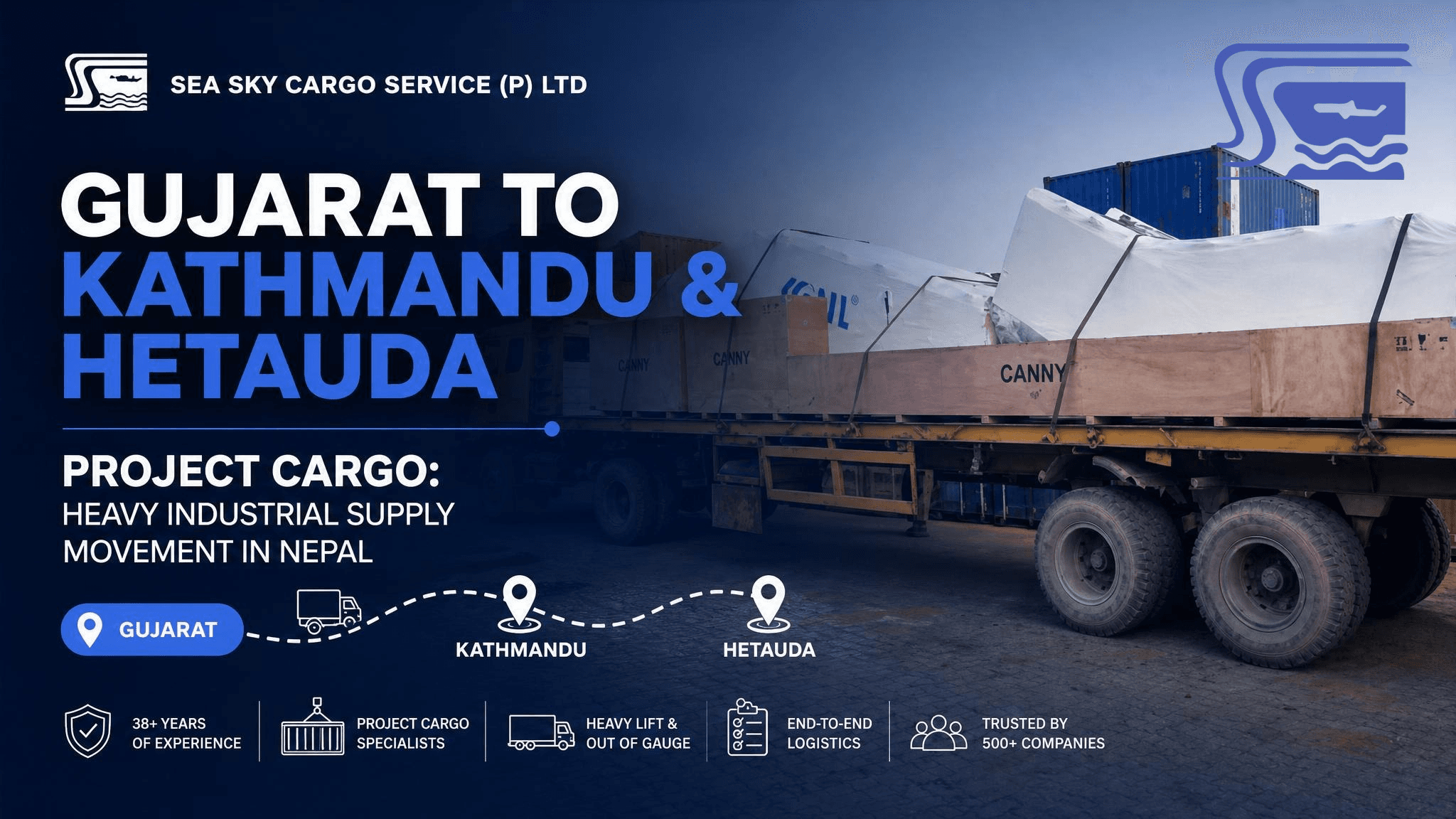
Gujarat to Kathmandu & Hetauda Project Cargo: Heavy Industrial Supply Movement in Nepal
This project involved moving modular industrial machinery, heavy electrical equipment, crated engineering components, and auxiliary project materials from multiple supplier locations across Gujarat, India into Nepal for an infrastructure and energy development consortium. The final delivery points were Kathmandu Valley and the Hetauda Industrial Corridor, so the shipment had to support more than one destination and more than one inland delivery window.
The cargo type made this a heavy-lift project, not a standard import. It included transformer units, industrial generators, mechanical assemblies, process equipment, and heavy fabricated structures, all of which need careful handling, route planning, and supervision to avoid damage during transfer.
Cargo Profile
The shipment was built around industrial supply materials used for project execution rather than retail sales. That included modular machinery, heavy electrical items, crated engineering parts, and auxiliary materials that likely needed to arrive in sequence for installation or site readiness.
Because the goods were oversized and sensitive, each item had to be checked for dimension, weight, and handling requirements before movement. In project cargo, one wrong lifting move or one missed loading step can cause delays or damage that affect the entire project schedule.
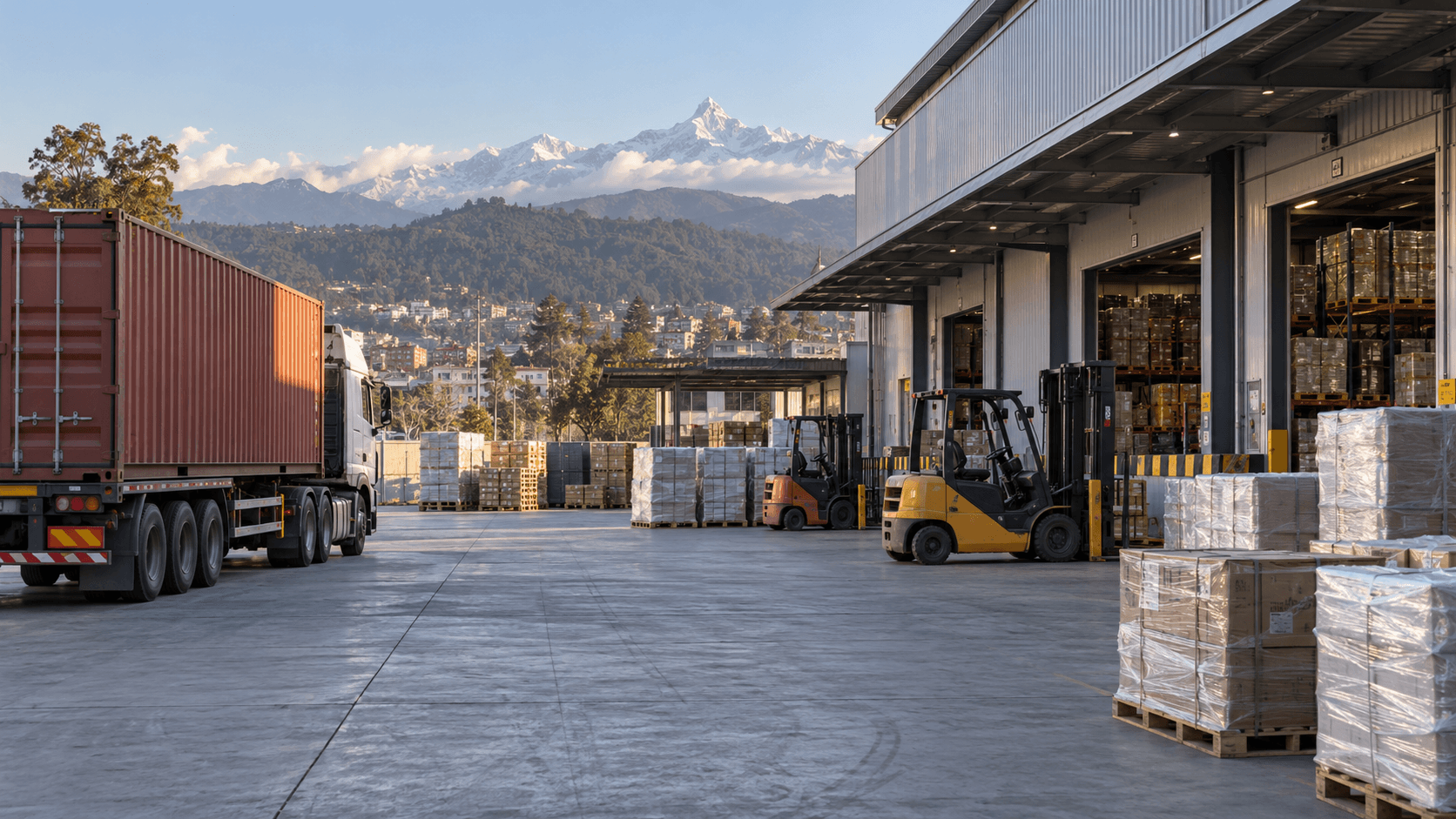
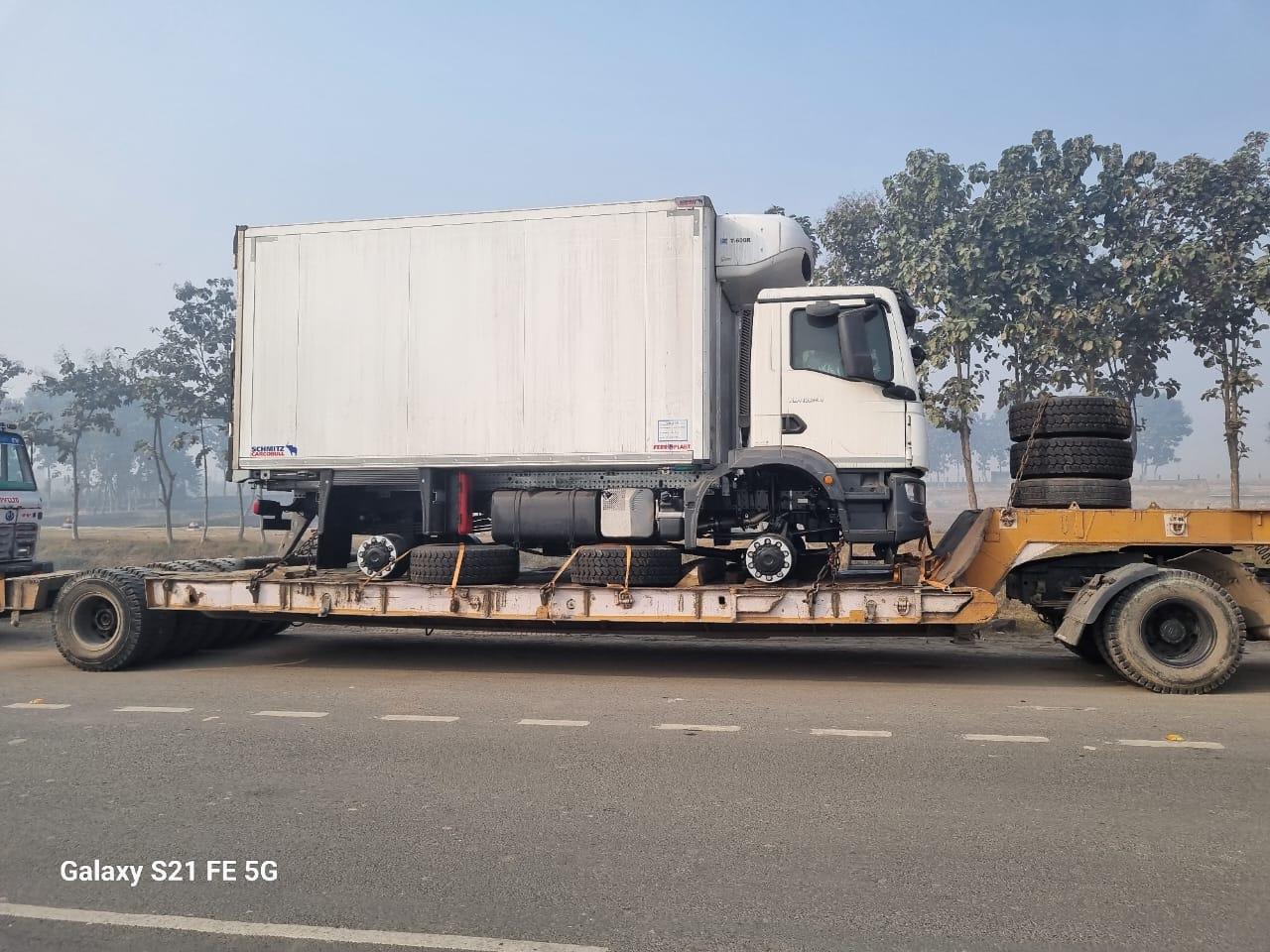
[a]Heavy industrial cargo prepared for Nepal delivery.[/a]
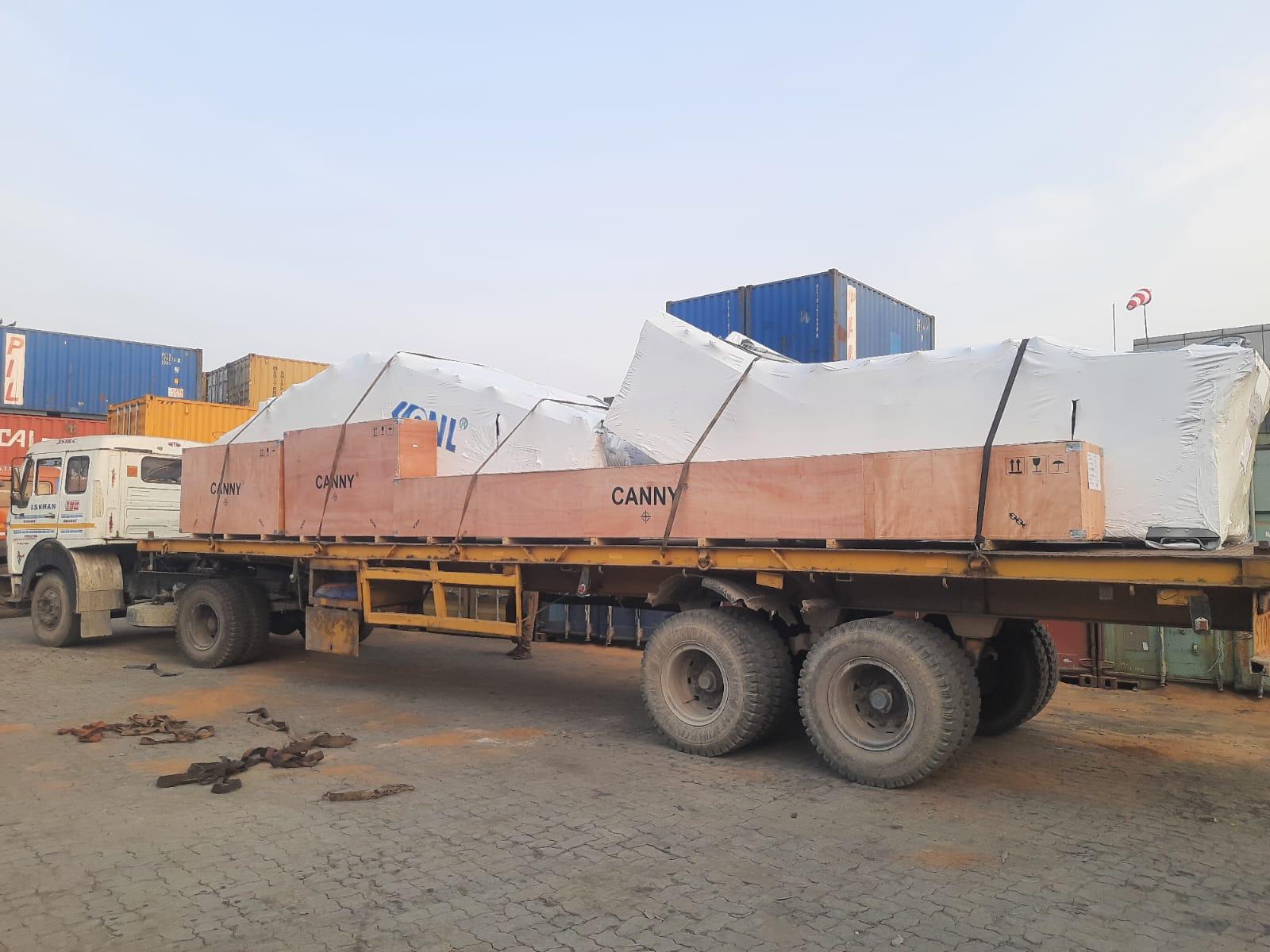
Origin in Gujarat
The cargo came from multiple supplier locations across Gujarat. That means the operations team had to coordinate pickups from different vendors, consolidate the cargo, and keep all loads aligned for transport into Nepal.
Multi-supplier origin points add complexity because each supplier may have different readiness times, packing standards, and document timing. Sea Sky’s coordination role was to keep all these moving parts synchronized so the shipment could move as one planned corridor instead of a series of disconnected loads.
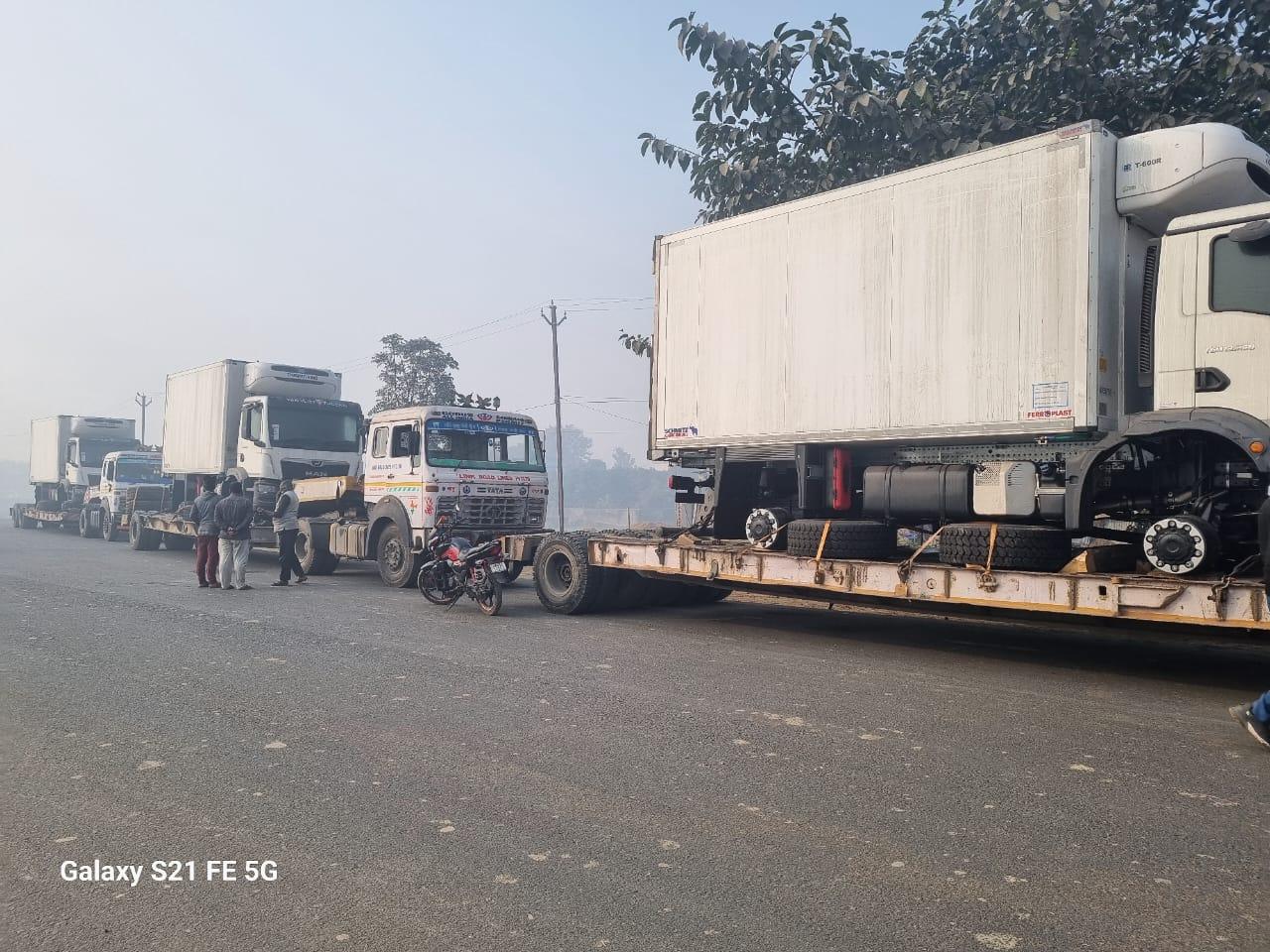
Destination Planning
The shipment was delivered to Kathmandu Valley and the Hetauda Industrial Corridor, both of which are important logistics and industrial zones in Nepal. Kathmandu Valley requires urban delivery planning and congestion-aware scheduling, while Hetauda serves as a major industrial area with active manufacturing and new industry growth.
This made the delivery more than a simple border-to-door movement. The team had to think about where each cargo piece should go, when it could be unloaded, and how to move oversized items safely through inland roads.
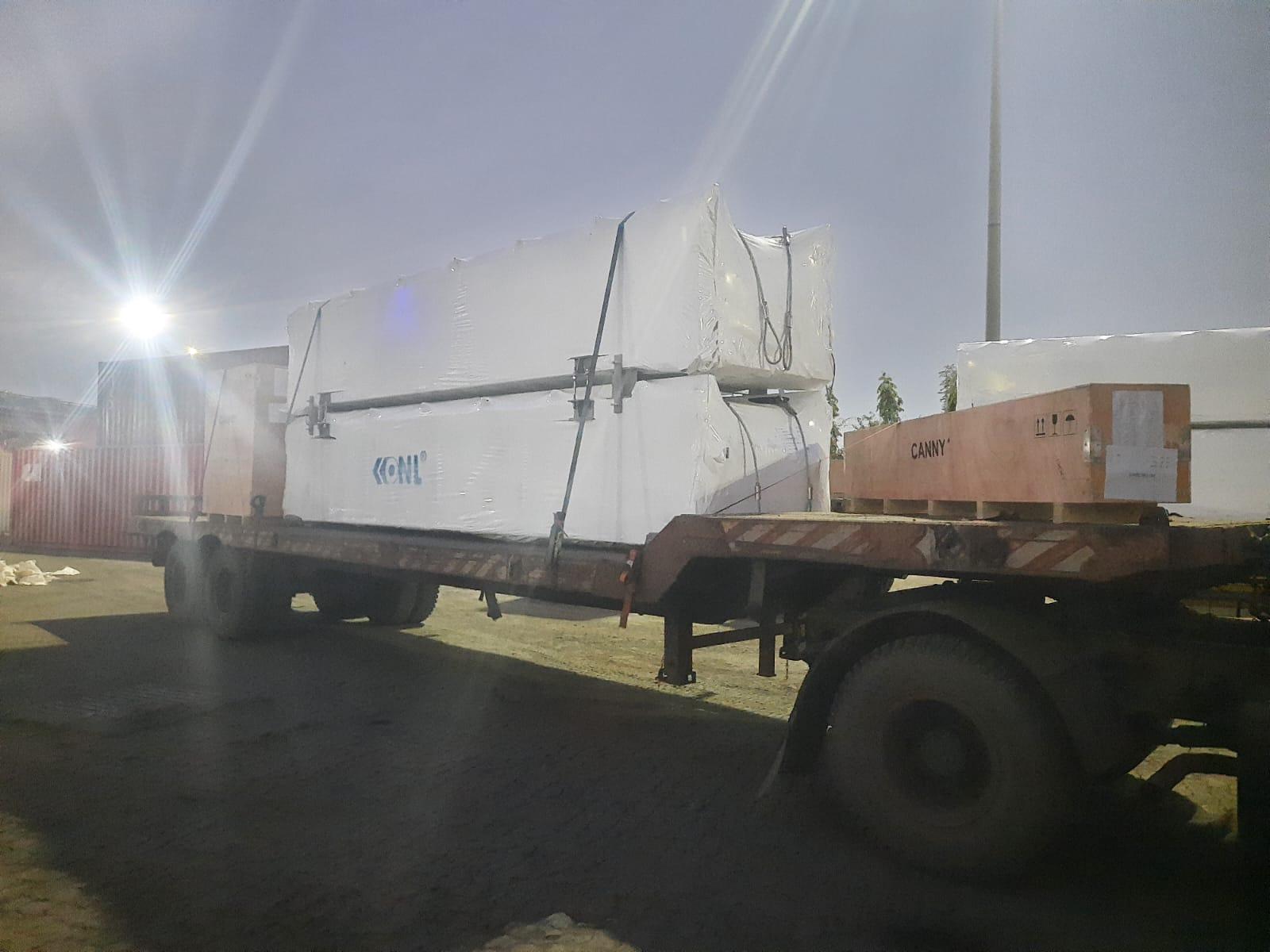
Transport and Handling
Due to the oversized dimensions and sensitive cargo, the move required specialized low-bed trailers, multi-axle coordination, secure lashing, timed border clearances, and careful inland route management. Several shipments moved in controlled windows so the cargo could pass through congested corridors without unnecessary stoppage.
That kind of planning matters because heavy equipment cannot simply be moved like ordinary freight. Every turn, bridge, border slot, and unloading point has to be checked in advance to keep the cargo safe and the schedule on track.
Coordination at Every Stage
The operational team maintained continuous coordination between port authorities, transport operators, customs officials, warehouse teams, and inland delivery coordinators. This is what makes a project cargo shipment successful: everyone involved has to be on the same timing and the same route plan.
When cargo is heavy, sensitive, and split across more than one destination, communication becomes just as important as transport equipment. A delay in customs or trailer dispatch can affect unloading in Kathmandu or Hetauda later in the chain.
Why This Shipment Matters
This shipment shows how Nepal’s industrial and energy supply chain depends on careful cross-border logistics. The cargo supported an infrastructure and energy development consortium, which means it was tied to project work rather than general commercial retail movement.
It also highlights the value of precise cargo supervision. Heavy project materials only work when the logistics team controls the route, the timing, and the handoff points from origin to final site.
Sea Sky’s Role
Sea Sky managed the shipment as a full project cargo operation, not just a transport booking. The team handled port handling coordination, customs documentation support, cross-border movement, heavy trailer arrangements, cargo supervision, and route planning from origin to final delivery.
For clients, that means lower risk, fewer handoffs, and better control over delivery timing. In heavy cargo projects, that level of coordination often matters more than the transport mode alone.
Conclusion
The Gujarat to Kathmandu and Hetauda move is a strong example of how complex project cargo should be handled in Nepal. With multiple suppliers, oversized cargo, controlled movement windows, and two inland delivery destinations, Sea Sky kept the shipment organized from the origin point to the final project locations inside Nepal.
For infrastructure and energy clients, this is the kind of logistics support that keeps projects moving. Request a project cargo quote from Sea Sky today or contact the logistics team to plan your next heavy industrial shipment into Nepal.