
Import duty is only one part of landed cost
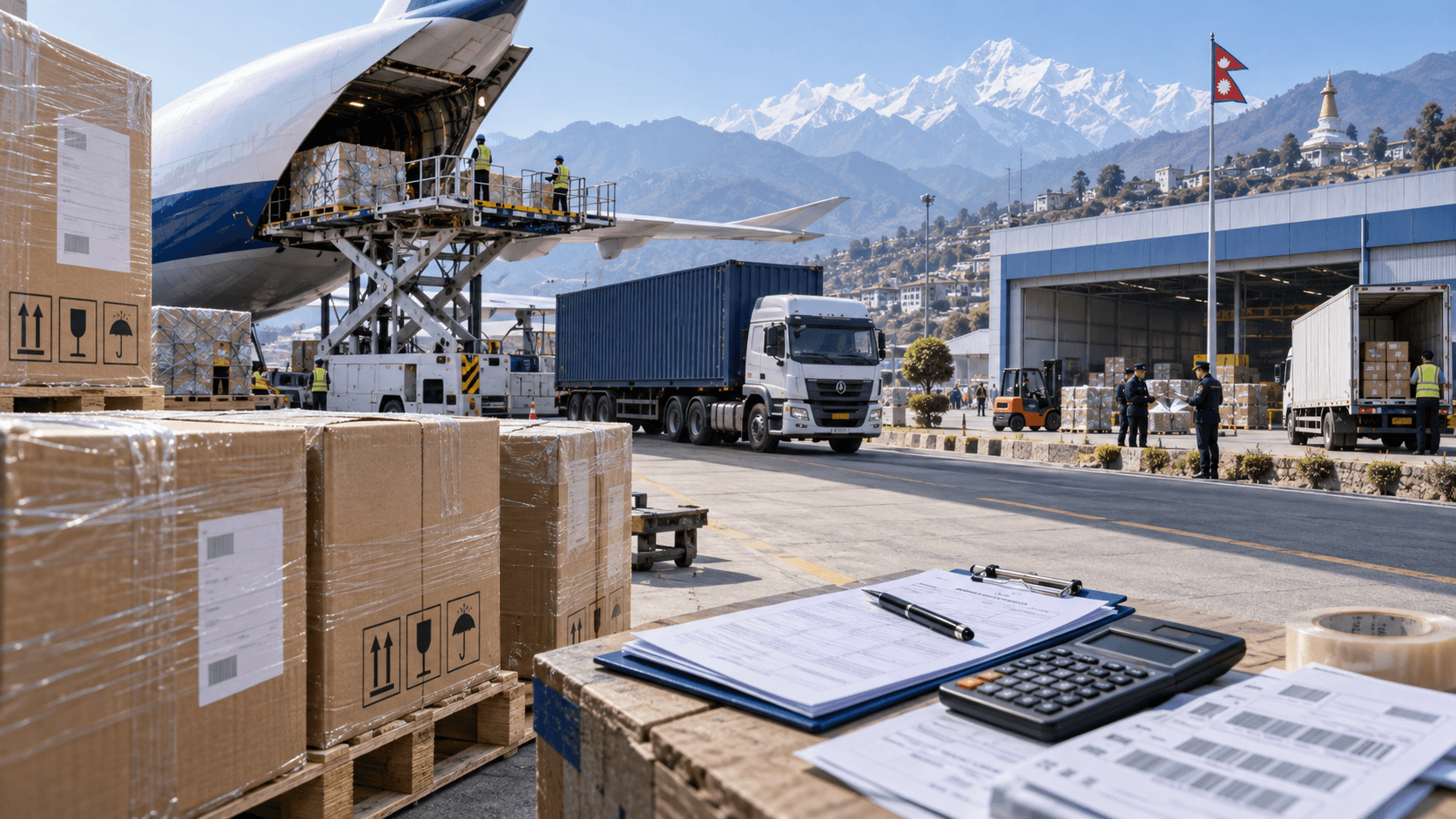
A supplier quotation does not show the full amount required to place imported goods in a Nepal warehouse. International freight, insurance, customs duty, value-added tax, possible excise, terminal or border handling, clearance work and inland delivery can materially change the final cost. A purchase that looks profitable at factory price can become difficult to sell after these amounts are added. The useful planning figure is landed cost: the total commercial cost of purchasing, transporting, clearing and delivering the shipment. Calculating it before the supplier dispatches the cargo helps an importer compare suppliers on the same basis, choose a suitable route, arrange working capital and set a realistic resale price. Do not compare an FOB price with a delivered quotation as though they cover the same work. The FOB versus CIF guide explains where common seller responsibilities stop. Your internal worksheet should add every remaining cost until the cargo reaches the actual receiving address.
| Cost layer | Typical items to include | Why it matters |
|---|---|---|
| Goods | Invoice value, tooling, assists or other dutiable additions where applicable | The commercial starting point must reflect the real transaction |
| Origin | Supplier pickup, export handling, documentation and origin terminal charges | These may sit outside an attractive factory quotation |
| International transport | Air, sea, road or multimodal freight and cargo insurance | Freight and insurance can affect both cash cost and customs value |
| Government charges | Customs duty, VAT, applicable excise and product-specific levies | Treatment depends on classification and current law |
| Destination | Handling, customs service, storage risk, inland vehicle and unloading | A port or border quote is not a warehouse-delivered cost |
Start with the product description and correct HS code
An import-duty estimate is only as reliable as the product information behind it. Descriptions such as "machine," "electronic item," "accessory" or "spare part" are too broad for confident classification. Material, function, composition, capacity, model, condition and intended use can separate products that look similar into different tariff headings. Ask the supplier for the commercial name, manufacturer and model, principal material, technical specification, catalogue, composition and clear photographs. Machinery and electronics may need power or output details. Chemicals, batteries and controlled materials may need safety data. New and used equipment should be identified accurately. The overseas seller's HS code is a useful clue, not an automatic Nepal classification. National tariff subdivisions and the actual goods still need to be checked. Using a rate simply because it is lower can lead to reclassification, more tax, document requests, delay and possible enforcement action. Read the wrong HS code guide before finalizing the invoice description. Keep the description consistent across the commercial invoice, packing list, catalogue, permit and transport document. If the paperwork appears to describe different products, Customs may need clarification before it can assess and release the goods.
| Classification input | Useful evidence |
|---|---|
| What the product is | Exact trade name, manufacturer, model and photograph |
| What it does | Primary function, intended use and operating method |
| What it is made from | Principal material, composition or ingredient breakdown |
| How it is supplied | Complete unit, component, kit, unfinished item or spare part |
| Technical identity | Capacity, power, dimensions, grade, concentration or specification sheet |
| Commercial facts | Country of origin, condition, quantity and unit value |

Check the current 2083/84 tariff and build customs value
After identifying the likely HS code, check the Integrated Customs Tariff for fiscal year 2083/84 and any current Finance Act provisions, exemptions, conditions or agency requirements. Do not use a screenshot from an old fiscal year or assume the rate from a previous shipment still applies. Nepal's tariff structure and product treatment can change, and a model change can also affect classification. The tariff review should cover more than the headline customs-duty percentage. Confirm whether the line indicates VAT treatment, excise, a unit-based or specific charge, exemption conditions, minimum criteria or another requirement. Sea Sky's summary of the 2083/84 customs changes provides context, but the current tariff entry and actual transaction control the estimate. Import taxes are assessed from an accepted customs value, not automatically from the number on a supplier quotation. For preliminary budgeting, use this simplified structure: This is a planning formula, not a binding valuation decision. Customs may apply the official exchange rate and request the purchase order, payment evidence, freight invoice, insurance record, catalogue or other support. Declare the genuine transaction and retain records that explain it. Nepal Customs' automated environment supports declaration, valuation, assessment and revenue calculation, but the authority's accepted classification and value determine the final result.
| Planning component | Amount to collect |
|---|---|
| Goods value | Actual transaction amount supported by invoice and payment terms |
| Freight | Relevant transport cost to the applicable customs point |
| Insurance | Cargo insurance attributable to the movement |
| Other additions | Any other amount that Nepal's valuation rules require to be included |
| Planning customs value | Goods value + relevant freight + insurance + dutiable additions |

Duty, excise and VAT calculation worksheet
Build the estimate in a fixed order so the same value is not omitted or counted twice. The sequence below is a practical budgeting worksheet. Product-specific schedules and the final Customs assessment take priority over any general example. Customs duty is not a universal percentage. Excise is not automatically included in duty, and an excisable product may use a product-specific basis. VAT should not simply be multiplied by the factory price. Likewise, a product with zero customs duty is not automatically free from VAT, permit requirements or destination costs. Create three columns in the worksheet: confirmed, estimated and excluded. Record the source and date for each rate. This makes uncertainty visible to the person approving the purchase and prevents a preliminary freight number from being mistaken for a final landed cost.
| Step | Planning formula | Checkpoint |
|---|---|---|
| 1. Customs value | Goods + relevant freight + insurance + dutiable additions | Use the real transaction and supported transport costs |
| 2. Customs duty | Customs value x verified tariff rate | Confirm the HS code and current 2083/84 entry |
| 3. Excise | Applicable excise base x product-specific rate | Use the current excise schedule and calculation basis |
| 4. VAT base | Customs value + customs duty + applicable excise + other taxable import amounts | Confirm which amounts belong in the base |
| 5. VAT | VAT base x applicable VAT rate | Nepal's standard VAT rate is 13% as of September 2026, but exemptions and special treatment may apply |
| 6. Government subtotal | Duty + excise + VAT + any other applicable levy | Keep this separate from service and transport charges |
| 7. Landed cost | Goods + logistics + government charges + clearance + delivery | Add storage or delay exposure separately rather than hiding it |
Worked landed-cost example for a Nepal importer
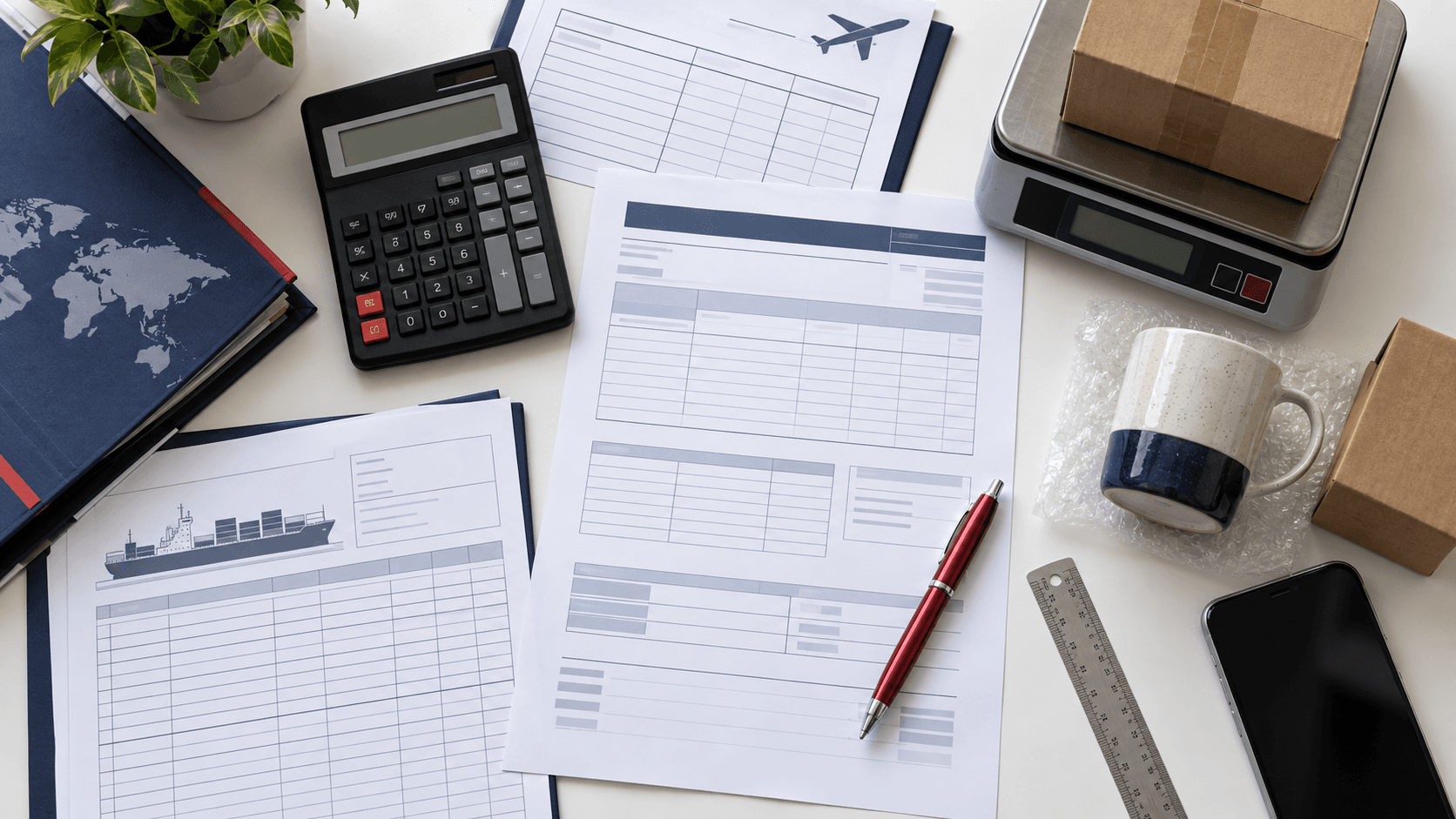
Assume a business is importing 100 units of commercial goods. The invoice value is NPR 1,000,000 and supported freight plus insurance is NPR 150,000. For this illustration only, assume the verified customs-duty rate is 10%, no excise applies, the standard 13% VAT applies, and estimated clearance, handling and Nepal delivery total NPR 70,000. This example is not a quotation or tax ruling. The 10% duty rate was selected only to demonstrate the arithmetic. A real shipment can have a different tariff rate, excise treatment, VAT status, valuation adjustment, exchange rate, levy, handling scope or delivery cost. Storage, demurrage, detention, inspection, laboratory testing and permit delays are also excluded. Use a sensitivity check before placing the order. Recalculate the model with a higher freight amount, a possible reclassification, exchange-rate movement and several days of avoidable storage. If the product stops being profitable under a modest change, the purchasing decision needs more review before payment.
| Calculation | Illustrative amount |
|---|---|
| Invoice value | NPR 1,000,000 |
| Freight and insurance | NPR 150,000 |
| Planning customs value | NPR 1,150,000 |
| Customs duty at assumed 10% | NPR 115,000 |
| Excise in this example | NPR 0 |
| Illustrative VAT base | NPR 1,265,000 |
| VAT at 13% | NPR 164,450 |
| Government-charge subtotal | NPR 279,450 |
| Clearance, handling and delivery estimate | NPR 70,000 |
| Illustrative landed cost | NPR 1,499,450 |
| Illustrative landed cost per unit | NPR 14,994.50 |
Have a supplier quotation ready?
Sea Sky Cargo can review the product description, proposed HS code, invoice, packing details and route before dispatch so your freight and customs budget starts from the same facts.
Check permits and prepare documents before dispatch
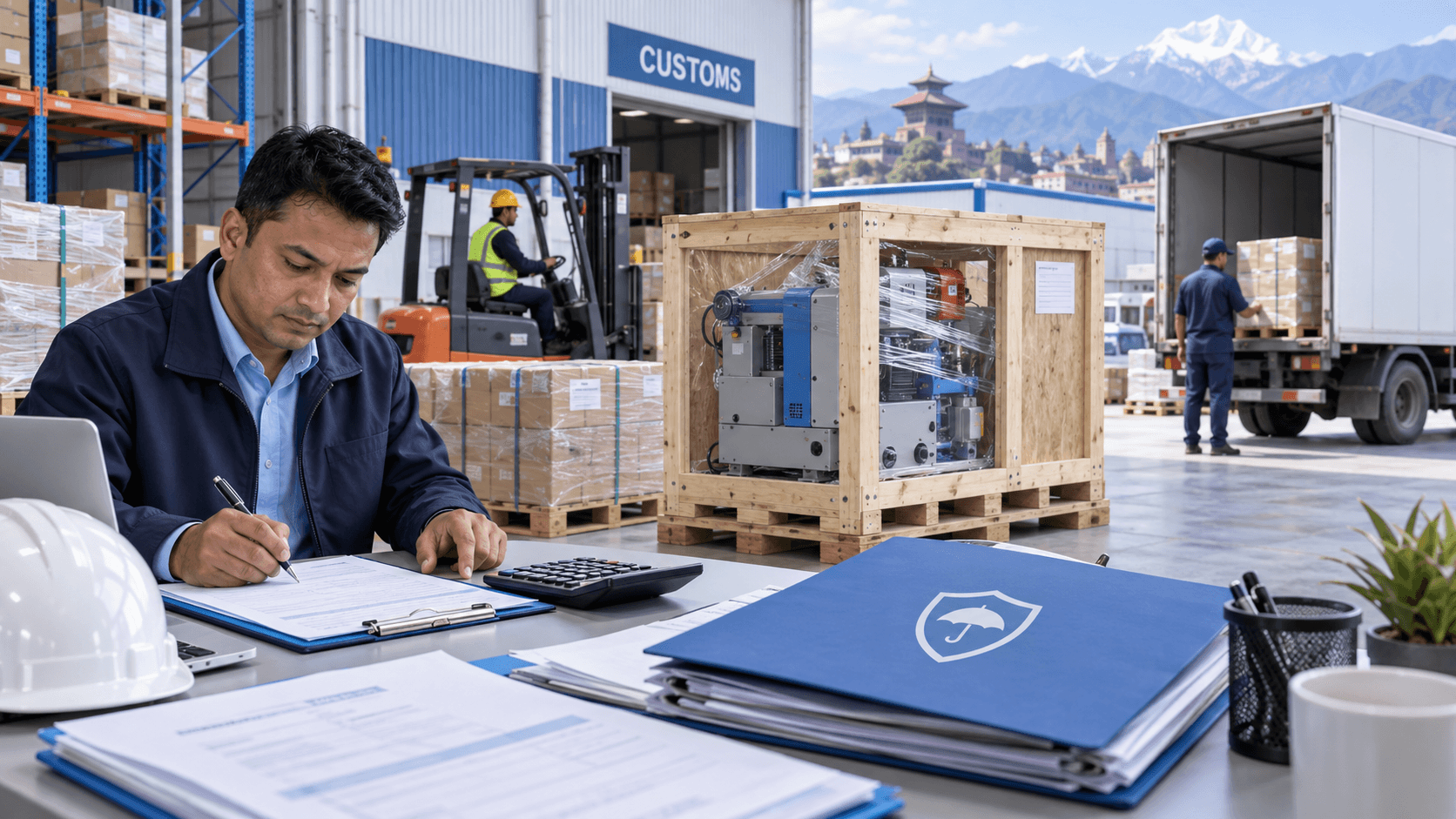
A mathematically correct tax estimate does not prove that the goods are admissible. Food, medicine, medical devices, agricultural products, plants, chemicals, cosmetics, telecom or wireless equipment, batteries, vehicles and certain used goods can require a permit, registration, recommendation, test report or product-specific certificate. Use the exact product and proposed HS code to identify the responsible authority and confirm whether approval must exist before shipment. The Nepal import permit guide explains why this check belongs before the supplier's dispatch date, not after the cargo reaches the airport, border or dry port. Match descriptions, quantities, model numbers and values across the file. Errors are usually easier to correct while the goods remain with the supplier. Once the cargo has moved, document amendments can involve carriers, banks, insurers, customs representatives and additional fees.
| Document or record | What to verify before shipping |
|---|---|
| Commercial invoice | Seller, buyer, detailed product, quantity, unit value, currency and Incoterm |
| Packing list | Package count, contents, dimensions, net and gross weight and marks |
| Transport document instructions | Shipper, consignee, notify party, origin, destination and cargo description |
| Classification support | Catalogue, specification, composition, model and product photographs |
| Origin evidence | Certificate or declaration when required for the shipment or tariff treatment |
| Permit or recommendation | Correct importer, product, quantity, authority, validity and conditions |
| Banking and payment file | Purchase order, payment terms, remittance or letter-of-credit records as applicable |
| Insurance | Commodity, value, packages, complete route and insured party |

Incoterms and freight routes change the estimate
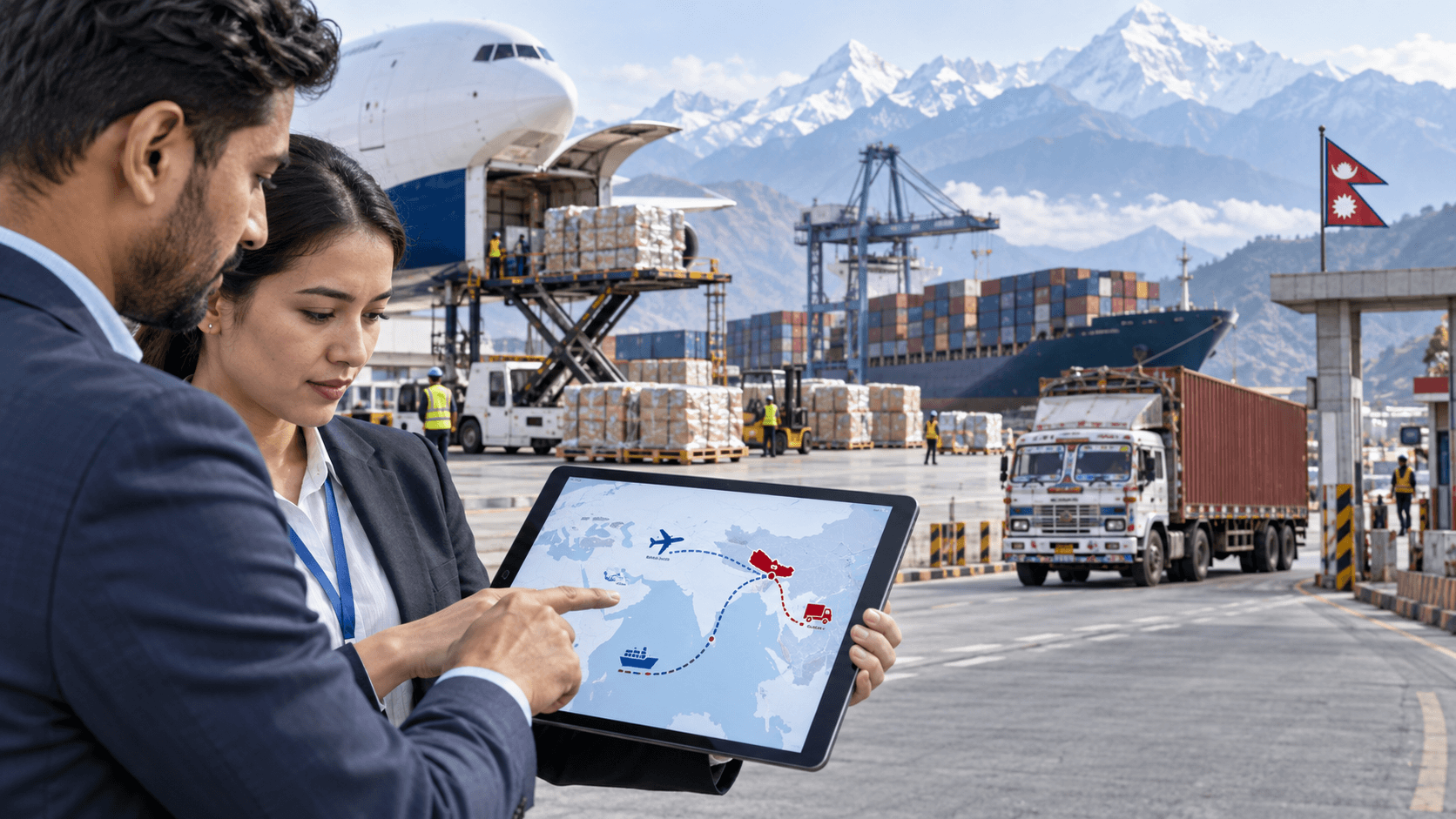
The same goods can produce different landed costs under different shipping terms and routes. FOB usually leaves the buyer to arrange the main freight after loading at the named origin port. CIF includes cost, insurance and freight to the named destination port, but it does not automatically include Nepal transit, destination handling, customs taxes or warehouse delivery. Ask every supplier and forwarder to name the exact place attached to the Incoterm and list what is included. A statement such as "CIF Nepal" is too vague when ocean cargo must discharge at an external gateway and continue inland. Compare the offers only after the remaining origin, freight, port, border and Nepal delivery charges have been added. Use the verified ocean freight service for sea-route planning and the China-Nepal service for route-specific support. Route conditions, capacity and local charges can change close to dispatch, so a landed-cost worksheet should show a validity date and contingency rather than a permanently fixed freight assumption.
| Route type | Cost and customs-value questions |
|---|---|
| Air freight | Chargeable weight, airline surcharges, airport handling, insurance, customs and final delivery |
| Ocean freight | LCL or FCL, gateway, transshipment, destination charges, free time, Indian transit and Nepal delivery |
| India-Nepal road | Origin pickup, border and customs point, vehicle, handling, waiting and delivery access |
| China-Nepal route | Origin consolidation, current border feasibility, transfer, road conditions and delivery |
| Multimodal route | Every handoff, storage point, carrier document and insurance segment |
Common mistakes and the pre-payment checklist
Most wrong estimates begin with missing facts rather than difficult arithmetic. A broad product name leads to a doubtful HS code; an old tariff gives the wrong rate; an incomplete Incoterm hides charges; and a supplier estimate is treated as though Customs has already approved the classification and value. Obtain the final product description, specification and photographs Identify and review the likely HS code Check the current 2083/84 tariff and product conditions Confirm duty, VAT, excise and any other applicable charge Build the customs value from supported transaction and logistics costs Check permits, registrations, recommendations and certificates Align invoice, packing list and shipping instructions Compare routes and Incoterms on the same landed-cost basis Add clearance, handling, storage risk, inland delivery and unloading Record the source date, assumptions, exclusions and contingency Ask the responsible professionals to review uncertainties before dispatch Online calculators can help with early budgeting, but they cannot inspect the actual goods or issue a binding classification. Final classification, valuation, taxes, examination and release remain with Nepal Customs and other competent authorities.
| Common mistake | Better control |
|---|---|
| Accepting the supplier's HS code without review | Classify from product function, material and technical evidence under Nepal's tariff |
| Using last year's tariff or a previous shipment | Check the current 2083/84 entry and transaction facts |
| Calculating duty from factory price only | Build a supported customs-value estimate that includes relevant additions |
| Applying VAT only to invoice value | Use the legally relevant taxable import base |
| Ignoring excise or permits | Check the product-specific schedules and responsible authority |
| Comparing quotations with different scopes | Normalize every quote to the same delivered point and Incoterm |
| Reducing the invoice value artificially | Declare the genuine transaction and retain supporting records |
| Leaving review until cargo arrives | Complete classification, permit and document checks before payment and dispatch |
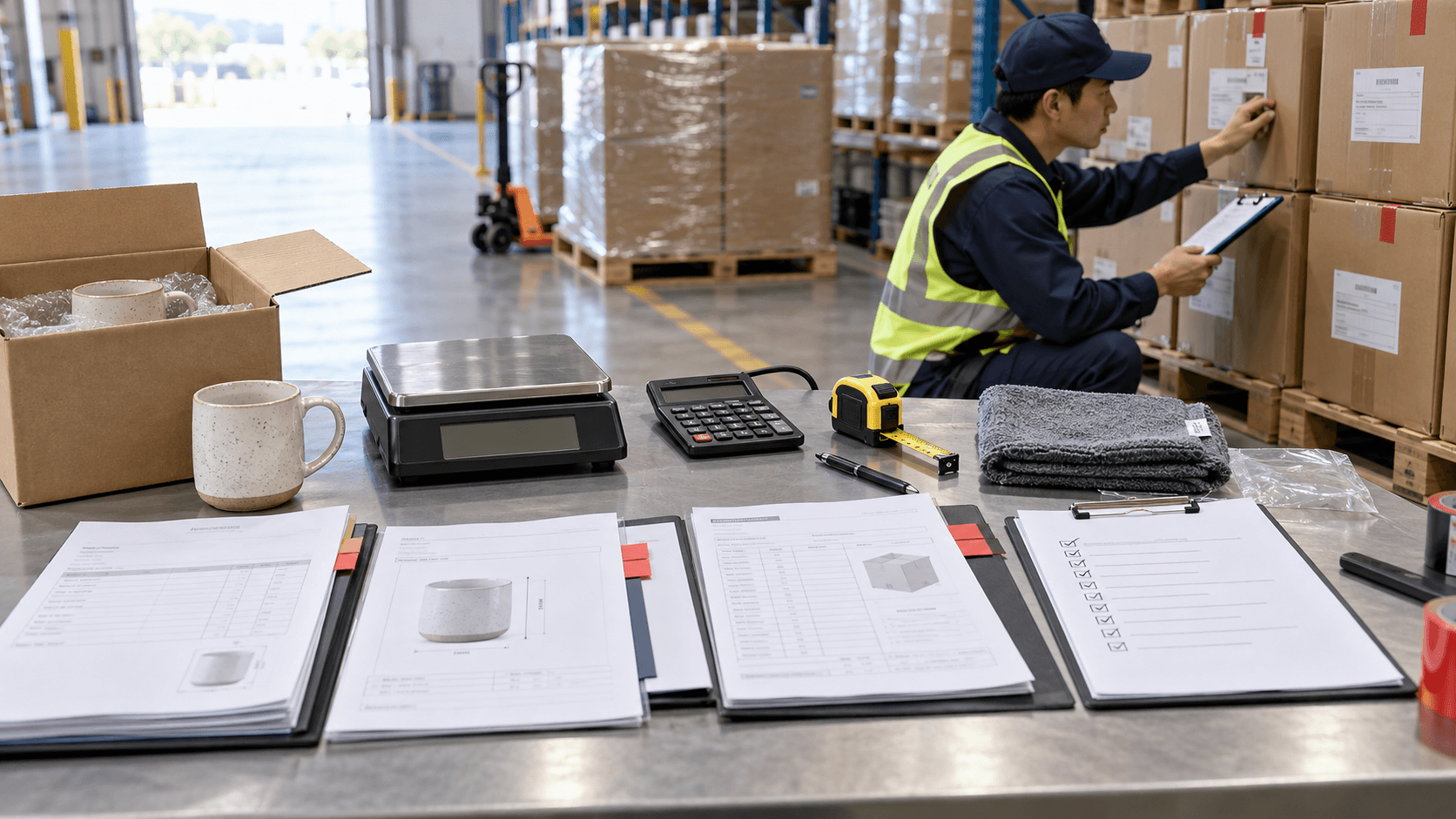
How Sea Sky Cargo helps, plus importer FAQs
Sea Sky Cargo helps businesses connect the product facts, freight route, documents and Nepal delivery plan before cargo moves. The agreed support may include reviewing the shipment brief, flagging classification evidence, comparing air, sea and road options, coordinating the customs file and planning final delivery.
For a first import, regulated product, machinery shipment or complex transaction, involve the responsible specialists early. Sea Sky can coordinate logistics and customs preparation, while final classification, valuation, duty and release remain decisions of the competent authorities. Businesses that need a separate legal importing arrangement can review Sea Sky's Importer of Record service.
How is import duty calculated in Nepal? Start with the accepted customs value and multiply it by the tariff rate for the correct HS code. Then calculate applicable excise, VAT and other charges using the current legal bases. Customs makes the final assessment.
Is duty calculated only from the supplier invoice? Not necessarily. Relevant freight, insurance and other additions can form part of customs value under the applicable valuation rules.
Can I use the HS code provided by the supplier? Use it as a reference, then check the product facts against Nepal's current tariff. The exporting country's code or interpretation may not be sufficiently specific for Nepal.
What is Nepal's VAT rate on imports? The standard VAT rate is 13% as of September 2026, but exemptions or product-specific treatment can apply. Confirm the current position for the exact HS code and transaction.
Does zero customs duty mean the import is tax free? No. VAT, excise, other levies, permit requirements and service charges may still apply.
When should I calculate landed cost? Before confirming the order or paying the supplier, then update the calculation when final packing, freight and exchange-rate information is available.
Which documents are normally used? A commercial invoice, packing list and transport document are common. Classification evidence, origin records, insurance, permits, banking records and authorizations may also be needed.
Can Sea Sky confirm the final amount payable to Customs? Sea Sky can help prepare a shipment-specific estimate and document plan. It cannot replace the final classification, valuation and assessment made by the authorities.
What should I send for a pre-shipment review? Send the supplier quotation or invoice, product catalogue and photographs, proposed HS code, origin, packing details, Incoterm, cargo-ready date and Nepal delivery address through the get quote form.
A disciplined estimate will not remove every variable, but it gives the importer a far stronger purchase decision than a single remembered duty percentage. Calculate the complete route and landed cost first; let the cargo move only after the assumptions are understood.

Calculate the route and landed cost before booking
Share the product, origin, invoice value, packing details and Nepal delivery point. Sea Sky Cargo can help compare freight options and prepare the customs document plan.
Related posts
1970-01-01
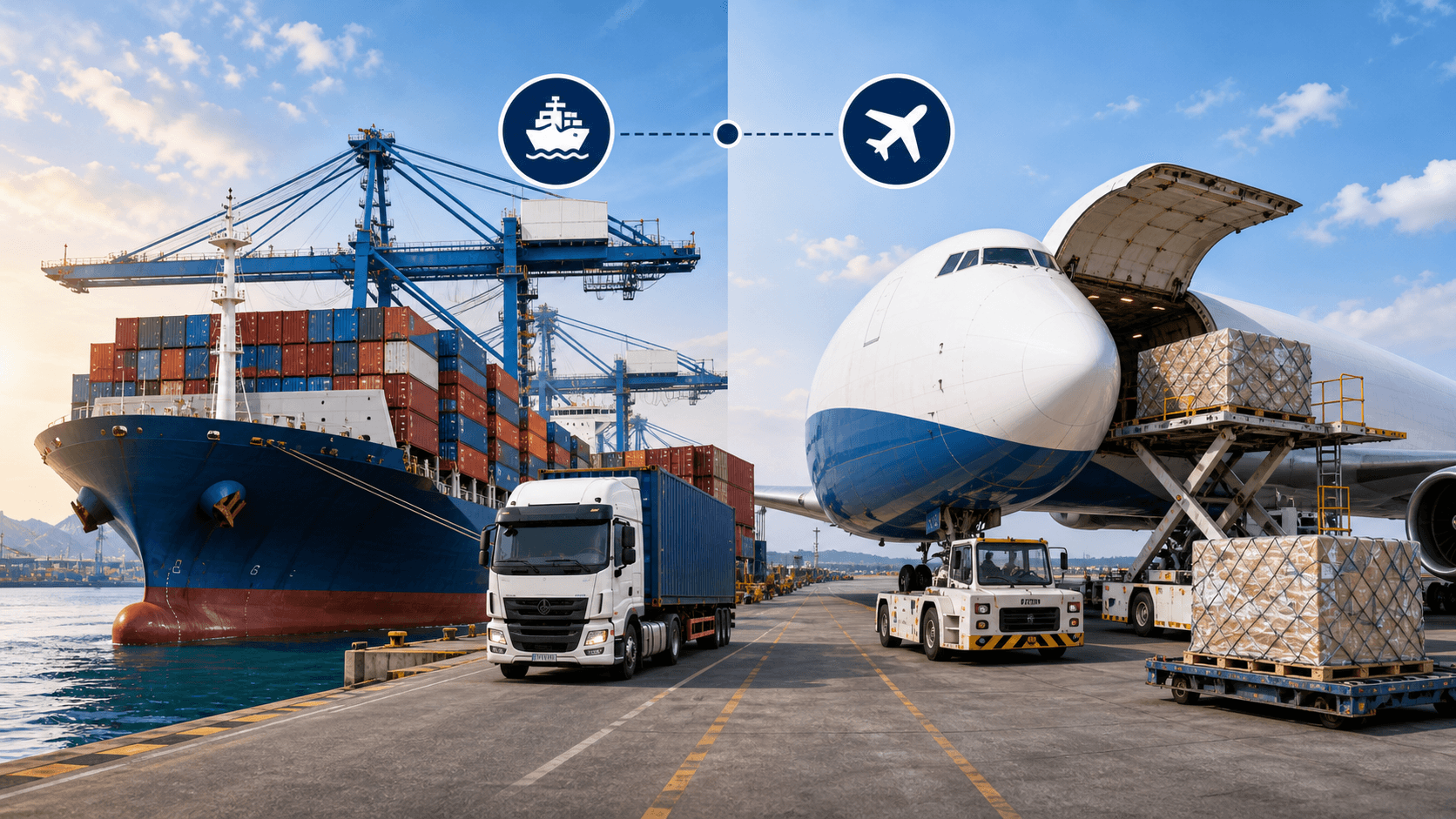
Sea + Air Freight: How SeaSky Helps Businesses Ship Smarter
2026-10-15
Last-Mile Delivery in Nepal: How Businesses Can Reduce Delays and Delivery Costs
2026-10-13
Last-Mile Logistics in Nepal: Challenges, Costs and Solutions
2026-10-12