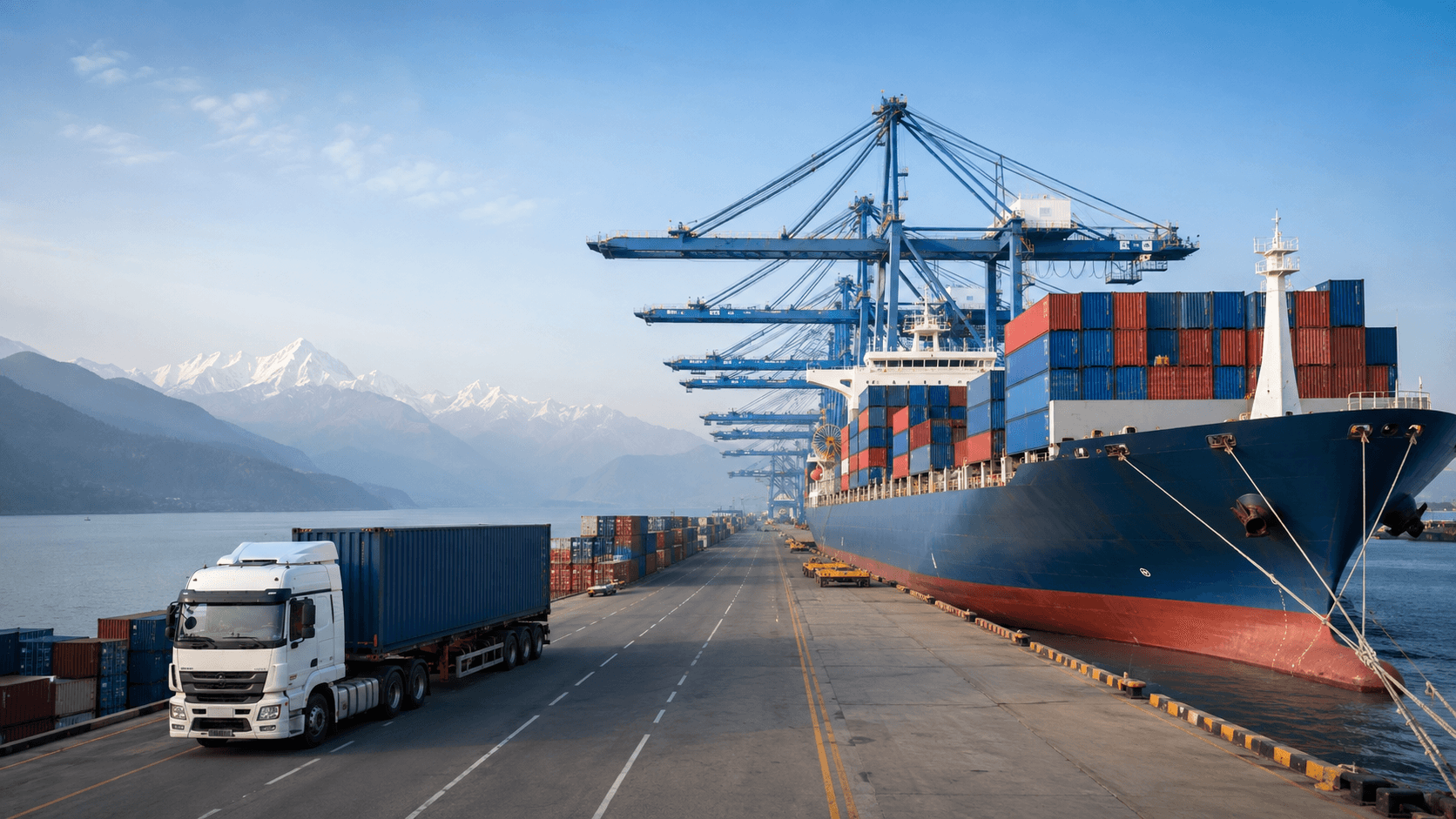
How sea freight cargo reaches landlocked Nepal
Sea freight cargo services move goods by ocean vessel, but a Nepal-bound shipment does not finish at the discharge port. Because Nepal is landlocked, the booking normally combines an international ocean leg with port handling, transit through India, Nepal customs clearance and inland delivery. A typical shipment begins at the supplier's factory or an origin warehouse. The cargo is packed, documented and delivered to a container freight station or loaded into a dedicated container. The vessel then carries it to the selected Indian gateway, where the release and transit process must be coordinated before the container or individual packages can continue toward Nepal. Kolkata/Haldia and Visakhapatnam are established gateway options for Nepal transit cargo, but the best route depends on the origin port, carrier service, cargo type, equipment availability and final Nepal destination. Port and corridor conditions can change, so the forwarder should reconfirm the live routing before the supplier dispatches. A useful sea freight service quotation names every stage. A quote that shows only port-to-port ocean freight does not tell a Nepal importer what the complete journey will cost or who will control the cargo after discharge.
| Stage | What happens | What the importer should confirm |
|---|---|---|
| Origin preparation | Pickup, export packing, documentation and customs formalities | Cargo-ready date, Incoterm and responsibility for origin charges |
| Ocean movement | Container or consolidated cargo travels on the booked sailing | Load port, transshipment points, discharge port and schedule range |
| Indian gateway | Port release, terminal handling and Nepal transit arrangements | Free time, local charges and the party controlling the release |
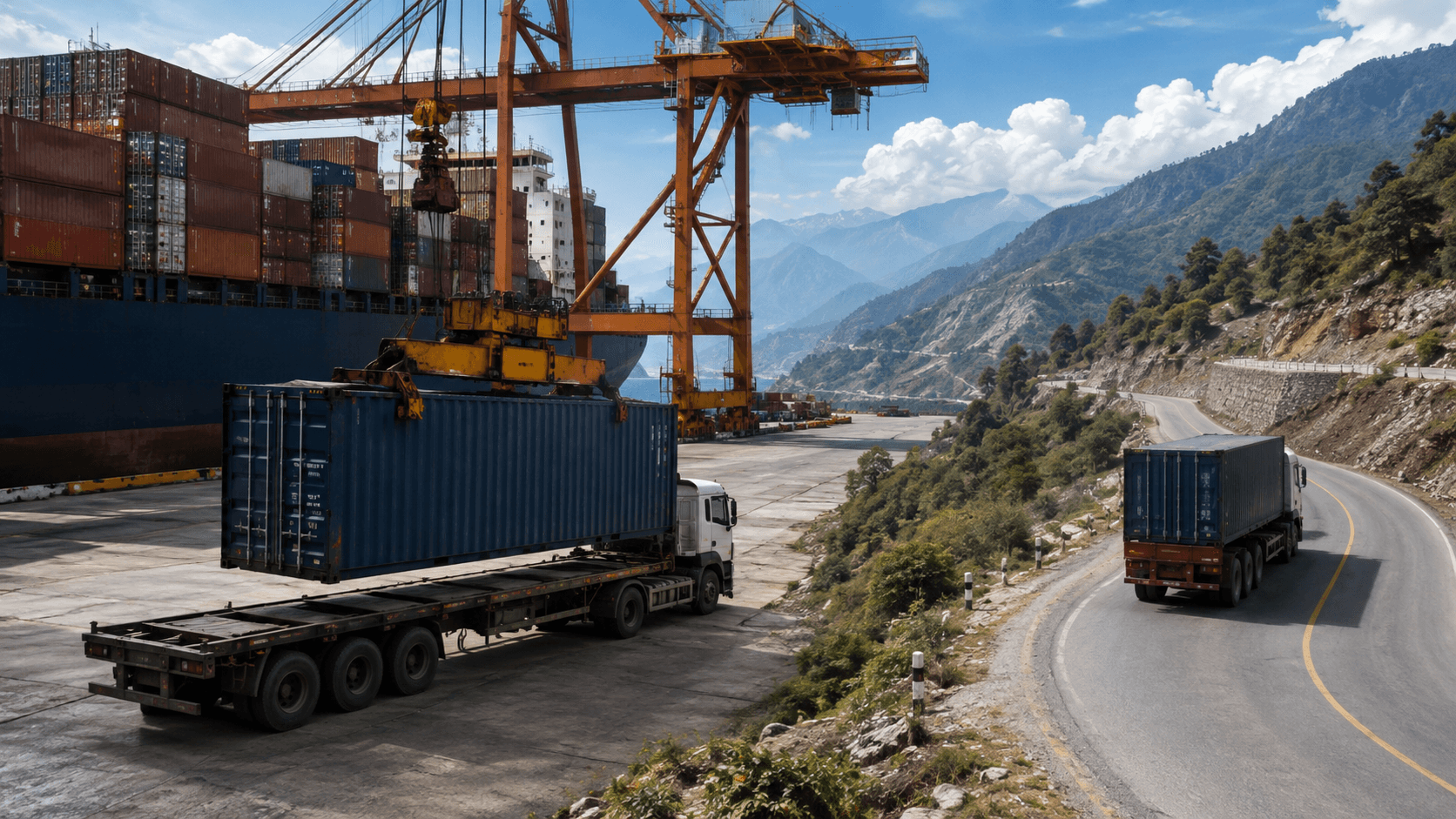
| Transit to Nepal | Sealed container or cargo moves by the approved inland route | Road or rail-linked plan, border or dry port and tracking milestones |
| Nepal clearance | Declaration, assessment, inspection if selected and tax payment | HS code, permits, valuation support and customs representative |
| Final delivery | Released cargo moves to the warehouse, factory or project site | Vehicle access, unloading equipment, timing and proof of delivery |
LCL vs FCL sea freight
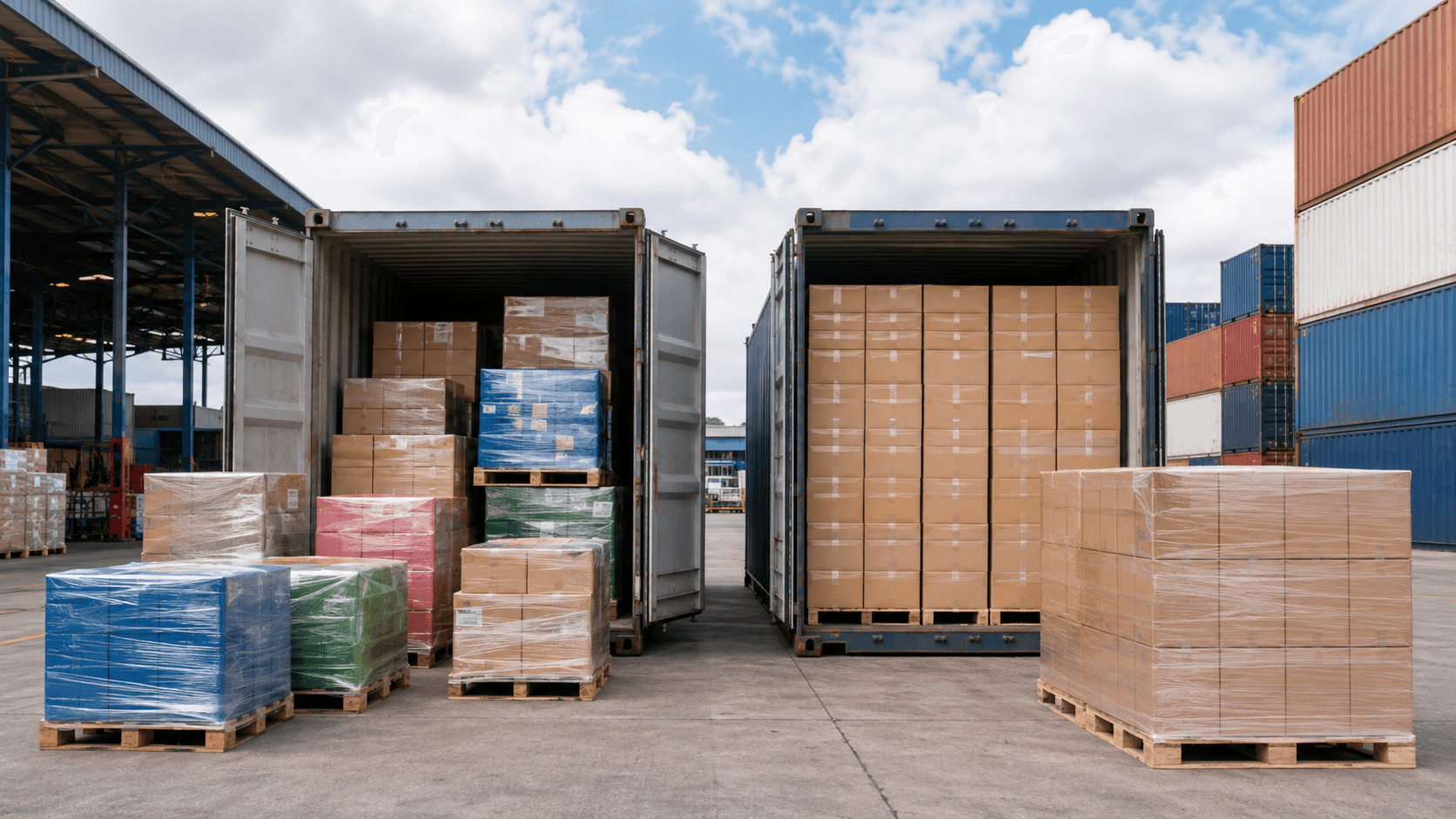
Most containerized importers compare Less than Container Load and Full Container Load service. LCL combines separately documented shipments from several customers in one container. FCL reserves the container for one shipper's cargo, even when every cubic metre is not used. Choose LCL when the cargo occupies only a modest part of a container and is compatible with shared handling. It can help a smaller importer avoid paying for unused space, but minimum charges, CFS fees and destination handling must be included in the comparison. Choose FCL when the shipment is large, fragile, non-stackable, high-value or operationally easier to control in a dedicated unit. There is no universal CBM at which FCL becomes cheaper. The crossover changes with route, density, local charges, equipment and market rates. Measure the final packed cargo before requesting prices. The LCL shipping to Nepal guide explains shared-container handling, while the CBM calculation guide shows how to calculate shipment volume correctly.
| Decision factor | LCL | FCL |
|---|---|---|
| Typical use | Small cartons, pallets or trial orders | Larger and repeat commercial shipments |
| Space | Shared with compatible consignments | Dedicated to one shipper |
| Cargo handling | More touches during consolidation and deconsolidation | Usually fewer package-level touches after loading |
| Pricing focus | Chargeable volume or weight plus CFS and local fees | Container rate plus terminal, equipment and inland fees |
| Schedule | Affected by consolidation cut-offs and deconsolidation | Affected by container and vessel cut-offs |
| Control | Packages move inside a shared unit | Dedicated loading plan and container seal |
When sea freight is better than air freight
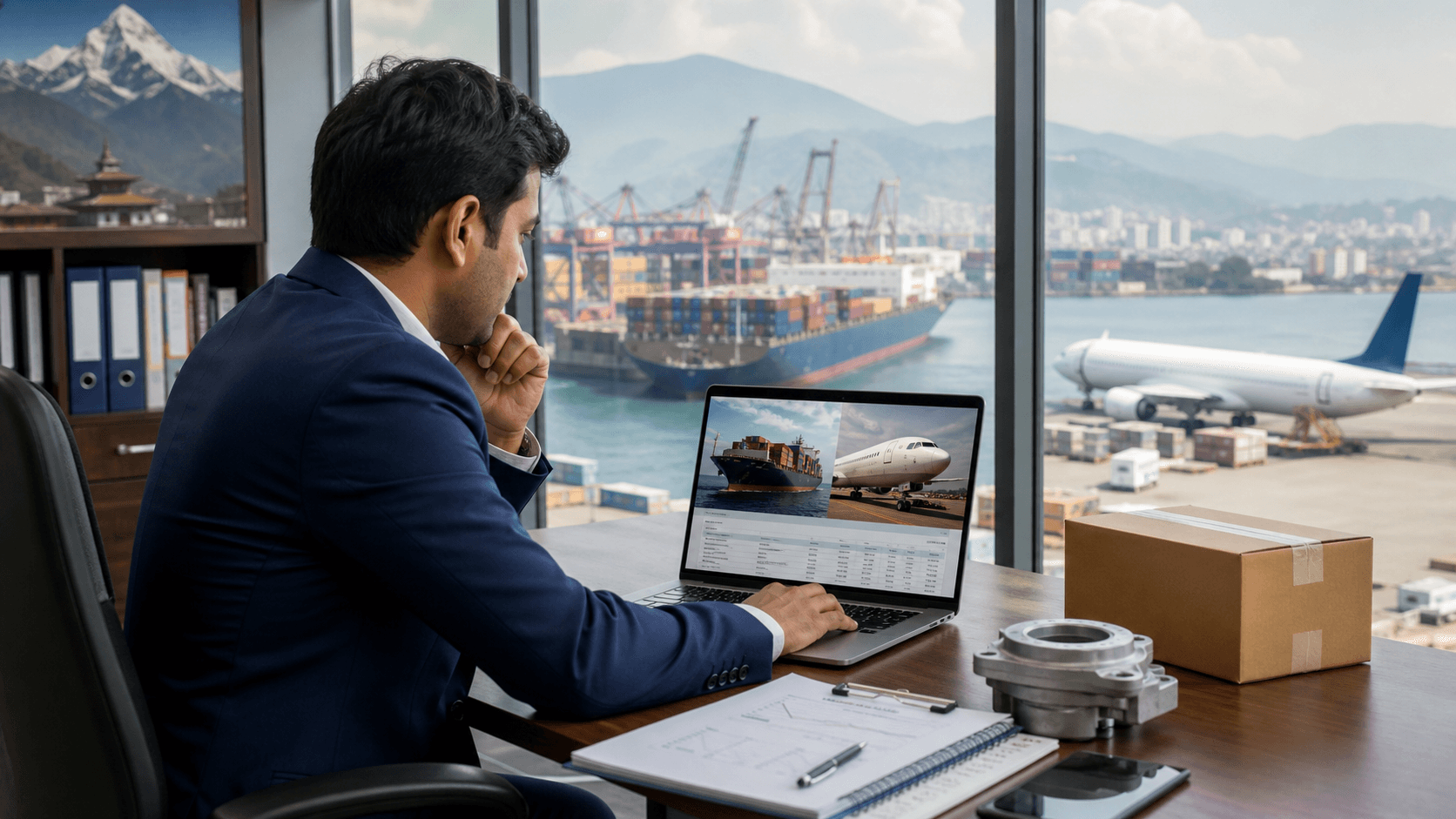
Sea freight is usually the stronger starting point for cargo that is large, heavy, regularly replenished and not required immediately. Air freight is faster, but its chargeable-weight method can make bulky commercial shipments expensive even when the goods themselves are not especially heavy. The decision should use the cargo-ready date and required delivery date, not a general promise that sea is cheap or air is fast. Ocean schedules, transshipment, port handling, customs and inland transit all add time. Air cargo still needs booking, security, customs and final delivery. Some importers use both modes: urgent launch stock or spare parts move by air, while replenishment stock follows by sea. This can protect sales without paying air-freight rates for the entire order.
| Shipment need | Sea freight is usually stronger when | Air freight is usually stronger when |
|---|---|---|
| Urgency | The delivery plan can absorb a longer and variable lead time | Production, sales or a project will stop without the goods |
| Volume and weight | Cargo is bulky, dense or ordered in commercial quantity | Cargo is small enough for economical chargeable weight |
| Value profile | Inventory cost can tolerate a longer journey | Goods are high-value, compact or time-sensitive |
| Handling | Container packing can protect the cargo throughout the route | The shipment benefits from a shorter physical transit |
| Cost objective | Lower transport cost per unit matters more than speed | The commercial cost of delay is higher than the freight premium |
What sea freight to Nepal really costs
The ocean line-haul rate is only one part of the total landed cost. A low port-to-port offer can become expensive after origin handling, destination charges, Indian transit, customs and final delivery are added. Compare quotations on the same route, Incoterm, cargo measurements and delivery scope. Ask which charges are fixed, estimated or passed through at the prevailing tariff. Also confirm whether each line is prepaid or collect, which currency applies and how long the rate remains valid. Freight markets and local tariffs can change between quotation and shipment. Demurrage, detention and storage are different exposures. The exact definitions and free-time rules come from the carrier, terminal, depot and service contract. Obtain those terms in writing before arrival, especially when original documents, permits or bank release may take time. Cargo insurance should also be evaluated as part of the landed-cost plan. Carrier liability is limited and does not automatically reimburse the full commercial loss. The freight and cargo insurance guide explains what shippers should review.
| Cost group | Possible charges to confirm |
|---|---|
| Origin | Supplier pickup, export clearance, documentation, terminal or CFS handling and container loading |
| Ocean | Base freight, carrier surcharges, equipment and transshipment-related charges |
| Indian port | Terminal handling, release, documentation, CFS work, storage and examination costs |
| Transit to Nepal | Road or rail-linked movement, transit documentation, border or dry-port handling and security |
| Nepal customs | Declaration service, duty, VAT, excise or other applicable taxes, permits and inspection |
| Final delivery | Vehicle, waiting, labour, unloading, access restrictions and delivery confirmation |
| Risk and delay | Insurance, repacking, storage, demurrage, detention and route contingency |

Documents and customs clearance
Document preparation should begin before the supplier loads the cargo. Product name, quantity, package count, weight, value and parties must agree across the commercial, transport and customs file. Vague descriptions such as parts, samples or accessories make classification and valuation harder. Nepal Customs processes goods declarations through its automated customs environment and may assess classification, value, origin, permits, tax and inspection requirements. The duty rate cannot be estimated reliably from a general product name; it depends on the accepted HS classification and the current tariff and tax rules. Check restricted or controlled goods before purchase, not after arrival. Food, medicine, chemicals, telecom equipment, plants, animal products and other regulated cargo may need authorization from a responsible agency. A correct invoice does not replace a required permit. Sea Sky's customs and importer-of-record support can coordinate the agreed clearance scope with the freight plan. The service page is the live internal destination for customs support; the old Custom-Clearance URL is not used in this article.
| Document or information | What to verify |
|---|---|
| Commercial invoice | Buyer, seller, precise goods description, quantity, value, currency and Incoterm |
| Packing list | Packages, packing type, dimensions, net and gross weight and shipping marks |
| Bill of lading | Shipper, consignee, notify party, ports or places, cargo details and freight terms |
| HS-code support | Composition, function, model, catalogue and technical details needed for classification |
| Certificate of origin | Correct format and issuing authority when required for the goods or trade treatment |
| Permit or recommendation | Approval is available before dispatch for regulated products |
| Importer file | Registration, PAN/VAT, banking papers, authorization and contact details are current |
| Insurance evidence | Insured value, route, packages, beneficiary and claim procedure match the shipment |

Planning a large or cost-sensitive import?
Sea Sky Cargo can compare LCL and FCL options, review the Indian-port route, check your customs file and estimate the complete movement to your Nepal delivery point.
Port-to-door planning after the vessel arrives
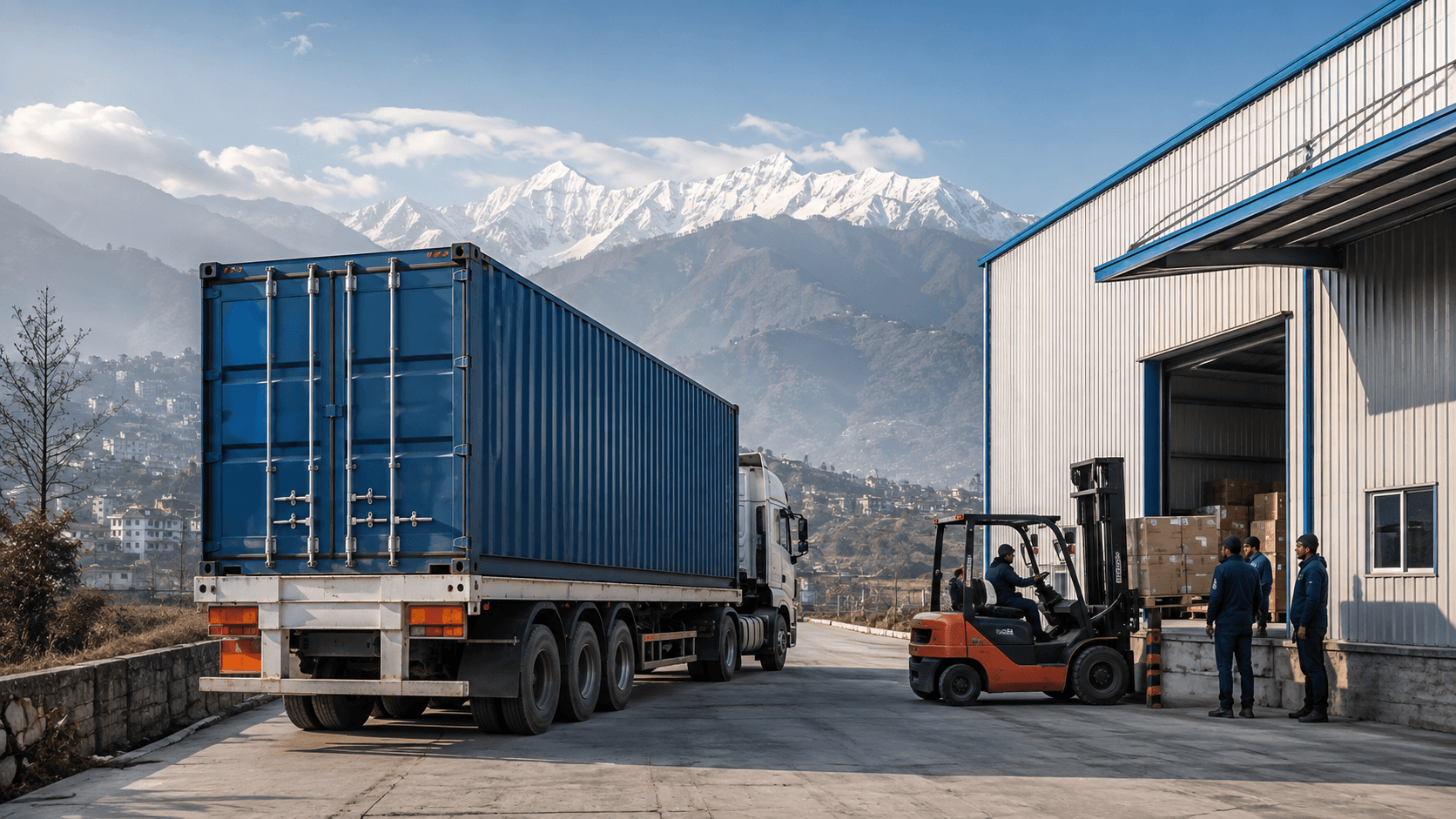
The discharge port is a transfer point, not the destination. Once the vessel arrives, the cargo may need release documents, terminal or CFS handling, transit formalities, an inland vehicle or rail-linked movement, border or dry-port processing, Nepal clearance and last-mile delivery.
- Confirm who monitors the vessel arrival and obtains the delivery order
- Prepare original or electronic release requirements before the free-time clock becomes critical
- Identify whether cargo remains in the container or is deconsolidated before inland transit
- Choose the Nepal customs point and final delivery route before dispatch
- Match the inland vehicle and handling equipment to cargo weight and dimensions
- Check container return responsibility and depot location for FCL cargo
- Arrange warehouse access, labour, forklift or crane support before the truck arrives
- Define shipment milestones and the person responsible at every handover
LCL and FCL require different destination planning. An LCL consignment may need deconsolidation and cargo-level release, while an FCL shipment adds container free time, seal control and empty-return obligations. Oversized or heavy cargo may need route surveys, permits, escorts or lifting plans.
A complete port-to-door cargo service plan should state what is included, what remains the importer's responsibility and which conditions can change the estimate. This is especially important for machinery, furniture, raw materials and project cargo.
Cargo types that suit ocean freight
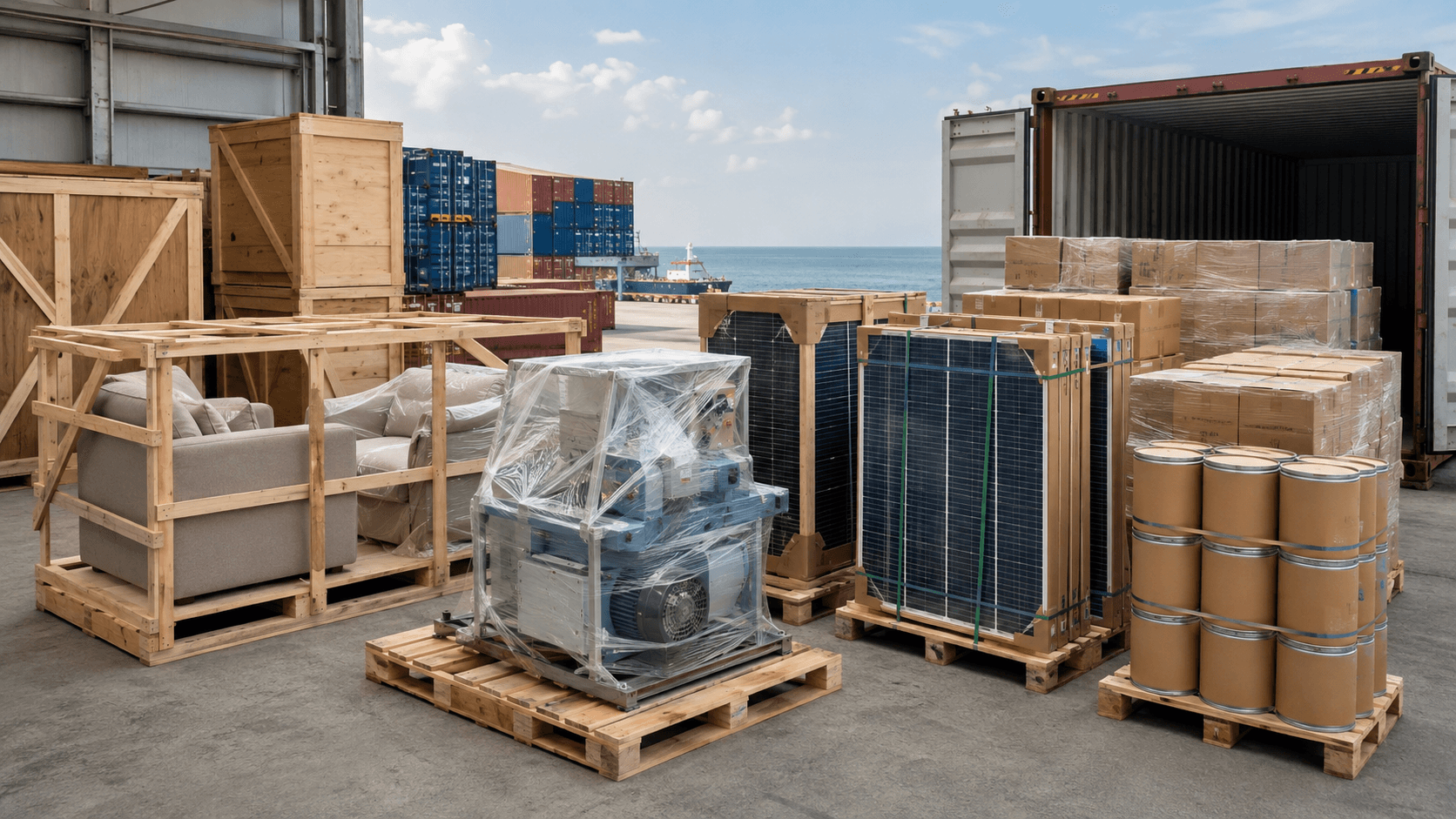
Sea freight can handle a broad range of commercial cargo, but the transport format must match the goods. Standard dry containers suit many packaged products; refrigerated, open-top, flat-rack, breakbulk or project solutions may be needed for temperature-sensitive, over-height, heavy or irregular cargo. Do not assume that any cargo fitting inside a container is automatically accepted. The shipping line, consolidator, port, transit route and customs authorities may each have restrictions. Share accurate commodity and packaging details before booking. For bulky household or commercial pieces, Sea Sky's furniture shipping guide covers packing, customs and delivery issues in more detail.
| Cargo profile | Possible starting option | Important planning point |
|---|---|---|
| Retail stock, garments and packaged goods | LCL or dry-container FCL | Carton strength, moisture protection and accurate package marks |
| Furniture and household goods | LCL for small lots or FCL for volume | Crating, corner protection, stackability and cubic volume |
| Machinery and industrial equipment | FCL, flat rack or project arrangement | Weight per piece, lifting points, centre of gravity and route clearance |
| Raw materials and construction inputs | FCL or specialised bulk/project service | Payload limits, contamination control and unloading capacity |
| Solar panels and fragile equipment | Protected LCL or dedicated FCL | Factory packing, shock control, insurance and handling reduction |
| Refrigerated or temperature-sensitive goods | Reefer or validated specialist service | Temperature range, power continuity, monitoring and permits |
| Dangerous or controlled goods | Only after written carrier and route acceptance | Classification, SDS, approved packing, labels and legal permission |
Common mistakes and a better booking checklist
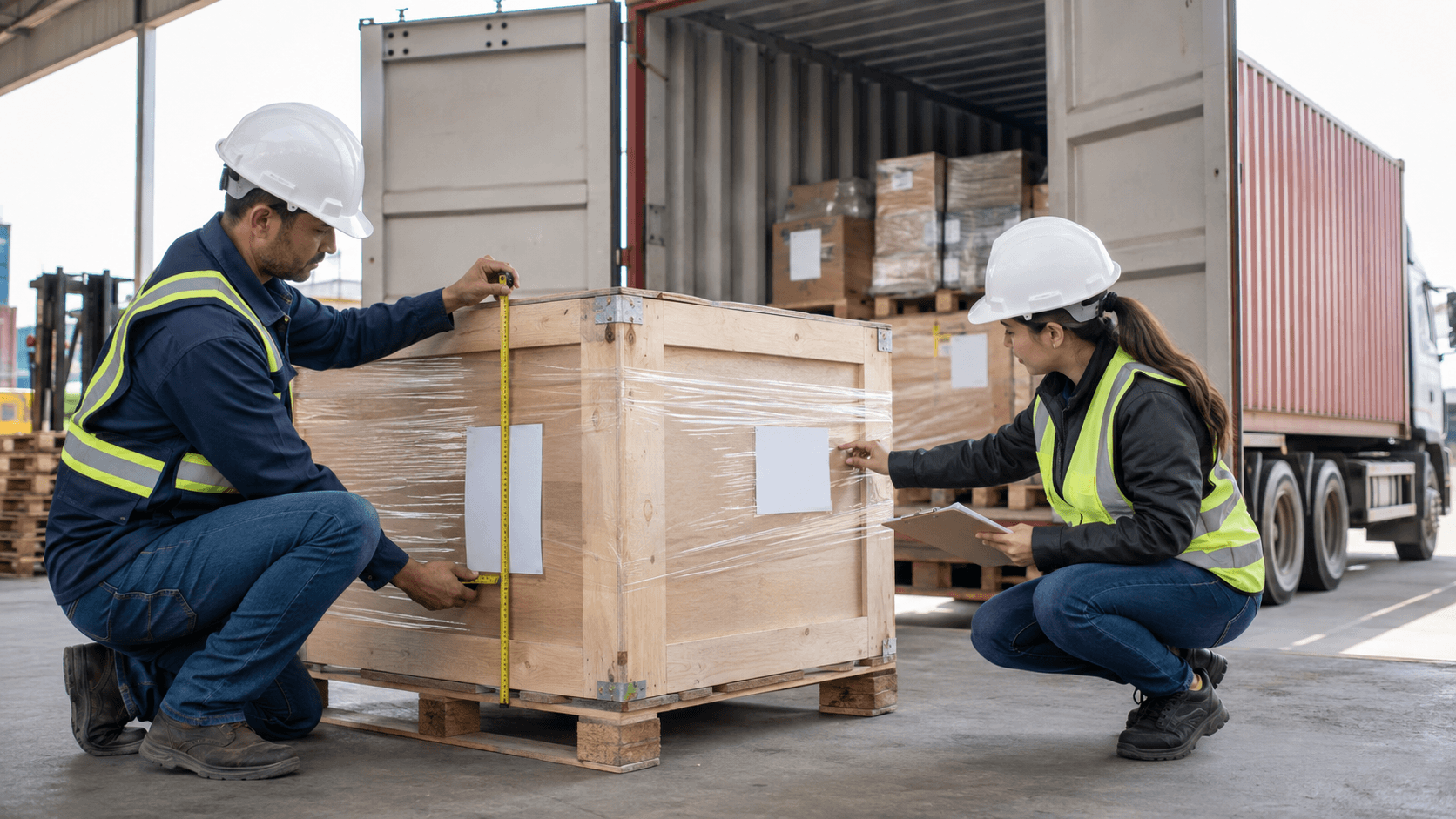
Most avoidable sea-freight problems begin before the vessel sails. Importers often compare only the ocean rate, accept estimated dimensions, leave HS-code work until arrival or assume the seller's responsibility extends farther than the agreed Incoterm. Before requesting a quote, prepare the supplier address, cargo-ready date, exact commodity, Incoterm, packages, dimensions, weight, value, preferred delivery date and final Nepal address. State whether the cargo is fragile, non-stackable, hazardous, temperature-sensitive or oversized. Then ask the forwarder to identify the origin service, ocean routing, Indian gateway, LCL or FCL basis, transit arrangement, Nepal customs point, delivery scope, exclusions and validity. A precise booking request receives a more useful answer than a message asking only for the cheapest container price.
| Common mistake | Better action |
|---|---|
| Choosing the lowest port-to-port rate | Compare complete origin-to-delivery cost on the same scope |
| Booking with estimated CBM or weight | Measure every final packed unit and confirm gross weight |
| Using vague invoice descriptions | Describe the product, material, function and model precisely |
| Ignoring permits until arrival | Confirm approvals before paying the supplier or dispatching cargo |
| Treating the ETA as a delivery promise | Plan a range that includes port, transit, customs and final delivery |
| Leaving insurance unspecified | Confirm insured value, route, exclusions and claim documents |
| Forgetting unloading and access | Check vehicle access, labour and equipment at the delivery point |
Frequently asked questions
Can Nepal use sea freight? Yes. Ocean cargo can discharge at an approved Indian gateway and continue to Nepal under the applicable transit and inland arrangement. The booking must cover the port-to-Nepal stages as well as the vessel movement.
Which Indian ports are used for Nepal sea freight? Kolkata/Haldia and Visakhapatnam are established options for Nepal transit cargo. The suitable gateway depends on origin service, carrier, cargo, equipment, live corridor conditions and final destination, so it should be confirmed for each shipment.
Is sea freight cheaper than air freight to Nepal? It is often more economical per unit for large or heavy cargo, but not automatically. Compare the complete landed cost, cargo value, inventory impact and commercial cost of a longer lead time.
What is LCL shipping? Less than Container Load shipping places separately documented cargo from multiple shippers in one shared container. The shipper pays for the applicable chargeable space or weight plus handling and local charges.
What is FCL shipping? Full Container Load shipping reserves an entire container for one shipper. FCL can offer better control and fewer cargo-level handling points, but the complete container and local costs must be considered.
How long does sea freight to Nepal take? There is no single transit time. Origin, sailing frequency, transshipment, Indian-port handling, transit to Nepal, customs and final delivery all affect the range. Request a current route-specific estimate and ask which milestone starts the clock.
Which documents are required? Common documents include a commercial invoice, packing list, bill of lading, HS-code support, importer and banking information, certificate of origin where required, insurance evidence and any product-specific permit or recommendation.
Are duty and VAT included in the freight rate? Usually not unless the quotation states this clearly. Taxes depend on customs classification, value and current rules. Request an estimated landed-cost breakdown and keep government charges separate from the freight comparison.
Can Sea Sky Cargo arrange port-to-door delivery? Sea Sky Cargo can coordinate the agreed ocean, Indian-port transit, Nepal customs and final-delivery scope based on the origin, cargo and destination details. The quotation should show inclusions, exclusions and partner responsibilities.
Can oversized machinery move by sea? Often yes, using a suitable container, flat rack, open-top, breakbulk or project-cargo plan. The forwarder needs exact dimensions, weight, lifting points, centre of gravity, packing and delivery access before confirming the route.
Price the complete sea freight journey
Share the supplier location, cargo-ready date, packages, dimensions, weight, value and Nepal delivery address. Sea Sky Cargo will review the route, documents, customs and delivery scope before booking.
Related posts
1970-01-01
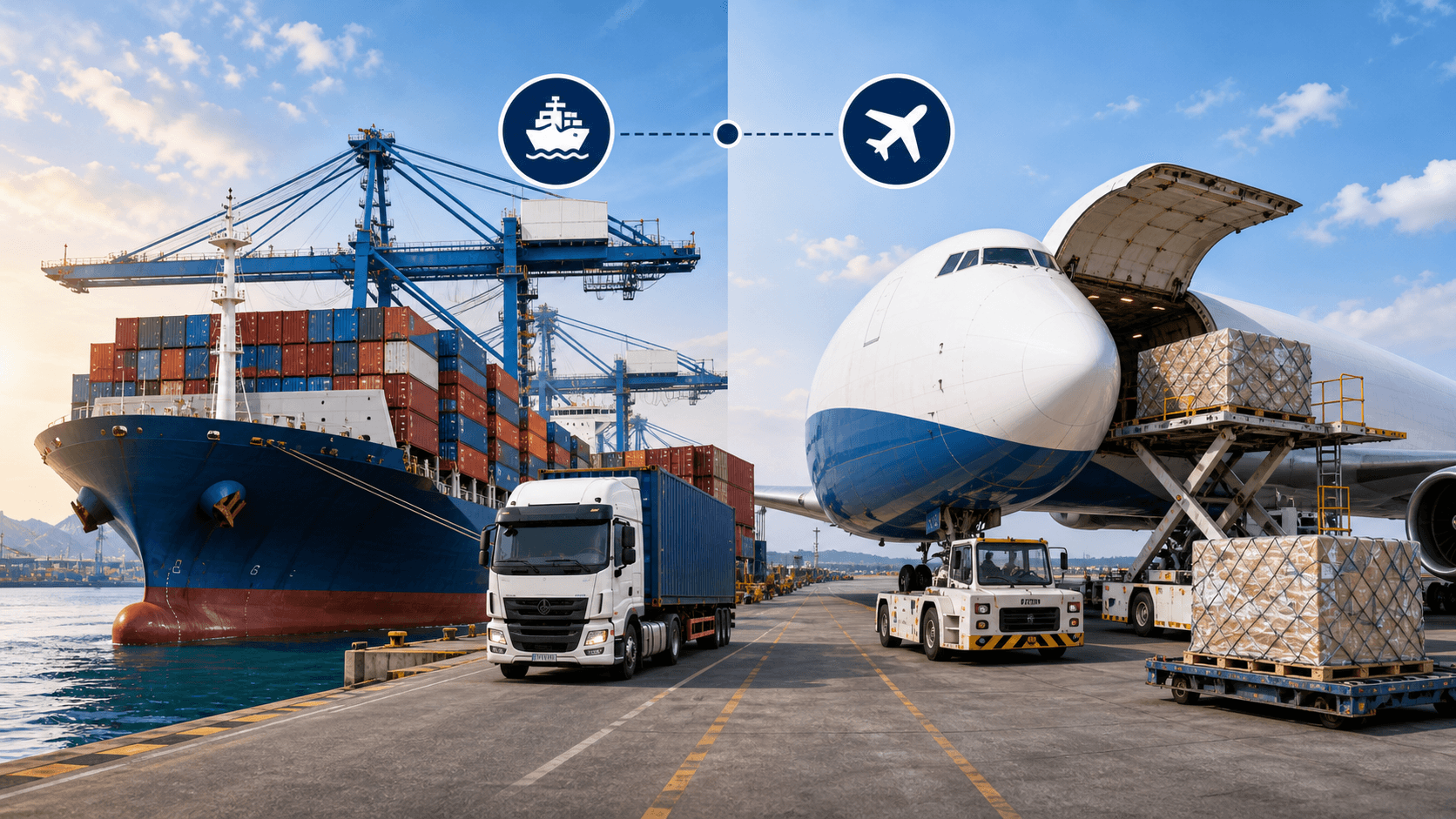
Sea + Air Freight: How SeaSky Helps Businesses Ship Smarter
2026-10-15
Last-Mile Delivery in Nepal: How Businesses Can Reduce Delays and Delivery Costs
2026-10-13
Last-Mile Logistics in Nepal: Challenges, Costs and Solutions
2026-10-12