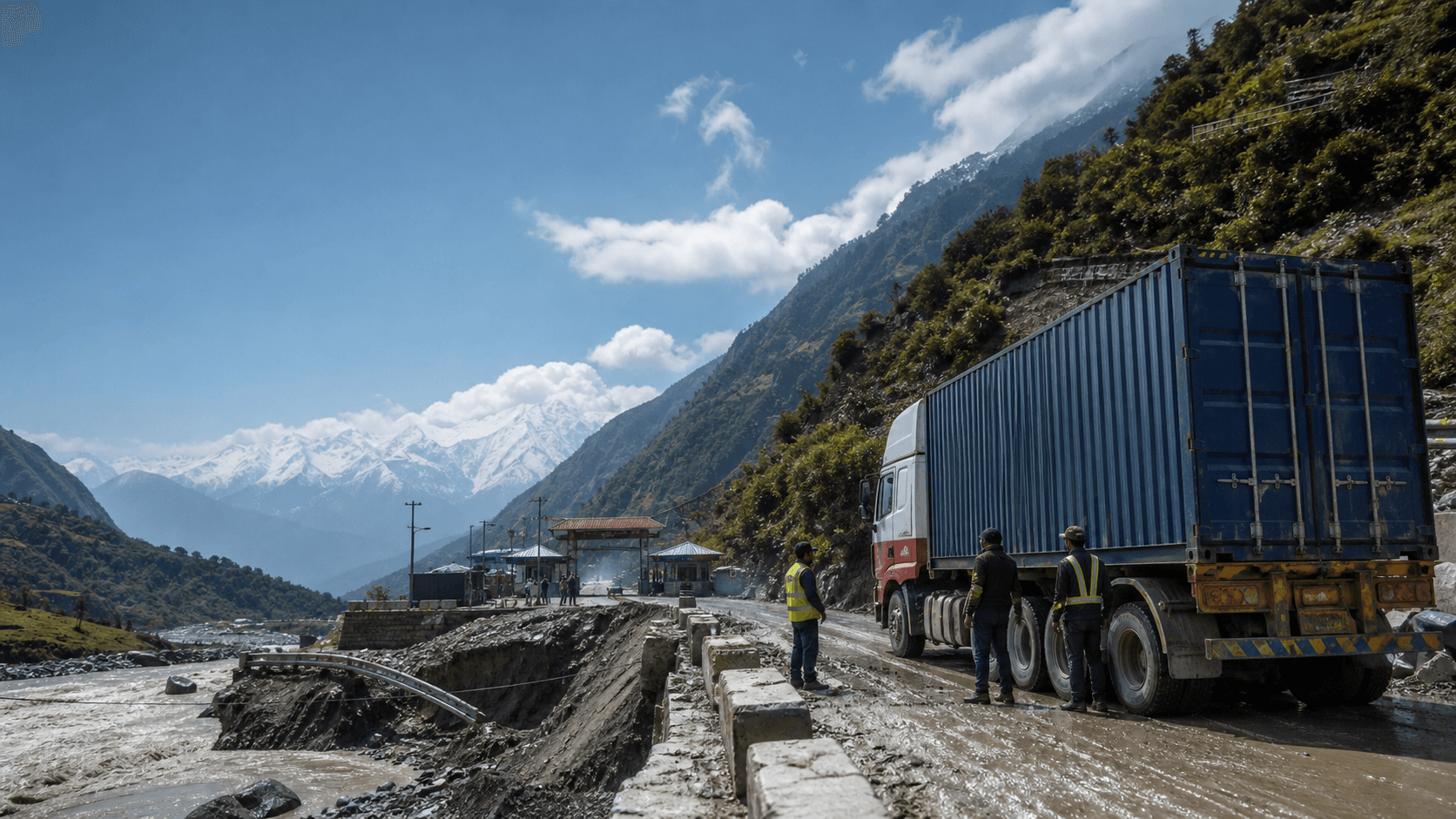
Current China-Nepal cargo status: 5 September 2026
Updated 5 September 2026. Importing from China to Nepal after the flood requires shipment-by-shipment route confirmation. Nepal's Ministry of Foreign Affairs reports that the severe Bhote Koshi River floods of 26 August caused extensive damage to roads, bridges and other critical infrastructure. Rescue, access and public safety remain more important than commercial schedules. For cargo planning, Rasuwagadhi-Kerung remains out of normal commercial operation, Tatopani-Zhangmu is closed to goods until further notice because of landslide risk, and Korala-Lizi is the only functioning overland trade route currently identified in recent reporting. Sea-led movement through Indian ports and air freight remain alternatives for suitable cargo. A route described as "open" may still lack normal road access, bridge capacity, customs-yard operations, warehousing, truck circulation or container handling. Confirm the full path from the cargo's current location in China to the final Nepal delivery point. This status summary was checked against the Government of Nepal's 4 September flood update, Kathmandu Post reporting on the Tatopani closure and Korala operations, and OnlineKhabar's 4 September Chobhar clearance update. Conditions can change after publication, so reconfirm them immediately before dispatch.
| Route | Status reported by 5 September | Planning position |
|---|---|---|
| Rasuwagadhi-Kerung | Major flood damage; normal cargo movement remains disrupted | Do not route new commercial cargo here without written operational confirmation |
| Tatopani-Zhangmu | Cross-border goods movement closed until further notice because of landslide risk | Do not plan cargo dispatch until sustained reopening is officially confirmed |
| Korala-Lizi | Operating as the principal overland alternative under increased pressure | Validate commodity, vehicle, capacity and the designated inland-clearance process |
| Sea via India | Available for suitable China-origin cargo | Compare port, transit, customs, inland time and total landed cost |
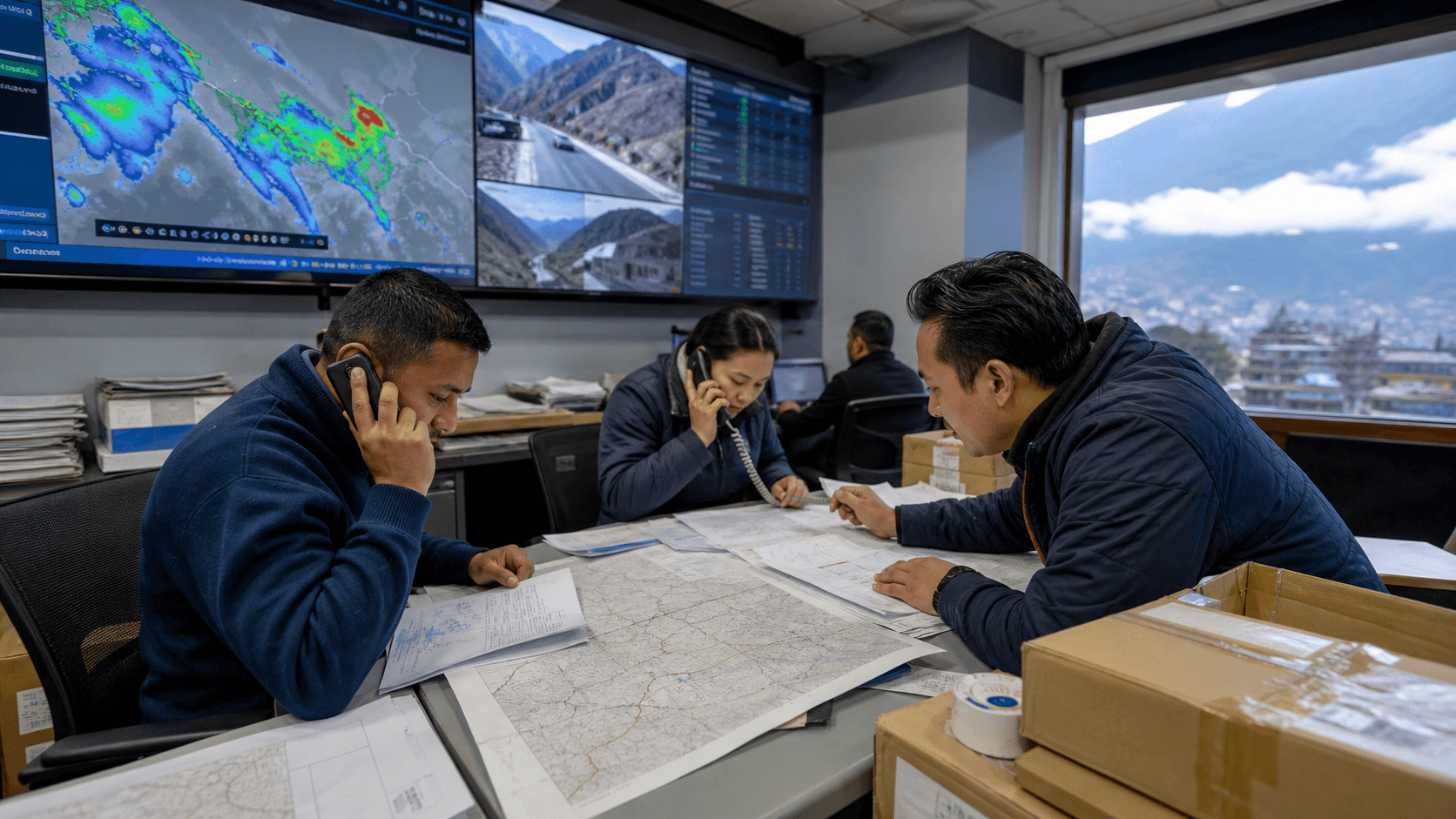
What changed after the 26 August flood
The disruption is larger than a temporary checkpoint closure. The 26 August Bhote Koshi flood damaged settlements, roads, bridges and border infrastructure through the Rasuwa corridor. The Government of Nepal's situation update confirms extensive damage to critical infrastructure, so repairing one customs facility or bridge would not by itself restore a dependable freight corridor.
Recent reporting describes severe damage around Timure, the border checkpoint and cargo areas, with commercial vehicles and goods affected. Access on both sides of the border must be assessed as one transport chain rather than as separate road openings.
For an importer, the key lesson is simple: a supplier's cargo-ready date is not a delivery plan. Cargo can be packed and paid for in China while the onward route, storage location, truck access and customs handoff remain uncertain.
- Do not rely on a reopening report published before 26 August
- Ask for the cargo's exact city, warehouse or border-yard location
- Confirm whether the goods are still with the supplier or already under a carrier's control
- Request photographs, container or truck details and storage confirmation
- Obtain written options and disruption charges before approving a reroute
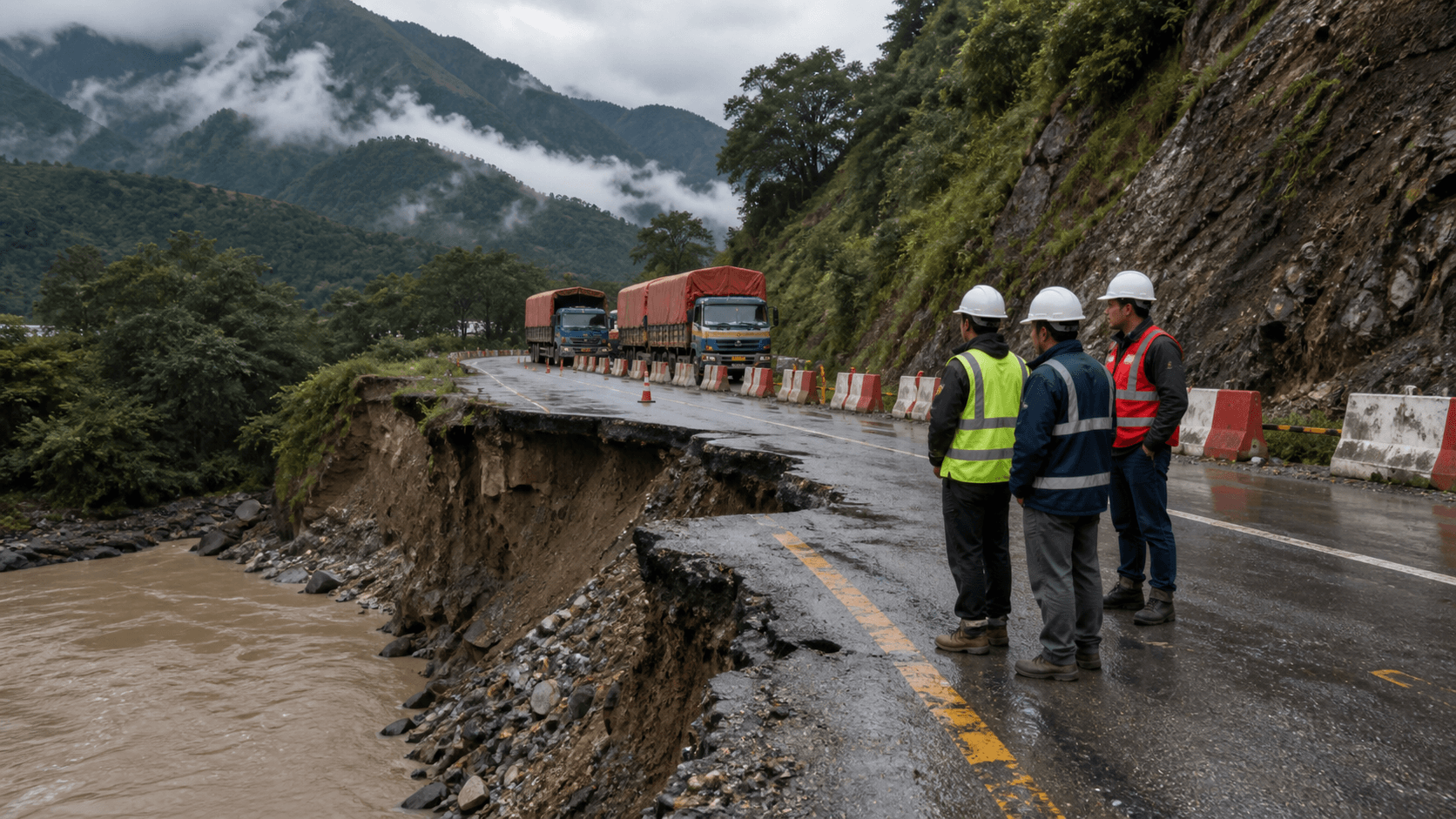
Rasuwagadhi-Kerung: checks before any cargo movement
Rasuwagadhi-Kerung is the most severely affected established China-Nepal road route. The flood destroyed or damaged the checkpoint, bridge, roads and nearby border infrastructure. Recent reports indicate that normal commercial truck movement cannot resume quickly, and no reliable reopening date has been confirmed for import planning.
Importers should not treat a repair announcement, temporary access report or border-status message as confirmation that a commercial container can travel from Kerung through customs and onward to Kathmandu.
Before approving movement toward Rasuwagadhi, obtain answers to all of these questions:
- Is the crossing accepting the specific type of commercial cargo?
- Can the cargo reach the crossing from its current location in China?
- Are the customs yard and declaration systems functioning for the shipment?
- Can the intended truck pass every damaged road and bridge section?
- Are weight, vehicle, convoy or operating-hour restrictions in force?
- Where will the cargo wait if the corridor closes again?
- Is safe, dry and secure storage available?
- Will the carrier preserve the container seal or require transloading?
- Do transit, transport or customs documents need to be amended?
- Who pays waiting, storage, recovery and diversion charges?
If the cargo is already in Kerung, ask the carrier for a written hold-and-recovery plan. Moving it toward another crossing without checking road, customs and truck eligibility can replace one delay with a more expensive one.
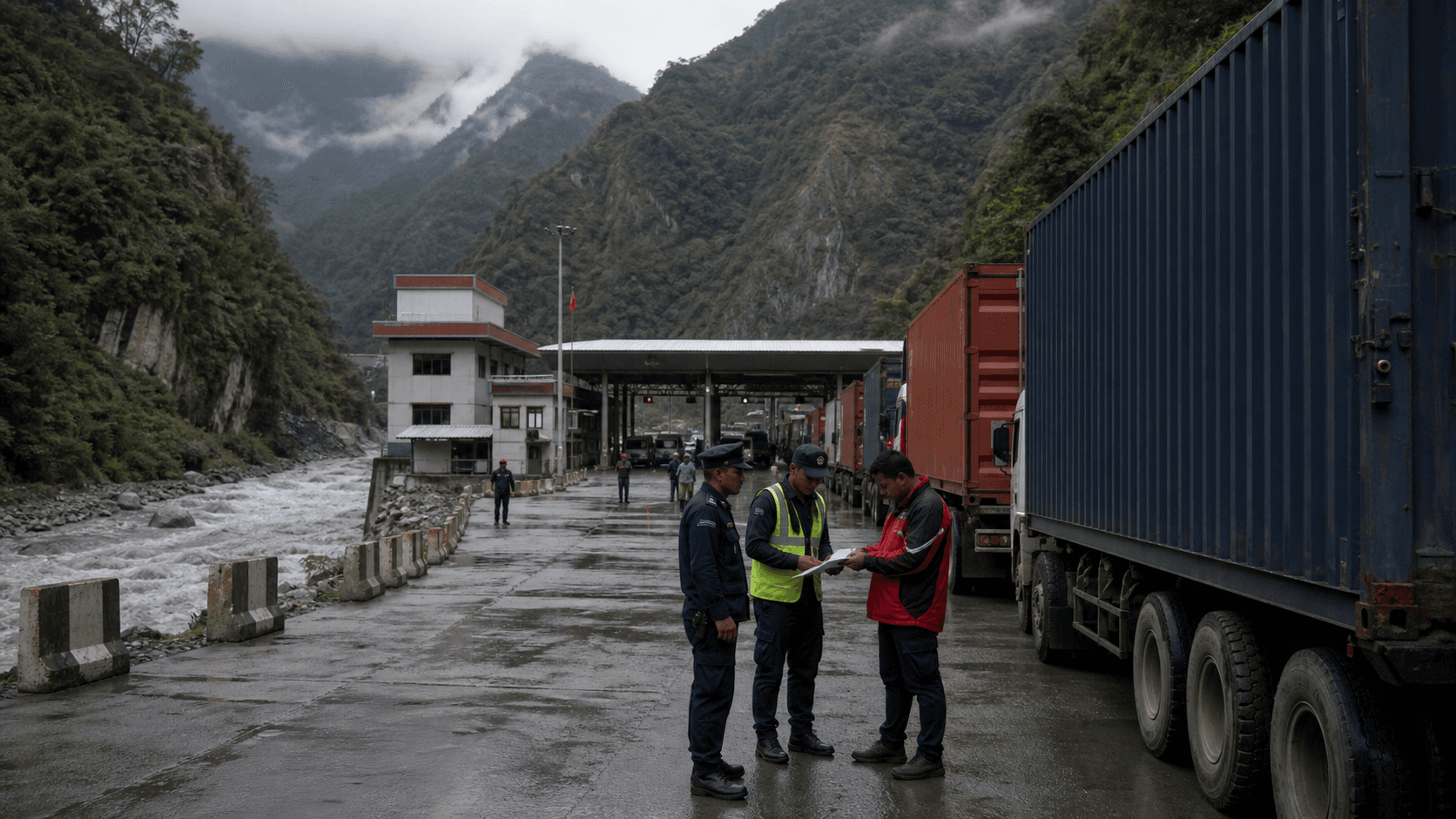
Tatopani-Zhangmu: closed to cargo until further notice
Tatopani had already faced weeks of landslides, highway blockage and road subsidence before the 26 August flood. Temporary access briefly allowed limited movement of some stranded containers, but that did not restore normal cross-border cargo capacity.
China closed Tatopani-Zhangmu to imports and exports from 30 August until further notice, citing landslide risk on the Nepali approach around Liping. Passenger movement may be handled separately, but importers should not interpret that as permission for commercial cargo.
- Confirm whether the cargo is on the China side, Nepal side or already near customs
- Do not send new cargo toward Tatopani while the goods closure remains in force
- Ask the carrier for written storage, hold or recovery options
- Check storage, detention, handling and waiting exposure
- Confirm whether any proposed reroute requires transloading or document amendment
- Assess whether repeated handling is acceptable for fragile or high-value cargo
- Require official and operational confirmation before relying on a reopening
- Confirm the route again immediately before any truck departs
Kathmandu Post's 31 August closure report says the suspension applies to goods until further notice. Even after an announcement changes, verify road stability, loaded-vehicle access, customs handling and queue conditions before using a normal transit estimate.
Korala and Chobhar: the active overland alternative
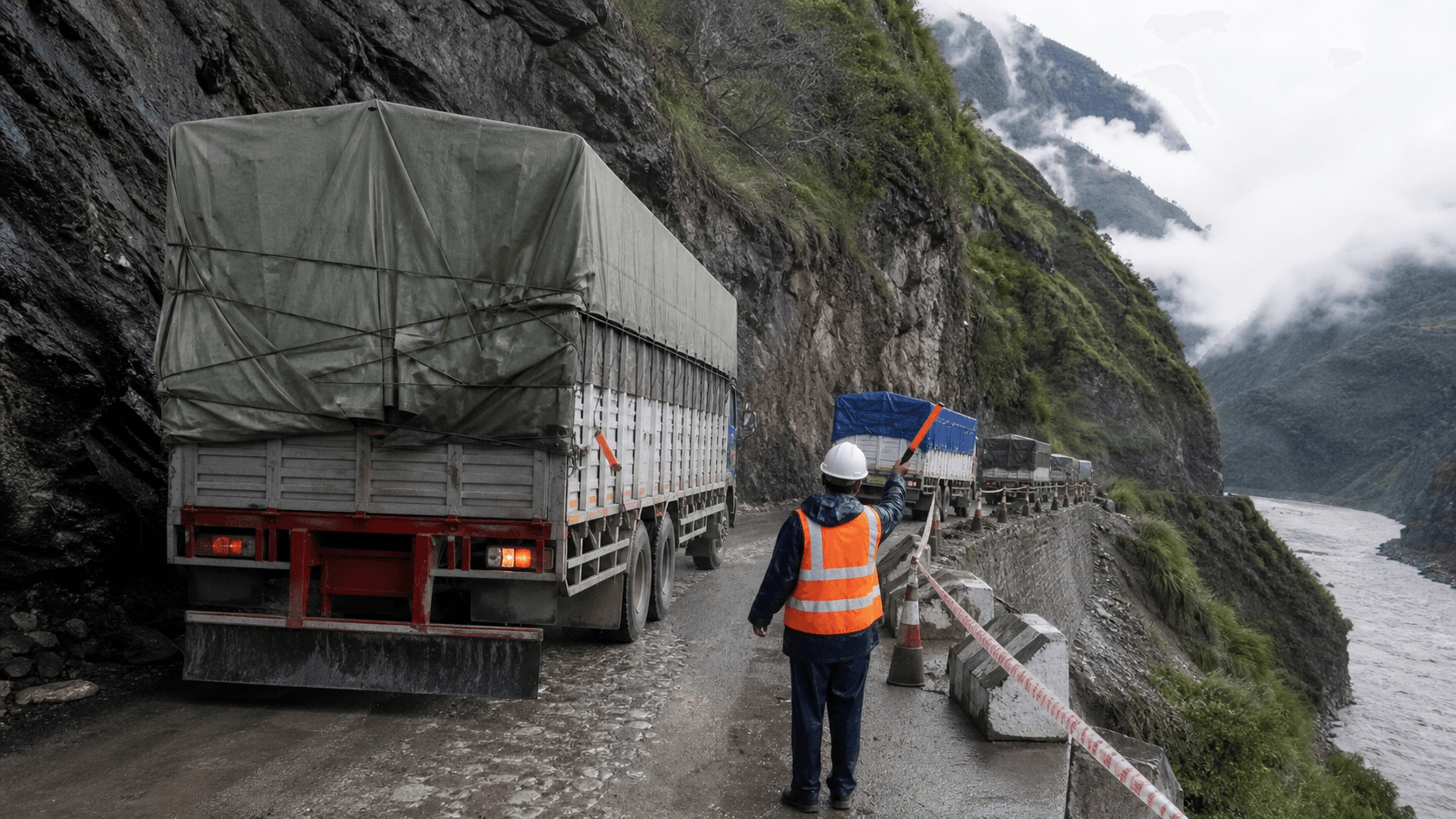
Nepal's Department of Customs asked cargo vehicles, drivers and traders affected by Rasuwagadhi and Tatopani to use Korala in Mustang where feasible. Recent reporting identifies Korala as the only functioning major overland trade route with China while the other two gateways are halted. From 4 September, qualifying goods entering through Mustang Customs may travel under customs control to Chobhar Dry Port in Kathmandu for clearance, subject to Customs Regulations and the designated route. This can reduce pressure on the limited Mustang clearance facility, but it does not remove road, vehicle, sealing, documentation or commodity checks. The designated cargo route reported by the Department is Nechung-Chhusang-Kagbeni-Jomsom-Beni-Kushma-Pokhara-Damauli-Muglin-Kurinatar-Naubise-Kalanki-Chobhar. An alternative via Narayanghat and Hetauda may be used when problems affect the primary route. Confirm the approved route for the actual movement before dispatch. Korala is operating under increased pressure and has less infrastructure and manpower than the established gateways. Ask for a shipment-specific feasibility check rather than relying on a general assurance that the crossing is open. Reconfirm the temporary Korala-to-Chobhar clearance arrangement before movement because it applies until further notice.
| Korala question | Why it matters |
|---|---|
| Is the commodity eligible? | Product controls and border procedures can vary |
| Can the vehicle and container pass? | Road geometry, weight and equipment availability affect feasibility |
| Where will customs processing occur? | Eligible sealed cargo may be moved to Chobhar under the temporary arrangement |
| Is storage or transloading available? | Cargo may need protection while vehicles or documents change |
| What is the Nepal inland route? | Mustang-to-destination distance and road conditions change cost and timing |
| Does the shipment file need amendment? | Border, carrier and transit details should match the actual movement |
What importers should do before dispatch
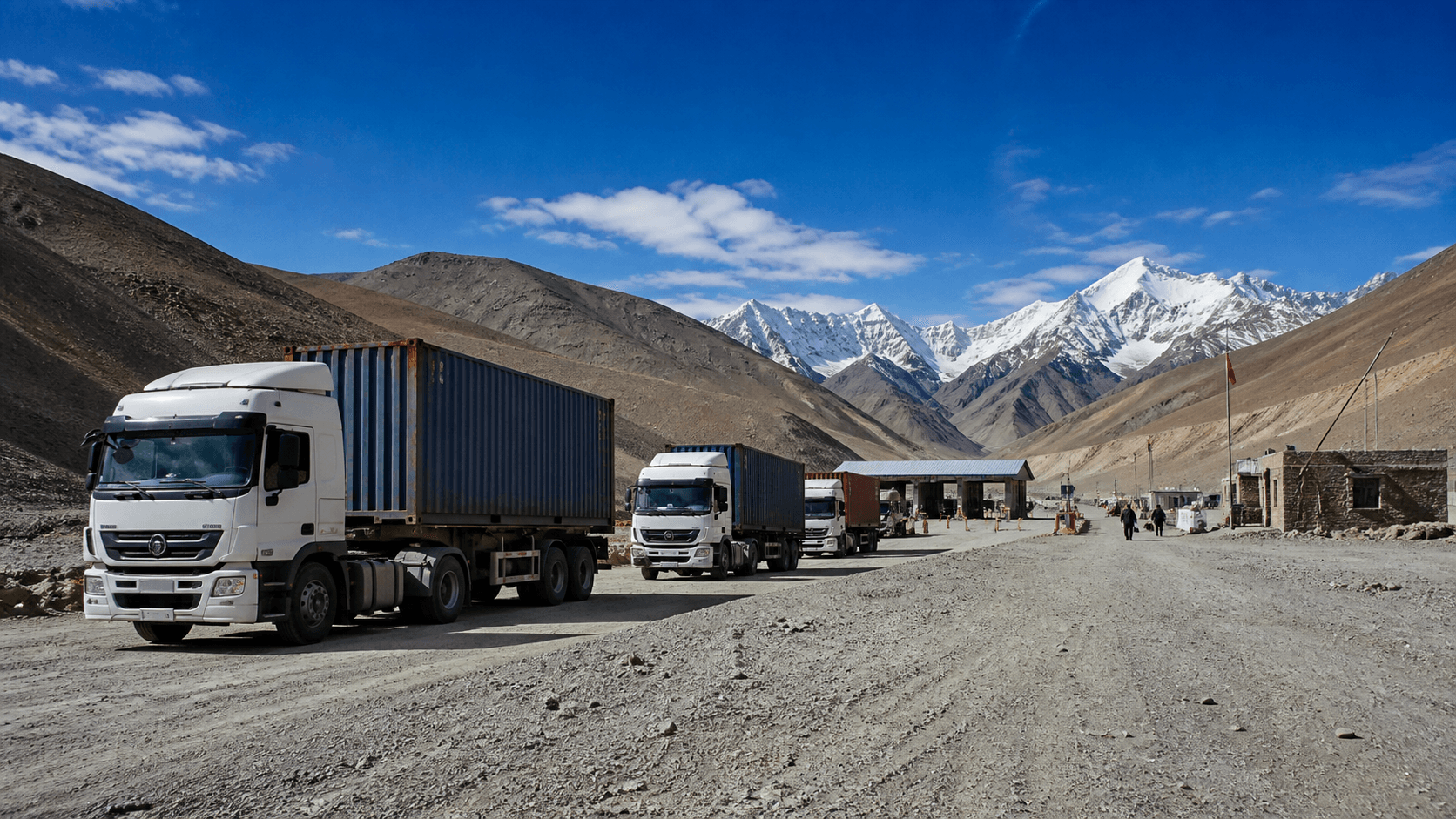
Route disruption reduces flexibility after a truck has collected the cargo. Importers should therefore approve pickup only after the supplier, forwarder and Nepal receiving team agree on the route, fallback and cost responsibility.
- Confirm the supplier's factory or warehouse location
- Record the cargo-ready date and last acceptable delivery date
- Verify cartons, pallets or containers, gross weight and cubic volume
- Use a precise product description and check the HS code
- Confirm permits and certificates before dispatch
- Name the planned crossing and at least one realistic fallback
- Request the current cargo location and storage arrangement
- Check insurance for flood, landslide, water damage, storage and rerouting
- Clarify responsibility under the agreed Incoterm
- Get diversion, waiting, handling and cancellation costs in writing
- Confirm the customs representative and final-delivery vehicle
- Set an update schedule with one responsible contact
Use the China-to-Nepal road cargo guide for the normal process, then apply the disruption checks in this article. Sea Sky's China-Nepal cargo service and road freight service provide route-specific starting points.

Compare road, air, sea-led and multimodal alternatives
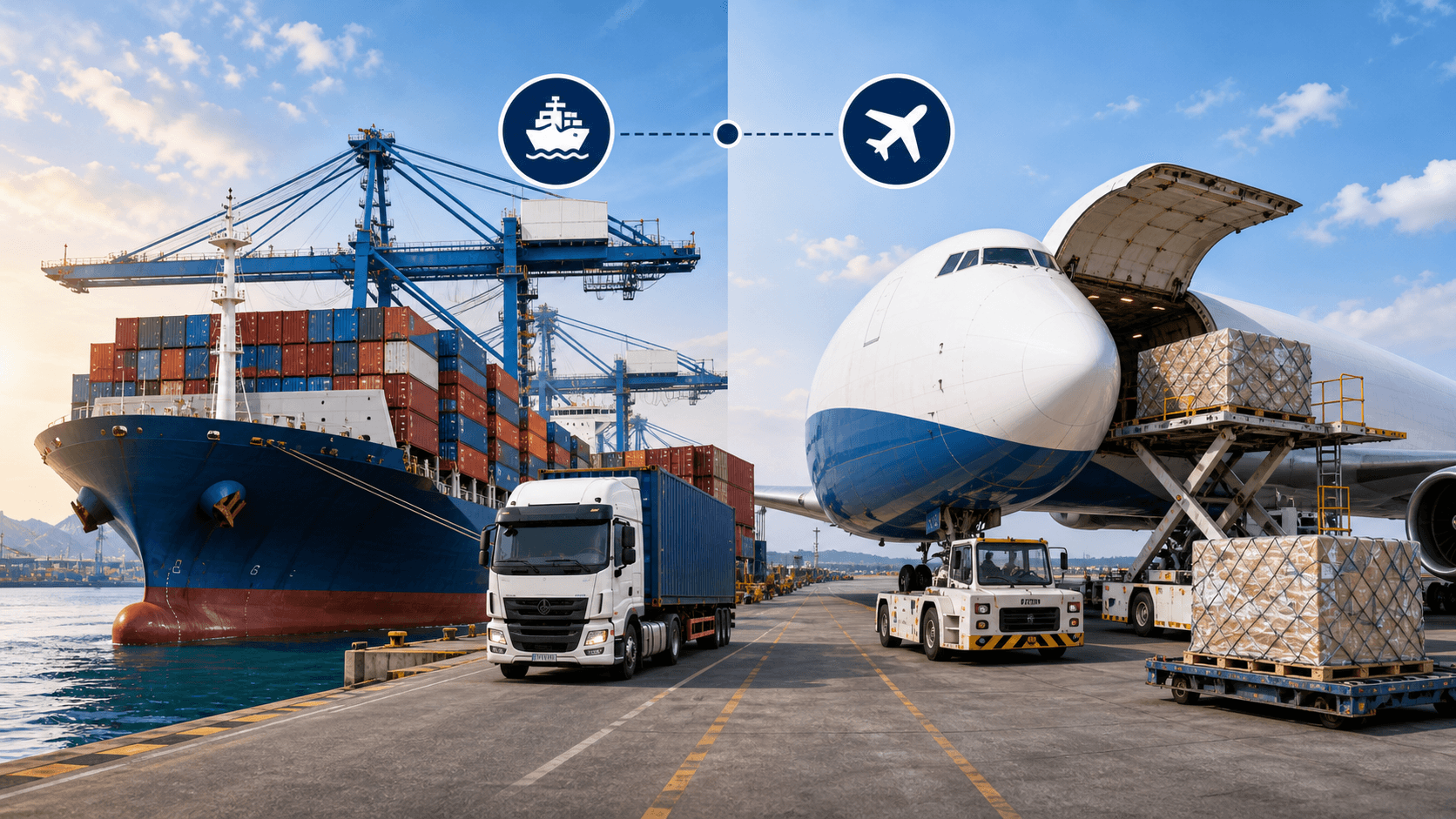
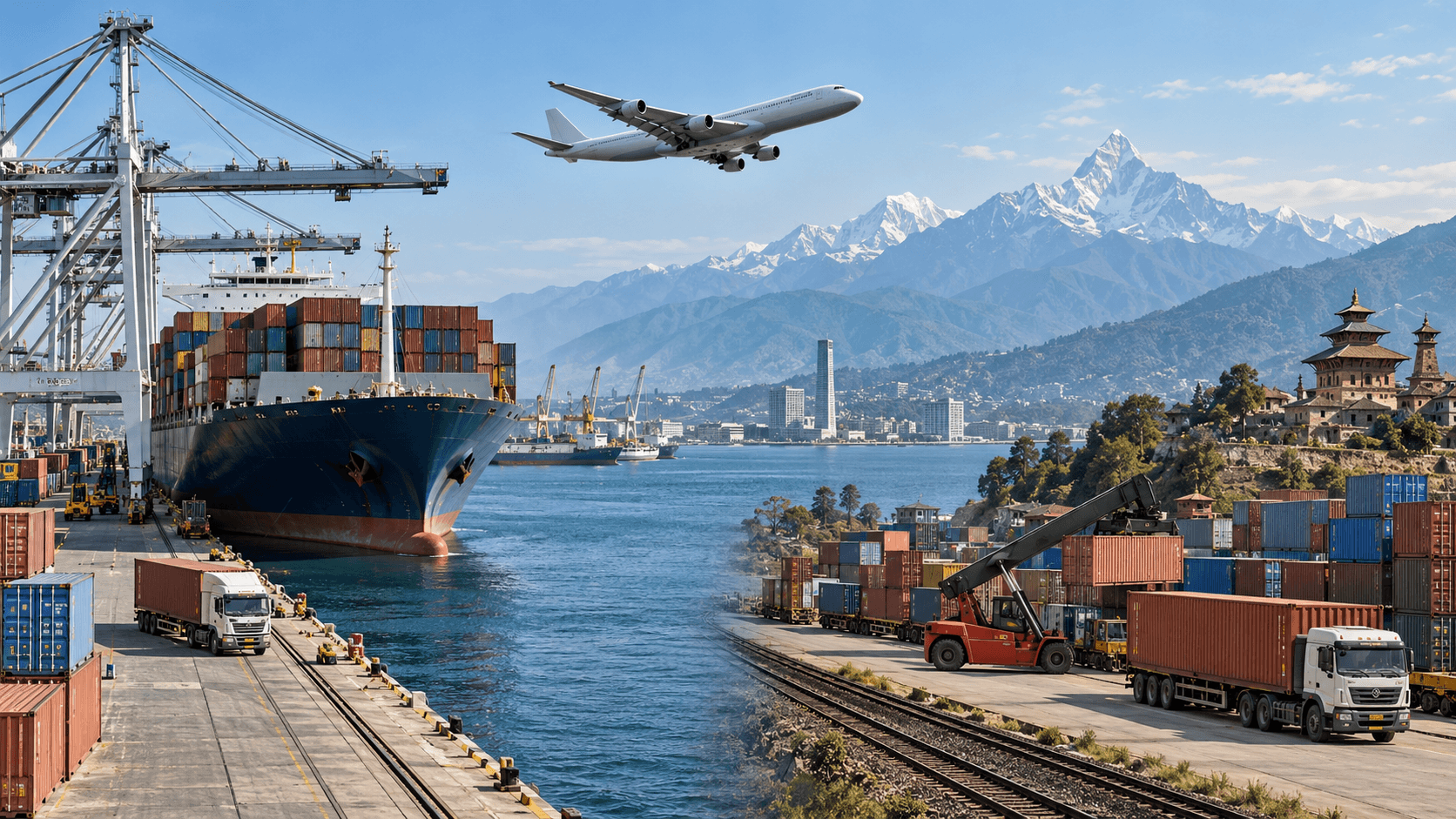
The best alternative depends on the cargo and the cost of delay. Do not switch modes only because one route is receiving attention in the news. Compare the complete movement, including transfer risk, new documents, customs handling and delivery. Air freight can avoid a blocked northern road crossing for suitable goods. Ocean freight can reduce dependence on northern routes for larger non-urgent cargo, but Nepal delivery still needs an Indian-port and inland plan. Korala may suit road cargo only after the vehicle, commodity, route and Chobhar clearance arrangement are confirmed. The cross-border shipping guide explains the complete handoff and landed-cost process.
| Cargo situation | Option to compare first | Main caution |
|---|---|---|
| Urgent, lighter or high-value goods | Air freight | Higher cost, chargeable weight, airline acceptance and airport handling |
| Road cargo not yet dispatched | Validated Korala and Chobhar plan | High-altitude road capacity, commodity acceptance and customs-control requirements |
| Large, heavy and non-urgent goods | Sea freight through an Indian gateway | Longer transit and additional port, rail or road handoffs |
| Cargo already near a blocked crossing | Hold, recovery or controlled reroute | Storage, transloading, new trucking and document amendments |
| Perishable or exposure-sensitive cargo | Protected air or confirmed controlled route | Avoid uncertain border storage and unplanned handling |
Quick planning tool
Which freight mode should you compare first?
Starting recommendation
Compare air with sea plus inland transit
This shipment sits in the middle: air may protect the timeline, while sea can lower freight cost. Compare chargeable weight, port timing, inland transit and customs risk.
Ask Sea Sky to compare the routesPlanning guide only. Product restrictions, dimensions, border status and customs documents can change the route.

Is your China cargo already moving?
Share the exact cargo location, planned crossing, packed dimensions, documents and delivery deadline. Sea Sky Cargo can review practical alternatives before the next movement is approved.
Prepare documents early and amend the route correctly
A complete shipment file helps the forwarder test alternative routes and reduces avoidable customs questions when cargo finally moves. If the crossing, carrier, transport mode or consignee arrangement changes, ask which documents must be replaced or amended.
- Commercial invoice
- Packing list
- Road, air, sea or transit transport document
- Certificate of origin where required
- Importer PAN, VAT, EXIM and business details as applicable
- Correct HS code with product specifications
- Import permit, recommendation or certificate where required
- Insurance certificate and policy contact
- Agent authorization letter
- Supplier, carrier, consignee and final-receiver contacts
- Final delivery address, access and unloading instructions
Product name, quantity, package count, weight, value, consignee, origin and HS code should remain consistent throughout the file. Review Sea Sky's wrong HS code guide, import permit guide and Importer of Record service before approving a new route.

Cargo insurance, damage and evidence after a flood
Floods and landslides can cause water damage, impact, contamination, theft, prolonged storage and repeated handling. Insurance should be reviewed before dispatch and before approving a recovery or reroute because the policy may contain route, storage, packing, notice and mitigation conditions.
- Flood and landslide
- Water or moisture damage
- Handling and transloading damage
- Storage at or near the border
- Theft and pilferage
- Inland transport and route diversion
- Partial loss and total loss
- Survey, salvage and recovery expenses
- Delay exclusions and uninsured commercial loss
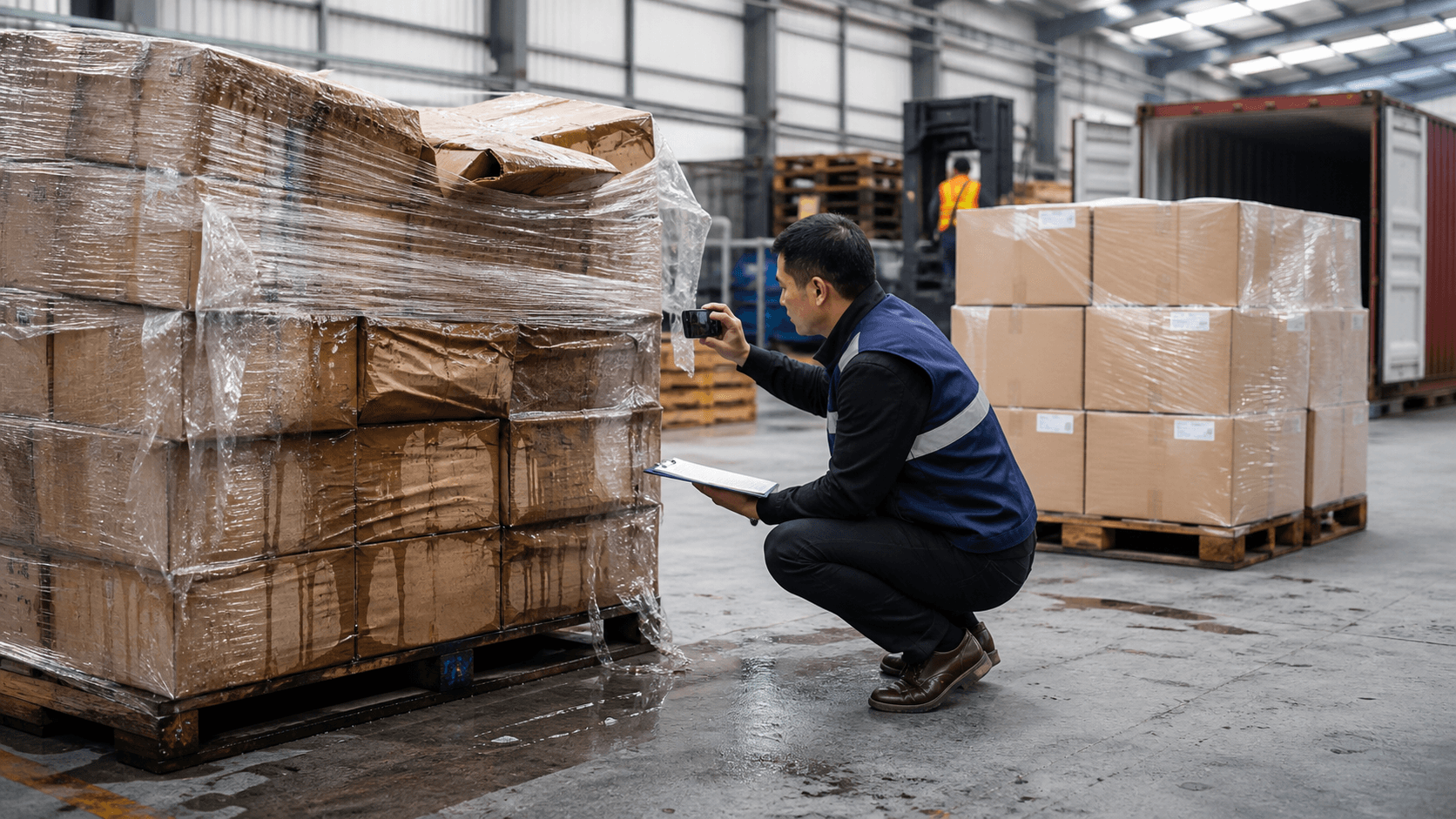
If cargo is damaged, photograph the goods, packaging, pallets, container, seals, vehicle and surrounding condition. Record visible exceptions on the delivery receipt, notify the carrier and insurer promptly, and preserve the damaged goods and packing for inspection. Do not repair, discard or sell the cargo before receiving instructions from the insurer or surveyor.
Read the freight and cargo insurance guide before relying on carrier liability or assuming every flood-related cost is covered.
Extra disruption costs importers should expect
A route change can add costs that were not part of the original China-to-Nepal quote. Ask for an itemized revision separating normal transport charges from disruption-related charges and identify which amounts are estimates.
- Additional trucking and route diversion
- Cargo recovery and transloading
- Border or warehouse storage
- Container detention or equipment waiting
- Handling, inspection and security
- Document amendment and customs coordination
- Repacking or replacement packaging
- Cargo survey and damage assessment
- Emergency air freight
- New inland delivery and rescheduling
- Return, cancellation or supplier-hold fees
The correct amount depends on the cargo's location, shipment size, route, carrier terms, storage period, Incoterm and insurance. Do not approve a lump-sum "flood charge" without asking what service, location and time period it covers.

Practical decision guide for affected China cargo
The guide is a planning framework, not a guarantee that a crossing will accept a particular shipment. Live border, road, customs, vehicle and safety conditions should be confirmed immediately before dispatch. For Korala cargo moving inland under customs control, confirm whether the current Chobhar arrangement applies and which designated road must be used.
| Shipment situation | Recommended next action |
|---|---|
| Supplier has not dispatched | Hold pickup until route, fallback, documents and costs are confirmed |
| Goods are ready in China | Request the exact warehouse location and written route options |
| Goods are urgent | Compare air freight with a validated expedited route |
| Goods are bulky but not urgent | Compare confirmed road options with sea-led alternatives |
| Cargo is perishable | Avoid uncertain border storage and verify protection throughout transit |
| Cargo is already stranded | Get a written storage, contact, recovery and rerouting plan |
| Cargo is damaged | Preserve evidence and notify the carrier and insurer immediately |
| Supplier requests extra payment | Ask for itemized charges, cargo location and route evidence |
| Cargo is near Rasuwagadhi or Tatopani | Keep it on hold until a controlled Korala, air or sea-led transfer is confirmed |

How Sea Sky Cargo can help during the disruption
Sea Sky Cargo can help Nepal importers review the current shipment position before cargo moves. Support depends on the cargo, location, available partners, route status and agreed scope.
- Check the planned crossing and cargo location
- Check Rasuwagadhi and Tatopani closures and validate Korala feasibility
- Review whether Korala cargo can move to Chobhar for clearance
- Compare road, air, sea-led and multimodal alternatives
- Review invoice, packing list, HS code and permits
- Coordinate questions with the supplier and transport provider
- Identify storage, transloading and cargo-damage risks
- Prepare Nepal customs-clearance information
- Support insurance communication and evidence planning
- Coordinate tracking and next-step updates under the agreed scope
Send the cargo's current location, supplier contact, product description, HS code if known, package count, packed weight and dimensions, value, planned route, deadline, documents and insurance position through the get quote page. Options are usually safer and less expensive before the supplier hands the shipment to a trucker.
Frequently asked questions
Is Rasuwagadhi open for China-to-Nepal cargo? As of 5 September 2026, the Rasuwagadhi-Kerung corridor remains disrupted after severe flood damage. Do not assume normal commercial movement has resumed; confirm the complete road, border, customs and yard path before dispatch.
Is Tatopani open for cargo? Cross-border imports and exports through Tatopani-Zhangmu were suspended until further notice from 30 August because of landslide risk. Passenger movement is separate and does not confirm cargo acceptance.
Can cargo be rerouted through Korala? Korala is the principal functioning overland alternative, but each shipment still needs confirmation for commodity, truck, container, road, storage and customs-control feasibility.
Can Korala cargo be cleared at Chobhar Dry Port? A temporary arrangement reported on 4 September allows eligible goods entering through Mustang Customs to travel on designated routes to Chobhar for clearance, subject to Customs Regulations. Confirm that the arrangement applies before movement.
Should importers switch to air freight? Air may suit urgent, lighter, valuable or time-sensitive cargo. It may be uneconomical or operationally unsuitable for heavy, bulky, restricted or non-urgent goods.
Can sea freight replace the northern road route? Sea-led shipping through an Indian gateway can be compared for large or non-urgent cargo, but it requires a longer international schedule and an additional inland route to Nepal.
Who pays border delay and storage charges? Responsibility depends on the sales contract, Incoterm, carrier terms, forwarding scope, insurance and the cause and location of the delay. Confirm it in writing.
What should I do if cargo is stranded in Kerung or Zhangmu? Obtain the exact location, custodian, storage condition, seal or package status, charges and written hold or recovery options before approving any transfer.
Can Sea Sky Cargo check a live shipment? Sea Sky can review the shipment facts, available partner information, documents and route alternatives under an agreed scope. Border and road conditions remain subject to authority and safety decisions.

Confirm the route before the supplier dispatches
Get a shipment-specific review of road, air, sea-led and multimodal options, plus document, customs and cargo-risk questions for the current disruption.