
What is CBM in shipping?
CBM means cubic metre. It measures the three-dimensional space a packed shipment occupies. Freight forwarders use CBM to understand how much room cartons, crates, pallets or other packages will take inside a container, truck, aircraft handling system or warehouse.
Weight tells the carrier how heavy the goods are. CBM tells the carrier how much space they occupy. Both matter because transport equipment can reach its space limit before its weight limit, or its weight limit while space remains.
- LCL sea freight quotations
- FCL container planning
- Air-freight volumetric weight
- Road-freight vehicle selection
- Warehouse and handling estimates
- Cargo consolidation and loading plans
- Freight comparisons and landed-cost planning
For Nepal importers, the same shipment may pass through an origin warehouse, seaport or airport, border point, customs facility and final-delivery truck. Accurate packed dimensions give each party a more reliable basis for planning.

How to calculate CBM in metres
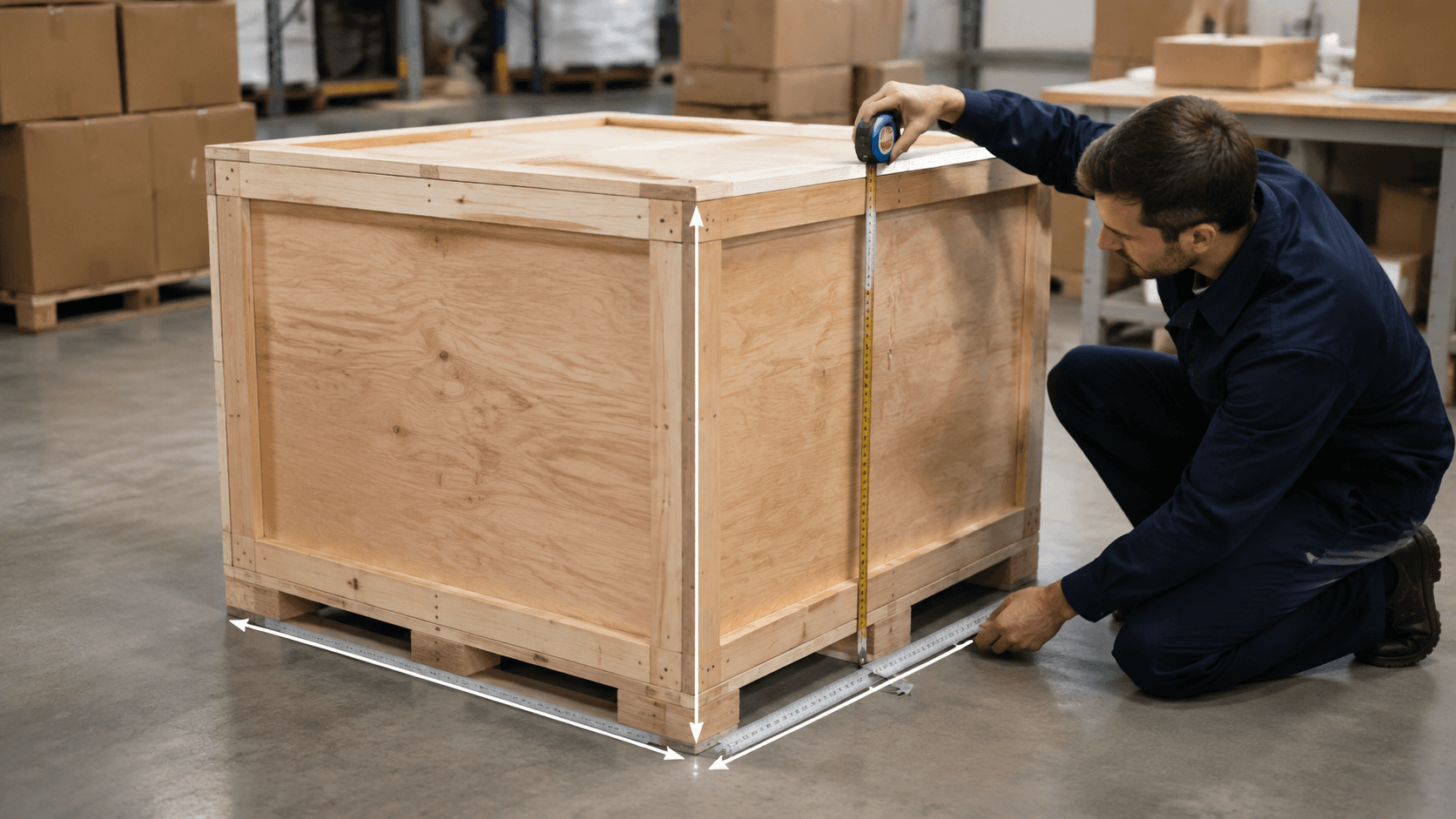
The basic formula is length × width × height = CBM. Use the outside dimensions of the final packed package, and make sure every measurement is in metres. For multiple identical packages, calculate one package and multiply by the quantity. If one carton is 0.20 CBM and there are 10 identical cartons, the total is 0.20 × 10 = 2.00 CBM. Do not round each measurement too aggressively. Small rounding differences can become significant across dozens or hundreds of cartons. Keep the supplier's original dimensions and let the forwarder apply its quotation and rounding policy.
| Measurement | Example |
|---|---|
| Length | 1.00 m |
| Width | 1.00 m |
| Height | 1.00 m |
| Calculation | 1.00 × 1.00 × 1.00 |
| Volume | 1.00 CBM |
CBM formula for centimetres and millimetres
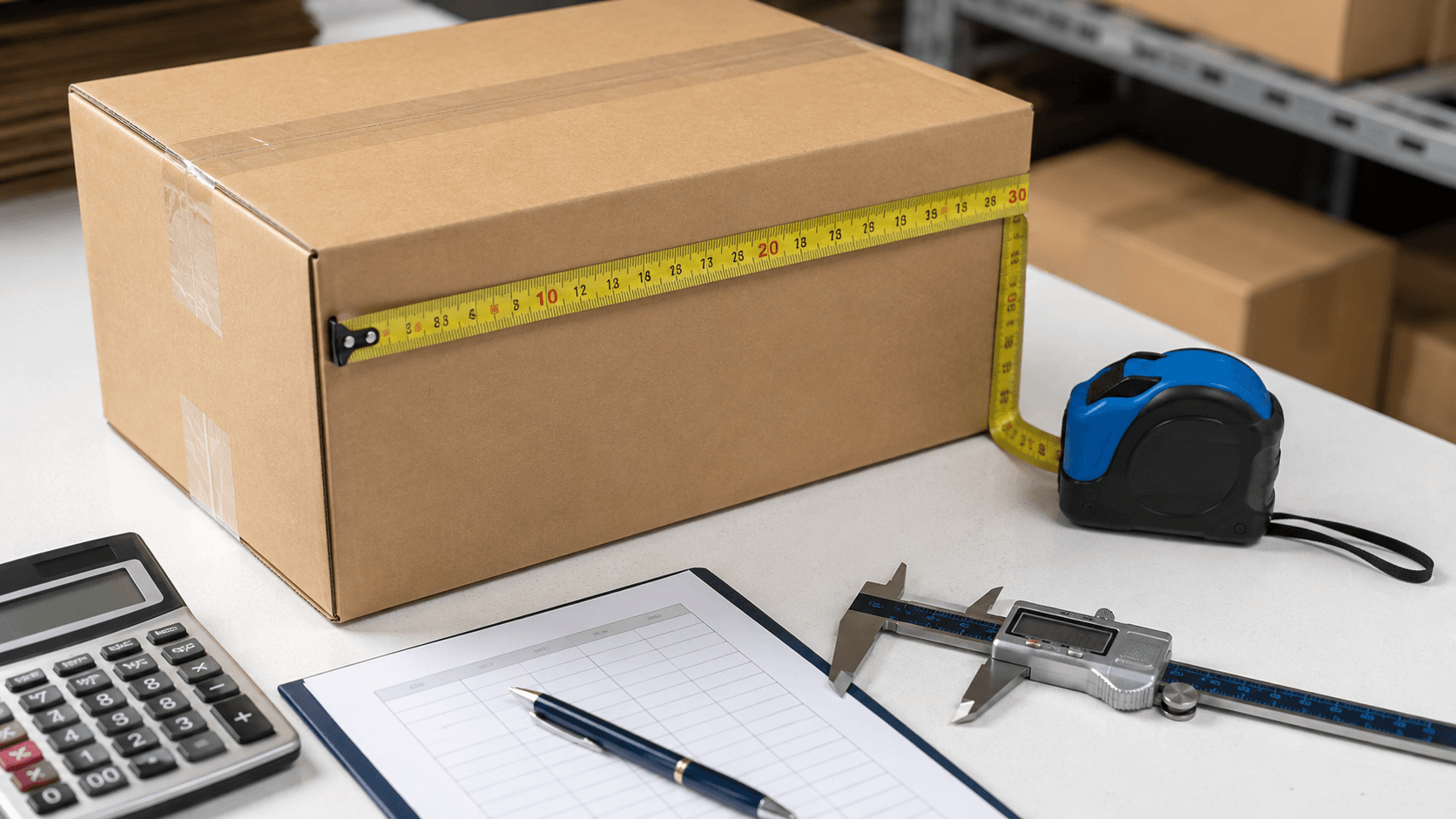
Suppliers frequently provide carton dimensions in centimetres or millimetres. You can convert each side to metres first, or use a direct divisor. Example: a carton measures 60 cm × 40 cm × 50 cm. The calculation is 60 × 40 × 50 ÷ 1,000,000 = 0.12 CBM. For 20 identical cartons, 0.12 × 20 = 2.40 CBM. Always write the unit next to the dimensions. A quotation request showing only "60 × 40 × 50" is incomplete because the numbers could mean centimetres, millimetres or inches.
| Dimensions supplied in | CBM formula |
|---|---|
| Metres | L × W × H |
| Centimetres | L × W × H ÷ 1,000,000 |
| Millimetres | L × W × H ÷ 1,000,000,000 |
How to calculate total CBM for mixed cartons and pallets
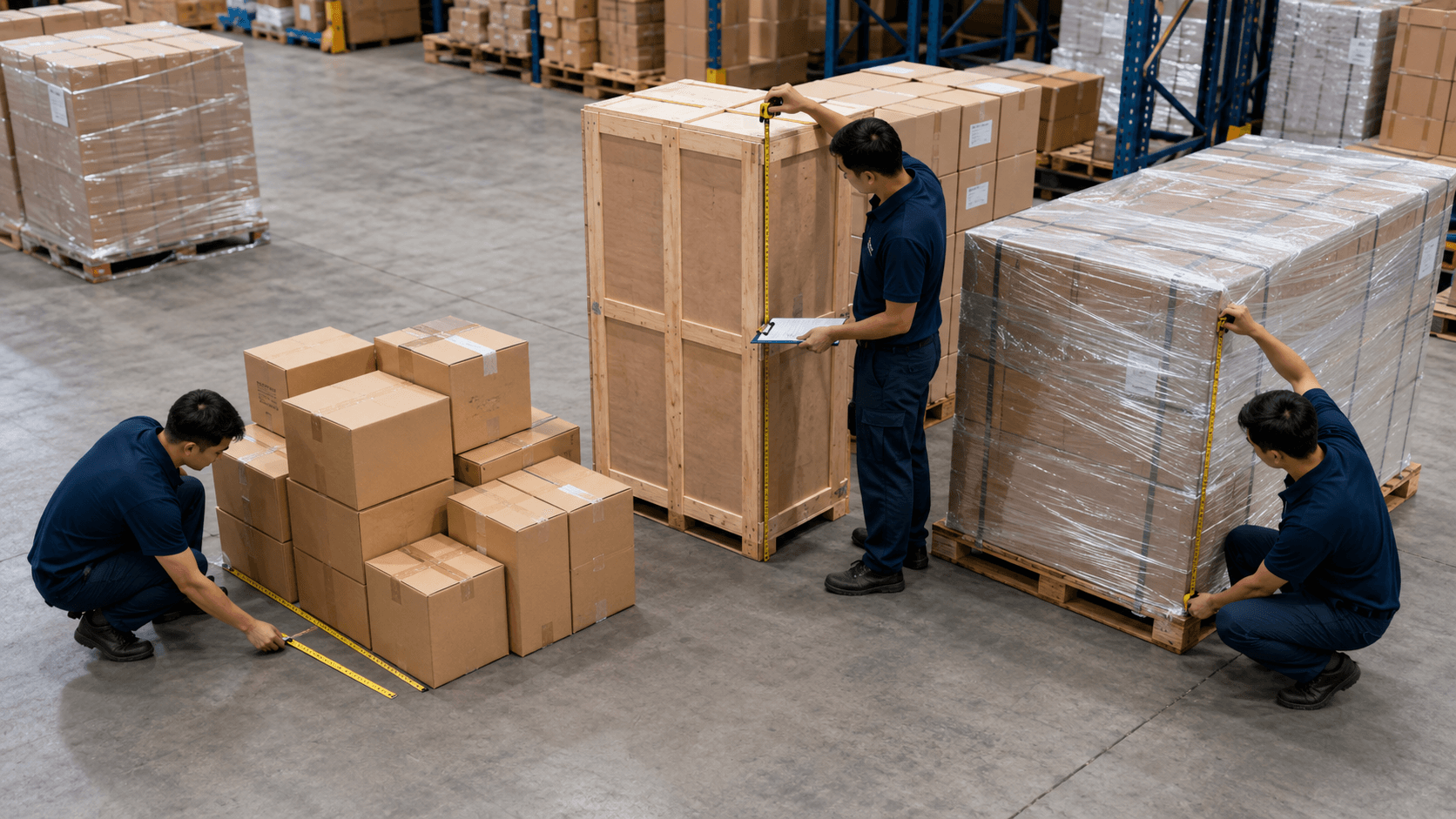
When packages have different sizes, group identical packages together, calculate each group, and then add the group totals. If cartons will be palletised, quote the finished pallet dimensions, including the pallet base and the highest point of the load. Do not simply add loose-carton CBM if the final pallet creates unused space between cartons or extends beyond the carton footprint. For irregular cargo, measure the smallest rectangular box that could contain the packed item: its maximum outside length, width and height. Tell the forwarder whether packages are stackable, top-heavy, fragile or restricted from having other cargo placed above them.
| Package group | Dimensions | Quantity | Group CBM |
|---|---|---|---|
| Carton A | 60 × 40 × 50 cm | 20 | 2.40 |
| Carton B | 80 × 50 × 40 cm | 10 | 1.60 |
| Crate C | 1.20 × 0.80 × 1.00 m | 2 | 1.92 |
| Total | 32 packages | 5.92 CBM |
Why CBM affects freight cost
Freight cost is not determined by scale weight alone. A light shipment can consume valuable loading space, while a compact heavy shipment can reach equipment or handling limits quickly. Carriers therefore use volume and weight in different ways depending on the mode, route and tariff.
- LCL ocean-freight charge basis
- Container-space utilisation
- Truck type and partial-load space
- Air-freight chargeable weight
- Origin and destination handling
- Warehouse floor or rack space
- Loading equipment and labour
- Final-delivery vehicle requirement
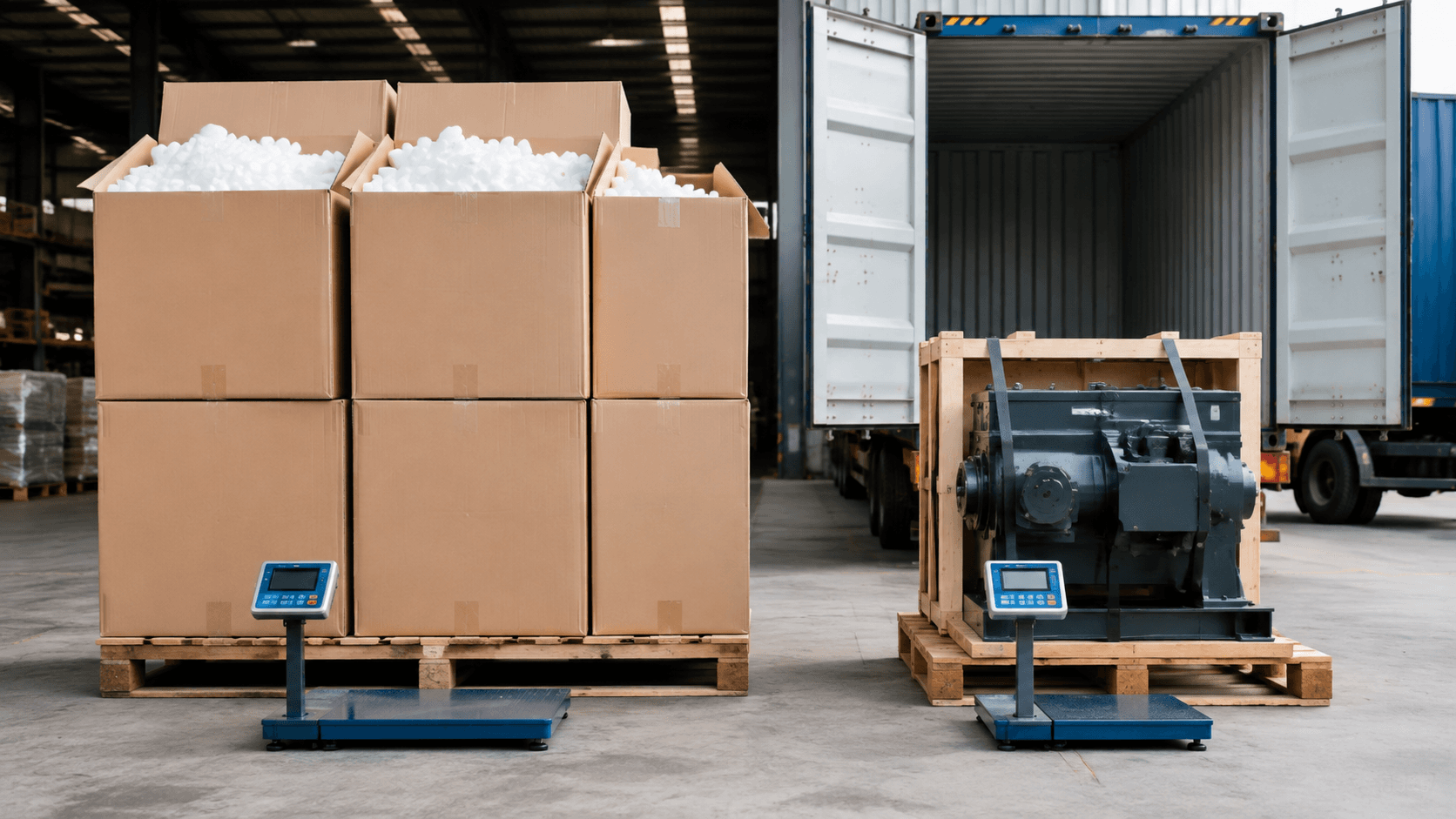
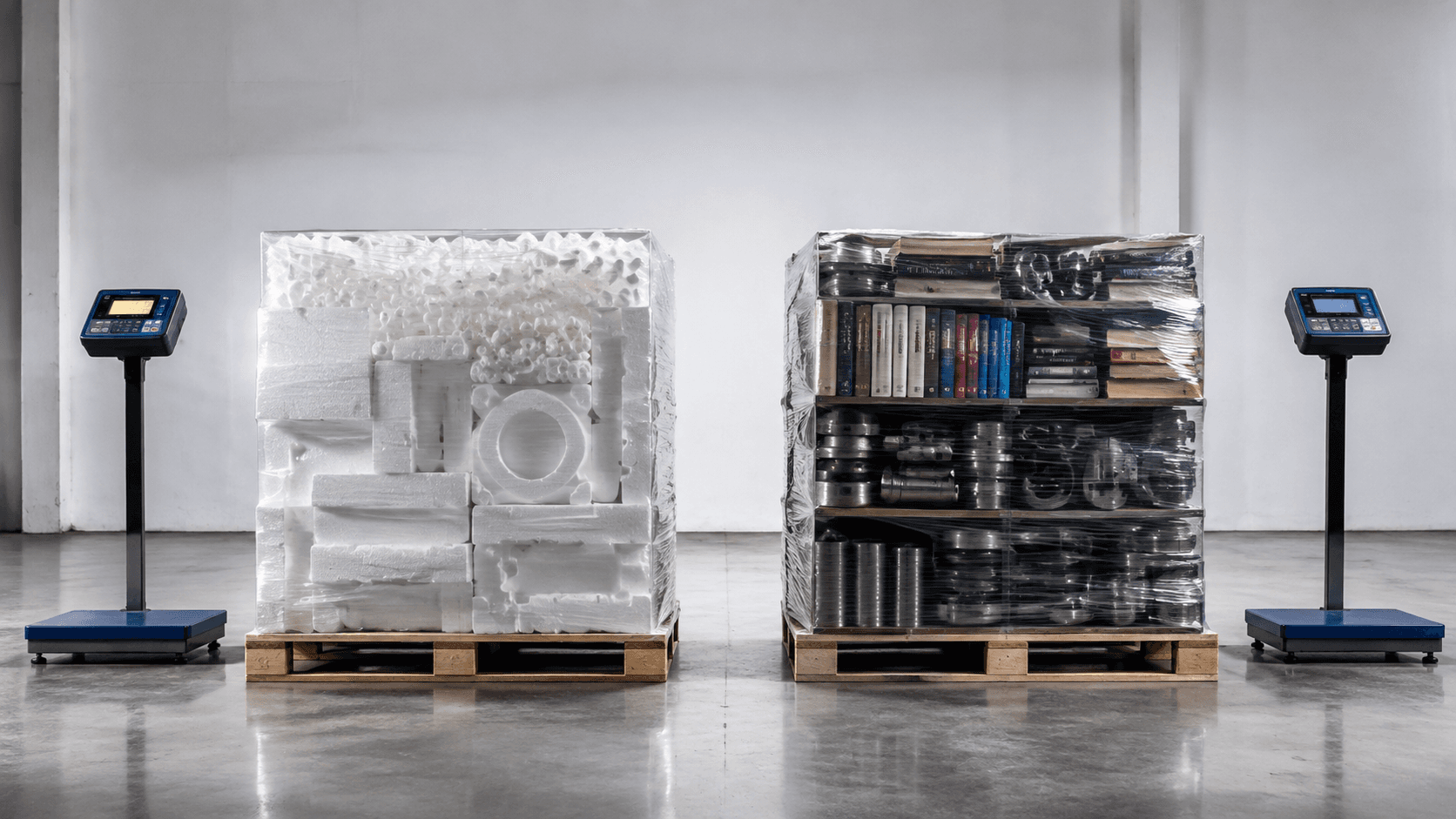
Bulky goods such as pillows, foam, plastic products, lightweight furniture and empty display units may have low gross weight but high CBM. Dense cargo such as books, tiles or metal parts may have modest CBM but high weight. A reliable quote needs both values.
CBM is an input to the quote, not the final price by itself. Route, commodity, handling, minimum charges, customs, pickup, delivery and current capacity also affect the total.
What does 1 CBM mean, and how many kilograms is it?
One CBM is the volume of a space measuring one metre long, one metre wide and one metre high. It does not equal a fixed number of kilograms because CBM measures volume and kilograms measure weight. The phrase "1 CBM equals how many kg" usually refers to a carrier's pricing conversion, not the physical weight of the goods. A mode may use a weight-or-measure rule or calculate volumetric weight, but the conversion and minimum charge can differ by carrier, service and route. Always provide both total gross weight and total CBM. Do not replace one with a generic conversion copied from the internet.
| One-CBM example | Likely characteristic |
|---|---|
| Foam or pillows | Large volume with low actual weight |
| Furniture cartons | Bulky, with weight depending on materials |
| Books or paper | Compact but comparatively heavy |
| Metal parts | Very high weight within a small volume |
CBM in LCL and FCL sea freight
LCL means less than container load. Cargo from multiple shippers shares a container, and the space used is commonly measured in CBM. Maersk's LCL guidance similarly explains that shippers pay for shared space measured in cubic metres.
The quotation may also consider gross weight, a weight-or-measure basis, minimum billing, origin charges and destination handling. Ask which chargeable quantity and rounding method the forwarder used.
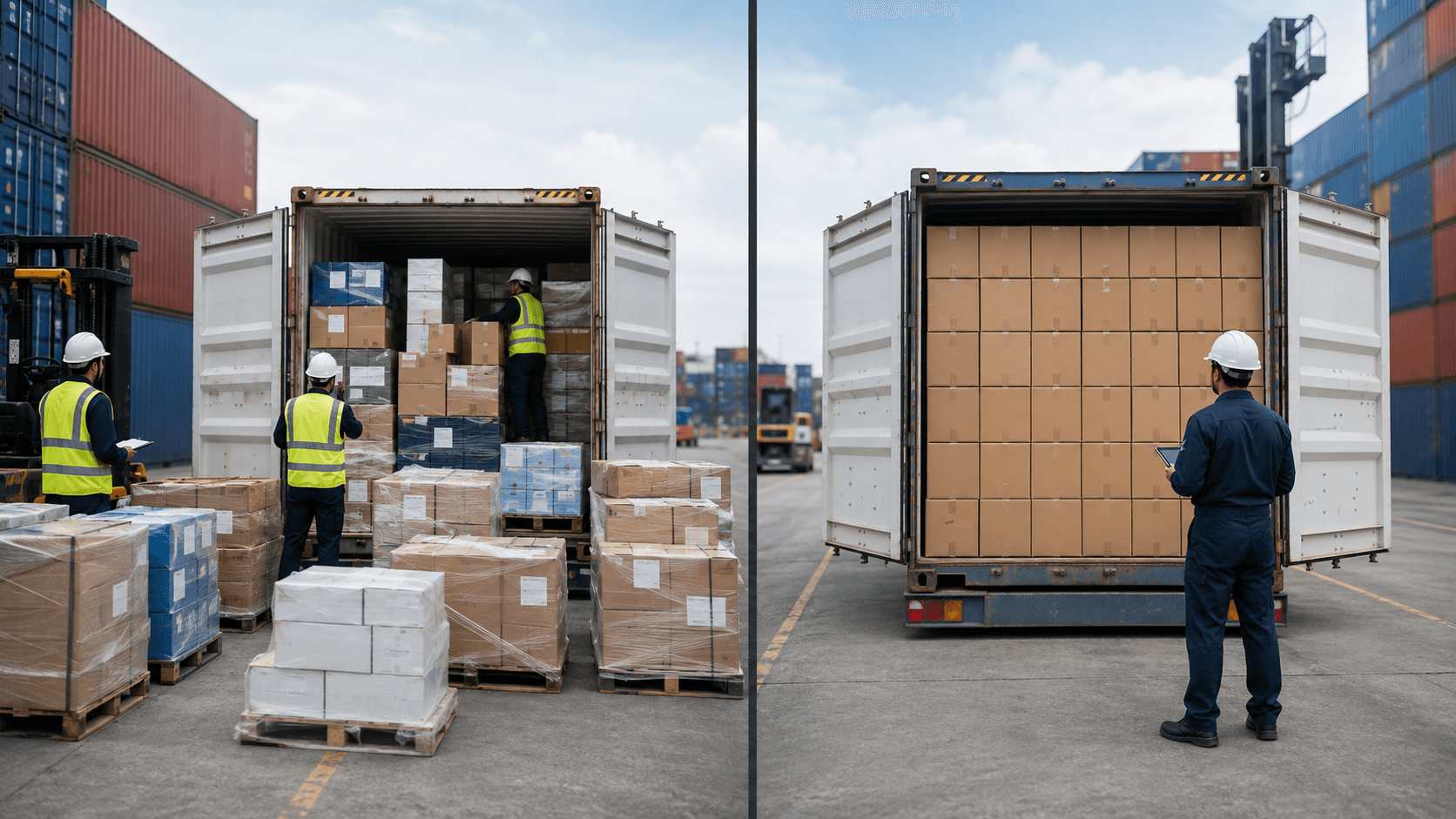
FCL means full container load. CBM helps estimate whether the packages can fit, but nominal container volume is not the same as usable cargo space. Door opening, internal dimensions, package shape, bracing, weight distribution and non-stackable cargo all reduce practical capacity.
- Compare LCL when the shipment occupies only part of a container
- Compare FCL as volume grows or handling control becomes important
- Use final packed dimensions rather than product dimensions
- Provide package weights as well as total weight
- Identify non-stackable, fragile and oversized pieces
- Request a loading review before assuming everything will fit
Read the LCL shipping to Nepal guide and explore Sea Sky's ocean freight service before choosing only by the quoted CBM rate.
Have final packed dimensions from your supplier?
Send the package sizes, quantities, gross weight and origin. Sea Sky Cargo can check the total CBM and compare practical freight options before booking.
CBM and volumetric weight in air freight
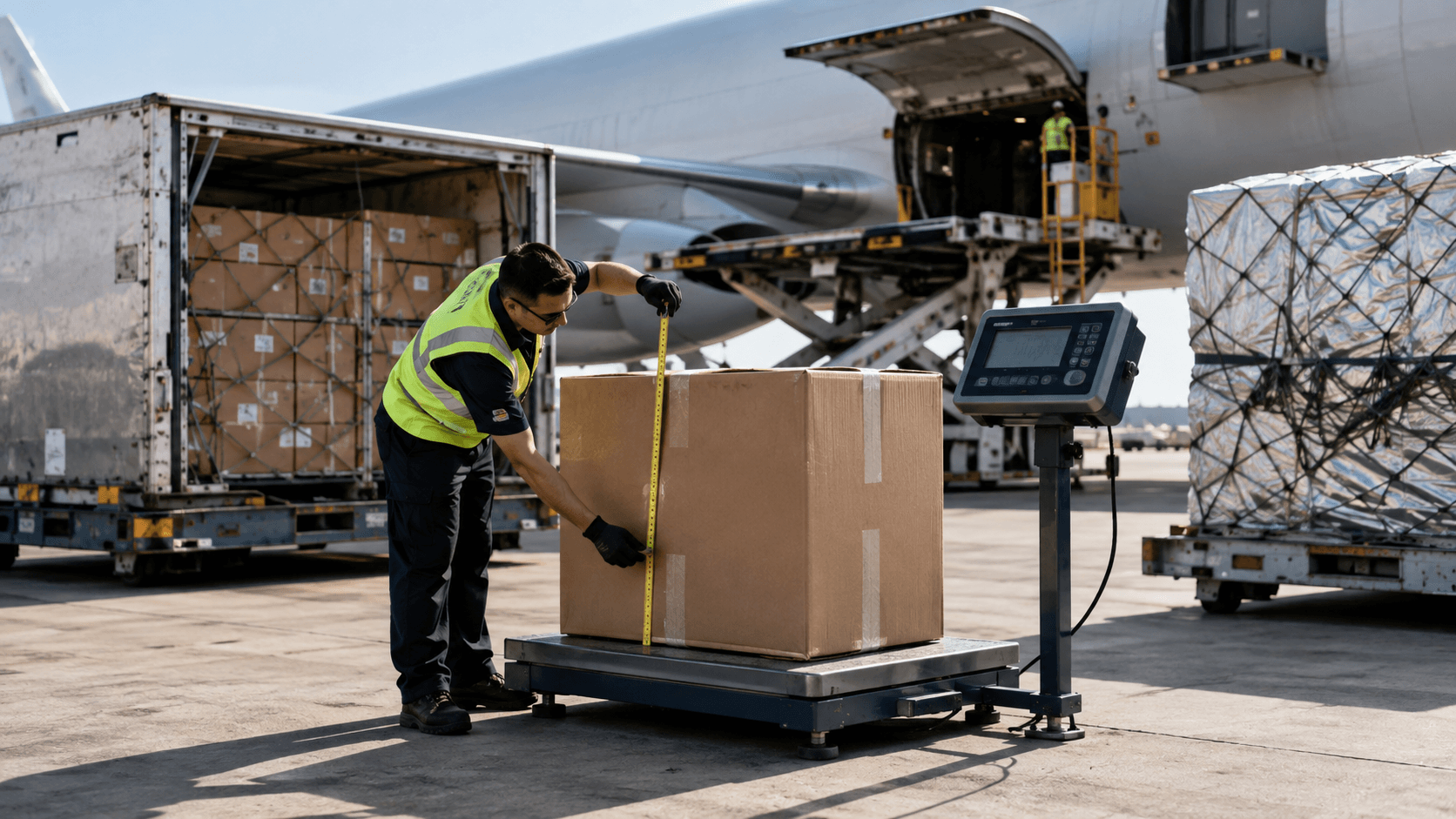
Air freight normally compares actual gross weight with volumetric weight because aircraft capacity is constrained by both mass and space. The higher result generally becomes the chargeable weight, subject to airline and quotation rules. A widely used general calculation is length × width × height in centimetres ÷ 6,000. IATA's air-cargo tariff overview describes this general rule and notes that pricing uses the higher of actual or volumetric weight. This example is educational, not a binding quote. Confirm the airline or forwarder's divisor, package-level rounding, minimum charge and special-cargo rules. Some express, domestic or contract services use different dimensional factors. Provide the dimensions and gross weight of every package when requesting air freight service. One oversized lightweight carton can materially change the chargeable weight.
| Air cargo example | Value |
|---|---|
| Carton size | 60 × 40 × 50 cm |
| Volumetric weight | 60 × 40 × 50 ÷ 6,000 = 20 kg |
| Actual gross weight | 12 kg |
| Comparison | 20 kg is higher than 12 kg |
How CBM helps plan road freight to Nepal
Road freight forms part of many Nepal import routes, including cargo from India, eligible China corridors, Indian ports and airports. CBM helps the forwarder shortlist a vehicle, but the final choice also depends on weight, package shape, road access and unloading requirements.
- Small truck, medium truck or larger vehicle selection
- Partial-load versus full-truck planning
- Body length, width and height requirements
- Payload and axle-weight limits
- Loading sequence and weight distribution
- Stackability and fragile-cargo zones
- Border, mountain-road and site-access restrictions
- Forklift, crane, tail-lift or manual unloading needs
A shipment can fit the truck's theoretical CBM yet still be unsafe or impossible to load. Long machinery, tall crates, fragile glass and top-heavy cargo need package-level dimensions and a loading plan.
For cargo moving from an Indian gateway, the port-to-door cargo guide explains how the international and inland legs connect.

Common CBM calculation mistakes
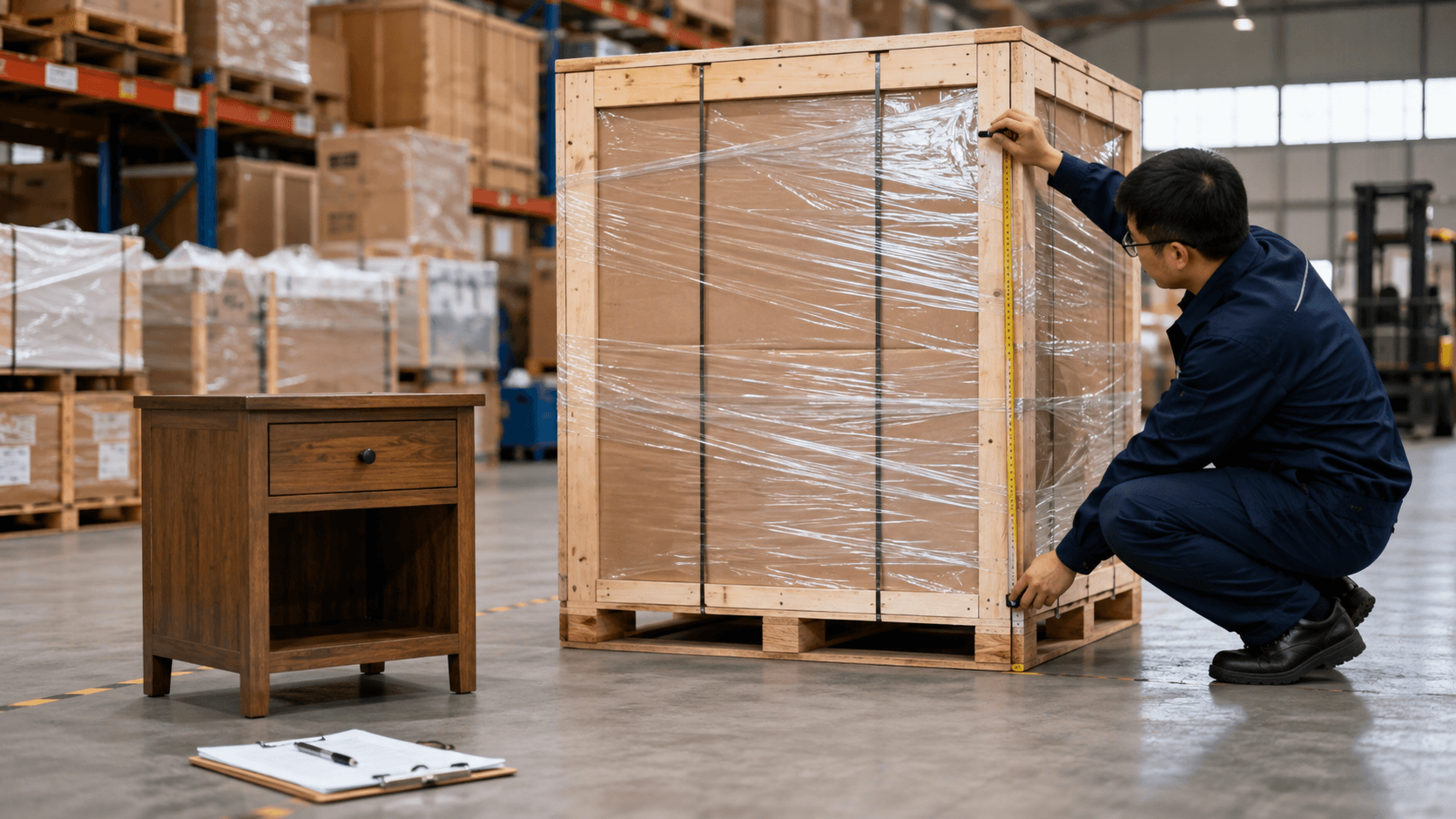
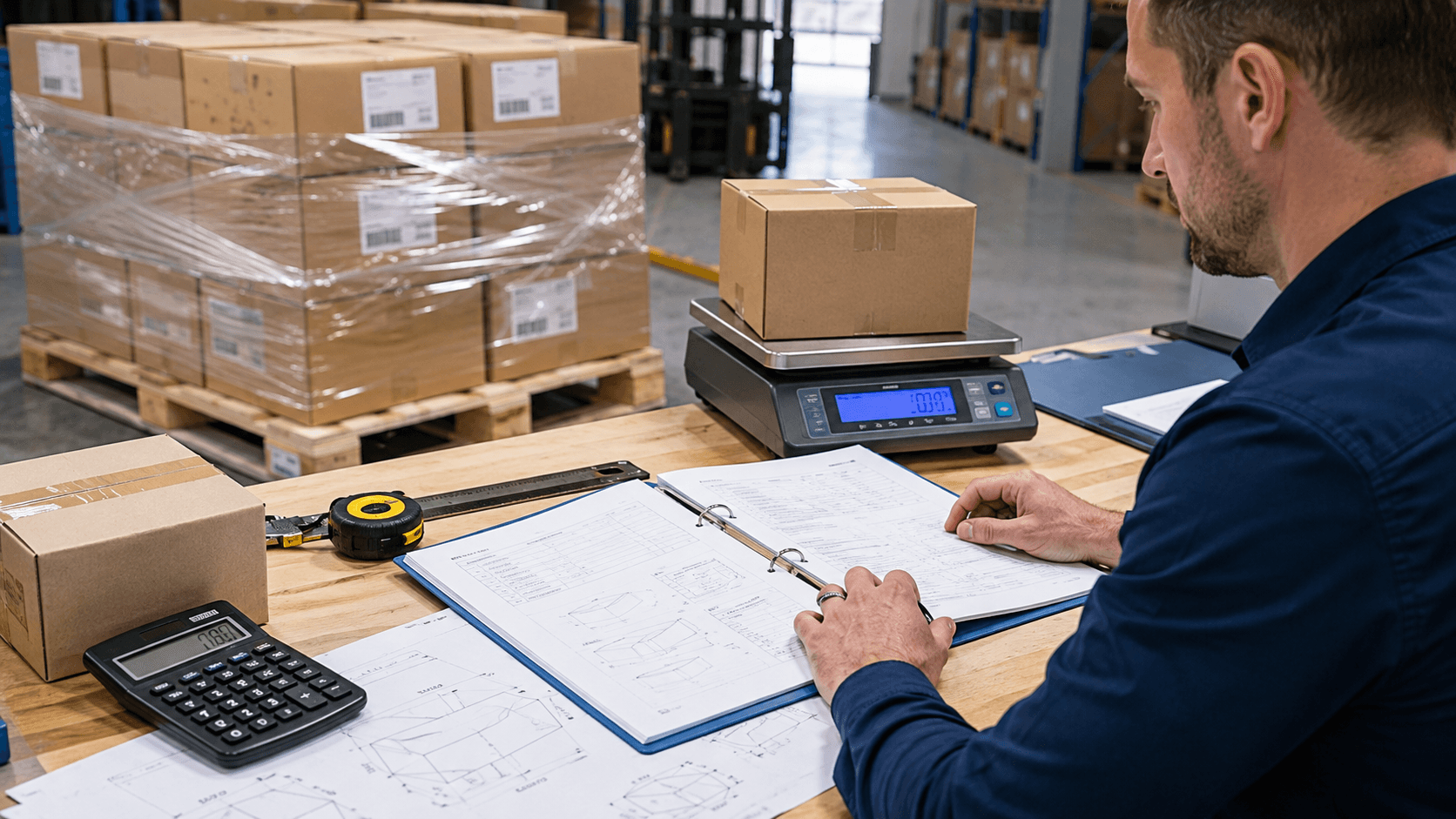
Measure the outside of the final packed cargo. Include skids, pallets, crates, corner protection and anything that occupies transport space. This is especially important for bulky items covered in our guide to importing furniture to Nepal. If packaging is not complete, mark dimensions as provisional and request an updated quote after final measurement. Retain packing photographs with a visible tape measure where practical. They help the forwarder understand package shape and can reveal overhang or non-stackable surfaces that a spreadsheet does not show.
| Mistake | Why it changes the quote |
|---|---|
| Using centimetres in the metre formula | Produces a result one million times too large |
| Forgetting package quantity | Counts only one carton instead of the full shipment |
| Measuring the product before packing | Misses cartons, foam, crates and pallet space |
| Ignoring pallet height and overhang | Understates the actual shipping footprint |
| Averaging mixed carton sizes | Can hide meaningful volume differences |
| Leaving units off the packing list | Makes dimensions ambiguous |
| Assuming every package is stackable | Overstates usable truck or container capacity |
| Treating CBM as kilograms | Confuses physical volume with weight or pricing conversion |
| Using supplier estimates before final packing | Creates a quote that may change at collection |
Details needed for an accurate freight quote
A total CBM number is useful, but package-level data produces a better operational quote. Prepare a simple dimension sheet and keep it consistent with the commercial invoice and packing list.
- Product name and cargo type
- Number of cartons, crates, pallets or pieces
- Length, width and height of each package group
- Unit of measurement
- CBM per package group and total CBM
- Gross weight per package and total gross weight
- Stackable or non-stackable status
- Fragile, oversized, hazardous or special-handling information
- Cargo value and HS code if available
- Supplier pickup address and cargo-ready date
- Final delivery address and access conditions
- Preferred mode and required delivery date
- Commercial invoice and packing list
Ask the forwarder to state the quoted volume, chargeable weight, minimum charge and included services. This makes it easier to compare two offers on the same basis instead of comparing totals built from different assumptions.
The international freight booking guide explains the wider booking process and document handoff.
How Sea Sky Cargo helps with CBM and freight planning
Sea Sky Cargo helps Nepal importers turn supplier measurements into practical freight information before booking. Support depends on the shipment, route, commodity and agreed scope.
- CBM calculation and dimension checking
- Mixed-carton and pallet volume review
- Gross versus volumetric weight comparison
- LCL versus FCL planning
- Air, sea and road freight comparison
- Packing-list and shipment-detail review
- Customs-clearance and HS-code coordination
- Port-to-door and final-delivery planning
Send the final packed dimensions, quantity, gross weight, supplier location, cargo description and Nepal delivery address through the get quote page. If final dimensions are not ready, label the first figures as estimates and update them before booking.
Accurate CBM cannot guarantee a fixed freight price, but it removes one of the most common causes of revised quotations, unsuitable vehicles and last-minute space problems.

Frequently asked questions
What does CBM mean in shipping? CBM means cubic metre. It measures how much three-dimensional space packed cargo occupies.
How do I calculate CBM? Multiply the package's outside length, width and height in metres. Multiply that result by the number of identical packages, then add the totals for different package groups.
What is the CBM formula in centimetres? Multiply length × width × height in centimetres and divide by 1,000,000.
Is 1 CBM equal to 1,000 kg? No. One CBM is a volume, while kilograms measure weight. Physical weight depends on the cargo inside that space.
Why is CBM important for LCL shipping? LCL cargo shares container space, and cubic metres are commonly used to measure the space a shipment occupies. Weight, minimums and local charges may also affect billing.
Should I calculate CBM from product size or packed size? Use final outside carton, crate or pallet dimensions because packaging occupies freight space.
How is air-freight volumetric weight calculated? A common general formula divides cubic centimetres by 6,000, but the actual carrier, service and quotation rules must be confirmed.
Does CBM tell me which truck or container I need? It helps, but planners also need weight, package dimensions, stackability, loading access and equipment limits.
Can Sea Sky Cargo help calculate CBM? Yes. Sea Sky can review package measurements, calculate total volume and compare suitable freight options under the agreed scope.

Measure first, then choose the route
Get a shipment-specific review of CBM, weight, LCL, FCL, air or road options and the information needed for a more reliable Nepal freight quote.
Related posts

1970-01-01
Sea + Air Freight: How SeaSky Helps Businesses Ship Smarter
2026-10-15
Last-Mile Delivery in Nepal: How Businesses Can Reduce Delays and Delivery Costs
2026-10-13
Last-Mile Logistics in Nepal: Challenges, Costs and Solutions

2026-10-12