Seoul to Lalitpur Furniture Project: Sea Sky’s Door-to-Door Delivery
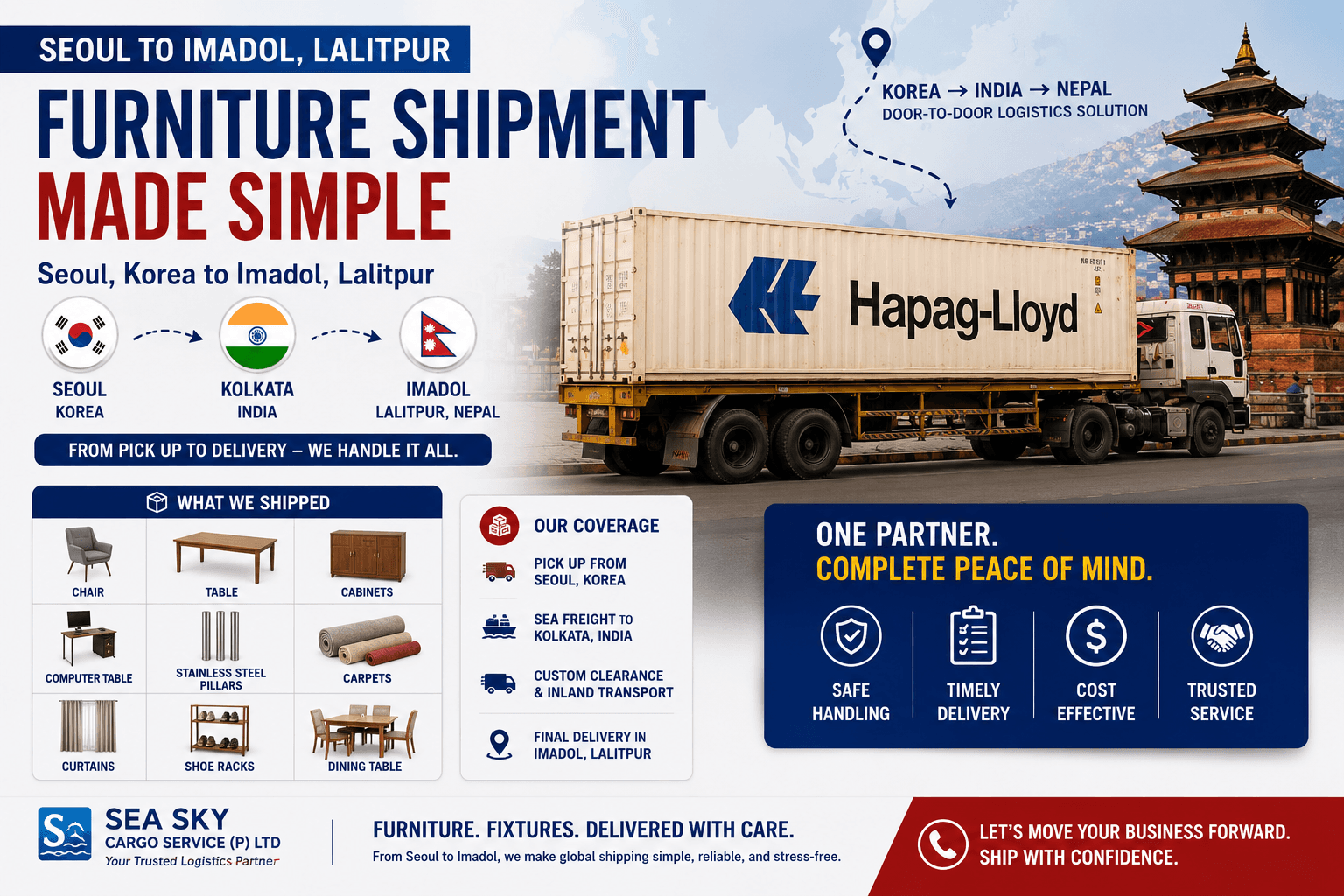
This project is a strong example of end-to-end international furniture logistics from Seoul, Korea to Imadol, Lalitpur. The shipment included chairs, tables, cabinets, computer tables, stainless steel support pillars, carpets, curtains, shoe racks, dining tables, and other household and office furniture items, moved through a Seoul-to-Kolkata route and then inland to Lalitpur, with Sea Sky responsible for pickup, port handling, customs clearance, origin and destination charges, and final delivery.
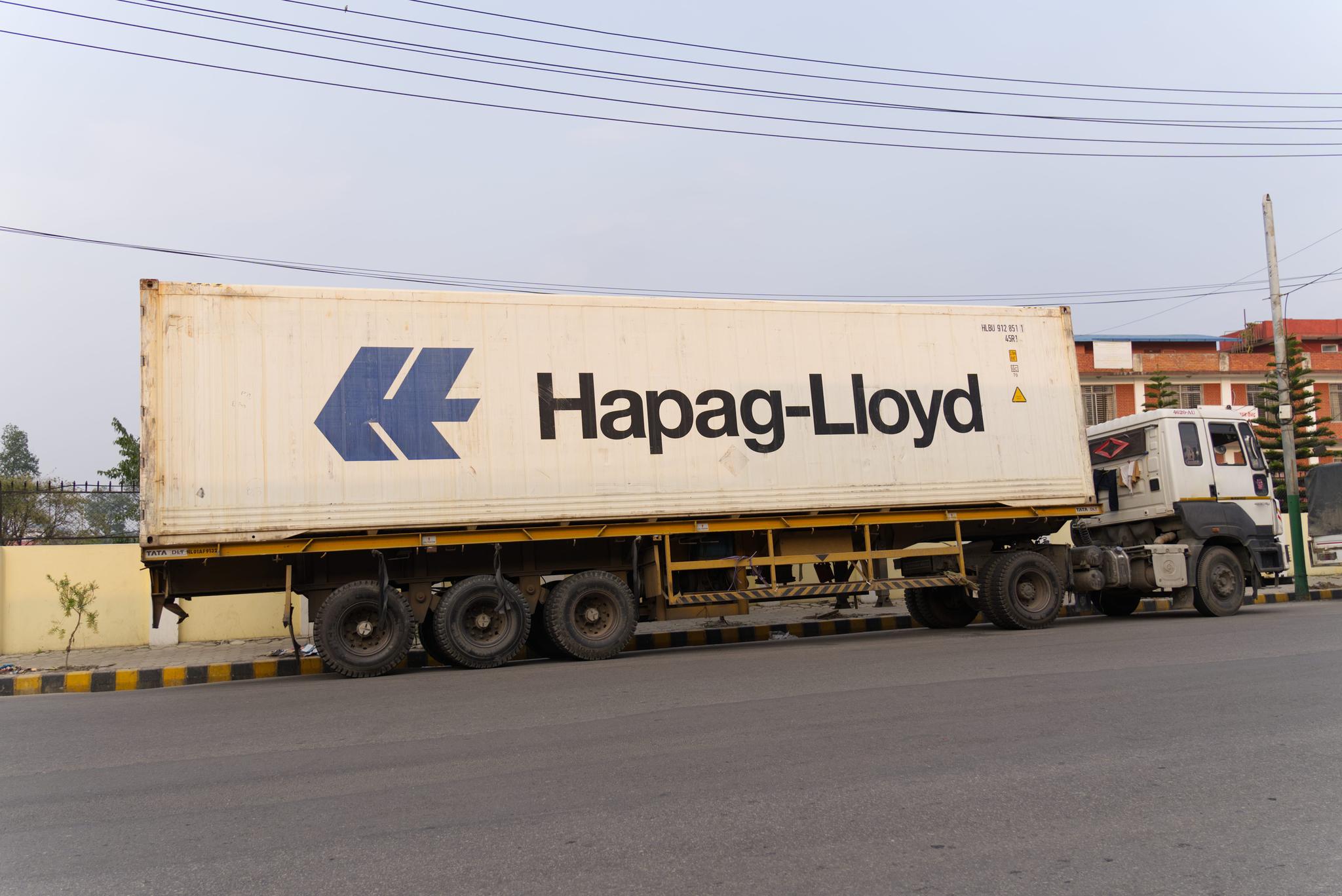
The project also highlights a practical reality of Nepal logistics in 2026: western routes can face delays, so planning extra transit time is often necessary, while eastern routes may move more smoothly depending on the situation. For this shipment, delivery timing and unloading coordination mattered because the destination in Imadol had a Saturday unloading constraint, so the cargo was staged accordingly and the driver team stayed overnight in a nearby area to avoid delivery failure.
Project Overview
The shipment was a classic multimodal furniture move. Cargo was picked up in Seoul, transported to Kolkata, India, then moved inland to Lalitpur, Nepal, with Sea Sky coordinating the full process from origin to final delivery. This type of shipment requires careful timing because furniture is bulky, mixed in nature, and often needs both customs and destination-side handling support.
What makes this project notable is that it was not just a line-haul move. It was a full-service logistics job covering collection, export coordination, transshipment, port work, customs, and destination delivery to a residential area in Imadol.
Cargo Details
The load included mixed furniture and furnishing items such as:
- Chairs.
- Tables.
- Cabinets.
- Computer tables.
- Stainless steel support pillars.
- Carpets.
- Curtains.
- Shoe racks.
- Dining tables
Mixed furniture shipments like this need careful packing and piece counting because the consignment has multiple item types, different dimensions, and varying fragility levels. A shipment like this also benefits from clear labeling and organized document flow so the cargo can move smoothly through port and customs steps.
Route and Movement
The route used in this case was Seoul, Korea to Kolkata, India, and then Kolkata to Lalitpur, Nepal. That is a common and practical corridor for Nepal-bound cargo because Nepal is landlocked and often relies on Indian ports for international sea movement before inland delivery.
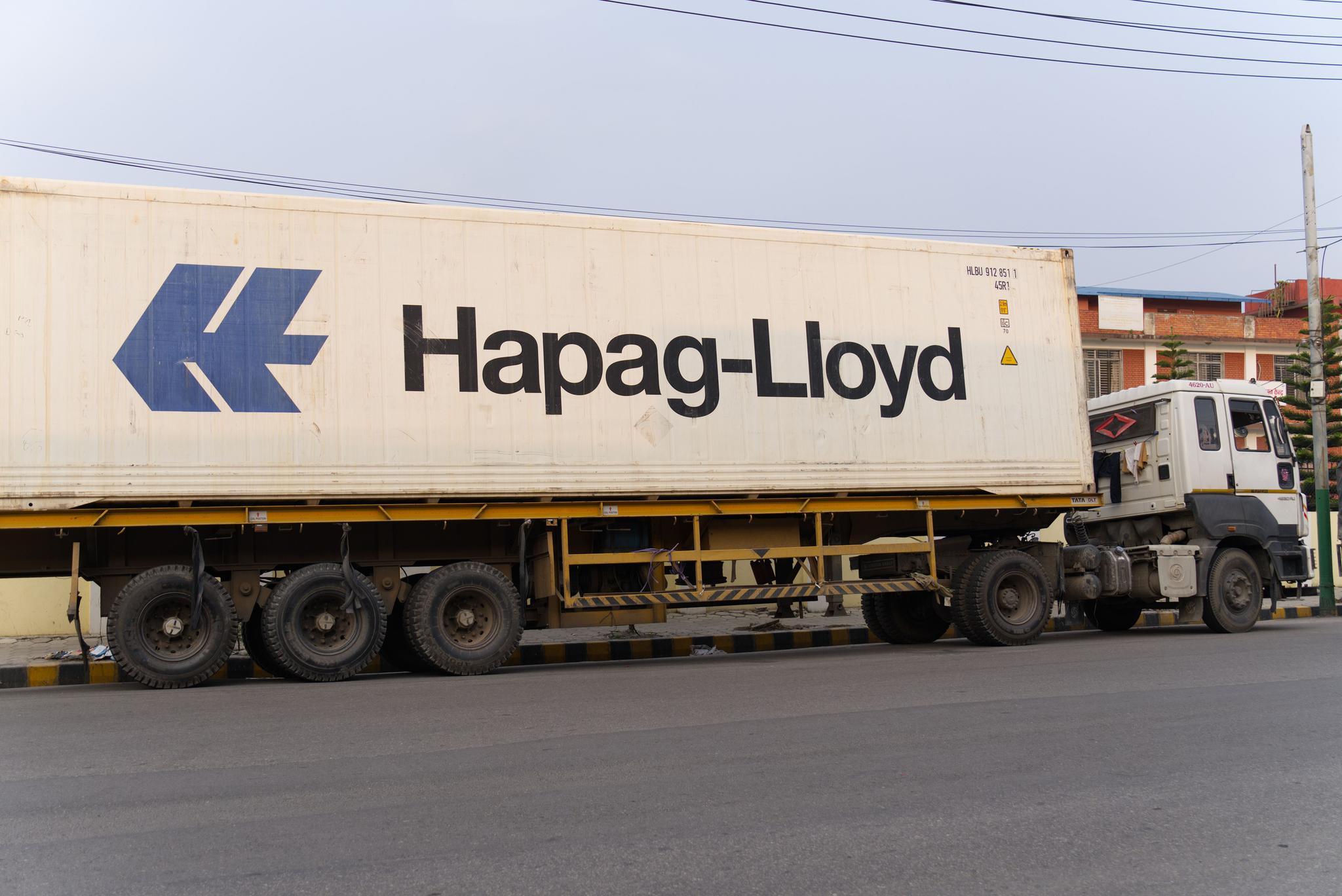
Once the shipment reached the regional hub, Sea Sky handled the onward movement to Lalitpur, including port handling, inland transport, and customs coordination. This kind of routing is especially useful when the destination is not a major warehouse but a residential or project site that needs precise delivery timing.
Customs and Charges
A major value of this project was that Sea Sky managed customs clearance and both origin and destination charges. That is important because furniture shipments can involve multiple cost layers: export processing, port handling, inland trucking, customs review, and final delivery charges.
For importers, this matters because a quote that only covers freight is not enough. A true door-to-door project must include the full chain of charges so the customer knows the final landed cost before the shipment arrives
Why This Project Matters
This shipment shows the difference between simple freight and real project logistics. Furniture may seem ordinary, but when it arrives in mixed lots across an international corridor, it requires route planning, customs management, port handling, and destination timing to all work together.
It also shows how Sea Sky adds value by taking responsibility from pickup in the origin country to delivery at the final site in Nepal. For clients, that means fewer handoffs, fewer surprises, and better control of the full shipment journey
Best Practice Takeaways
For shipments like this, businesses should:
- Confirm whether the route has known delays.
- Check destination unloading availability in advance.
- Ask for full door-to-door pricing.
- Keep all cargo items clearly listed.
- Coordinate port, customs, and final delivery together.
These steps reduce the chance of storage charges, missed unloading windows, or last-minute delivery problems. In this case, planning around the Saturday unloading issue prevented a failed handover and kept the project moving.

Related posts
1970-01-01
Sea + Air Freight: How SeaSky Helps Businesses Ship Smarter
2026-10-06
Freight Forwarding Documents in Nepal: Complete Import and Export Checklist
2026-10-05
Landed Cost in Nepal: A Step-by-Step Import Cost Worksheet
2026-10-04