Introduction
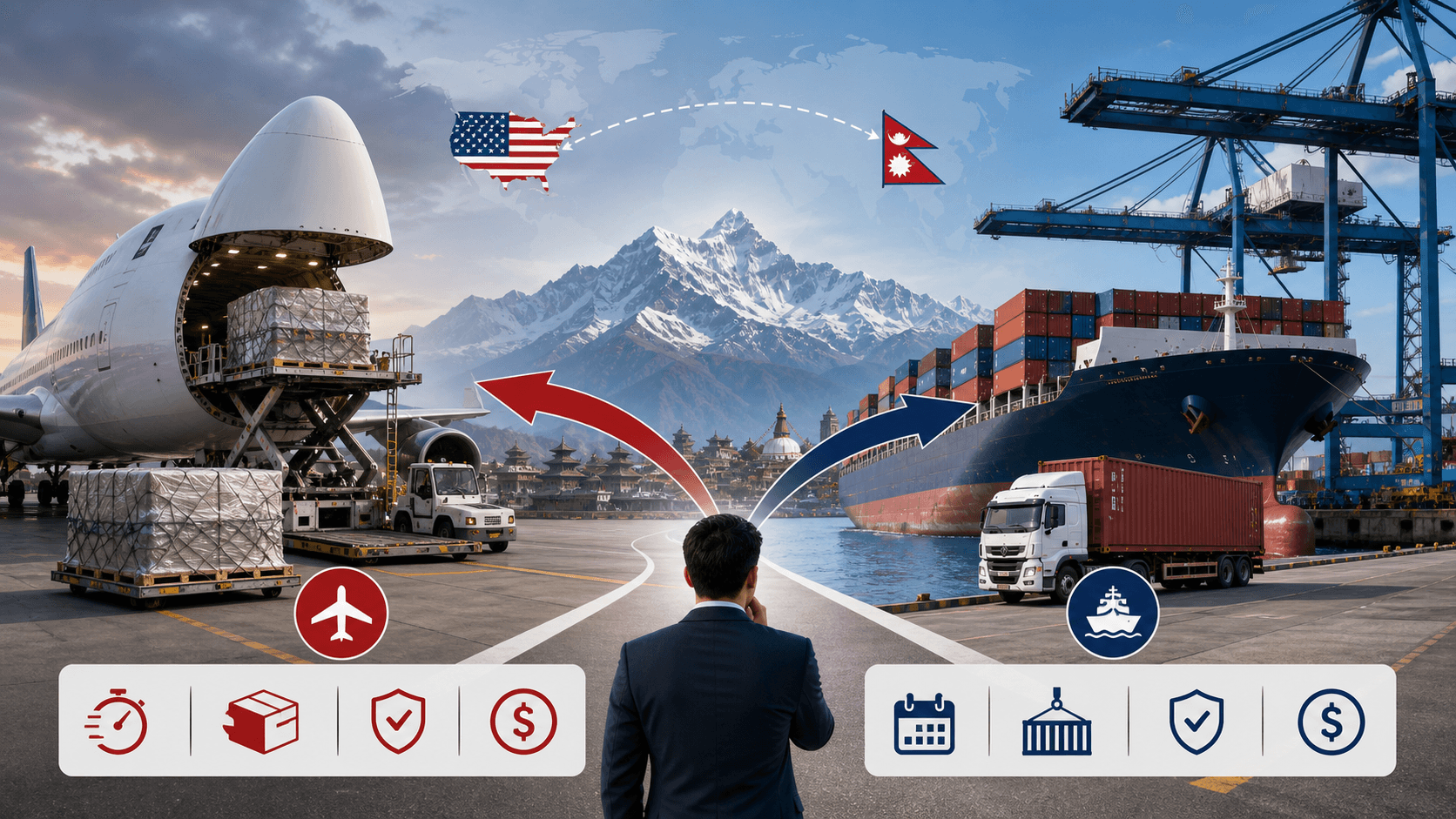
USA to Nepal logistics is one of the most operationally demanding international shipping challenges a U.S. business or individual will face. Nepal has no seaport, sits landlocked between India and China, and operates a customs regime that catches first-time importers off guard every year. Mastering this corridor means understanding the full chain: from your U.S. warehouse to a street address in Kathmandu or Pokhara, with every transit leg, border crossing, and customs event in between. Nepal's complexity isn't subjective, it requires more transshipment points, more customs events, and more documentation coordination than virtually any other destination U.S. shippers regularly encounter.
At Sea Sky Cargo Service Pvt. Ltd., we've been running this corridor since 1988. With over 6,900 shipments completed across South Asia (per company records), we've seen every version of this route: small parcels stuck at Tribhuvan International Airport (TIA) over documentation errors, project cargo moved successfully through the Raxaul-Birgunj border, and humanitarian aid delivered under deadline pressure for government agencies and NGOs. This guide covers everything you need: routing options, current costs, transit timelines, required paperwork, and a practical checklist to book your shipment correctly the first time.
Why the U.S.-to-Nepal route works differently than most international shipments
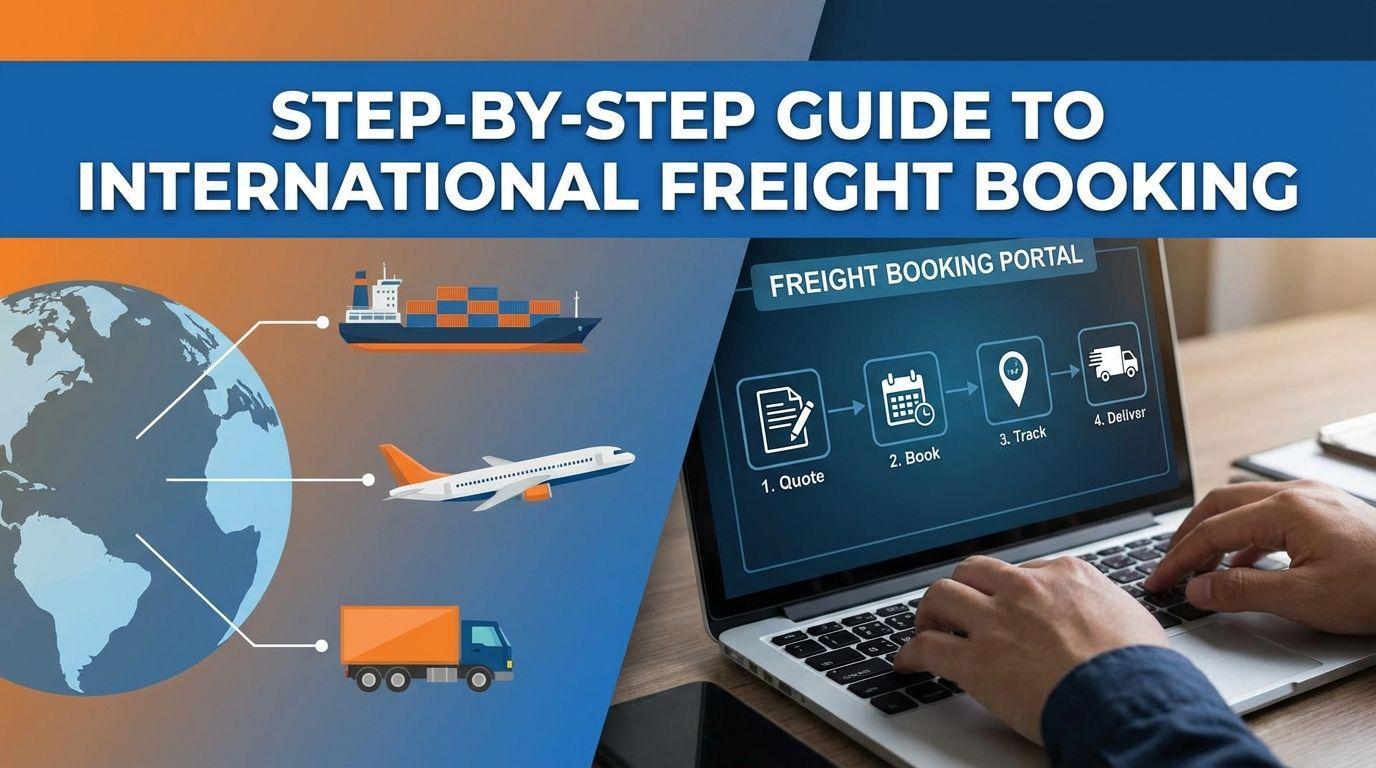
Most international shipping decisions come down to price and speed. USA to Nepal logistics adds a third variable: geography. Nepal is landlocked, which means every kilogram of freight leaving a U.S. port or airport must either fly directly into TIA in Kathmandu or enter Nepal overland after transshipping through India. That single constraint shapes every decision you make about mode, carrier, and timeline.
Nepal's landlocked position and why it changes your shipping math
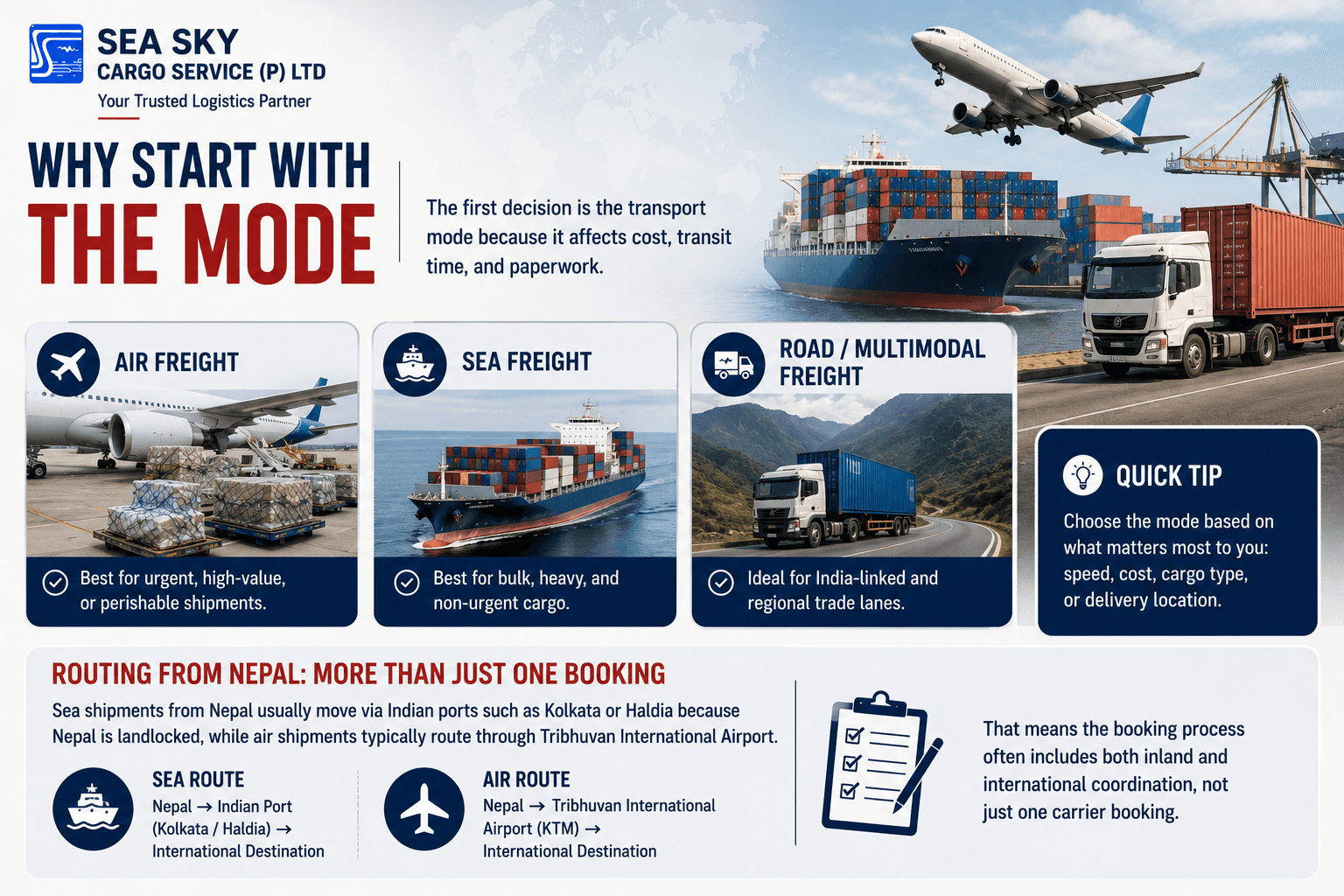
Unlike shipping to Japan, Germany, or even Bangladesh, there is no direct port-to-door option for Nepal. All ocean freight must arrive at an Indian port, primarily Kolkata or Chennai, clear Indian customs as transit cargo, and then move inland by rail or truck to the Nepal border. This adds time, cost, and an additional customs event to the chain. What looks like a competitive sea freight rate on paper often climbs significantly once Indian port handling, inland transport, and Nepal border clearance are factored in.
The main transit corridors into Nepal
Two corridors carry virtually all U.S.-origin freight into Nepal. The air corridor routes through connecting hubs in Dubai, Doha, or Delhi before landing at TIA. The multimodal sea-plus-land corridor moves ocean freight into Kolkata or Chennai, then overland via rail or road to the Nepal border. The dominant land crossing for Kathmandu-bound cargo is the Raxaul-Birgunj corridor, and the 1999 India-Nepal Treaty of Transit is what legally permits U.S.-origin goods to cross Indian territory duty-free en route to Nepal. Biratnagar serves as a secondary crossing for cargo destined for eastern Nepal.
What this means for small parcels vs. large commercial freight
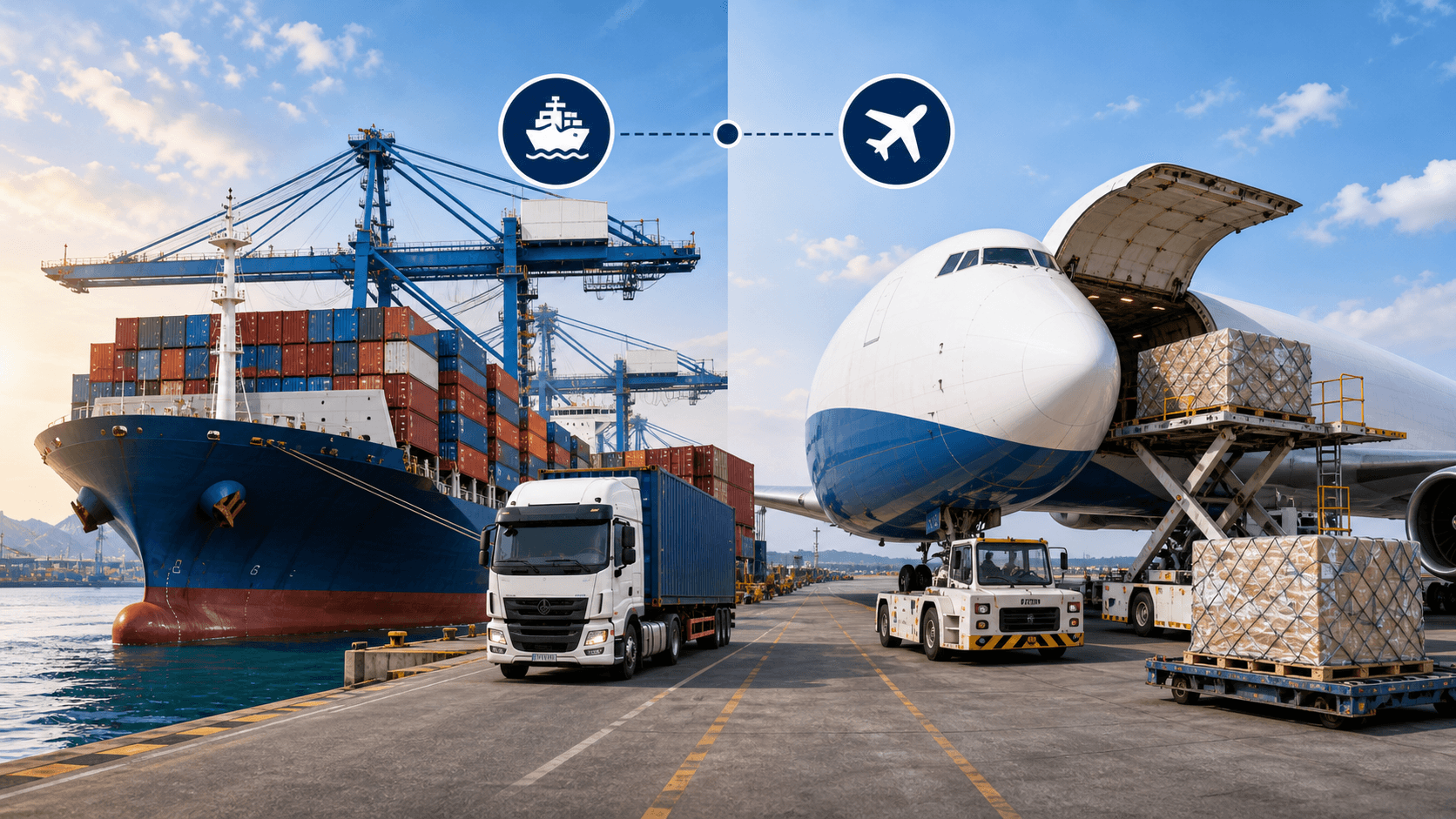
The practical dividing line for air vs. sea falls in the range of 150 lbs for most express services, though the threshold shifts depending on whether you're comparing express courier rates against consolidated air or full sea freight. Below roughly 150 lbs, air freight is almost always the right call. The cost savings from sea freight only materialize at volume: full container loads, large commercial orders, project equipment, and bulk materials. If you're shipping a sample, spare parts, a personal package, or a small commercial order, you're in the air freight category and can skip the multimodal planning entirely.
Air vs. sea: choosing the right mode for USA to Nepal logistics
The choice between air and sea for this corridor is driven by cargo weight, urgency, and budget, not preference. Most individual shippers and small businesses will default to air without much deliberation. Larger commercial shippers, construction firms, and NGOs moving bulk goods have a genuine multimodal trade-off to evaluate.
When air freight is the practical choice
Air is the standard for anything time-sensitive, under 500 lbs, or fragile enough to suffer in a long multimodal transit chain. Express couriers like FedEx and DHL fly cargo into TIA through Dubai, Delhi, or other connecting hubs. The advantages are clear: speed, door-to-door tracking, simplified documentation, and fewer customs touchpoints. FedEx operates a station in Kathmandu's Bagmati area, which enables faster local delivery once freight clears TIA.
When sea freight makes financial sense
Sea freight only becomes cost-effective at volume. For shipments over 500 lbs or full container loads, the per-kilogram cost of ocean shipping is dramatically lower than air. Factor in the full cost honestly: ocean freight to Kolkata, Indian port handling, inland road or rail charges to the border, and Nepal customs at Birgunj. The per-kg savings are real, but the standard door-to-door timeline from a U.S. East Coast port to Kathmandu runs approximately 35, 45 days once Indian transit, ICD handling, and Nepal customs clearance are included, and border delays or documentation issues can push that further. Coordination complexity increases substantially.
The sea-plus-land multimodal path, explained
The routing runs like this: U.S. origin port to Kolkata by ocean, then inland by rail or road to Raxaul at the Birgunj crossing, then Nepal customs clearance at the Inland Container Depot (ICD) in Birgunj, and finally final delivery to destination. The inland leg from Kolkata to Birgunj takes approximately four days by road under normal conditions, though border checkpoint delays can extend that. This routing requires a freight forwarder with both U.S. presence and a reliable Nepal-based partner agent who can manage the in-country leg and customs clearance simultaneously.
USA to Nepal logistics: shipping rates and transit times in 2026
Rates for this corridor vary widely by weight, service level, and carrier. The figures below give you a working range for budgeting. For exact quotes, use carrier rate calculators with your specific dimensions and origin ZIP code, or contact a forwarder directly.
Express air courier rates: FedEx, DHL, and UPS
For a 5 lb parcel, UPS Worldwide Saver runs approximately $68, 83 and FedEx International Priority comes in around $82, 90. Heavier shipments scale significantly: a 20 lb shipment typically lands in the $250, 300 range with major express couriers (estimate based on carrier rate schedules, use online calculators for current quotes), and a 50 lb shipment will exceed $600 with most carriers. Both FedEx and DHL announced a 5.9% general rate increase in early 2026 per carrier rate announcements, so quotes from prior years are no longer accurate. Express transit time is 2, 4 business days door-to-door, with TIA customs clearance typically adding 1, 3 days. One critical note: packages left at TIA beyond three days incur storage fees, so timely customs clearance isn't optional.
Economy and freight forwarder air rates
Economy air via consolidation services and freight forwarders brings per-kg costs down but stretches transit to 5, 8 business days. This is the practical range for non-urgent commercial shipments between 150, 500 lbs. Rates vary significantly based on the forwarder, routing hub, and consolidation timing, so getting two or three quotes is worth the effort. You give up speed but recover meaningful savings on heavier commercial volumes.
Sea freight cost and timeline benchmarks
For large-volume commercial cargo via Kolkata, LCL (less-than-container-load) ocean freight is significantly cheaper per kilogram than air. The full door-to-door timeline runs approximately 35, 45 days from a U.S. East Coast port to Kathmandu once Indian transit, ICD handling, and Nepal customs clearance are included. Documentation issues or border delays can extend this further. Sea freight typically becomes cost-advantageous for shipments above several hundred pounds, and FCL makes sense at higher volumes still. The coordination requirements make a knowledgeable freight partner essential rather than optional on this route.
Carriers and freight forwarders covering the U.S.-Nepal logistics corridor
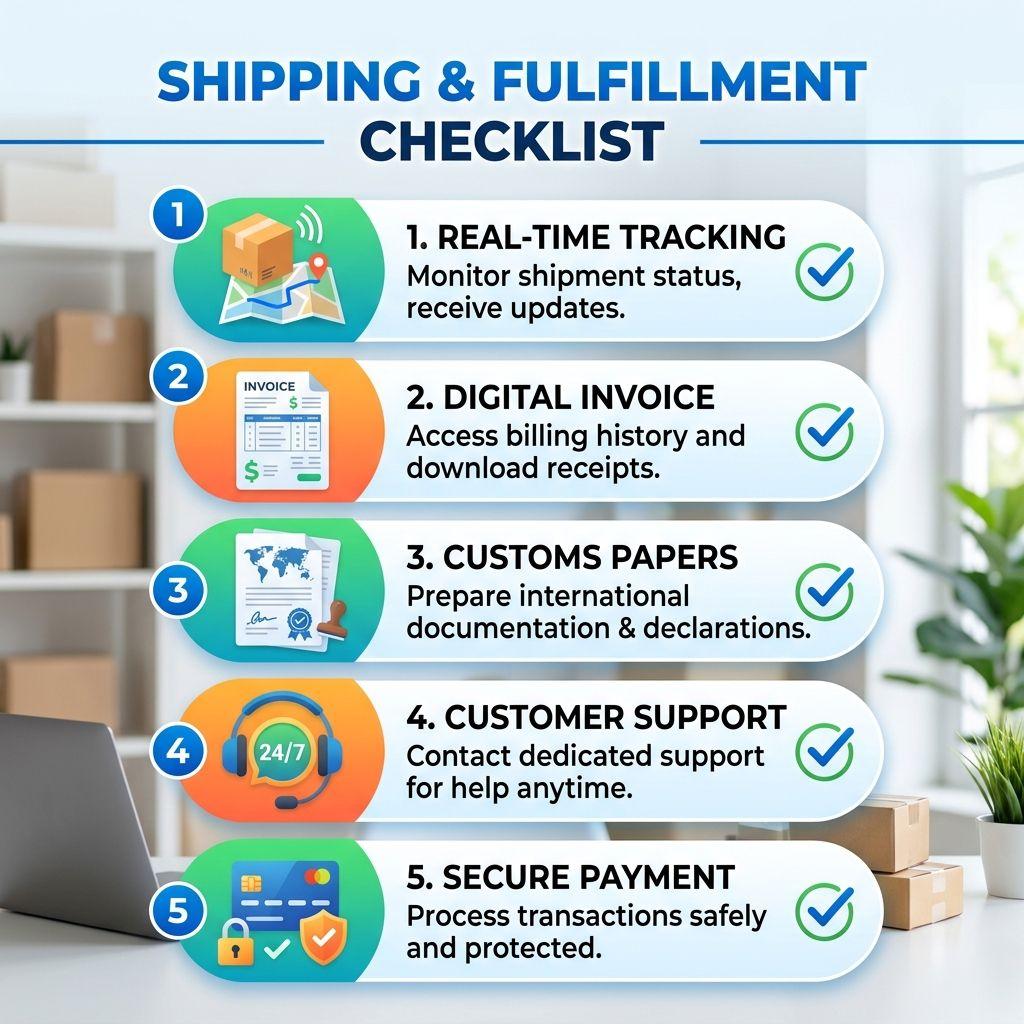
The right carrier depends entirely on what you're shipping. Express couriers handle parcels well. Specialized freight forwarders handle everything else better. Knowing which category your shipment falls into before you book saves you time, money, and customs headaches.
Global express couriers: FedEx, DHL, and UPS
These carriers are the right choice for parcels, samples, spare parts, and small commercial orders. DHL Express offers fast delivery to Nepal, transit times depend on origin city and selected service level, so confirm availability through DHL's rate tool, with built-in customs clearance support and end-to-end tracking. UPS Worldwide Saver and Expedited services cover Nepal with 3, 9 day windows. FedEx International Priority runs 1, 3 days with a Kathmandu station that accelerates local delivery. All three handle their own customs clearance documentation and provide real-time tracking from pickup through final delivery. For straightforward shipments under 150 lbs, these carriers are efficient and reliable. Smaller shippers may also use package forwarding services such as MyUS's Nepal shipping service to consolidate and forward parcels into Nepal.
When a specialized Nepal freight forwarder changes the outcome
Express couriers are not built for project cargo, out-of-gauge equipment, hazardous materials, or large-volume commercial moves. For those shipments, a freight forwarder with deep Nepal customs relationships and multimodal network access isn't a nice-to-have. It's the difference between a shipment that clears in two days and one that sits at TIA for three weeks accumulating storage fees. The complexity of the India transit corridor, combined with Nepal's documentation requirements, makes local expertise a direct cost factor. For more on why local logistics partners matter, read our piece on exporting goods from Nepal.
Sea Sky Cargo Service Pvt. Ltd.: managing the full corridor
Established in 1988 and headquartered in Lalitpur, Nepal, Sea Sky Cargo Service Pvt. Ltd. reports managing over 6,900 shipments across this corridor. The company's core advantage lies in on-the-ground continuity: direct working relationships with Nepal customs authorities, demonstrated experience with project cargo and heavy-lift equipment into landlocked terrain, and full multimodal capability covering air, sea, rail, and road. For U.S.-based freight forwarders, NGOs, government contractors, and corporations, Sea Sky brings the in-country coordination that global carriers operating from distant regional hubs are not structured to provide. For a deeper look at how we handle cross-border flows, see our International Shipping from Nepal guide.
Sea Sky also provides Importer of Record (IOR) services for U.S. companies that don't have a legal entity in Nepal, particularly valuable for firms shipping equipment or goods without establishing a local subsidiary. Sea Sky acts as the legal importer, handles customs clearance, manages duty payments, and ensures compliance with Nepal's Department of Customs requirements, all on behalf of the U.S. shipper. Contact Sea Sky directly to confirm current IOR service scope and applicable terms.
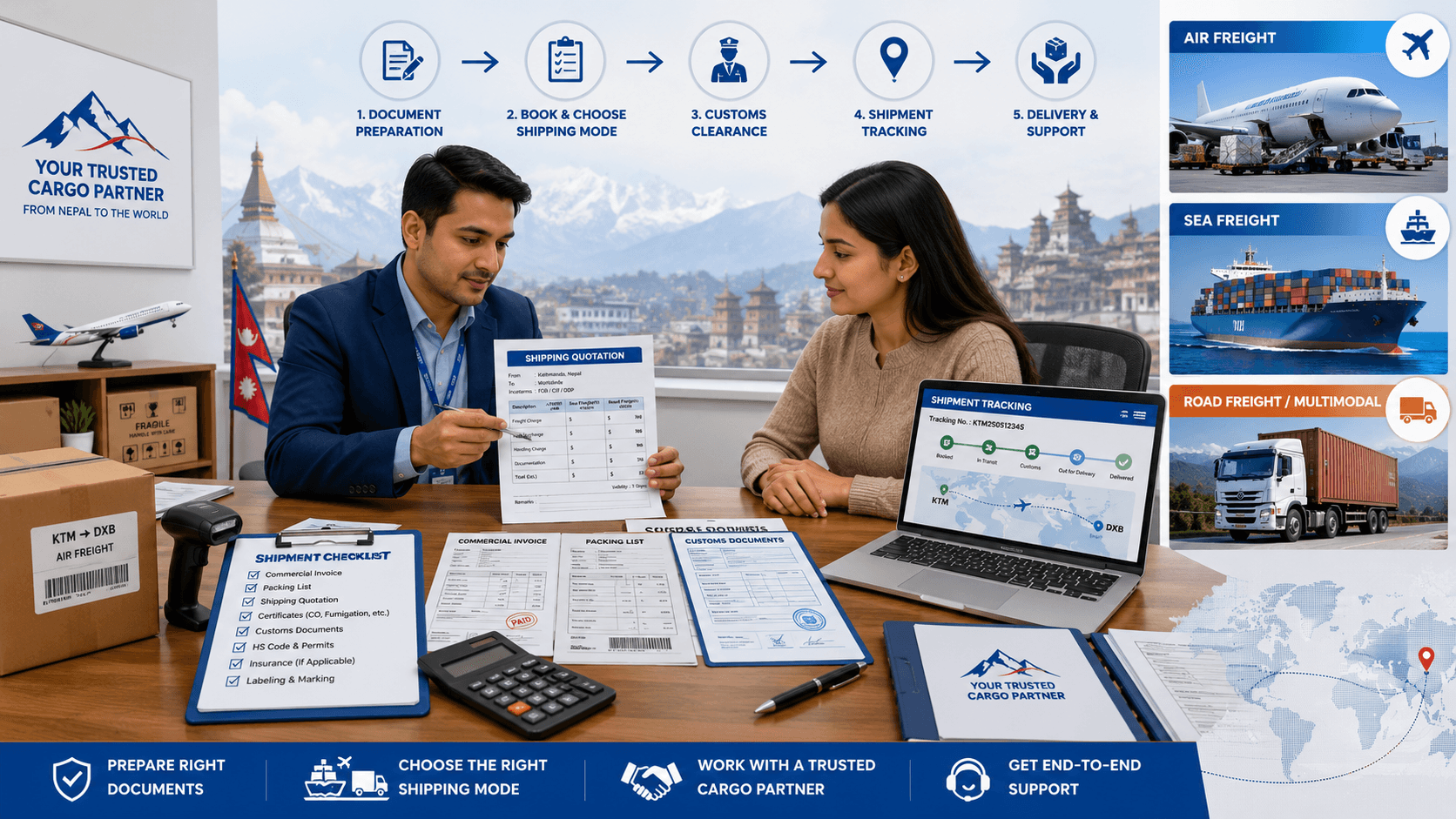
Nepal customs: duties, taxes, and the documents your shipment needs
Customs is where most U.S.-to-Nepal shipments run into trouble. The rules aren't especially complex, but the documentation requirements are precise, and errors or omissions create delays that compound quickly once a shipment lands at TIA.
How Nepal calculates import duties and VAT
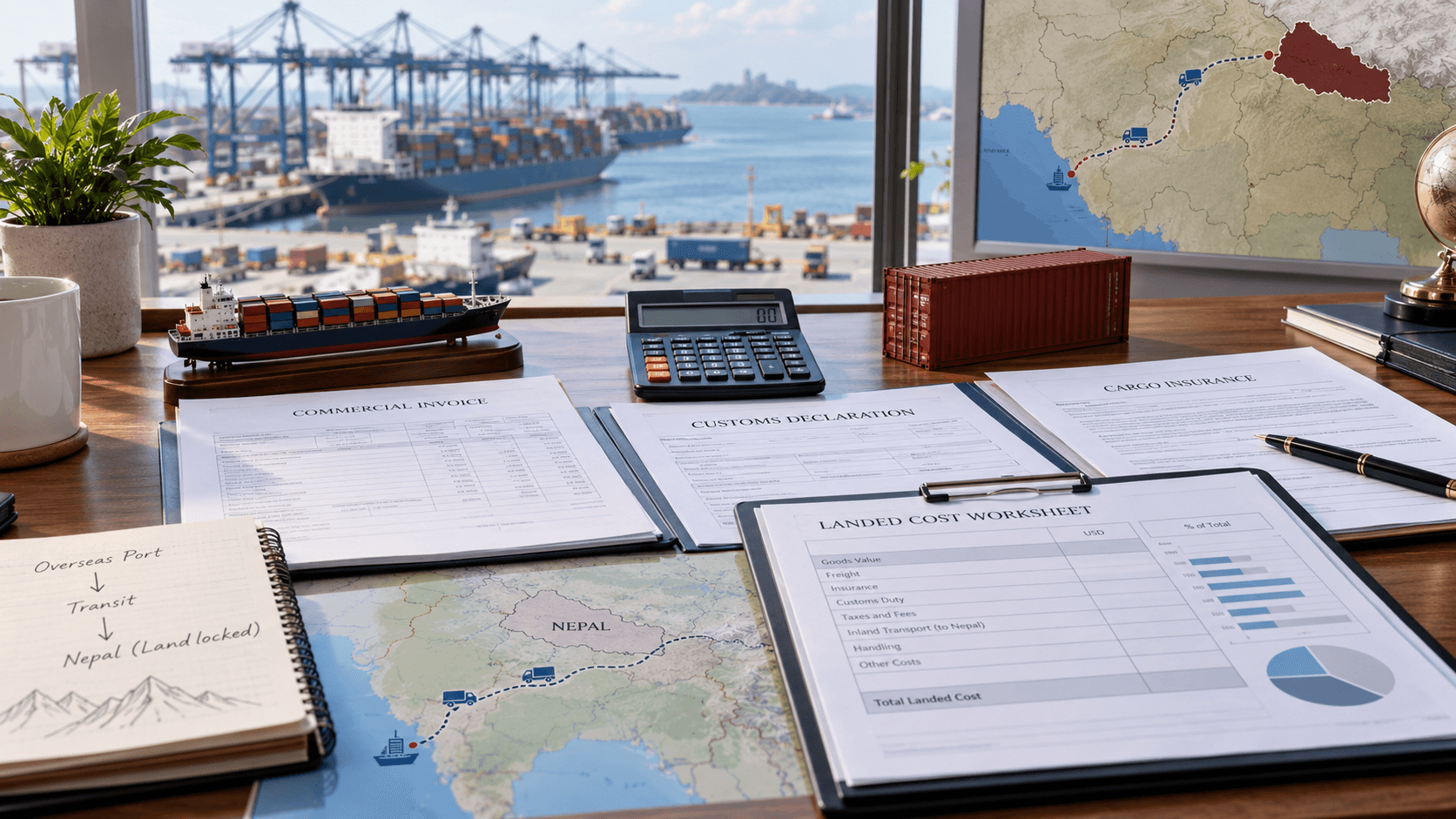
Nepal uses the Harmonized Tariff System (HTS) and applies non-SAARC rates to U.S.-origin goods, since the United States is not a SAARC member. Duty rates range from 0% on machinery and basic agricultural equipment to 80% on certain goods, assessed on the CIF (Cost, Insurance, Freight) value of the shipment. A 13% VAT is then applied on top of the dutiable value, which is CIF plus duty. As a practical example: if your goods have a CIF value of $1,000 and the applicable duty rate is 15%, your duty is $150. VAT is then 13% of $1,150, adding another $149.50. Total tax and duty: approximately $299.50 on a $1,000 CIF shipment.
Required documents for commercial vs. personal shipments
Commercial shipments require: a commercial invoice (including HS code, product description, CIF value, and country of origin), packing list, airway bill or bill of lading, and certificate of origin. Restricted items such as pharmaceuticals, chemicals, and agricultural products require a pre-import license from Nepal's Department of Customs before the shipment leaves the U.S. Personal parcels require: a passport copy, Customs Declaration Form, itemized inventory list in English, and the airway bill. Non-diplomatic expats importing household goods need an import permit from the Department of Commerce, with approximately two weeks of processing time. All products must be clearly labeled with their country of origin. For the official, detailed list of requirements, consult the U.S. Department of Commerce country commercial guide on Nepal import requirements and documentation.
Common customs mistakes that cause delays at TIA
The most frequent errors are: leaving cargo at TIA beyond three days (storage fees begin immediately after), mislabeled HS codes that don't match the product description on the invoice, incomplete commercial invoices missing CIF values or country of origin, and missing health or phytosanitary certificates for food or agricultural goods. A Nepal-based customs broker or freight partner can pre-clear documentation before the shipment lands, catching these errors while there's still time to correct them without delay fees. This is one of the most practical reasons to involve a local expert early in the booking process.
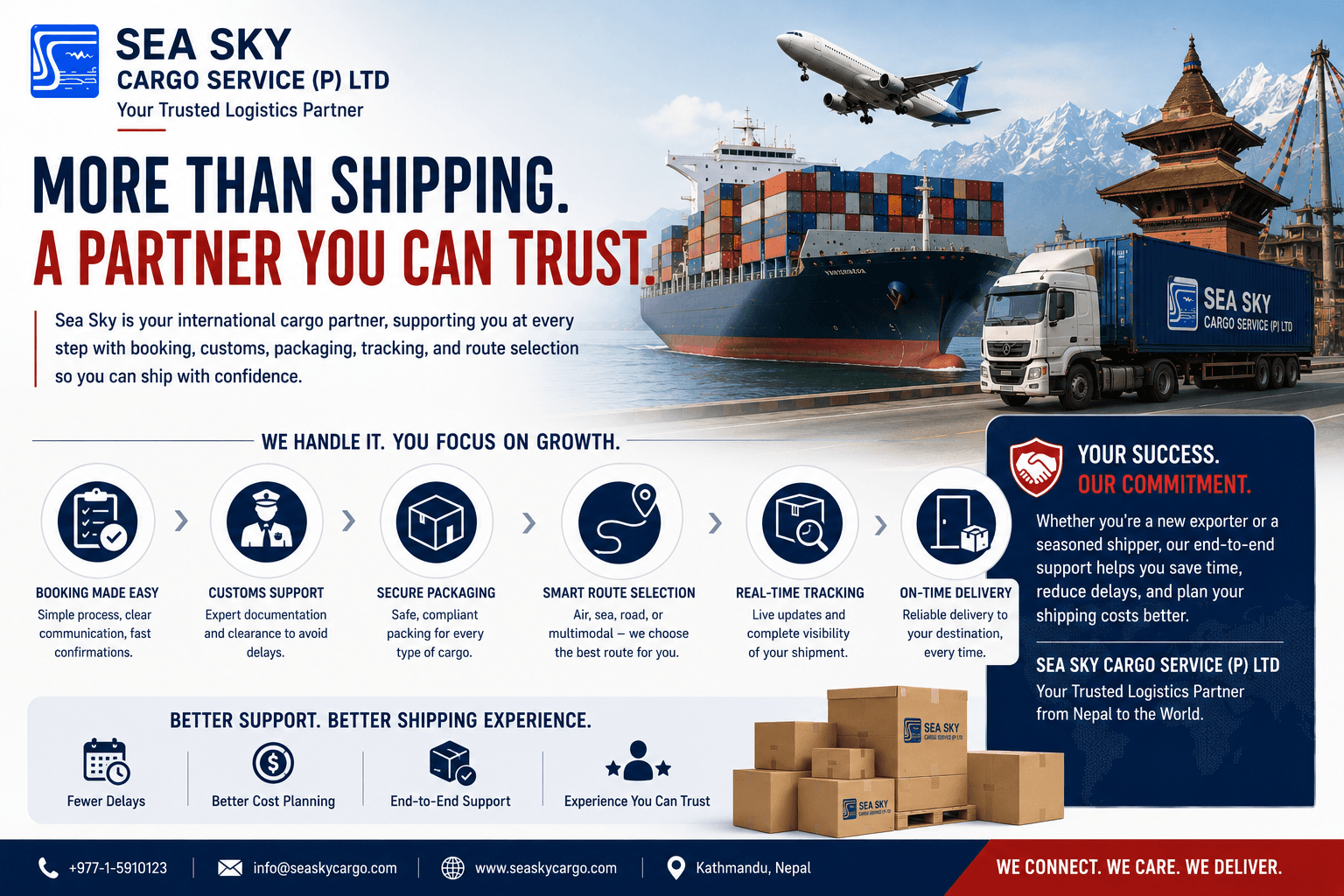
A pre-shipment checklist for booking your U.S.-to-Nepal cargo
If you've read this far, you have the context to complete your shipment correctly. This checklist gives you the sequence to follow before and after booking.
Before you contact a carrier or forwarder
• Classify your goods with the correct HS code and verify Nepal's applicable duty rate
• Calculate your CIF value to estimate your duty and VAT liability before shipping
• Confirm whether your item is restricted or prohibited under Nepal customs regulations
• Gather your commercial invoice and packing list with all required fields completed
• Choose your Incoterms (EXW, FOB, CIF, or DDP) and confirm who is responsible for customs clearance
• If shipping restricted goods, apply for pre-import licenses before booking
Booking, packing, and managing the last mile to delivery
Get quotes from at least two carriers or forwarders and confirm explicitly that customs clearance in Nepal is included in the service scope. Label all packages with the country of origin and the correct consignee name and address in Nepal. Collect your tracking number at booking and follow up on customs status at TIA promptly if clearance hasn't progressed within 48, 72 hours of arrival. For sea freight, confirm your freight forwarder has an established relationship with an ICD Birgunj agent and knows the current transit documentation requirements under the India-Nepal Treaty of Transit (1999).
For anything beyond a standard parcel, partnering with an experienced Nepal freight specialist saves more in avoided delays than the cost of the expertise itself. A single customs hold at TIA generates storage fees, administrative costs, and deadline pressure, costs that proper documentation guidance would have prevented.
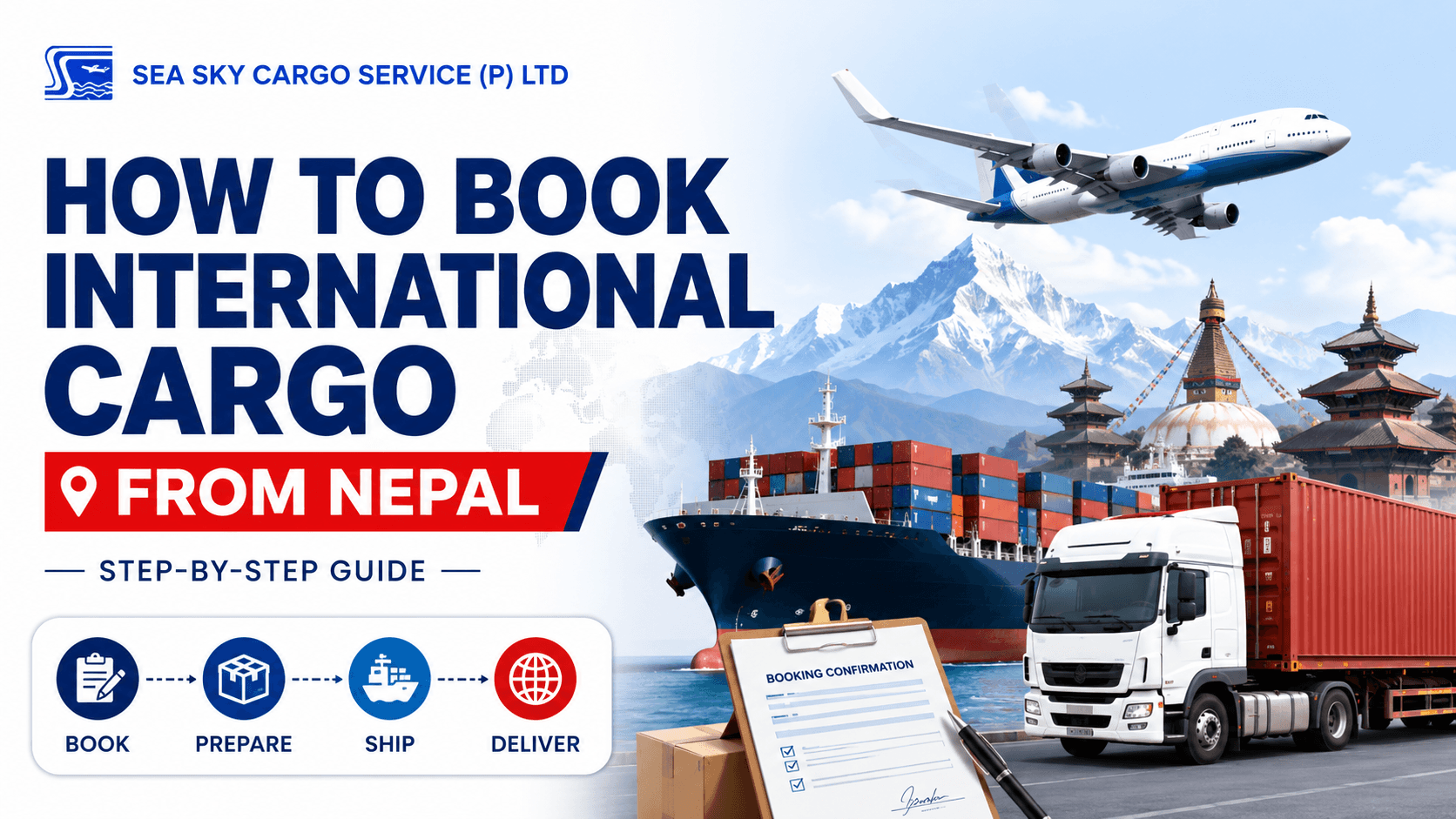
Three decisions that determine your USA to Nepal logistics outcome
Every U.S. shipper on this route faces three core decisions: mode (air vs. multimodal sea-plus-land), carrier (express courier vs. freight forwarder), and customs readiness (documents, duties, and timing). Get all three right, and this route is predictable and manageable. Underestimate any one of them, and Nepal's landlocked geography will make the consequences clear.
For straightforward parcels under 150 lbs, FedEx, DHL, or UPS handle the logistics reliably. For commercial cargo, project freight, dangerous goods, humanitarian aid, or any shipment that requires Nepal customs expertise and on-the-ground coordination, working with a seasoned partner like Sea Sky Cargo Service Pvt. Ltd. is the practical choice. Thirty-eight years on this specific corridor, direct customs relationships, IOR services, and multimodal capability across air, sea, rail, and road, that's what managing U.S. to Nepal logistics at a serious level actually requires. U.S.-based teams can also review our Freight to USA guide for complementary routing and documentation tips when moving goods both directions on this corridor.
Ready to move your shipment? Contact Sea Sky Cargo to get a freight quote, ask about Importer of Record services for Nepal, or discuss the right routing for your cargo. The team in Lalitpur has handled every scenario this corridor produces and can tell you exactly what your shipment needs before it leaves the U.S.
Related posts
1970-01-01
Sea + Air Freight: How SeaSky Helps Businesses Ship Smarter
2026-10-05
Landed Cost in Nepal: A Step-by-Step Import Cost Worksheet
2026-10-04
Demurrage vs Detention for Nepal Imports: Free Time, Indian Port Charges and How to Avoid Them
2026-10-01