How freight from Nepal to Los Angeles actually moves
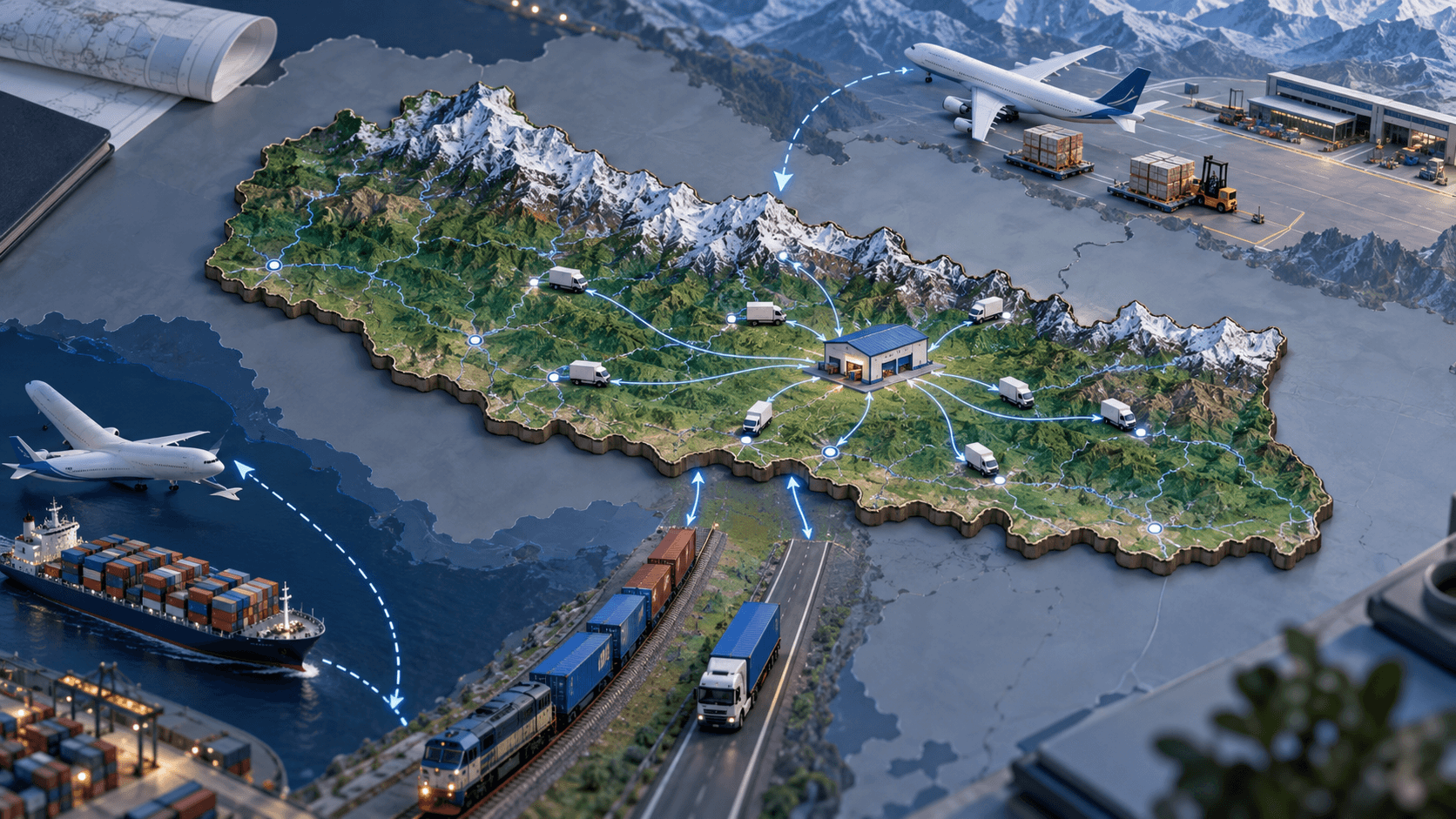
Shipping from Nepal to Los Angeles is a connected international movement, not a single direct leg. The route begins with cargo preparation and export clearance in Nepal, then uses either air freight from Kathmandu or an inland transit movement to an Indian seaport before the international ocean leg. Air cargo normally departs through Tribhuvan International Airport and reaches Los Angeles International Airport through one or more international hubs. Ocean cargo first moves from Nepal by truck or rail-linked transit toward an Indian gateway such as Kolkata, Haldia or Visakhapatnam. The booked carrier route may then include one or more transshipment ports before the container reaches Southern California. The ocean booking may discharge at the Port of Los Angeles or the Port of Long Beach. These are separate ports within the San Pedro Bay cargo complex, so the bill of lading, terminal, customs entry and drayage plan must follow the port named in the confirmed booking. A page that simply promises 'Los Angeles delivery' without identifying these handoffs leaves the most expensive questions unanswered. Sea Sky's role is to coordinate the agreed freight movement and Nepal-side work. When US destination services are included, they are performed with appropriately qualified destination agents, licensed customs brokers, truckers and warehouses identified through the shipment scope. The importer remains responsible for its legal import obligations.
| Stage | Air-freight movement | Ocean-freight movement |
|---|---|---|
| Nepal origin | Pickup, packing, export documents and Kathmandu airport handover | Pickup, packing, export clearance and transit toward an Indian gateway |
| International transport | One or more airline connections to LAX | Container vessel service, often with transshipment, to Los Angeles or Long Beach |
| US arrival | Airline terminal release, CBP and any partner-agency review | Terminal availability, CBP and any partner-agency review, then container pickup |
| Final delivery | Airport cartage to a California warehouse, business or onward carrier | Drayage, possible devanning or transload, then local or interstate delivery |
Air freight or sea freight from Nepal to the USA?
The best mode depends on the cargo rather than the destination name alone. Air freight is usually the first comparison for urgent, compact or high-value goods. Ocean freight is normally more economical for larger commercial volumes that can tolerate a longer, more complex route. A fair comparison uses the complete delivered movement. Ocean freight may have a lower international rate but also includes Nepal-to-port transit, consolidation or container handling, destination terminal charges, drayage and possible warehouse work. Air freight costs more per chargeable kilogram but can reduce inventory time and simplify the physical route. For an air quote, provide the packed dimensions of every carton because a light but bulky shipment may be billed at volumetric weight. For an ocean quote, provide the total cubic volume, gross weight, package type and whether the cargo can be stacked. Sea Sky's air freight service and ocean freight service can be compared around the same cargo profile.
| Decision factor | Air freight to LAX | Ocean freight to Southern California |
|---|---|---|
| Often best for | Samples, urgent orders, high-value goods, small consignments and time-sensitive inventory | Larger, heavier, regular or cost-sensitive commercial shipments |
| Pricing basis | Chargeable weight based on actual or volumetric weight | LCL volume or FCL container and the connected inland/port charges |
| Typical planning horizon | Measured in days after cargo acceptance, subject to connections and clearance | Measured in several weeks, including Indian transit and possible transshipment |
| Main planning risk | Incorrect dimensions, tight connections, restricted cargo or airport storage | Incomplete ISF data, port cut-offs, transshipment, demurrage and drayage timing |
| Shipment document | Air waybill | Bill of lading |
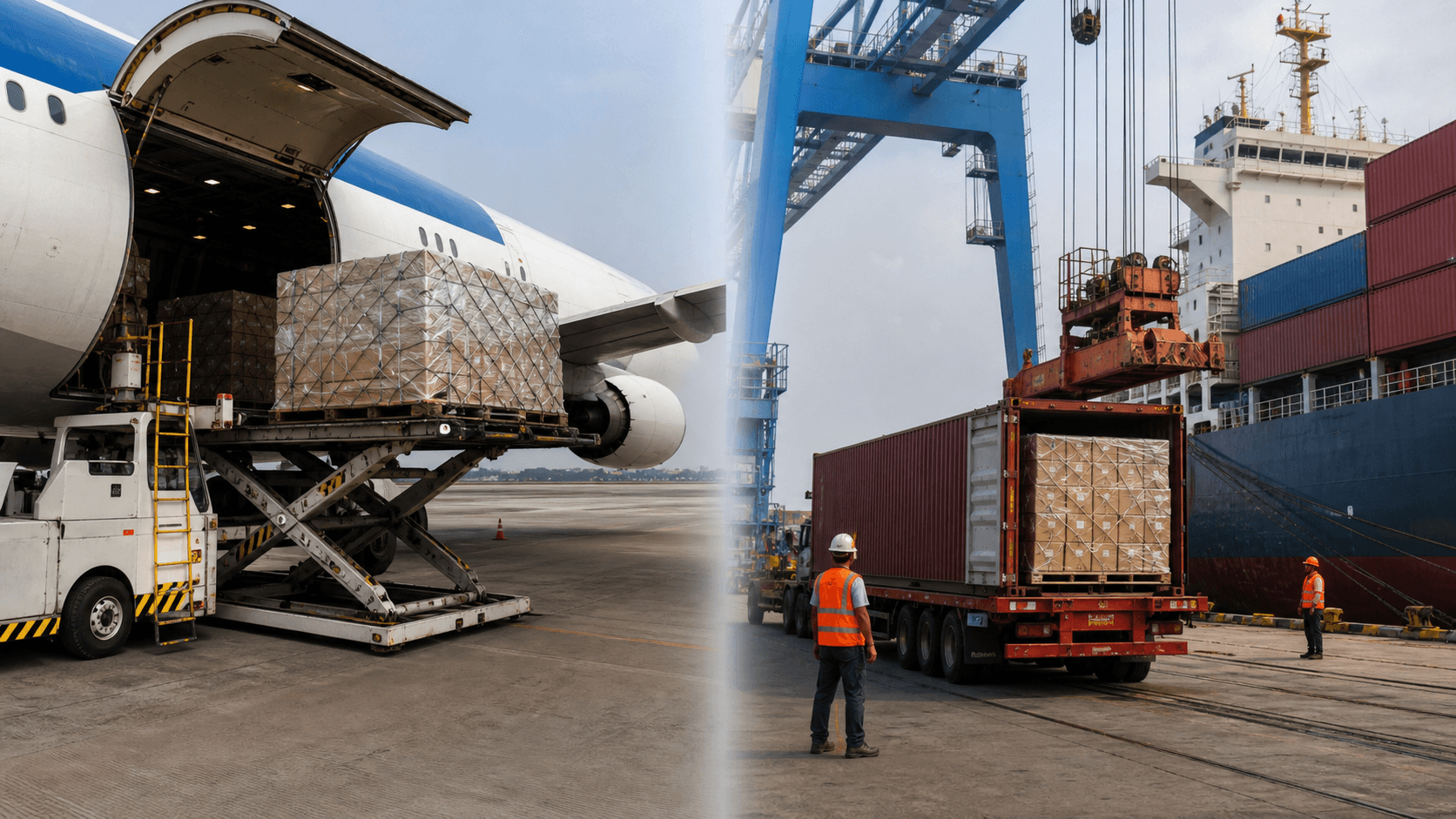
Ocean freight: LCL, FCL and the Los Angeles port choice
Ocean freight from Nepal requires an origin plan before the container reaches the vessel. Export cargo may be packed at the supplier, consolidated with other shipments, customs-cleared at the applicable Nepal office and moved in transit through India to the confirmed load port. The exact gateway and inland method depend on carrier service, equipment availability, cut-off dates and the shipment's customs arrangement. LCL is useful when the cargo does not justify a full container. The goods share container space and are handled at consolidation and deconsolidation facilities. FCL reserves a container for one shipper's cargo and can reduce the number of cargo-level handling events, although it adds container pickup, loading, sealing, return and destination drayage responsibilities. Do not assume that every shipment clears at the Port of Los Angeles. The carrier may discharge at Los Angeles or Long Beach, and the customs entry normally follows the actual port of arrival unless an approved in-bond movement is arranged. The destination team should confirm the terminal, free-time rules, container availability, truck appointment and empty-return location before pickup. For project cargo, machinery or cargo that cannot fit standard equipment, compare flat rack, open top or breakbulk service through Sea Sky's project cargo service instead of forcing the load into an unsuitable container.
| Factor | LCL | FCL |
|---|---|---|
| Best fit | Smaller commercial lots that do not fill a container | Larger volumes, regular orders or cargo needing dedicated equipment |
| Origin handling | Delivered to a consolidation point and grouped with other freight | Container loading and sealing are planned for the shipper's cargo |
| Destination handling | Container is devanned before individual cargo release | Container is released for drayage, unloading and empty return |
| Cost risk | Minimum charges, warehouse handling and destination CFS fees | Demurrage, detention, chassis, appointment and empty-return timing |
| Control | More shared handling and consolidation dependencies | More control over loading but more container-management responsibility |
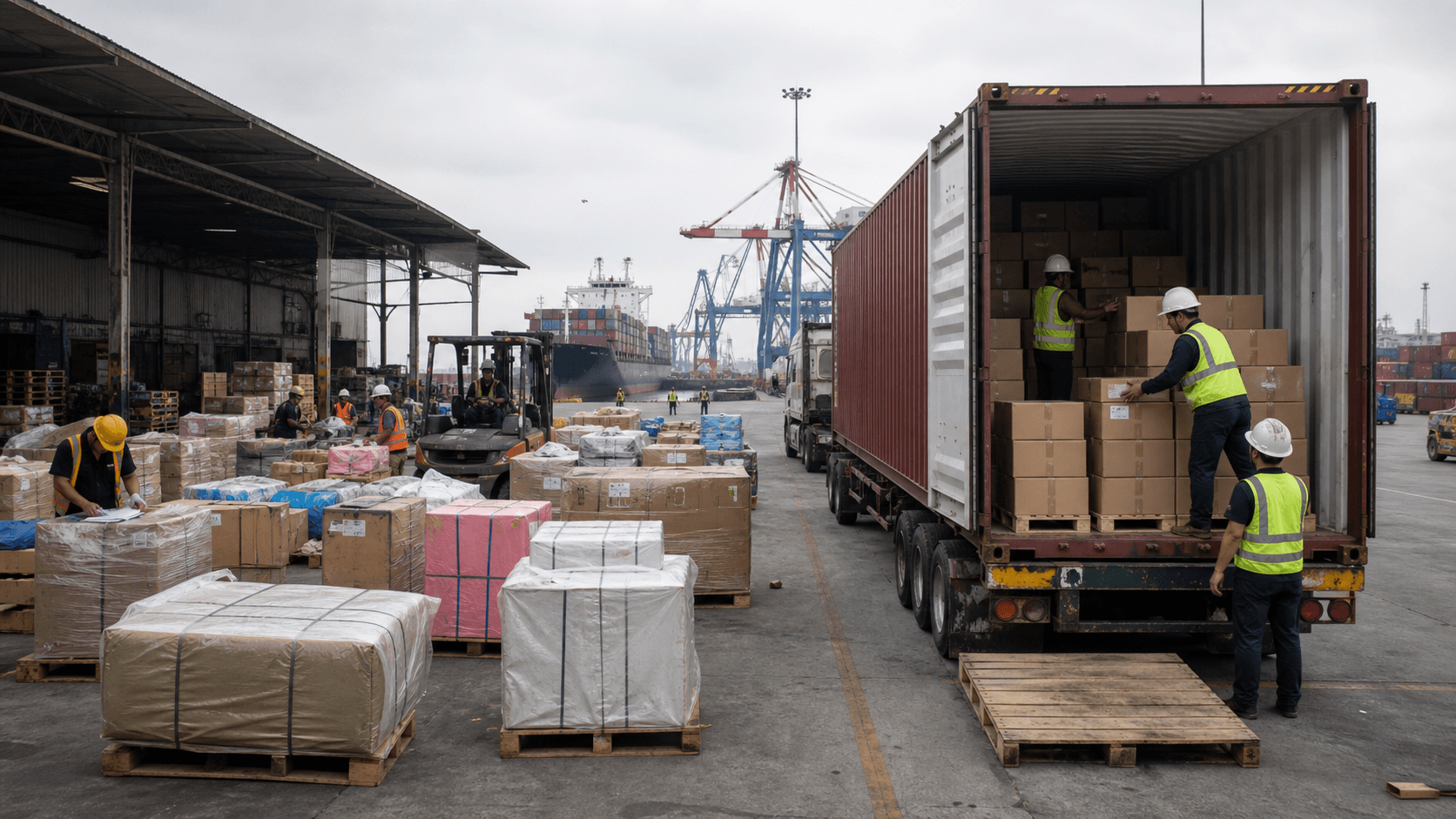
Air freight through LAX
Air freight is often the practical route for Nepali garments, pashmina, samples, handicrafts, tea, urgent spare parts and other goods where delivery time matters more than the lowest cost per kilogram. The booking should not assume a direct Kathmandu-to-Los Angeles flight. Cargo commonly moves through an airline hub, and each connection adds cut-off, security, handling and capacity considerations.
Before pickup, confirm the commodity, actual weight, dimensions, number of pieces, stackability, declared value, temperature needs and dangerous-goods status. The forwarder also needs the consignee's correct name and address, airport delivery instructions and any customs-broker pre-alert requirements.
At LAX, the cargo must become available at the airline or handling facility before it can be released. US Customs and Border Protection and other agencies may review or examine it. After release, a local cartage provider can deliver to a Southern California warehouse, retailer, distributor, fulfillment center or onward line-haul terminal.
- Use strong export cartons or crates that can tolerate hub transfers and warehouse handling.
- Provide exact piece-level dimensions before the booking is confirmed.
- Check whether lithium batteries, liquids, magnets, chemicals or temperature-controlled goods require special acceptance.
- Send the invoice, packing list and broker pre-alert before arrival, not after the freight is waiting at LAX.
- Confirm airline-terminal charges, storage terms and local delivery scope in the quote.
For food, medicine or other sensitive goods, use a product-specific route and packaging plan. Sea Sky's perishable cargo service can help identify handling questions before the air booking.
Nepal origin-side export process
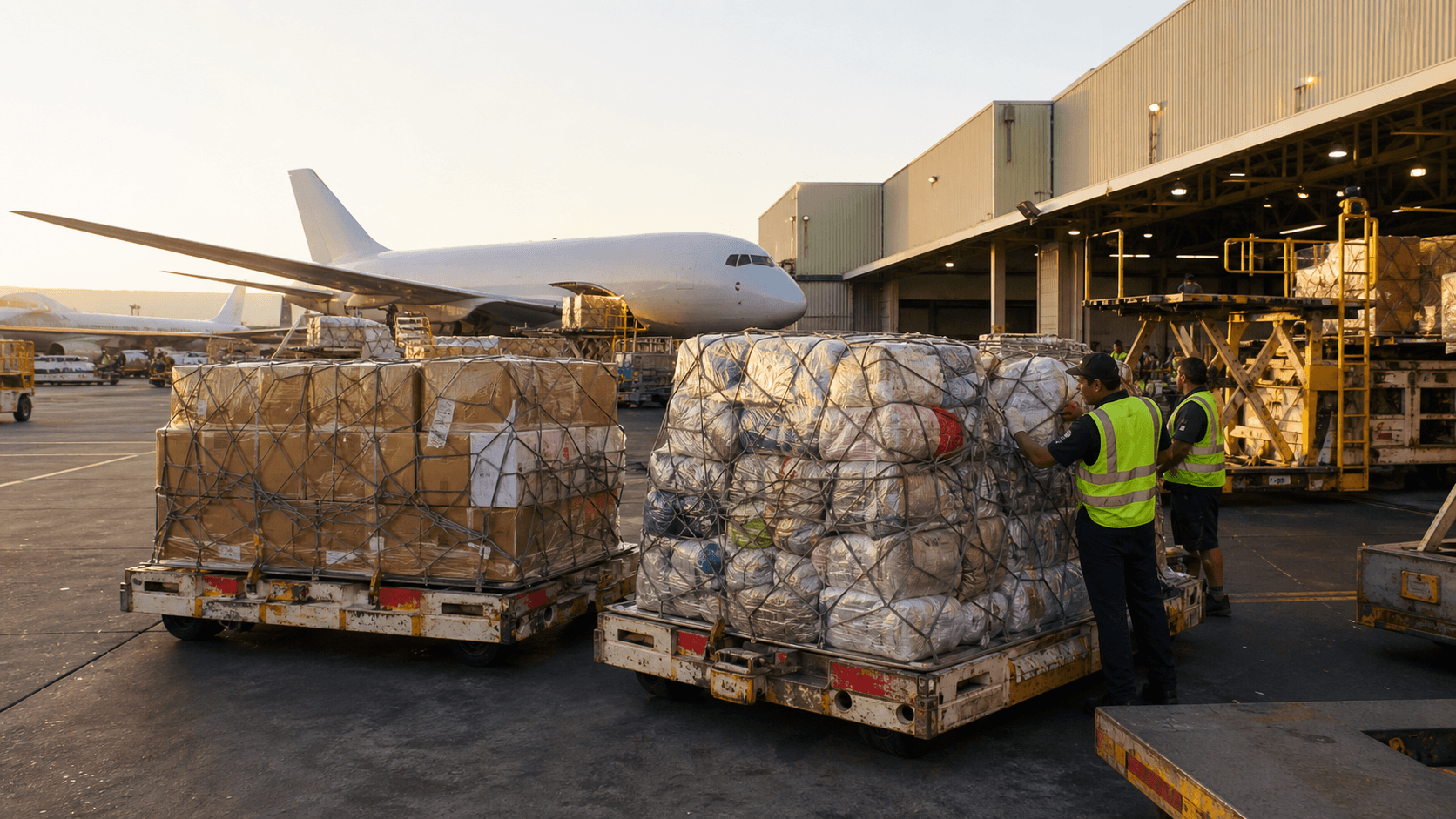
The Nepal origin process is where Sea Sky can add the most route-specific value. Before the international booking, the exporter should confirm that the business, payment, product and customs documents support a lawful export. Product restrictions and certificate requirements differ for garments, food, plants, medicines, cultural objects and other controlled goods. A generic description such as 'handicrafts', 'samples' or 'clothing' is not enough. State what the product is made from, its use, quantity, unit value and country of origin. For carved wood, plant products, food, animal-origin materials or cultural goods, confirm both Nepal export controls and US import admissibility before the cargo leaves the supplier. Sea freight needs an additional transit plan through India. The forwarder should align the Nepal customs file, transit document, container seal, Indian gateway, shipping-line cut-off and port handover. That origin sequence is one reason a Nepal-based coordinator is more useful than a destination-only freight page.
| Origin stage | What should be ready | Why it matters in Los Angeles |
|---|---|---|
| Exporter setup | Exporter registration, PAN and applicable EXIM information | Names and identifiers must align with the commercial and transport file |
| Commercial file | Invoice, packing list, payment or banking evidence and buyer details | US broker relies on accurate seller, buyer, value and commodity information |
| Classification | Clear product description and Nepal export classification | US HTS classification and admissibility must be reviewed separately |
| Certificates | Certificate of origin and product-specific approvals where applicable | Supports origin, admissibility, labeling and partner-agency review |
| Packing | Export-grade packages, accurate marks and compliant wood packaging | Reduces damage and prevents packaging-related inspection problems |
| Customs clearance | Nepal export declaration and supporting documents | The final export data should match the US pre-alert and carrier manifest |
| India transit for sea cargo | Transit declaration, seal and gateway-port coordination | Missing a vessel cut-off can add an entire sailing cycle |
US customs clearance, importer of record and duties
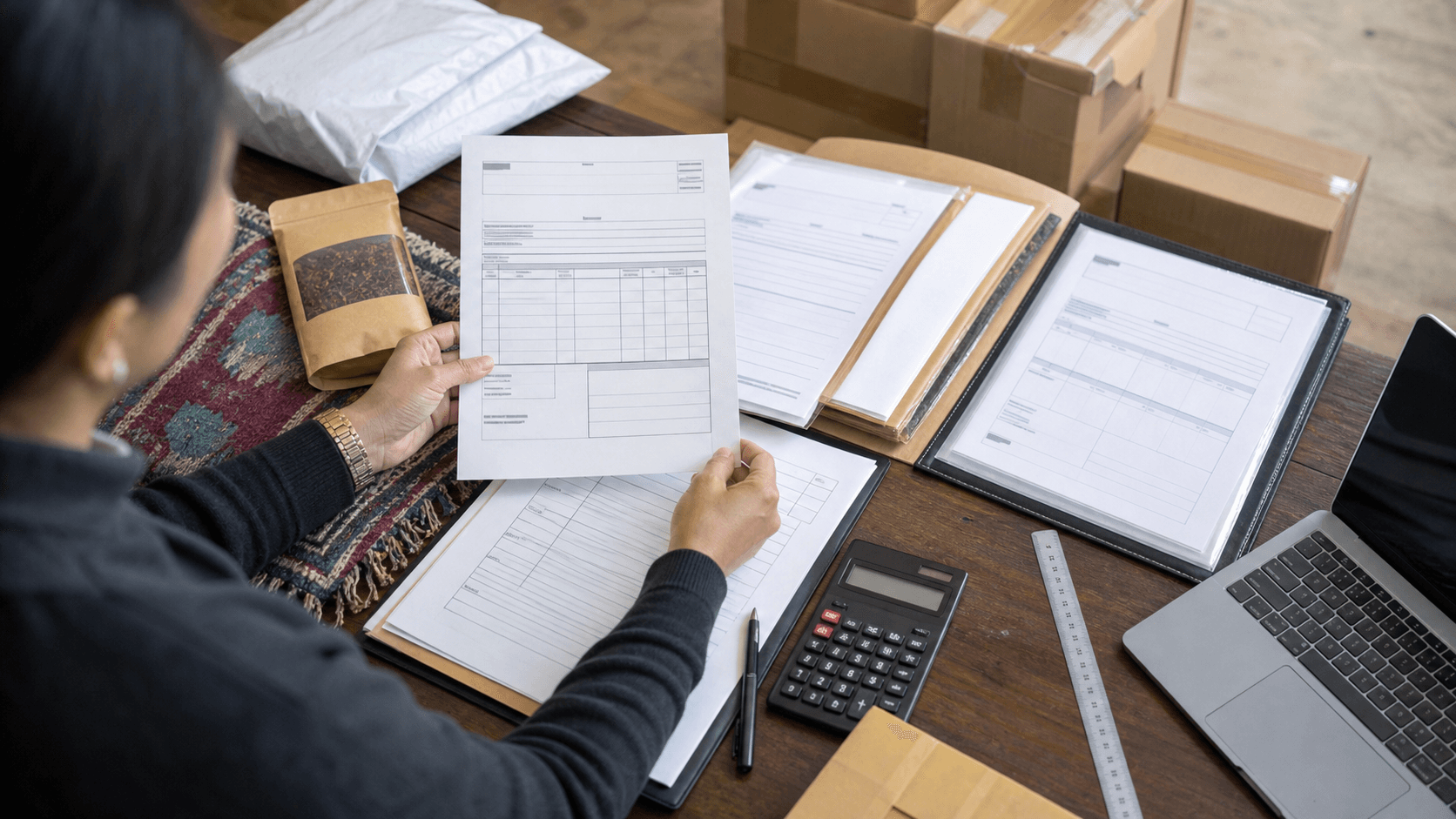
Sea Sky can coordinate shipment information with the US destination team, but US customs entry work must be handled by the importer or an authorized licensed US customs broker. Using a broker does not transfer the importer's legal responsibility: the importer of record remains responsible for accurate classification, declared value, country of origin, admissibility and payment of applicable duties, taxes and fees.
For cargo arriving by ocean vessel, the Importer Security Filing, commonly called ISF or 10+2, requires advance data before the goods are loaded on the vessel bound for the United States. This is a US-importer responsibility that is often delegated to a broker or filing agent, but the Nepal exporter must supply accurate seller, manufacturer, stuffing location, commodity and other required data early enough for filing. ISF does not apply to ordinary air-freight arrivals.
Duties are not a flat percentage for all Nepali goods. The broker determines the entry treatment using the Harmonized Tariff Schedule of the United States, customs value, country of origin, product-specific measures and any applicable preference or additional duty. Freight quotes should keep estimated customs charges separate unless the scope explicitly states who advances them.
- Identify the US importer of record before booking the shipment.
- Appoint a licensed customs broker and complete any required power of attorney or bond arrangements.
- Confirm the HTSUS classification and product admissibility before dispatch.
- For ocean cargo, provide complete ISF data before the carrier's filing deadline.
- Budget for duties, Merchandise Processing Fee, Harbor Maintenance Fee where applicable, exams and agency charges separately from freight.
- Keep invoices, product literature, origin evidence and valuation records available for the broker.
CBP is not the only agency that may be involved. Imported food can require FDA facility registration, prior notice and Foreign Supplier Verification Program planning. Plant or animal materials may involve USDA requirements. Solid wood pallets and crates entering the United States must comply with applicable ISPM 15 treatment and marking rules. The exact check belongs to the product, not merely to the route.

Planning a Nepal-to-Los Angeles shipment?
Shipping from Nepal to Los Angeles or anywhere in the USA? Sea Sky Cargo can help compare sea and air freight options, review your documents, coordinate customs requirements, and plan delivery from pickup to destination. Request a route-specific quote before booking.
Documents for Nepal-to-USA freight
The document file should tell the same story from the Nepal supplier to the US customs entry. Names, addresses, product descriptions, quantities, values, package counts and origin information should match across the invoice, packing list and transport instructions. Do not use the table as a substitute for a product review. Tea, processed food, cosmetics, medicine, batteries, wooden handicrafts, antiques, wool goods and industrial equipment can trigger different labeling, permit, agency or dangerous-goods requirements. Cargo insurance should also be decided before pickup. Carrier liability is limited and is not the same as insurance for the cargo's full commercial value. Review the freight and cargo insurance guide when setting the Incoterm and shipment value.
| Document or data | Air freight | Ocean freight | Planning note |
|---|---|---|---|
| Commercial invoice | Required | Required | Use a complete product description, transaction value, currency, seller, buyer and Incoterm |
| Packing list | Required | Required | Show package count, net/gross weight, dimensions and marks |
| Certificate of origin | As required | As required | Confirm the appropriate Nepal issuing body and US purpose |
| Export declaration and Nepal approvals | Required as applicable | Required as applicable | Product-specific permits or certificates must be ready before export release |
| Air waybill or bill of lading instructions | Air waybill | Bill of lading | Consignee and notify-party details must match the customs plan |
| ISF data | Not for ordinary air arrival | Required for applicable vessel cargo | Supply data early enough for filing before vessel loading |
| US importer/broker data | Required | Required | Importer number, bond and broker instructions should be confirmed before arrival |
| Product-agency records | As applicable | As applicable | FDA, USDA, CPSC, FCC or other requirements depend on the commodity |
| Insurance certificate | When arranged | When arranged | Coverage should match the Incoterm and all route legs |
Los Angeles arrival: drayage, warehousing and delivery
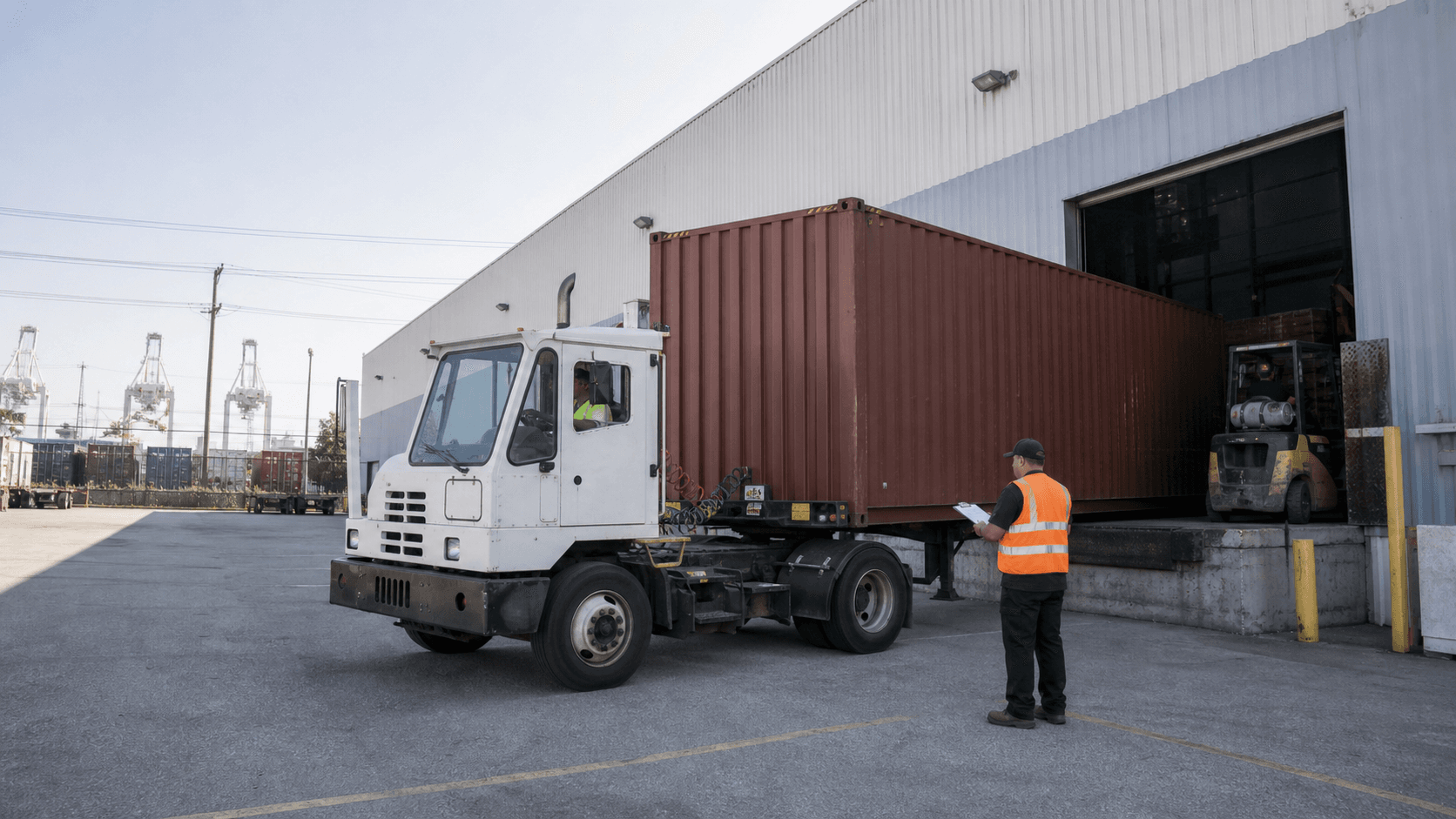
Customs release is not the same as cargo delivery. Ocean containers still need terminal availability, a compliant drayage truck, any required appointment, a chassis or suitable equipment, a delivery slot and an empty-container return plan. LCL cargo must be devanned and released by the destination container freight station before local pickup. The Port of Los Angeles uses terminal-specific operating systems, and truck appointments can be made through the applicable terminal or Port Optimizer tools. Conditions differ by terminal, so the destination coordinator should check live availability rather than rely on a general port-hours promise. Drayage vehicles must also meet current port and California requirements. Warehousing may include short-term storage, pallet breakdown, sorting, labeling, inspection, transloading or order fulfillment. These services should be arranged before arrival when a retailer, marketplace, jobsite or inland consignee cannot accept an intact container. For cargo moving beyond Southern California, the plan may add domestic trucking, parcel injection or rail service after customs release. A complete quote should state whether destination customs brokerage, terminal fees, drayage, warehouse handling and final delivery are included, estimated or payable directly by the importer. That transparency is more useful than claiming 'door to door' without defining the doors.
| Destination task | Responsible party to confirm | Common cost risk |
|---|---|---|
| Customs and agency release | Importer of record and licensed US customs broker | Late documents, bond issues, exams and agency holds |
| Terminal or CFS release | Carrier, terminal/CFS and destination agent | Storage, destination handling and release fees |
| Container pickup | Drayage carrier and terminal | Appointment, chassis and demurrage |
| Warehouse receiving | Warehouse and consignee | Missed slot, labor, pallet handling and re-delivery |
| Empty return | Drayage carrier and ocean carrier | Detention and changed return location |
| Final California delivery | Consignee and local carrier | Access limits, liftgate, appointment and waiting time |
What causes delays and which cargo needs extra planning?
Los Angeles delays do not have one cause. A vessel may arrive on time while the cargo still waits for customs release, an agency exam, terminal availability, a truck appointment, warehouse space or corrected paperwork. Origin mistakes are especially expensive because the shipment is already far from the Nepal supplier when the problem appears. Common Nepal exports such as garments, carpets, pashmina, felt goods, tea, coffee and handicrafts each need a different check. Food requires FDA planning. Wooden or plant-based goods can involve agricultural controls. Handicrafts may need Nepal-side cultural or material clearances. Textiles need accurate fiber, origin, labeling and classification information. Oversized machinery and project cargo need a method statement, exact dimensions, center-of-gravity or lifting information where relevant, origin loading plan, port capability check and suitable California permits or equipment. Dangerous goods need an accurate safety data sheet, classification, packaging, marks and carrier approval. Sea Sky can compare dangerous-goods handling, project cargo and standard freight before booking. Build contingency into the delivery promise. Freight estimates are planning ranges, not guarantees, because carrier schedules, weather, inspections, terminal congestion and government holds are outside a forwarder's direct control.
| Delay trigger | Prevention step |
|---|---|
| Late or inaccurate ISF | Identify the importer and filing agent early; send complete ocean data before loading |
| Vague invoice description | State material, function, quantity, model and commercial value clearly |
| Wrong HTS classification or missing agency check | Have the US broker review classification and admissibility before dispatch |
| Noncompliant wood packaging | Use properly treated and marked ISPM 15 wood pallets, crates and dunnage |
| Port or airport storage | Pre-alert the broker and destination carrier; monitor availability and free time |
| Drayage or warehouse mismatch | Reserve suitable equipment and receiving appointments before release |
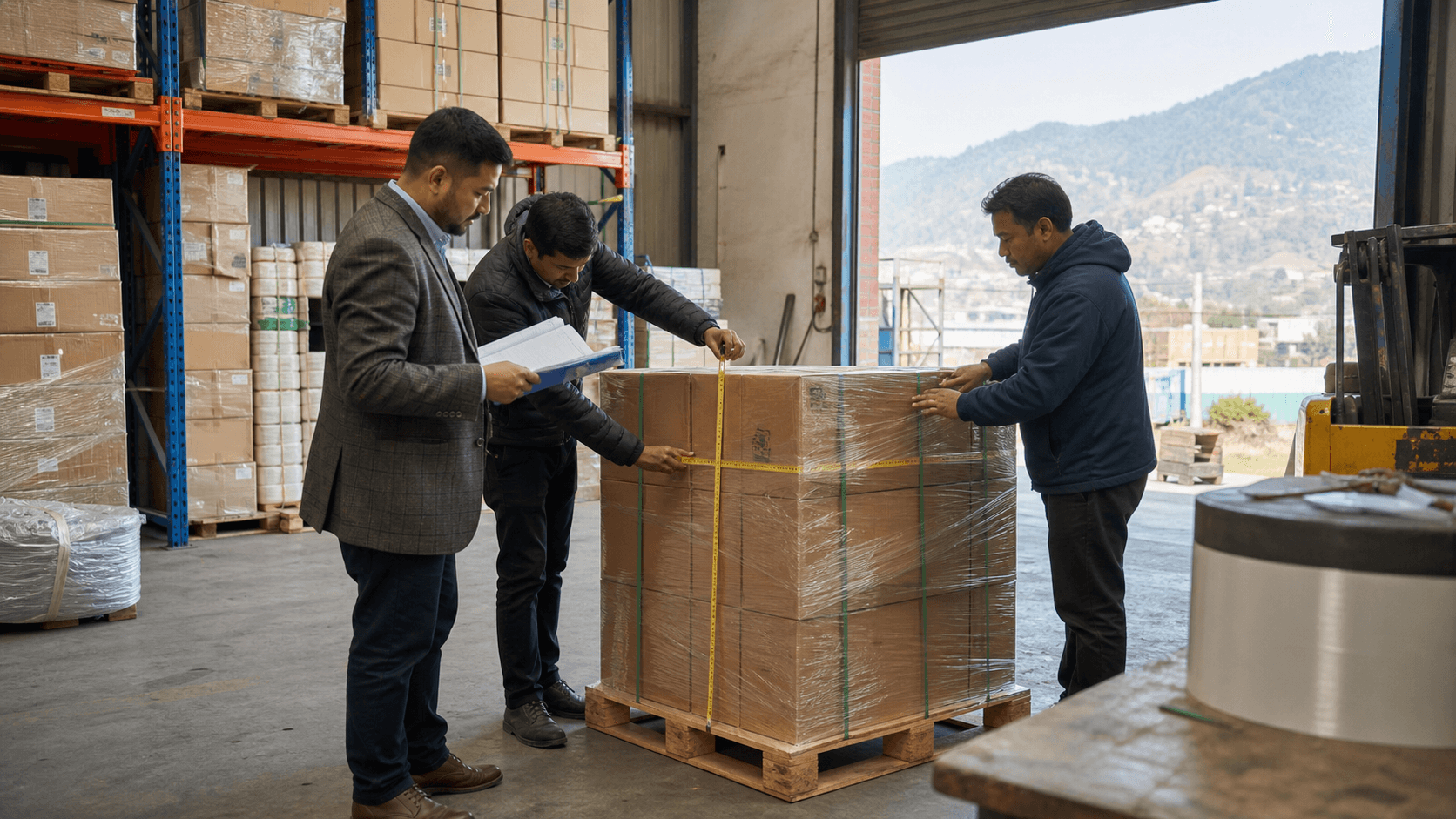
| Cargo dimensions differ from booking | Measure after final packing and provide photos for oversized or unusual cargo |
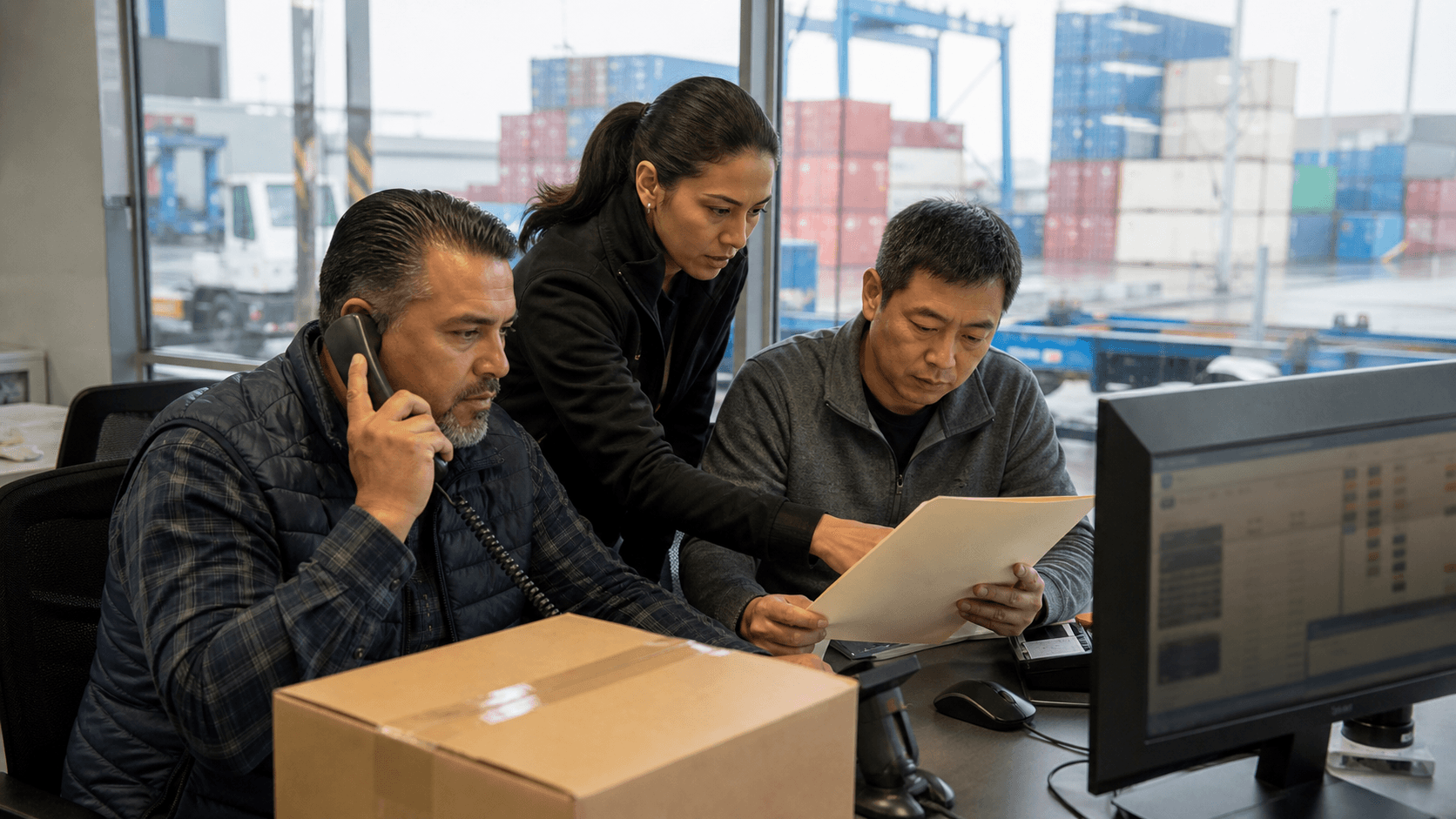
How Sea Sky supports Nepal-to-Los Angeles freight
Sea Sky Cargo can coordinate the Nepal pickup, packing information, export documentation, air or ocean booking, Indian transit for sea cargo and shipment handover to the selected US destination network. The goal is to define the complete movement before the cargo leaves Nepal.
For the United States, Sea Sky coordinates with the importer and shipment-specific destination providers. A licensed US customs broker handles broker-only customs activity. Local drayage, warehousing and delivery are performed by the appropriately qualified destination parties included in the accepted scope. The quote should identify what Sea Sky coordinates, what the importer must provide and which destination charges remain separate.
- Compare air freight to LAX with LCL or FCL ocean freight to the confirmed Southern California port.
- Review the Nepal commercial and export file before cargo handover.
- Coordinate Indian gateway transit for ocean shipments.
- Send pre-alert information to the US importer, broker and destination agent.
- Plan customs-broker, drayage, warehouse and final-delivery handoffs in the agreed scope.
- Provide route updates and flag missing documents before they become destination storage problems.
Use the international freight booking guide to prepare the cargo profile, then share the exact Nepal pickup and US delivery details through the quote form.

Frequently asked questions
How do I ship cargo from Nepal to Los Angeles? Start with the commodity, packed dimensions, weight, value, Nepal pickup point, Los Angeles-area delivery address and required date. Sea Sky can compare air freight from Kathmandu with an ocean route through an Indian gateway, then coordinate the selected booking, export steps and destination handoffs.
Is air freight or sea freight better from Nepal to the USA? Air is generally better for urgent, compact or high-value cargo. Sea is normally better for larger and heavier shipments that can allow several weeks. Compare the complete delivered cost, not only the international rate.
Can Sea Sky arrange LCL and FCL shipments? Yes, subject to route, commodity, equipment and carrier availability. LCL suits smaller volumes, while FCL gives one shipper dedicated container use and requires a clear loading, drayage and empty-return plan.
Which documents are required for Nepal-to-USA freight? Common documents include the commercial invoice, packing list, Nepal export declaration, certificate of origin where required, air waybill or bill of lading instructions, and product-specific permits or certificates. Ocean cargo also requires timely ISF data for the US filing party.
Does the shipment clear customs at the Port of Los Angeles? It clears according to the actual arrival and customs plan. An ocean booking may discharge at Los Angeles or Long Beach, and an approved in-bond movement can change the entry location. The bill of lading and broker instructions determine the correct plan.
How are duties and import taxes handled? The US importer of record is responsible for customs compliance and payment. A licensed US customs broker can classify the goods, file the entry and calculate estimated duties and fees using the current HTSUS and shipment facts.
Can I ship commercial cargo from Nepal to California? Yes, provided the goods are lawful to export from Nepal and admissible in the United States. The importer, product classification, permits, labeling and destination delivery plan should be confirmed before booking.
Does Sea Sky handle door-to-door delivery? Sea Sky can quote a connected pickup-to-destination movement where suitable partners and services are available. The quote will identify whether US brokerage, drayage, warehousing and final delivery are included or arranged separately.
What causes delays at Los Angeles ports? Common causes include incomplete ISF or entry data, customs or partner-agency exams, terminal holds, unavailable appointments, late truck pickup, warehouse scheduling, document mismatch, demurrage and empty-return problems.
Can Sea Sky ship oversized or project cargo? Sea Sky can assess machinery and project cargo and compare container, flat rack, open top, breakbulk or air options. Exact dimensions, weight, photos, lifting points, destination access and special permits are needed before confirming the method.

Build the route around your actual cargo
Share the commodity, dimensions, weight, value, cargo-ready date, Nepal pickup point and California delivery address. Sea Sky can compare the connected route and define who handles each stage before you book.
Related posts
1970-01-01
Sea + Air Freight: How SeaSky Helps Businesses Ship Smarter
2026-10-04
Demurrage vs Detention for Nepal Imports: Free Time, Indian Port Charges and How to Avoid Them
2026-10-01
Freight Forwarder vs Customs Clearing Agent in Nepal: Which Do You Need?
2026-09-28