
What is an import permit in Nepal?
An import permit is an approval, certificate, registration, recommendation or product-specific document that may be required before certain goods can enter Nepal or be released through customs. The exact requirement depends on the product, its HS code, composition, intended use, origin and the authority responsible for that category.
Many shipments clear with standard commercial and transport documents. Regulated goods can require an additional approval to show that the importer is authorized, the item meets health, safety, technical or environmental controls, and the goods are not restricted or prohibited.
The practical rule is simple: check the exact product before freight booking. Nepal's official tariff search is a useful starting point, but difficult or regulated products should be confirmed with the responsible authority or customs professional.

Why permits matter before customs clearance
Freight can arrive safely and still be unable to clear if an essential approval is missing. Customs may need to pause the declaration, request product evidence or wait for confirmation from another agency.
Missing or late documents can lead to:
- Customs clearance delays
- Additional document requests or inspection
- Storage, demurrage or delivery disruption
- Extra coordination with suppliers and authorities
- A requirement to obtain approval after arrival
- Possible rejection, re-export or enforcement action in serious cases
Permit requirements matter most for products that affect public health, safety, agriculture, environment, communications, transport or other regulated areas. Read the Nepal customs clearance guide alongside the product-specific checks.
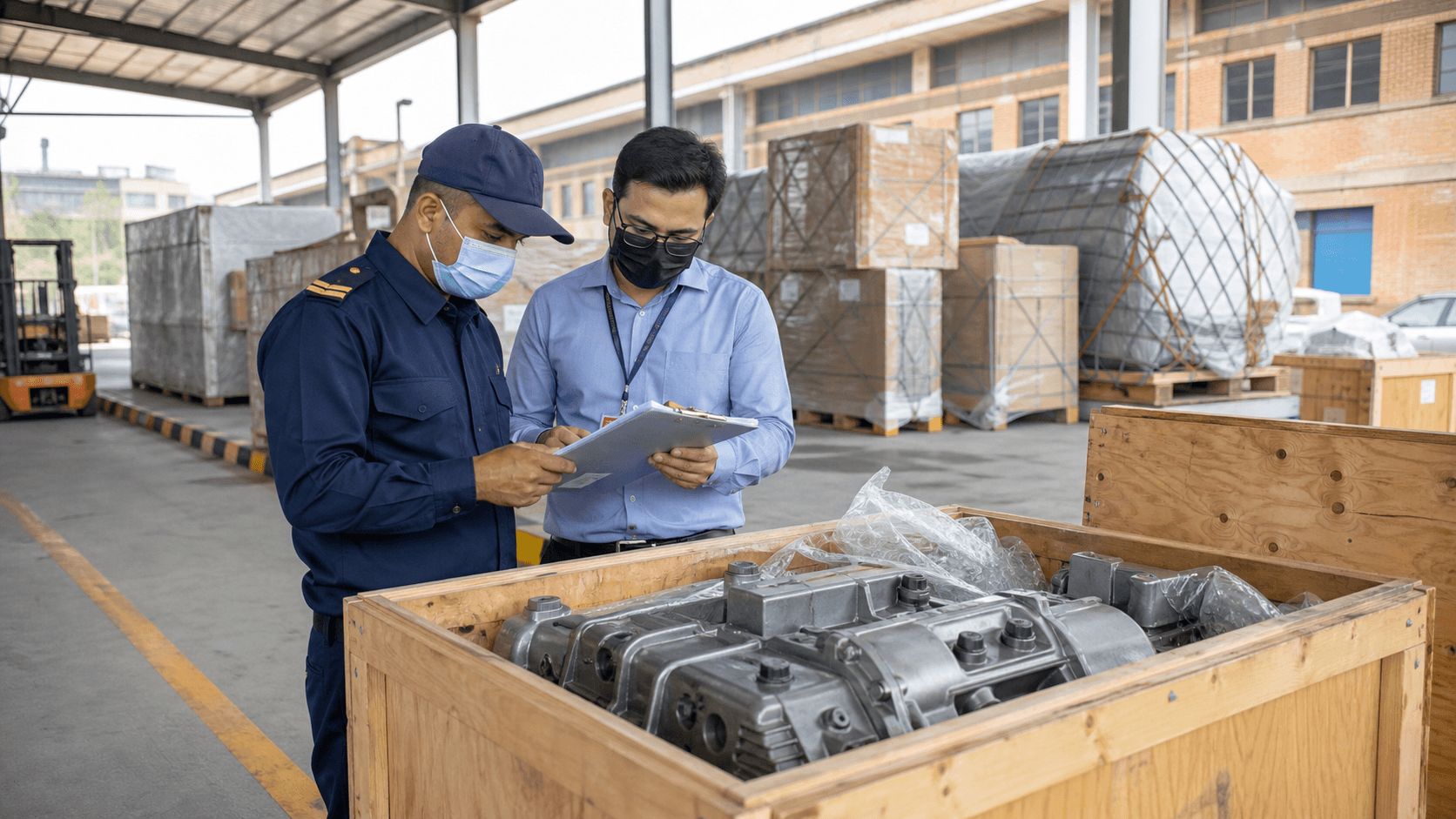
Goods that may need extra approval before customs
Requirements can change with product specifications, HS code, origin, quantity, intended use and current rules. The table below is a planning guide, not a substitute for verifying a shipment's exact requirement. For every category, confirm the item itself rather than relying on a broad label. A product called 'electronics' or 'chemical' can cover goods with very different controls.
| Product group | Examples | Documents or checks that may be relevant |
|---|---|---|
| Food and edible products | Packaged food, beverages, oils, ingredients, dairy, meat and supplements | Labels, ingredients, manufacturing and expiry details, origin or quality evidence |
| Health products | Medicine, medical devices, diagnostic kits and laboratory supplies | Registration, product details, supplier records or health-related approval |
| Chemicals and dangerous goods | Solvents, paints, industrial chemicals, batteries and fertilizers | Composition, safety data sheet, technical data sheet and end-use information |
| Wireless and telecom goods | Routers, radio devices, GPS units, drones and connected equipment | Technical specifications, radio or communications approval where applicable |
| Vehicles and machinery | EVs, motorcycles, equipment, engines and spare parts | Model, serial, battery, emissions and technical documents |
| Plants, animals and agricultural goods | Seeds, plants, animal products, pesticides and wood products | Quarantine, plant or animal-health certificates and inspection records |
| Cosmetics and sensitive goods | Skincare, perfume, security equipment and used goods | Ingredients, labels, safety documents and any special authorization |

Food, medicine, chemicals and health-related goods
Food, supplements, medical supplies and chemicals deserve early attention because their labels, ingredients, composition, safety information and intended use can affect the clearance process. Product names alone are rarely enough for these goods.
Before dispatch, collect the commercial invoice, detailed packing list, labels, ingredient or composition information, product catalogue, manufacturing information, expiry details where applicable, and supplier certificates or test reports that are available. For chemicals, include the Material Safety Data Sheet and technical data sheet.
Do not assume a small commercial shipment is exempt from product controls. The route, quantity and declaration should be planned around the exact item and its supporting documents.

Electronics, vehicles, plants and restricted goods
Wireless, radio, telecom and smart devices can need technical evidence because their communications functions matter. Vehicles, EVs, machinery and parts may need model, serial, battery, emissions or technical details. Plant, seed, animal and agricultural products may involve quarantine and health documentation.
Restricted or sensitive items deserve a separate early check. This can include security equipment, drones, radio equipment, some chemicals, used machinery, used electronics and products with environmental, biological or public-safety implications.
Supplier confirmation is useful, but it should not be the only source. Verify the Nepal-side requirement before dispatch, especially when a product is new to the importer or differs from a previously imported model.

Not sure whether your goods need approval?
Send the product description, HS code, technical details and supplier documents before dispatch. Sea Sky can help organize the Nepal-side checks.
Normal customs documents are still required
A permit does not replace the standard customs file. Product details, quantities, values, weights, importer information and HS code should agree across all documents.
A complete file commonly includes:
- Commercial invoice
- Packing list
- Bill of lading, airway bill or road transport document
- Certificate of origin when relevant
- Insurance document when applicable
- Importer registration and PAN/VAT details
- HS code and detailed product description
- Authorization letter for the clearing agent
- Product catalogue or technical specification
- The permit, certificate, registration or recommendation required for the goods
For duty context, use the Nepal import duty guide and tariff overview, then confirm the current rate and controls for the exact product.
How to check permit requirements before shipping
Begin with facts about the product, not a generic product name. Ask the supplier for enough detail to distinguish the item and identify its risks or controls.
Use this pre-shipment checklist:
- Confirm the exact product name and HS code
- Record material, ingredients, composition, function and intended use
- Check whether the product is food, health-related, chemical, wireless, vehicle-related, agricultural or restricted
- Confirm whether it is new, used or refurbished
- Collect model numbers, labels, test reports and technical sheets
- Check the supplier's certificates and country-of-origin documents
- Verify whether a Nepal authority requires an approval
- Make invoice, packing list and transport documents consistent
- Resolve any uncertainty before booking freight
If the product is regulated, allow time to obtain documents before cargo is handed to the carrier. It is usually cheaper to pause before dispatch than to have cargo wait at the border or airport.

Common mistakes and what happens when approval is missing
The biggest avoidable error is treating freight booking and product compliance as separate jobs. For regulated goods, they need to be planned together.
Common mistakes include:
- Shipping before confirming approval requirements
- Using only supplier advice without Nepal-side verification
- Declaring a vague product name
- Using an inaccurate HS code
- Missing labels, specifications or certificates
- Assuming a small shipment needs no approval
- Confusing customs duty with permission to import
- Waiting until the cargo arrives to ask about permits
If a required document is missing, customs may hold the shipment, request evidence, inspect the goods or require the importer to obtain approval. The outcome depends on the product and applicable rules, but delays can create storage cost and delivery disruption.
How Sea Sky Cargo helps importers prepare
Sea Sky Cargo helps importers plan Nepal-bound shipments before cargo reaches customs. For goods that may need extra approval, early document review can reveal questions about product descriptions, HS codes, permits, transport requirements and destination handling.
Support can include import-document review, product-document checklists, customs-clearance coordination, supplier-document review and air, road or sea freight planning. For businesses that need support with the importing role itself, see Sea Sky's Importer of Record service.
Bring the product description, invoice draft, packing list, HS code, supplier documents and planned route to the review. The earlier that picture is complete, the easier it is to plan a credible clearance path.

Frequently asked questions
Do all goods need an import permit in Nepal? No. Many goods can clear with normal customs documents, while regulated goods may need additional approval, certificates, registration or recommendations.
Which goods may need extra approval? Food, medicine, chemicals, wireless equipment, vehicles, plants, animals, cosmetics and restricted goods are common categories to check. The exact requirement depends on the product.
Can cargo be delayed without an import permit? Yes. Customs may hold a shipment or ask for additional documents before release.
Should I check before shipping? Yes. Check before supplier dispatch or freight booking, particularly for a new, technical, controlled or commercial product.
Does the HS code affect permits? Yes. Classification can affect tariff treatment, restrictions, permit requirements and customs processing.
Can Sea Sky help? Sea Sky can review shipment details, documents and customs-clearance requirements before the cargo moves.

Prepare the permit file before the cargo moves
Sea Sky can review the shipment documents, route and customs-clearance requirements before cargo arrives in Nepal.
Related posts

1970-01-01
Sea + Air Freight: How SeaSky Helps Businesses Ship Smarter

2026-10-15
Last-Mile Delivery in Nepal: How Businesses Can Reduce Delays and Delivery Costs
2026-10-13
Last-Mile Logistics in Nepal: Challenges, Costs and Solutions
2026-10-12