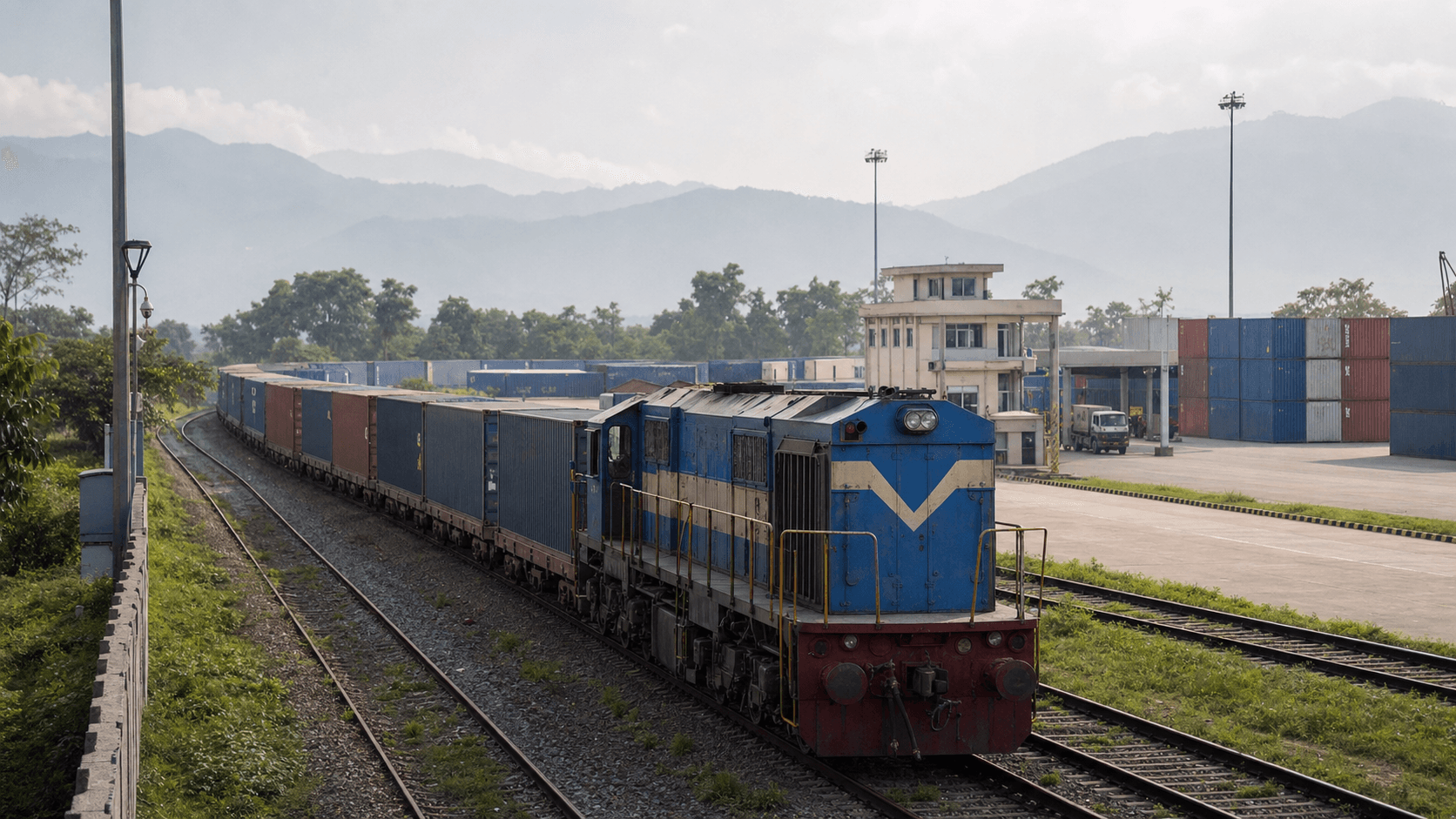
A new direct rail option for Biratnagar
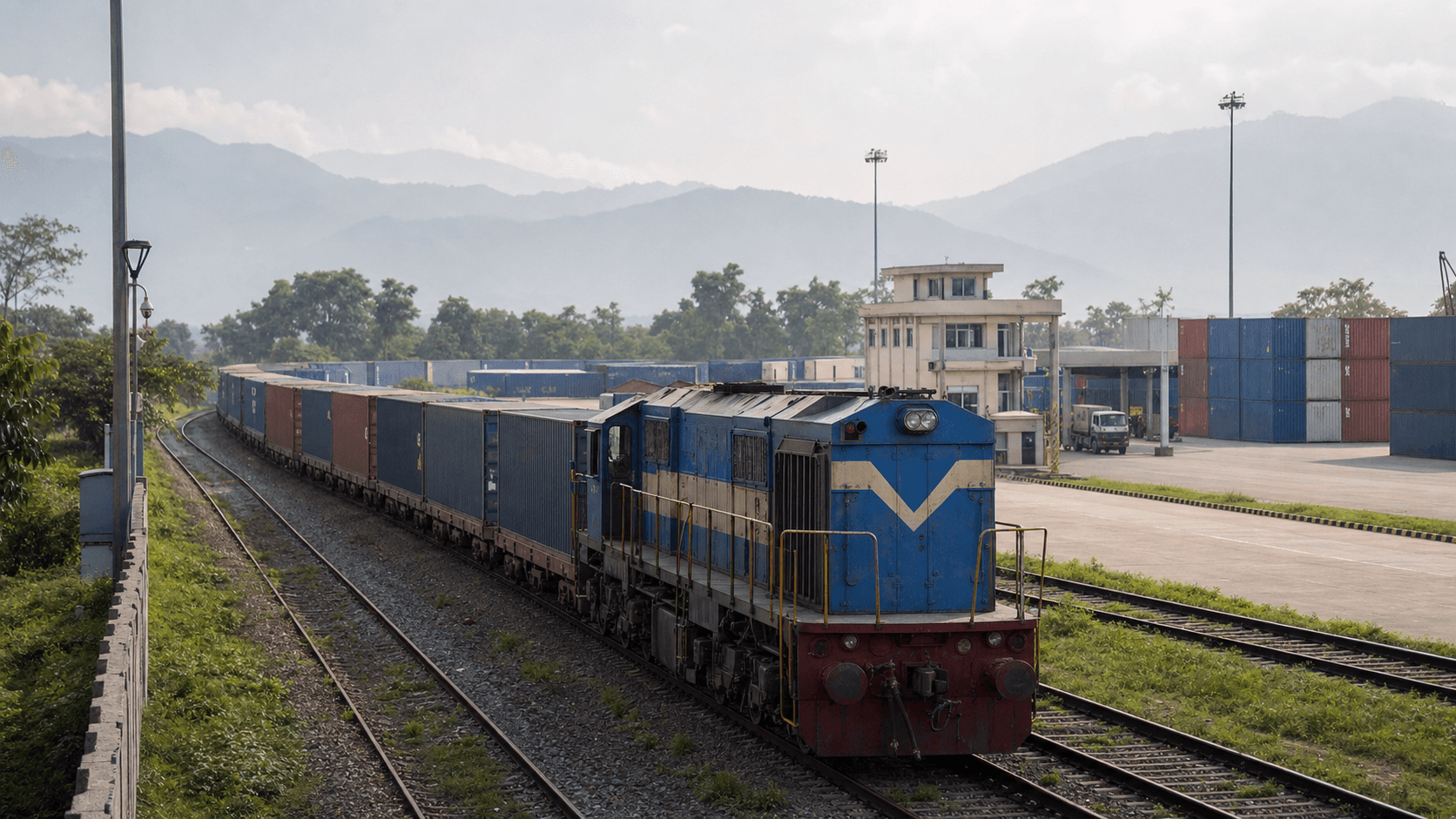
The first commercial cargo train from Kolkata to Biratnagar has arrived, creating a direct rail option for Nepal-bound third-country cargo through eastern Nepal. The inaugural service carried 40 forty-foot containers of crude canola grains for a Nepal industry, according to The Kathmandu Post's report.
This matters because the route now connects the Kolkata gateway and Biratnagar Integrated Check Post (ICP) through the Indian customs yard at Jogbani. It adds to, rather than replaces, road freight, sea freight and existing transit arrangements.
For importers, this is a practical new option to evaluate when cargo is moving from overseas origins via Kolkata, Haldia or other approved gateways toward the eastern Nepal market.
Why the Kolkata-Biratnagar cargo train matters
Nepal is landlocked, so much of its third-country freight moves through Indian ports and then inland. Until now, rail access for this type of cargo was concentrated at Birgunj, while many eastern Nepal importers relied on road movement after port handling.
The amended operating framework now enables containerised and bulk cargo by rail to Biratnagar ICP. Recent reporting says the Indian customs authority expanded the Electronic Cargo Tracking System rules in November 2025, followed by procedures agreed in February 2026 for Kolkata and Haldia rail transit via Jogbani.
It is a meaningful structural change for manufacturers and traders in the Morang-Sunsari corridor, but service regularity, cargo availability, rail capacity and customs execution will determine how useful it becomes shipment by shipment.
Which cargo may suit the rail route?
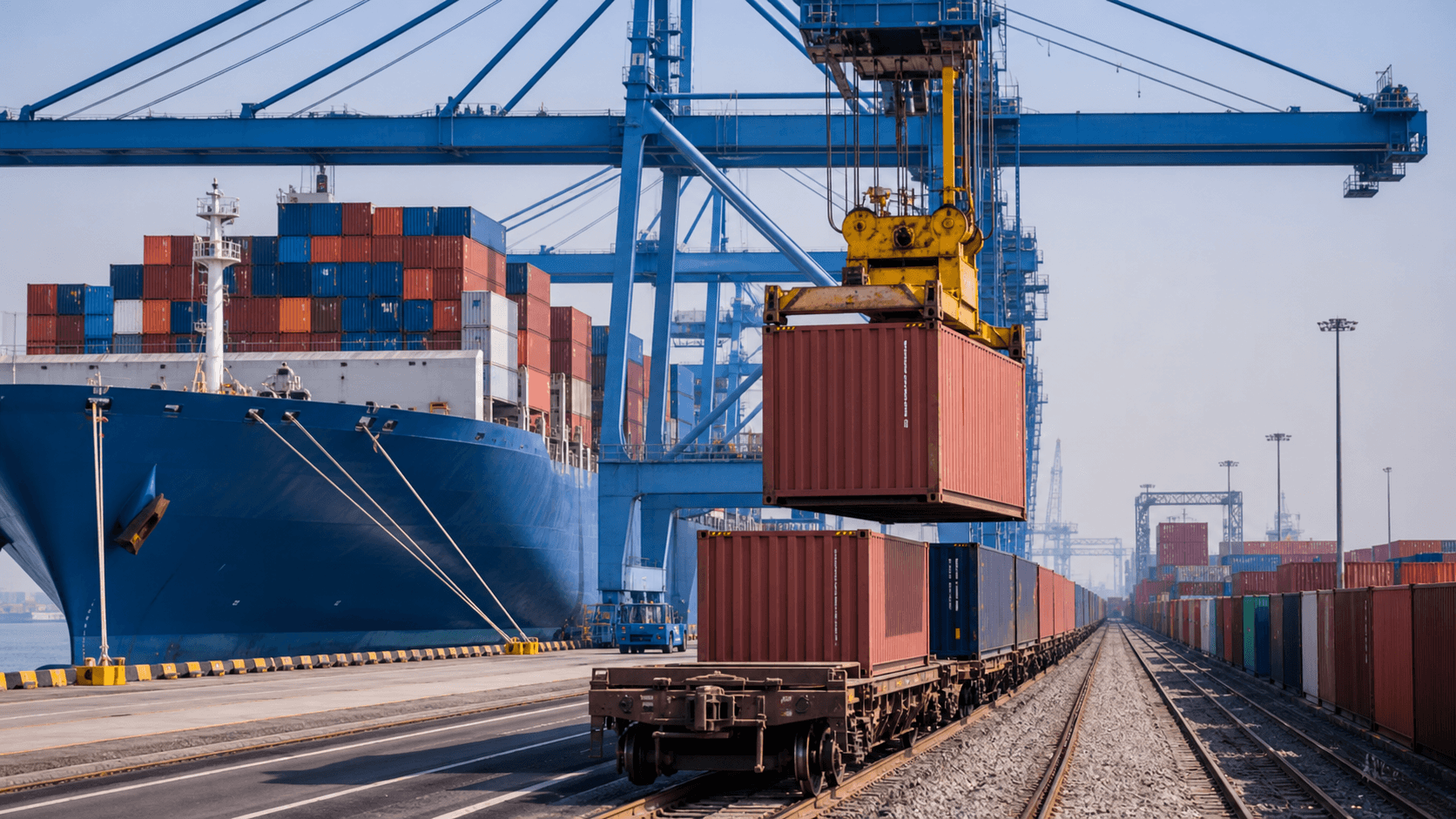
Rail is generally strongest when a shipment is heavy, regular, containerised, bulk-oriented or cost-sensitive, and when the final destination is in or can be efficiently served from eastern Nepal.
Cargo types to compare for the route include:
- Industrial raw materials and manufacturing inputs
- Containerised imports through Kolkata or Haldia
- Machinery, equipment and heavy commercial goods
- Construction materials and bulk cargo
- FMCG and regular replenishment cargo
- Goods destined for Biratnagar, Morang, Sunsari, Jhapa and nearby industrial areas
Small urgent shipments may still favour air freight, while irregular or door-to-door movements may favour road. The choice depends on the complete shipment, not a single mode label.

The route is a multimodal movement
The train is one leg of the journey. A typical Nepal-bound shipment can involve sea freight to an Indian port, port handling and transit documentation, rail movement to Biratnagar, Nepal customs clearance and a final road leg to the warehouse or factory. Planning all of these handoffs together is the difference between a rail saving and a confusing collection of fees.
| Route stage | What needs coordination | Common planning question |
|---|---|---|
| Origin to Kolkata or Haldia | Ocean booking, packed cargo details and port arrival | Which gateway and sailing best match the delivery deadline? |
| Port and transit handling | Shipping documents, ECTS/transit process and release timing | Is the cargo ready for rail movement without port delay? |
| Rail to Biratnagar ICP | Rail availability, container/rake planning and tracking | Does the schedule suit the cargo and buyer's receiving plan? |
| Nepal customs clearance | HS code, invoice, permits and declaration | Are the customs and product documents complete before arrival? |
| Final delivery | Truck capacity, warehouse appointment and unloading | Where does the cargo go after Biratnagar ICP? |
Will rail reduce the total logistics cost?
Local industry representatives quoted in recent coverage expect rail to lower transport cost for suitable cargo, and Kantipur reported an estimate of about 40 percent lower rail transport cost than road for industrial raw materials. The Kathmandu Post also reported expected savings from lower port demurrage, container detention and additional road movement.
Those are reported expectations, not a rate card. Importers should compare the total landed cost for their actual shipment: ocean freight, port charges, rail freight, handling, transit documentation, customs clearance, storage risk and final delivery.
Rail can be attractive when it prevents avoidable port waiting and replaces a long inland truck leg. It can be less attractive when schedules, container availability, cargo readiness or the last-mile delivery add friction.
Moving cargo through Kolkata to eastern Nepal?
Share the cargo, port, volume, timing and final delivery point. Sea Sky can help compare rail, road and multimodal options before booking.
Rail cargo versus road cargo to eastern Nepal
Neither mode is universally better. Rail and road solve different parts of the logistics problem. The smart answer is often rail to Biratnagar plus road for final delivery. Sea Sky can compare the route once the cargo and destination are known.
| Use case | Often stronger option | Why |
|---|---|---|
| Heavy, regular or containerised port cargo | Compare rail first | Potentially lower inland cost and less long-distance trucking |
| Direct delivery to a flexible remote destination | Road freight | More pickup and last-mile flexibility |
| Urgent or irregular movement | Road or air depending on cargo | Rail schedules may not fit the deadline |
| Cargo with a Biratnagar-area final destination | Rail plus local road | The ICP can be a useful inland handoff |
| Mixed or small commercial cargo | Compare consolidation and road | Handling steps can outweigh rail's benefit |
Documents and customs preparation still matter
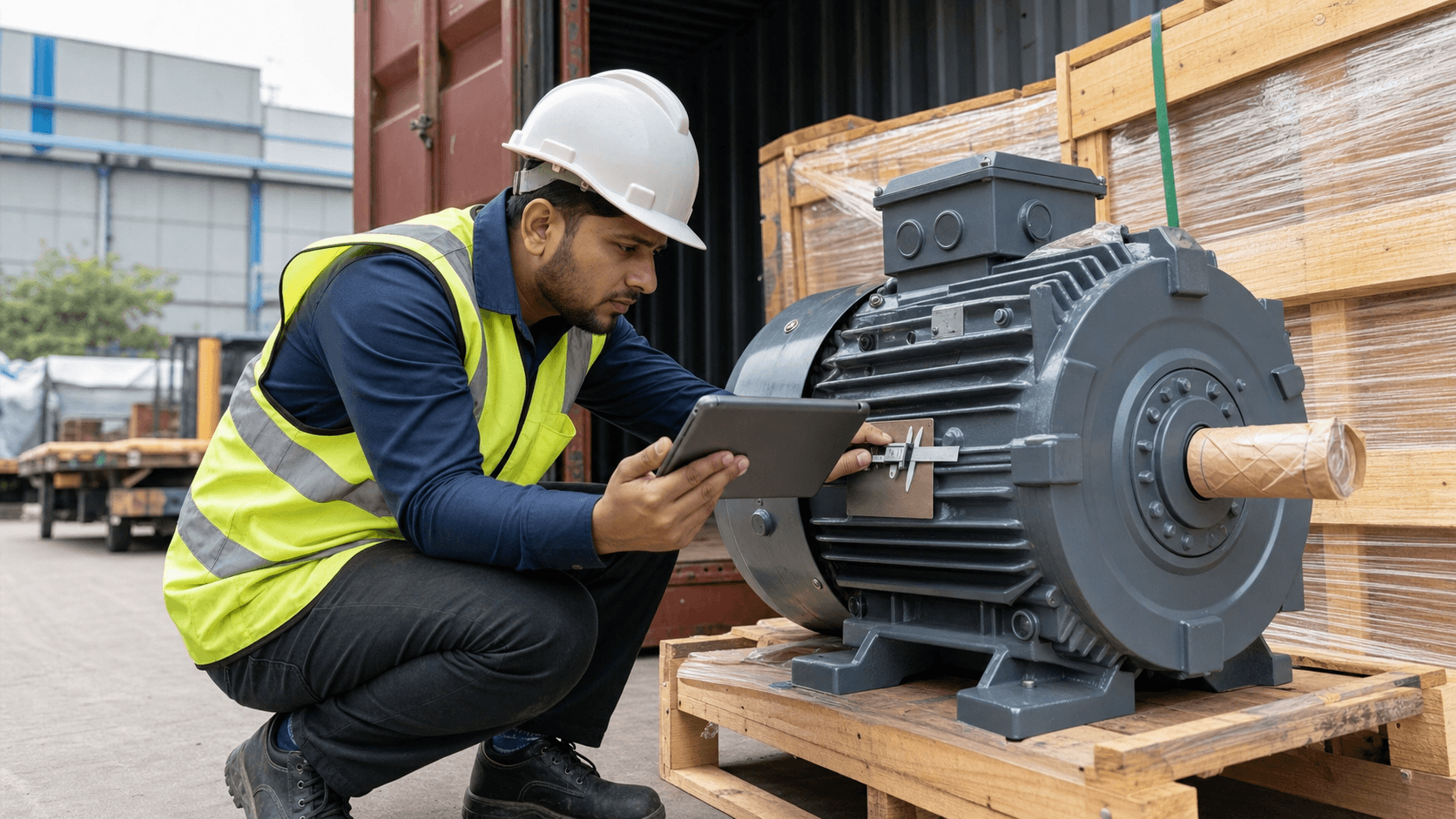
A new transport route does not change the need for a complete customs file. Before cargo leaves the origin, align product descriptions, quantities, values, weights and HS codes across every commercial and transport document.
Prepare and check:
- Commercial invoice and detailed packing list
- Bill of lading and port/transit information
- HS code and product specifications
- Importer PAN/VAT and clearing-agent authorization
- Certificate of origin where relevant
- Insurance document where applicable
- Import permit, registration or certificate for regulated goods
- Final delivery address, unloading arrangement and contact details
Food, medicine, chemicals, telecom devices, vehicles, agriculture-related goods and other controlled products may need additional approvals. See the Nepal import-permit guide and customs-clearance guide before committing the shipment.
What eastern Nepal businesses should do next
The route is most relevant to businesses importing through Kolkata or Haldia for use or sale in eastern Nepal. Manufacturers with repeat raw-material demand may have the clearest opportunity, but traders and project cargo planners should also compare it.
Before booking, confirm rail service availability, cargo acceptance, port handoff, container type, transit sequence, customs readiness and final delivery. Build some contingency into early shipments while regular operating patterns develop.
Start with a shipment profile: product, container count, packed weight and dimensions, port of arrival, expected cargo-ready date, Biratnagar clearance plan and final delivery postcode or municipality. That lets a forwarder price the full route rather than one attractive-looking segment.

How Sea Sky Cargo can help
Sea Sky Cargo helps importers plan Nepal-linked cargo through Indian ports, transit handling, customs, rail-linked routes and final road delivery. For the Kolkata-Biratnagar option, support can include route comparison, import-document review, customs-clearance coordination and final-delivery planning.
Bring the shipment details early: product description, HS code, supplier location, port, container or cargo dimensions, timing, permits and final destination. That allows the team to compare rail, road and multimodal options based on the real cargo.
The aim is not to put every shipment on a train. It is to choose the route that makes commercial and operational sense once all legs are accounted for.
Frequently asked questions
Has the Kolkata-Biratnagar cargo train started? Yes. Recent reports confirm the inaugural commercial train arrived at Biratnagar with 40 forty-foot containers.
Can all Nepal-bound cargo use the route? The amended framework allows containerised and bulk cargo by rail to Biratnagar, but actual use depends on operating availability, cargo acceptance, transit procedures and shipment readiness.
Will it reduce cost? It may reduce cost for suitable cargo, particularly larger or regular shipments. Compare total landed cost rather than rail freight alone.
Is road freight still needed? Often yes. Cargo may still need a final road leg after rail arrival and customs clearance at Biratnagar.
Can Sea Sky help plan it? Yes. Sea Sky can help compare the complete port-to-destination rail, road and multimodal plan before shipment.

Plan the full port-to-warehouse movement
Sea Sky can help coordinate the freight, transit documents, customs-clearance planning and final delivery for Nepal-bound cargo.
Related posts
1970-01-01
Sea + Air Freight: How SeaSky Helps Businesses Ship Smarter
2026-10-15
Last-Mile Delivery in Nepal: How Businesses Can Reduce Delays and Delivery Costs
2026-10-13
Last-Mile Logistics in Nepal: Challenges, Costs and Solutions
2026-10-12