What to Look for in a B2B Freight Partner
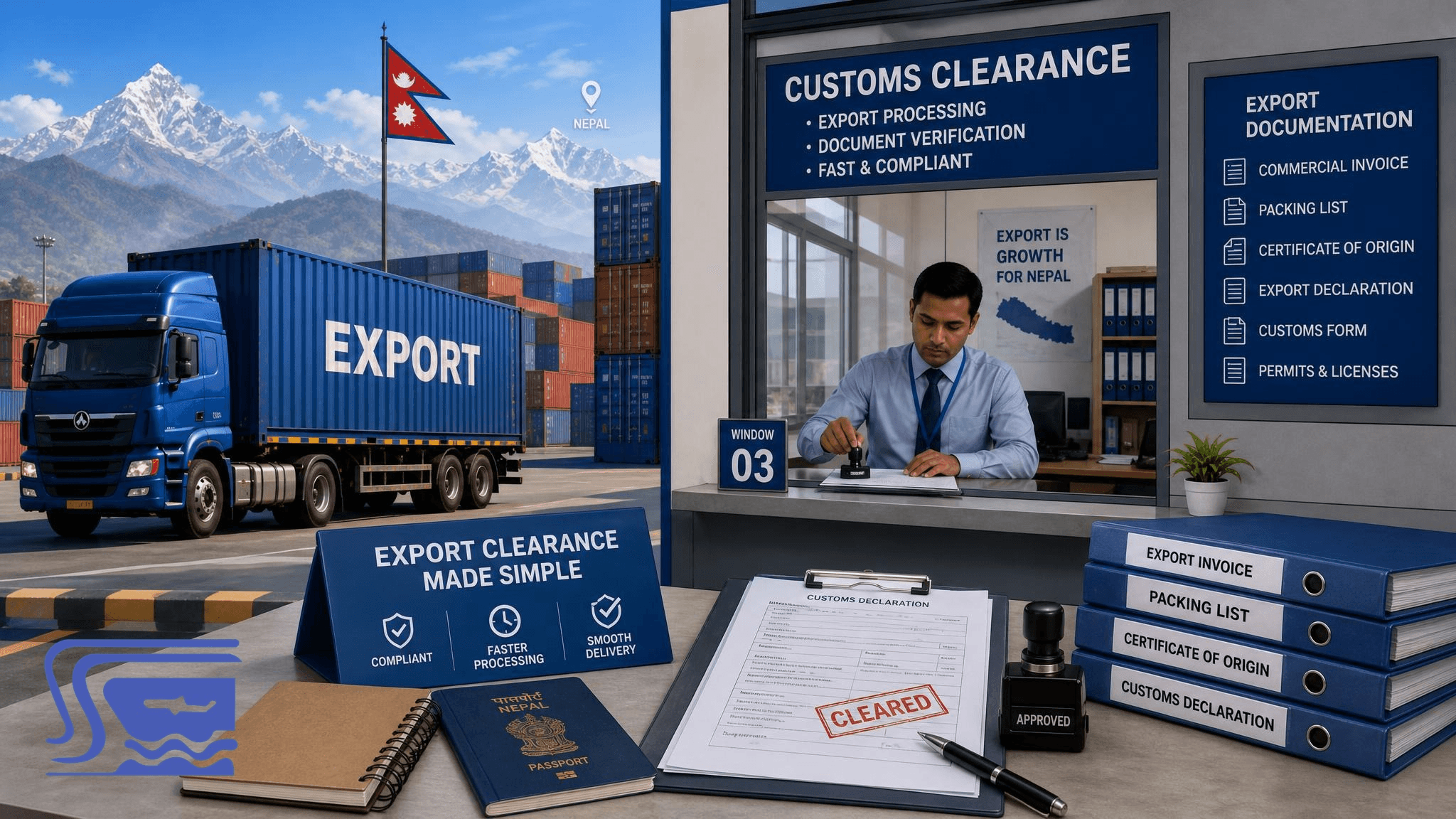
When evaluating a B2B freight partner for South Asia shipments, the stakes are higher than most procurement teams realize until something goes wrong. Picture this: a containerized shipment clears your origin port without a single issue. Documentation is clean, the booking is confirmed, and the transit time looks manageable on paper. Then the cargo reaches the Nepal border and sits. Two weeks pass. The local agent on the ground has no working relationship with the customs office handling that commodity class, no leverage to resolve a documentation discrepancy, and no clear path forward. The delay costs your client money, damages your reputation, and could have been avoided entirely by choosing the right regional partner from the start.
South Asia logistics is structurally different from moving freight between two port cities. Nepal and Bhutan are landlocked countries where international shipments typically transit through India before reaching their destinations, a routing reality that multiplies the documentation burden, the regulatory touchpoints, and the ground-level relationships your co-agent must hold. Choosing the wrong B2B freight partner for this corridor is not a minor inefficiency; it is a supply chain liability.
Sea Sky Cargo Service Pvt. Ltd. has been operating in this corridor since 1988, with over 38 years of continuous operation, offices across 9 global locations, and a client base spanning multinational corporations, government agencies, and international NGOs. What follows is the framework we use to evaluate what separates a genuine South Asia B2B freight partner from a broker who happens to have a contact in Kathmandu. Five criteria, each with concrete benchmarks.

Why South Asia Shipments Demand a Specialist B2B Freight Partner
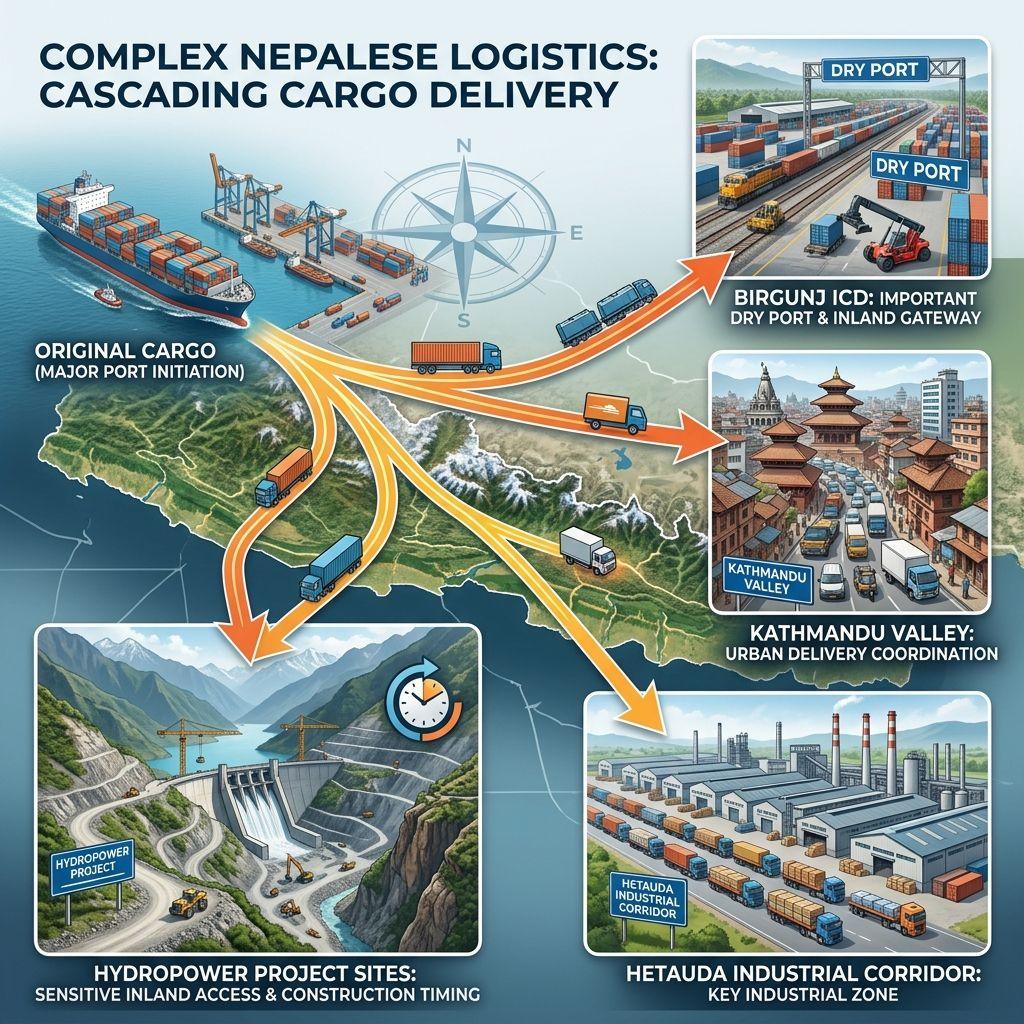
The landlocked reality of Nepal and Bhutan is easy to underestimate from a desk in Chicago or Los Angeles. Cargo arriving at Kolkata port cannot simply be handed off to a local trucker and driven to Kathmandu. It must move through India under the Electronic Cargo Tracking System (ECTS), transit through Indian state checkpoints that can add hours of waiting time per leg, clear a land customs station at the Nepal border, and then complete final delivery on roads that have their own seasonal and infrastructure constraints. That is four distinct operational environments in a single shipment.
Generic freight brokers with no South Asia footprint consistently underestimate what this chain requires. They lack established carrier relationships for Indian inland trucking. They are unprepared for seasonal route disruptions on key highway corridors, a real risk given the region's monsoon patterns and infrastructure limitations. And when a customs discrepancy surfaces at the Birgunj land customs station, they have no one in-country to resolve it. What looks like a competent global network on paper becomes a series of subcontracted legs with no single accountable party.
A qualified co-agent for this region must own the corridor operationally, not just broker it. That means holding in-country customs brokerage licenses, maintaining full-time operations staff at key corridor points, and securing confirmed carrier contracts across every mode the shipment will use. That distinction separates partners who deliver from those who explain why they could not.

Customs Expertise and Government Relationships: The Most Underrated B2B Freight Partner Criterion
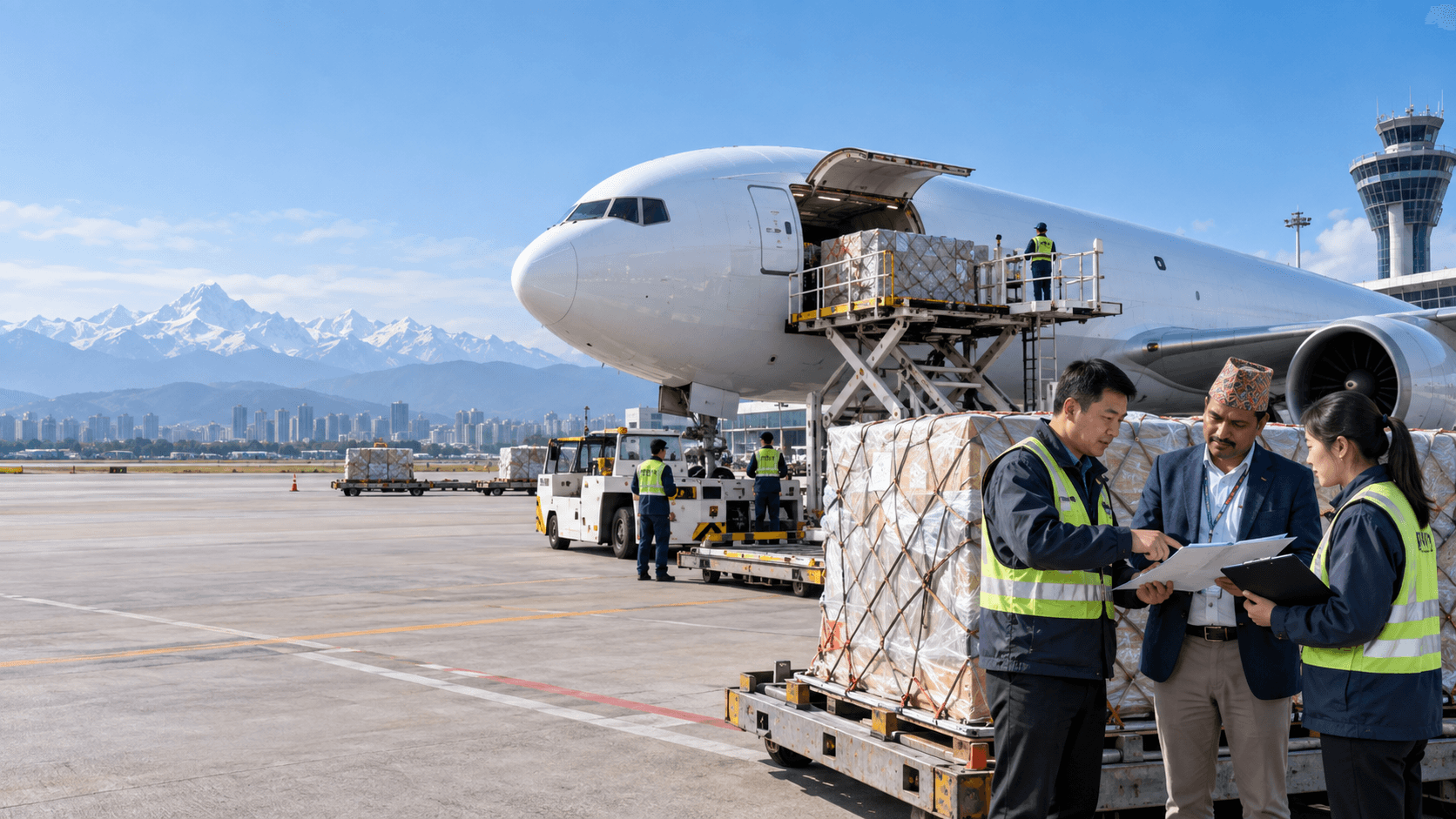
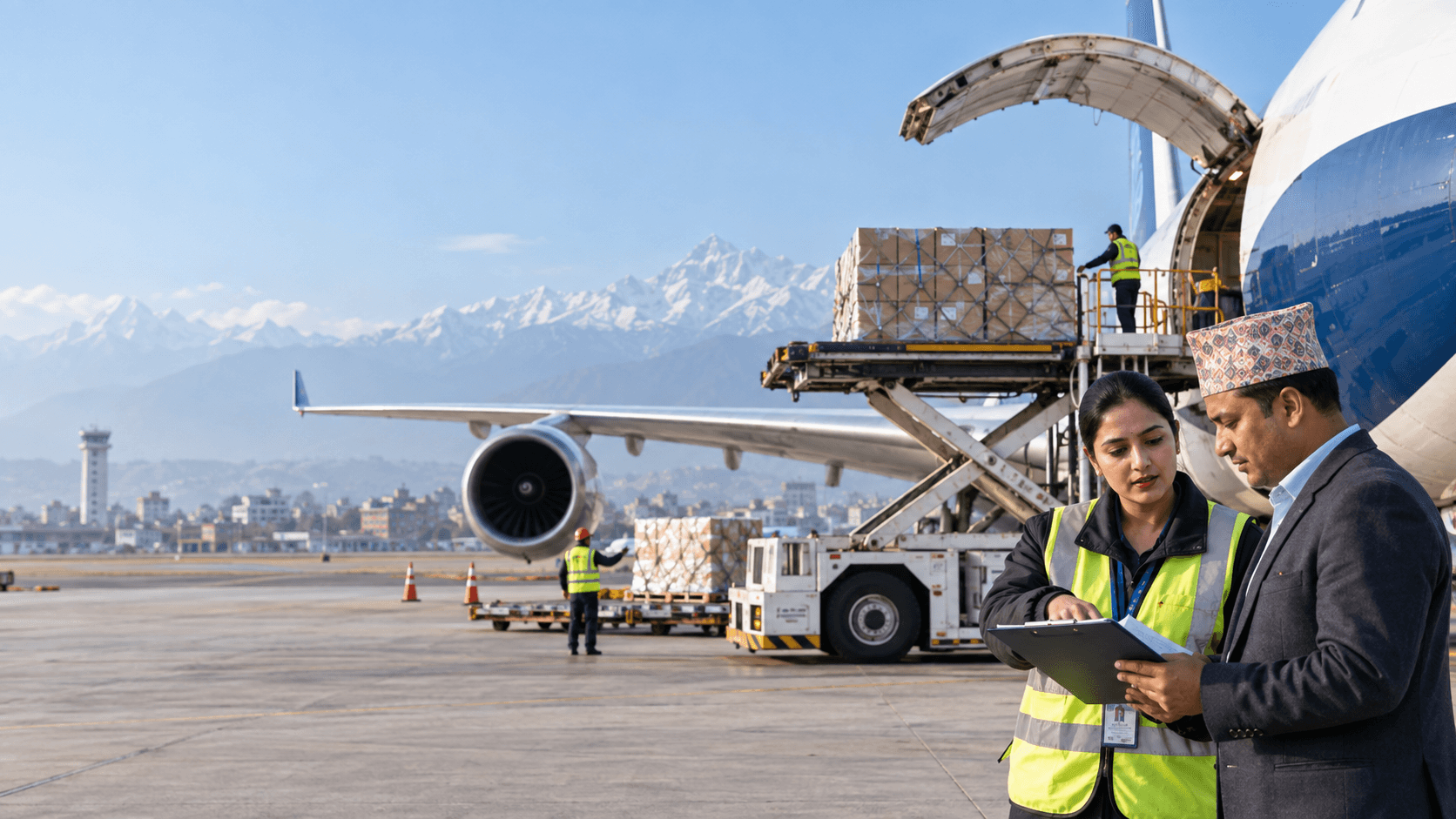
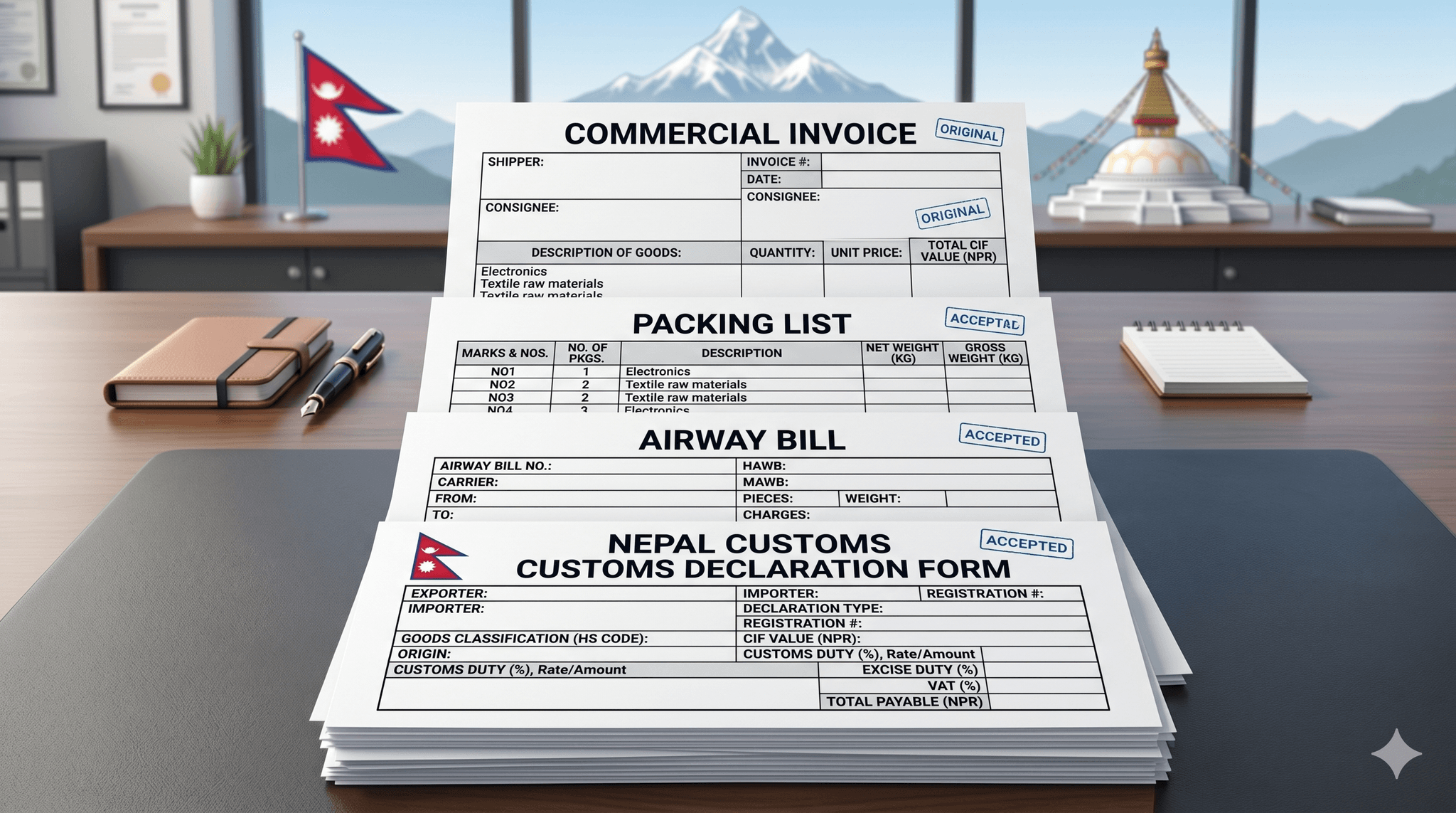
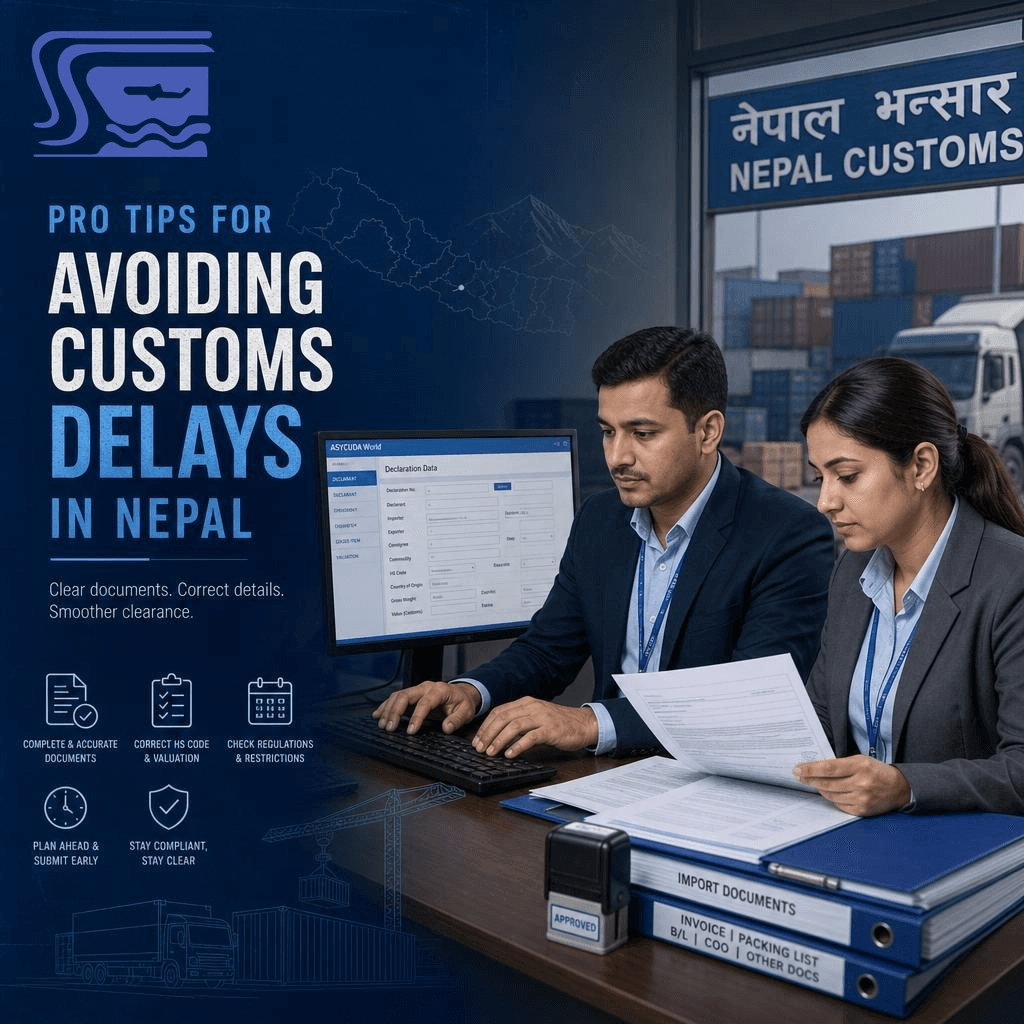
Nepal customs clearance involves HS code interpretation, duty calculation against the current fiscal year tariff schedule, CIF value assessment, and 13% VAT calculation. For restricted goods, it requires import license verification before the shipment even reaches Tribhuvan International Airport or the Birgunj inland clearance depot. These are not tasks you can outsource to someone who has read the regulation once. They require years of in-country practice and, critically, direct working relationships with the customs officials who make discretionary decisions when documentation has a gap.
The difference between a partner who "knows the process" and one who has formal, long-standing relationships with Nepal Customs Department officials, Kolkata port liaisons, and Indian transit authorities shows up most clearly when something goes wrong. A documentation discrepancy that would strand a shipment for weeks under one agent gets resolved in hours under another, because the right agent knows which clearance office handles which commodity and who to call at 4 p.m. when a gate cutoff is approaching.
Partners like Sea Sky Cargo have built these relationships over four decades. That is not a marketing claim; it is the accumulated result of handling thousands of shipments through multiple policy changes, border closures, and regulatory transitions. For any international forwarder or MNC shortlisting a regional co-agent, verified customs expertise with documented government relationships is non-negotiable.
Multimodal Capabilities and Full-Corridor Coverage
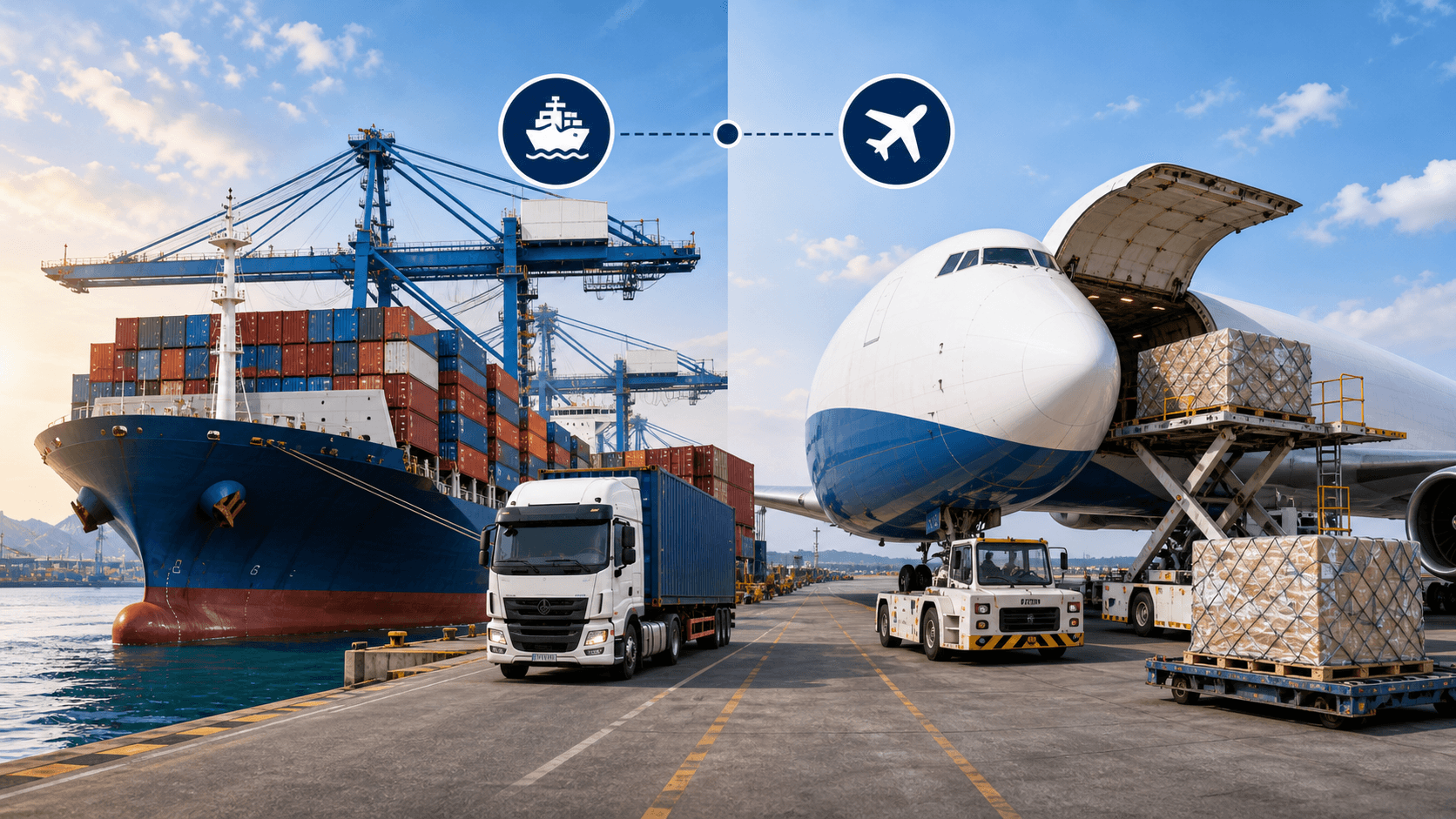
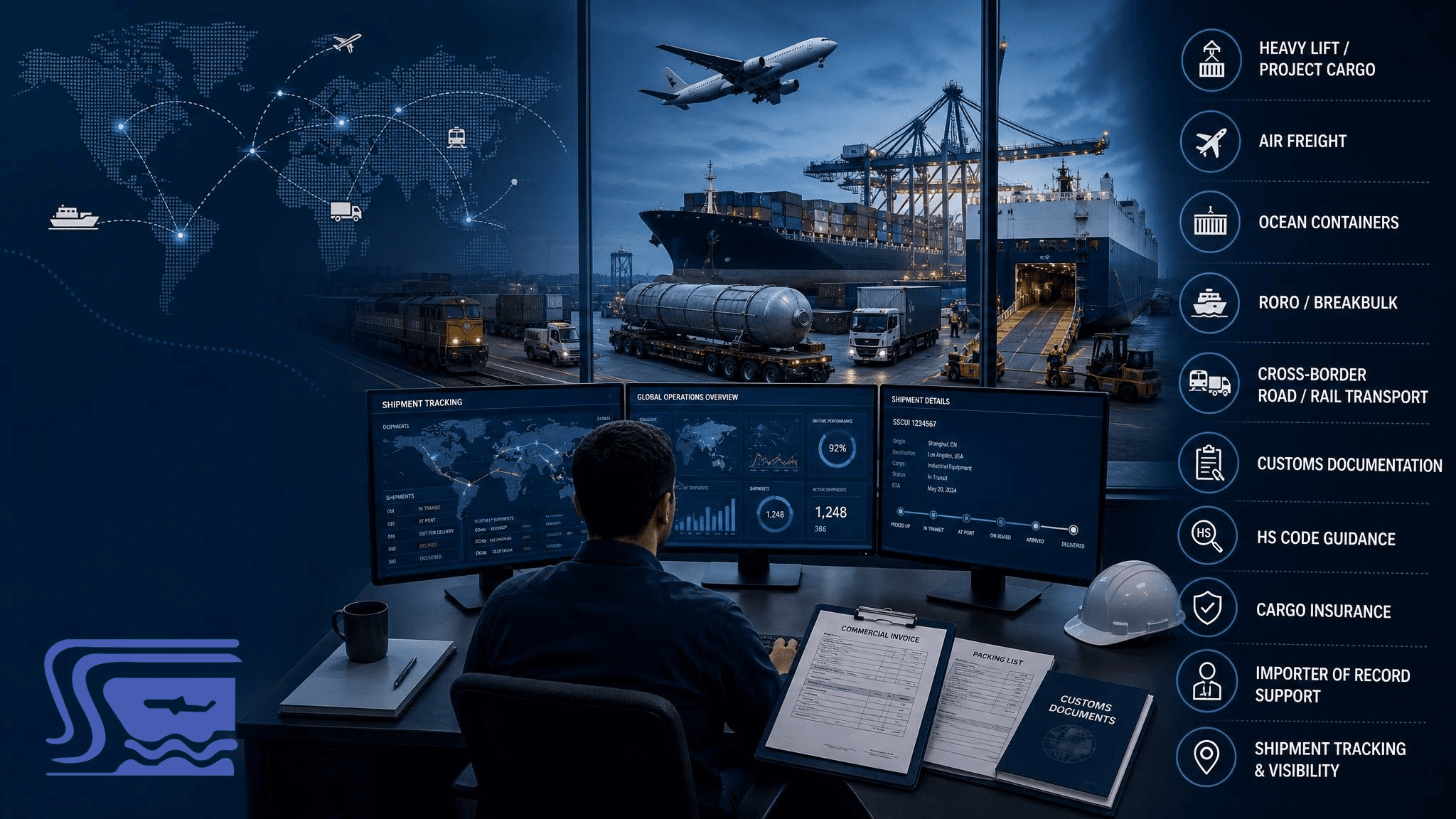
A South Asia shipment rarely travels on a single mode. Ocean freight arrives at Kolkata or Chittagong, moves by rail or road through India, crosses a land customs station, and completes its journey by truck to a warehouse or project site in Nepal or Bhutan. Each handoff between modes is a point of risk: documentation gaps, miscommunication between sub-agents, or a simple scheduling failure can cascade into multi-day delays. A 3PL freight partner or carrier partner for B2B that can coordinate the entire movement under one roof eliminates those handoff risks by design.
Air and Sea Freight Handoffs
Beyond standard containerized freight, a strong regional partner must demonstrate competency with the full cargo spectrum. Dangerous goods (DG) handling requires specific compliance documentation and carrier approvals that most generalists cannot provide. Perishable goods need temperature-controlled routing with no gaps in the cold chain across the India transit leg. A partner who lists these services on their website is very different from one who has executed them repeatedly, with documented outcomes such as DG approvals, cold chain temperature logs, and third-party audit records.
Need a South Asia freight partner?
Sea Sky Cargo helps forwarders, MNCs, NGOs, and project teams move complex cargo across Nepal, Bhutan, and India transit corridors.
Road and Rail Transit in India
Out-of-gauge (OOG) cargo and project shipments require heavy-lift equipment, oversize transport permits from Indian state authorities, and route surveys before a single wheel turns. Full multimodal capability, from air and sea freight through inland rail and last-mile road delivery, signals genuine operational depth. It means the partner holds the carrier relationships, the permit management experience, and the ground infrastructure to handle what your specific shipment actually requires, not just the straightforward ones.
Operational Stability and Infrastructure Depth
Longevity in South Asia freight is not a vanity metric. It represents accumulated relationships built through multiple government administrations, regulatory navigation through the 2015 Nepal earthquake recovery period, and border disruptions during the Madhesi agitation, real events that tested the resilience of every logistics operator in the region and shuttered many newer entrants. A partner with more than 38 years of continuous operation has demonstrated they can absorb these disruptions and keep client cargo moving. A newer brokerage with a sleek website has not.
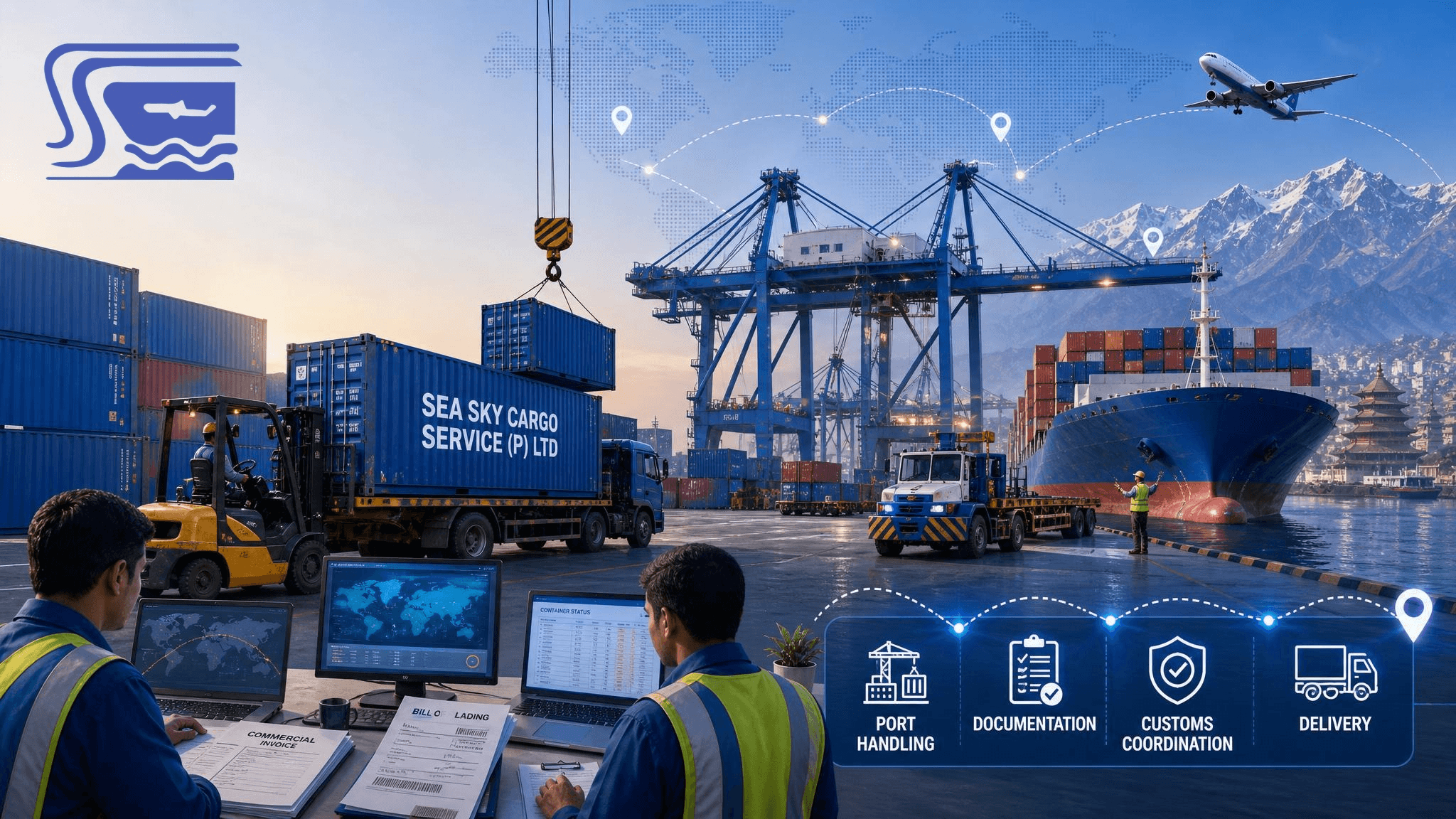
Physical infrastructure matters just as much as tenure. A business freight solutions provider with multiple warehouse locations, a professional operations team, and dedicated offices in key corridor cities is structurally more reliable than a lean broker model staffed by one or two people. When a volume surge hits or an emergency re-route is needed, the partner with physical infrastructure and an operations team can absorb it. The solo broker cannot. Warehouse footprint and staffing depth are reliable proxies for SLA consistency over time.
Ask any prospective co-agent about their infrastructure directly. The answers will tell you quickly whether you are talking to a genuine freight partner or a booking intermediary:
How many owned or leased warehouses do they operate? How many full-time operations staff are on payroll? What is their contingency routing capability when a primary corridor faces disruption?
Client Portfolio as a Trust Signal
Government agencies, diplomatic missions, and multilateral organizations apply rigorous due diligence before awarding logistics contracts. Compliance documentation, liability management, and operational references are all scrutinized, processes governed by standards such as the UN Global Marketplace (UNGM) vendor registration requirements and national procurement rules. A South Asia co-agent who holds active contracts with government bodies or UN-affiliated agencies has already cleared a vetting threshold that a commercial client can treat as a credible proxy reference. It is not just social proof; it is evidence that the partner's systems, documentation standards, and accountability practices meet institutional requirements.
Long-term relationships with multinational corporations carry the same signal value. A client who has shipped with the same South Asia B2B shipping partner for many years did not stay for the lowest rate. They stayed because the partner resolved problems, maintained consistent performance, and demonstrated the organizational maturity to grow alongside complex client requirements. Sea Sky Cargo's sustained MNC relationships across Nepal and Bhutan reflect exactly this: clients who remained because performance justified the relationship, not because switching costs kept them locked in.
A Practical Framework for Shortlisting Your B2B Freight Partner
Before signing any co-agent agreement, verify the following criteria directly rather than relying on website claims.
First, confirmed in-country customs clearance capability: ask for specific examples of commodity types cleared, documentation processes used, and any formal recognition from Nepal Customs Department. Second, multimodal service coverage across the full corridor the shipment will travel, with carrier names and lane-specific experience to back it up. Third, physical infrastructure: warehouses, local offices, and owned or long-term contracted equipment. Fourth, a transparent client reference list organized by client type, government, NGO, MNC, project cargo, rather than generic testimonials without names or industries attached.
On the contractual side, build the following KPIs into your co-agent terms before the first shipment moves. A qualified freight partner program will engage on all of these standards without hesitation, because a capable partner is already operating at or above them. Resistance to SLA conversations is itself useful information.
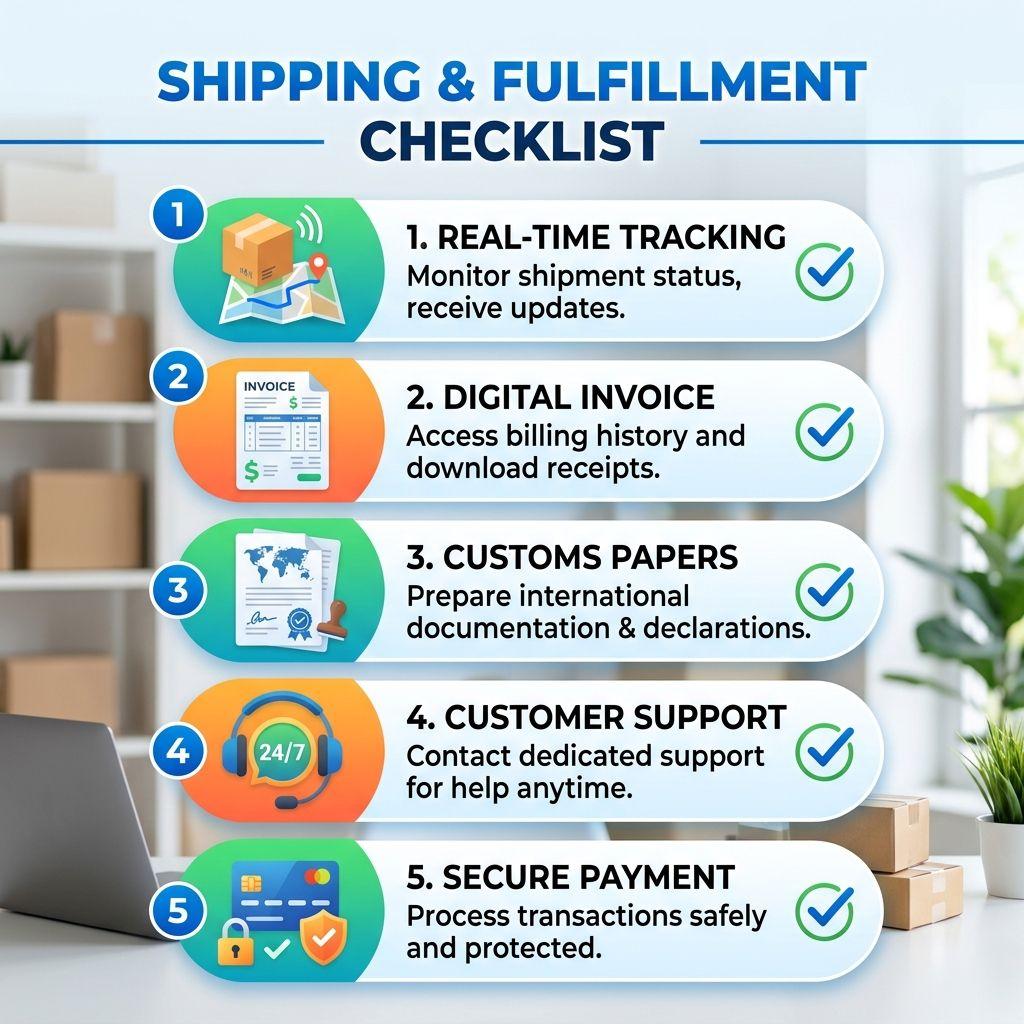
- On-time delivery: target 95% or higher across the corridor
- Claim resolution: acknowledged within 48 hours, resolved within 14 days
- Tracking continuity: real-time visibility with no unexplained status gaps
- Clearance turnaround: benchmarked by commodity and entry point, documented in the agreement
The Bottom Line on Choosing the Right B2B Freight Partner for South Asia
Finding the right B2B freight partner for South Asia is not about securing the cheapest rate or accessing the largest global network. It is about finding a partner who genuinely owns the corridor you need: one with the regulatory knowledge to navigate Nepal customs without surprises, the multimodal infrastructure to coordinate every leg of a complex shipment, and the client relationships that demonstrate consistent, reliable performance for demanding organizations over a sustained period.
Sea Sky Cargo Service Pvt. Ltd. represents what all five of those criteria look like in a single operating entity: more than 38 years of continuous operation in South Asia, verified government and MNC client relationships, full-spectrum cargo handling from dangerous goods and perishables through heavy-lift project cargo, and deep customs expertise across Nepal, Bhutan, and the India transit corridor. Those are not aspirational claims; they are the operational record of a business that has moved thousands of shipments across one of the world's most complex landlocked freight corridors.
If you are a freight forwarder or MNC evaluating regional co-agents for South Asia, apply the framework above to every partner you shortlist. Measured against all five criteria, Sea Sky Cargo's operational record places it at the top of any shortlist for this corridor.
Ready to shortlist a trusted freight partner?
Talk to Sea Sky Cargo about customs, multimodal freight, warehousing, and project cargo support across South Asia.