
1. What Is a Customs Transit Declaration for Nepal Cargo?
A Customs Transit Declaration, or CTD, relates to the customs-controlled movement of eligible cargo through India between an overseas gateway and Nepal. For a Nepal importer, its purpose is different from an invoice or packing list: it supports the transit leg through Indian territory rather than the commercial sale or Nepal’s final import assessment.
The Birgunj Customs FAQ explains CTD in the context of third-country goods imported to Nepal, or exported from Nepal, through India. The control helps identify cargo intended to continue in transit rather than be diverted into India. This article concentrates on Nepal-bound third-country imports.
The Embassy of India’s commerce brief identifies the revised India–Nepal Treaty of Transit signed on 1 June 2023 as part of the framework. Operational requirements also depend on the applicable route, customs instructions, carrier arrangements and procedure used for the shipment.
A historical CTD form is useful for understanding the information involved. It should not be treated as a complete description of today’s electronic filing, tracking or release process. Before booking, ask the appointed representative which declaration or transit procedure applies to the actual port, cargo and onward movement.
Importing cargo through India to Nepal? Sea Sky Cargo can review your route, documents and customs-transit requirements before dispatch. Request a transit-route review.

2. Which Shipments Need a Transit-Procedure Review?
The key question is whether the goods are third-country cargo passing through India to Nepal. Machinery shipped from another country to an Indian gateway for onward movement to Nepal is different from goods purchased in India and exported bilaterally to Nepal. Do not assume the same document set or declaration applies to both.
The Consulate General of Nepal in Kolkata identifies Kolkata, Haldia and Visakhapatnam within the transit framework. The available route and handling arrangement still need confirmation for the specific consignment; a listed gateway is not a guarantee of a particular sailing, rail service or road option.
- Containerized commercial stock and furniture
- Machinery, industrial equipment and project cargo
- Raw materials and other accepted bulk or packaged cargo
- FCL or LCL shipments using an applicable transit arrangement
- Goods requiring product-specific permits, technical review or special handling
Product type alone does not determine the procedure. The shipment’s origin, destination, packaging, mode, port, customs office and carrier arrangement matter. Out-of-gauge machinery, controlled goods and consolidated cargo need a route-specific review before dispatch.
Transit treatment should also not be read as free transport. Freight, terminal, handling and other service charges may remain payable, and Nepal import taxes are a separate matter. Confirm each quoted cost and any undertaking, security or tracking requirement applicable to the chosen procedure.
3. How Cargo Moves from an Indian Port toward Nepal
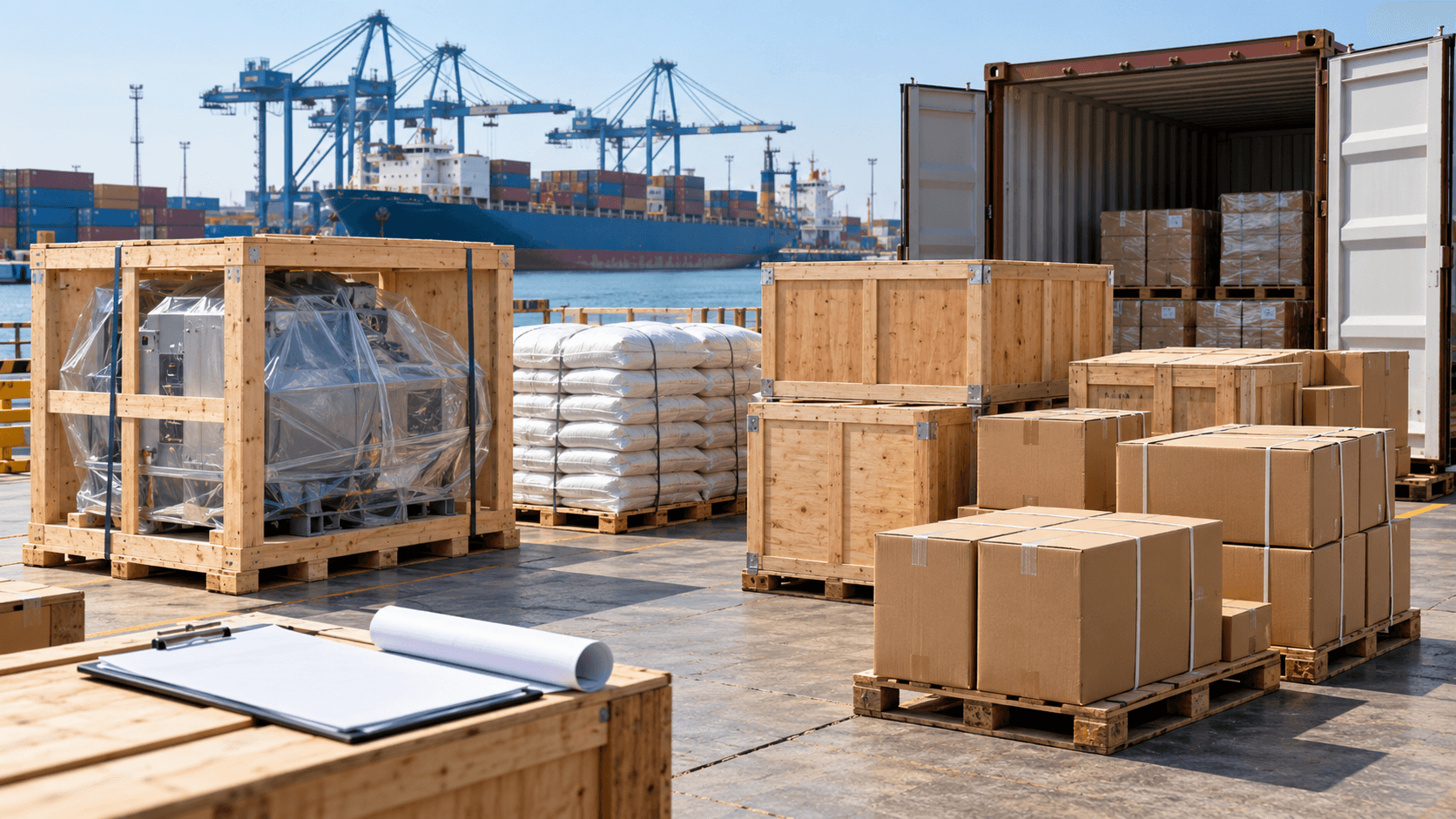
A typical movement connects the supplier, ocean carrier, Indian gateway, transit operator, border formalities and Nepal receiving point. Some work occurs before vessel arrival, so this is a planning sequence rather than an instruction to wait for each stage before starting the next. The supplier confirms the goods, packed details and commercial documents. The carrier or forwarder arranges origin export handling and sea transport. The vessel reaches the booked Indian gateway. Carrier, port and cargo-release requirements are coordinated. The appointed parties complete the applicable transit preparation and obtain the required permissions for onward movement. The cargo moves by the agreed rail or road route, subject to the applicable controls. Border arrival, verification and transit-completion steps are coordinated. The Nepal customs file is processed at the agreed customs point. After the necessary releases, cargo is collected for final warehouse or site delivery. For a rail movement to Sirsiya, Raxaul connects with the Birgunj ICD rail link. A road movement through the Raxaul–Birgunj area should not automatically be described as arrival at that rail terminal. Confirm the exact border and receiving facility in the booking. An arrival estimate is not a release confirmation. Track vessel arrival, carrier release, transit authorization, inland departure, border arrival, Nepal release and final delivery as separate milestones. The port-to-door cargo guide covers the broader logistics chain.
| Illustrative Route Stage | What It Means |
|---|---|
| Indian Gateway | Kolkata/Haldia or Visakhapatnam, if suitable for the booked movement |
| Indian Inland Transit | The agreed rail or road leg and its required controls |
| Raxaul–Birgunj Area | An India–Nepal connection used for relevant movements |
| Birgunj ICD or Other Agreed Customs Facility | Use the facility specified for the actual rail or road arrangement |
| Final Delivery | A separately coordinated movement after required release |
4. CTD vs. Other Shipping Documents
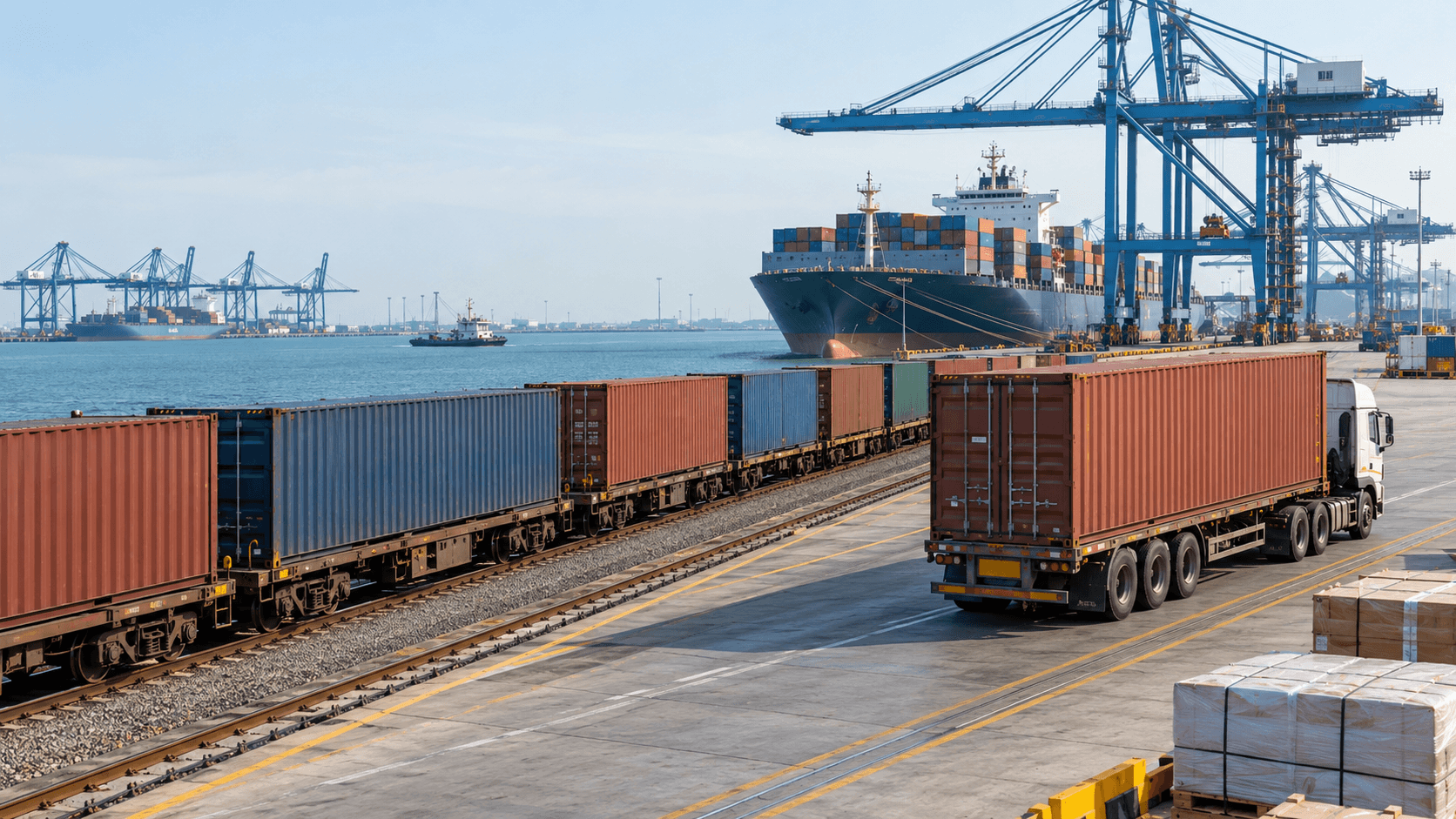
Several documents describe the same shipment, but each serves a different purpose. Matching information across them helps the parties identify the goods, transaction and transport arrangement. Possessing one document does not mean every other requirement has been met. A CTD is therefore not a substitute for an invoice, import approval, payment instrument or Nepal declaration. Equally, a shipping line’s delivery order does not by itself establish customs permission for onward transit. Do not use transit permit as an interchangeable name for every document in the chain. Ask which authorization or declaration the representative means, which authority or party issues it, and which leg it covers. For the broader document set, use the freight-forwarding documents guide. Keep this CTD review focused on the Indian transit leg and its connection to Nepal clearance.
| Document | Main Function |
|---|---|
| Commercial Invoice | Records the sale, parties, product details and transaction value |
| Packing List | Identifies packages, quantities, marks, weights and dimensions |
| Bill of Lading | Records sea carriage and receipt of goods; its legal function depends on its form |
| Air Waybill | Records air carriage; relevant when an air movement is involved |
| Delivery Order or Carrier Release | Supports collection or release under the carrier’s arrangements |
| Import Licence or Product Permit | Provides permission or approval where required for the goods |
| Letter of Credit | Sets banking and documentary payment conditions where used |
| CTD or Applicable Transit Declaration | Supports the customs-transit procedure for the movement through India |
| Nepal Customs Declaration | Supports Nepal import assessment and release |

5. Information and Documents Commonly Reviewed
Prepare one consistent shipment data set for the supplier, carrier, transit representative and Nepal customs team. It commonly includes importer and consignee identity, shipper details, cargo description, packages, quantities, values, origin information, gateway, destination and transport identifiers.
- Commercial invoice and final packing list
- Bill of lading and relevant carrier or transit documents
- Importer registration and identification information
- HS-code information supported by the actual product description
- Container, package-mark and seal details where applicable
- Insurance information where required or arranged
- Certificate of origin where required or used for a claim
- Import licence, product permits or technical certificates where applicable
- Letter-of-credit details and authentication where the applicable process requires them
This is a review checklist, not a universal legal filing list. Confirm whether originals, authenticated copies, electronic records or other formats are needed, and which party supplies each one. Banking documents are relevant only where the transaction or procedure requires them; an LC should not be described as mandatory for every shipment.
Country of origin and country of consignment can differ. Likewise, the commercial seller, shipper, consignee and importer may perform different roles. Explain the arrangement accurately rather than changing names just to make all fields look identical.
Descriptions should identify the actual goods. Generic wording such as machinery parts or household goods may be insufficient when the product facts are needed for classification or acceptance. Resolve differences in unit quantities, package counts, gross weight and values before the final documents are issued.
Use the import-permit guide when assessing product approvals, and ask the representative to confirm the final transit and Nepal import requirements for the shipment.

6. Who Prepares and Follows Up the Transit Paperwork?
An importer may work through a forwarder, appointed customs representative, carrier, rail operator or other authorized party according to the service and procedure. Confirm the actual filing responsibility and authority in writing. Paying for freight alone does not identify who will prepare or follow up every transit record. Electronic records, cargo tracking and physical seals are related controls but should not be treated as the same thing. The Kolkata consulate FAQ describes ECTS for relevant rail transit, using an electronic seal to track the container toward the Nepal customs point. Confirm applicability and the current process for the booked movement. Do not assume that ECTS eliminates every declaration or that a historical paper CTD must be filed in the same way on every route. Ask the appointed representative for the current customs instruction and the reference or acknowledgement that will evidence each required step. Kolkata Customs’ Nepal-transit notices are an official resource for checking applicable instructions. Also agree who obtains and retains proof of arrival or transit completion, and who follows up any related security or undertaking. An operational handoff is stronger when it identifies both the next action and the person responsible for closing it.
| Party or Function | Responsibility to Confirm |
|---|---|
| Importer and Supplier | Accurate product, commercial and registration information |
| Ocean Carrier or Agent | Transport documents, manifest information and carrier release |
| Indian Customs Representative or Authorized Filer | Applicable transit preparation, submissions and query handling |
| Rail or Road Operator | Accepted movement, equipment details and transport coordination |
| Nepal Customs Representative | Import-file readiness, assessment and release coordination |
| Shipment Coordinator | Milestone updates, document handoffs and unresolved issues |

Check the Transit File Before Cargo Moves
Sea Sky Cargo can review the invoice, packing list, transport documents and proposed Indian-port-to-Nepal route.
7. Birgunj ICD, Raxaul and the Road Border Facilities
Birgunj ICD at Sirsiya is an inland cargo and customs facility linked by rail with Raxaul in India. It is a dry port, not a seaport. The rail-services agreement hosted in Nepal’s government document system describes the Sirsiya facility and the Raxaul–Birgunj rail connection. That reference provides background, not a current train schedule or terminal tariff.
ICD is used for Inland Clearance Depot or Inland Container Depot in different official and operational references. CTD means Customs Transit Declaration. One is a facility; the other relates to customs transit documentation. They should not be confused in booking instructions.
The Birgunj road-border arrangements, including the Integrated Check Post, are distinct from the rail-linked ICD. Confirm which facility will receive the shipment, which office handles the file and where the collection vehicle must report. A general destination written only as Birgunj can leave an important operational detail unresolved.
- Confirm the terminal or customs point named in the transport arrangement.
- Check the arrival record and any seal or quantity exception.
- Confirm the Nepal declaration, required payments and permissions.
- Obtain the relevant customs, carrier and terminal releases before collection.
- Coordinate unloading, warehouse delivery and container return where required.
Cargo reaching Birgunj ICD does not automatically mean it is available for unrestricted delivery. The import and terminal-release conditions still need to be completed. The Birgunj-to-Kathmandu trucking guide explains the onward delivery stage.
8. Common Reasons Transit Cargo Is Delayed
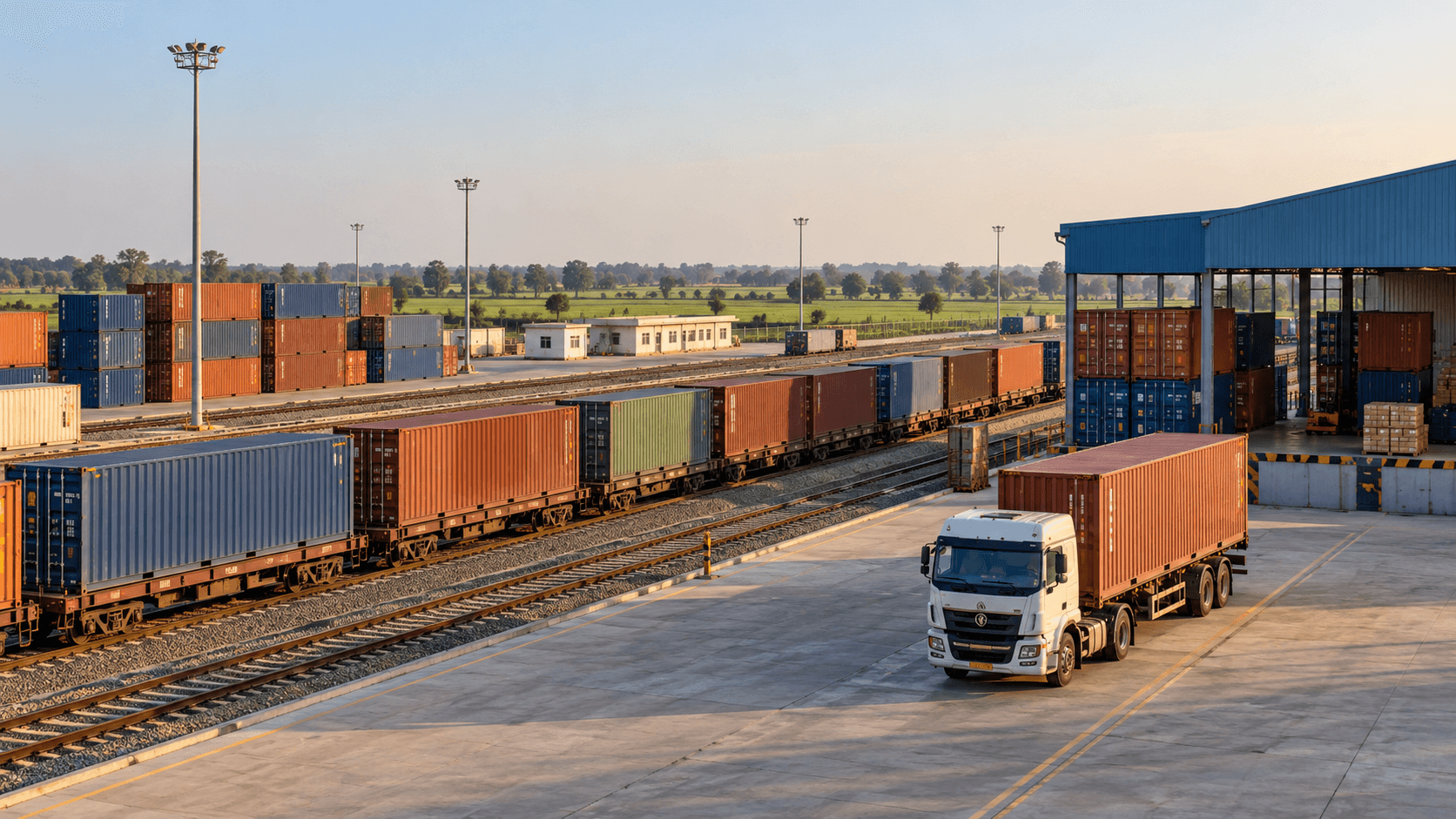
Some delays come from document errors, while others arise from inspection, release conditions, equipment availability or the transport network. Keep the cause specific so the right party can act. Transit paperwork being prepared does not mean carrier release or a train booking is complete. For example, a packing list may show 40 crates while another document shows 42 packages because two accessory cartons were recorded separately. Explain and reconcile the count with the supplier and representative before filing. Do not assume someone at the border can correct it without affecting other records. If an identifier or route changes, use the applicable amendment process through the responsible party. Keep the explanation and revised documents together so the next handoff does not rely on an obsolete version. When a delay occurs, ask for the current milestone, the exact outstanding item, who must resolve it, the next update and any time-sensitive cost exposure. This is more useful than a general message that customs is taking time.
| Issue | What to Check |
|---|---|
| Invoice and Packing-List Mismatch | Quantities, package count, weights and references |
| Unclear Cargo Description or HS Information | Product facts and classification review |
| Wrong Party Details | Importer, consignee, shipper and registration data |
| Missing Approval or LC Discrepancy | Product permits and applicable banking conditions |
| Container or Seal Mismatch | Recorded identifiers, changes and authorized explanations |
| Carrier Release Pending | Document surrender or release arrangements and unpaid charges |
| Transit or Route Query | Applicable procedure, declared route and required permissions |
| Inspection or Examination | Required documents, handling and response responsibility |
| Rail, Road or Border Disruption | Current operator status and revised movement plan |
| Nepal File Not Ready | Declaration inputs, approvals and payment readiness |

9. A Delay-Prevention Checklist Before Dispatch
Use this checklist while the supplier can still correct documents and packing. Assign each unresolved item to a named party and record the agreed completion date. Recheck any detail that changes after booking.
- Confirm the exact goods, model or material details and intended use.
- Obtain the final package count, packed weights and dimensions.
- Reconcile the invoice, packing list and transport instructions.
- Confirm the importer, consignee, shipper and registration details.
- Review HS-code information against the actual product.
- Confirm product permits, licences or technical documents where applicable.
- Check LC wording and authentication requirements if relevant.
- Confirm the Indian gateway, transit mode, border and Nepal receiving facility.
- Record container and seal details as they become available.
- Identify the authorized party responsible for the applicable transit procedure.
- Prepare the Nepal customs file before arrival.
- Agree final delivery, unloading and container-return arrangements.
For the transit review, ask the operator to distinguish estimated arrival, permission for onward movement, physical departure, border arrival and release. Keep an agreed contact list so a document question can reach the right supplier, importer or representative promptly.
The checklist reduces avoidable omissions but does not set a guaranteed processing time. Inspection, operating conditions and official queries can still affect the movement. Build the commercial delivery plan around the confirmed route and current information.
Need help preparing Nepal-bound cargo through an Indian port? Sea Sky Cargo can review your invoice, packing list, transport documents and transit route before shipment. Arrange a document review.

10. CTD Planning for FCL and LCL Cargo
Container size does not by itself determine the transit procedure. FCL and LCL describe transport arrangements, while customs requirements follow the applicable cargo and route. Confirm how the representative will link the shipment documents to the actual movement.
FCL: Full-Container Movement
FCL normally means the container is booked as a full-container movement. It should not be taken as proof that one importer personally controls every transport or customs step. Confirm the booking parties, documents, container and seal numbers, route and receiving arrangement.
Plan collection, unloading and the empty-container return location and deadline. Free-time and charging rules depend on the carrier, terminal and service. A document delay can affect storage, demurrage, detention or vehicle waiting, but those charges are not interchangeable.
LCL: Consolidated Cargo
LCL shares container space. Identify the consolidator, relevant master and house transport-document references, package marks, and the point at which the cargo will be deconsolidated. Ask which CFS, terminal or warehouse handles each stage and who confirms release of your packages.
A consolidation can depend on shared movement or deconsolidation steps, but do not assume every unrelated shipment necessarily blocks yours. Ask about the actual release dependencies. Likewise, do not assume every LCL consignment uses the same CTD format, gateway process or clearance point.
See the LCL shipping guide and demurrage and detention guide when comparing handling, free time and delivery assumptions.
11. How Sea Sky Cargo Can Help with India Transit
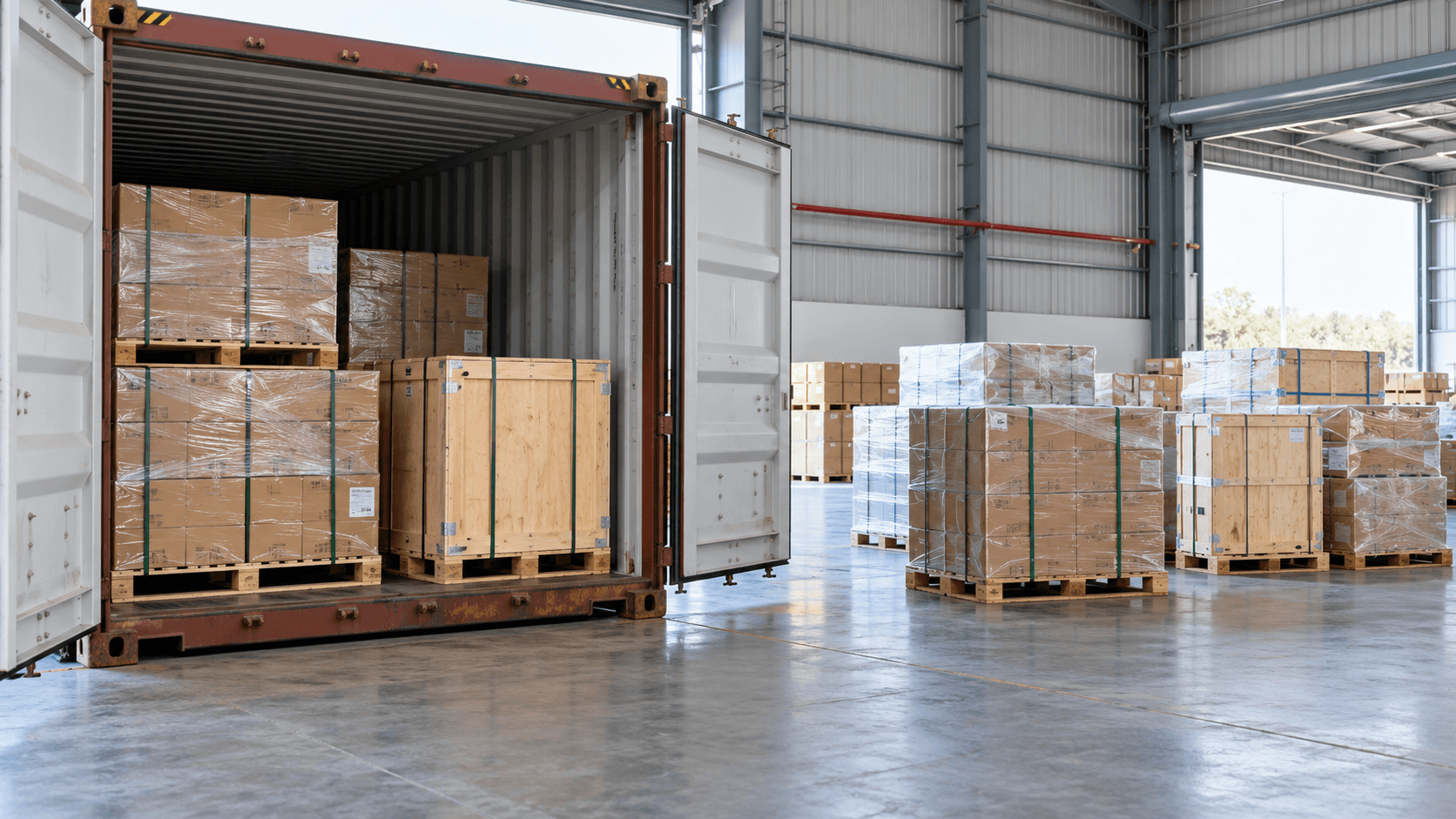
Sea Sky Cargo can review the India-port-to-Nepal logistics plan and coordinate the shipment within the agreed service scope. The review should connect the transit file with carrier release, inland transport, Nepal customs preparation and final delivery.
- Review suitable Kolkata, Haldia or Visakhapatnam routing.
- Check invoice, packing-list and transport-document consistency.
- Coordinate with the responsible party on CTD or the applicable transit procedure.
- Plan LCL, FCL or project-cargo handling for the selected route.
- Coordinate rail or road movement and the correct Birgunj receiving point where applicable.
- Prepare the Nepal clearance handoff and warehouse or site delivery.
Confirm which tasks are included in the quotation and which authorized representative performs each customs function. Document review is not a customs approval, and a general route proposal does not confirm capacity, final charges or a release date.
What to Send for a Transit-Route Review
Provide the country and port of origin, supplier pickup point where relevant, product details, values, package count, packed dimensions and weights. Add the draft invoice, packing list, bill-of-lading instructions, proposed Indian port, final Nepal destination, importer details and permit or LC status where applicable.
Shipping third-country cargo through India to Nepal? Send Sea Sky Cargo your origin port, cargo details, documents and final delivery point for a transit-route review. Request your transit plan. Review our ocean freight service, customs clearance agent guide and broader freight forwarding in Nepal page for related support.

12. Frequently Asked Questions
What does CTD mean for Nepal cargo? CTD means Customs Transit Declaration. It relates to the customs-controlled transit of eligible third-country goods through India to or from Nepal.
Is CTD the same as the Nepal customs declaration? No. The transit procedure concerns the movement through India, while Nepal’s import declaration supports assessment and release in Nepal. Both must be coordinated with the applicable shipment requirements.
Does every India-to-Nepal shipment use CTD? Do not assume so. Goods purchased in India and exported bilaterally to Nepal can follow a different process from third-country cargo transiting India. Confirm the applicable procedure with the appointed representative.
Which documents are commonly reviewed for CTD? The invoice, packing list, bill of lading, importer information, cargo identifiers and applicable permits or banking documents are common review inputs. The final filing list and format depend on the cargo, route and current procedure.
Who prepares the transit documents? Confirm the authorized filer and responsibilities in the service arrangement. The importer supplies accurate information, while the appointed parties coordinate the required transit preparation and follow-up.
Are CTD and ECTS the same thing? No. CTD refers to a transit declaration, while ECTS refers to electronic cargo tracking. Confirm which declarations, electronic records and seal or tracking controls apply to the booked movement.
Is cargo released when it reaches Birgunj ICD? Not automatically. Nepal customs, carrier and terminal release conditions must be completed before the agreed collection and final delivery can proceed.
What is the difference between Birgunj ICD and CTD? ICD is an inland clearance or container depot, a physical facility. CTD is a customs transit declaration. The road-border facilities and rail-linked Sirsiya ICD should also be identified correctly.
Do all LCL shipments follow one CTD process? No. Confirm the gateway, consolidation and deconsolidation arrangement, transport references and applicable transit procedure with the forwarder or customs representative.
How much does CTD cost and how long does it take? There is no universal fee or guaranteed processing time in this guide. Ask for a shipment-specific breakdown of service, handling and other applicable charges, plus the current milestones and release assumptions.

Plan Your Nepal Cargo Transit through India
Share the origin port, cargo details, documents and final Nepal destination for a shipment-specific transit-route review.
Related posts

1970-01-01
Sea + Air Freight: How SeaSky Helps Businesses Ship Smarter

2026-10-27
How to Read a Freight Quote in Nepal: Line-by-Line Breakdown

2026-10-26
Cargo for Tihar: How to Import Festival Stock to Nepal on Time

2026-10-15