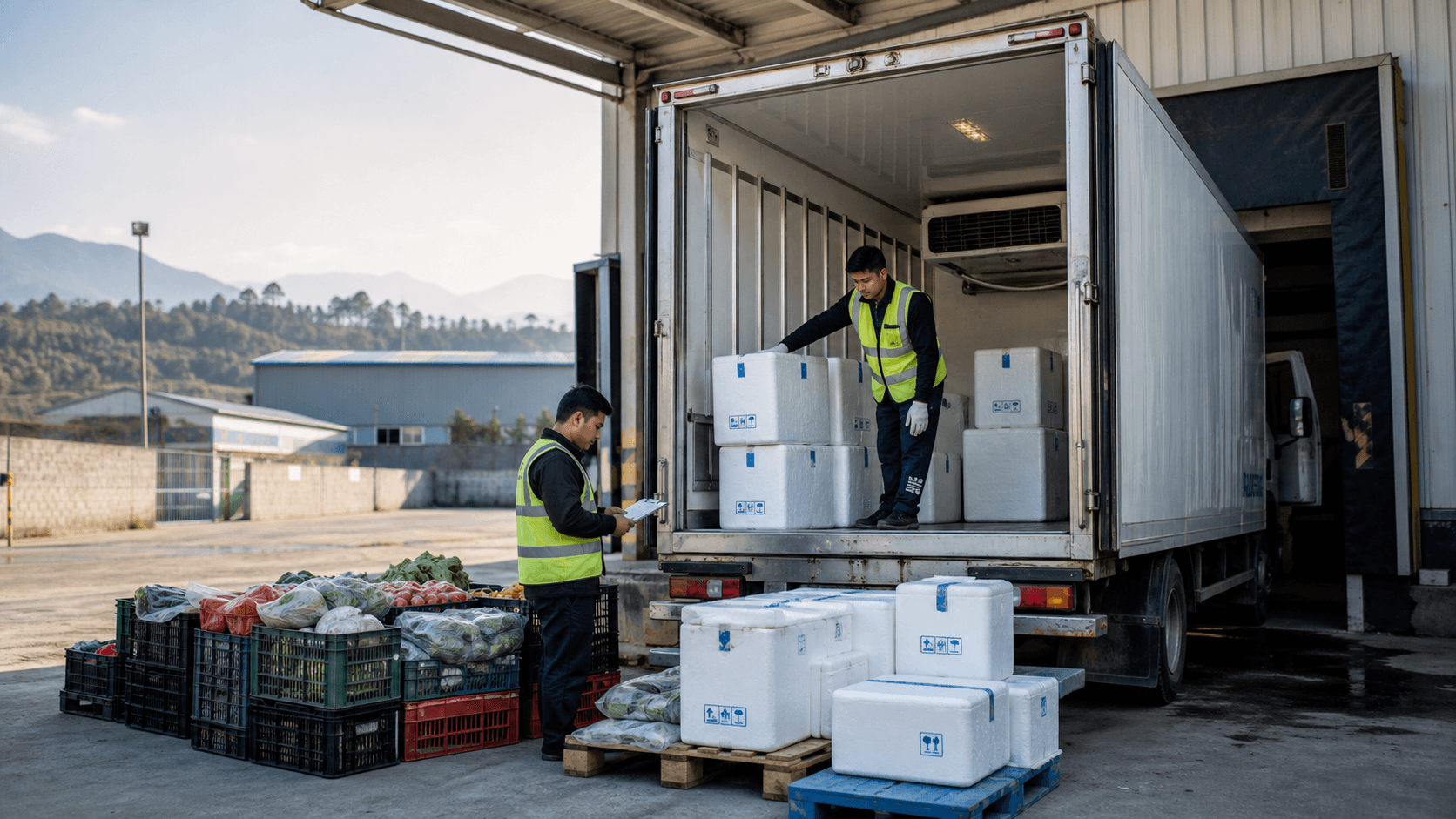
What is temperature-controlled cargo?
Temperature-controlled cargo means goods that must stay within a specified temperature range during storage, transport, customs handling and delivery. Depending on the product, the shipment may need insulated packaging, refrigerated vehicles, thermal boxes, gel packs, dry ice or active temperature monitoring.
Common temperature-sensitive products include:
- Medicines, vaccines and diagnostic kits
- Laboratory samples and medical supplies
- Fresh, chilled and frozen food
- Dairy products, meat and seafood
- Fruit, vegetables, flowers and plants
- Chocolate, cosmetics, supplements and heat-sensitive chemicals
The manufacturer or supplier should define the approved storage range. Some products must remain chilled or frozen, while others only need protection from extreme heat, moisture or sudden temperature changes.
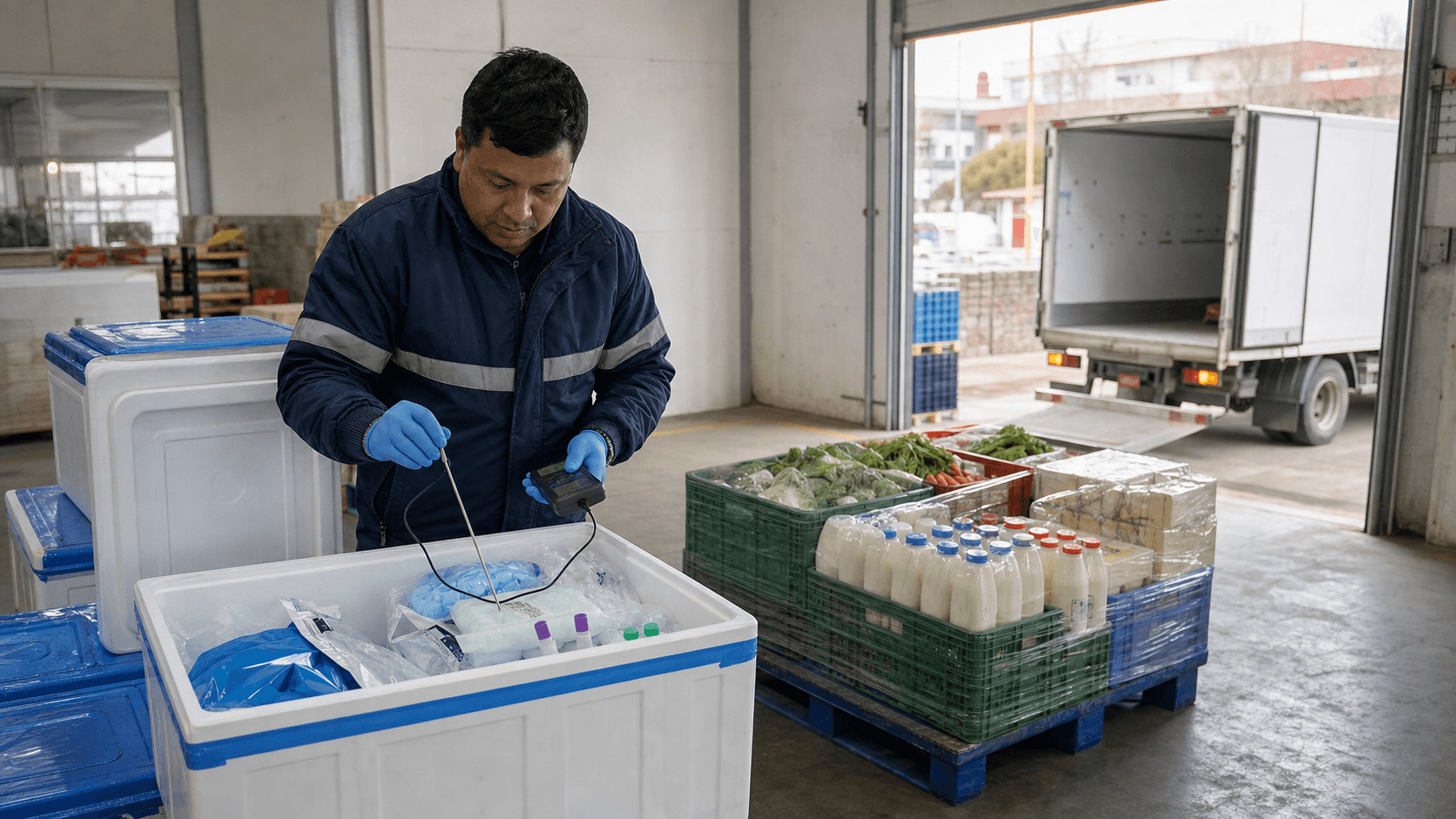
Why temperature control matters
A temperature excursion can affect product safety, shelf life, medical effectiveness, freshness and sale value. Damage may happen during a short transfer between warehouse and vehicle, while cargo waits for inspection, or during final delivery after customs release.
A reliable cold-chain plan helps protect product quality, regulatory compliance, buyer trust and brand reputation. Medicine can lose effectiveness if stored outside its approved conditions. Frozen food can become unsafe or unsellable after thawing. Produce and flowers can lose market quality when heat and delay combine.
Planning therefore starts before pickup. The shipper should confirm the temperature range, packaging duration, handoff points, monitoring method, customs file and contingency plan before cargo leaves the supplier.
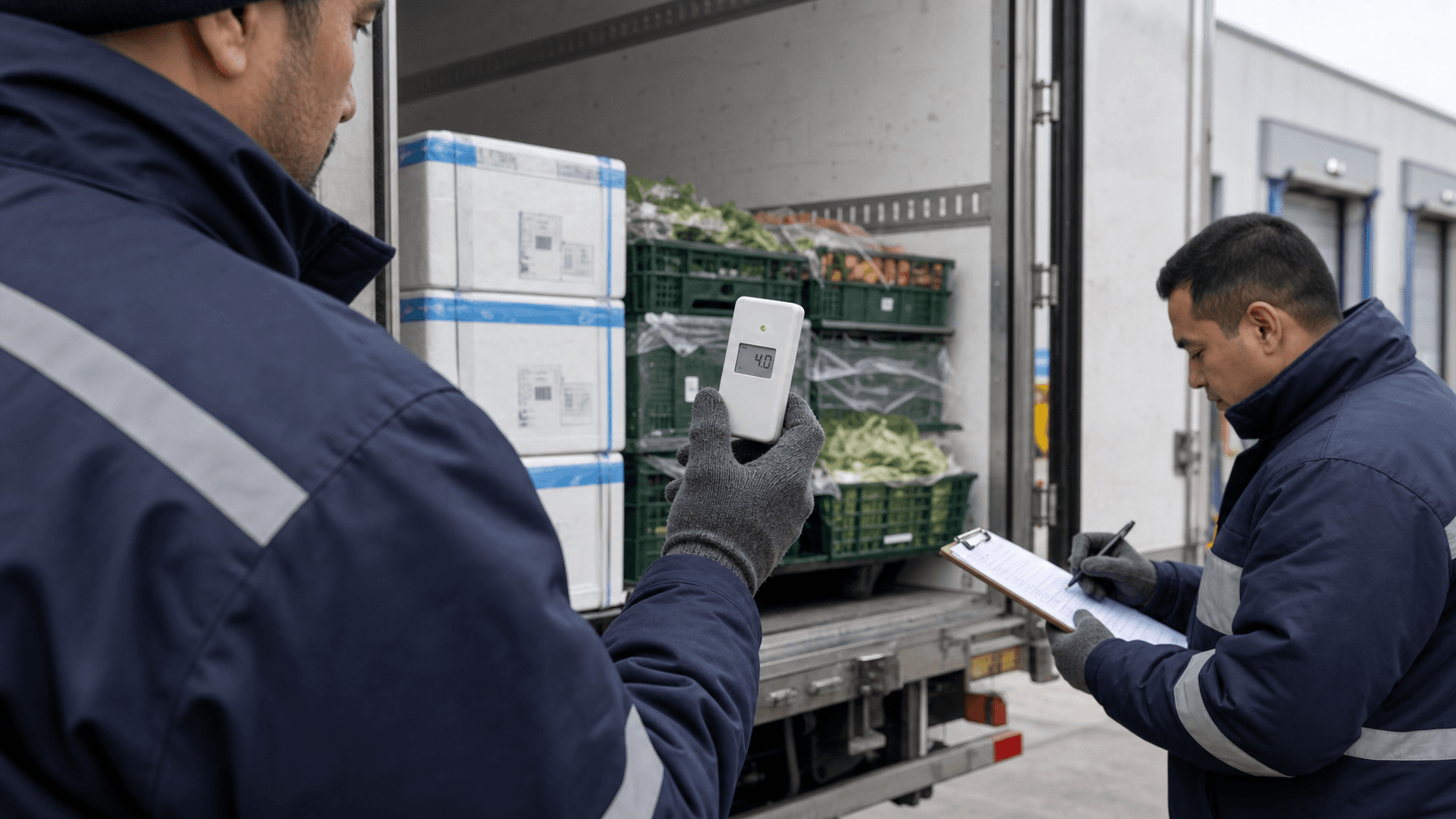
Medicine and healthcare cargo
Medicine and healthcare shipments need careful handling because a broken temperature chain can affect patient safety. Products may include pharmaceuticals, vaccines, diagnostic kits, biological samples, laboratory supplies and other temperature-sensitive health products.
Before booking, confirm the approved storage instructions, expiry date, batch details, packaging validation, monitoring method and emergency contact. The import file may also need product registration or an import recommendation, depending on the product and transaction.
Nepal's Department of Drug Administration manages medicine registration and import-export recommendation functions. Importers should verify the current product-specific requirement directly with the authority before dispatch rather than assuming that one permit covers every medicine.

Food and perishable cargo
Food and perishables need fast, clean and protected transport. The plan changes according to whether the goods are fresh, chilled, frozen, dried, packaged or processed. Typical shipments include fruit, vegetables, dairy, meat, seafood, bakery products, beverages, tea, spices, flowers and specialty foods.
Labels, ingredients, batch or lot numbers, production and expiry dates, health documents, quality certificates or quarantine documents may be required depending on the product and route. Packaging must also prevent contamination, leakage and crushing during handling.
Nepal's Department of Food Technology and Quality Control oversees food safety, import-export certification and related quality-control functions. Its current guidance indicates that food import applications are handled through the applicable official process, so the importer should check the exact permit and certification steps before cargo moves.
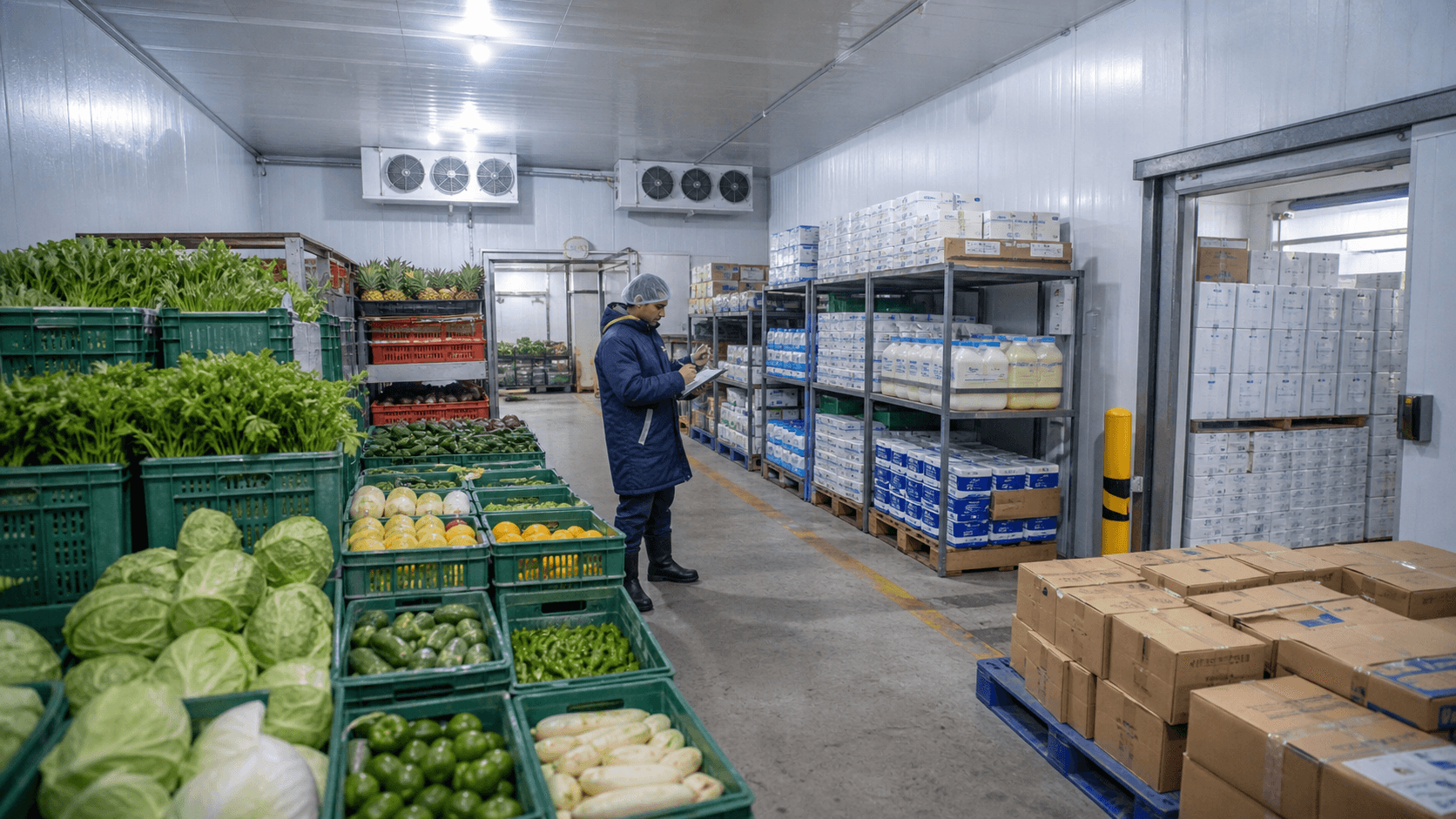
Chilled, frozen and ambient-controlled cargo
Not every temperature-sensitive product needs the same system. The shipper should use the product specification, not a general cargo label, to choose the correct handling method. Do not guess the range from the product category. Two medicines or food items that look similar may have different storage instructions. Confirm the exact range and permitted excursion time from the manufacturer or supplier.
| Handling type | Typical cargo | Main planning point |
|---|---|---|
| Chilled | Dairy, produce, flowers and certain medicines | Keep the product cool without freezing it |
| Frozen | Frozen food, meat, seafood and certain biological products | Prevent thawing throughout every handoff |
| Ambient controlled | Some medicines, cosmetics, chocolate and supplements | Protect from heat, moisture and extreme temperature |

Air freight vs road freight for cold-chain cargo
The best freight mode depends on shelf life, product value, route, shipment size and the required temperature range. Many Nepal-linked shipments use more than one mode, such as air freight into Kathmandu followed by refrigerated road delivery. Use Sea Sky's air freight service in Nepal and road freight service in Nepal pages to compare the route with real cargo details. The quickest headline transit time is useful only when each pickup, handoff, customs step and final delivery is included.
| Freight option | Usually works best when | Risk to plan for |
|---|---|---|
| Air freight | Cargo is urgent, high value, short-life or moving internationally | Airport handoffs, dry-ice rules, flight changes and clearance timing |
| Road freight | Cargo is regional, higher volume or needs door-to-door delivery | Border queues, vehicle reliability, road conditions and backup power |
| Air plus road | Fast international arrival must connect to final delivery in Nepal | Temperature protection during the transfer between modes |

Packaging and temperature monitoring
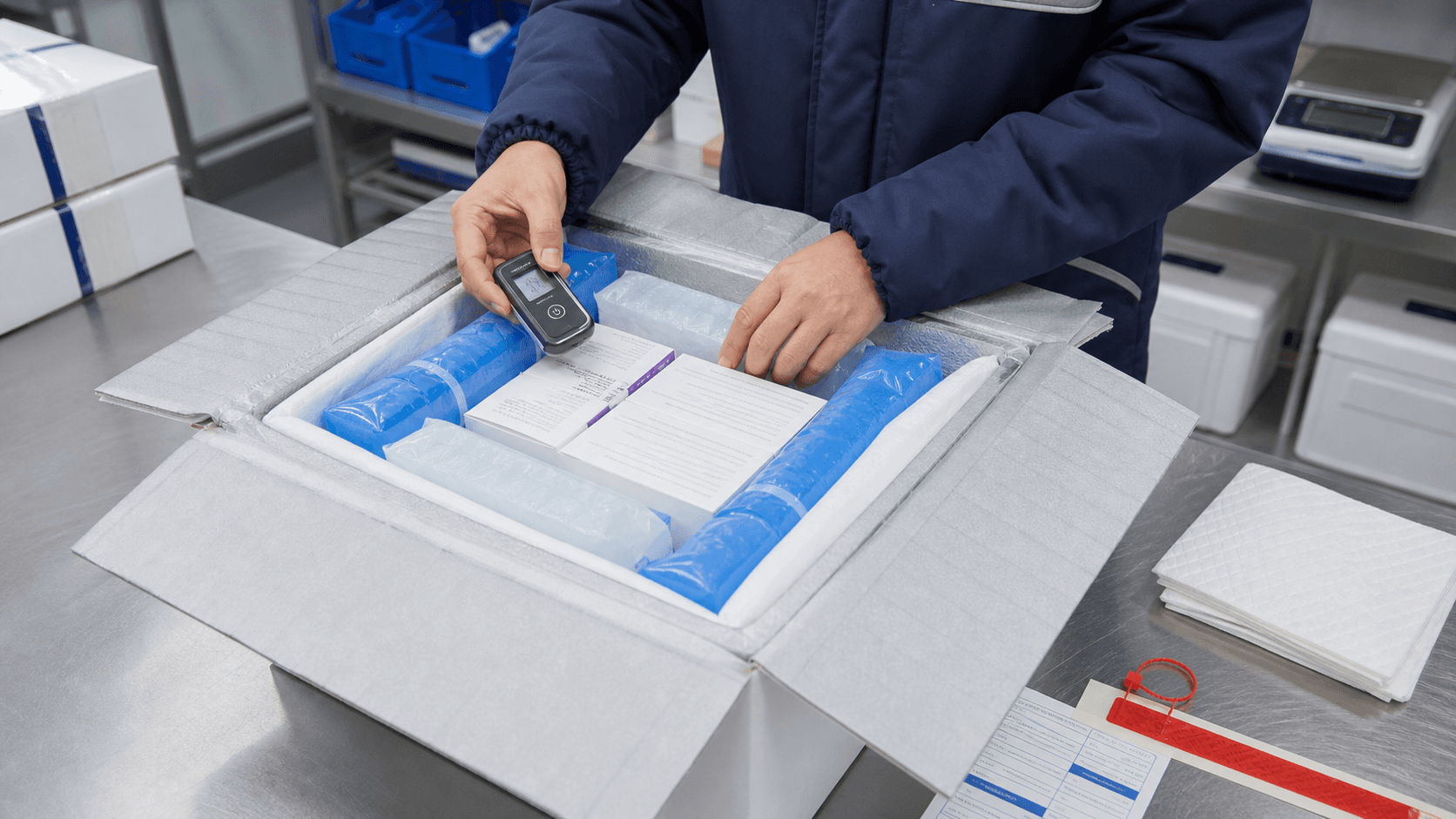
Packaging is part of the temperature-control system. A refrigerated vehicle cannot correct a thermal box that was packed incorrectly, and passive packaging must be designed to protect the product for the full expected transit and delay window.
A cold-chain packaging plan may include:
- Insulated boxes or validated thermal cartons
- Gel packs, ice packs or dry ice where suitable and permitted
- Leak-proof inner packaging and absorbent material
- Strong outer cartons with clear orientation and handling labels
- Temperature indicators or electronic data loggers
- Tamper evidence and product separation
- Pre-conditioning instructions for refrigerants and packaging
Confirm who activates the logger, where it is placed, who reads it at destination and how an excursion will be handled. Dry ice is regulated in air transport, so quantity, ventilation, packaging and declarations must be checked with the airline or freight provider before booking.
Shipping medicine, food or perishables?
Share the product, required temperature, route, timeline and documents. Sea Sky Cargo can review the cold-chain plan before the shipment moves.
Documents needed for temperature-controlled shipments
The document set depends on the product, origin, destination and regulator. Prepare it before dispatch so the cargo does not wait while a permit, certificate or correction is arranged.
- Commercial invoice and packing list
- Air waybill, road consignment note or other transport document
- Correct HS code and detailed product description
- Certificate of origin when required
- Product registration, certificate or specification when required
- Health, sanitary or phytosanitary certificate when applicable
- Import permit or authority recommendation when required
- Temperature requirement and handling sheet
- Batch, lot and expiry details for regulated products
- Ingredient and label information for food products
- Insurance document when applicable
Avoid vague descriptions such as 'medical goods' or 'food items.' The invoice, packing list, permit and product label should describe the same goods consistently. Review Sea Sky's HS code Nepal and import permit in Nepal guides before finalizing the file.

Customs clearance for medicine, food and perishables
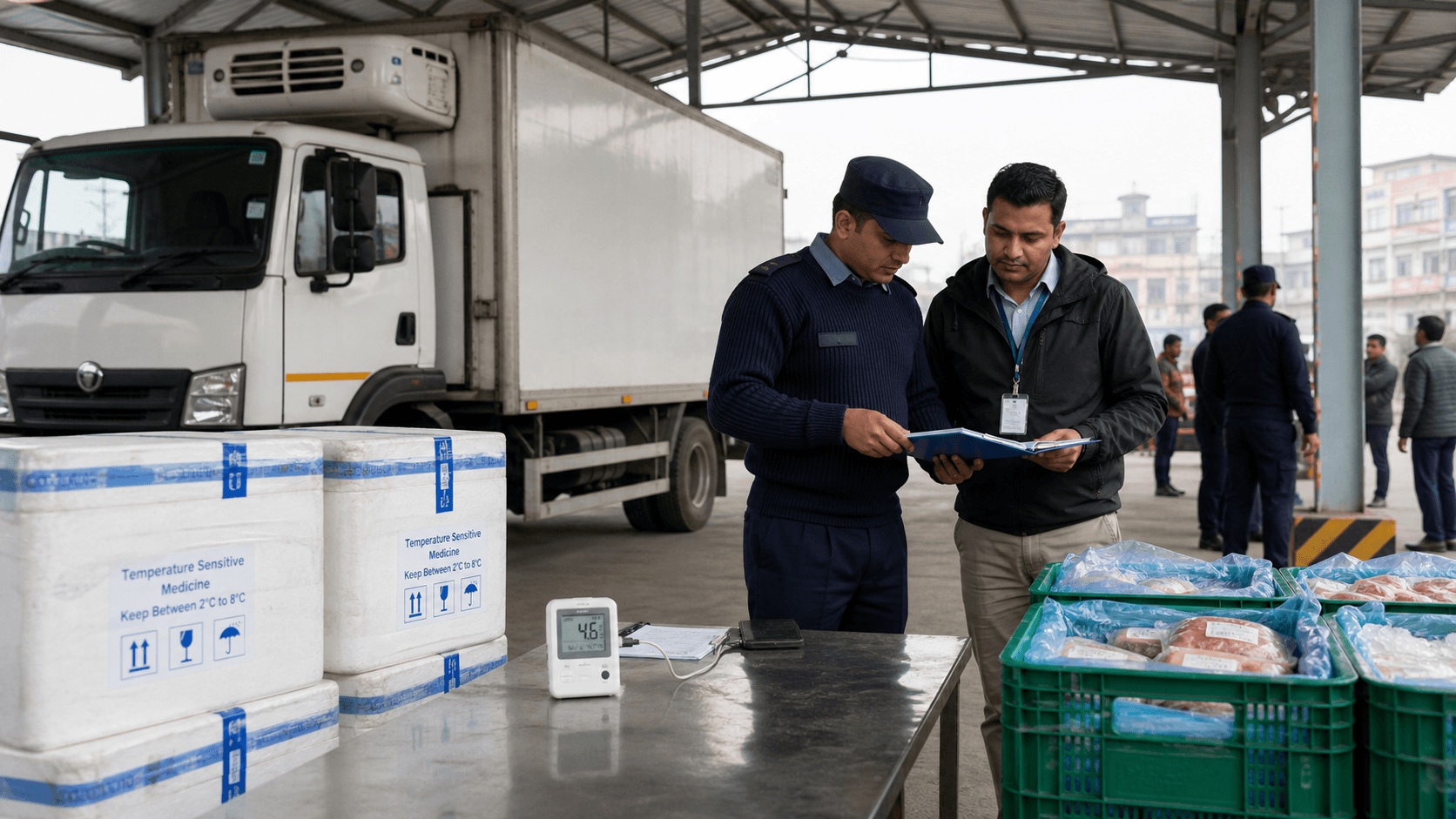
Customs delay carries extra risk when the product has a limited shelf life or strict storage range. Prepare the declaration, permits and supporting documents before arrival, and confirm where the cargo can remain temperature-controlled if inspection or sampling is required.
The Department of Customs may review the product description, HS code, value, origin, duty and VAT, permit, certificate, expiry information and inspection requirement. Medicine, food, chemicals, plant products and animal products may also need clearance or certification from the relevant authority.
A practical clearance plan confirms who files the declaration, who answers product questions, where samples may be taken, how power or refrigerant is maintained during a hold, and how quickly the released cargo moves to final delivery. Sea Sky's customs clearance in Nepal service can help coordinate the customs file with the freight plan.
Common cold-chain shipping mistakes to avoid
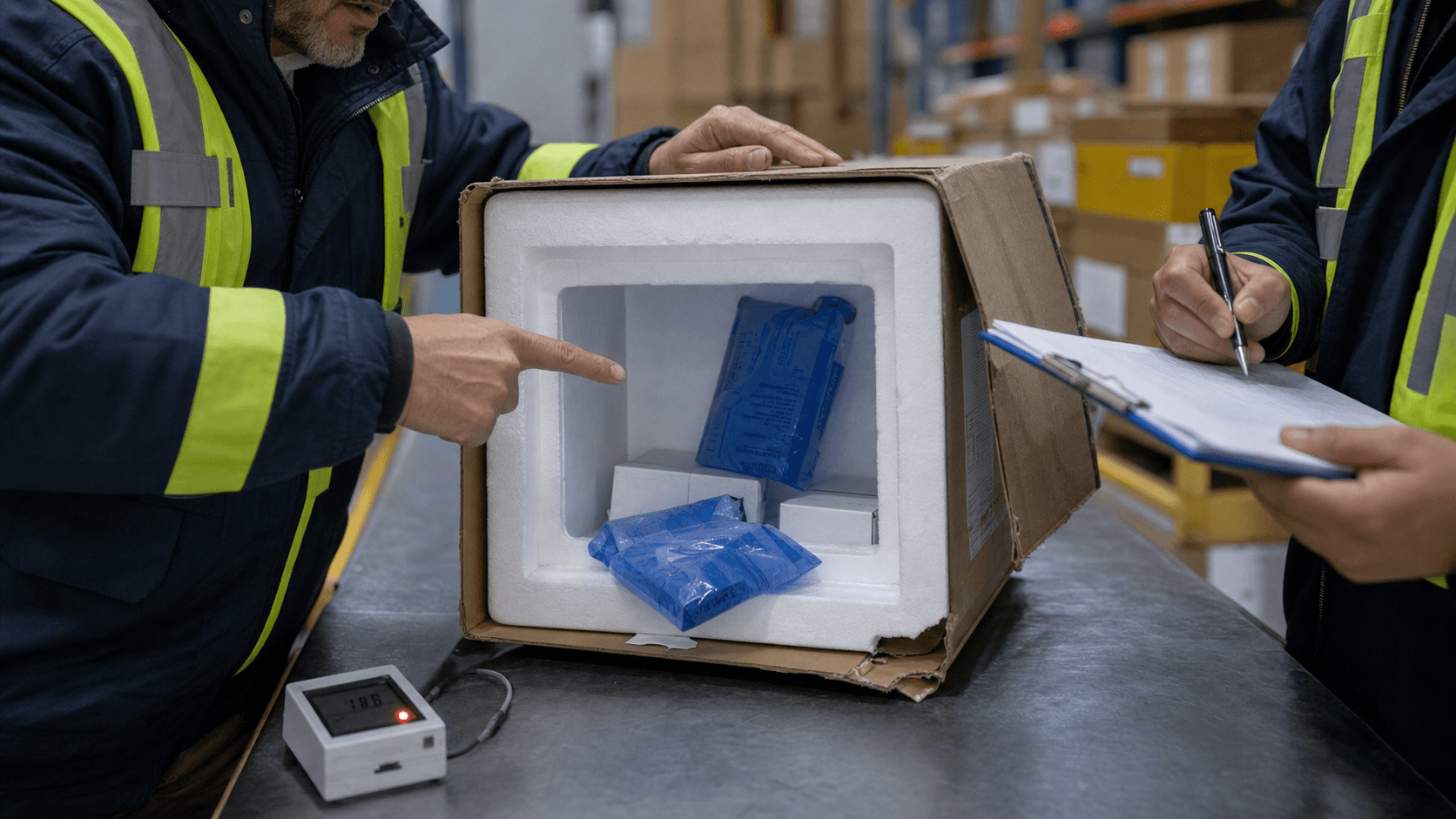
Most cold-chain failures are not caused by one dramatic event. They often begin with a small planning gap that becomes serious during a delay or handoff.
- Using normal cartons for temperature-sensitive products
- Not confirming the approved temperature range
- Choosing a slow route for short-life cargo
- Missing product registration, permits or certificates
- Using vague or inconsistent document descriptions
- Leaving the logger inactive or placing it incorrectly
- Failing to plan customs storage and final delivery
- Ignoring weekends, public holidays or flight changes
- Having no escalation plan for a temperature excursion
The safest approach is to map the complete route from supplier pickup to consignee handover and assign responsibility for every temperature-sensitive step.
Checklist before shipping cold-chain cargo
Use this checklist before the shipment is handed to the carrier:
- Confirm the product name, category and exact temperature range
- Check shelf life, batch or lot number and expiry date
- Validate packaging for the expected route and delay window
- Record packed weight, dimensions and refrigerant quantity
- Choose the air, road or combined route
- Verify the HS code, permit and authority requirements
- Prepare the invoice, packing list and product certificates
- Confirm customs, inspection and temperature-controlled storage plans
- Activate and record the temperature monitor
- Confirm the final delivery address, access and receiving hours
- Assign an emergency contact and excursion-response process
If any answer is unclear, pause the booking and resolve it before dispatch. For wider route and service planning, review Sea Sky's guide to cargo services in Nepal.

How Sea Sky Cargo helps
Sea Sky Cargo helps importers, exporters, hospitals, distributors, food suppliers and manufacturers plan temperature-sensitive cargo on Nepal-linked routes. The review starts with the product, approved temperature range, packed size, origin, destination, deadline and regulatory file.
Support can include:
- Cold-chain route and handoff planning
- Medicine, healthcare, food and perishable cargo guidance
- Air and road freight coordination
- Packaging and monitoring requirement review
- HS code, permit and document guidance
- Customs clearance coordination
- Final temperature-controlled delivery planning
Early planning gives the team time to check product restrictions, authority requirements, packaging duration, customs timing and delivery conditions before the cargo is exposed to avoidable risk.
Share the shipment details through the get quote page for a cargo-specific review.

Frequently asked questions
What is temperature-controlled cargo? It is cargo that must stay within a specified temperature range during storage, transport, customs handling and delivery.
Which goods need temperature-controlled shipping? Medicines, vaccines, food, frozen goods, dairy, meat, seafood, flowers, laboratory samples, cosmetics and some chemicals may need controlled handling.
Is air freight better for medicine cargo? Air freight is often suitable for urgent, high-value or short-life medicine because it reduces transit time, but packaging, handoffs and customs timing still need careful planning.
Can food products be shipped to Nepal with temperature control? Yes. The shipment needs suitable packaging, route planning, applicable permits or certificates, customs preparation and final delivery control.
What documents are needed for medicine and food cargo? Common documents include an invoice, packing list, transport document, HS code, product information, authority permit or recommendation when required, and temperature instructions.
Can Sea Sky Cargo help with temperature-controlled cargo in Nepal? Yes. Sea Sky Cargo can help review the route, documents, customs process and freight coordination for temperature-sensitive shipments.

Planning temperature-sensitive cargo for Nepal?
Sea Sky Cargo can help compare the route, review documents and coordinate air, road, customs and final delivery requirements.