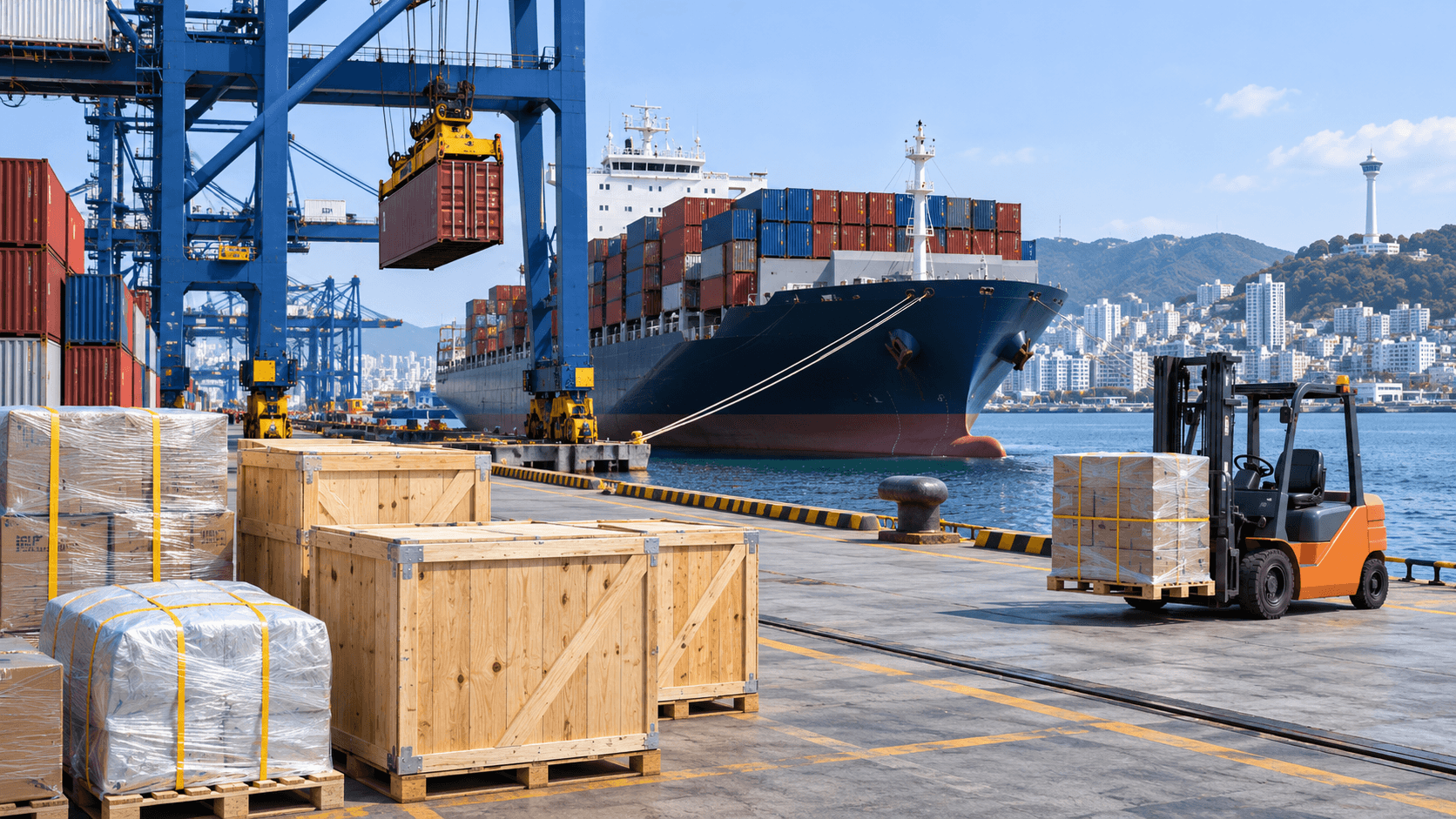
1. Air vs Sea Freight From South Korea
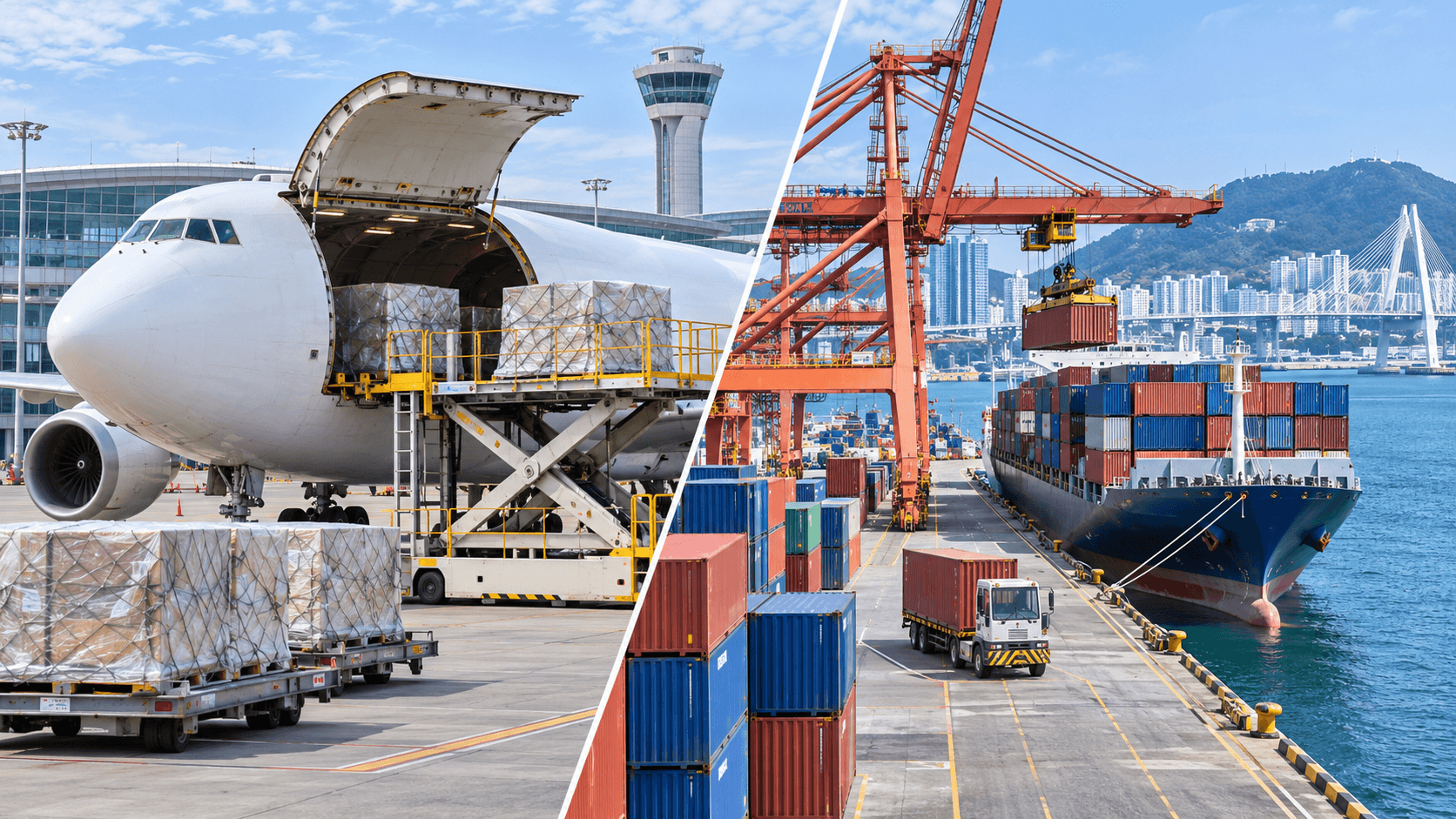
South Korea to Nepal shipping requires a route that connects the supplier, carrier, customs representatives and final receiver. Begin with the actual product, packed size, gross weight, value and required delivery date. A shipment of urgent electronic components needs a different plan from a crated industrial machine.
Air Freight
Air can suit urgent replenishment, samples and high-value cargo. A suitable Korean airport gateway, such as Incheon, connects to Kathmandu through the confirmed airline routing. Ask whether the service is direct or connecting, and confirm cargo acceptance, cut-off and available capacity.
Compare chargeable weight, minimum charges, screening, airport handling and final delivery. Light but bulky cartons may be charged by volume. Batteries, liquids, magnets and temperature-sensitive goods need review before booking.
Sea Freight
Sea-linked cargo normally moves from a Korean port such as Busan or Incheon to an agreed Indian gateway, then inland to Nepal. Carrier services, transshipment and the approved transit arrangement determine the actual route.
Sea can suit larger, heavier or less urgent orders. Include origin handling, ocean charges, Indian-port release, inland transit, Nepal clearance services and delivery in the comparison. Do not compare a port-to-port rate with a complete air-delivery quote.
Request milestone estimates for pickup, departure, arrival, transit, release and delivery. Fixed day ranges cannot account for cargo readiness, inspection, connections and inland access.
2. LCL and FCL Shipping
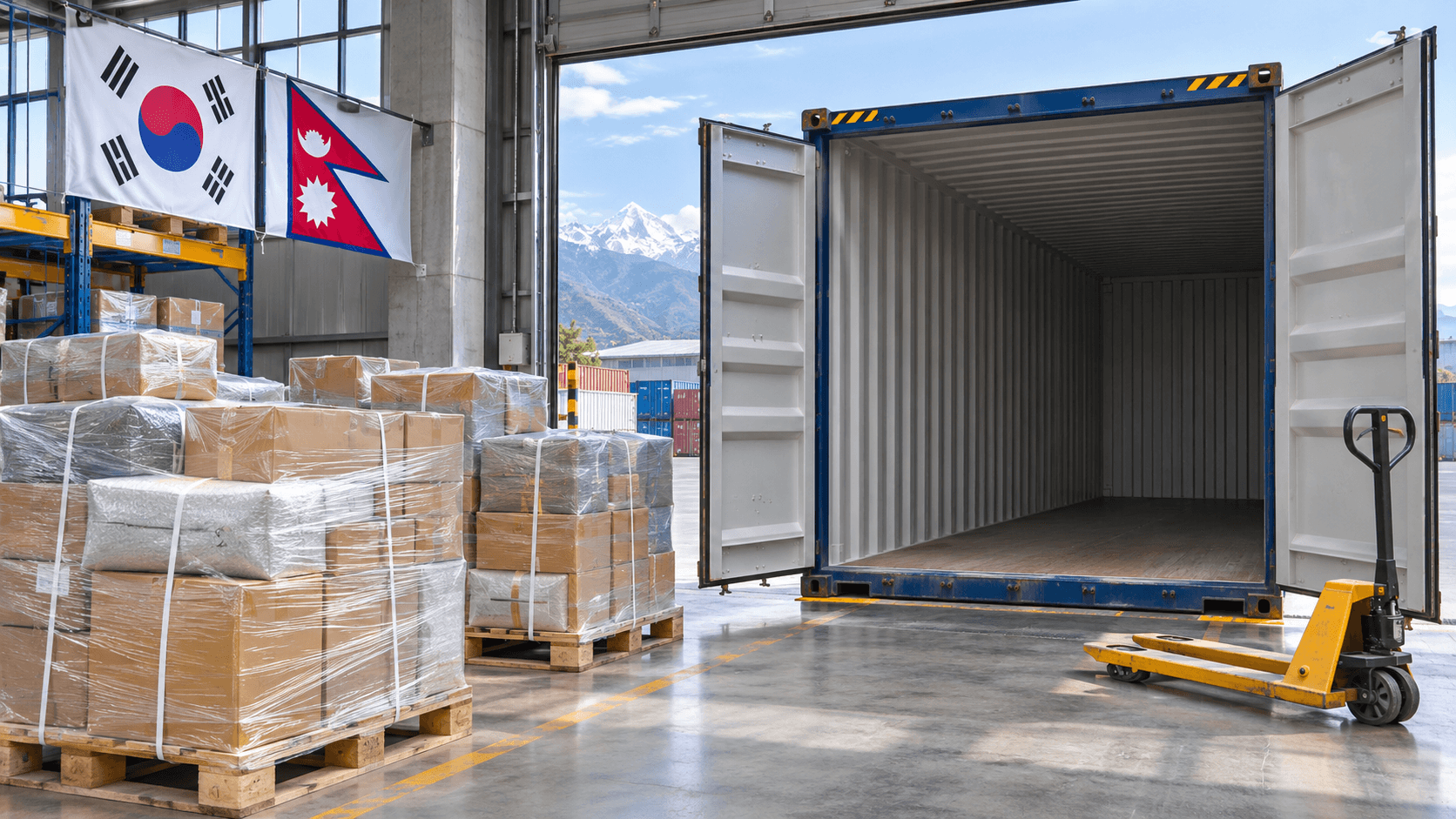
LCL combines compatible consignments in shared container capacity. FCL reserves container equipment under the booking. Neither mode has a universal volume cutoff: local charges, minimums, cargo density and handling needs can change the result.
For LCL, ask for the weight/measurement charging basis, minimum charge, receiving warehouse, consolidation cut-off and actual deconsolidation location. Do not assume that every service unpacks at Birgunj ICD.
For FCL, confirm container size, payload, loading access, securing, equipment availability, seal records and empty-return obligations. An FCL booking does not remove the possibility of examination or additional handling.
Ask for both options when the order is near a practical crossover. Include CFS charges, origin and destination handling, inland transport, free time and delivery. The lower ocean line may not produce the lower delivered cost.
For fragile goods, evaluate transfers and packing as well as price. For a machine, check whether a standard container suits the packed dimensions or whether special equipment and a lifting plan are needed.
3. Korean Export and Indian-Port Transit
The Korean exporter and its representative should confirm export declaration responsibilities before collection. Korea Customs describes declaration to the customs office responsible for the location where export goods are stored. Korea Customs export procedure.
Agree who supplies the final invoice, packing list, product specifications and any export-control documents. Record the cargo-ready date and loading arrangements. If the goods are repacked, update the package schedule before carrier handover.
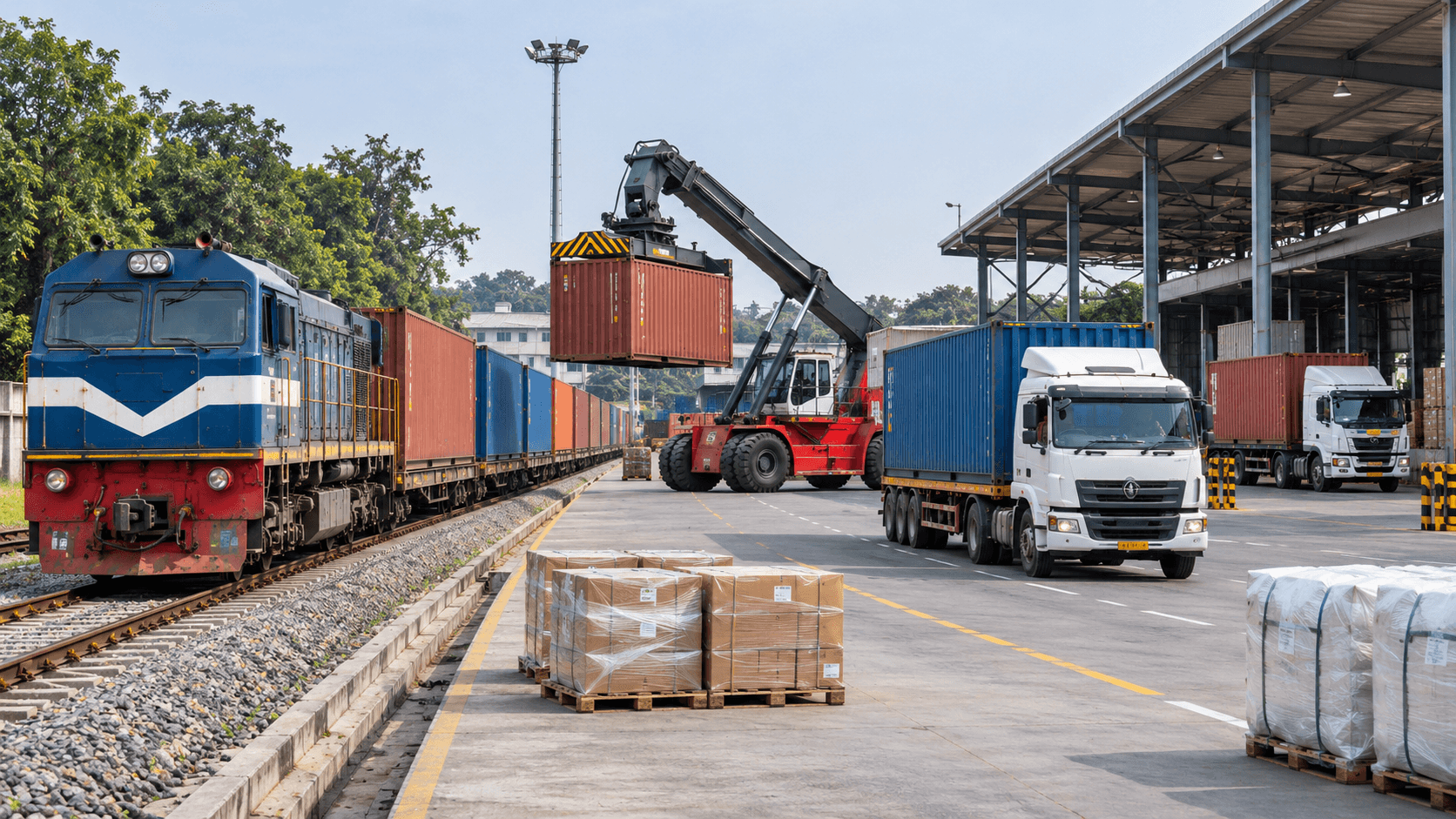
For sea-linked shipments, Kolkata/Haldia or Visakhapatnam may be considered according to the live service and approved route. Confirm the port, inland rail or road movement, border handoff and Nepal customs endpoint.
The revised India–Nepal Treaty of Transit was signed in June 2023. Use the current route-specific procedure rather than relying on the 1999 treaty as the latest framework. Official transit overview.
Name the parties handling port release, the transit declaration or applicable electronic records, inland carriage and discharge of transit obligations. Track container free time, delivery and empty return together. Customs transit declaration guide.
4. Electronics, Machinery and Automobile Parts
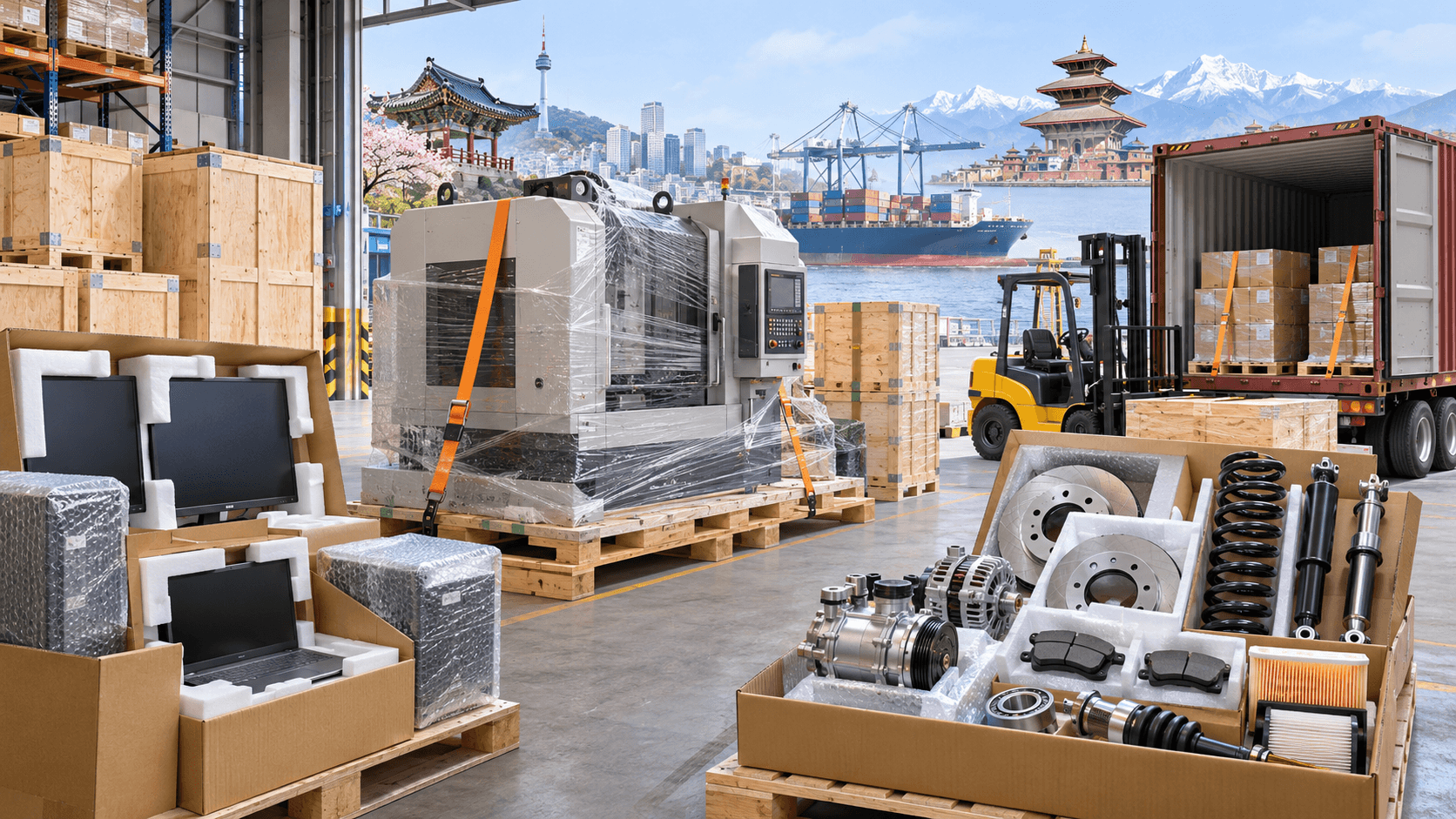
Prepare a product-level schedule rather than describing a mixed order as general goods. Classification, acceptance and handling depend on what each item is and how it is packed.
- Electronics: provide model, function, technical specifications and battery details. Use protection appropriate to shock, moisture and electrostatic sensitivity.
- Machinery: provide packed dimensions, gross weight, lifting points, centre of gravity where relevant and the loading/unloading plan.
- Automobile parts: identify each component, material, intended vehicle application and whether it is new or used. Distinguish parts from complete assemblies.
Ask the representative whether technical approval, a product registration or another permission applies to the exact item. A broad product category does not establish a duty rate or universal licensing rule.
For used goods, settle admissibility and supporting evidence before purchase. For machinery containing oil, refrigerant or a battery, disclose those characteristics to the carrier.
Photograph the packed goods and retain package marks, count and condition records at collection and any transfer. Clear specifications help both the freight proposal and customs review.
5. Invoices, Packing Lists and Transport Documents
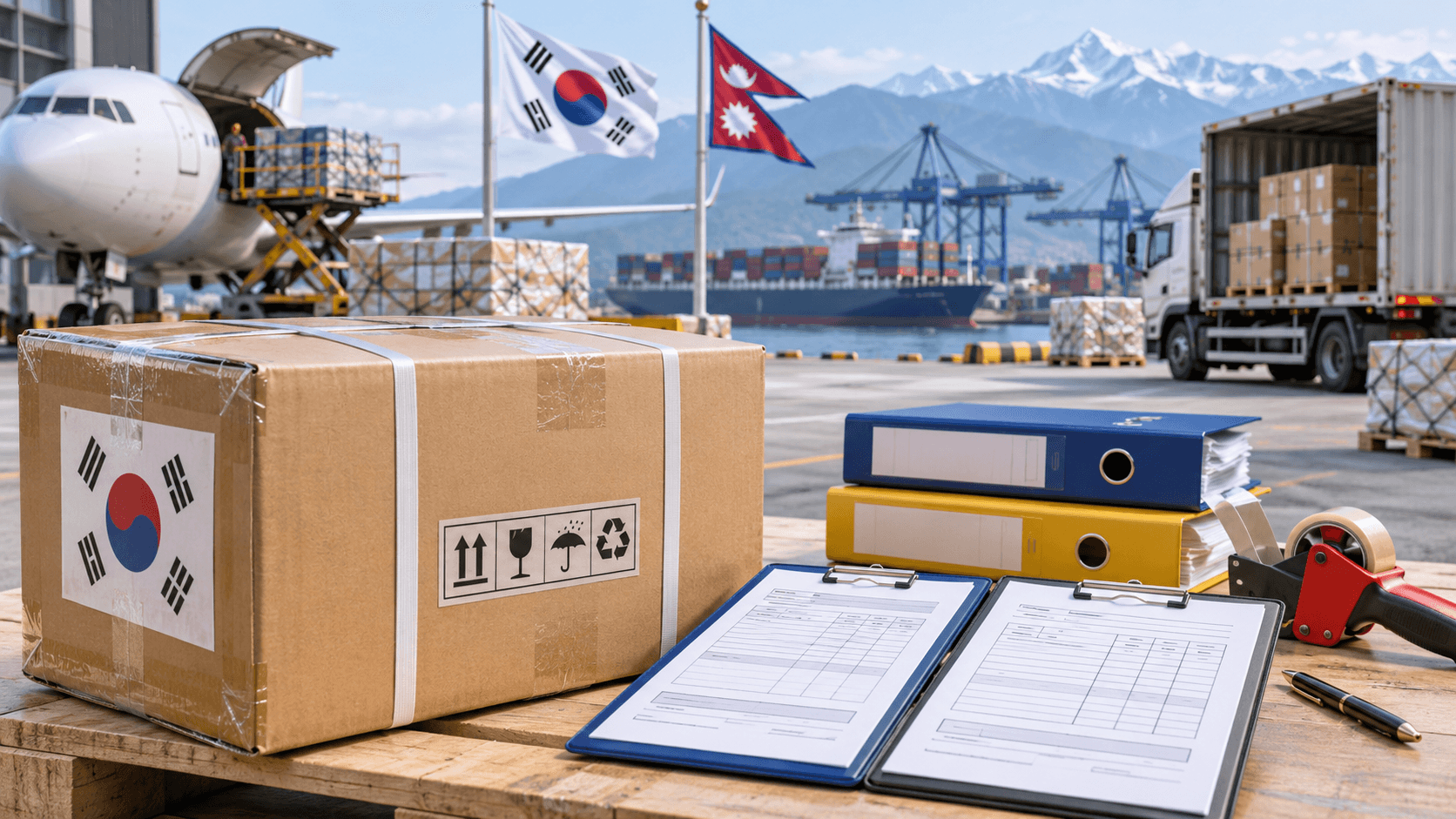
Build a shipment-specific file with the importer, supplier and appointed representatives. The records should describe the same goods, value and package count.
- Commercial invoice with buyer, seller, currency, detailed product lines, quantities and delivery terms.
- Packing list with package contents, marks, dimensions and gross/net weights.
- Air waybill or bill of lading instructions appropriate to the booking.
- Nepal importer business, tax and EXIM details as applicable.
- Technical literature and origin evidence where needed.
- Agent authorization, permits and certificates relevant to the goods.
- Freight and insurance evidence for valuation, and transit records for the sea-linked route.
Shipment from Korea does not alone establish Korean manufacturing origin. Likewise, an origin certificate does not automatically create a preferential duty entitlement. Ask the representative to identify any claimed treatment and its evidence.
Confirm which documents are needed before export, which accompany the goods and which are submitted for Nepal entry. Keep names and shipment references consistent across the invoice, packing schedule and carrier record.
Use the freight-forwarding document checklist to prepare the file, then confirm the requirements for this product and route.
6. HS Codes, Customs Duty and VAT
Ask for the full Nepal tariff classification based on material, function, composition and intended use. A supplier’s HS suggestion should be reviewed against the applicable Nepal tariff line. Broad claims such as a single duty rate for electronics or automobile parts are unreliable.
Check the tariff, origin treatment, exemptions and any excise or other levy in force for the declaration. Do not assume a preference simply because the goods travel through an Indian port.
Nepal’s standard VAT rate is 13 percent, subject to the applicable exemptions and legal treatment. Customs value and other taxable additions matter when calculating import VAT. Government trade guidance on Nepal tariffs.
Illustrative Calculation
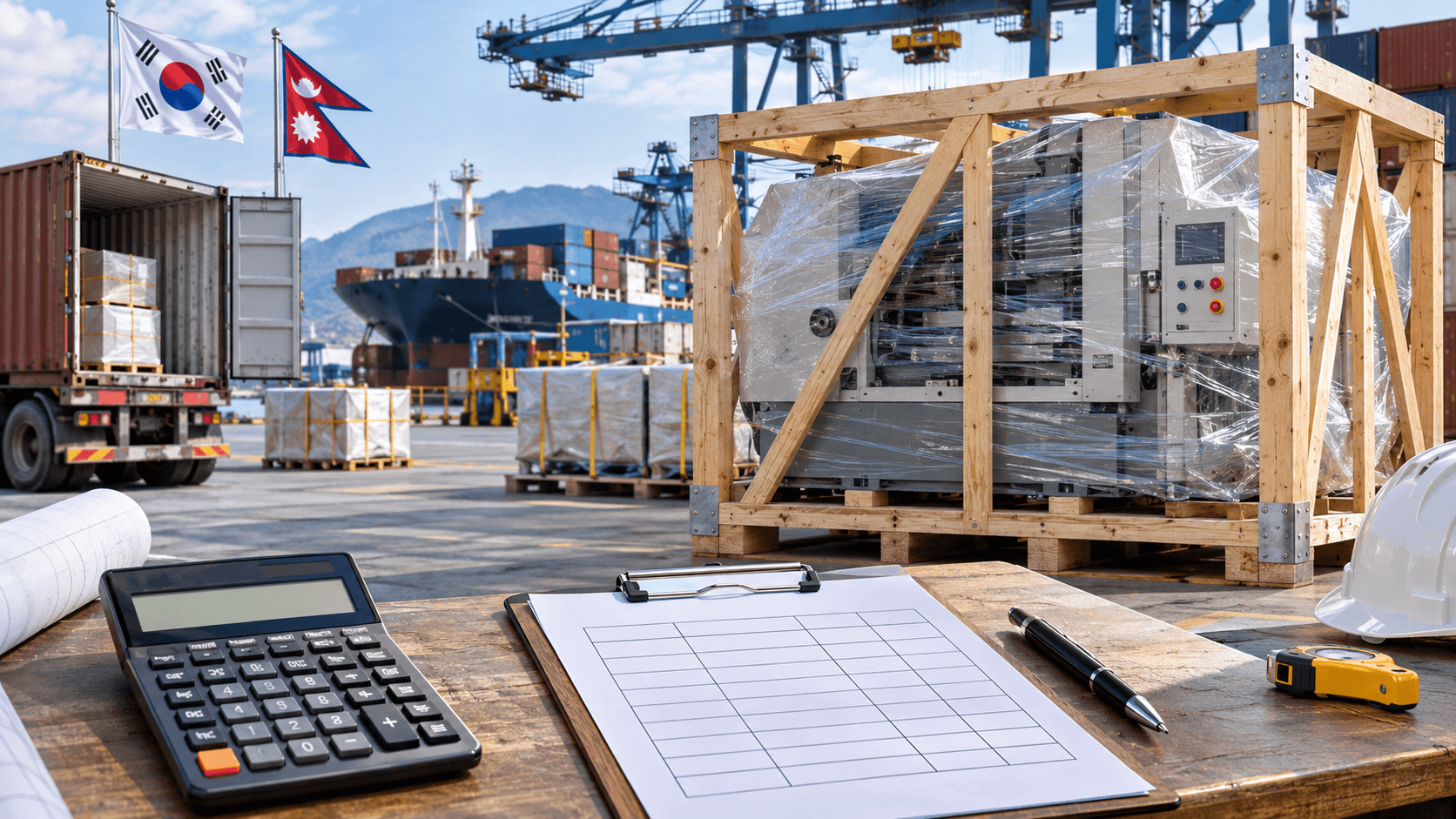
Assume a customs value equivalent to USD 20,000, an assumed 5 percent duty, standard 13 percent VAT, and no excise or other additions to the VAT base. Duty is USD 1,000 equivalent; VAT on 21,000 is USD 2,730 equivalent. The illustrated duty and VAT total USD 3,730 equivalent.
These figures demonstrate arithmetic; they do not establish a machinery duty rate or the final payment currency. Replace every assumption with the confirmed classification, customs exchange rate, assessed value and applicable additions.
Review Your Korea-to-Nepal Shipment
Share product details, packed measurements and delivery address for a route and document review.
7. Restricted Goods, Batteries and Carrier Acceptance
Review regulated products before dispatch. Import permission and carrier acceptance are separate checks. Provide the exact product, intended use, condition and specifications to the responsible representative.
Food-import procedures involve the Department of Food Technology and Quality Control (DFTQC). Confirm the product-specific approval, certificates and inspection arrangements. DFTQC contact and import information.
For medicines, medical devices, telecom equipment, chemicals, agricultural goods or used machinery, ask which Nepal authority and current procedure applies. Do not substitute Indian BIS certification for a Nepal-specific requirement.
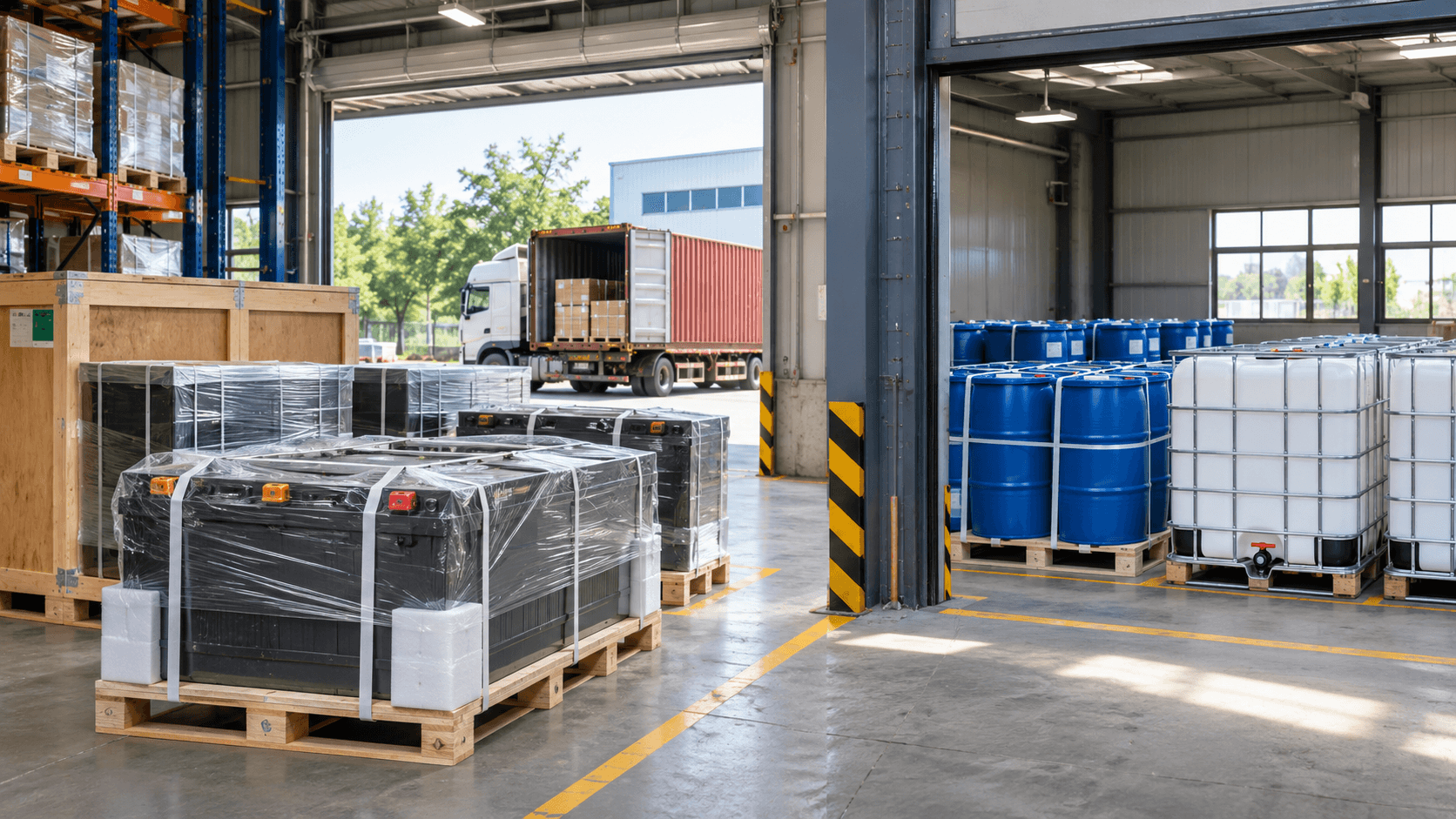
For batteries, disclose chemistry, rating, configuration, quantity and whether they are installed in equipment, packed with equipment or shipped separately. Supply the test summary and other records requested by the dangerous-goods specialist or carrier.
IATA’s 2026 battery guidance addresses lithium and sodium-ion battery transport. The applicable air rules, packing instruction and airline variations must be checked for the actual consignment. IATA battery guidance.
For sea transport, obtain a review under the applicable IMDG requirements and shipping-line acceptance. Damaged, defective or recalled batteries need specific review and should never be described as ordinary electronics.
8. Cost Factors and Quote Requirements
Request a quote for the same pickup and delivery scope from every provider. Separate confirmed charges from allowances and government assessments.
Freight depends on chargeable weight or container equipment, cargo acceptance, routing, capacity and the cargo-ready date. Additional costs can include pickup, export handling, consolidation, screening, Indian-port charges, transit, Nepal agent services, delivery and insurance if arranged.
Ask when storage, waiting, demurrage or detention starts and who approves extras. Confirm currency, exchange-rate basis, validity, payment terms and what happens if final dimensions or dates change.
Send the supplier address in Korea, full Nepal delivery address, detailed goods description, manufacturing origin, package count, final dimensions, gross weight, value, Incoterm and named place. Add cargo-ready date, required receiving window, photos and special handling or permit details.
A useful inquiry could describe two new machine crates, each 120 × 100 × 140 cm and 300 kg gross, with the actual pickup city, ready date and warehouse address. This is a sample brief, not a booked shipment. Ask for air and sea alternatives where practical.
Compare the full delivered scope. How to read a freight quote explains questions to ask about inclusions and extra charges.
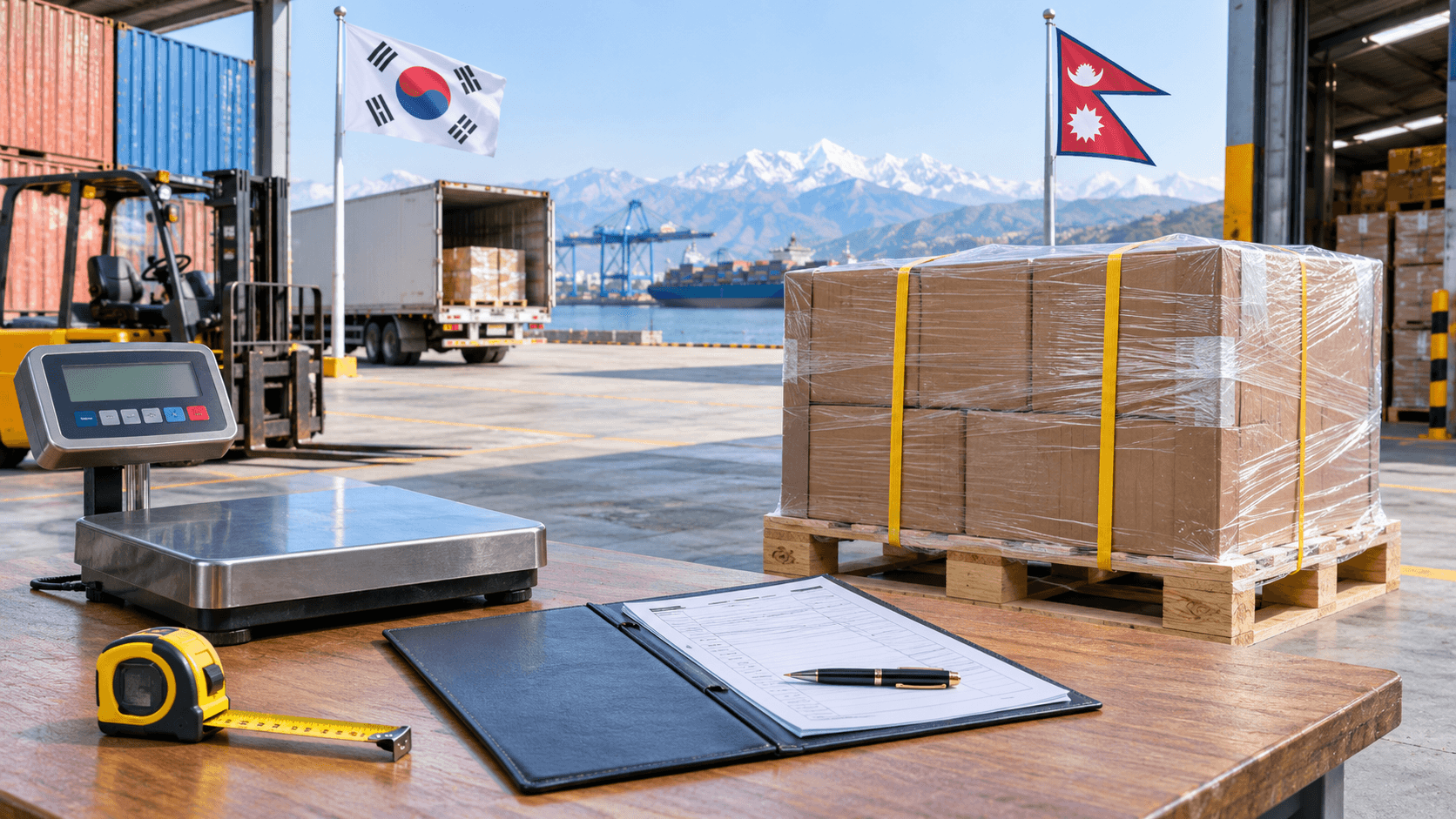
9. Delivery to Kathmandu, Birgunj and Other Cities
For air cargo, coordinate release and collection at Kathmandu before final delivery. For sea-linked cargo, confirm the inland and customs endpoint, including whether Birgunj ICD is part of the booked service.
Give the full receiving address, contact, appointment, access road and unloading requirements. Delivery to a city does not establish access to a particular warehouse or project site.
Ask whether the price includes labour, forklift, crane, waiting, restricted access or a smaller vehicle for the final approach. Agree the approval process for redelivery or additional handling.
Obtain a milestone estimate with assumptions for release, vehicle availability, road access and receiver readiness. Weather, roadworks and congestion can affect inland movement.
Retain package condition records and proof of delivery. If damage is noticed, document it and follow the carrier and insurance notification requirements promptly.
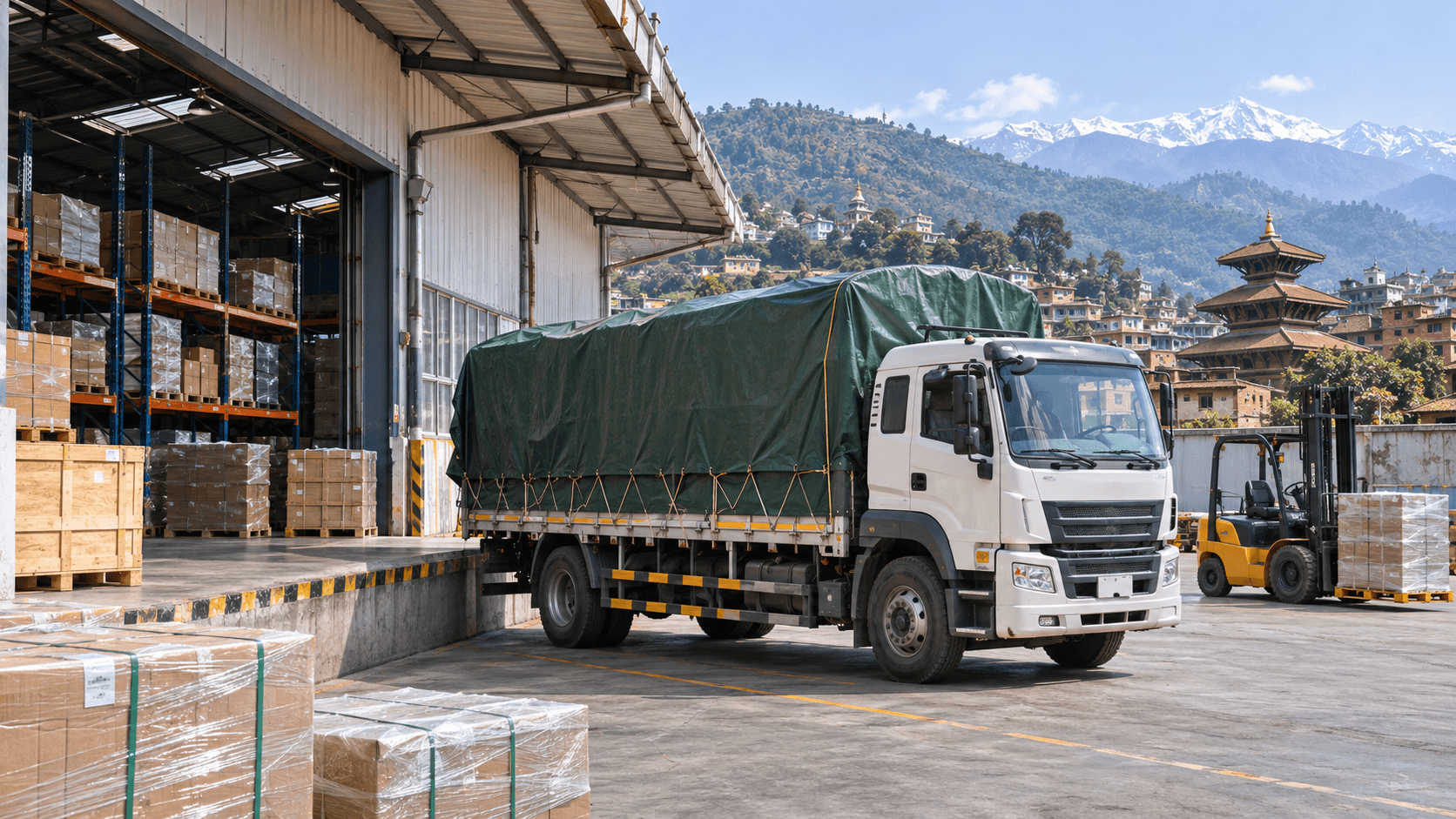
10. How Sea Sky Cargo Helps
Sea Sky Cargo was established in 1988 and provides international freight and regional logistics coordination. Ask the team to define the service scope for your Korea-to-Nepal shipment. About Sea Sky Cargo.
Depending on the agreed booking, support can include supplier coordination, air or sea comparison, LCL or FCL planning, document review, Indian-gateway transit coordination and Nepal delivery.
Confirm which carriers and representatives perform each task, who submits customs records and who responds to an outstanding query. Ask for named contacts and shipment-update milestones.
For fragile, heavy, regulated or battery-containing cargo, share specifications and photographs early. Booking remains subject to product permissions, carrier acceptance and the agreed handling arrangements.
Request an itemized quotation showing inclusions, exclusions and unresolved inputs. Customs assessment and release remain authority decisions; complete documents help reduce avoidable problems.
11. Importing Cargo From South Korea to Nepal?
Start with a clear shipment brief and a confirmed importer. Review product acceptance and permissions before the supplier dispatches the goods, then connect the export, transport, transit and delivery tasks.
Importing cargo from South Korea to Nepal? Send Sea Sky Cargo your supplier location, cargo details, weight, dimensions and delivery city for a route and customs-readiness review.
Request a South Korea–Nepal freight quote.
Importing Cargo From South Korea to Nepal?
Send your supplier location, cargo details, weight, dimensions and delivery city for a route and customs-readiness review.
Related posts
1970-01-01
Sea + Air Freight: How SeaSky Helps Businesses Ship Smarter
2026-11-19
Freight Forwarding Company for Singapore Cargo to Nepal: Get a Shipping Quote
2026-11-17
Bhutan Customs Clearance Guide 2026: Documents, GST, HS Codes and Import Permits
2026-11-17