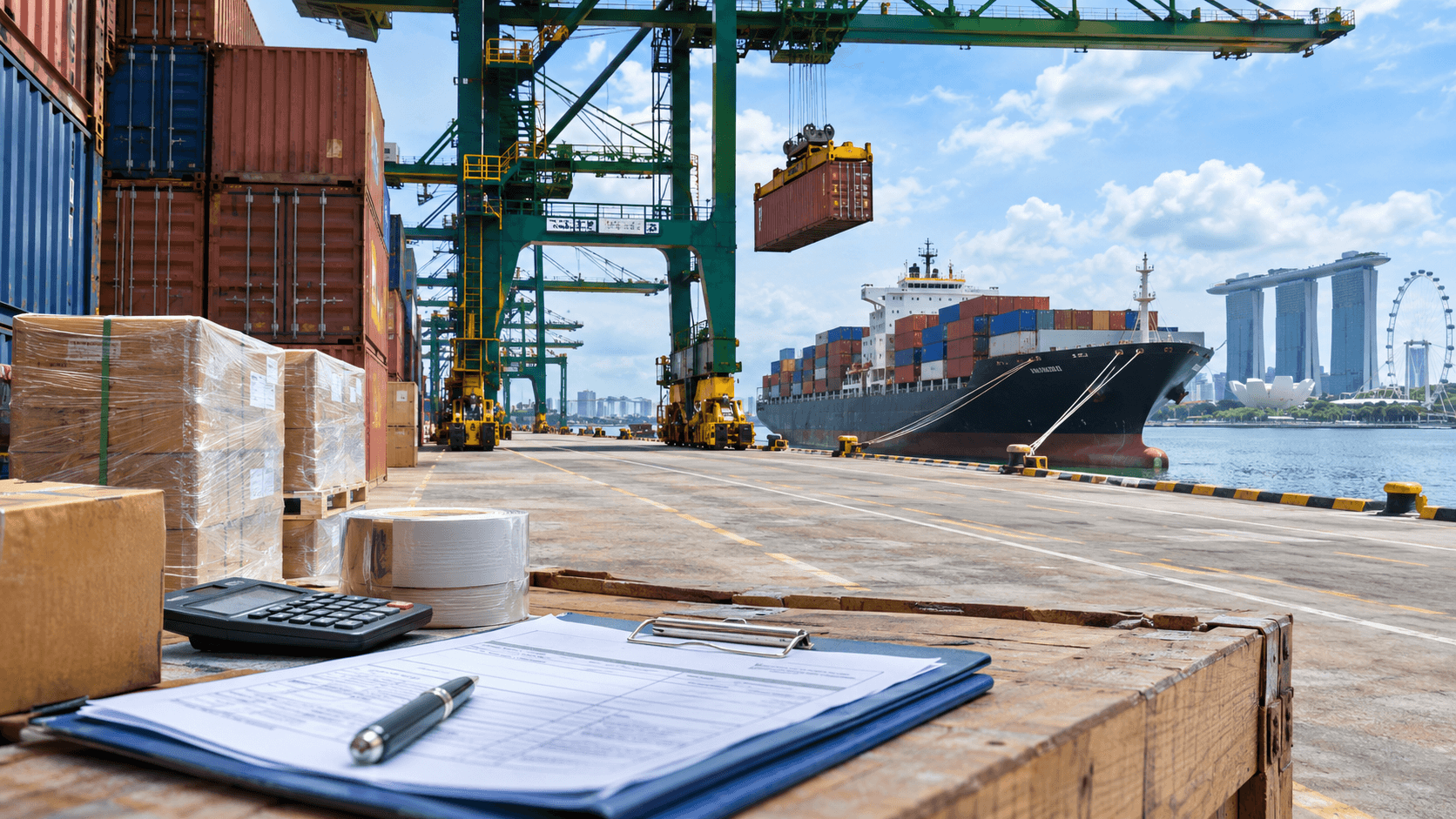
1. When Businesses Need a Freight Forwarder
Not every shipment requires a full-service freight forwarder, but for commercial cargo from Singapore to Nepal, one is usually essential.
When You Need a Freight Forwarder
First-time importer: If you are new to importing from Singapore, a forwarder can guide you through the entire process.
Complex cargo: Machinery, electronics, chemicals, or oversized items require special handling and documentation.
Multi-leg shipments: Sea cargo from Singapore must transit through Indian ports before reaching Nepal, requiring coordination across multiple borders.
Time-sensitive goods: Urgent shipments need careful planning to meet deadlines.
Regulated goods: Electronics, batteries, chemicals, or food products may require permits and special approvals.
High-value cargo: Insurance, security, and careful handling are critical for expensive goods.
When You Might Not Need One
Small, non-urgent parcels: Courier services may suffice for lightweight, low-value items.
Simple, direct shipments: If your cargo is straightforward and you have experience, you may handle it yourself.
Established trade lanes: If you regularly ship between Singapore and Nepal and have trusted partners, you may manage in-house.
Tip: Even experienced importers benefit from a forwarder's expertise in navigating customs, permits, and transit requirements.
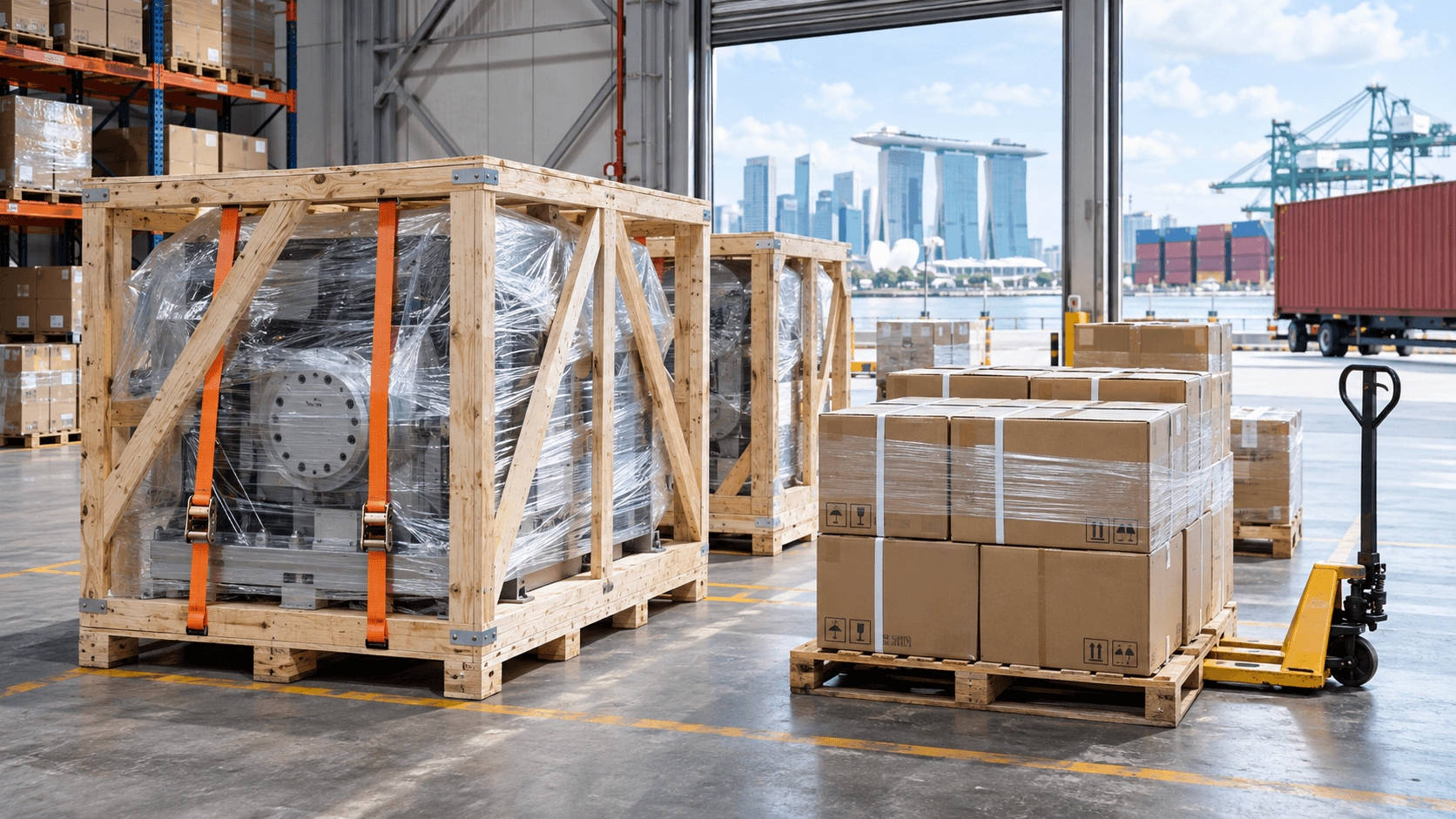
2. Air, Sea, LCL and FCL Options
Choose air, LCL or FCL around cargo acceptance, packed size, urgency and total warehouse-delivery cost. There is no universal kilogram or cubic-metre cutoff.
Air Freight
Air can suit urgent replenishment, samples and high-value goods. Confirm chargeable weight, minimum charges, routing, screening, cut-off and cargo acceptance. Passenger flight availability alone does not guarantee cargo space. Singapore–Kathmandu route.
Compare collection, airport handling, freight, customs services and delivery. Batteries, chemicals, oversized pieces and temperature-sensitive cargo require a specific review.
Sea Freight, LCL and FCL
Sea-linked Nepal cargo normally moves via an Indian port and an agreed inland transit service. Request the port, consolidation facility, Nepal customs endpoint and final delivery point in writing.
LCL shares container capacity. Confirm the weight/measurement basis, minimums, handling points and actual deconsolidation location; do not assume every service unpacks at Birgunj.
FCL reserves container equipment for the booking. Confirm loading, payload, carrier acceptance, free time and empty-return obligations. Inspections and transfers may still occur.
Compare both options when useful, including origin and destination handling, inland movement and storage exposure. A port-to-port estimate is not a warehouse-delivery estimate.

3. Singapore Port and Airport Handling
Agree who collects cargo, handles export formalities and hands it to the airline or shipping service. Specify supplier access, loading arrangements and cargo-ready date.
Singapore export permit applications use TradeNet. Confirm the exporter, declaring agent and any controlled-goods approval before departure. Singapore Customs export guidance.
For consolidation, agree package identification, warehouse receiving checks, repacking authorization and cut-off. Update the final packing list after any changes.
Ask whether collection, warehouse handling, declaration, screening and carrier handover are included. Confirm the actual departure plan rather than assuming a standard connection time.
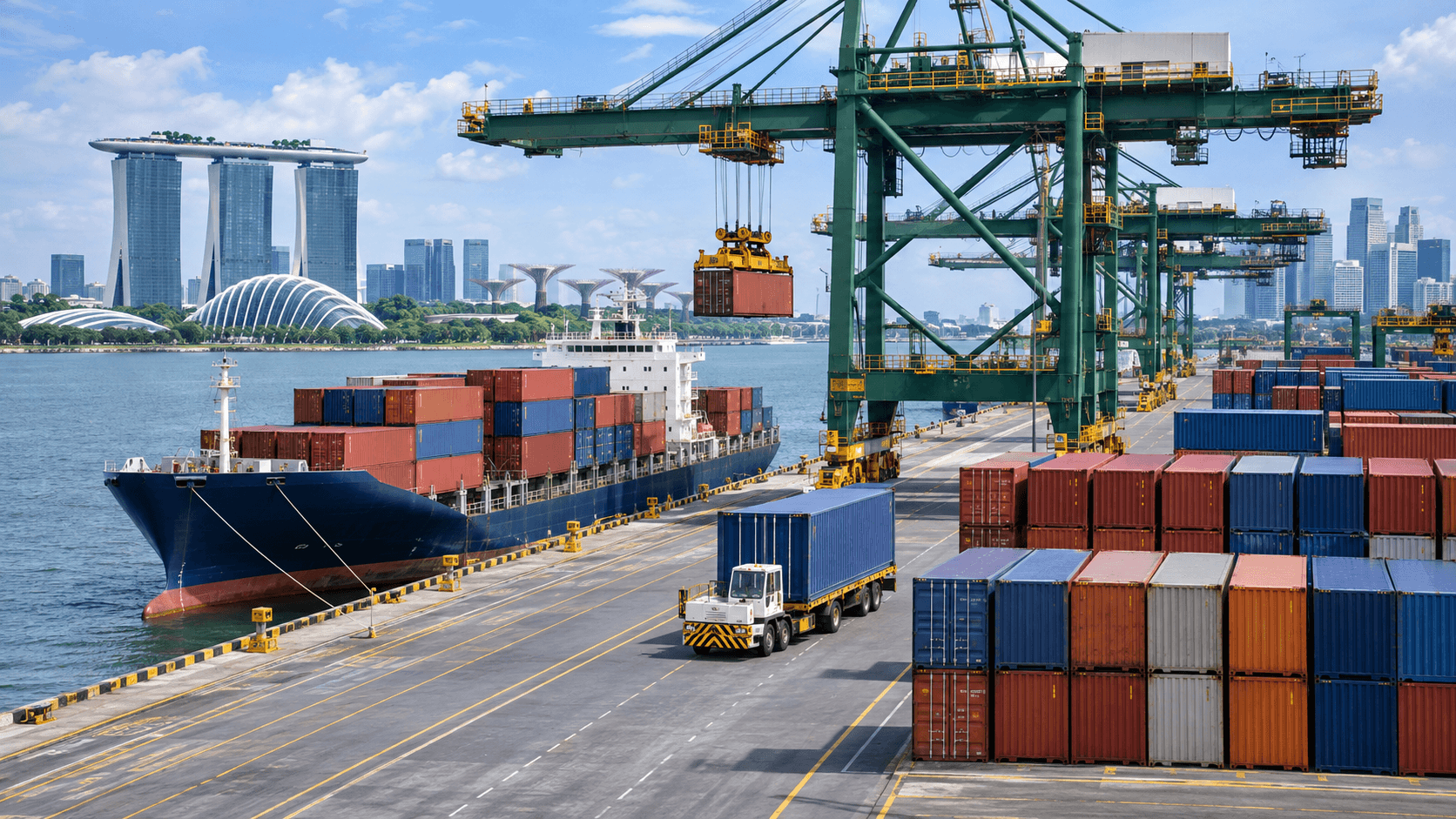
4. Indian-Port Transit for Sea Cargo
For sea-linked cargo, confirm the selected Indian port and inland service. Kolkata/Haldia or Visakhapatnam may be considered according to the booking and approved transit arrangement.
The revised India–Nepal Treaty of Transit was signed in June 2023. Confirm current procedures for your selected route. Embassy transit overview.
Name the parties responsible for port release, transit records, rail or road movement, Nepal entry and discharge of transit obligations. Confirm the actual Nepal customs endpoint.
Track container free time, delivery, unloading and empty return together. Ask who pays storage, demurrage and detention. Transit declaration guide.
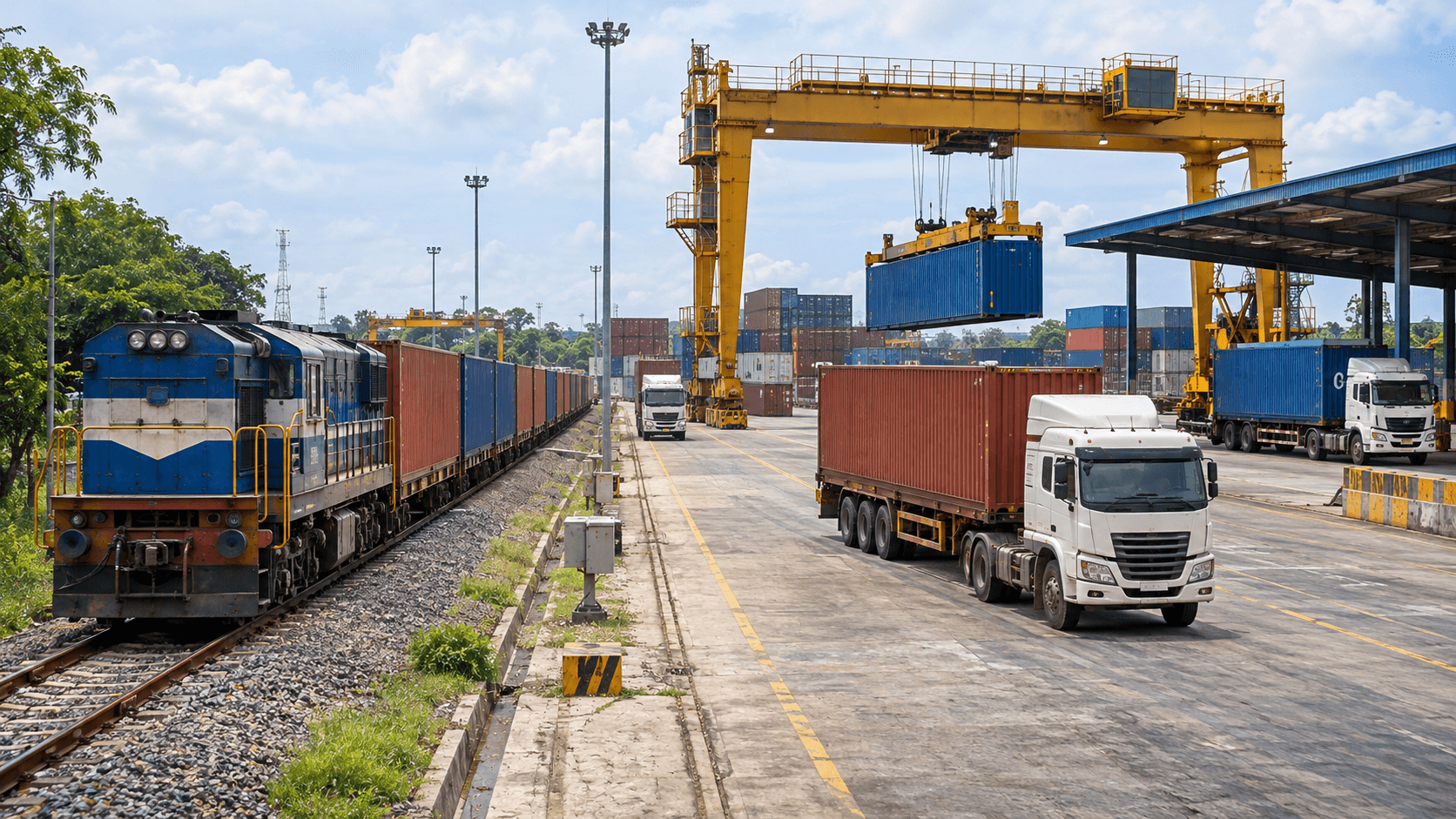
5. Customs Documents and Clearance
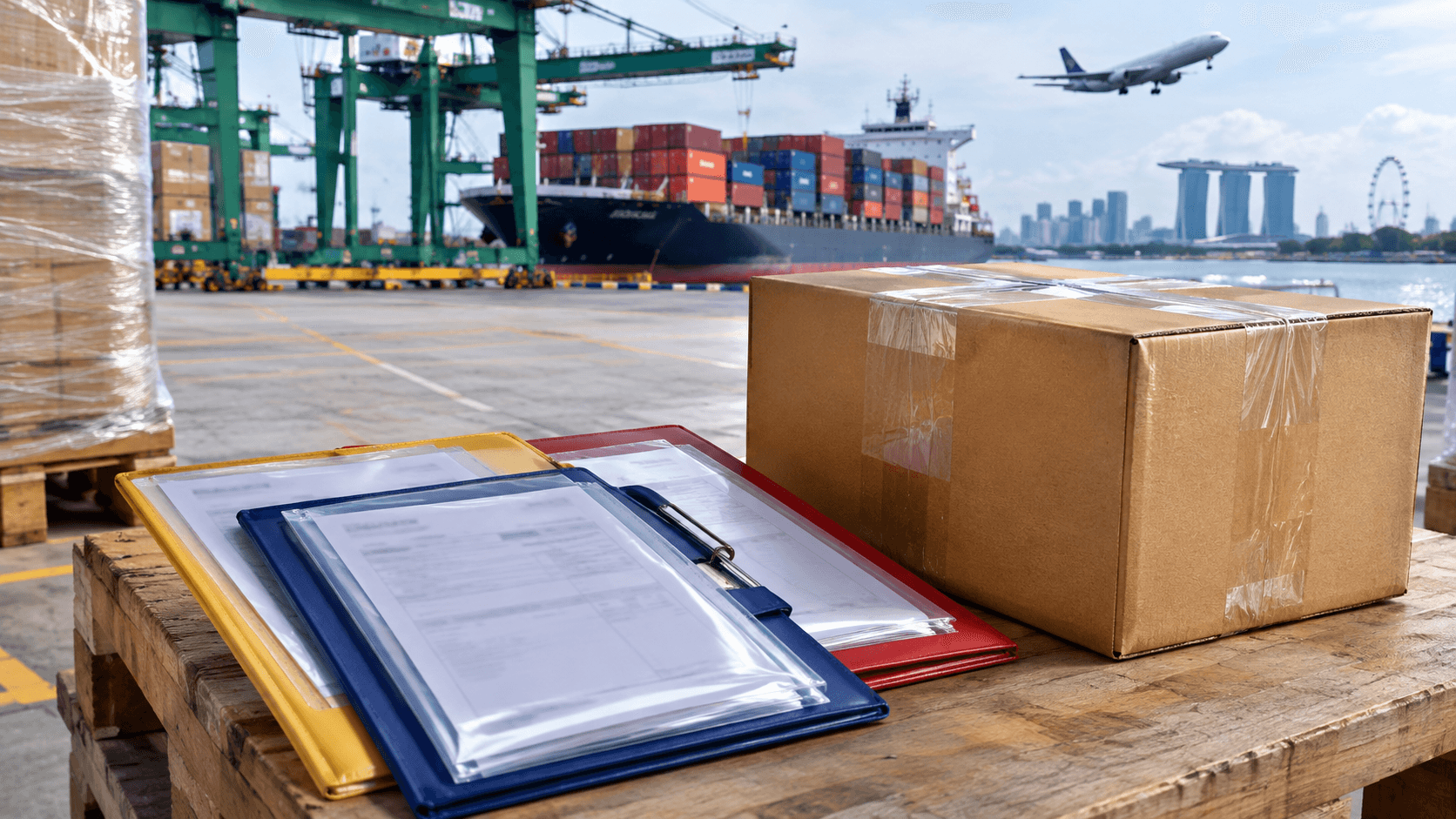
Reconcile the commercial invoice, packing list and air waybill, bill of lading or other applicable transport record. Check consignee, quantities, product descriptions, currency and package count.
Confirm Nepal importer business, tax and EXIM requirements with the representative. Product permits depend on the commodity and intended use; Indian BIS approval is not a substitute for a Nepal-specific requirement.
Provide specifications for classification, manufacturing origin evidence where needed, freight and insurance details, agent authorization and relevant approvals. Shipment from Singapore does not establish Singapore manufacturing origin or automatic duty preference.
Ask for the full Nepal tariff code and applicable duty, VAT, excise and valuation assumptions. A purchase-price-only tax estimate may be incomplete.
Confirm declaration, examination, payment and release responsibilities at the selected customs point. Freight document checklist.
Quoting Nepal-bound cargo for a client?
Share the route, cargo type, timing and open questions. Sea Sky can check the destination path before you promise a rate.
6. Delivery to Kathmandu, Birgunj and Other Cities
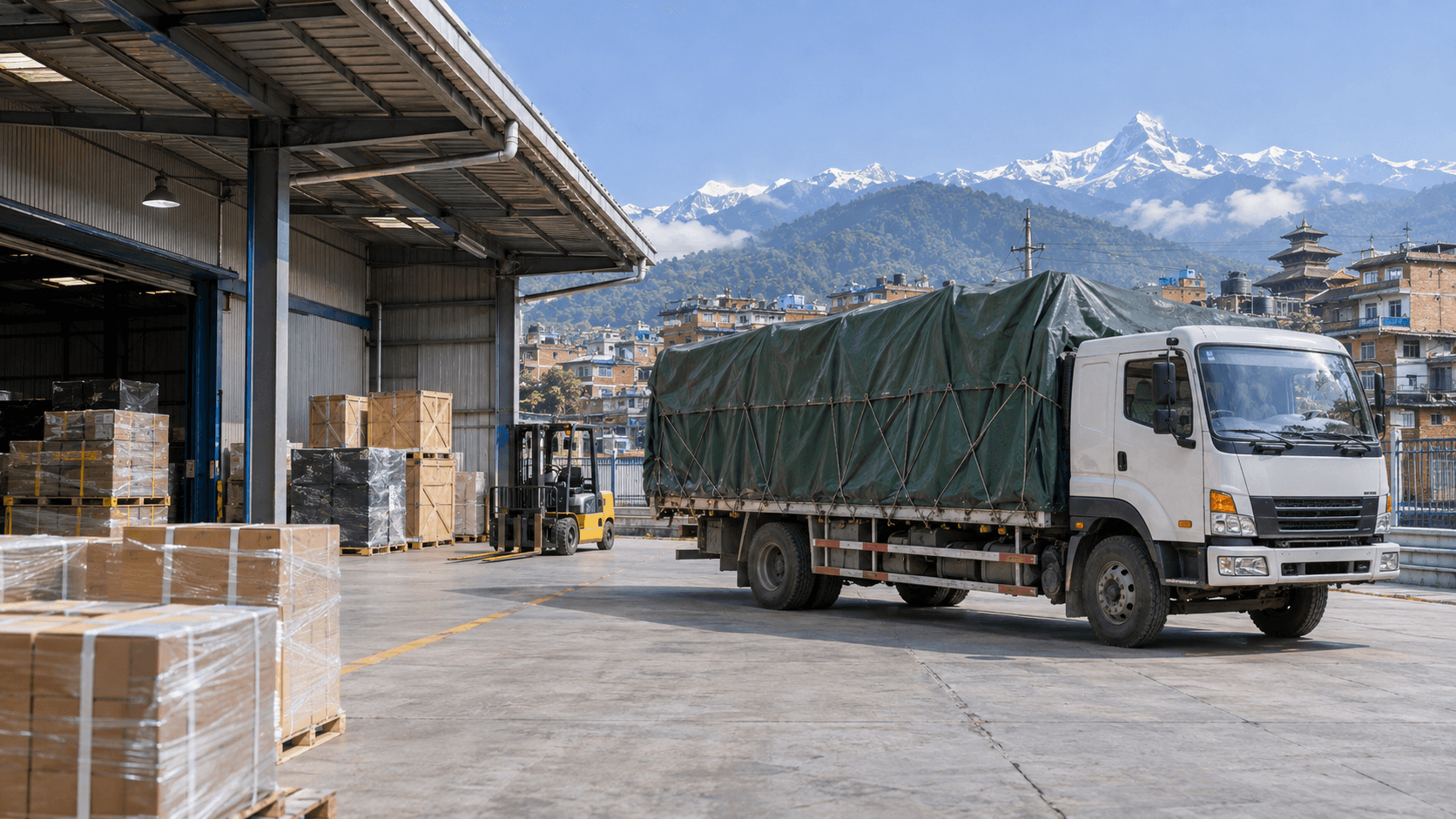
Air cargo requires release and collection at Kathmandu before delivery. For sea-linked cargo, confirm the inland and customs endpoint before booking final trucking.
Give the full delivery address, access constraints, receiving contact and unloading requirements for Kathmandu, Birgunj, Pokhara or another city.
Ask whether waiting, labour, forklift, crane, smaller vehicles or redelivery are included. Confirm the extra-cost approval process.
Request a milestone estimate from supplier readiness through delivery with stated assumptions. Road conditions, weather, clearance and receiver availability can change the final leg.
7. What Information Is Needed for a Quote
To get an accurate quote, provide your freight forwarder with the following details.
Essential Information
Pickup location: Supplier address in Singapore.
Cargo type: Description of goods (machinery, electronics, garments, etc.).
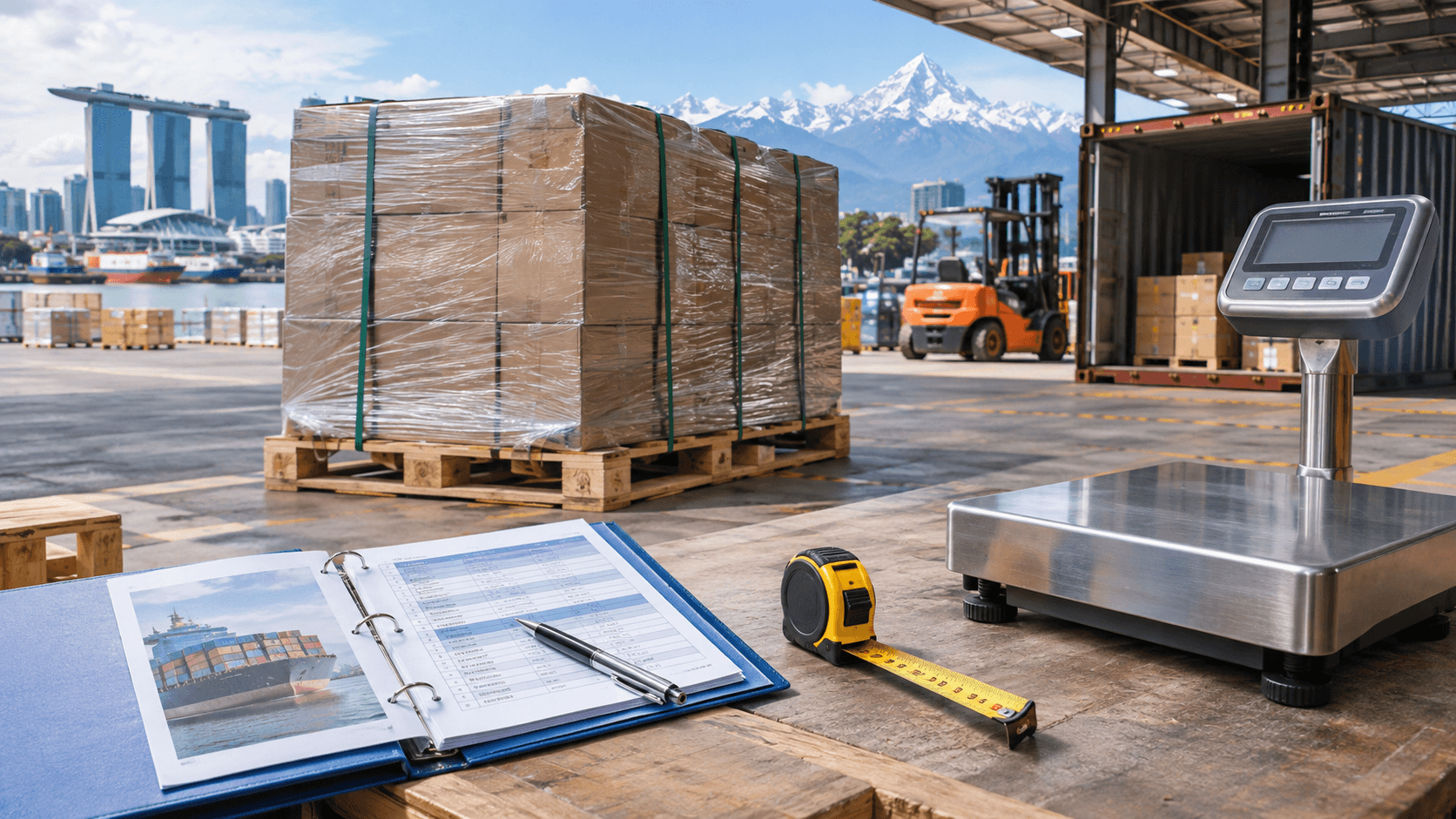
Weight and dimensions: Total weight and package dimensions (L x W x H).
Delivery city: Final destination in Nepal (Kathmandu, Birgunj, Pokhara, etc.).
Incoterm: Agreed terms (FOB, CIF, DDP, etc.).
Desired service level: Express, standard, or economy.
Preferred shipping dates: When you need the cargo to arrive.
Cargo value: For insurance and duty calculation.
Special requirements: Temperature control, hazardous materials, oversized items, etc.
Optional but Helpful Information
Photos of cargo: Helps forwarder assess handling needs.
Packing details: How cargo is packed (boxes, pallets, crates).
Previous shipment history: If you have shipped before, share past invoices or AWBs.
Budget constraints: Helps forwarder recommend the best option.
Tip: The more detail you provide, the more accurate your quote will be.
8. Hidden Charges to Check
Request a line-by-line quotation with currency, validity, payment terms and exchange-rate basis. Separate government assessments from commercial service charges.
- Origin pickup, export declaration and consolidation.
- Airline or ocean freight and carrier surcharges.
- Screening, warehouse and terminal handling.
- Indian-port transit and inland carrier charges where applicable.
- Nepal agent services and government taxes.
- Delivery, unloading, restricted access and waiting.
- Insurance if arranged.
- Storage, demurrage, detention and container return.
For each possible extra, ask what triggers it, when the clock starts and who approves it. Check insurance scope, exclusions, deductible and claims deadlines before booking.
As a hypothetical comparison in one currency, freight of 100,000 plus handling of 20,000 and delivery of 30,000 totals 150,000. An offer of 145,000 including those services is lower by 5,000 only if scope, taxes, handling and timing assumptions match. These are invented figures, not current rates. Read a freight quote.

9. Why Choose Sea Sky Cargo
Sea Sky Cargo was established in 1988 and provides international freight and regional transport coordination. Ask for a written scope for your actual Singapore shipment. About Sea Sky Cargo.
Discuss supplier collection, mode comparison, consolidation, document review, Indian-port transit where relevant and Nepal delivery. Identify the carriers and representatives responsible at each stage.
Agree shipment update milestones, contact and escalation arrangements. Confirm cargo acceptance, permits, insurance and unloading before booking.
For route background, read the Singapore-to-Nepal cargo guide. This article focuses on choosing a forwarder and comparing quotation scope.
10. Need to Ship Cargo from Singapore to Nepal?
Whether you are importing electronics, machinery, chemicals, or consumer goods from Singapore to Nepal, proper logistics planning is essential for cost-effective and timely delivery.
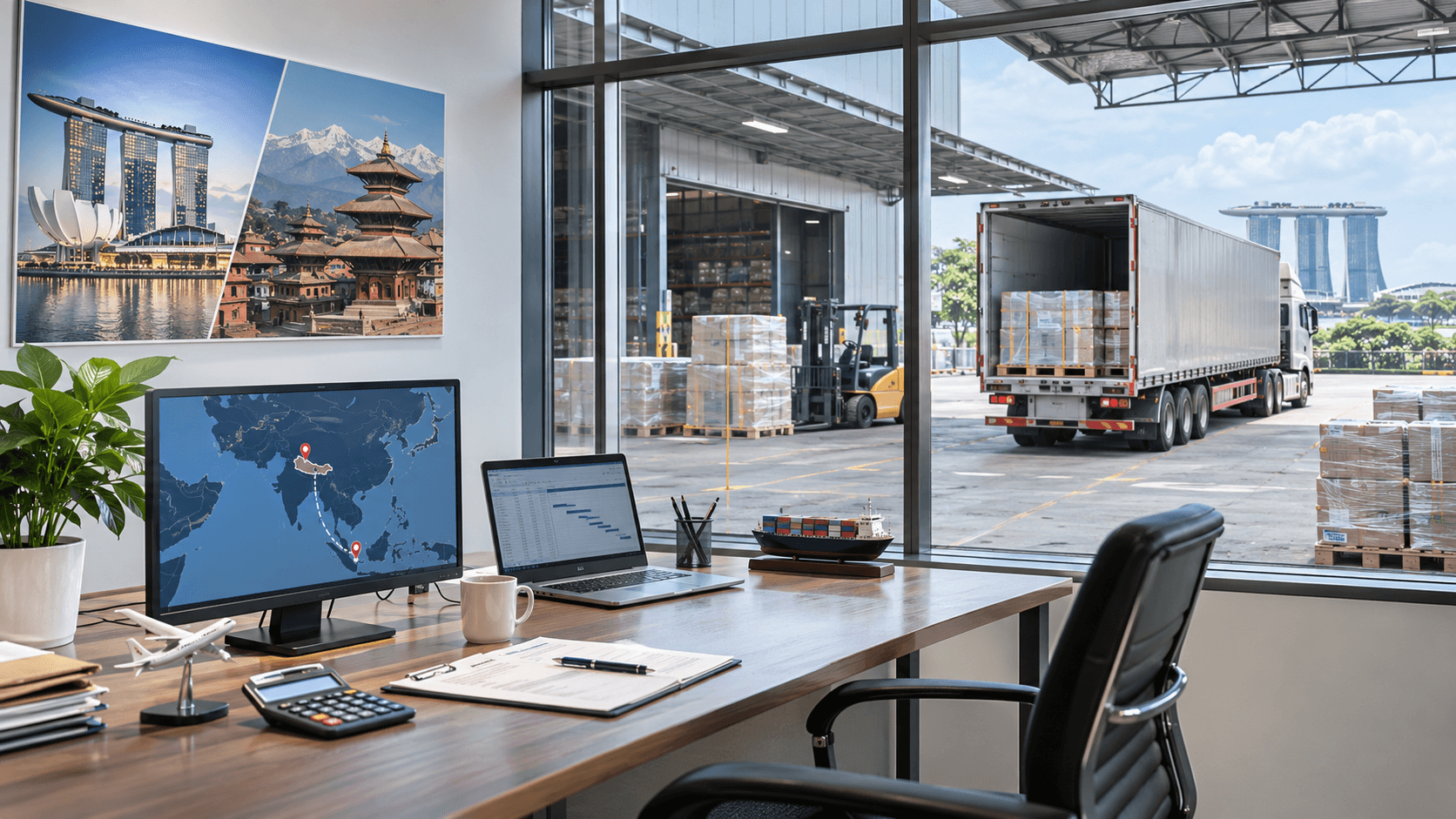
Need to ship cargo from Singapore to Nepal? Send Sea Sky Cargo your pickup location, cargo type, weight, dimensions and delivery city for a route review and quotation.
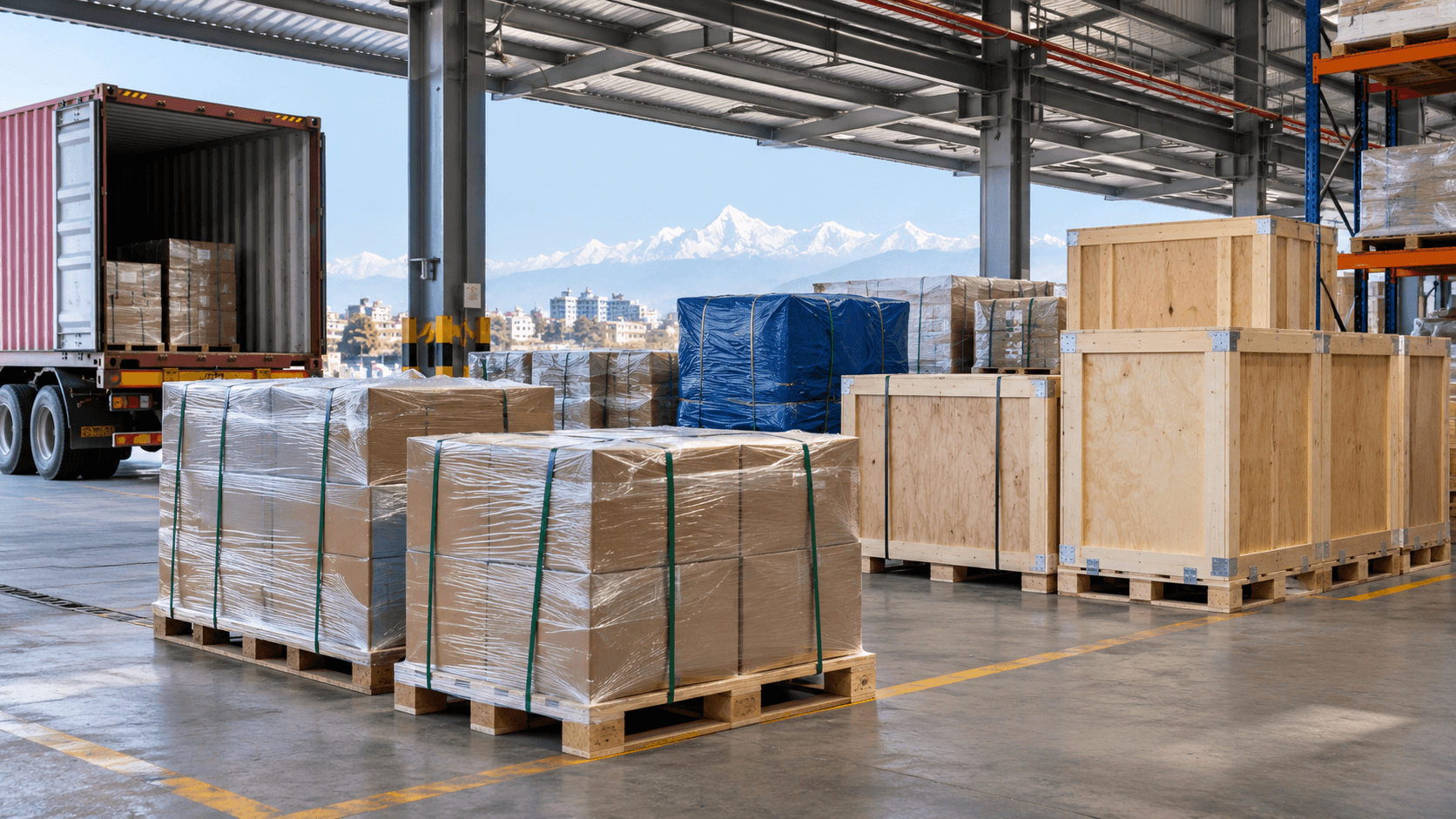
Need to Ship Cargo From Singapore to Nepal?
Send Sea Sky Cargo your pickup location, cargo type, weight, dimensions and delivery city for a route review and quotation.
Related posts
1970-01-01
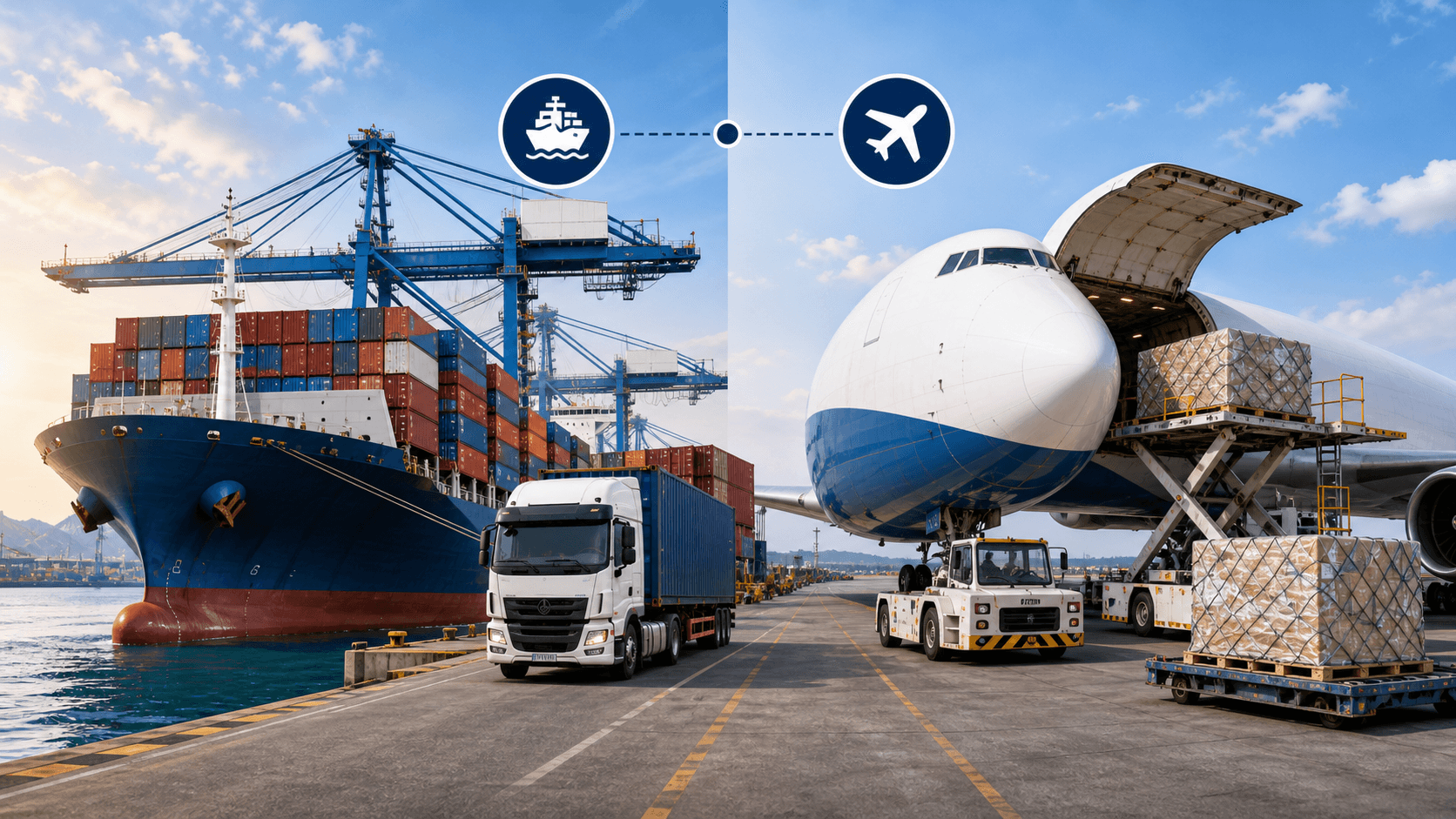
Sea + Air Freight: How SeaSky Helps Businesses Ship Smarter
2026-11-17
Bhutan Customs Clearance Guide 2026: Documents, GST, HS Codes and Import Permits
2026-11-17
Bhutan’s New India–Bhutan Rail Links and Darranga ICP: What They Mean for Cargo, Freight and Trade in 2026
2026-11-15